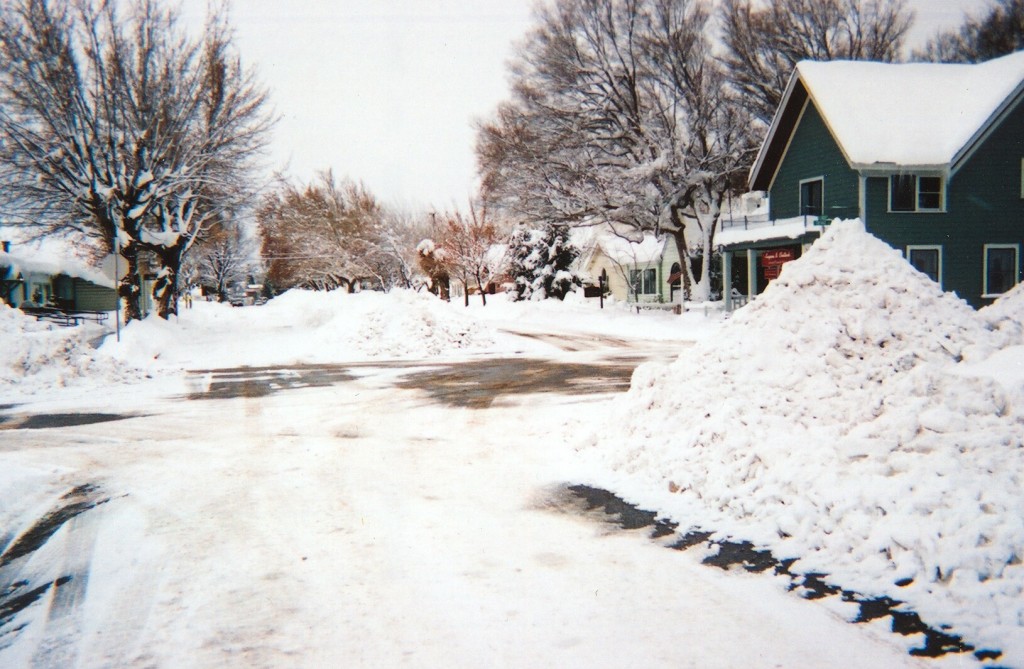
Just an unusual bit of trivia, today it will be warmer at the North Pole than it will be in Susanville. Happy New Year’s Eve. – Tim
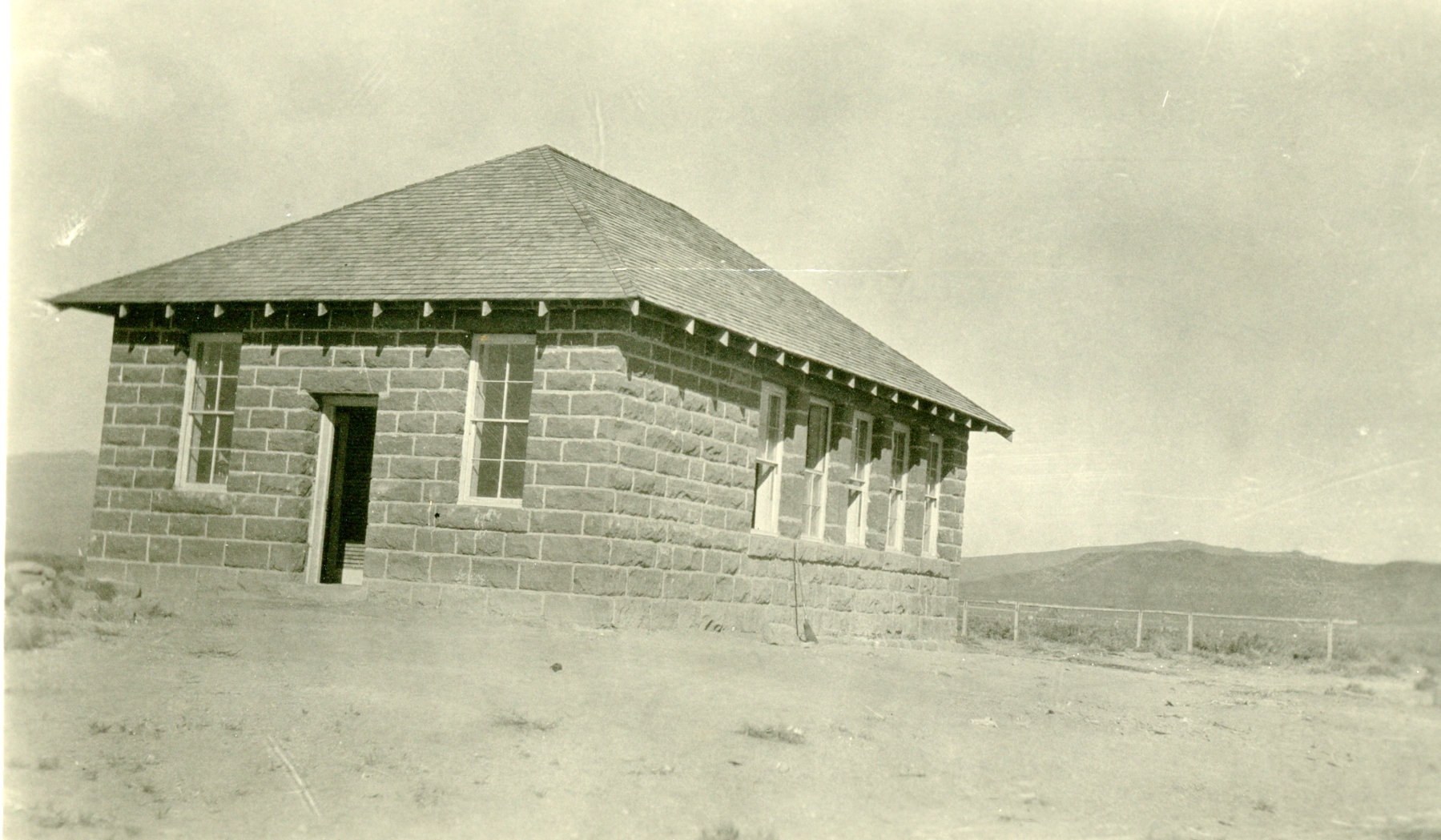
On November 28, 1913, the residents of Wendel petitioned for a school district, they named Caloreta, and the County Board of Supervisors approved it. On August 8, 1914, a bond election for $1,060 was held and approved by its fifteen registered voters. The school building itself is unique as it was constructed from native stone, whereas other rural schools were wooden framed structures. By 1919 the school was defunct. In 1922, the school re-opened, but not as Caloreta. When the Caloreta School District went defunct it was annexed to the Amedee School District. In 1922, the school operations at Amedee were moved to Wendel and occupied the Caloreta schoolhouse. Thus, the Caloreta School was now the Amedee School.
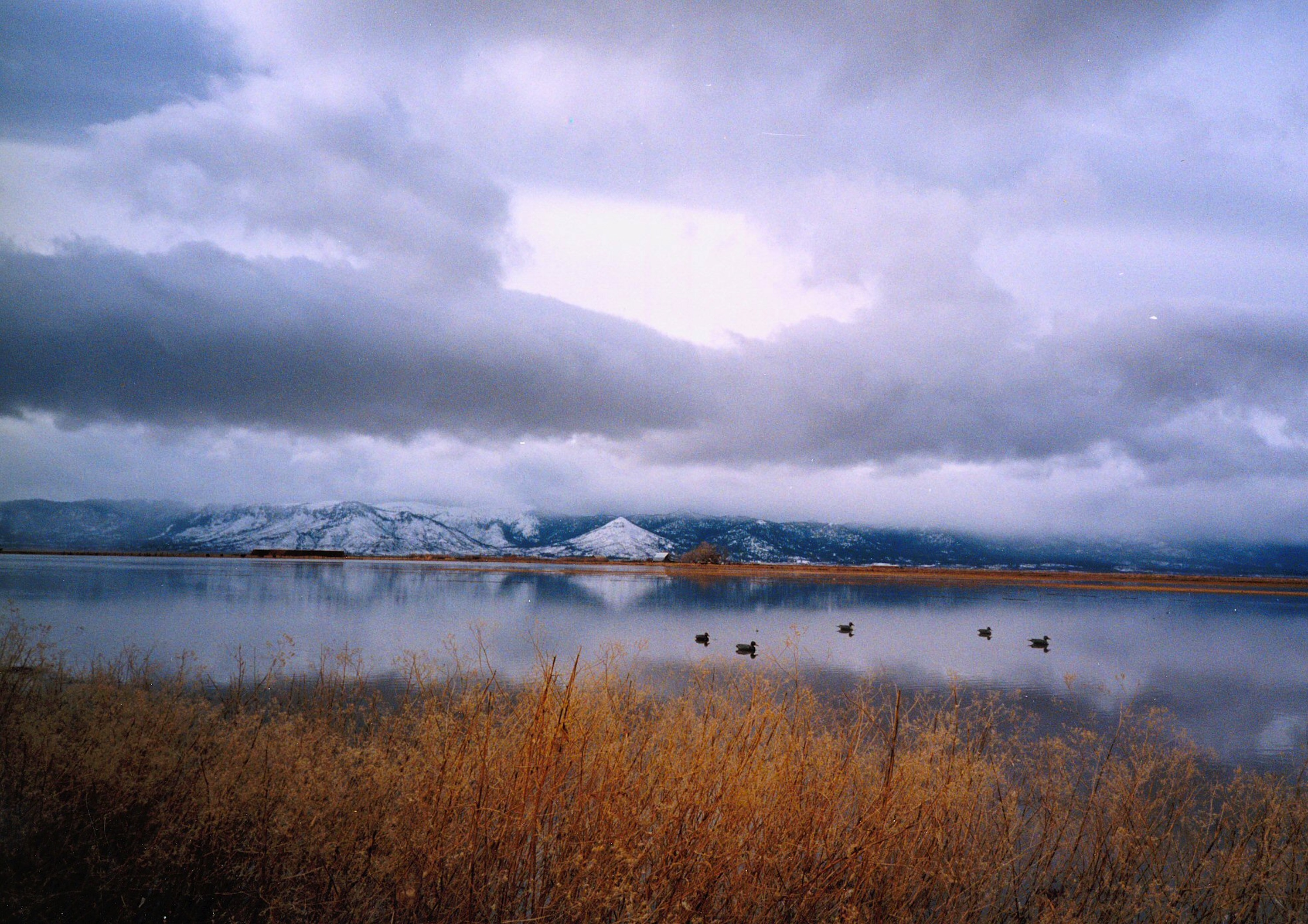
One of the perennial questions concerning Honey Lake, when it has water, is its depth. It is a relatively shallow lake, known to go dry for extended periods. There are a number of variables about the depth, due to the fluctuation of the level of the lake. The east side of the lake is the shallowest. Carl Caudle a civil engineer who resided near the lake’s eastern shore from 1909 to 1942 monitored the lake level there. On an average he recorded a depth of two feet. However, in the spring of 1914 and 1938, both years of record breaking precipitation, the east shore had a depth of six feet. The west side of the lake has the deepest points up to twenty-five feet during years of heavy precipitation.
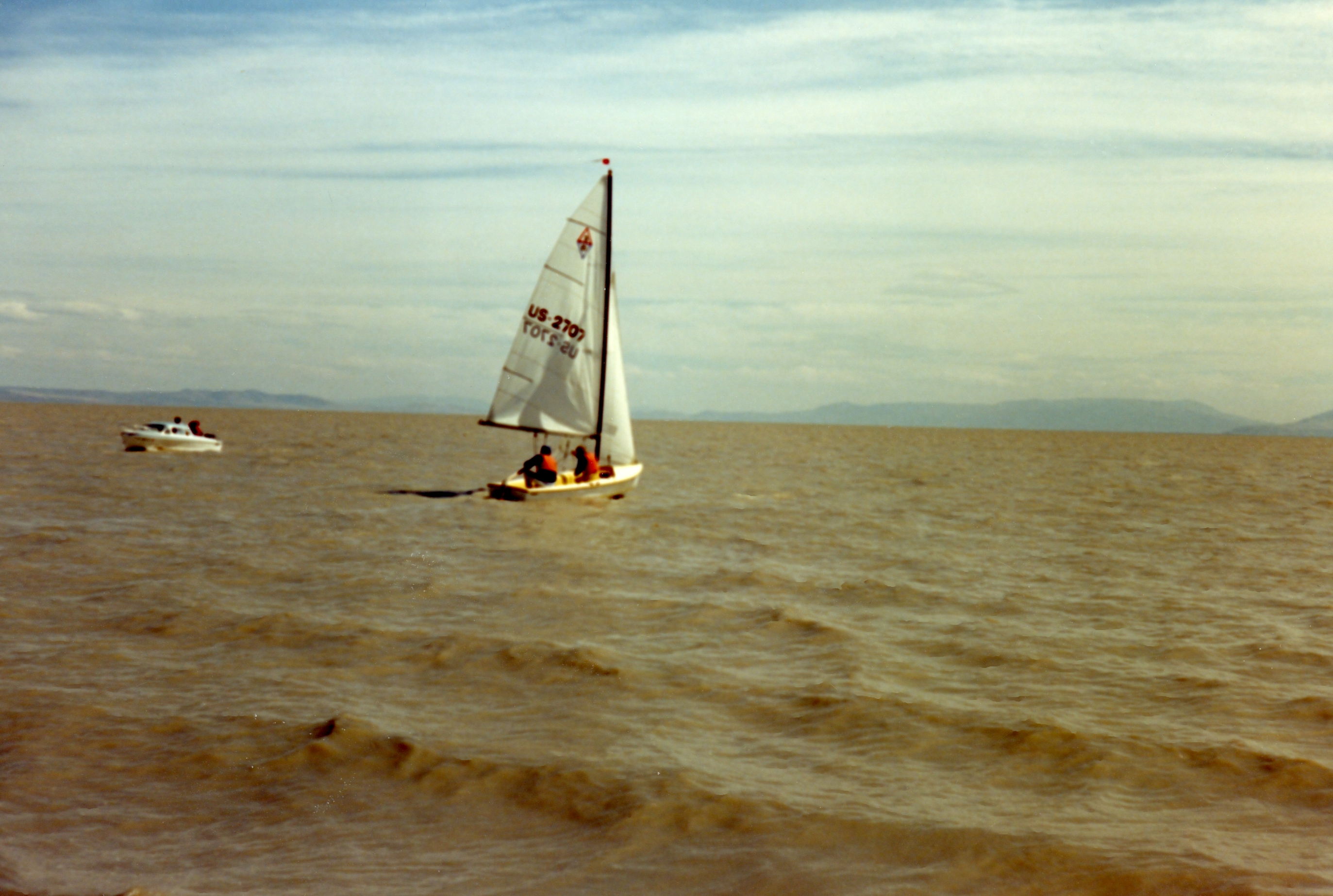
In late December, 1940 Asa Brown and Jack Sawyer, state fish and game employees conducted a sounding of the lake. They started at the northwest corner, using a measuring pole took measurements every 300 to 400 yards. They recorded a maximum depth of 10.8 feet, and the shallowest at two feet. The lake on the average varied between four and ten feet. In the spring of 1987, Mark Totten and several others participated in an informal sailboat regatta on the lake. Using a depth finder, the areas traversed on the lake averaged seven feet.
In 1860, Zenas J. Brown (1812-1895), a pharmacist, received the nickname of Dr. Eight Square when he constructed an octagonal building in Susanville. Brown, in the scheme of things is known for a lot of things. In 1861, Brown created Susanville’s first subdivision, located in the vicinity of Lassen High School and aptly named Browntown. More importantly he credited with the planting of the area’s first orchard of apple and peach trees. In 1863, one of Brown’s peach trees produced the area’s first peach crop —four peaches devoured by Susan Roop and Mrs. C.W. Fuller. In the fall of 1864, Brown sold his subdivision and left the region.
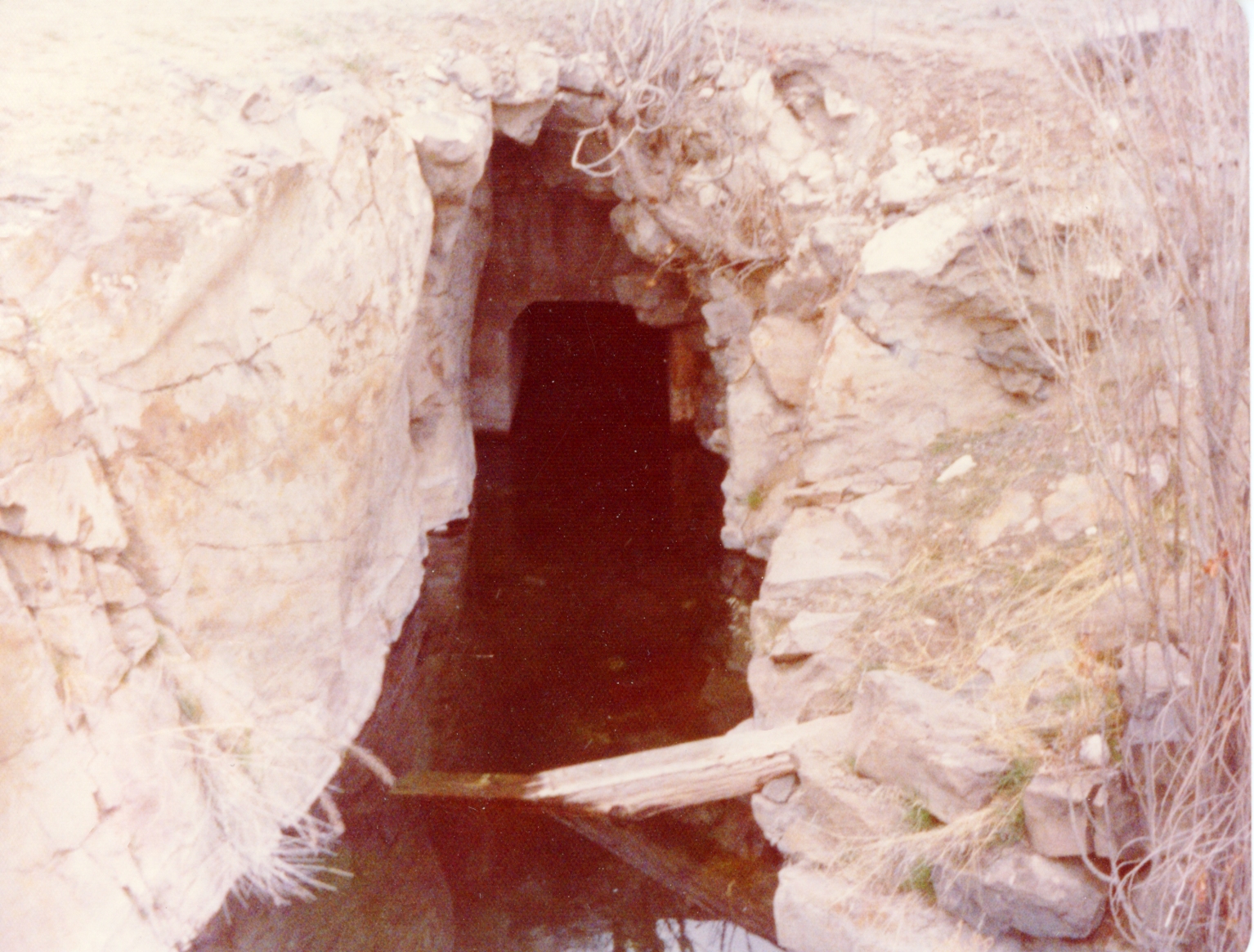
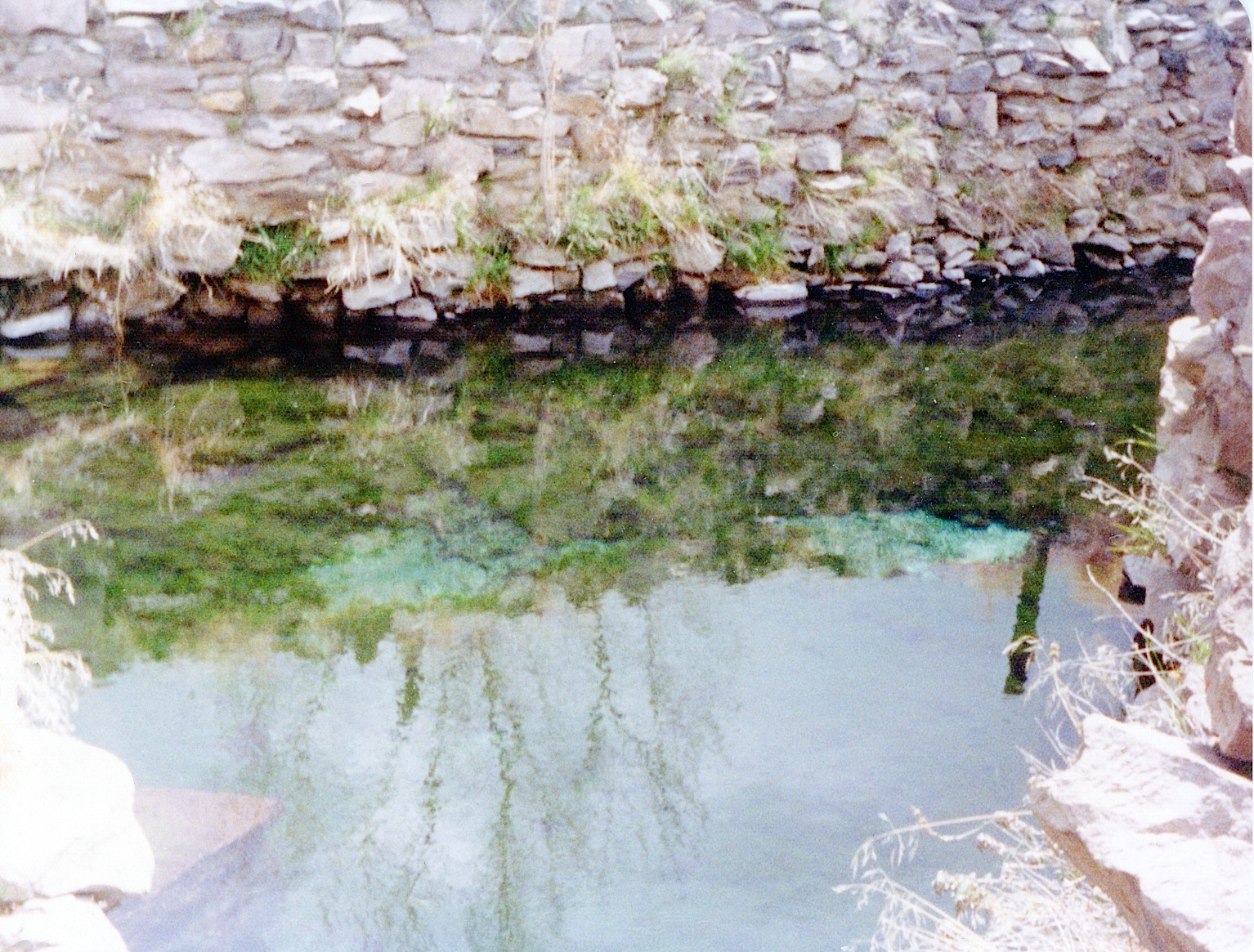
These springs in eastern Honey Lake Valley and near the Nevada border are quite unique. They are an ancient spring dating back to the time when the area was covered by Lake Lahontan in the Pleistocene epoch.
The second reason is it is a warm water spring with a constant temperature of 86F. The springs supports two kinds of fish. First is the Lahontan tui chubs. This, of course, is rather remarkable that the fish have adapted over the years to thrive in constant warm water in a confined space. Water from the spring then goes underground and re-surfaces 100 yards distant, maintaining a constant cooler temperature at 76F. At this point, again,which is also unusual, is found the Lahontan speckle dace.
It should be noted that in the 1920s, William Dicting was hired by the Jenkins to develop the springs. He spent eight years to hand drill through the rock to develop the water tunnel to increase water flow.
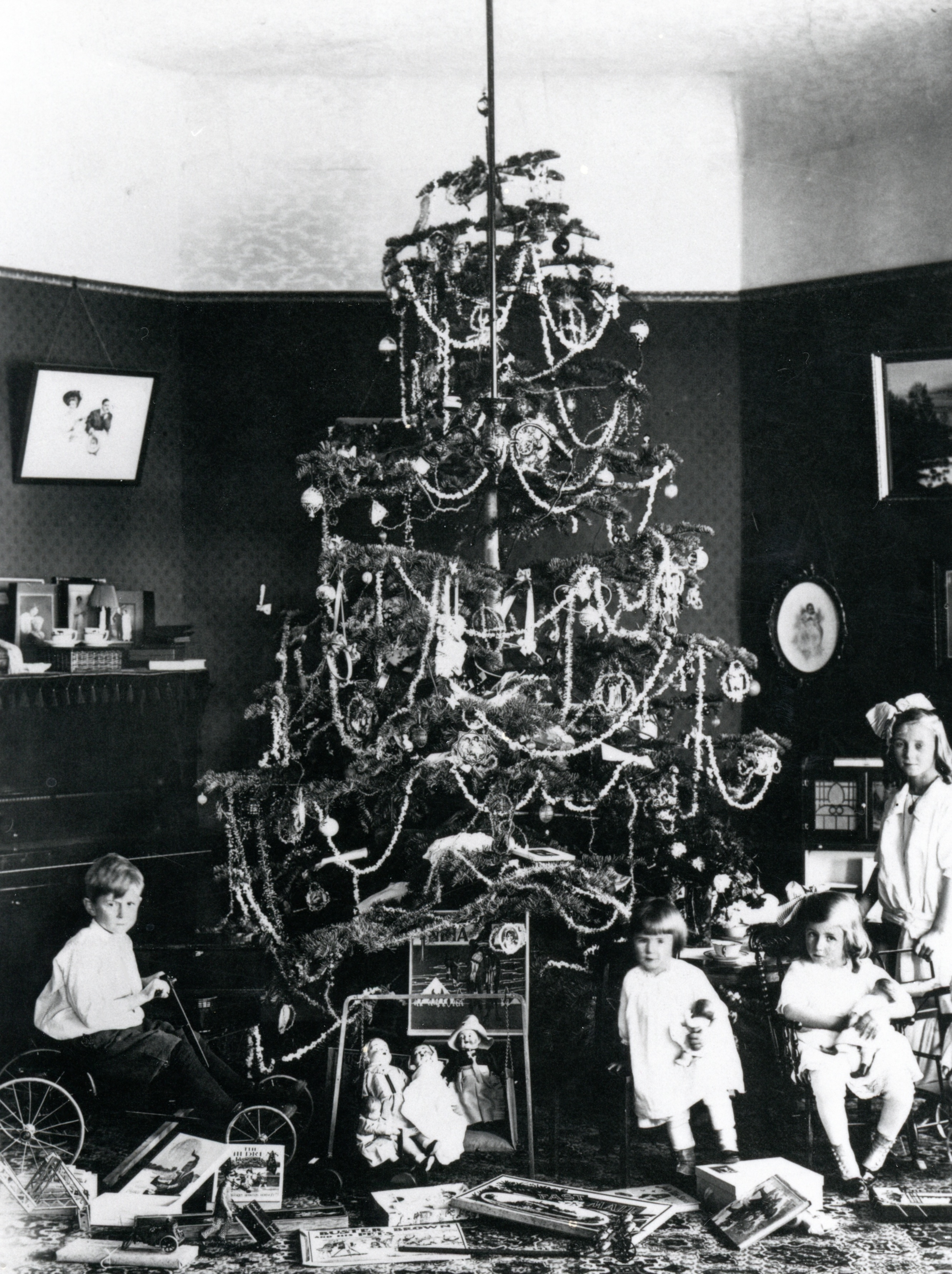
Christmas trees had a slow start around these parts. During the 1860s and 1870s the Susanville Methodist Church would put up a community Christmas tree. By 1900, the area no longer a pioneer outpost and with more prosperous times some of the local populous would adorn their home with a tree.
After World War II Christmas trees became a regular holiday adornment in most homes. It also started to become big business. In 1950, Fruit Growers Supply Company implemented a Christmas tree farming lease program. In 1966, they sold over 70,000 Christmas trees for just over $100,000. Between 1950 and 1996 Fruit Growers sold 1,422,158 Christmas trees at an average price of $1.51 per tree.
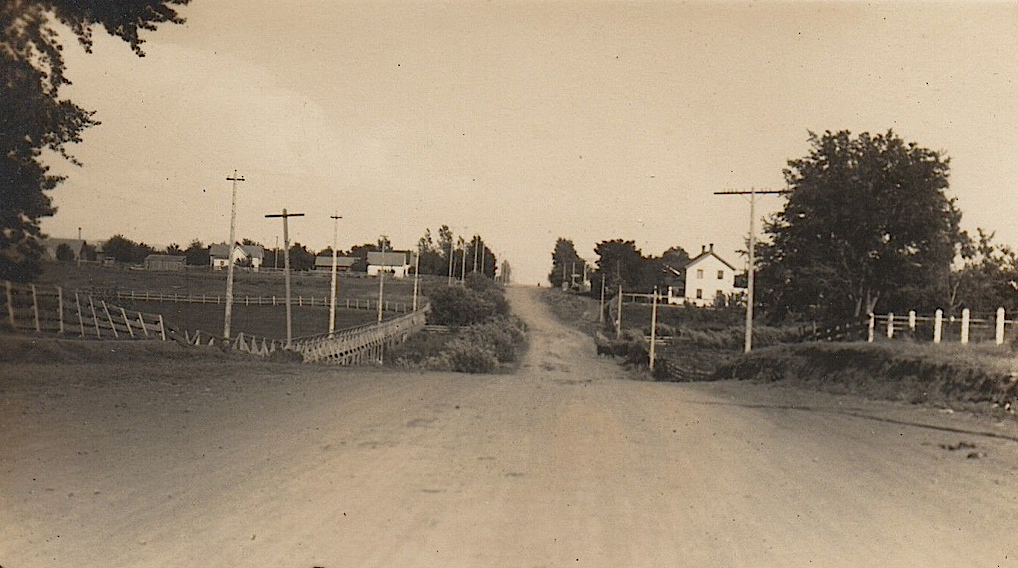
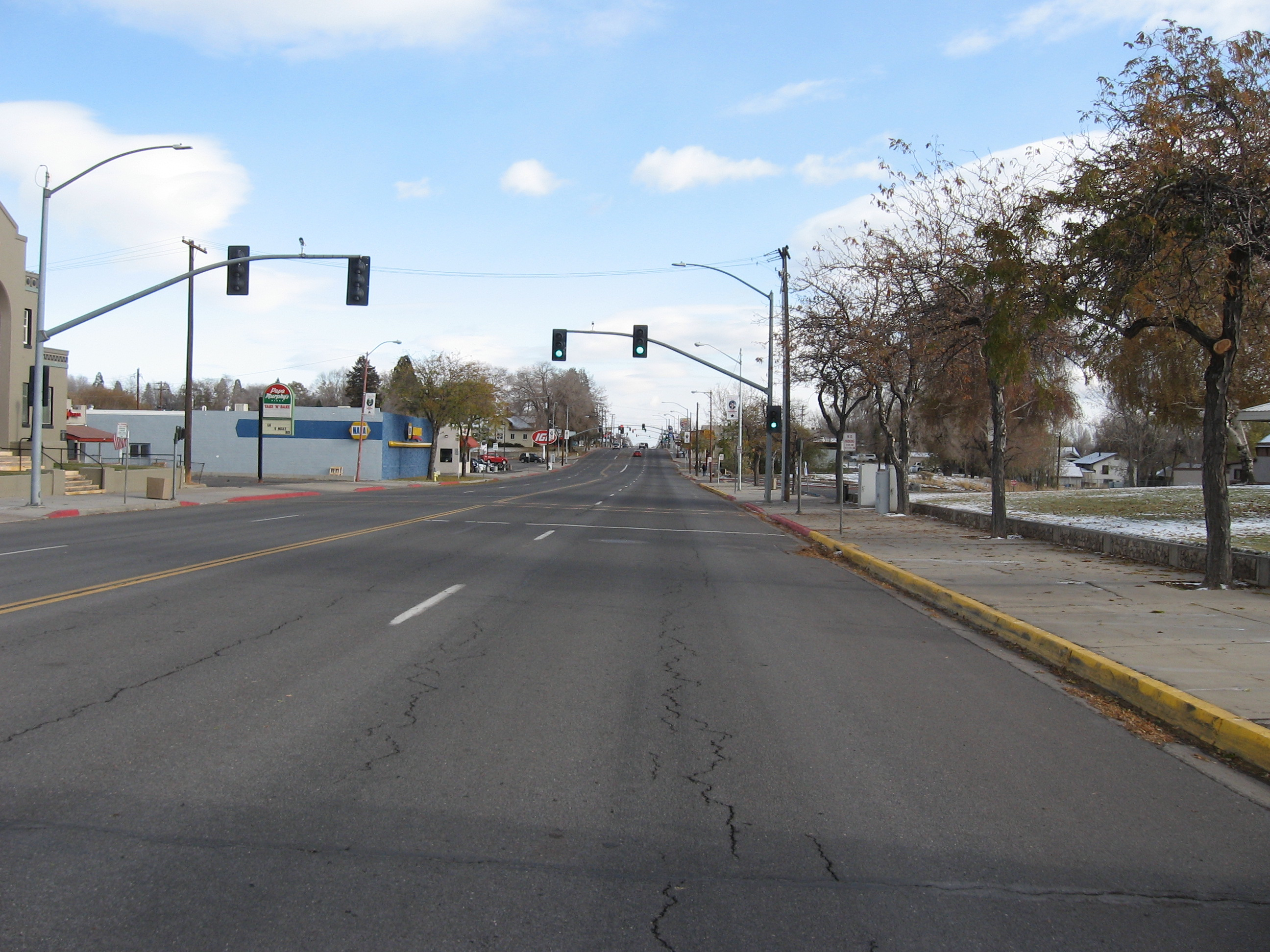
Back in June I wrote about A Main Street Problem that involved filling in the gully area of Piute Creek. Since that time, I came across the above photograph, as the original post was taken on the knoll looking west. In an attempt to show the difference on Thanksgiving Day 2015 I took the below image for comparisons sake. For safety reasons, and my mobility a bit limited, I did not take the view from the center of the street for comparisons purposes. However, the 1908 photograph was taken in front of the high school, and I did the same.
The first wave of Honey Lake pioneer retirees, which has something in common with those “snow birds” of today who flock to warmer climes such as Arizona for the winter, also sought the same.
By the early 1900s, Honey Lake’s grey hair crowd flocked to Pacific Grove on California’s Monterey Peninsula. Why the attraction? Methodism. Pacific Grove was founded as a Methodist retreat. By 1900, the Methodist Church was the predominat religion of the Honey Lake Valley, with churches at Janesville, Johnstonville, Standish and Susanville.
With so many old timers taking up residence there, some seasonal and some year round, Pacific Grove was dubbed “Honey Lake Heaven,” their last journey in life. Yet, it was not exclusive to the older crowd, as members of the DeWitt and Spoon families to name a few, found Pacific Grove more appealing than the Honey Lake Valley and raised their families there.
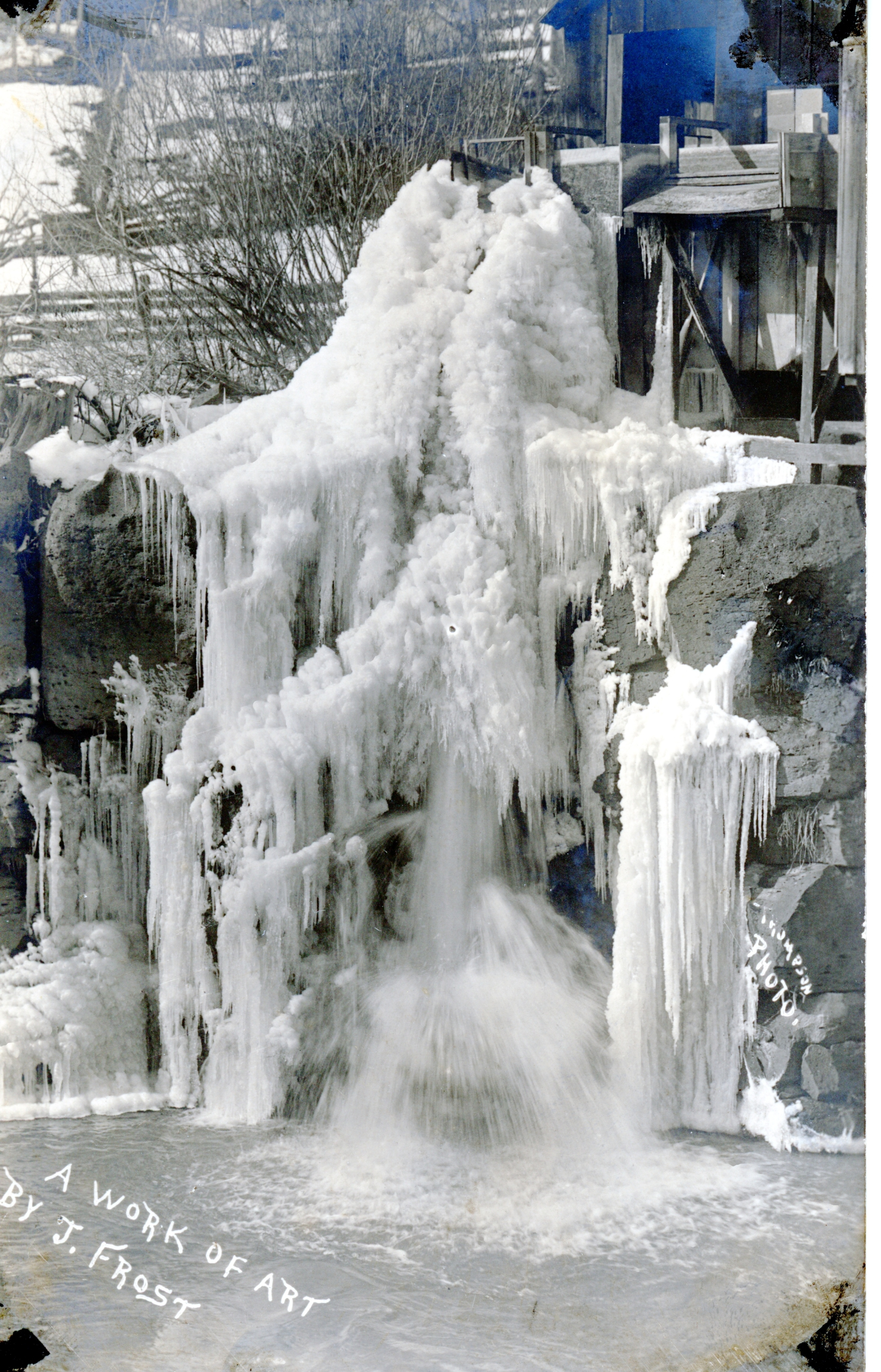
Today brings a smile to face, for it marks at least one turning point of the winter season, even though it takes a few weeks to actually see it progress. One of the things I dread about winter are the short daylight hours and now knowing that the pendulum will start working its way to bring more daylight. Actually, for those serious folks, on December 15, the sunset locally not starts to get later, by a minute on that date. However, the sunrise keeps getting later, and does not reverse the trend until January 9.
Around these parts, historically the coldest and snowiest months are just ahead in January and February. Nearly all the record breaking snowfalls occur in mid-January. For those interested in forthcoming storms and especially the snow conditions I recommend The Tahoe Daily Snow. On a final note, most forecasters call for the first El Nino storms to begin sometime in the week of January 11.
Finally, those interested in Eagle Lake conditions can see the web cam at Spauldings here.
