
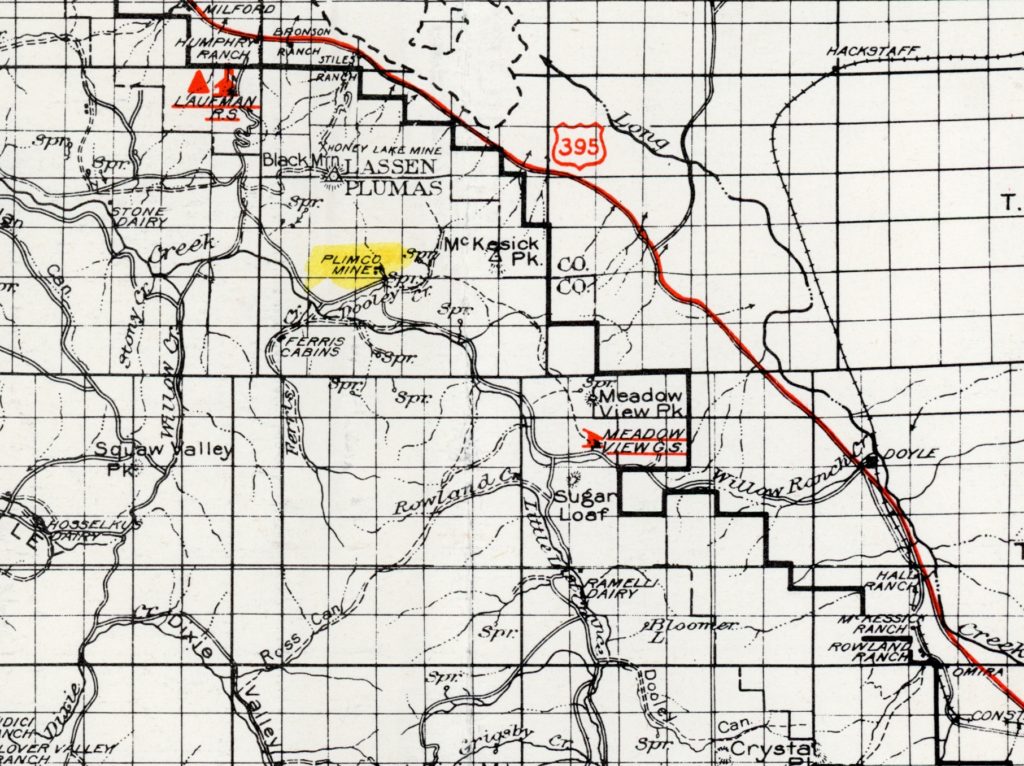
Plinco Mine, Plumas County
Support
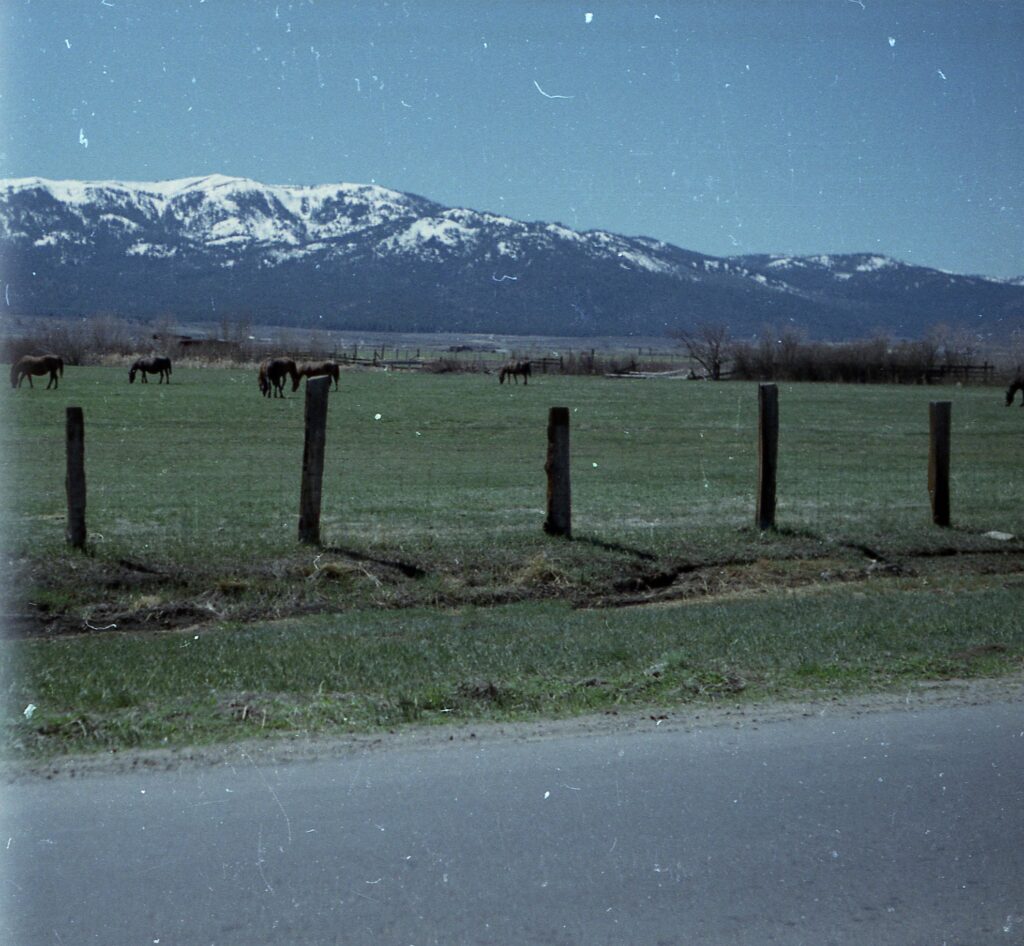
Tuesday Tidbit – Diamond Mountain, 1960
Westwood’s Pine Tree Newspaper
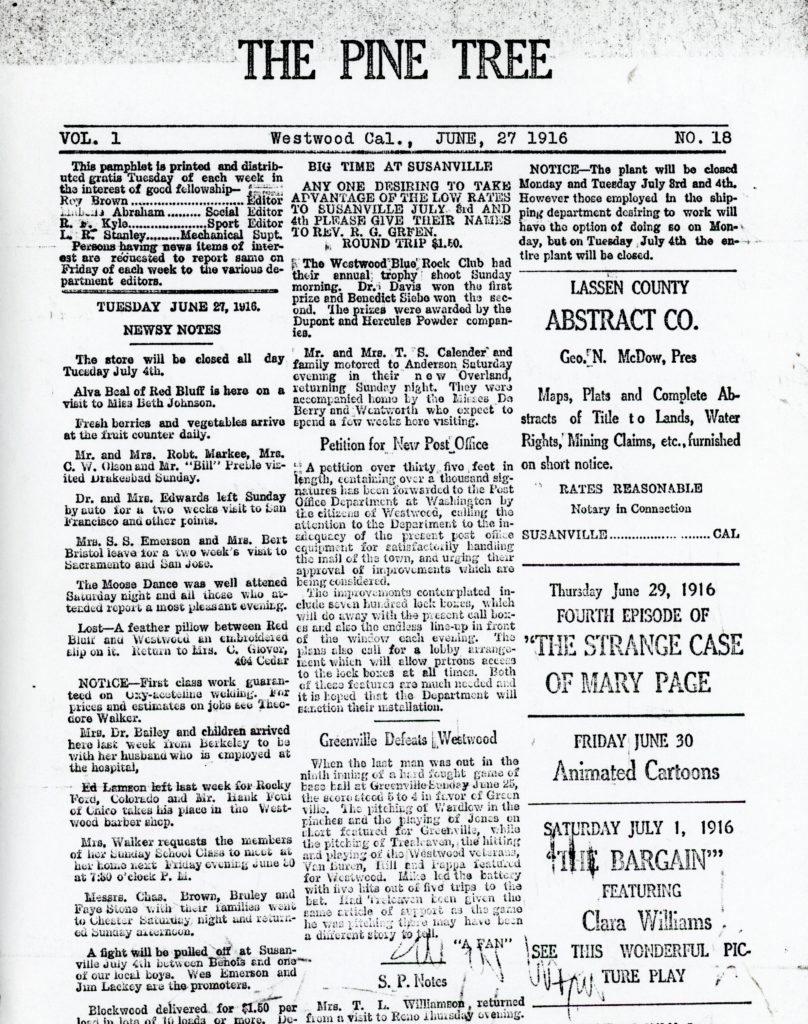
On March 21, 1916, Westwood’s first newspaper The Pine Tree made its debut. It was a weekly paper that was distributed for free. Leon R. Stanley who was in charge of production, had a background with newspapers in Modoc County. Very little is known about the paper and when it ceased publication.
On August 17, 1917, The Westwood Independent succeeded The Pine Tree. This paper under the helm of G.B. Morrow, who also served as the justice of the peace remained in operation for three years. Stanley again was in the forefront when The Westwood Sugar Pine which eventually became known was Sugar Pine Press succeeded The Westwood Independent.
Support
The Tragic Tale of Maud Bentel
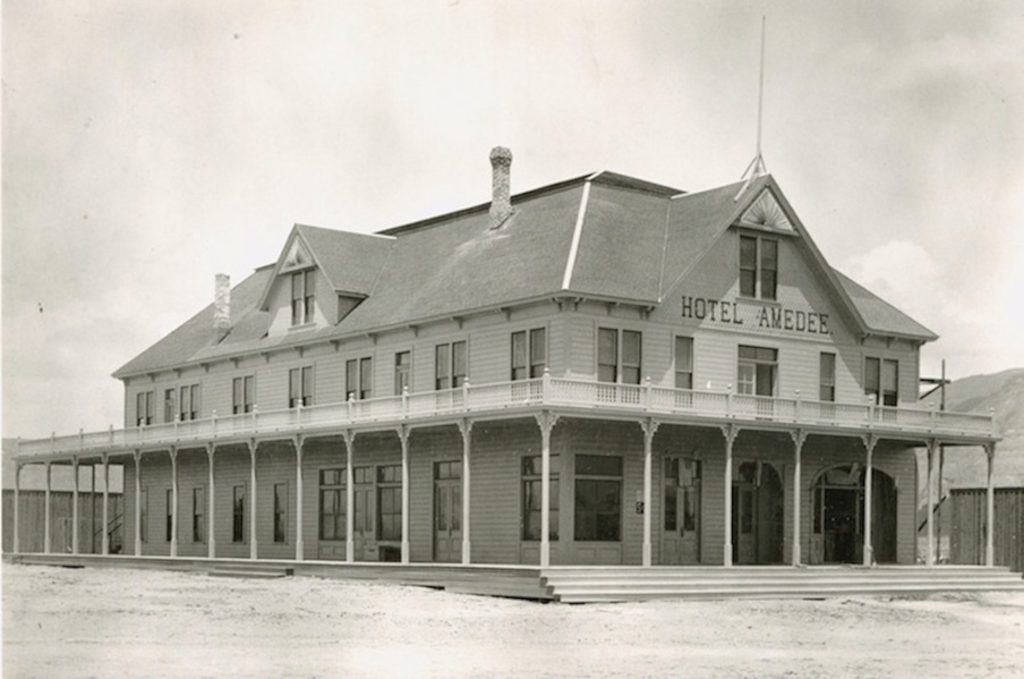
Unfortunately, life is full of tragedies, and that was in the case of Miss Maud Bentel. At the age of seventeen, she was a telegraph operator at the Hotel Amedee when she committed suicide on June 8, 1894, Charles Ball who was drunk at the hotel had became a big nuisance towards her. He called Maud a various assortment of obscenities with some vile threats. This upset her terribly and she left the hotel and went to the drug store of Mrs. B.A. Keser.
Mrs. Keser talked with Maud, attempting to console her. Maud remarked “you don’t know what you are talking about. I can never look at a man in the face in this town. I’d rather be dead than do it.”
When Frank Fischer, came into the front room to the store, Mrs. Keser left Maud alone, so she could attend to her customer. When she returned she found Maud in a spasm and Maud told her she had taken strychnine. Maud had second thoughts now and pleaded to be saved. Mrs. Keser gave her some syrup of ipecac to induce vomiting but it was too late and Maud died shortly thereafter.
It was believed the actions of Charles Ball at the hotel provoked the whole incident. Ball could only be charged with a misdemeanor and was fined the maximum of $200 for his actions. District Attorney N.J. Barry implemented criminal actions against Lewis Brubeck in the matter for keeping an inn in a disorderly manner. It was thought if Brubeck had stopped Ball from harassing Maud, she would not have killed herself. Brubeck was found guilty of a misdemeanor and he too was fined $200.
Maud was buried in the Susanville Cemetery, and there is a small marker for her grave. It was my intention to photograph her grave,. Alas, the cemetery is still closed due to the damage of the horrendous windstorm in November.
Support
Who Was Litch in Litchfield?
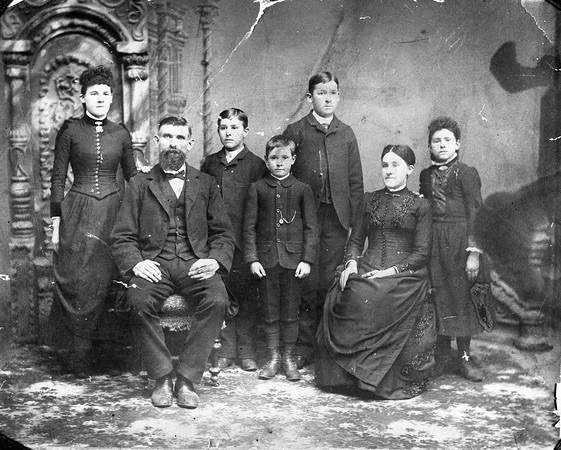
In 1850, Andrew Litch (1883-1906), a native of Germany, arrived in California. During the 1860s, he operated a trading post, the Granite Creek Station. In 1866, he abandoned the station and moved to the Honey Lake Valley. In 1868, he entered into a partnership with Thomas J. French. That year, they purchased the Shaffer Brothers Ranch (known today as Mapes) for $2,500.. In 1874, the two men dissolved the partnership and Litch received the western part of the ranch. In 1883, Litch moved to Reno, Nevada, though retained ownership of the ranch and leased it.
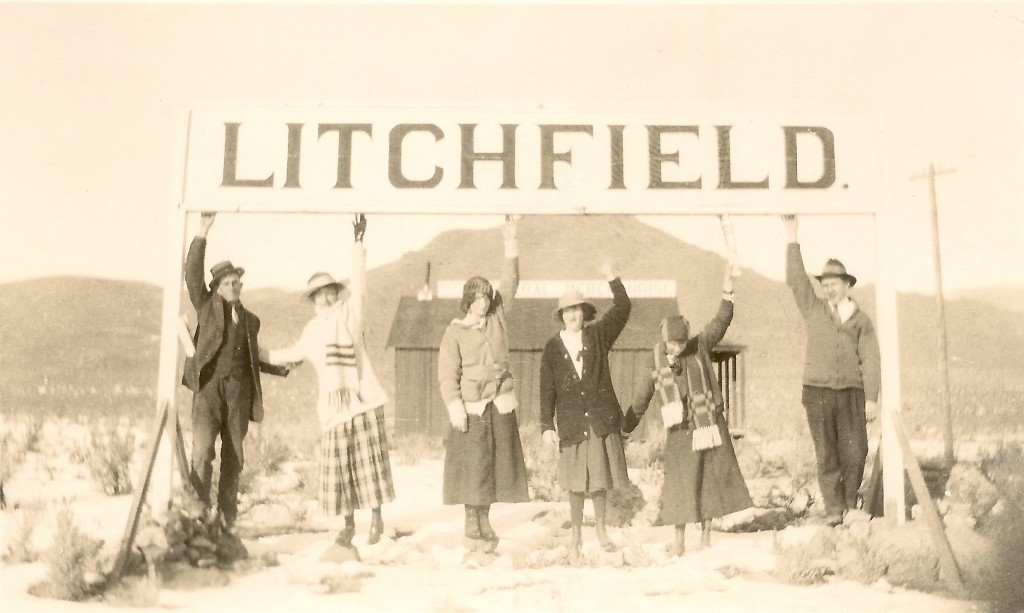
In 1895, B.F. Gibson married Andrew’s daughter,Clara Litch, and he took over his father-in-law’s ranch. In 1912, construction began on the Fernley & Lassen Railroad that went through the Litch property, now owned by Gibson. On January 8, 1913, Gibson had subdivision created for a new town, served by the railroad. He named it Litchfield, in honor of his father-in-law.
Support
Bonham School, Washoe County

Established in 1887, it was originally located at the Bonham Ranch in the Smoke Creek Desert. The school closed in 1919 for lack of students.
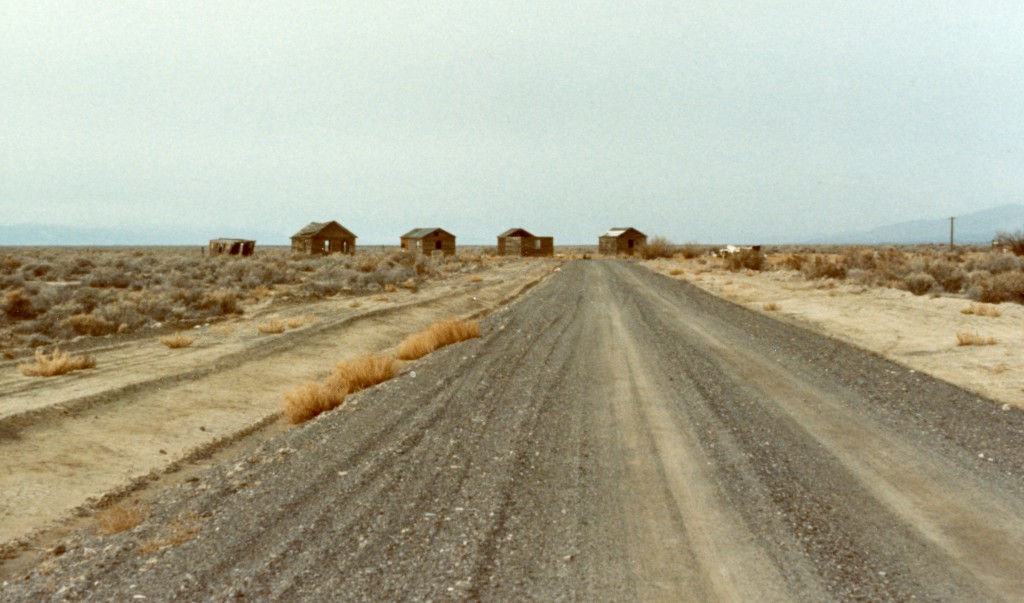
In 1929, it was resurrected at Flanigan in the Honey Lake Valley. It closed on June 20, 1969 and at that time it was the only remaining one-room school in Washoe County. Standish resident Ed Bass purchased the school and moved it to his property.
Tim
Wild Horse Gatherers
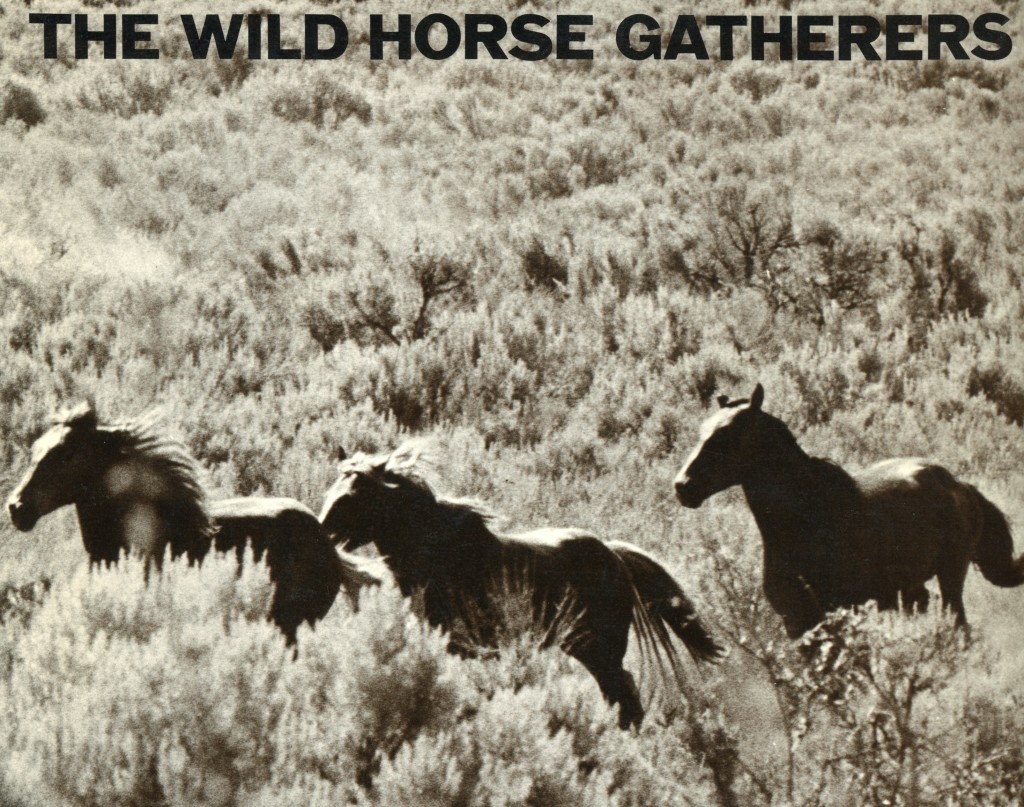
In 1977, Alden Robertson spent a lot of time with the Bureau Land of Management’s wranglers of the Susanville District, as part of the Adopt Horse Program. He photographed the wild horse round ups of Twin Peaks, northeast of Susanville. In 1978, the Sierra Club published Robertson’s work titled Wild Horse Gatherers. It is remarkable account of those round ups. While it has been out of print for a long time, I was able to locate copies at Bookfinder.com as low as nine dollars.
Tim
.
That Can Do Spirit

Since we are approximately half-way between Thanksgiving and Christmas I thought briefly reflect past community efforts to organize and get things done. It should be noted, that three sites were done by volunteers.
The Lassen Monuments. In October 1916, Susanville resident Jules Alexander spearheaded efforts for a new Peter Lassen Monument. The new monument was installed in September 1917. A century later, in 2017, Susanville Boy Scout Hayden Chittock made the rehabilitation of the premises into an Eagle Scout project. It was a massive undertaking to say the least, with many volunteers lending a helping hand. Go check it out, when you can.

The Lassen County Fair. In the summer of 1922, Bert Jensen, Russell Brownell, C.E. Lawson, L.E. DeForest and H.H. Riddels formed the Lassen County Fair Association. It had been sixteen years since the last fair, and these ambitious men were not only going to correct that, but make the county fair an annual event. They wasted no time to put together a fair, but a permanent fairgrounds as well. Twenty acres of land were acquired which is still the present Lassen County Fairgrounds. In July they even had a grandstand constructed. In 1930, the Association donated the fairgrounds to Lassen County.

Susanville’s Memorial Park.. This park owes its existence to countless numbers volunteers who raised the money to purchase it, but they also did the landscaping and built the grandstand that was destroyed by fire this summer. In 1946, M.E. “Mul” Mulroney was the guiding force behind to make Memorial Park a reality.. The property was owned by Cy and Eleanor Houghton, and the asking price was $7,000. The community raised the funds, presented it to the city and the purchase was complete. When the city stated that they had no funds to make improvements, the community stepped in and did it. On July 3, 1949 dedication ceremonies were held for Memorial Park. Ben Curler, Lassen County Superior Court Judge, was the opening speaker. He simply said it as “truly a community park” for all the efforts by the community to purchase and landscape the site.
Tim
Susanville’s Richmond Road Bridge
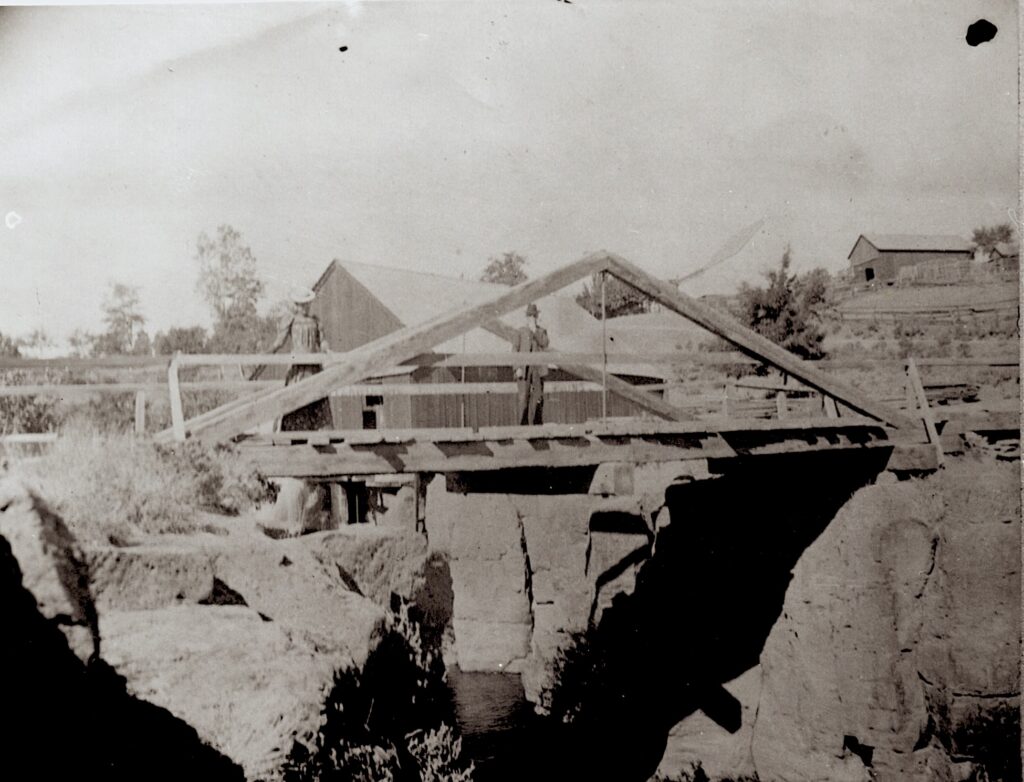
It is a Tuesday and only a few more to go before we start a new year. The crossing of Susan River from Susanville was necessary for commerce. It should be noted on the north side of the bridge is where South Weatherlow Street ends. On the south side bridge is the beginning of Richmond Road.
Tim