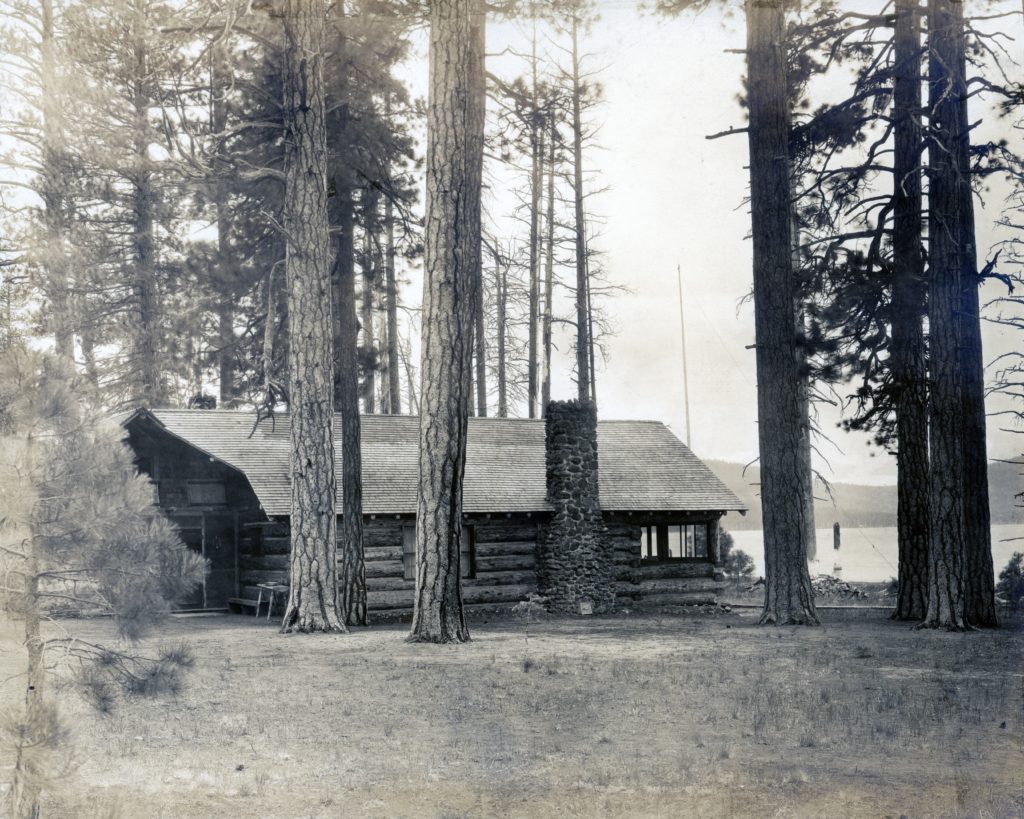
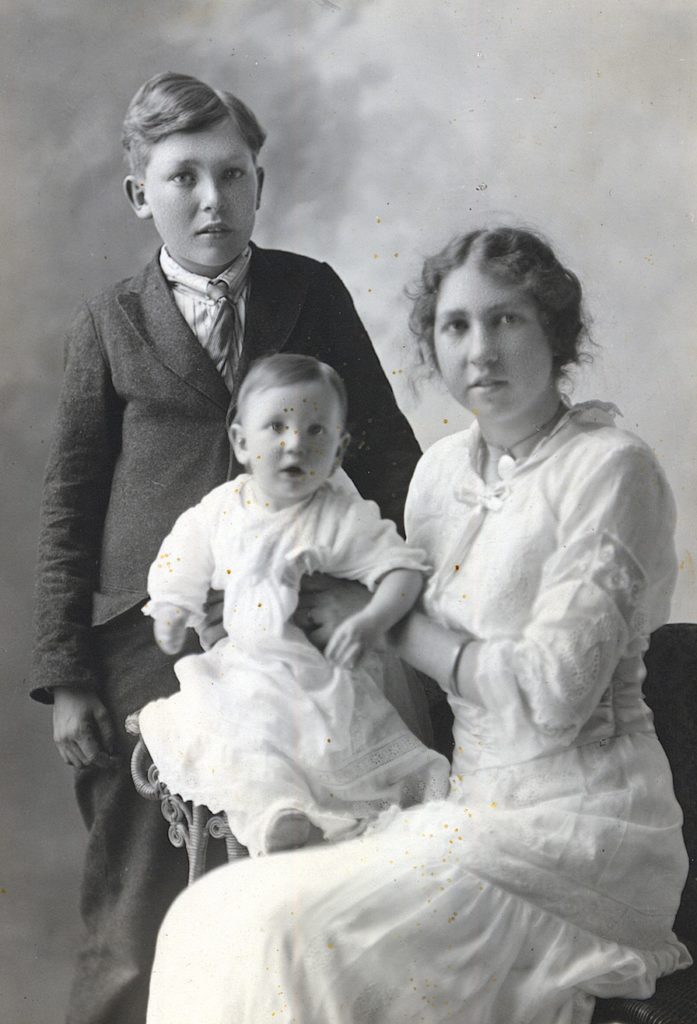
R.F. Pray’s Eagle Lake cabin. Courtesy of Wyn Wachhorst
While I have focused a lot on the Gallatins, there were a few other cabins built at the south shore of Eagle Lake, on the handful parcels the Gallatins did not own. For the record, it should be duly noted that the Gallatins at one time gave consideration of providing cabin sites on a lease basis, but that never transpired. Continue reading Eagle Lake Cabins→
With a lot of pomp and ceremony the local Masonic Lodge featured prominently in the laying of the cornerstone of the new Lassen County High School building on September 23, 1905. When the high school was formed it held its classes in the Susanville Grammar School, later renamed Washington. In 1904, the trustees purchased the Main Street campus for $2,000. The next step was to build the school. In July 1905, the Granite Rock Company was awarded to build the landmark building at a cost of $25,670. It was designed by W.H. Weeks of Watsonville, California. Placed in the cornerstone were copies of Lassen Advocate, Lassen Weekly Mail, Big Valley Gazette, Programme of the Day, List of Town Trustees, Copy of Red Book, List of County Officers, and Rays from the Purple. Whether the cornerstone was saved when the school was torn down in 1968, is not known.
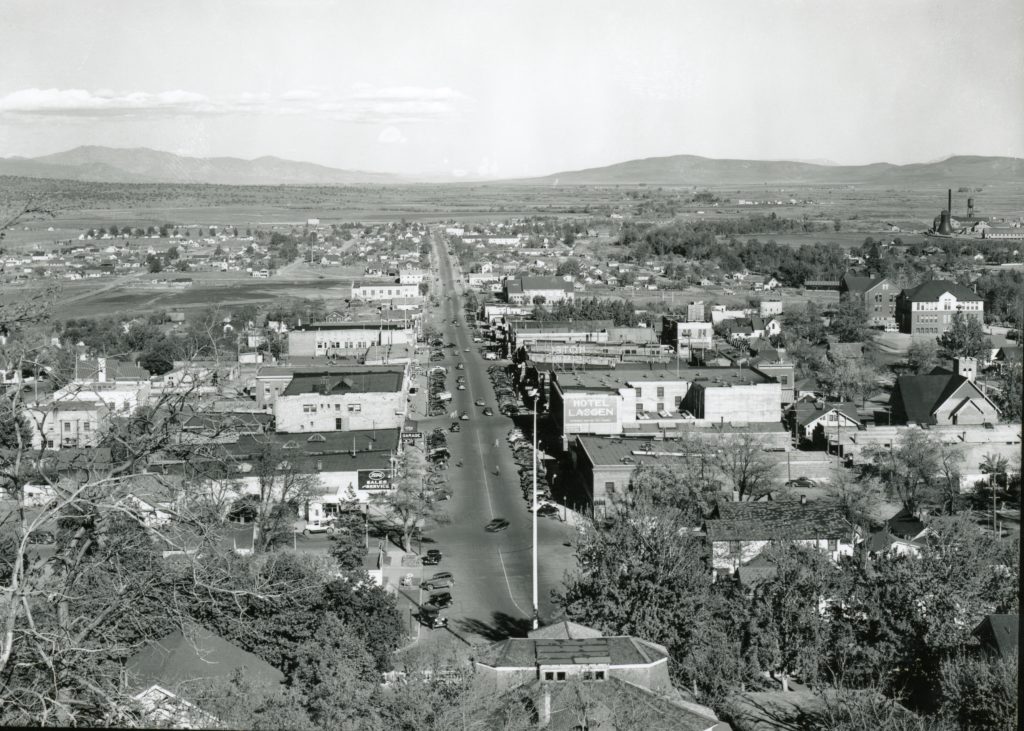
On August 15, 1900 the voters inside proposed boundaries of Susanville voted to incorporate as a municipality. Its status was regarded as a “Town.” In the spring of 1940, the citizens submitted a petition to change from “Town” to “City.” which the council obliged.
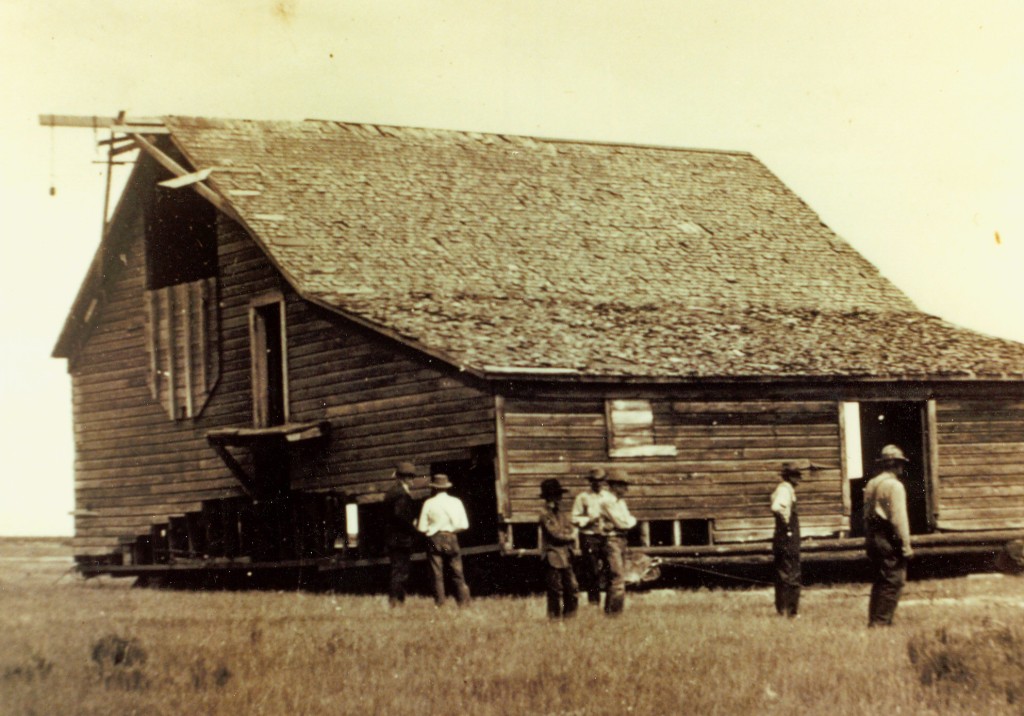
Moving the Spoonville Creamery building to the Mulroney Ranch and in this field some nuggets were found.
Subscribers may recall the post about Chicken Nuggets. There was one particular instant when gold nuggets surfaced in a field near Spoonville. It is also a tale of lost treasure, but many of those tales are based on fiction, whereas the following has some real substance.
One November morning in 1877 one of John Dunn’s daughters, (some say Arminta and others Mary) followed their father who had just plowed a field near the old location of Spoonville. The little girl picked what she thought was a piece of brass and on her way back home, tossed it aside. She mentioned this to her folks and they went back and retraced her steps and found the specimen. It turned out to be a 13 ounce gold nugget worth $220. The next day neighbors began examining the field, and more nuggets were found, but not as large as the first one. It was believed that the gold belonged to the Frenchman Henry Gordier who was murdered in 1858. There are some under the impression that there is more gold to be found, and others still search for clues as to where the gold came from.
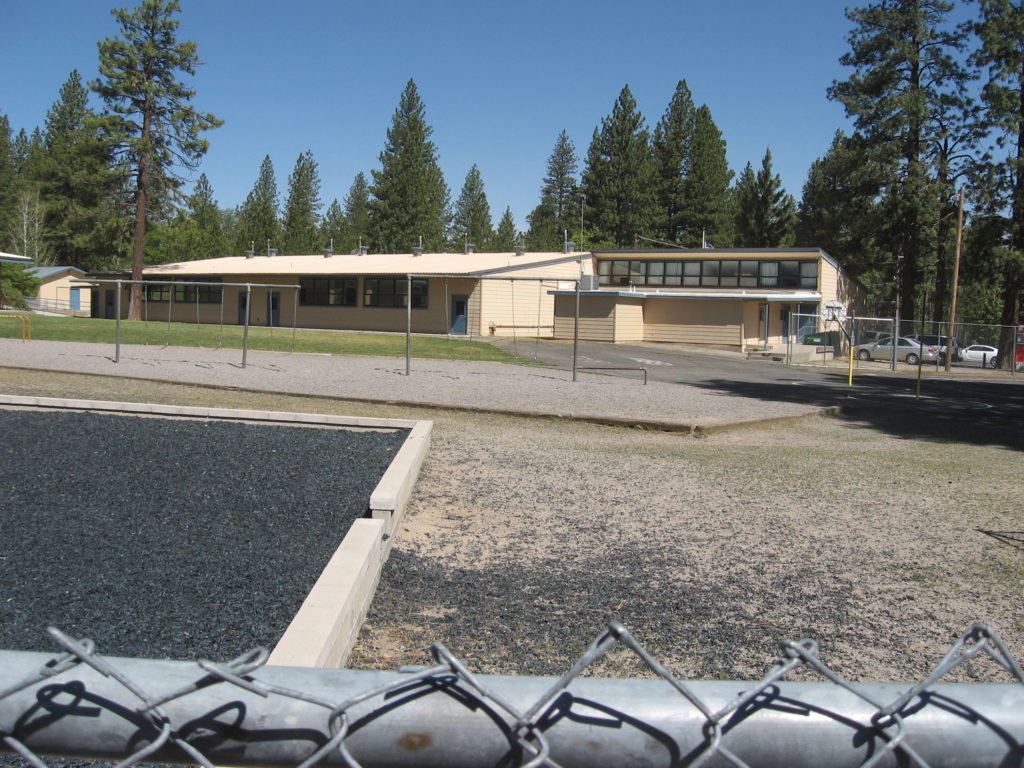
Janesville is one of the original school districts established when Lassen County was formed in 1864. On March 16, 1889, the voters approved the $1,500 bond measure to build a new school, which is featured above. In 1948, the voters were once again asked to approve a bond measure for a new school and it was approved, the old school replaced.
Depending upon one’s circumstances in life, we all share a common ground with the passing of each generation. Leonard Pitts, a Miami Herald columnist recently wrote a story about this with the passing of Aunt, the last family member of his parent’s generation. I thought it was rather poignant and you can read the story here.
There are a handful posts that I repeat each year, and for good reason. With summer weather upon us, it is an ideal time to check out the many wonders that surround the residents of the Lassen Region. I hope this editorial from the Lassen Advocate of June 21, 1929 will inspire you to explore the wonderful country around us.
Know Your Country
If you were wondering what to do with your weekends this summer, have you ever given any thought to the fact that you don’t know your own county and the wonderful lake and mountain country immediately contiguous. Continue reading Go Exploring→
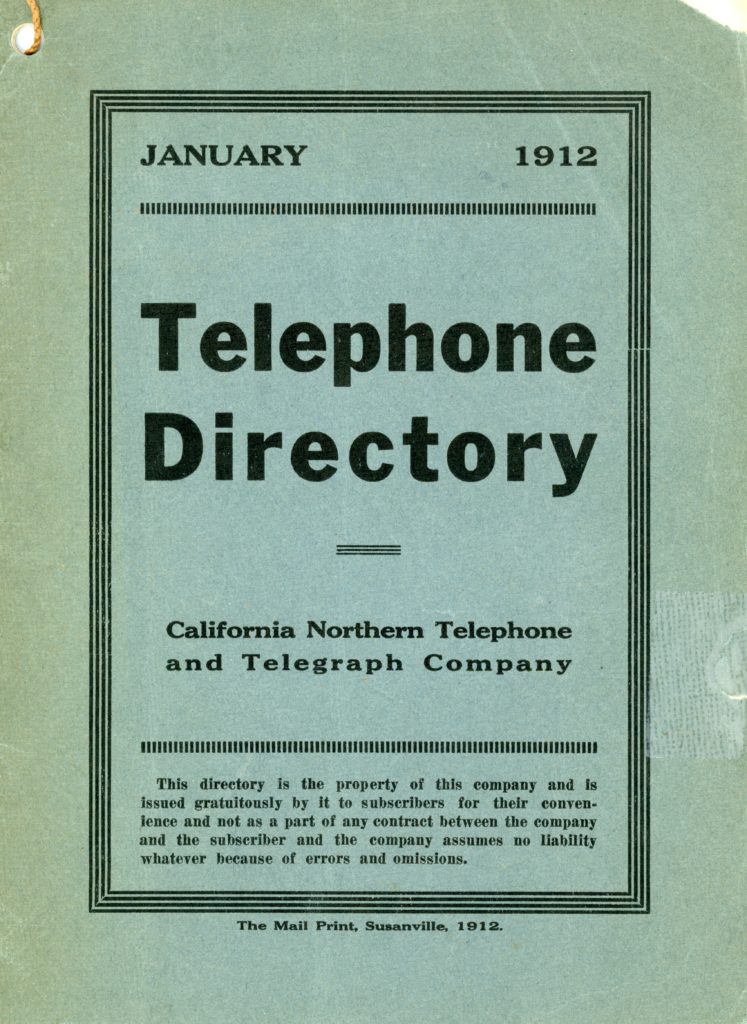
Cover of Susanville’s first telephone directory. Courtesy of Arthur C. Mathews
First of all, today I want to extend a Happy 95th Birthday to Susanville native, Arthur Cahlan Mathews. Art’s father, Arthur J. Mathews, a San Francisco native went to investigate some issues in Reno, Nevada. There he met W.E. Hills and Scott Hendricks. In the spring of 1910 they formed the California Northern Telephone and Telegraph Company to provide for telephone service for Northeastern California. That fall the Town of Susanville granted the company a fifty-year franchise. On September 13, 1911, Susanville residents could call long distance anywhere in California.
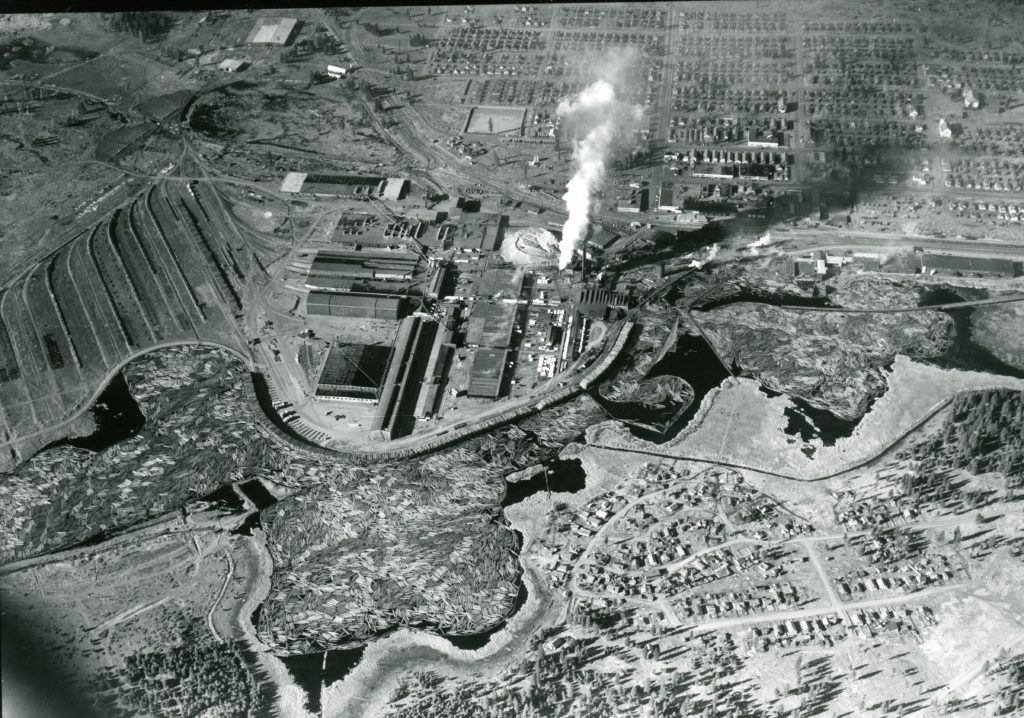
A view of the plant and millpond, 1946. Courtesy of Hank Martinez
1924 was one of the driest years on record in California. To have a better comprehension how dry it was, the highway between Susanville and Westwood remained opened all winter and it was not until the winter of 1929 when the highway implemented winter snow removal. In March 1924 when a few inches of snow fell in Westwood it was met with great excitement. By May with hardly any winter precipitation, problems no one thought would ever happen occurred. Duck Lake, the main water source for Goodrich Creek, which was Westwood’s water supply went dry. On May 10, Fletcher wrote “The water supply for the Town is failing us quite rapidly and it is now a race to get water from Clint’s Camping Ground Spring [Clear Creek] before the Goodrich Ditch water fails us.
“We are running the Town on meal hours so every one can get water for their meals and then closing it off. To do this requires water taken from the millpond. We are sure up against a real dry season as indicated by the Buck Brush and Manzanita leaves curling up and turning black. Springs that have heretofore been dependable are failing.”
As Walter Luff Jr., recalled during the 1924 drought they used the millpond water to bathe with and he stated the water tasted like turpentine. Relief came in the summer, when a pipeline was placed to bring water from Clear Creek to Westwood.
Susanville’s Farmers Market returns today for the season. It is temporary being relocated on North Gay Street, next to the Bank of America parking lot, while Pancera Plaza is being renovated.
It was my intent to share some interesting historical production figure from the Honey Lake Valley agricultural community in the 1920s. However, I have misplaced my notes. I was hoping to locate them over Memorial Day weekend, since I tackled a backlog of filings, but they did not surface. When they do, I will post the same.