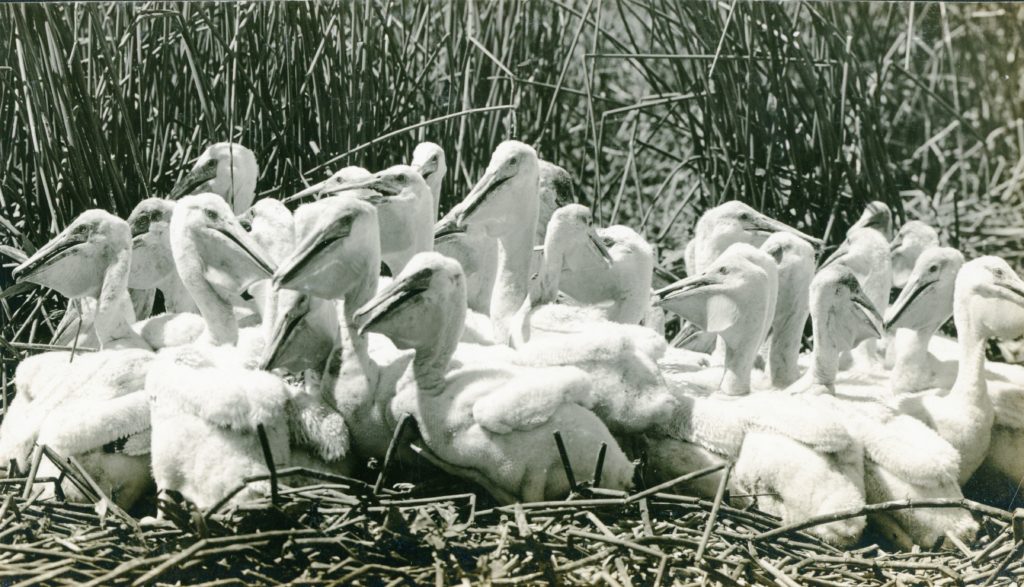
Fish & Game, 1915
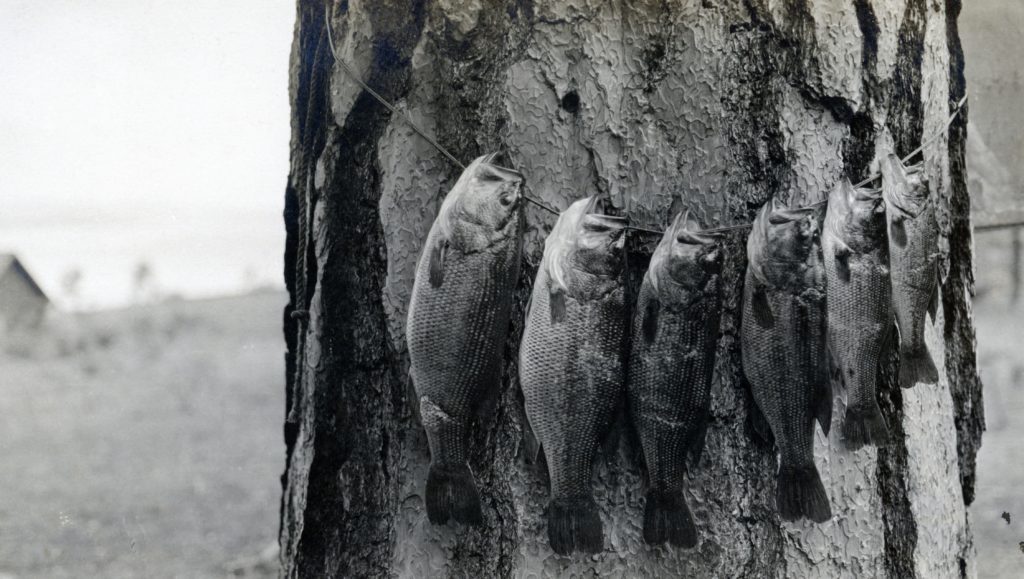
“It is well known fact that Lassen County offers the sportsman the greatest hunting and fishing in the West today. In the mountains are to be found the mule-tail and black-tail deer, grouse, quail and an occasional black or brown bear. In the valleys are to be found the sage hen, quail, doves, ducks, geese, rabbits, etc., and in the mountain streams and lakes one may find ideal fishing, varying from brook trout to black bass, weighing as much as ten pounds.”
Support!
Hot Springs vs. Honey Lake
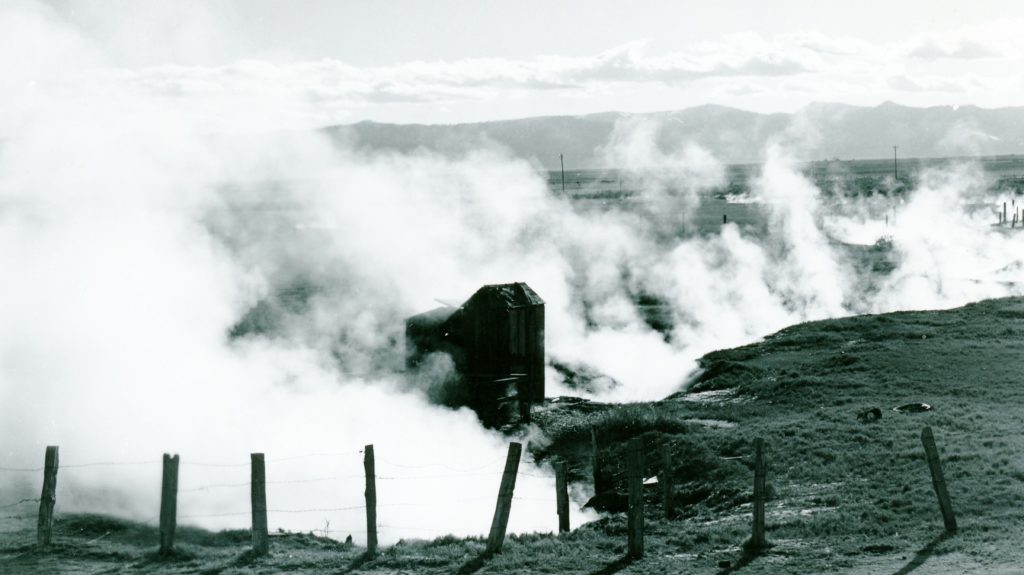
In 1943, the Oakland Tribune published an article about Fred Lake’s 1892 dream town of Honey Lake City. That prompted a question from several readers as to how Honey Lake received its name. John S. Thomas of Oakland wrote the newspaper and stated: “They call it Honey Lake on account of the honey dew that fall on the borders of the lake. In haying time, if you lay or stand a pitch fork out all night, the handle in the morning will be as sticky as if it had been rubbed with honey. However, W. E. Booth of Hayward questioned Thomas’ claim in a letter to the Tribune. They published his response: “Booth used to live in the Honey Lake Valley and worked on a dairy ranch. Booth insists that he never saw such phenomenon and never heard the story. It would seem that if such a phenomenon was the source of the name of the lake and region, it would have been a matter of common experience and knowledge. The phenomenon of which Mr. Thomas speaks may have been incidental, the sticky handle may have been caused something other than the dew.”
Subscribe!
Historic Homes
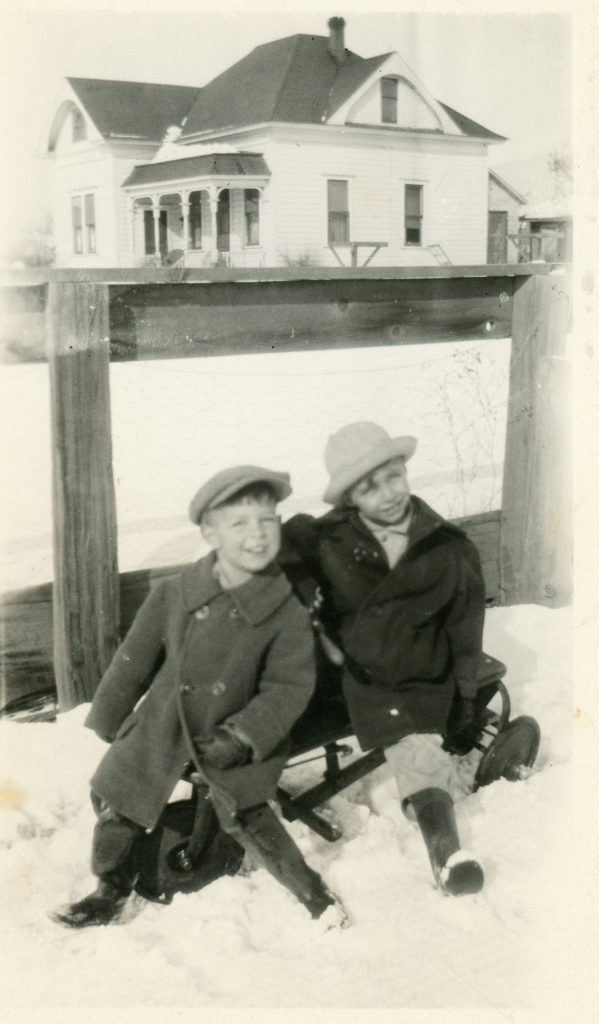
From time to time we will examine the wide variety of homes in the region. Of course, this topic is long over due, and Barbara thank you for your patience, and I am working on your house, too!
Featured above is the J.A. Gilman residence located at 1913 Main Street, Susanville and now the office of Town and Country Real Estate. It was built in 1898, and other family members built houses surrounding it. The Gilman’s were in the sheep business during its hey day, and retired from it before it collapsed in the 1920s and 1930s.
Support!
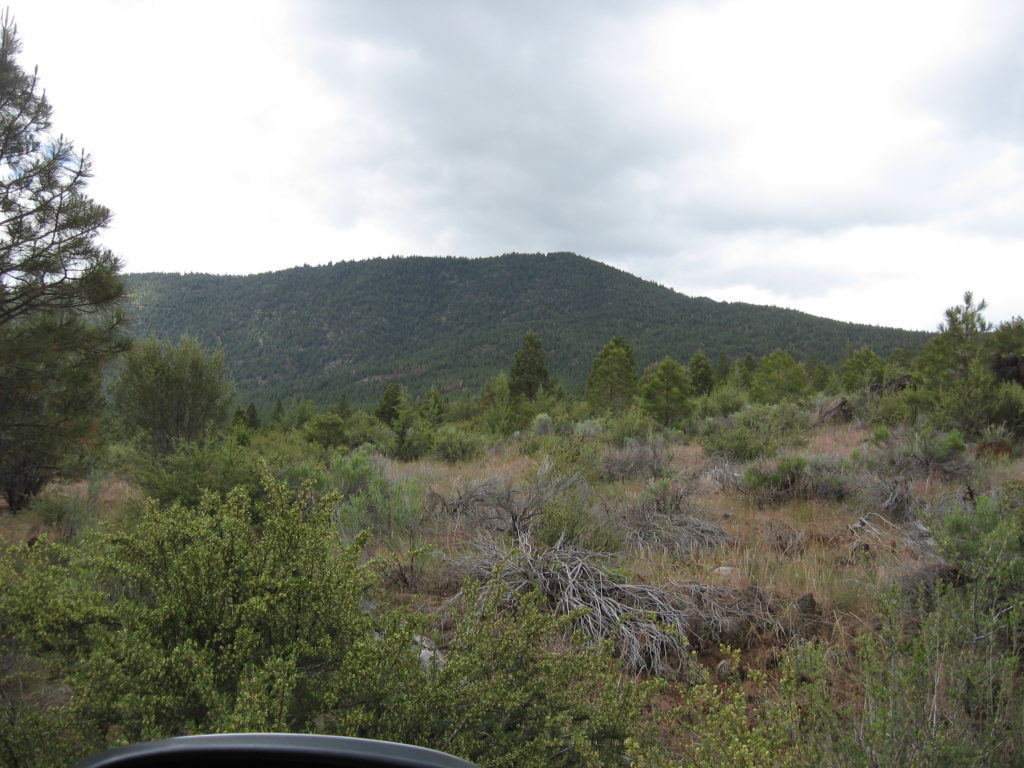
Honey Lake Valley, 1844
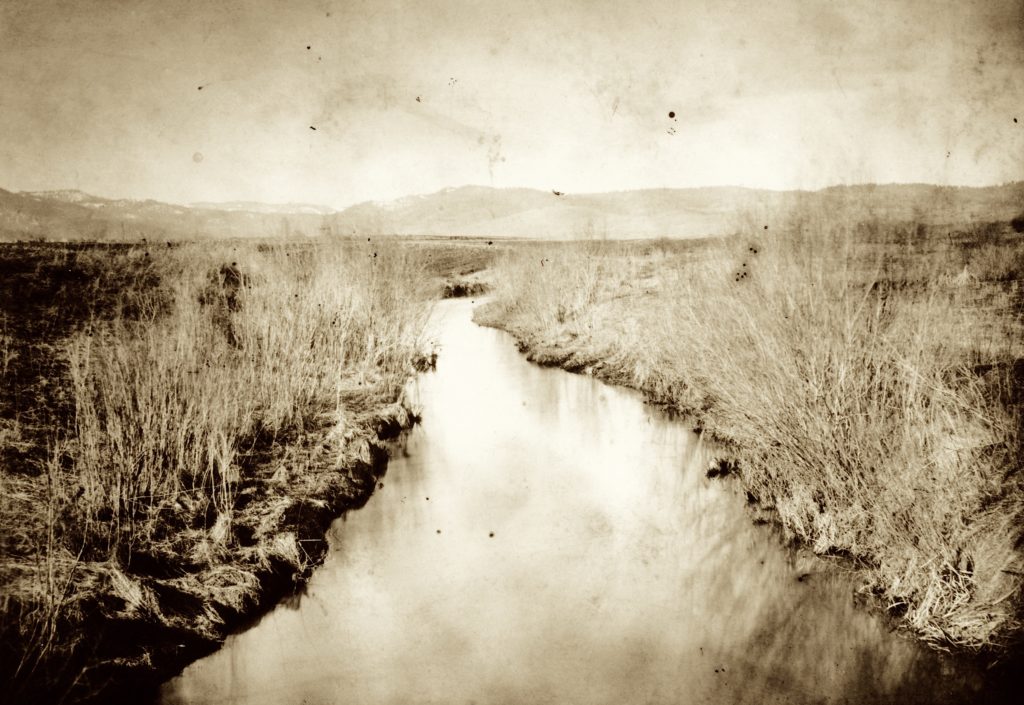
Where are we – the answer
Lassen County Road Tax

Way before gasoline taxes were introduced as a funding mechanism to maintain roads, there was a $2 a year road tax applied to all males over the age of 21. Sometimes, it was confused with the Poll tax, for often one would pay the tax when one voted.

However, one could opt of the road tax and provide labor in an exchange. Each county supervisor would appoint a road district overseer, who in turn would perform the work on in their respective districts, usually with the volunteer labor of those who did not pay the tax. Not the best system, especially in a large rural county like Lassen, but nevertheless it got the job done.
*To the far left is Satch Whitten, road overseer. The long time Janesville resident was married to Carrie DeWitt.
Subscribe!
Termo Post Office

Support!
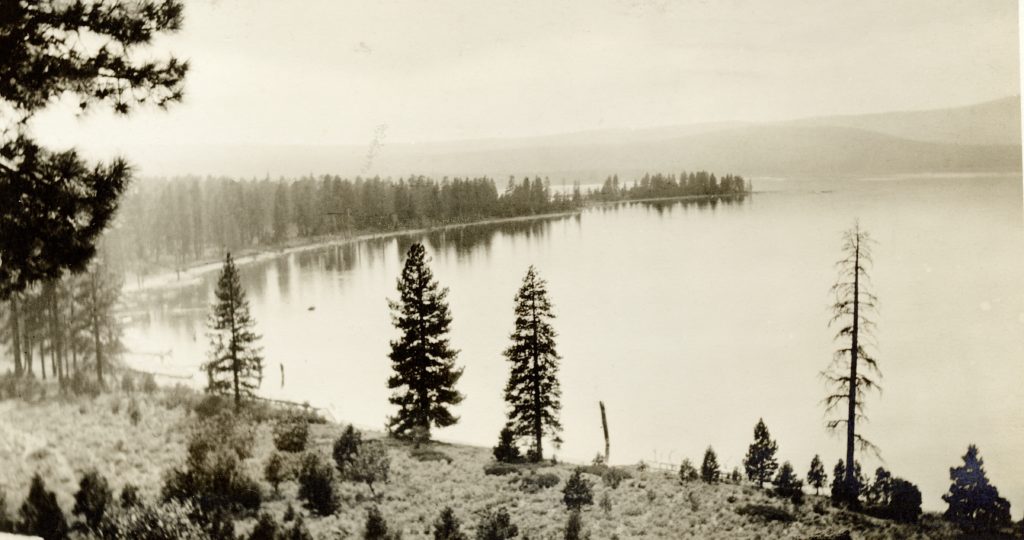
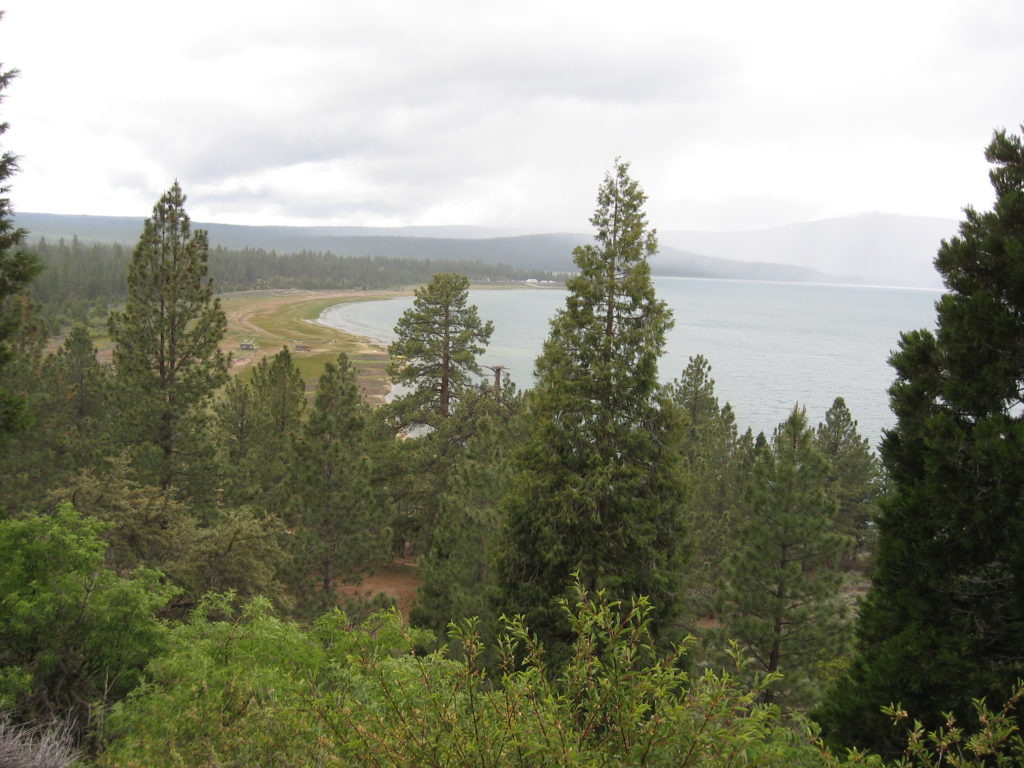
Gallatin Beach – Then & Now
Support!
Poison Lake Revisited

On October 21, 2015 Jake Martin an archaeologist for the Eagle Lake Ranger District wrote: I use your Lassen County Almanac all the time to supplement my report writing with historical information! In the past I have run across an interesting note about the etymology of Poison Lake. This was found within the journal of Gorham Gates Kimball who was driving sheep to Idaho [in 1865], annotated by Edward N. Wentworth. It mentioned that Poison Lake ‘was so named from the effect of the bites of small red spiders which frequented the surface of the water.’ Apparently, merely washing your face and hands was enough to receive bites and experience red inflammation.
Unfortunately, my copy of that sheep drive has no reference to Poison Lake. It does make reference to being attacked by horse flies along Pine Creek.
Support!