Welcome 2019!

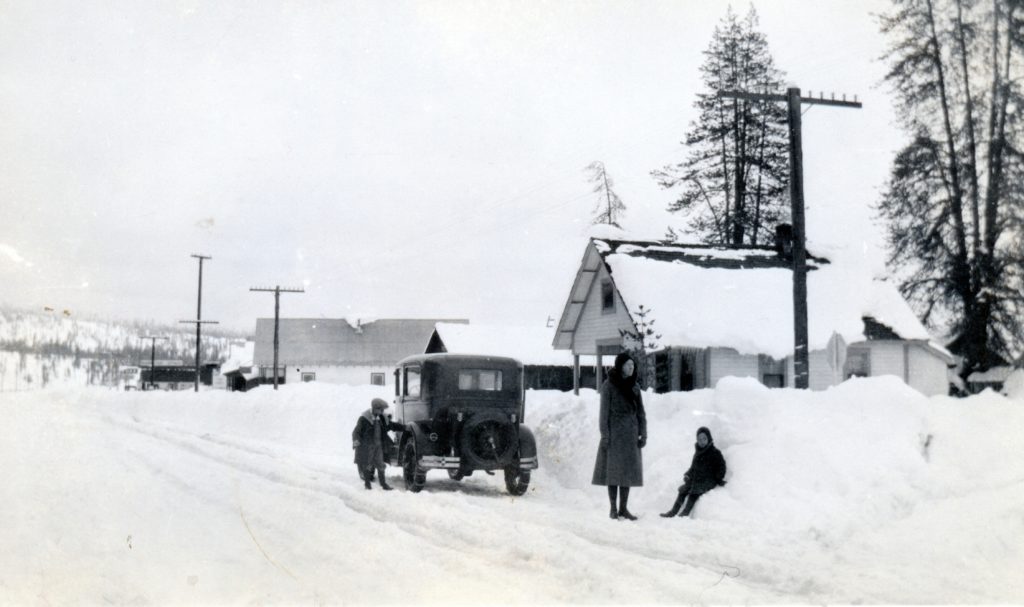
Main Street, Chester, January 1, 1932. Courtesy of Margaret Purdy

Some how last year’s plans, even with good intent, got derailed. I have been diligently plotting a new strategy to correct that situation, along with a few surprises. The holiday season, especially towards the end, is a slow time, so I have been diligently working on Susanville Mural Tour when the warm weather and longer daylight hours arrive. As several folks have indicated a desire for a Smoke Creek tour, I am working on that strategy, too. Later this month, there will be a post about “Susanville Strolls” and I am contemplating to do an online updated self guided tour. In addition, I am working on a short Susan River tour from South Lassen Street to Hobo Camp since there is a lot history in that short corrider. So, stay tuned!

Subscribe

New Year’s Eve

Time to tidy up the work space.

Well, I hoped everyone enjoyed the wide variety of posts for 2018. There is lots of interesting historical revelations in the works for 2019. This is one of my few down days. I tend to keep a low profile on this particular holiday, and stay home organizing my taxes, etc. While I do wonders on the tax preparation, in January I succumb to the Purdy Procrastination Syndrome and tax work languishes until almost the deadline.

So if you are out and about this evening, be careful on the roads.

Subscribe

Where are we – Eagle’s Nest

August 9, 2018

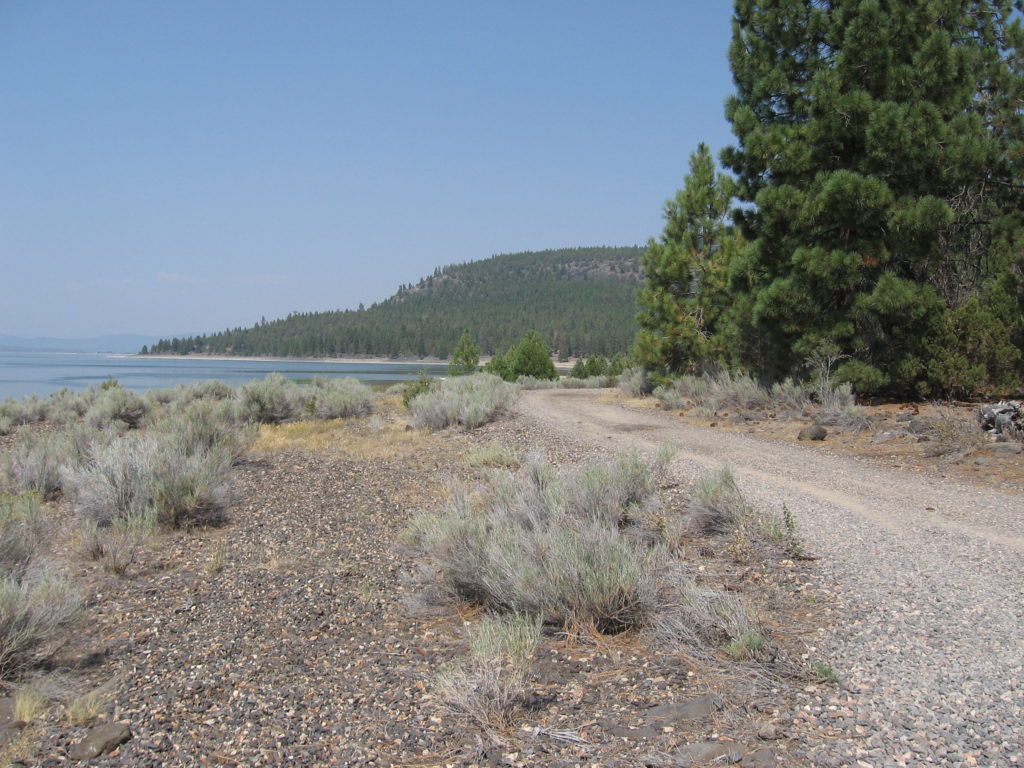
Eagle’s Nest is located in a small cove on the east side of the lake, about three miles north of Gallatin House. In 1956, the Lassen National Forest opened a small subdivision for summer home development. There are forty-two lots with long term leases with the forest service. In September 1956 the forest service held a random draw as the selection process to allocate the lots, as they had received 226 applications.

Donate

Lassen County Courthouse Lawn

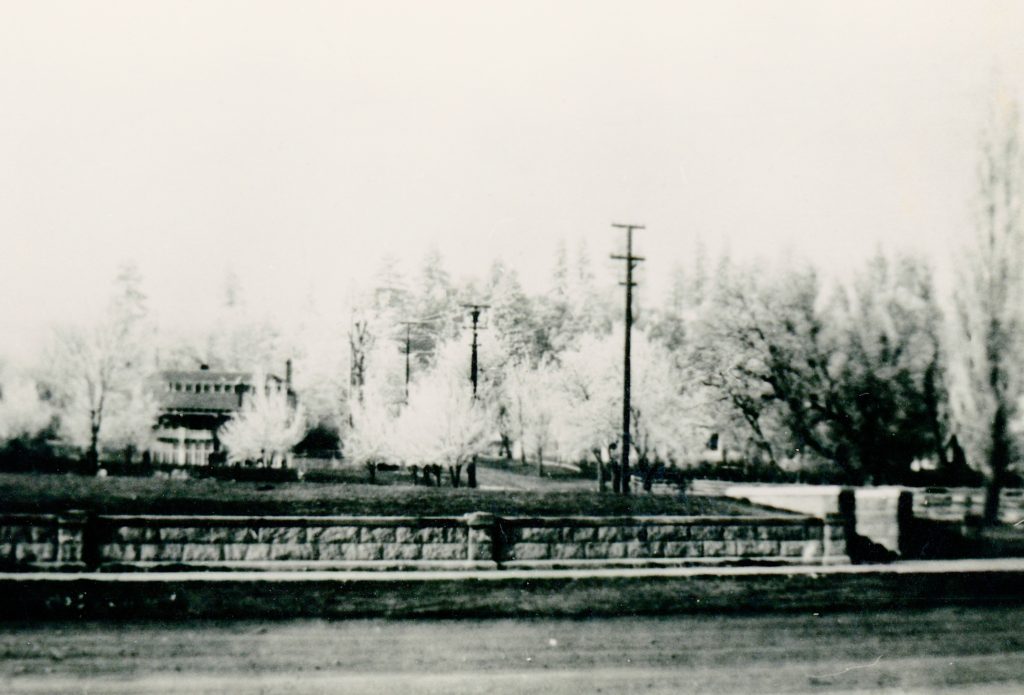
North side of the Lassen County Courthouse.

This happens to fall under the year’s end clean up category. While the quality of the photograph has a lot to be desired, there are two items of interest. First it was taken in the late 1920s, either December or January when the area experienced a pogonip, notice the frost on the trees. In the 1930s, tennis courts were built on the site of the Courthouse Annex. It should be noted the current occupants of that structure prefer the high falutin name of Administrative Building.

Donate

Westwood Goes Wet

101 1941
The 101 as it appeared in 1941. Courtesy of Dina Matteucci

On November 19, 1935 T.S. Walker of the Red River Lumber Company announced the end of an era that Westwood be a “wet” town as a liquor store concession had been given to Aronson and Taylor.

In a prepared statement, “Heretofore we have aways tried to run a dry town. Before prohibition this practicable due to the distance to neighboring towns and deplorable conditions of the roads. During prohibition it was a relative simple matter for obvious reasons. Since repeal, however, it has been a different story. With fine pavement to neighboring towns, with various resorts operating not far from town and with the great number of automobiles, liquor has been and is readily to all who desire it, whether we like the situation or not.

“This being the case, the directors of the company have decided that it is useless to longer refuse to have liquor sold in Westwood. It is also felt that a better quality can be made to such employees as are determined to have it anyway than is now available from bootleg sources.”

The truth be known, Red River was losing money by not providing alcohol for sale, when they needed every cent during their financial crisis.

Subscribe

Who was here first syndrome

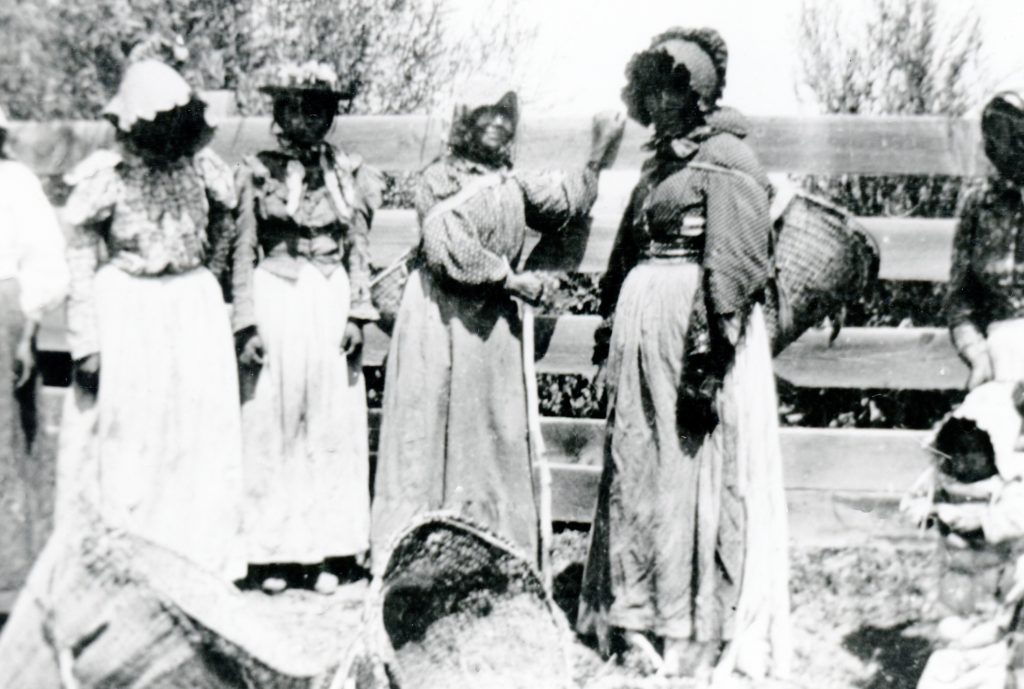
A gathering of Maidu women at Johnstonville, 1900

The way the local Native American community bickers amongst each either, puts most family feuds to shame.  Two topics of discourse is territorial boundaries and the contentious who was here first.    Of course,  not just from a historian standpoint, but as I have blood related cousins who are part of the local Native American community,  it is just plain amusing to watch the antics.

Both the Maidu and Paiute have done a fantastic job concerning “over reach” with federal agencies, even concerning lands not within boundaries that they had in the past never claimed. A classic example is the south end of Eagle Lake—the Maidu in recent years have claimed Papoose Meadows as “sacred.”  What perplexes me then, the victims of the 1866 massacre there were Paiute.

Subscribe


What Red River Meant to Lassen County

The Big Store, Westwood.

During the 1920s, Susanville’s two newspapers, Lassen Advocate and Lassen Mail published elaborate Christmas editions extolling the virtues of Lassen County.  Concerning what the lumber industry meant to Lassen County, the Lassen Advocate provided this profile of the Red River Lumber Company in 1921: Continue reading What Red River Meant to Lassen County

Exploring Lassen County's Past