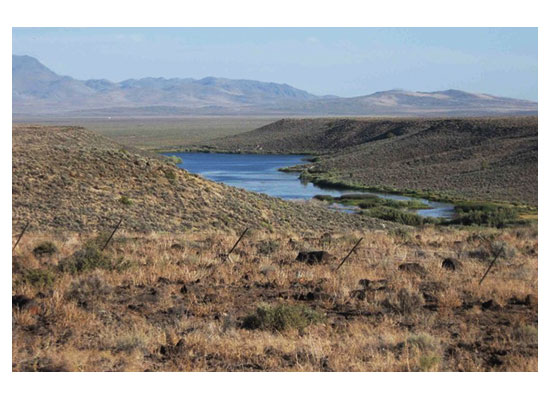
Rager Reservoir is a small body of water located in the eastern Madeline Plains (Section 24, T. 36 N. R. 15E). It was built in the early 1900s by Thomas Rager, a resident of the Madeline Plains. A native of Illinois, Rager first came to the region in 1879 working as a cowboy for the Smoke Creek Ranch. By the 1890s, he set out of his own on the Madeline Plains where the lived the rest of his life and passed away in 1925.
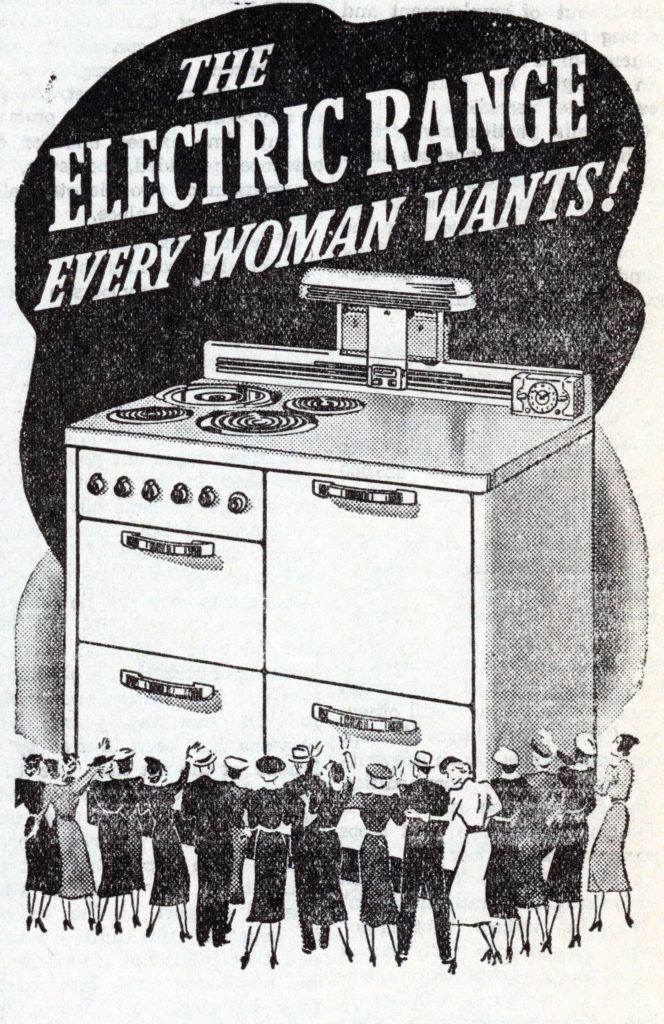
California Pacific Utilities of Susanville ad for electric stoves, 1938
Here is a safe non-political topic to discuss at your Thanksgiving dinner. During the 1920s and 1930s, the way people lived was revolutionized with all things—electricity. Local electric companies pushed for people to buy electric stoves, stating they were clean, no smoke like a wood stove, and economical among other things. In 1937, on the West Coast just before Thanksgiving, turkey prices plummeted to eight cents a pound. Why? The current gobblers were too large for the modern electric stove.
P.S. – First of all, I am so thankful/grateful for all those who provide moral and physical support (the latter taking me to the doctor, running errands) etc it means so much to mean. In additional, I consider my fortunate for the beautiful natural surroundings where I live. After all, I spent three weeks, where the main view is ceilings, so it really changes one’s viewpoint.
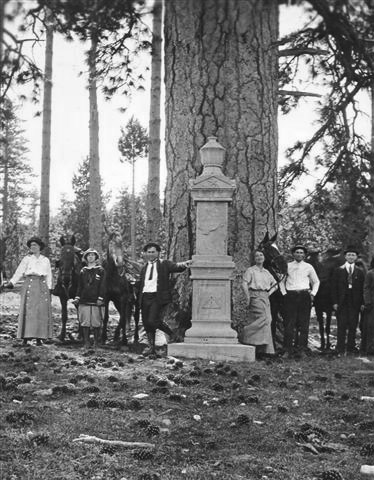
Lassen’s grave has been a popular gathering spot over the years.
It was 160 years ago on this date that a belated funeral service for Peter Lassen was held. It should be duly noted that Lassen met an untimely death on April 25, 1859 in the Black Rock Desert some 125 miles east of Susanville. In November his remains were brought back for burial in the Honey Lake Valley and placed near the majestic Ponderosa pine tree where he camped there in 1855.
Lassen’s funeral was chronicled in the Territorial Enterprise newspaper of Virginia City. The paper noted: “The remains of Peter Lassen, the old pioneer, were buried with Masonic honors, Sunday November 27, on his own ranch at Honey Lake. The attendance upon that occasion, was a very large one for that place.”
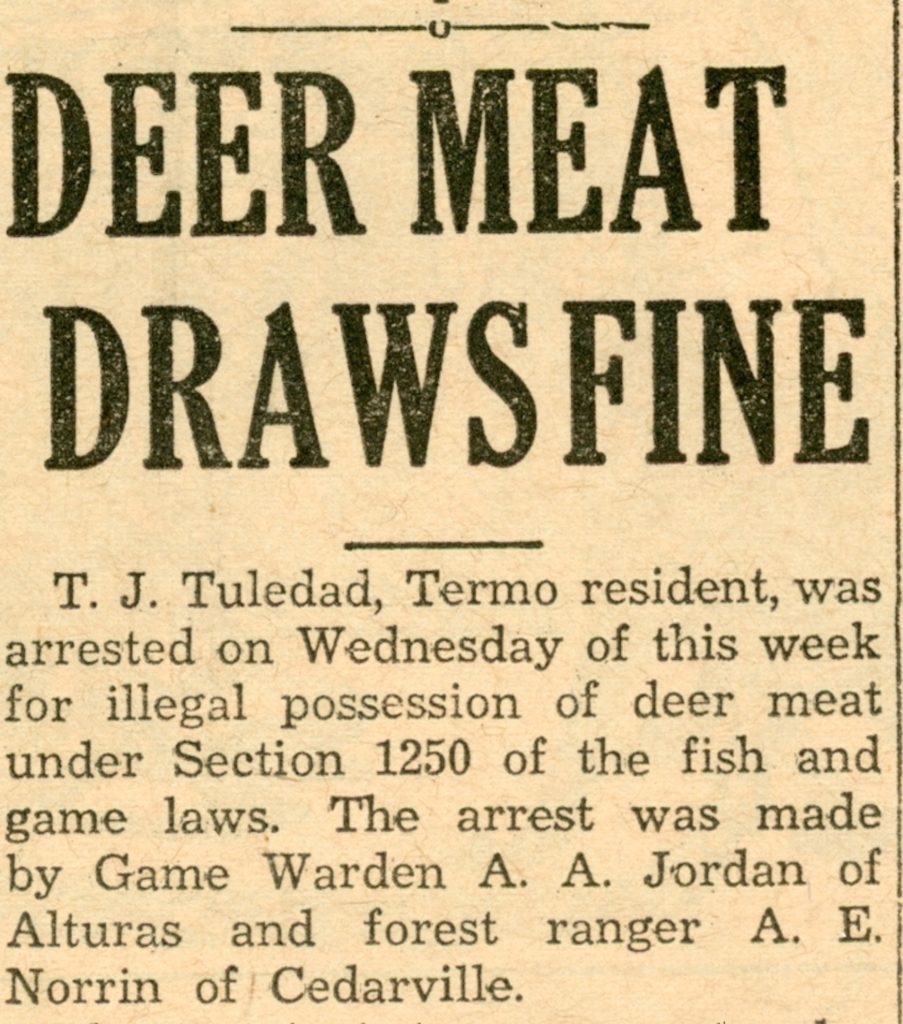
It is one thing to come across the surname of Tuledad, but it is another when one with the last name resided in proximity of Tuledad Canyon, east of the Madeline Plains.
As the newspaper indicates, T.J. Tuledad was a resident of Termo when he was charged with illegal possession of deer meat. When he appeared before Justice of Peace, George Wood, in the Madeline Township, he pled guilty as charged. His sentence was a $50 fine or ten days in jail. Tuledad opted for the bastille in Susanville.
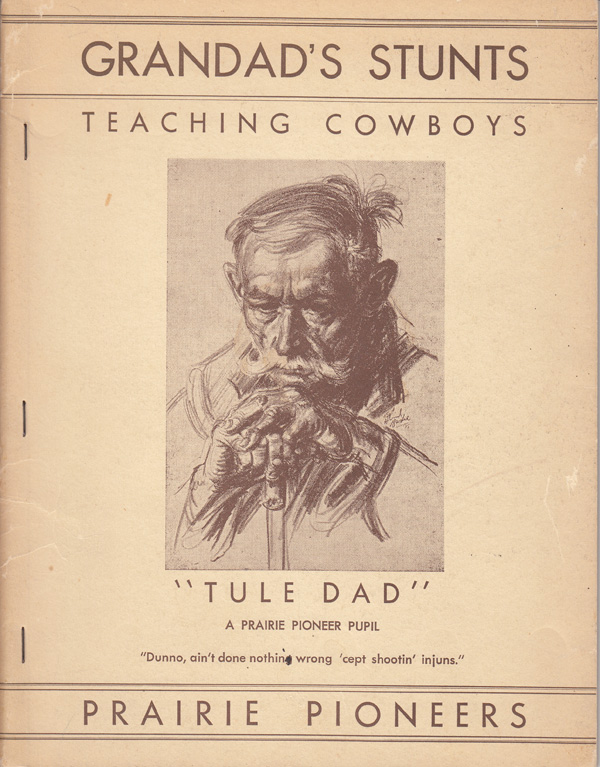
Tuledad Canyon is a somewhat remote place east of the Madeline Plains, but back in another time, there was even a stage stop there. It was named after Samuel King Matney (1783-1887), a native of Tennessee, who came to California prior to the gold rush of ’49. Matney settled along the Sacramento River and raised hogs in the tules, and received the nickname of Tule Dad. After roaming around in Arizona as a scout for the Army, he returned to California and settled in Surprise Valley, Modoc County. Matney then moved south into Lassen County, next to the Nevada boundary, and the place became known as TuleDad. Matney never acquired title to the property and moved back to Modoc and to Jess Valley where he died and was buried under a juniper tree. In the 1870s, the mail route to Surprise Valley went through this canyon and a station was established where Matney had originally located. In July 1878 a correspondent for the Lassen Advocate wrote: “. . Arriving at Tuley Dad we were refreshed with some water. This is the old stage station kept by H.P. Newton; being assured by him that we were on the ‘right road’ my partner was now composed and quite at ease, after my reassurance that I would get him to Eagleville on time.”
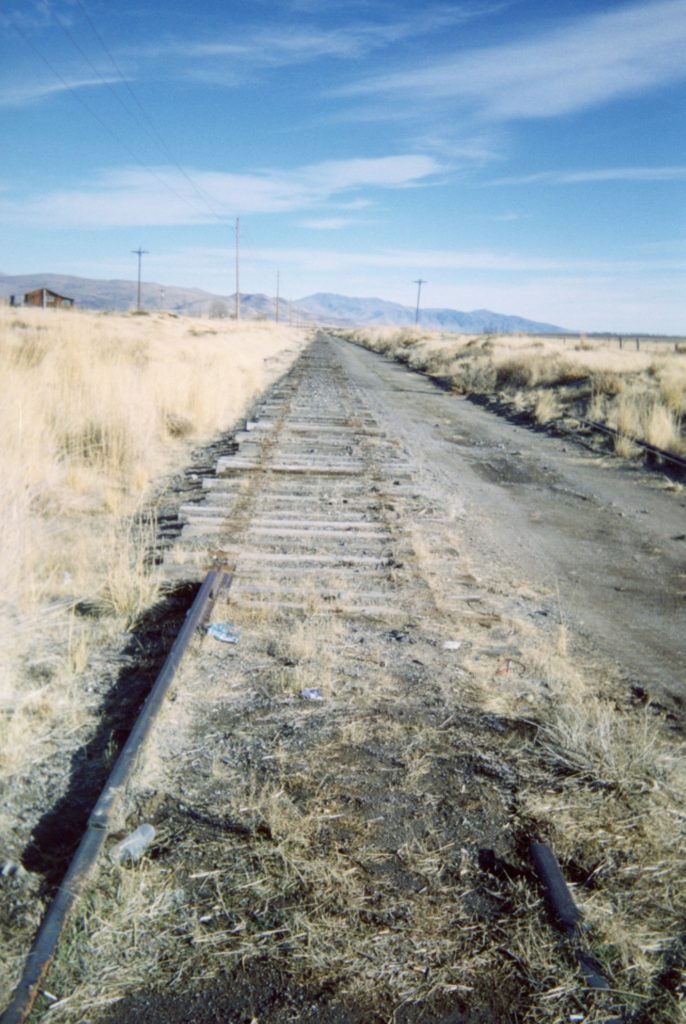
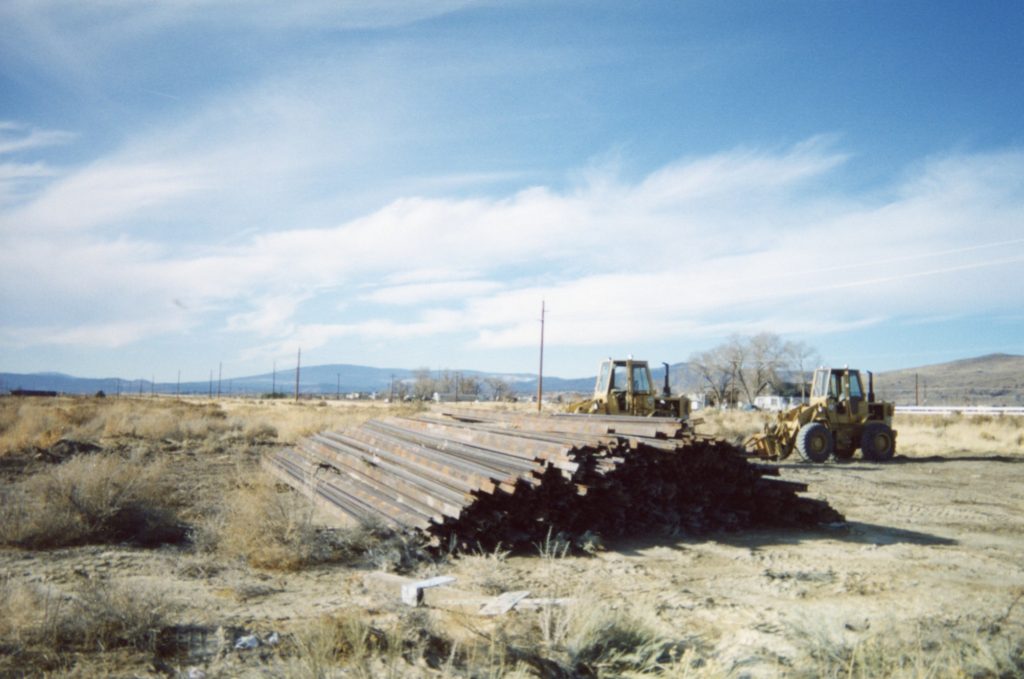
There is a bitter irony with ripping up this railroad line. The 124 mile railroad was built in a span of two years. To dismantle it took decades. In the fall of 2006, without any fanfare the segment of the railroad between Susanville and Wendel was ripped up.
Rails piled up at the defunct Leavitt Station, November 24, 2006
In January 1908, the Rev. N.M. Parsons of the Methodist Church spearheaded a prohibition movement in Susanville in an effort to clean up the community. The issue had been informally discussed since the early 1880s, when there was a local chapter of the Women’s Christian Temperance Union. Parsons began his campaign by focusing on the social ills caused by alcohol. He circulated petitions to have the issue placed on the next municipal election ballot, scheduled for April 13. The Town Trustees accepted Parsons’ petitions and would place the matter before the voters. There was one stipulation: it would bean advisory measure as to whether saloons should be banned.
It was a widely debated topic. The city’s 1908 budget was $3,498. There were two main revenue sources. One was property tax assessment and it generated $1,815. The other was the liquor licenses which provided $1,424 to the town’s treasury.
Once those figures were revealed, Parsons; ballot measure was doomed. After all, if the City lost the money generated from liquor licenses, the only alternartive to make up for the loss would be to increase property taxes. That appeared to be the voter’s consensus. The issue generated the highest voter turnout to date with 157 votes cast. The results: 110 votes to remain “wet” and 47 “dry.”
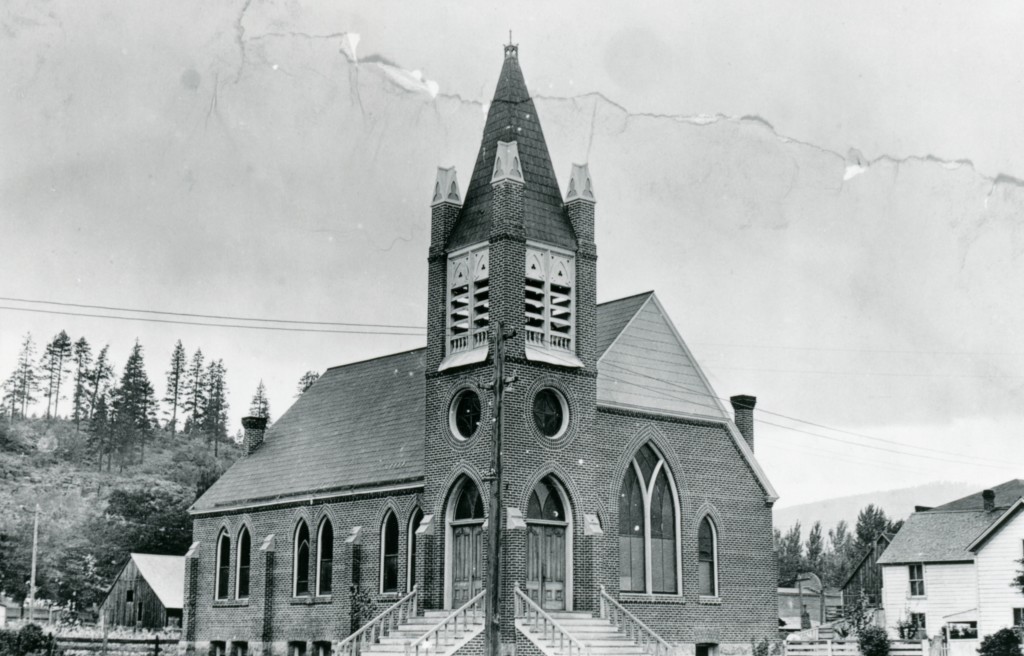
Susanville’s Methodist Church, circa 1896. Courtesy of Philip S. Hall
The primary reason for the church bell was to call the faithful to worship. The quality of the bell was superb and when wrung could be heard two miles away. Susanville in the late 1800s was a mere village of some 300 souls. It should be noted, that in this era, the town was plagued by fires, and in no time the bell was used as a fire alarm system. In rare instances the bell was used if something of major importance needed to be relayed and thus prompting individuals to congregate at the church to be informed of the impending news.
In 1895, the Lassen County Board of Supervisors approved Ordinance No. 33 pertaining to curfew in village of Susanville (the town was still unincorporated). From September 1, to April 1, anyone under the age 18 after 7 p.m. had to be accompanied by a parent or legal guardian. During the summer months, it was extended to 8 p.m. The fine for said violation was one dollar. It was the town’s night watchman who had duty at the appointed hour to ring the Methodist Church bell to signal it was curfew time.
Since it is the holiday season and a portion of it focus on food, I thought some might find this story of interest.
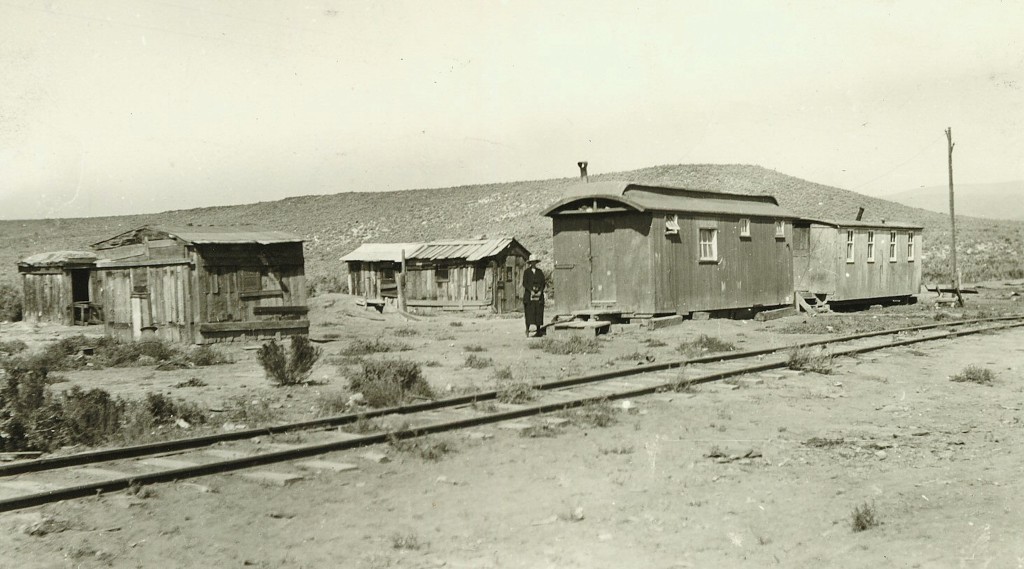
Now, let us venture to the tiny railroad outpost of Karlo in Secret Valley. In 1929, a scrappy ten-year-old by the name of Ed Allison arrived on the scene. Ed, in a sense, was an accidental visitor. He was originally living with his family in Sacramento. The family doctor thought he might have rheumatic fever and suggested Ed should live in a higher and drier climate. A family friend was Gilbert Menichetti who worked for the Southern Pacific Railroad at Karlo. It seemed an ideal location for Ed and off he went.
Upon his arrival the first order of business was to rent Ed a horse for him to attend the Secret Valley school several miles away. Of course this allowed him to explore the surroundings of his new home. For some reason, old time Secret Valley resident, Pete Biscar, of Biscar reservoir fame, took Ed under his tutelage. Biscar showed him many places, such as the petroglyphs in the canyon above the reservoir. Another feature that fascinated Ed was a particular lava cone. When one puts their ear down to it, one can hear a roaring noise—an underground river. Ed recalled that Gilbert Menichetti’s wife, Luella, was an excellent cook. Of course, Biscar was aware of that fact. Ed stated, “Biscar would bring sage hens that he shot in Secret Valley and bring them to her, because he knew she would process them to make ravioli. With that special ingredient, Biscar was always there at dinner time, for sage hen ravioli. He would be grinning ear to ear. They turned out to be very good. I don’t think really that sage hen ravioli was not that uncommon, but it was really good. At that time, when I was there the sage hen were plentiful.”
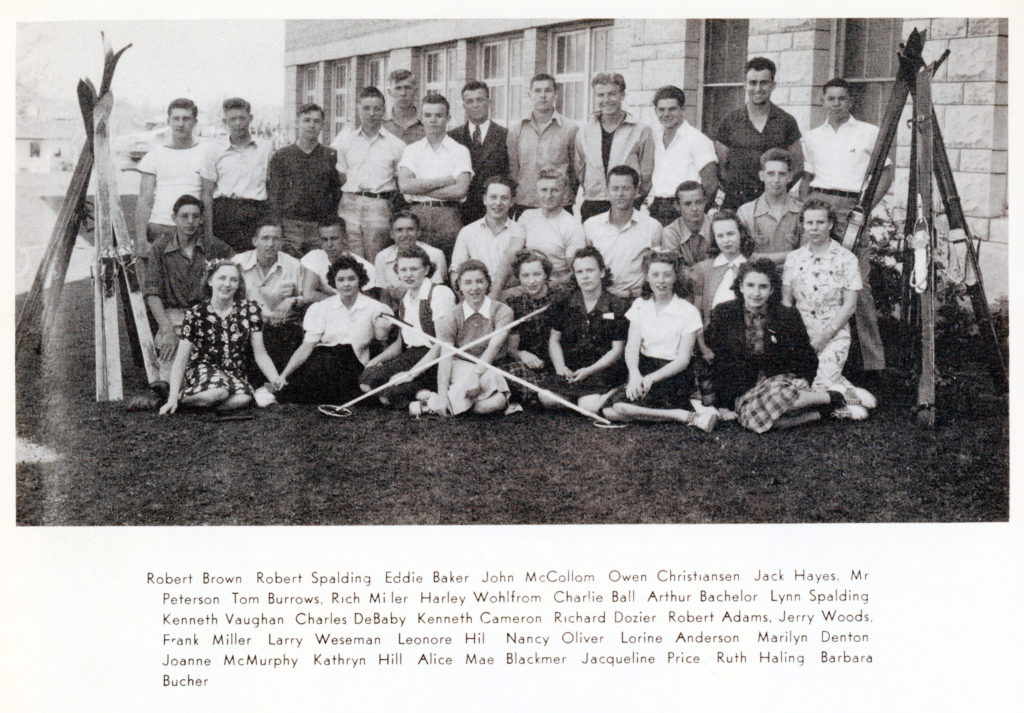
From the Caravan, the Lassen College Yearbook, 1940
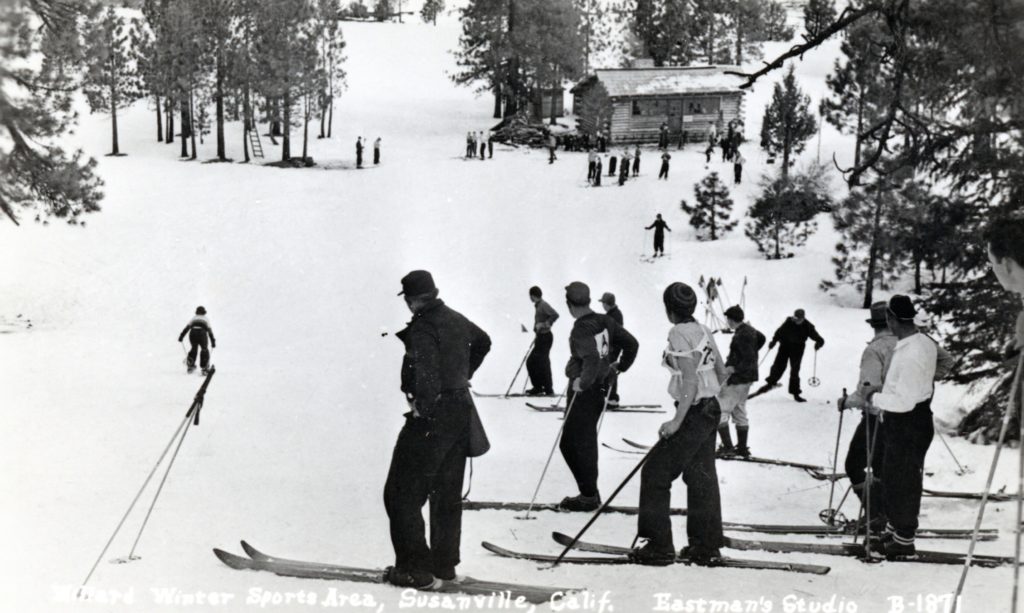
This Lassen College ski club was organized in the fall of 1939. In the 1930s, skiing was all the rage in the region. In 1934, Westwood’s Paul Bunyan Ski Club constructed a ski jump on Fredonyer. In 1938, Lassen College forestry students built a ski hill and warming hut at Willards some six miles west of Susanville. Of course, this ski club took advantage of many skiing events held at Mineral and Lassen Park. The club had a very short existence and went dormant by 1942, one of the many affects caused by World War II.