A Carcass of Another Kind

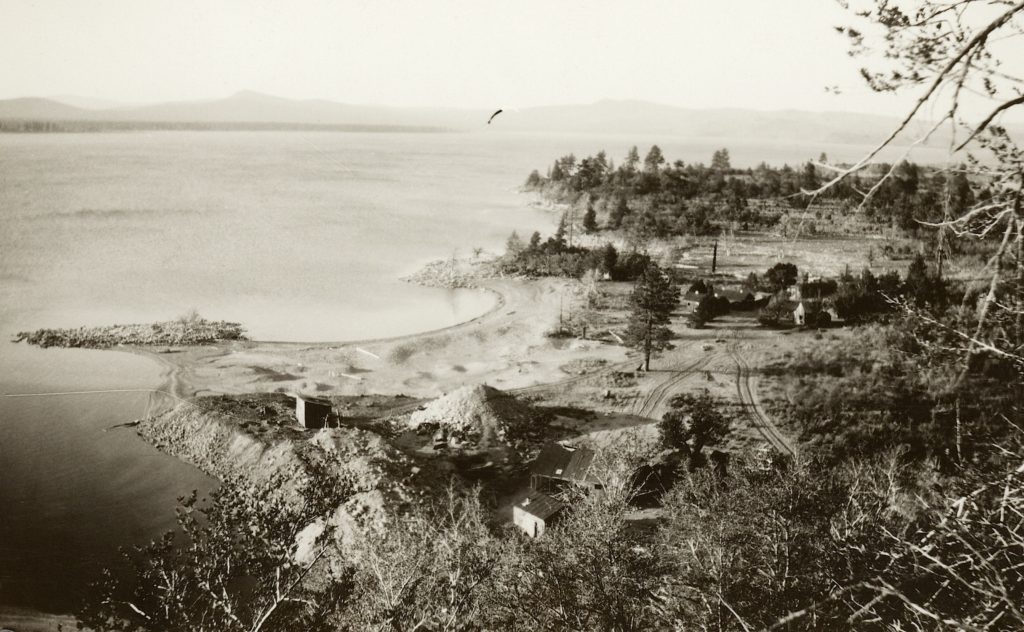
Remains of E.C. Brown’s tugboat used on Honey Lake, circa 1940. Courtesy of Margaret Nye

Recently, some one inquired what happened to the commercial boats that were on Honey Lake. It should be duly noted that were two major commercial boats on the lake. The first one, was built in 1895 by Jake Yanner and George Clark. They based their operation at the Joe Decious ranch near Milford. The boat was first built with a propellor, but did not function properly. They modified it into a side wheeler. The boat was 60 feet in length  and had a load capacity of 30,000 pounds. It was used primarily to transport lumber and freight between Amedee and Milford. By 1902, the lake was too shallow for boating and in 1903, the lake went dry. The vessel remained docked at the Decious place for many years. During the winter of 1937-38 the high waters of Honey Lake washed it away from its moorings. The boat drifted down shore for about 175 yards where it fell apart.

In 1907, Spoonville resident, E.C. Brown landed a contract to supply one million board feet of mining timbers to Goldfield, Nevada. As the timber and sawmills were on the west side of the Honey Lake Valley and the railroad on the east side, he needed to resolve the transportation problem. Brown purchased a tugboat that the U.S. Customs used on the San Francisco Bay. Brown had a special barge made for hauling the mining timbers across the lake. A year later, the contracts fulfilled the boat was docked at Barham’s near the mouth of Baxter Creek. In 1912, Brown sold the boat to Nevada millionaire, George Wingfield who converted into a pleasure craft. In 1915, it was docked for the last time near Baxter Creek. During the 1930s, unknown parties removed the engine for scrap metal. Remains of the hull were still there in 1987 when I participated in an informal sailing regatta held near there.
Subscribe

The Perils of a Family Enterprise

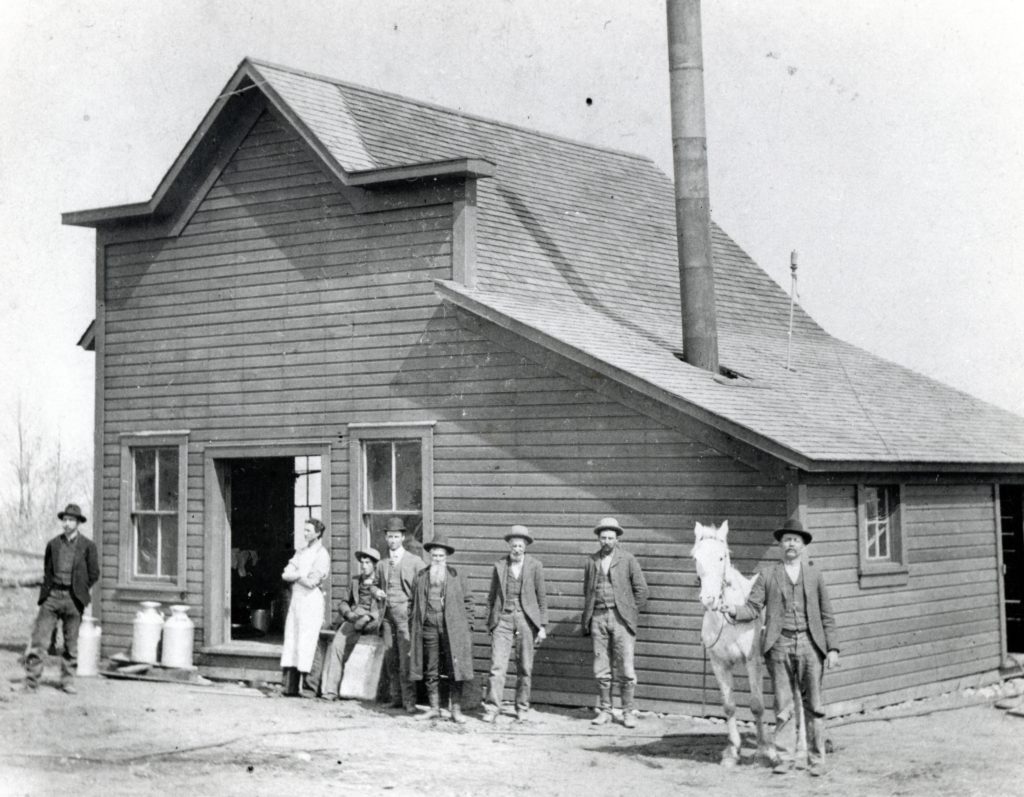
Lakeshore Creamery, Milford, 1903.

Some family businesses thrive and others do not, after all there are a lot of dynamics involved. One very short-lived business venture was the Wemple Brothers of Milford. For a brief time they operated the Lakeshore Creamery. As David Wemple recalled that the main trouble with the creamery was too many bosses and too few laborers. They had put a lot of money into the buildings, a creamery and a milking shed, that they built. David was also under the impression that it was their father, Joseph C. Wemple who probably subsidized the short-lived venture that lasted at most of two years from 1903-1904..

Subscribe

Those plucky bondholders

Grant Smith’s tunnel works, Eagle Lake, 1922–Courtesy of Lola L. Tanner

A month had not even passed since the grand celebration held at Litchfield for the completion of the Bly Tunnel at Eagle Lake, that things were not good. Grant Smith & Company of Seattle, Washington was the contractor to build the tunnel. In June 1923, the company asked for a special meeting with the Baxter Creek and Tule Irrigation Districts who financed the $1.25 million project with bonds. Grant Smith informed those gathered they experienced a number of problems during construction and requested that they leave and return in the fall after irrigation season to correct the defects. The bondholders said no. They sensed if they allowed Grant Smith to even leave temporarily, the odds of them returning were nil. The situation would turn real ugly over the next year with some startling revelations that would in part doom the whole irrigation enterprise.

Subscribe

Ask Tim

Main Street, Janesville — January 26, 2020

On a quarterly basis, I ask you the reader, if there is something you would like to learn more about or maybe its something you heard, but question its validity. So here is an opportunity to participate. I will do my best to answer any questions. It should be noted, it may take awhile for the answer to appear as a post. The primary reason, many of the daily posts are done nearly a month in advance. So by the time you read this I am already working on posts for the middle of May, or at least I should be. Whatever the case may be, I look forward to hearing from you. Of course, it should be noted that paid subscribers requests receive priority. In addition, you can always send a request at any time.

Tim

What a Difference A Year Makes

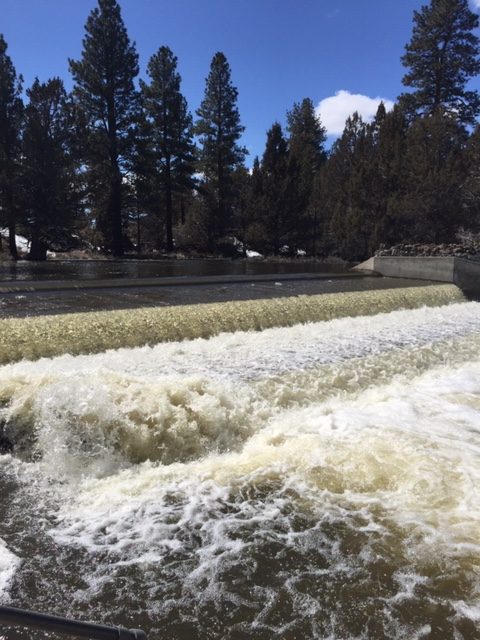
Pine Creek Fish Trap Dam, April 10,, 2020

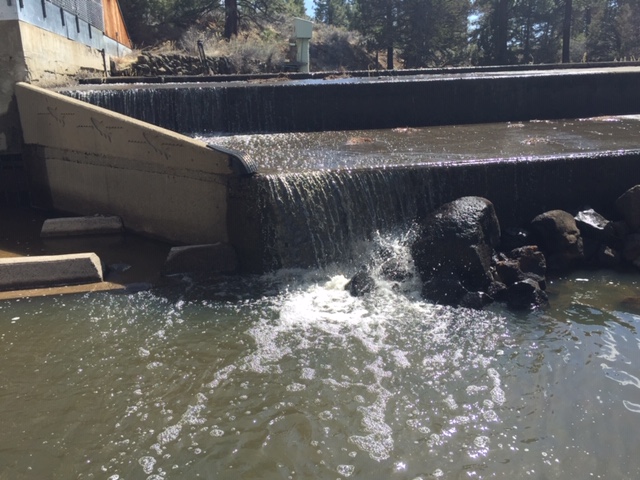
This is an interesting metaphor considering what and how we moved about and lived a year ago. This is a bit of diversion. Pine Creek, Eagle Lake’s main tributary, can be raging torrent or almost non-existent. The comparison of 2019 and 2020 run-off is a perfect example.

Pine Creek Fish Trap Dam, April 4, 2019

Forestry essays of the 1930s

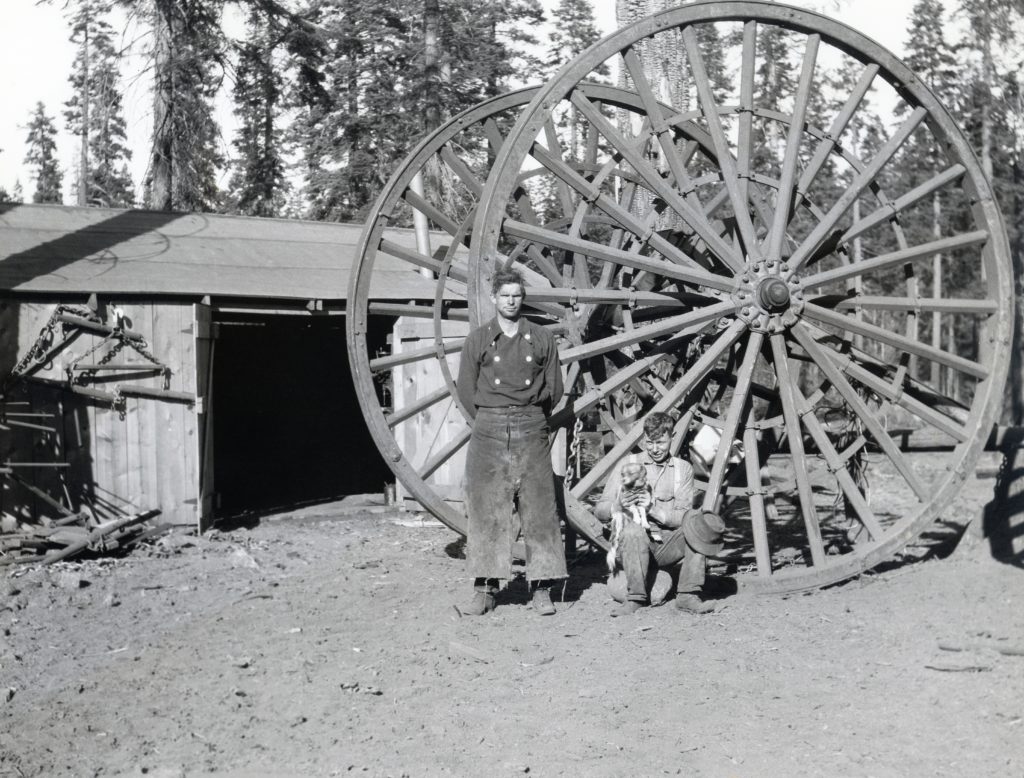
A set of Red River “Big Wheels” —Courtesy of Hank Martinez

During the 1930s, as part of a education tool in the local schools a special Forestry Essay Contest was held. In the literature provided its goal: “This contest was started with the view of stimulating a greater interest in forestry and a broader appreciation of the values which Lassen County’s forests contribute toward the stability of our communities.”

A wide variety of community organizations sponsored the contest ranging from the Monticola Club, the Rotary Clubs of Susanville and Westwood, to the local Veterans of Foreign Wars. In addition, the American Forestry Association furnished bronze medals for the winners.

Next week, will be an excerpt from one of the winning entries.

Subscribe

Easter Sunrise Services, 1935

Inspiration Point
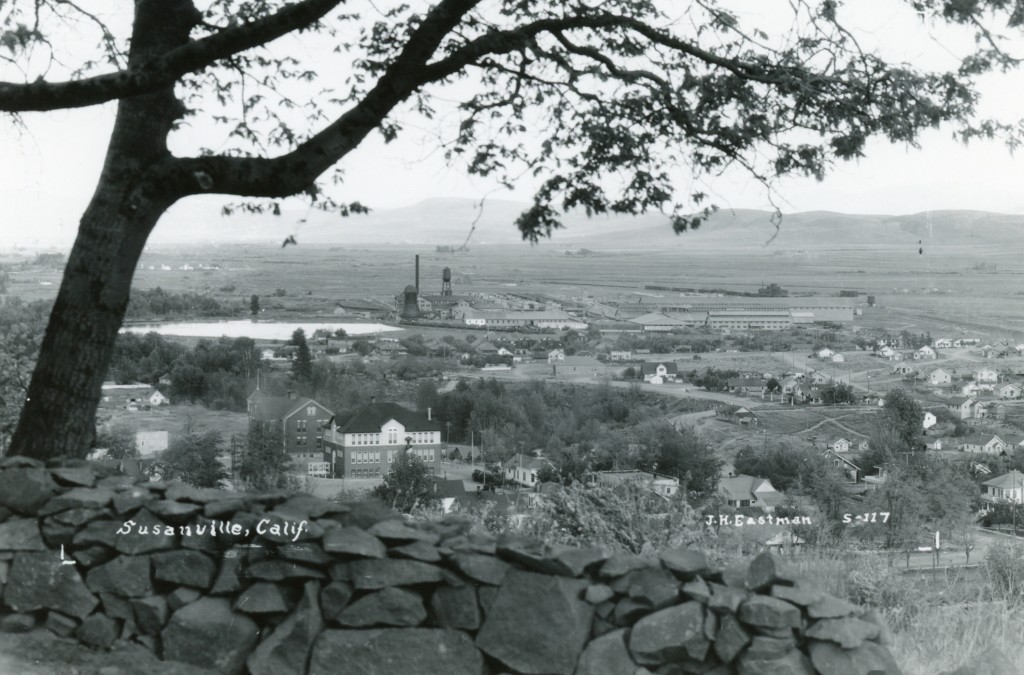
The view from Inspiration Point, 1930s.

During the 1930s, when Inspiration Point became Susanville’s first municipal park it was used by a lot of organizations sponsoring a variety of activities. One of the groups who used the “Point” frequently was the local American Legion post.

For several years Easter sunrise services were held there. During Holy Week the American Legion post placed a temporary wooden cross. Various church leaders participated, but keeping the service as non-denominational. It was popular too many, as hundreds attended the service that began around 5:30 a.m.—note no daylight savings time.

In the early afternoon, the American Legion post with assistance of the local Boy Scouts held an Easter Egg hunt there. In 1935, they were overwhelmed by hundreds of Susanville children who quickly found the sixty dozen eggs. As one observer put it, they could not “handle the rush” as this was twice as many as the previous year.

Subscribe

Wood Flat, Hayden Hill

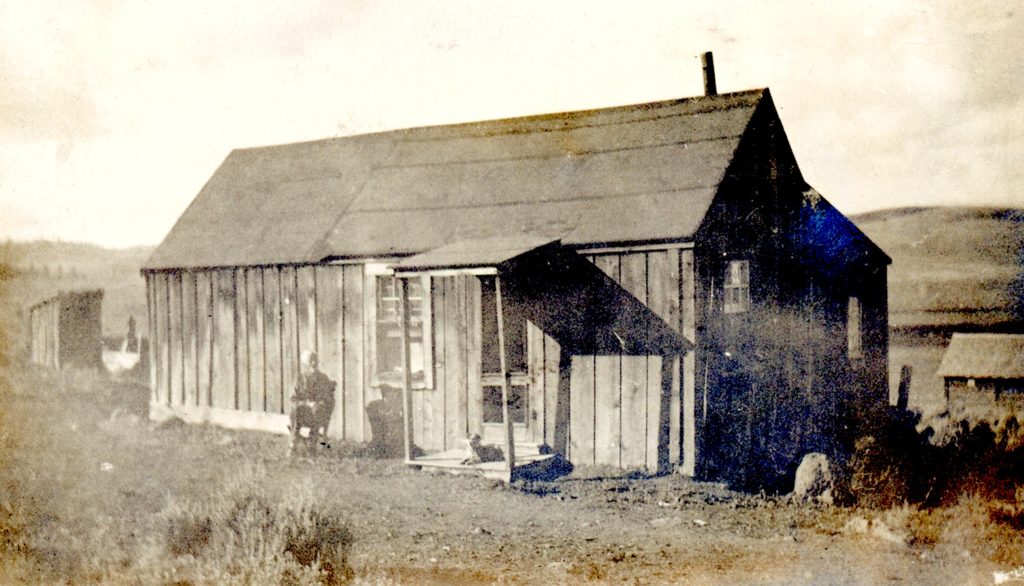
The Belle & Judson Dorsey home, Hayden Hill, 1918–Belle Dorsey Collection

In 1881, the Hayden Hill correspondent to Bieber’s Mountain Tribune wrote:  “I think it quite time to write up the early history of Wood Flat and how it came to be thus named.  As the unpretentious Wood Flat locality is growing in value of late by becoming a pleasure resort for promenades and picnics.  Many there be who would not heard or read
about the Flat, not yet minutely mapped out and sent abroad to induce tourists to come hither.  I will briefly relate what I know about it.

A year ago the first cabin was built on the Flat and the owner
thereof makes his living cutting wood; and at the present time he has twenty cords cut, and more engaged.  His wife one day said to him, ‘We will name this place Wood Flat.’  It is less than a mile from town, and has the best spring water on the Hill.  Some have called it Blue Spring, because of a bluish colored clay found there; and the water, when in the spring, has a light, clear blue caste.  But the last and not least name that is been dubbed lately is Mud Springs Flat.  I cannot see where the mud comes in, unless someone riles the fountain.”

Spread the word, and encourage a friend to subscribe.

Lassen Park vs. the Supans

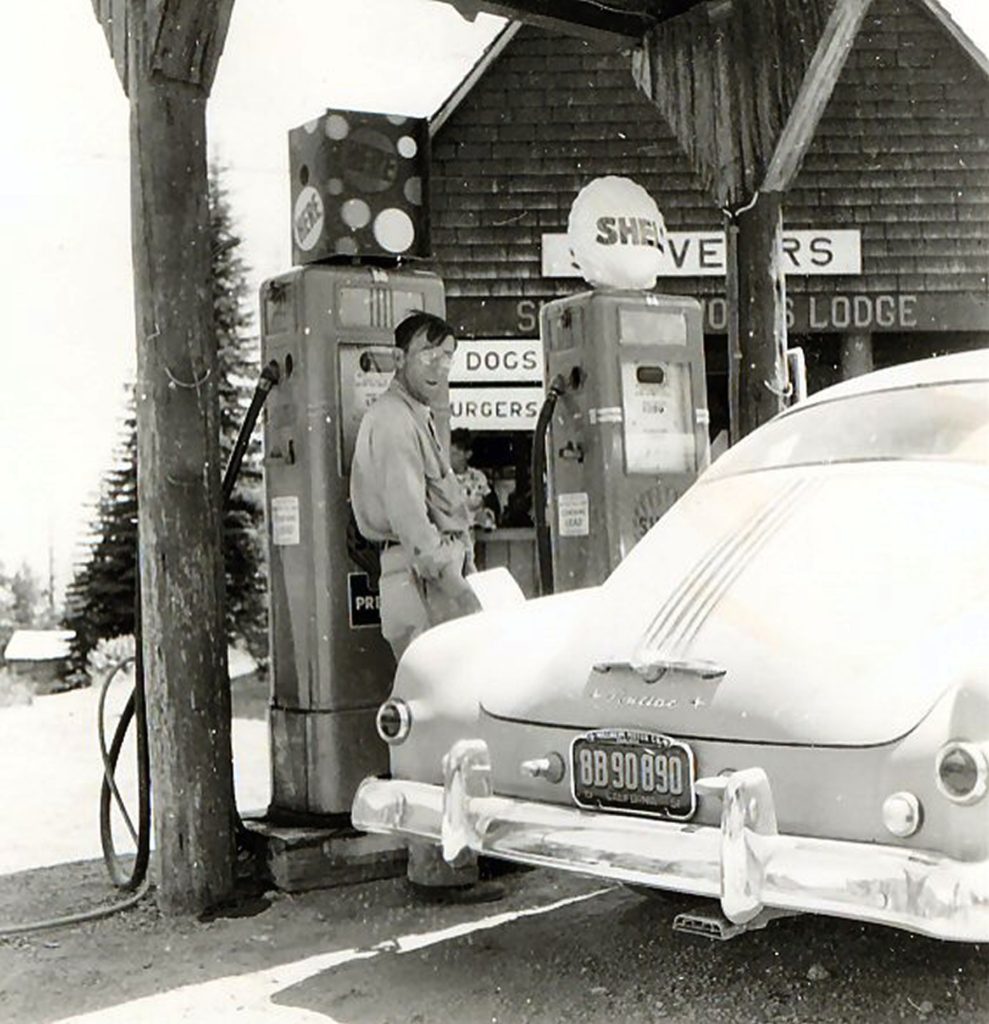
Adlai Supan, 1950–Courtesy of Don Supan

Construction stalled on the gas station when Lassen Park
Superintendent L.W. Collins paid Supan a visit. Collins was under the impression that Supan’s claim was no longer valid as no formal assessment work had been done, thus the property reverted to the park. Supan agreed to suspend construction until the matter was resolved.

It would be a long convoluted affair. The matter dragged on with no decision in favor or against.  On June 5, 1931, park officials took matters into its own hands and filed a condemnation suit in an effort to resolve the matter. As required by law, the park placed $31,000 in escrow, the amount it deemed was the value Yellow Ochre Mine.

With no end in sight, the Supans demanded their day in court. A three day hearing was held in January 1933. In the ruling concessions were made for both sides. The southern portion of the Supan claim of sixty acres was declared non-mineral in character and the property adjudged to the park. The remaining 100 acres was deemed valid and awarded to
the Supans.

There were two major developments in 1941. First, Milton’s son, Adlai built a gas station and “lodge.” The lodge consisted of a store, that sold tourist related items such as camera film, postcards, and souvenirs, along with a lunch counter. That fall, Milton passed away leaving a wife and ten children. This was not a good omen for the park, who would have to deal with more people to negotiate with, and improvements increased the value of the property. The park was powerless with no funds to purchase the Supan property.

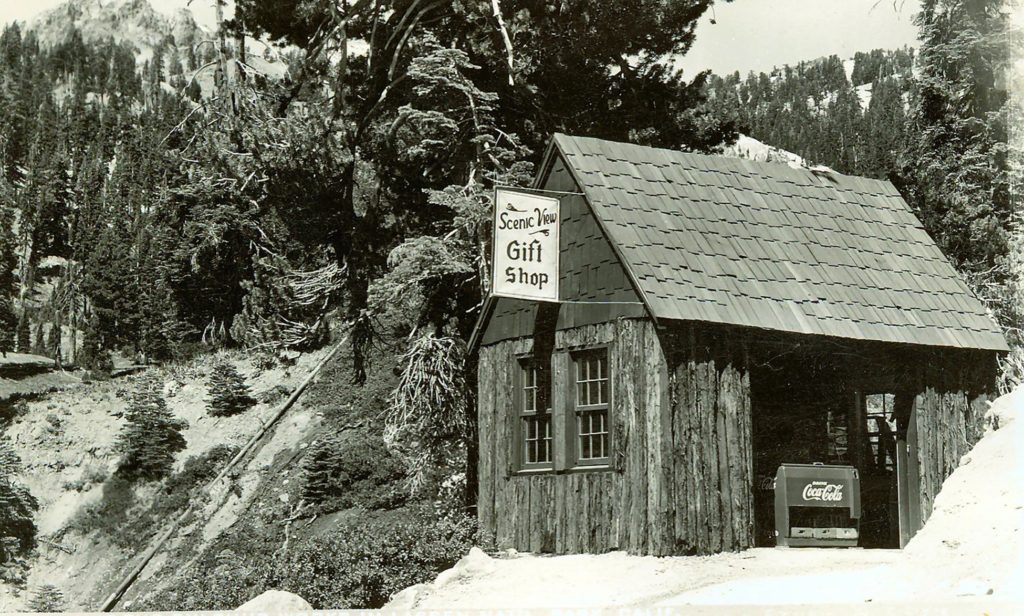
Scenic View Gift Shop—Courtesy of Don Supan

After World War II, Adlai expanded his operations to keep up with visitors needs at the park. His two sons, Don and Ed, built a small cabin dubbed the Scenic View Gift Shop. By this time, Adlai’s sister, Ada Herrick made her presence with a bathhouse, cabin rentals and a restaurant known as Sulfur Works Inn. In 1947, Adlai built a crude rope tow for winter skiing.

All of this development alarmed park officials. In 1949, the park sent letters to thirty-five Supan heirs with an offer to purchase Sulfur Works for $20,000. The family was divided, some willing to sell and others opposed. They were in complete agreement the offer was too low. It should be noted Milton Supan’s original offer was $100,000.

Discussions between the park and the heirs continued throughout most of the year. About the only thing that resulted in these talks that the value kept increasing to what the park considered “gold mine proportions”. In December 1949 with no solution on the horizon the park once again resorted to filing condemnation of the Sulfur Works and
deposited $31,00 in escrow, their appraised value. The Supans immediately challenged that figure and placed the value at $525,500.

In 1952, after lengthy litigation, the court awarded the property to the park and Supans $48,950 in compensation. The park was confronted what to do with the improvements there. It was finally decided to demolish the thirteen buildings that consisted of the Sulfur Works Lodge and Inn.

Subscribe

Supan Sulfur Works

The sulfur works—Courtesy of Don Supan

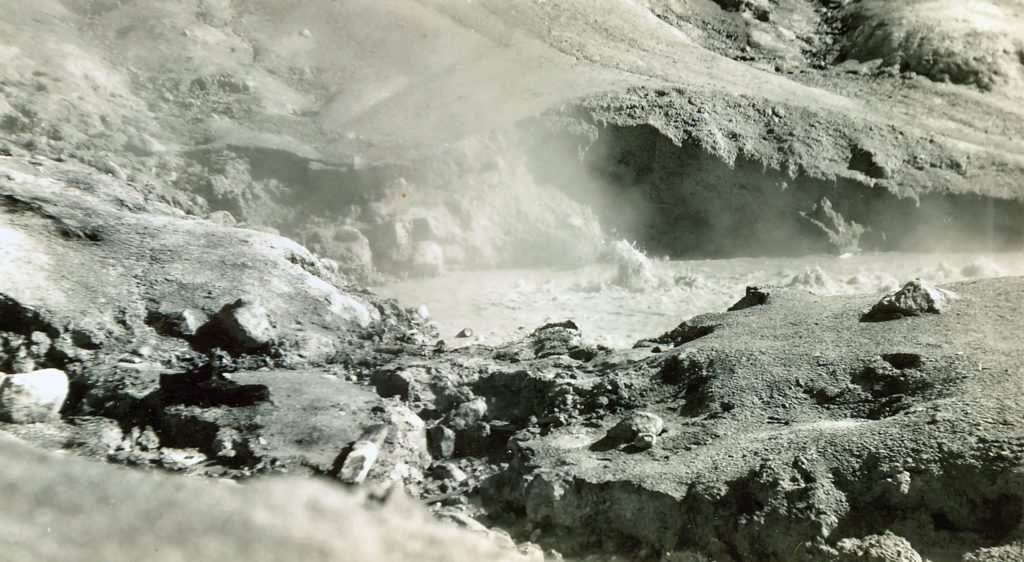
Lassen Volcanic National Park has many fascinating hydro-thermal features such as Bumpass Hell and the Sulphur Works, originally known as Supan.

On June 16, 1865, Dr. Mathis Supan, a resident of Red Bluff filed a mining claim on Sulfur Creek, two miles from Bumpass Hell. Supan spent the next twenty years during the summer months developing the property.

At the Sulphur Works he built steam bath houses for the public’s use. He also developed his own line of patent medicines that were readily available in Red Bluff—Supan’s Colic Drops, Supan’s Sour Powder, and Supan’s Rheumatic Remedy, to name a few. He even marketed his own line of bottled water from the soda springs on his claim.

1935 signage for the sulfur works

A complicated family life caused Supan in 1887 to stop working at the Sulfur works. No one in his family had any interest to carry on with his work. By the turn of the century, his son, Milton became  frequent visitor there during the summer months. He utilized the surrounding property for livestock grazing.

In 1916, witnessed the creation of Lassen Volcanic National Park, though inside the park boundaries were various private properties—the Supans being one. This was a problematic issue for park officials for decades to come. Yet, when the park was created, in reality it was by name only, for funding was almost non-existent. For Milton Supan he was ambivalent about the new park that surrounded his holdings. Supan, however, re-filed the Yellow Ocrhe mining claim there, which was his father’s original claim, just a different name. It would become a contentious issue with the park.

By the mid-1920s, after a strong lobbying effort, a stingy Congress began to fund Lassen Park. One of the priorities was the so-called loop highway. The revelation caught the attention of Supan. In 1927 he began to construct a gas station there, which alarmed park officials. It was just the beginning of a long feud.

Tomorrow: Lassen Park v. Supan

Subscribe


Exploring Lassen County's Past