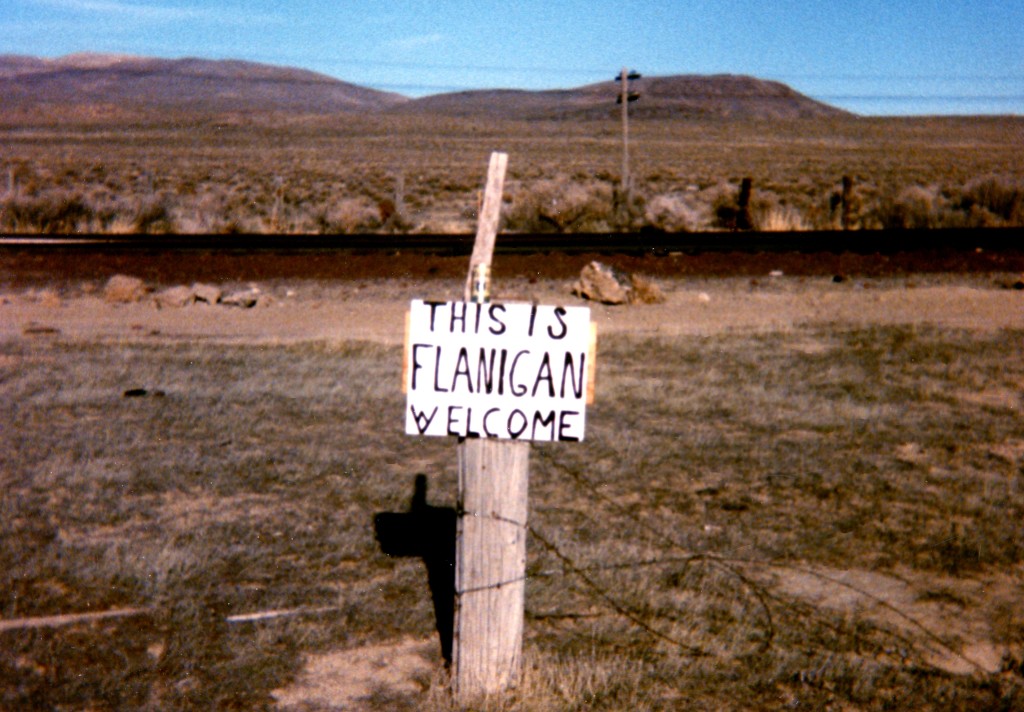
This is a 1985 book by Eric N. Moody (6×9, softcover, 121 pages) I have four used copies at $25. each on a first come, first served basis.
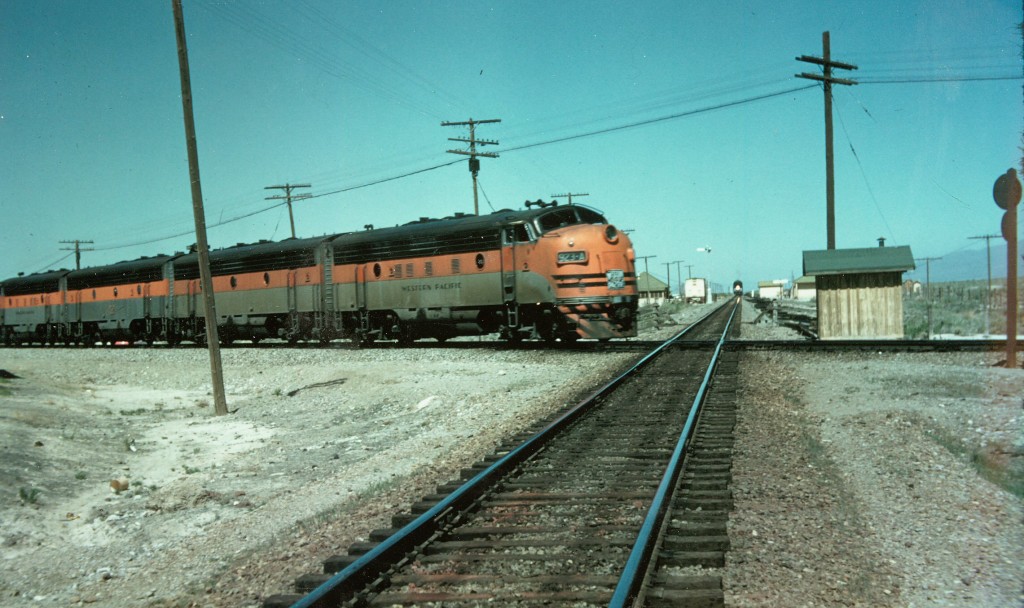
For those not familiar Flanigan was a small railroad community in eastern Honey Lake Valley, on the Nevada side. One of the items that made it unique was the crossing of the Southern Pacific and Western Pacific Railroads.
Flanigan
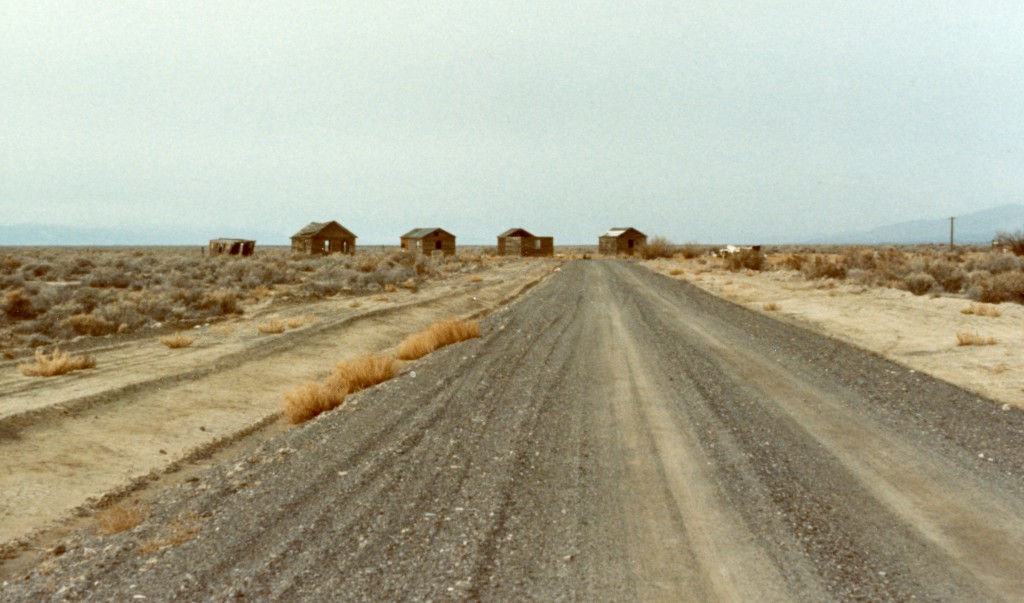
The townsite was plotted in 1913 by real estate promoters from Oakland, California. The Honey Lake Valley was a realtors dream come true in this era with so many promising developments taking place with the construction of two railroads, irrigation reclamation projects and the Red River Lumber Company’s construction of a lumber town to provide a local market for some many items. It would be one of many boom and boost cycles for Flanigan and today not much remains there.
Flanigan, 1976, courtesy of Christopher Moody
Spread the word, and encourage a friend to subscribe
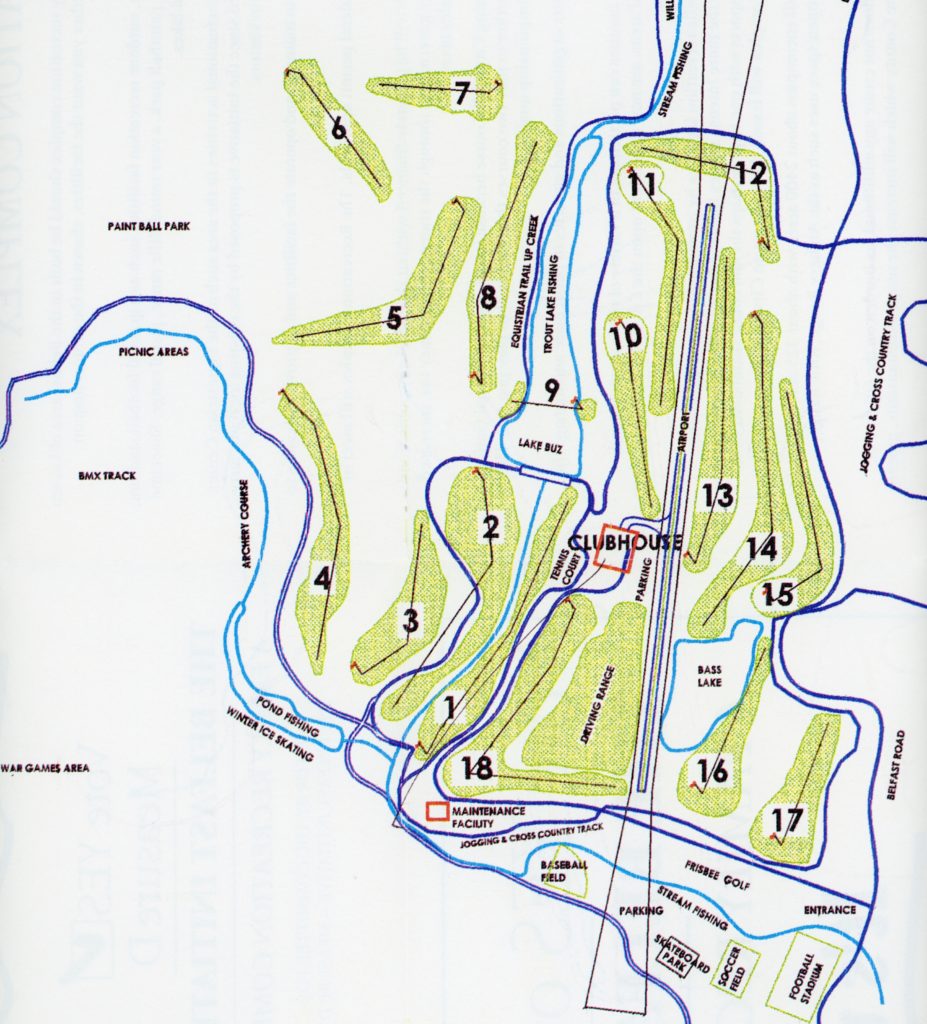
This was an interesting Lassen County measure presented to the voters in the 2002 General Election. Simply put it asked the voters to rezone 2400 acres in the Belfast area of the Honey Lake Valley to “Mountain Resort.” Like so many grandiose plans for Belfast, this envisioned a wide range of recreational amenities. Top on list was a 18 hole golf course along with such outdoor recreational facilities such as a grassed football stadium, soccer field, baseball field, skateboard park, frisbee gold course, paintball park, a year round rifle range, pistol range, Skeet and Trap range, BMX track, fishing ponds and lakes. All this done without taxpayer dollars. The final vote Yes=3910 (52.90%) to NO=3481 (47.10%).
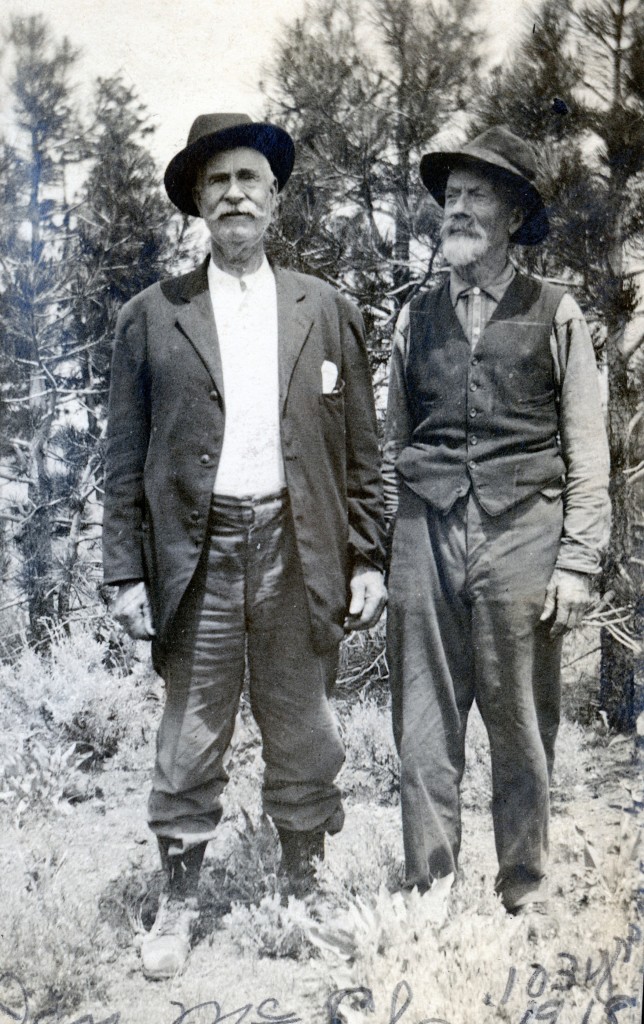
Dan McClane (left) and J.S. Underwood, Juniper Mine superintendent, at Hayden Hill, 1918.
Dan McClane was one of many interesting characters to inhabit the mining community of Hayden Hill. McClane was born in 1815 in Scotland, making him the second oldest miner there—the town’s namesake Joseph W. Hayden was a year older.
McClane’s first career was the open seas traveling much of the world. In early 1850s he came to California and settled in Solano County, where he first developed an interest in ranching, then in time mining.
Reports when he came to Hayden Hill vary, though most place it in 1877 during the town’ second mining boom. At that time, there was a large influx of prospectors from Napa and Solano counties. It should be noted he married Mary Shepherd in Modoc County in 1874. The following year, at the age of 59 he became a father, and from this marriage a total of 11 children were born to them. Some of the children were born at Hayden Hill and others at Round Mountain, Shasta County.
Round Valley Reservoir, and the surrounding terrain that McClane traversed in 1916..
In the late spring of 1916, Dan McClane and Clarence Williams set off on horseback on a prospecting trip. It does not appear on the face that remarkable, until you examine the ages of two men–Williams, 36 and McClane 101. That is correct a hundred year old man prospecting on horseback. The duo left the Williams Ranch in Willow Creek Valley, now owned by Five Dot and first ventured to look at the abandoned mines of adjacent Round Valley. From there they went all the way to the top of Green’s Peak looking for the fabled “Grabel’s hole.” The Grabel was a rich lode, that falls into the category of the lost mine tales. They then ventured down to Rongstock Canyon, back up and over to Papoose Meadows and numerous crooks and crannies along the way. Then back over Gallatin Peak and back to Willow Creek Valley. In all, Williams estimated they traveled nearly forty miles that day.
McClane kept up with his forays and he passed away in 1920 at age of 119 in San Mateo County.
Spread the word, and encourage a friend to subscribe
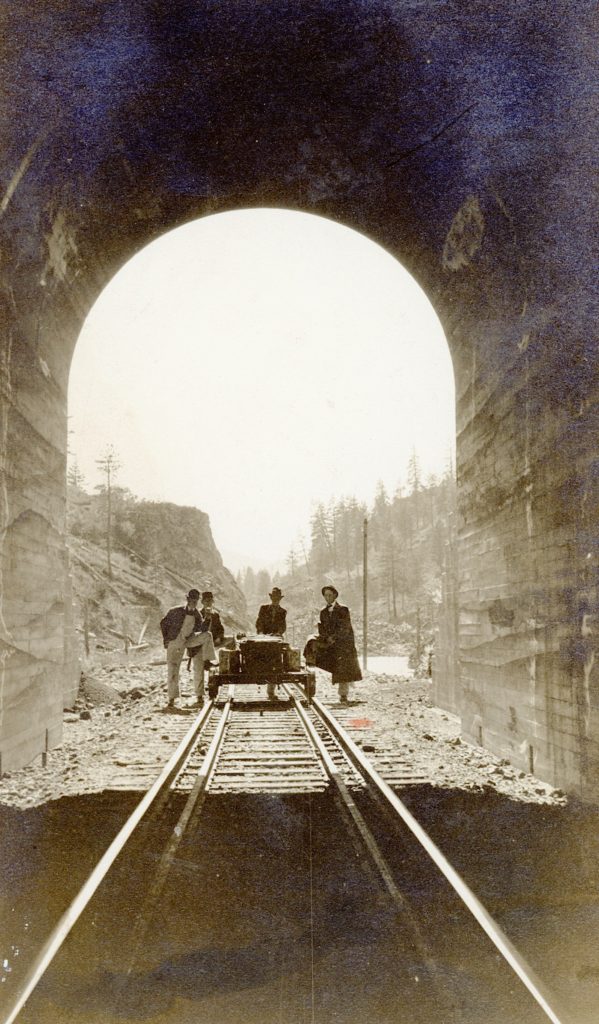
Tunnel No. 2, Susan River Canyon, 1915—-D.M. Durst Collection.
A few days ago, I wrote about a freak accident during the construction of Tunnel No. 1 of the Fernley & Lassen Railroad in the Susan River Canyon. In September 1913, tragedy struck with the construction of nearby Tunnel No. 2.
On the morning on September 11, 1913 the roof caved in sending a mass of rock debris wherein it claimed the life of J.J. Painter an engineer for the railroad. Two other men, M. Arbuckly and W.H. Robinson sustained major injuries. There were other men in the tunnel at the time of the collapse, but they were able to escape without injury. This was the first of two fatalities to occur during construction of the railroad through the Susan River Canyon.
1927 holiday greeting card from the Lassen County Sheriff’s Office. Left to Right, Sheriff Jim Leavitt, Deputy Tom Massey and Deputy A.C. “Cass” Hunsinger.
The summer of 1916 were lively times in the region. However, the region’s newspapers also reported on some mundane items. As the Lassen Weekly Mail reported in August 1916 that were no inmates in the Lassen County Jail and that Deputy Sheriff J.S. Church main duties were reduced to swatting flies in the building.
Spread the word, and encourage a friend to subscribe
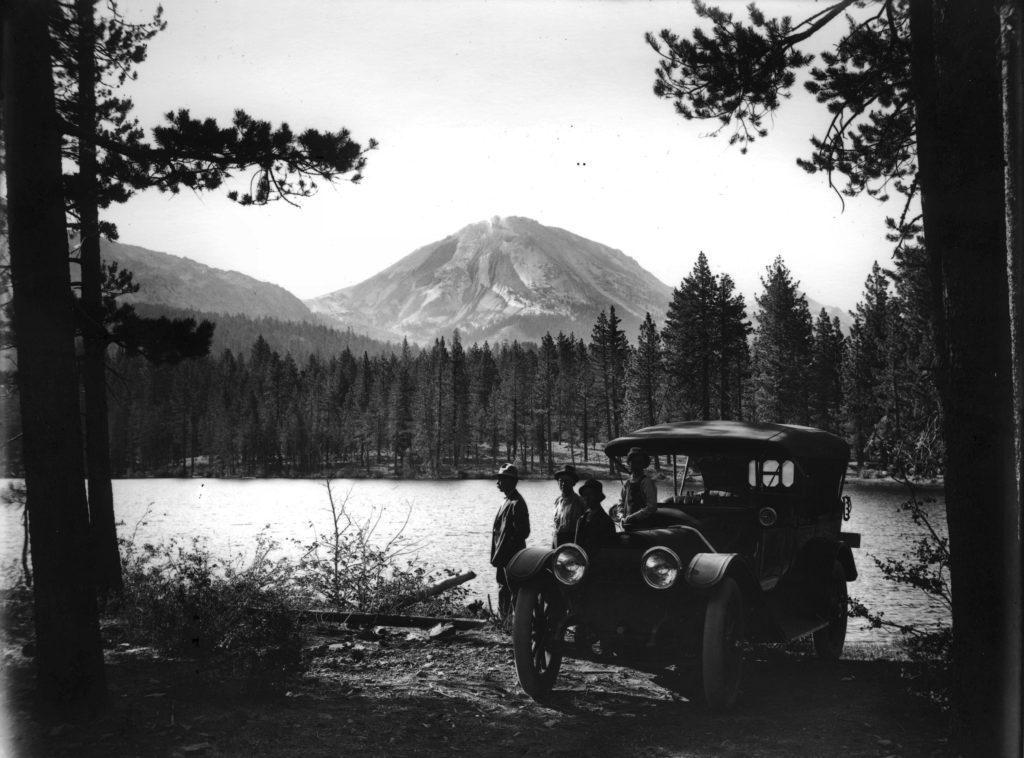
No, this is not an April Fool’s joke in August and no the name of Lassen Volcanic National Park has not been changed. It was on this date in 1916, that the park was created with the signing of the bill to create it by President Woodrow Wilson.
By the 1890s dialog had been created to make Lassen Peak and its various hydrothermal features a national park. On May 6, 1907 Lassen Peak and Cinder Cone became national monuments. Things changed when in November 1910 John Raker was elected to represent California’s First Congressional District. On February 23, 1912 Raker introduced H.R. Bill 19557 to create an 80,000 acre Peter Lassen National Park. It went nowhere, just as his previous legislation to create a Redwood National Park. One of the hurdle’s for his Lassen Park was that hardly anyone knew of Lassen Peak outside of his district.
With the sudden eruptions of Lassen Peak in the summer of 1914, everything changed with national exposure. At this time, it was suggested to rename Raker’s proposal as Lassen Volcanic National Park.
Spread the word, and encourage a friend to subscribe
The most challenging portion of the construction of the Fernley & Lassen Railroad came in the summer and fall of 1913. From Fernley, Nevada to Susanville there were no major obstacles. Everything changed with the terrain of the Susan River Canyon which would require the construction of numerous trestles to cross the Susan River as well as two tunnels.
In June 1913 work began on Tunnel No. 1 which required heavy blasting. It even required locating the construction camp out of harms way. The workmen, of course, were warned to seek a safe place before a blast was discharged. William Denham took the advice and positioned himself across the river some two hundred yards distance. Above him was a rocky ledge, and the force of the blast was so great that a rock was thrown passing Denham, but striking the ledge above him, causing it to loosen. A mass of rock rolled onto Denham, Initial reports had Denham’s leg horribly mangled and broken, but actually he was only severely bruised with no broken bones.
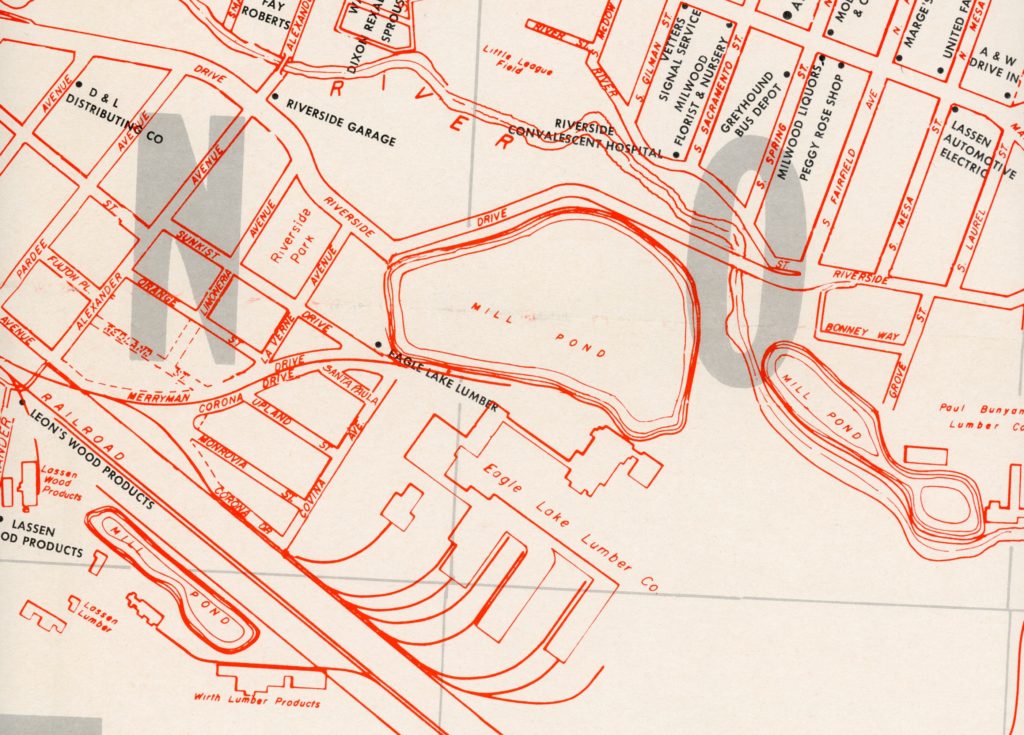
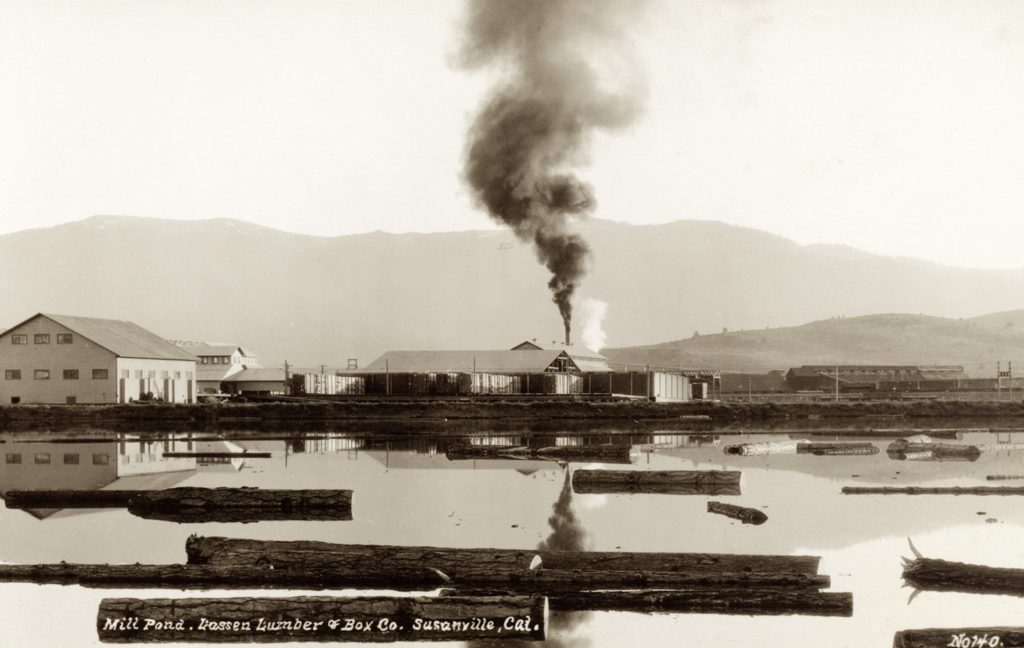
A 1964 Map of Susanville showing three milllponds.
While researching one item, I stumble across material that catches my eye and inevitably get sidetracked. This recently happened when working on an article about the Never Sweat Hills and related topics. Anyhow, while reviewing a 1964 Susanville Centennial publication, I examined the map of the town. In this particular instant what caught my attention was a map. There within a close proximity where three millponds—Lassen Wood Products, formerly Lassen Lumber & Box Company, Eagle Lake Lumber Company, formerly Fruit Growers and Paul Bunyan Lumber Company. Not only are these lumber mills gone, but so are there millponds, once an integral part of the operation. One facet of the millpond that I enjoyed while growing up, was watching a load of logs being dumped into the pond. There was one feature that I did not like—the stench from the millpond in the summer months.
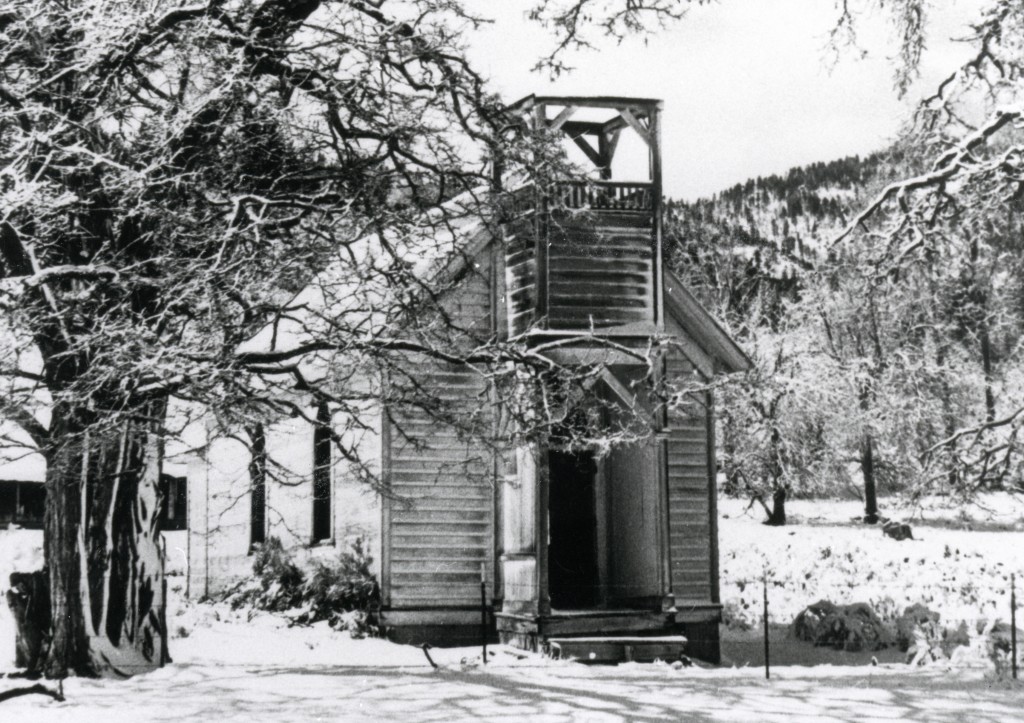
St. Mary’s Chapel as it appeared in 1971. Courtesy of Robert Williams
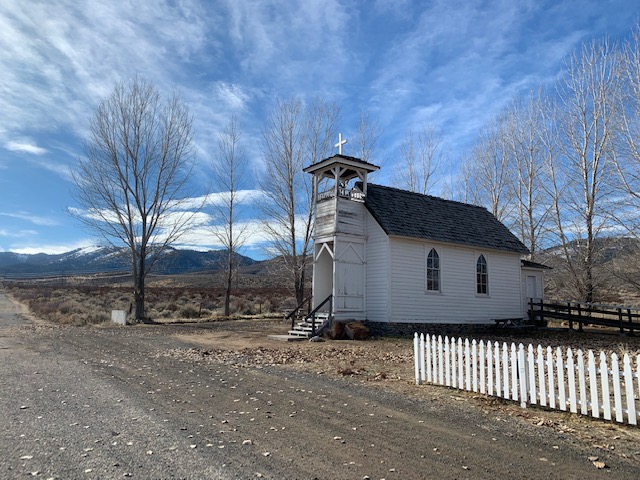
In 1898, Henry Butters purchased the Albert E. Ross ranch in Long Valley, about five miles south of Doyle. Butters made many improvements to the property, including having a small church built next to his home—St. Mary’s Chapel. Butters named the property Constantia. Butters ownership was brief and he sold it in 1904. Catholic services were held at the church whenever a circuit priest was in the area, but this practice ended in the 1920s. In 1994, the abandoned church was moved to Doyle next to the Long Valley Cemetery.
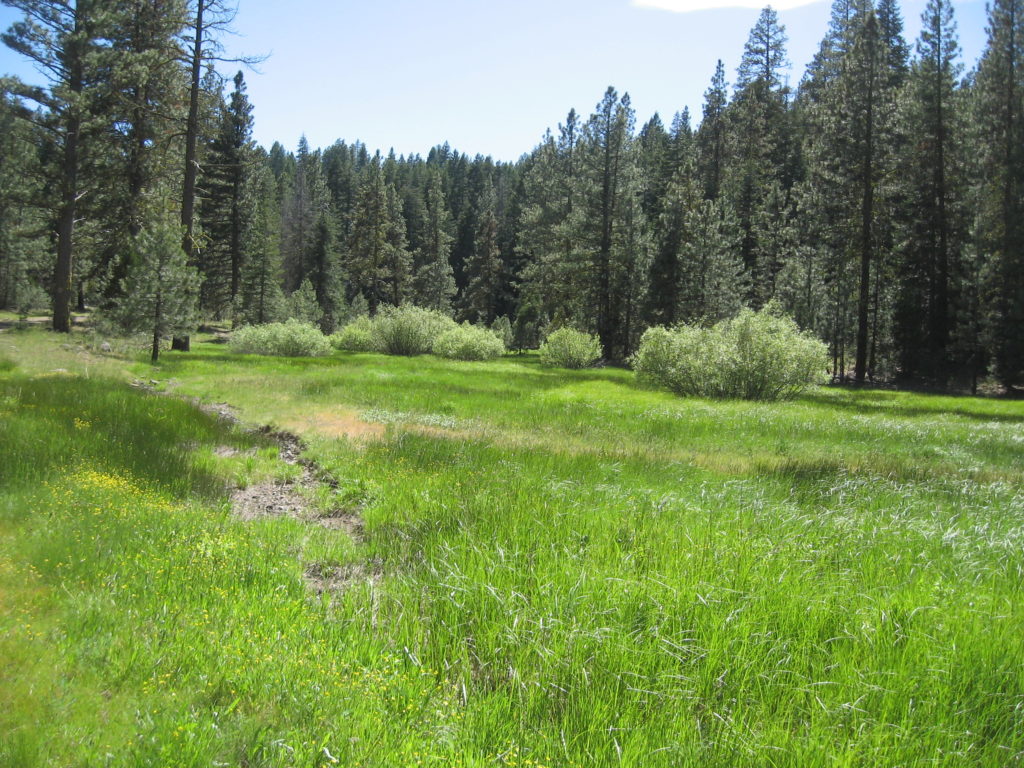
Now, that we have survived the Hog Fire, west of Susanville, its time to reflect and appreciate our surroundings. This, goes for subscribers out of the area, to take stock around them. The above locale, I will be writing about in a future post later this month, but the Hog Fire ravaged through there.
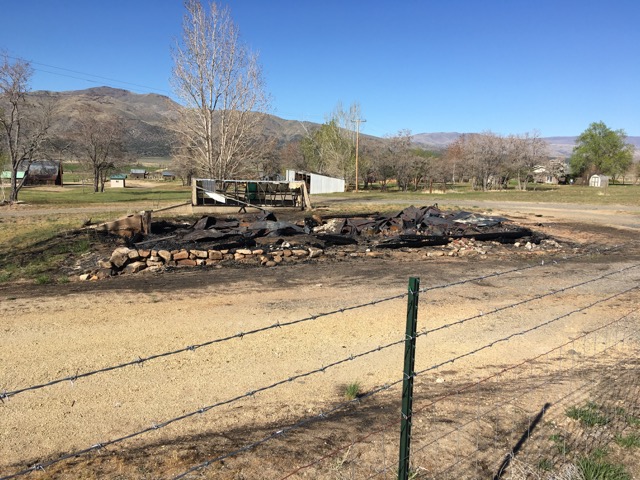
It is truly imperative to get out and about when it is safe to do so. Another example of a disappearing landmark earlier this year was most of the town of Constantia was intentionally burned down this spring.
The site of the Constantia store, April 28, 2020——Kim Dieter