Illusions of Grandeur

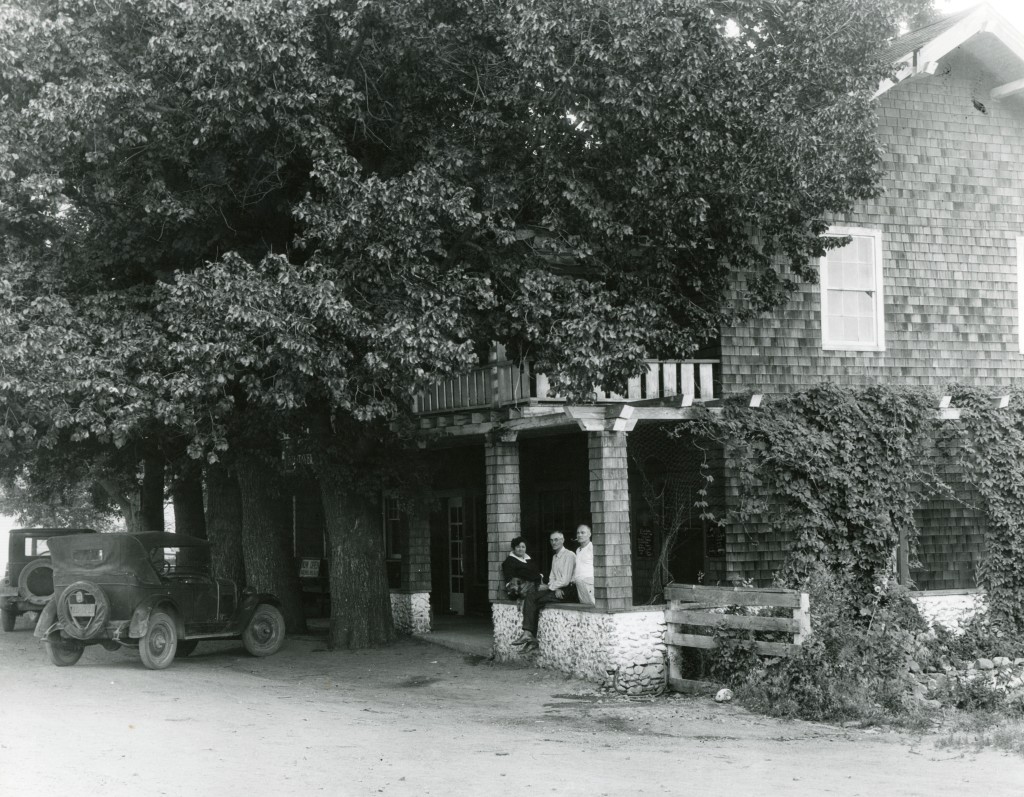
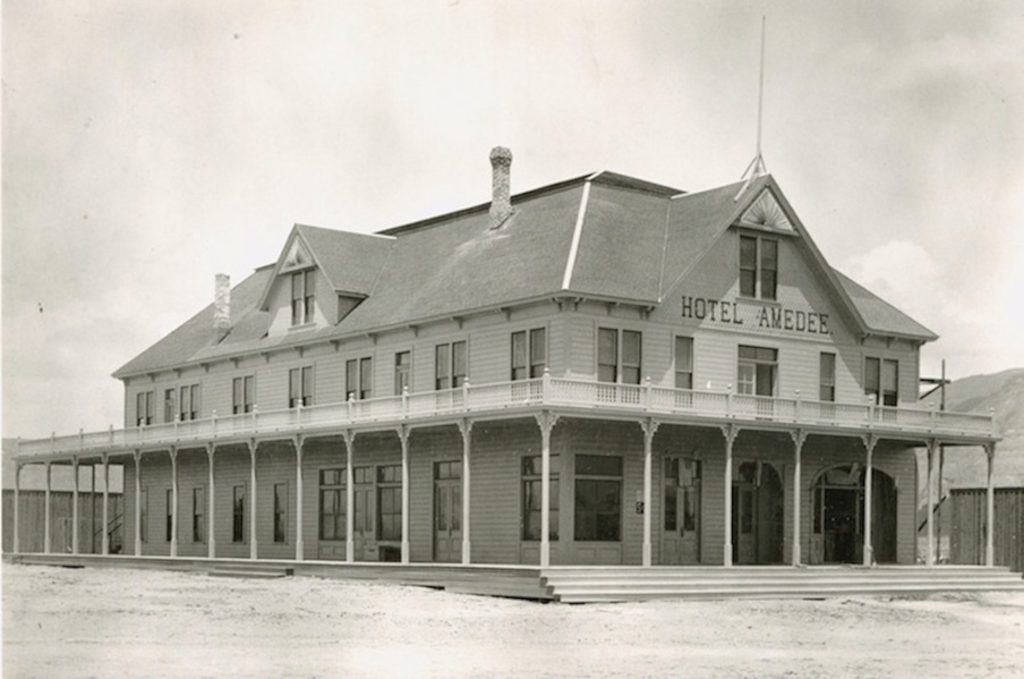
The Hotel Amedee in its prime.

On January 9, 1892, the NCO Railroad entered into a contract with Fresno, California developer, Silas N. Griffith, to plot out and promote the railroad’s new terminus of Amedee, on the east side of Honey Lake. Griffith was required to build a hotel, bath house and livery stable. In return, Griffith received 50% of sales of the property. It appeared Griffith’s mission statement was Big. Beautiful, Bold.
Amedee Bath House
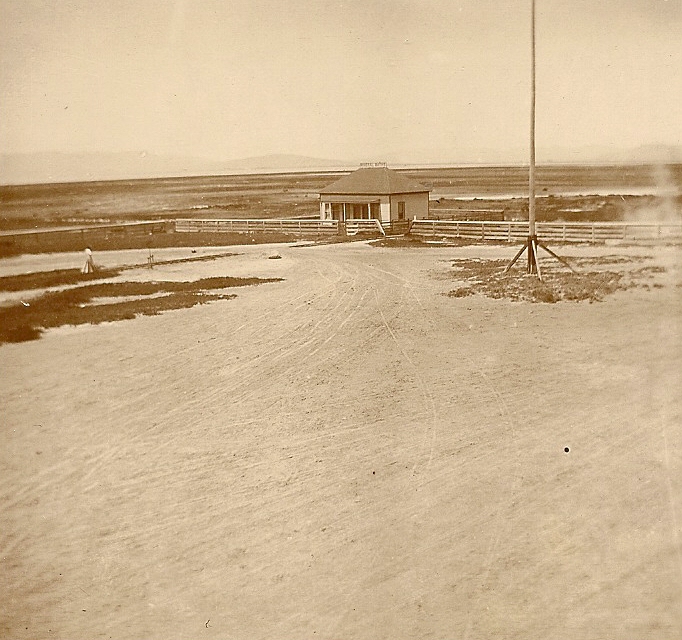
Amedee Bath House courtesy of John M. Gibson

Griffith saw opportunity in the hot springs to make the new town, among other things a health resort. In late April 1892, it was announced the bath house, would be on the same scale as the Hotel Amedee under construction. In reality when the bath house was completed, it was a modest one-story structure.
Spread the word, and encourage a friend to subscribe

When Christmas is a burden . . .

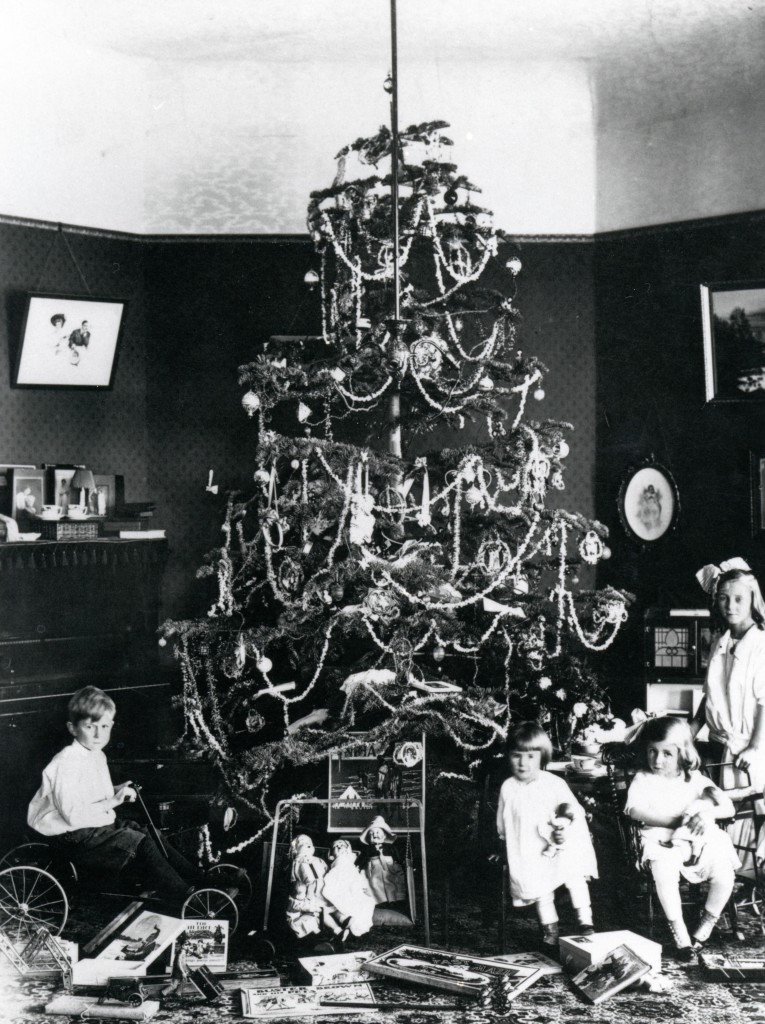
Christmas, 1917, in the Swain home, better known today as the Susanville Elks Lodge. Pictured are the Swain Children: Fitzhugh, Nellie, Blanche and Frances. Courtesy of Frances Swain

The full caption is “When Christmas Is A Burden And Not A Blessing,” was a short piece from Susanville’s Lassen Mail of December 6, 1929. It is a timely article that I thought worth sharing.

“Whether you have a happy, peaceful Christmas, enjoying the real meaning of the day or a much overworked and disturbed time, depends on the individual. So many of us overdo in the gift giving which is really only conventional giving and sometimes in bad taste. To give a little gift with no thought of ‘exchange’ but with a desire to show remembrance is a good thing. But in no case should one tax their means to such an extent that there is worry and ‘paying up’ for the next month. Sometimes a good home-made pie or cake is more acceptable to the friend who perhaps has much more means than we have, than a costly something. They can buy a costly something but perhaps they cannot bake a good home-made mince or pumpkin pie.”

Tim


Answers to some of your questions

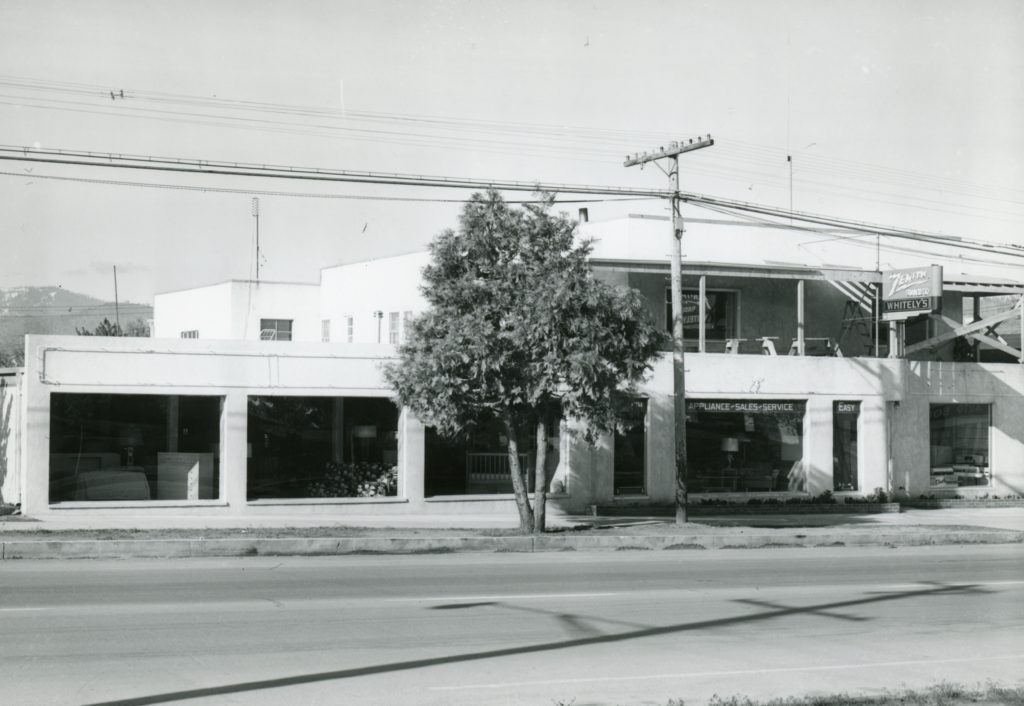
Whitely’s Furniture Store, circa 1956—W.V. Laughead

Over Labor Day Weekend there was a post seeking information about Whitely’s Furniture Store in Susanville. Alas, no one came forward, so I am not able to provide any information. May be this time around, some thing might surface.

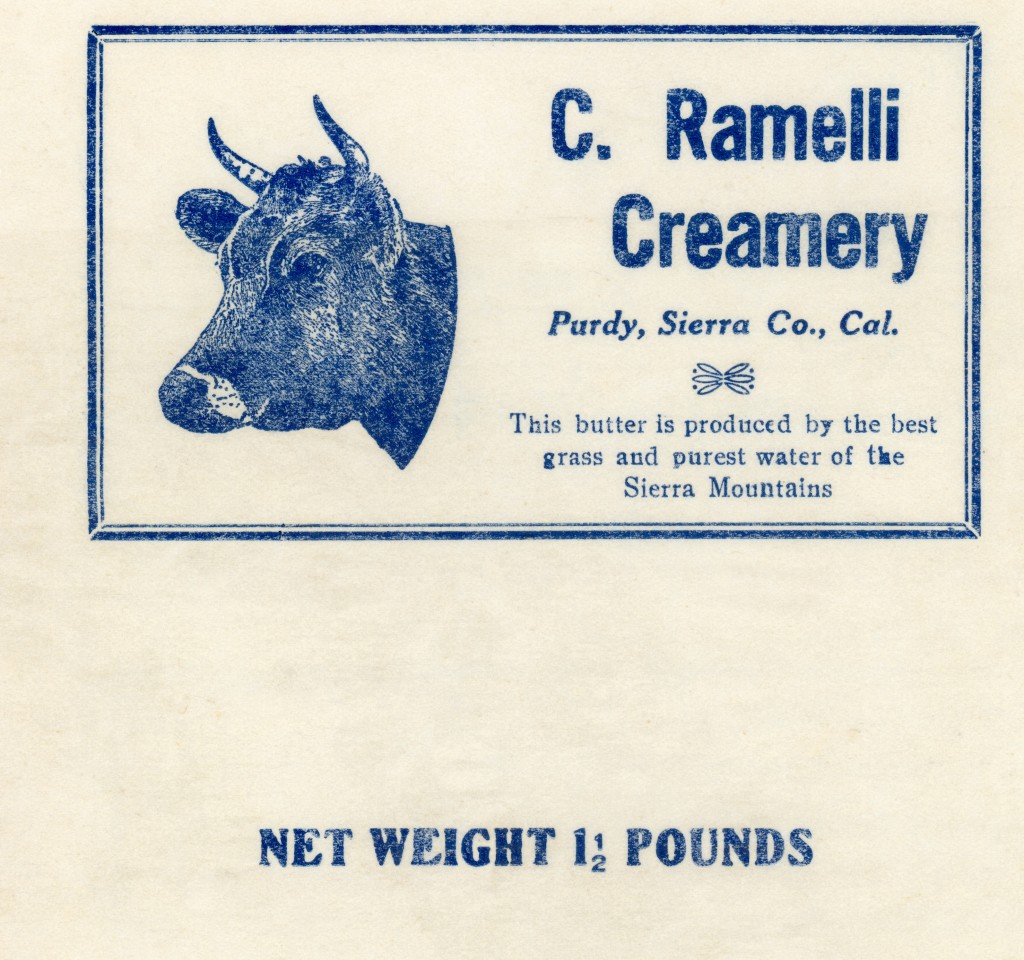
Ramelli butter wrapper. Courtesy of Eslie Cann

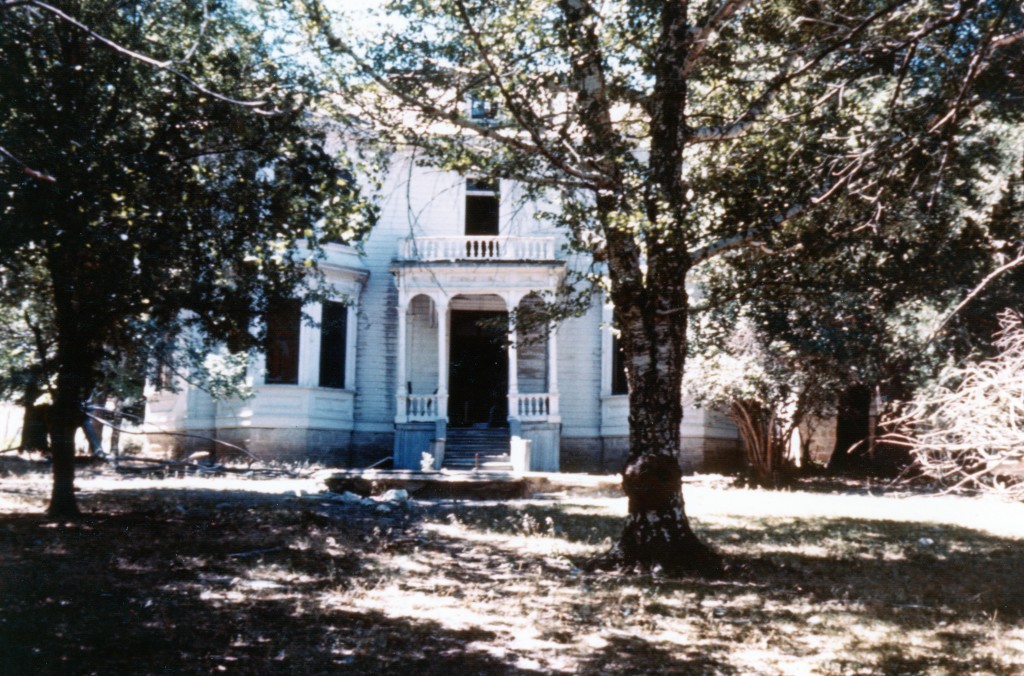
In the post about the White House at Constantia that was referred to as Monastery, I mentioned an elderly Indian couple by the name of Purdy who were the last occupants of the stately residence. The question posed whether any relation of mine. In the late 1800s it was customary of Native Americans to adopt an Anglo surname. Usually, the Indians adopted a Anglo name of a rancher they worked for, and/or resided next to one. Bordertown was originally known as Purdy. On the west side of the stateline in Sierra County, it was part of the Purdy Township, named for H.H. Purdy an early settler in that district. No relation of mine. Actually, Purdy is a fairly common name.

The “White House” at Constantia, circa 1960

Finally, I am amiss and failed to address a request about the Jeremiah Wood family. Some may remember during the St. Patricks  Cemetery tour we visited his grave. With file nearby I will address this.

Tim


The Job Jitters

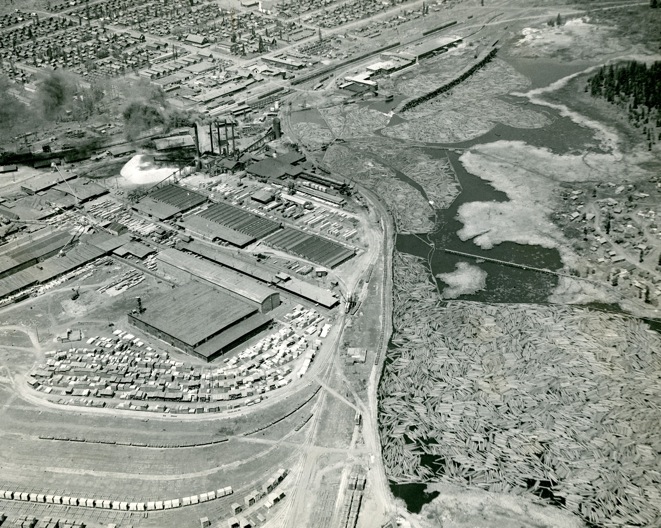
Red River Lumber Company’s Westwood mill, 1931.

By 1930, the nation’s lumber market had suffered big time not only with the economy teetering but supply flooded the market where there was no demand. In the Lassen region, this was a new experience as everyone had been accustomed to the good times. The big three mills had not only scaled back their labor force, but curtailed production. This fueled the rumor mill, and in December 1930, the rumor on the street that the Red River Lumber Company was to permanently shut down its mill. Company officials had to put out the word, that this was utter non-sense. After all, in December there was the usual slow down with the end of logging season, and soon it would be time for annual maintenance of the mill.

On the other, Lassen Lumber & Box Company was in dire financial straits. They closed down Camp Lasco, their logging camp for good and would rely upon logging contractors for their future needs. The company also went through major refinance of all the other departments.

Support

Religion Comes to the Honey Lake Valley

Gay Street, Susanville,  looking north, 1864. Courtesy of Gilbert Morrill

East slope Sierra Nevada communities of the 1850s and ‘60s were isolated from California, especially in the winter months.  Thus, certain social developments were a challenge. While folklore describes western frontier outposts as rowdy and bawdy, that was not always the case.

In November 1860 it was announced the Presiding Elder of the Methodist Church from the Sacramento Valley would visit the Honey Lake Valley in late December—a first. However, it is not clear if that preacher ever visited the region. In 1862, the Rev. E. Paddison of the Methodist Church, held a service in Susanville with fourteen people in attendance. From 1862-1864 Honey Lake Valley became part of Nevada Territory District of the Methodist California Conference. In September 1863, the Rev. Richard C. Cardberry was assigned to Susanville, replacing Paddison. By 1868, the Methodist Church was firmly established in the Honey Lake Valley to be followed by Catholics and the Congregational Church.

Donate

Your Tuesday Tidbit

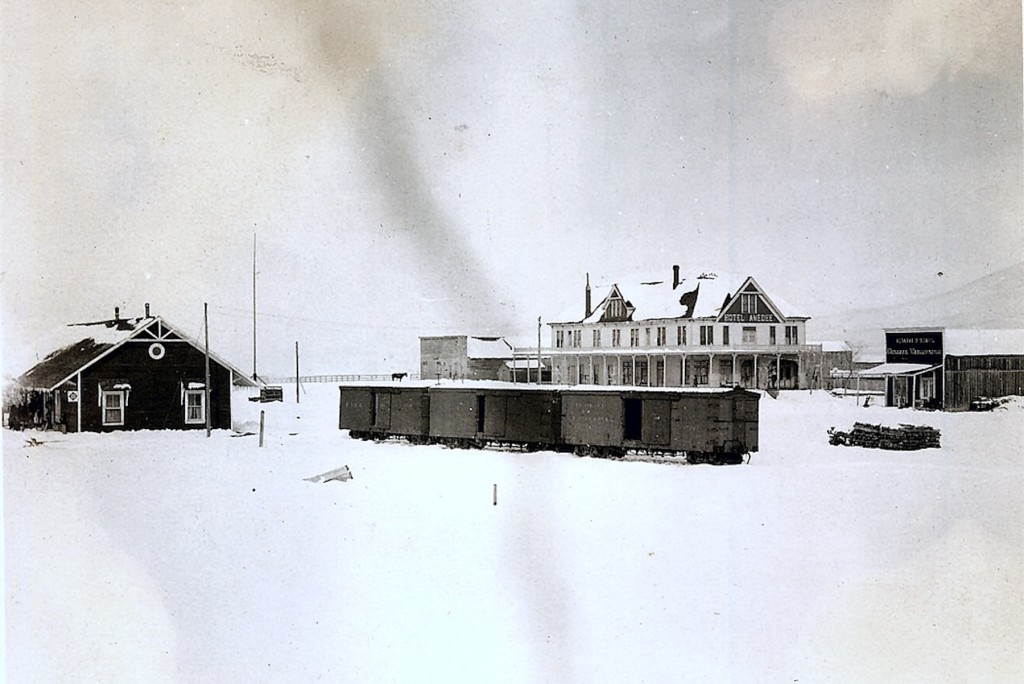
Amedee, 1916
Amedee, January, 1916 courtesy of Marie Herring Gould

During this pandemic winter I will attempt to at least send along a brief Tuesday post.  This picture was the very first one I posted back in February 2015 when I was learning how to do such, and that learning curve continues to this day.

Times were very quiet for Amedee and eastern Lassen County, and Modoc too, due to a heavy January 1916 snowstorm that left those residents isolated. The snow blockade created a twenty-one day shut down of the NCO trains.  The lack of outside communications with no mail, newspapers etc made for a trying time.

I hope everyone will enjoy the next three months of these Tuesday Tidbit installments.

Tim


Fire – Diamond Mountain Inn

Diamond Mountain Inn
Diamond Mountain Inn as it appeared in the 1920s and was located next to the Masonic Hall. It was destroyed by a fire in 1931.

The Diamond Mountain Inn was originally known as the Janesville Hotel. The two-story wooden structure contained twenty-two rooms and was built by Dennis Tanner in 1872.

In 1913, B.R. Holmes acquired the hotel. It was in need of substantial upgrades. He named his new enterprise the Diamond Mountain Inn—the named remained until its demise.

Holmes operated the hotel for a brief period. It would change numerous ownerships over the years. In 1920, LeRoy Pollock was one of them, whose son Jackson Pollock would become well known in the modern art world.

On the night of December 6, 1931, J.C. Moore, the current owner, was awakened by the crackling sound of fire. He hastily escaped the burning building. A bucket brigade was quickly assembled, with all efforts to prevent the fire from spreading. The hotel was a total loss, and only partially covered by insurance. The origin was a defective flue in the dining room.

Spread the word, and encourage a friend to subscribe

Last Call for 2021 Calendars

Just a friendly reminder, time is running out if you want a 2021 calendar. Among the featured photographs is Fruit Growers Camp C, Lake Almanor, Tunnel No. 2 of the Fernley & Lassen Railroad, Gallatin Boat Dock among others.   

One has three options to purchase calendars:

1) Locally, you can purchase them at Margie’s Book Nook.

2) You can purchase direct online by clicking  here

3) You can also email me to place your order, and it will be sent with an invoice.

Tim

Hill’s Market, Susanville

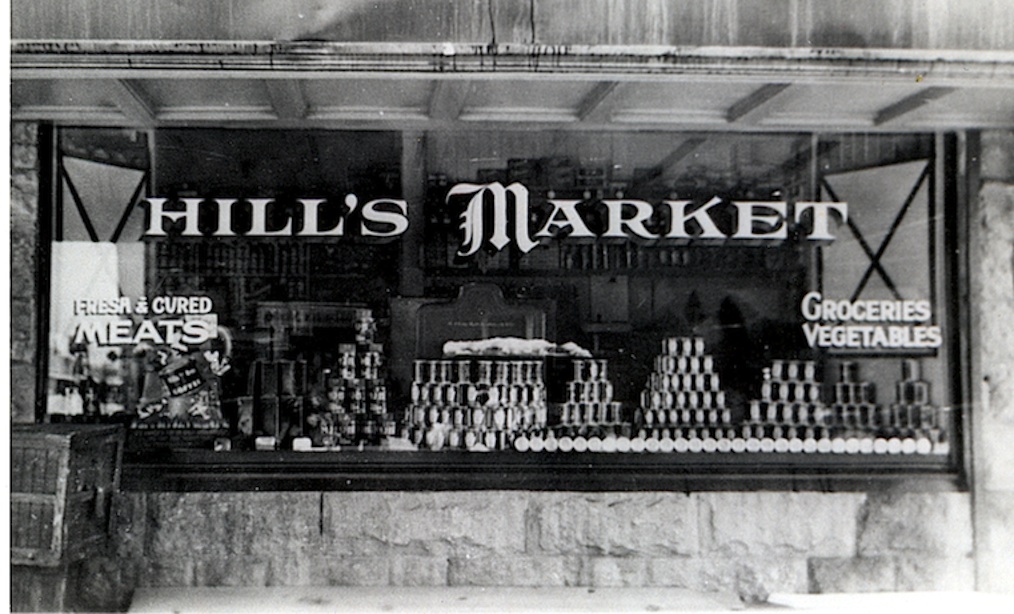
Hill’s Market—-Phil Long

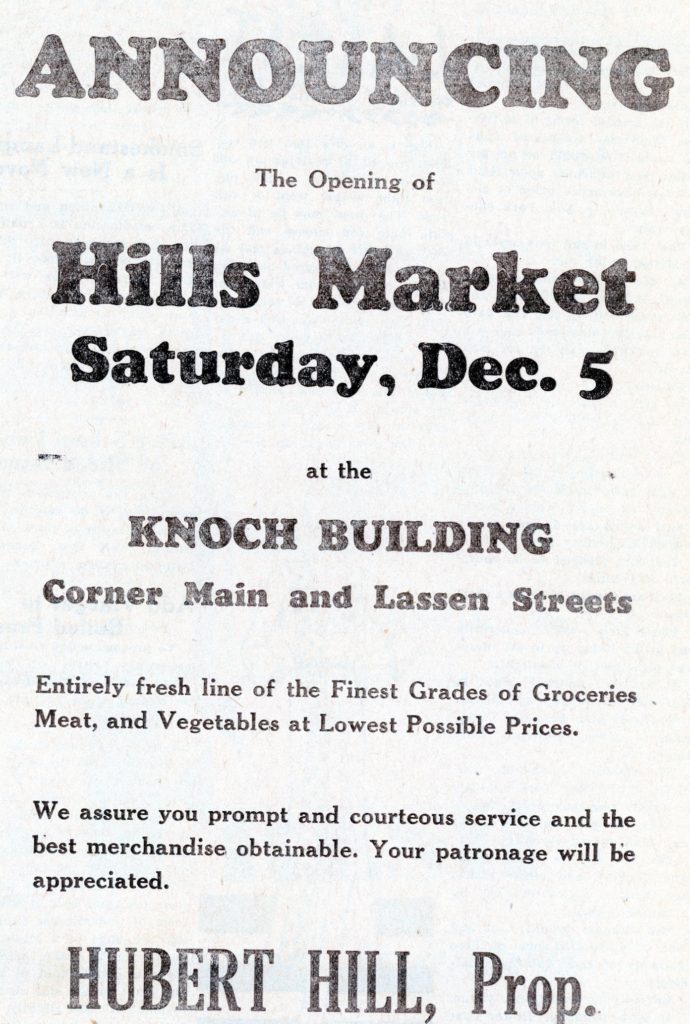
It was on this date in 1931, Hubert “Hoolie” Hill opened Hill’s Market in the Knoch Building on the corner of Main and Lassen Streets. Hill was formerly associated with the Mt. Lassen Packing Company. The market was also known as the Red & White. In 1939, Hill opened a second store on Highway 36, next to the Meadows and across from the Coppervale Ski area. He sold that store in 1941, and it became known as the Meadows Market.

Hill died in 1949, but his wife, Mildred carried on with the market. Unfortunately, I do not have the exact year when it closed. It is one of those research challenges created by Covid-19, as access to certain records hampers research.

Spread the word, and encourage a friend to subscribe


Doyle versus Portola Update

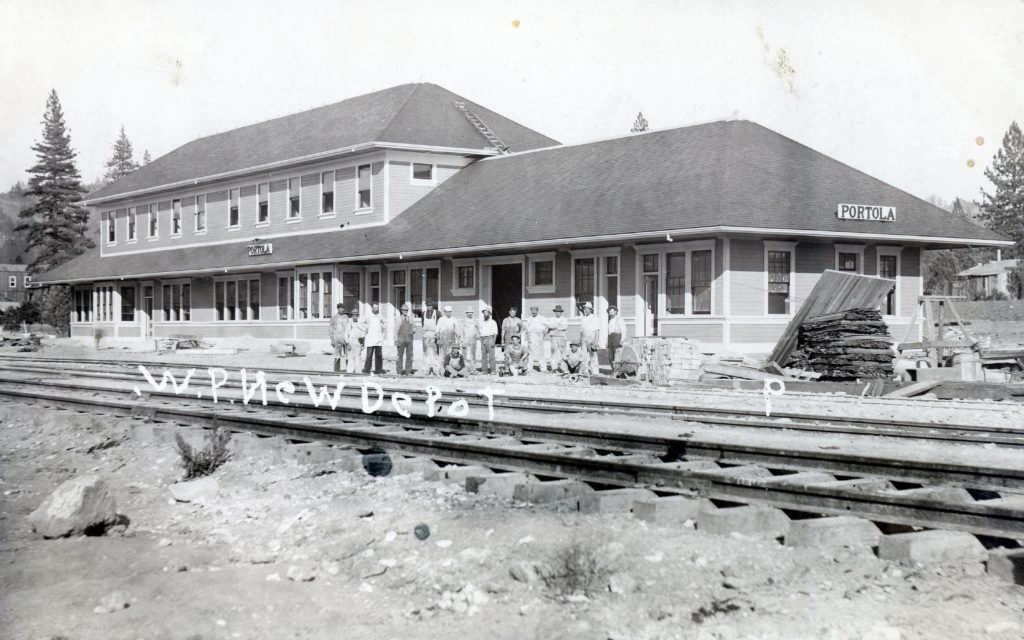
The Portola Depot. Notice the rails had been recently laid, no ballast.

Back in August 2018 I wrote about how Doyle and Portola were in competition to become the division point for the Western Pacific. A reader recently questioned a comment that I stated the Western Pacific Railroad built the line, and wanted clarification that it should be the Western Pacific Railway—in their opinion two different companies.

In 1903 the Western Pacific Railway was incorporated to build a railroad from Salt Lake City, Utah to the San Francisco Bay. This was accomplished. The Western Pacific struggled financially, since it had no capital to build its proposed feeder lines that would increase freight traffic, thus increase revenue. In 1916, on the brink of financial collapse the Western Pacific Railway reorganized to become the Western Pacific Railroad—same company just a change in semantics.  Now back to the  original question, technically  it was the Utah Construction Company that did the physical work to construct the railroad, under a contract with the Western Pacific Railway.

Support

Exploring Lassen County's Past