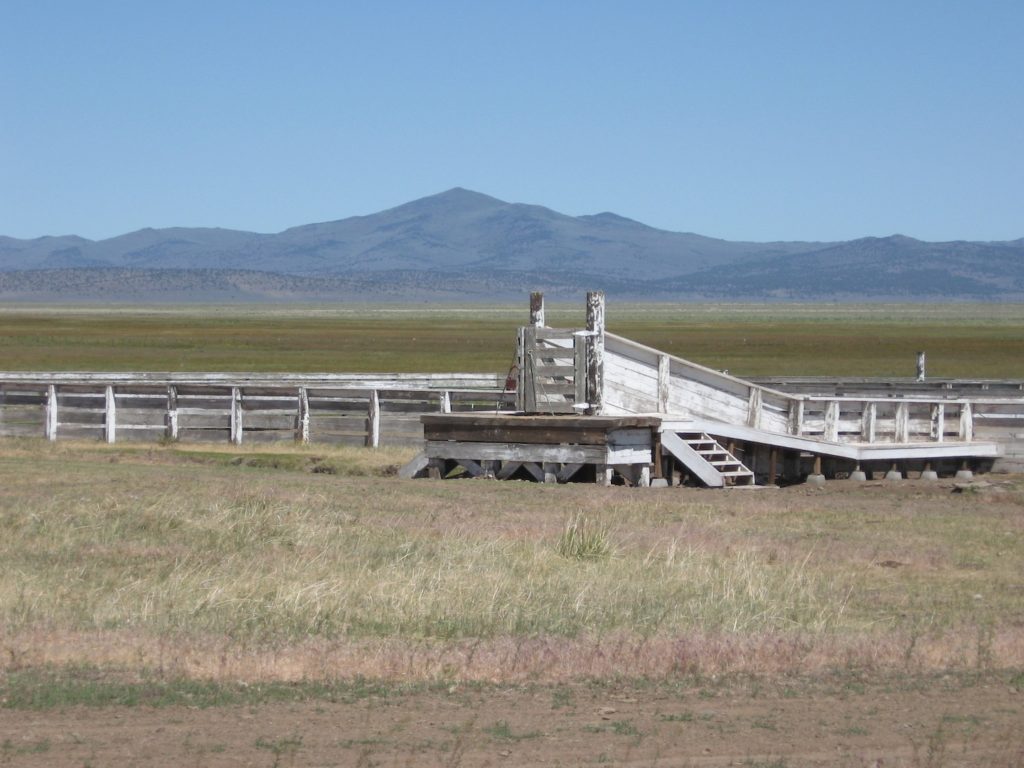
Cady Springs Overflow, Susan River Canyon, October 1972.
While many may be aware that Cady Springs located three miles west of Susanville in the Susan River Canyon is a major source of the City’s water supply. It was initially known as Big Springs. On March 28, 1864, Susanville resident Luther Spencer filed rights to Big Springs with the intent as future water supply for the town. At that time, the source for Susanville’s water came from Piute Creek. Spencer’s good intention never came to fruition.
In 1869, a group of Susanville residents formed the Susanville Water Works with the same proposal as Spencer. Their first priority was to survey a ditch to convey the water, which they did. When they reached out to the community to raise funds to construct the ditch, they found none. In due diligence, in 1872, a initial work began on the ditch, and thus Susanville’s new water supply.
In 1896, Frank Cady purchased the Susanville Water Works and owned it until 1930 when he sold to the Republic Electric Power Company and it was in the era when the springs became known as Cady.
Spread the word, and encourage a friend to subscribe
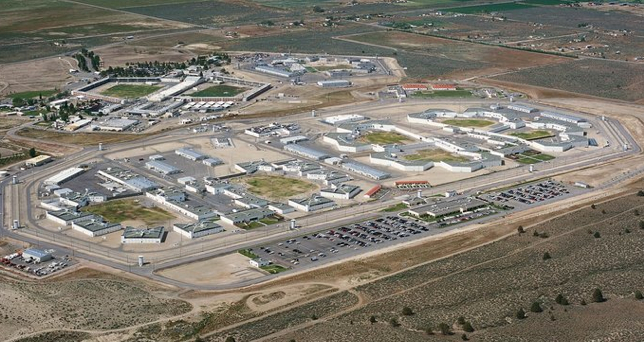
By the early 1950s, it was apparent that the lumber industry was not sustainable. Efforts had begun to attract other industries. In 1953 an unlikely bedfellow appeared as a promising new industry—a state penitentiary. In the summer of 1953, the California Department of Corrections began a 35-county search for the possible location of a medium-security prison. On July 3, 1953 Lassen County submitted an application to the state that met many of the criteria. A movement to get a prison was born. After all, if the State decided to build a prison at/near Susanville, it was estimated that it would result in the creation of 400 jobs with an annual payroll of $1.25 million.
By mid-July, it was announced that the State had reduced the selection to sites to four counties—Sonoma, Butte, Merced and Lassen. A site had been selected by the State near Leavitt Lake.
While the business community embraced the concept of becoming home to a prison, it was not well received in the agricultural community. It was a hotly debated topic. Whatever the case may be, in the spring of 1954, the State informed Lassen County that at this time it would become home of a State prison.
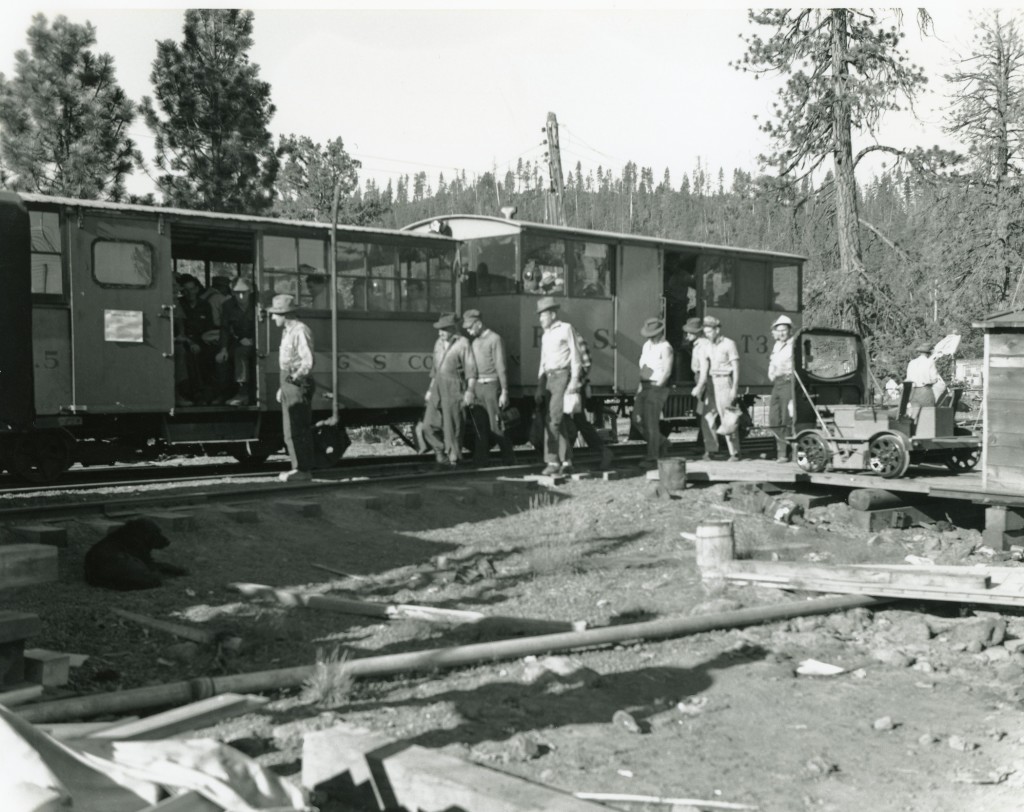
In 1932, the Fruit Growers Supply Company purchased two Skagit speeders to be used in their railroad logging operations at Camp 10. The speeders were an economical and easy way to transport loggers to the work site from the logging camp.
Herman Baumann, Fruit Growers woods superintendent best summed it as: “Our Skagit speeders permit us to maintain a permanent camp eliminate cost of frequent moving and provides cheap transportation to and from camp without interfering with logging trains.”
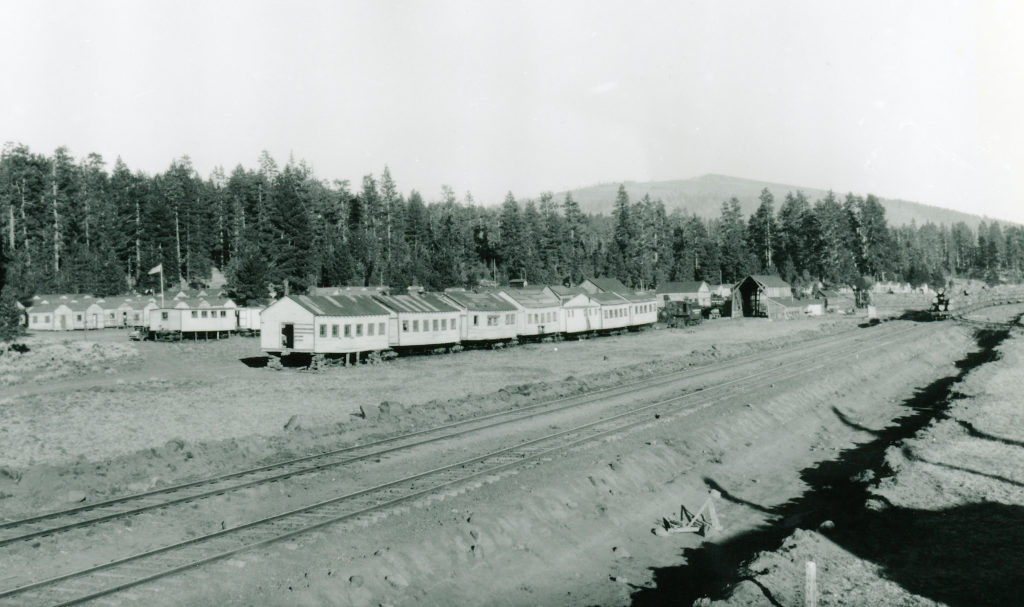
Fruit Growers Supply Company, Camp 10, Pine Creek Valley, 1932.
In 1928, Fruit Growers began preparing a new logging camp, designated Camp 10, located in the northeastern corner of Pine Creek Valley. Its layout would be largest of its preceding nine camps—with the unique distinction in a short time would be the company’s only logging camp. With the introduction of Skagit speeders converted Camp 10 one from a temporary status to a permanent one. Camp 10 operated through the logging season of 1952, the last railroad logging camp to operate in Lassen County.
While some of the more astute readers probably have read or heard about how Lake Almanor was named, many may not be aware that it was not the original designation of the reservoir that flooded what was originally known as Big Meadows.
Julius Howells was a civil engineer who initially did work in the Feather River country. When hydroelectric power was coming to the forefront in the 1890s, he became part of that movement. In 1901, two things happened. Howells went back to examine the upper watershed of the North Fork of the Feather River, known then as Big Meadows. Howells also affiliated with well known engineer James Dix Schuyler of Los Angeles. When Howells met with Schuyler he provided with his findings of developing a hydroelectric system of the Feather River. Schuyler introduced Howells to Edwin Earl, who had done so well financially in the citrus packing industry, was branching out to invest other endeavors. Edwin Earl along with his brother Guy were impressed and created the Great Western Power Company to make Howells’ project a reality. In 1902, Howells officially recording was for the creation of a new reservoir to be named Lake Earl. It would be twelve years before the lake would be created and the initial name had been abandoned. It would be christened Lake Almanor for Guy Earl’s three daughters. Years later, Alice Earl Wilder recalled the origin of the name Lake Almanor:
”Mr. Julius Howells was a welcome guest in our home who said Children, call me Uncle Julius. He asked my father to name the new lake. My father and mother spent many hours finding a name they liked. It had to have a name pleasing to the ear it had to be readily pronounced, spelled and easily read. They did not want a foreign name and were not fond of surnames. They wanted to name it after their four children, Alice, Martha, Elinore and Guy. Many combinations of these names were attempted. It was hard tom get ‘Guy’ in. Finally my father settled for a name that was simple and musical and of which three of the four children would be part—and also in the right order—eldest, next eldest and youngest. The lake was named Almanor. The AL for Alice, the MA for Martha and the Nor for Elinore.”
For the record, there are certain early maps that indicate the spelling of the lake with an “e” at the end—Almanore.
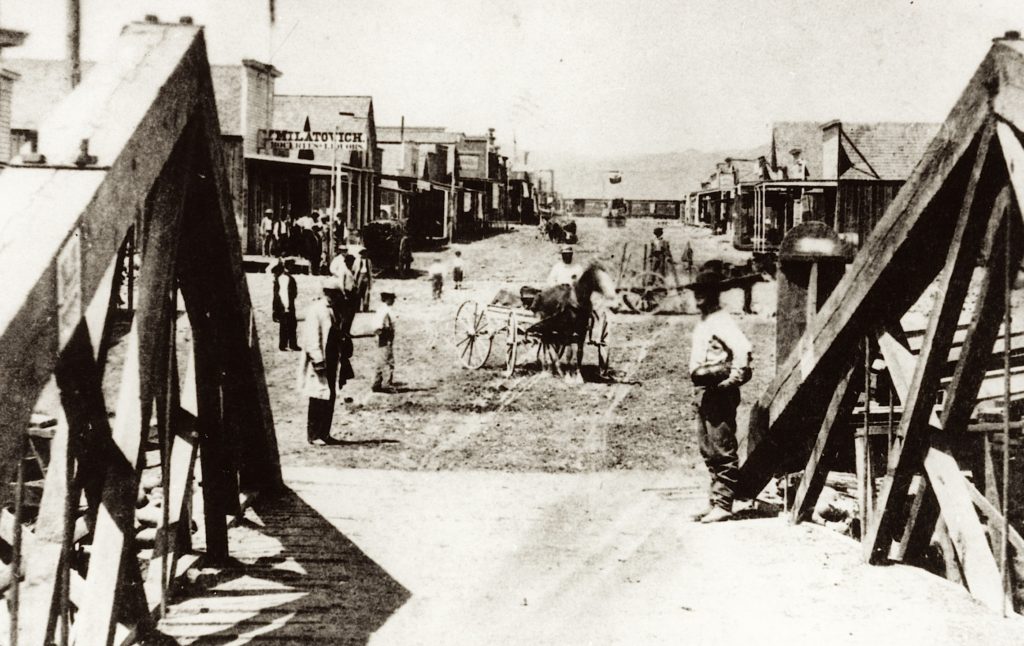
Virginia Street Bridge, Reno—Nevada Historical Society
For over a century the crossing of the Truckee River at the approximate location of the Virginia Street Bridge had always been attributed to Myron Lake back in 1861. Tucked away in the archives of Lassen County, would require the earliest history of Reno to be revised.
In the fall of 1859, Charles William Fuller built a toll bridge and small hotel at the approximate sight of today’s Virginia Street’s bridge in what would become the nucleus of Reno. Fuller saw the opportunity as the farmers/ranchers of Honey Lake & Sierra Valleys were eager to feed the miners of the newly discovered Comstock. On September 28, 1861, Fuller traded this property for a ranch in the Honey Lake Valley with Myron Lake. In 1868, Fuller filed for bankruptcy. In Schedule A of that proceeding provided all his activities until that time. The trading of the property is recorded in Book A, Page 27, Deeds of Lassen County.
The site of the original McKissick Ranch on the Madeline Plains. It was the first place settled on the plains.
The Madeline Plains in northeastern Lassen County was one of the earliest places named in the county. In 1853 Congress passed the first Act concerning exploration and surveys for a transcontinental railroad route. Lt. E.G. Beckwith of the Third Artillery was in charge of one of these explorations. Beckwith surveyed Northern California and Western Nevada region in search of a pass over the Sierra Nevada Mountains. In late June 1854, Beckwith entered the Madeline Plains via Smoke Creek Canyon and the east side of Observation Mountain. He named this the Madeline Pass for his daughter Madeline Julia, born January 25, 1853 at New London, Connecticut. It should also be noted a week later Beckwith named Eagle Lake.
According to folklore attributed the name to an emigrant girl, named Madeline, who was murdered by the Indians in the 1850s. H.T. Risdon who established a sawmill on Bayley Creek in 1912 is credited for that tale.
Finally, it should be noted the Paiute name was Musitzi, though the meaning has been lost through the years. In addition, the Paiute’s territory was for the eastern portion of the Madeline Plains and the western half was the domain of the Pit River.
Become a supporter for just $5 a month to ensure quality history continues. Click here.
Between 1879 to 1956 there were officially twelve different exotic (non-native) species of fish planted in Eagle Lake. Yet, that figure could be higher since local anglers were known to have experimented with their own plantings.
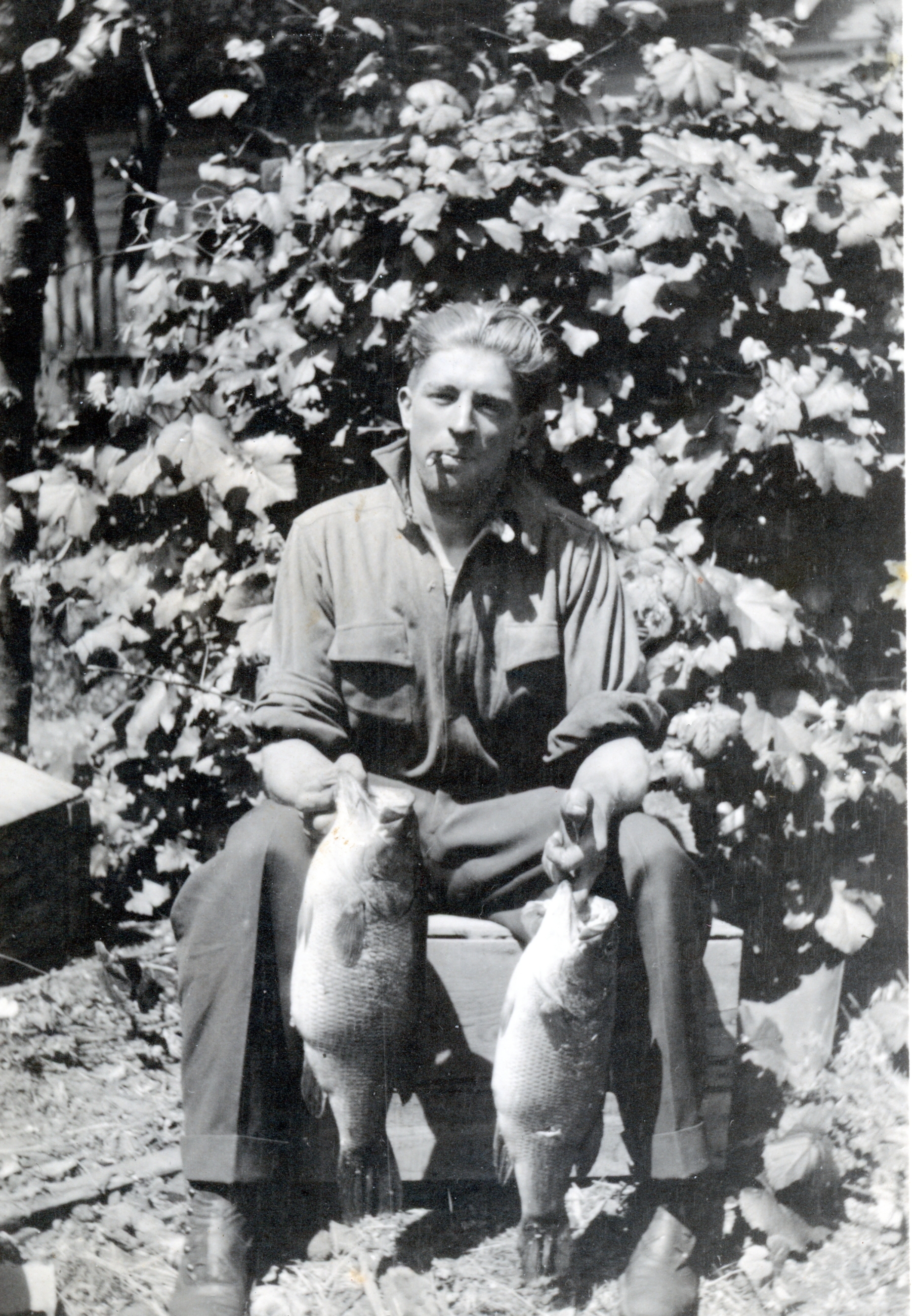
Of all the varieties of species planted in the lake, only one truly flourished—the largemouth (black) bass. In 1901 the Lassen County Fish and Game Protective Association planted 147 bass in the lake that it had received from the California Fish & Game Commission. The following year additional bass were planted in the lake. To allow the bass to prosper the State Game Commission prohibited fishing of the bass for a period of four years. Continue reading Eagle Lake Bass→
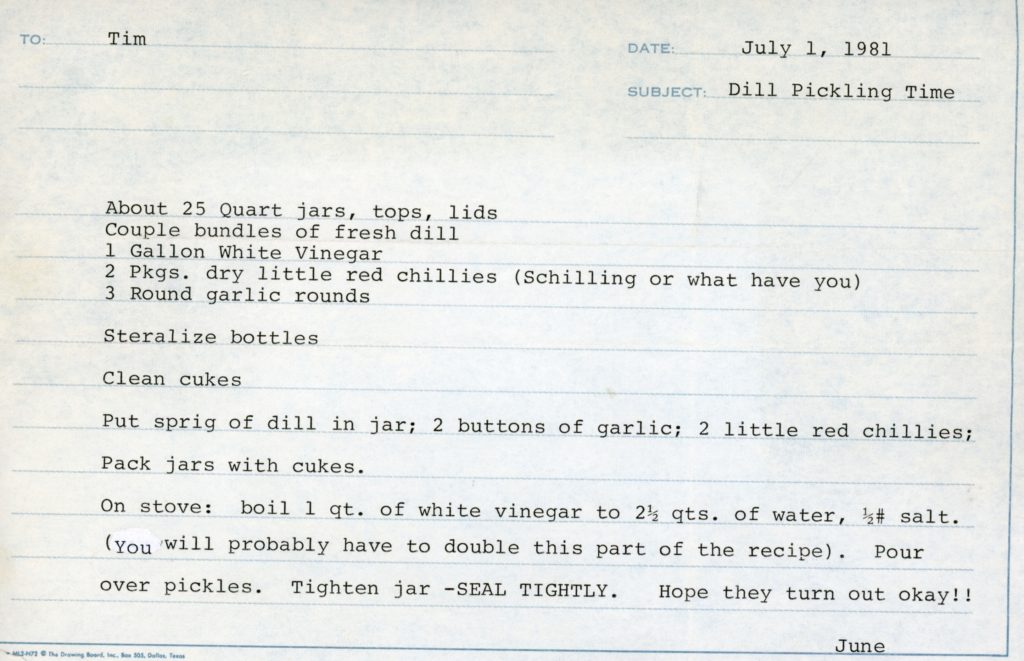
This is a little off beat. The above recipe was from June Moller, one of my instructors at Menopause Manor. She would give those of the second floor of the Lassen County Courthouse a jar at Christmas. They are bit on the spicy side. June’s mother-in-law Hazelwas born in Grasshopper Valley and had a post office named for her.
Another tidbit, once upon a time, the county recorder, would record most anything in Official Records. Not only one might stumble across poetry, but recipes, too.
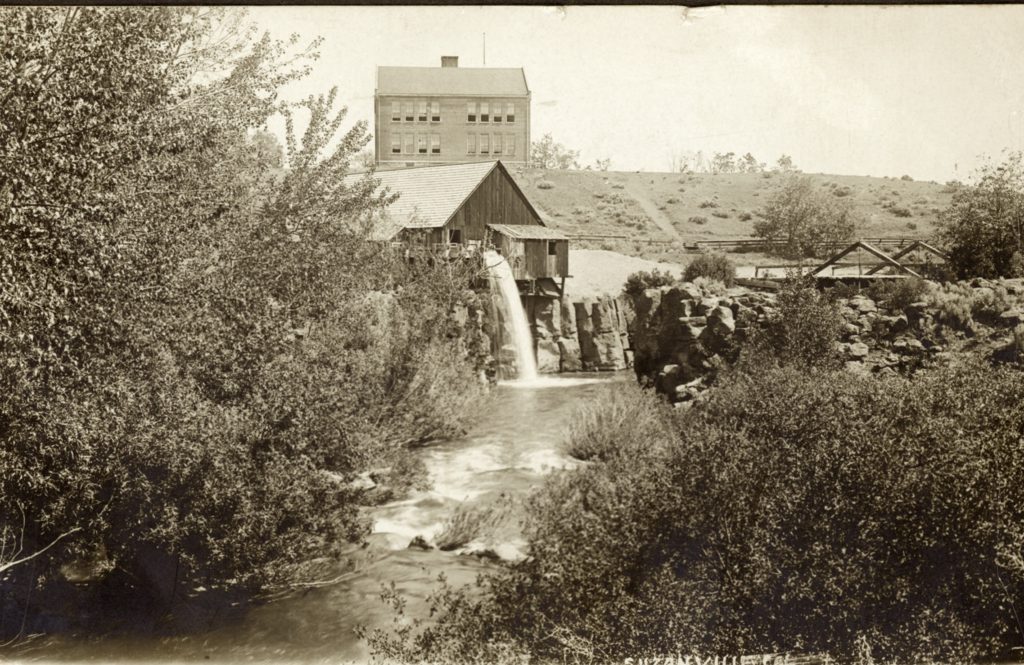
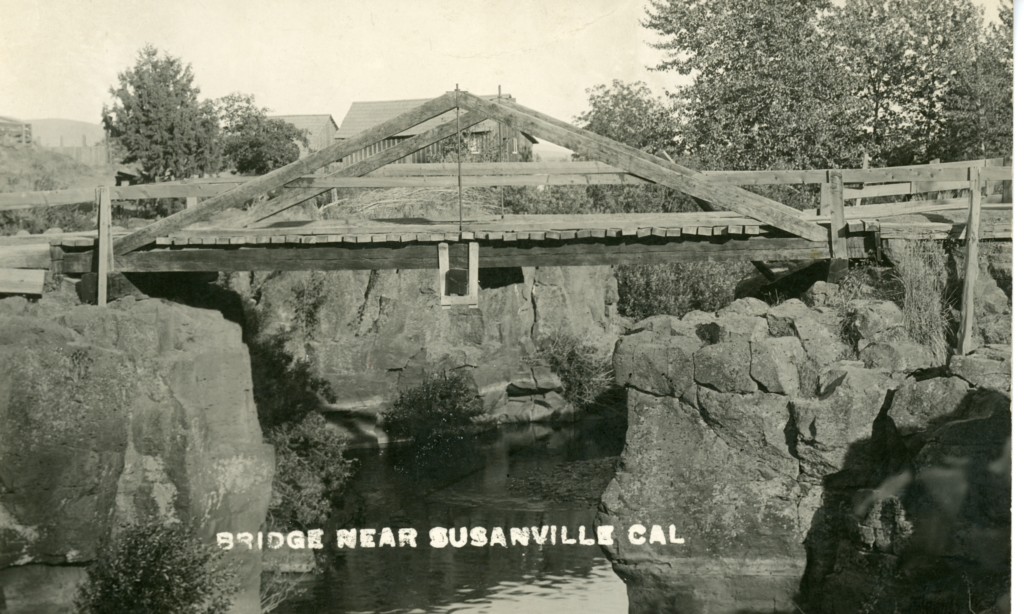
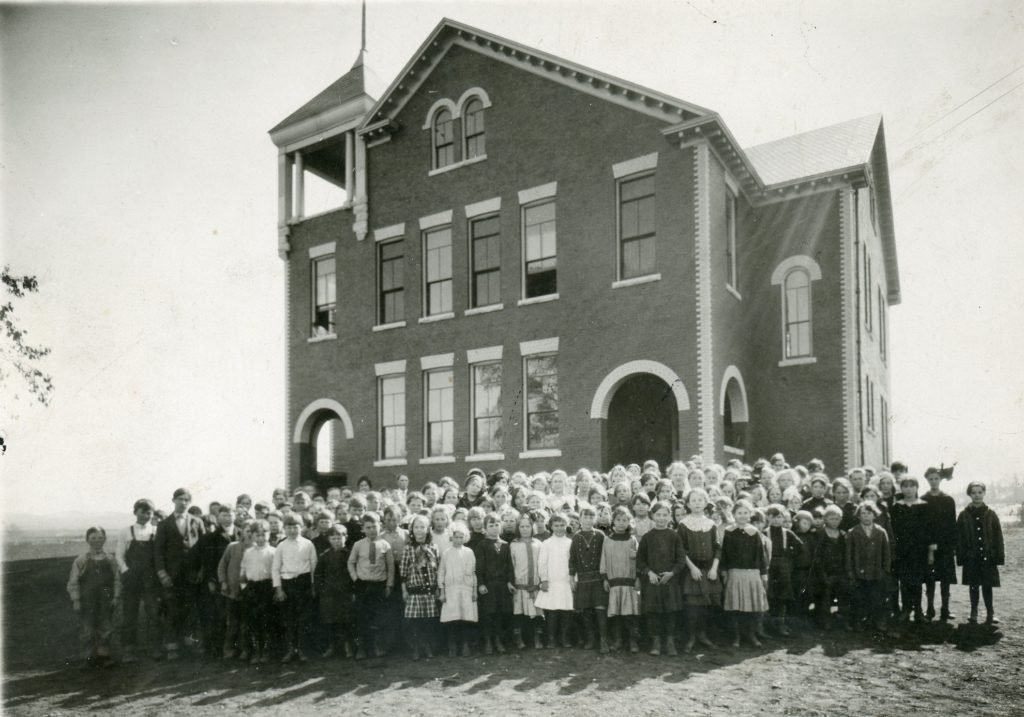
The Arnold Planing Mill along the Susan River near the Richmond Road bridge was one of the most photographed landmarks in the area before it was destroyed by fire in 1914. Of course, enhancing the view was the Susanville Grammar School (later renamed Washington) on the hill above. Then there was the wooden Richmond Road bridge that was replaced in 1915.
Richmond Road Bridge, circa 1910. Courtesy of Lola L. Tanner
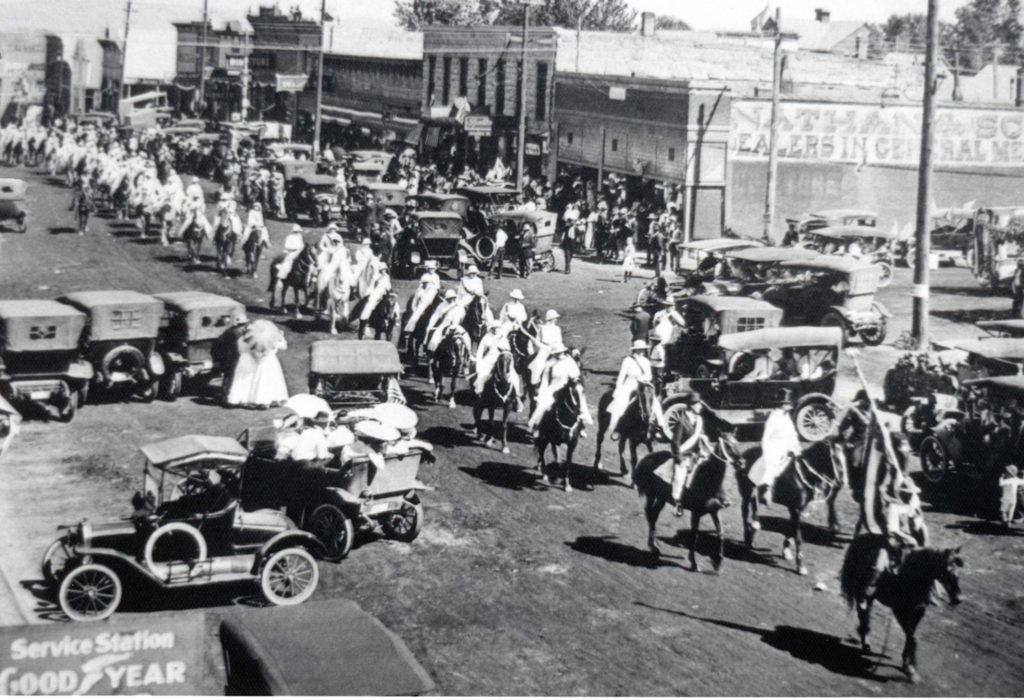
The Susanville Volunteer Fire Department went all out to put on a two-day grand Fourth of July celebration for 1916. The festivities began at 9:30 a.m. on Monday July 3 with a band concert with the music provided by the Westwood Orchestra. This was followed by horse races, foot races, more band concerts, a boxing match topped off with an outdoor evening dance.
The activities kept coming the next day. There were firemen’s competitions between Alturas, Susanville and Westwood. There were more boxing matches, baseball games, band concerts with a parade that afternoon.
At 8:30 p.m. was the grand fireworks exhibition. The location and viewing points were unique, no doubt with fire safety in mind. The fireworks display occurred at the intersection of Riverside Drive and Prospect on the bluff above the Susan River. The public was urged to view the fireworks on the opposing bluff where the Susanville Grammar (nee Washington) School. An hour later a Mardi Gras and carnival dance capped the celebrations.
The grammar school, 1915. Courtesy of Royce Houston