Antelope Station, California

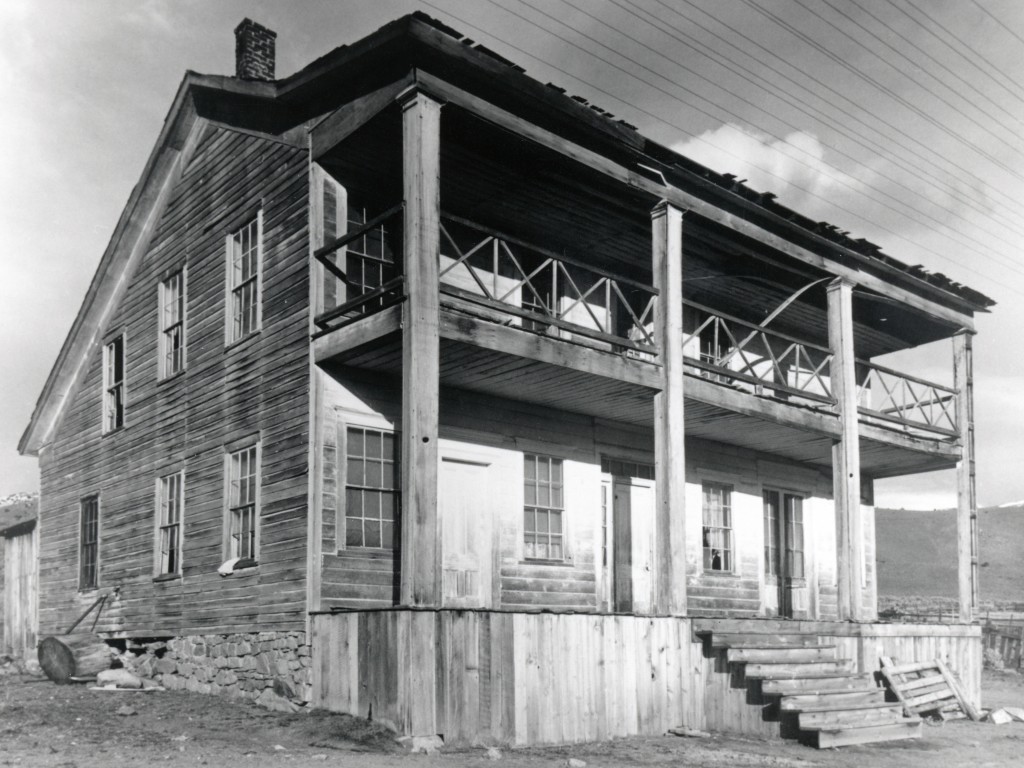
The Antelope Station, date unknown. Courtesy of Nevada Historical Society

It was a popular stage station in the upper end of Long Valley on the Susanville–Reno Road.  It was established in the mid-1860s by Jonathon  C. Roberts. In 1873, Roberts sold to David F. Evans and for many years it was known as the Evans Ranch. In 1882, when the Nevada-California-Oregon (NCO) constructed its railroad there, they established a station named Oneida, for the Sierra County Township of Oneida. On June 6, 1889, a post office was established there named Purdy—for Solomon Purdy who came to Sierra County in 1852, from Oneida, New York and eventually sold to David F. Evans. In 1891, the Purdy Post Office was moved to a site known today as Bordertown. Travelers of U.S. Highway 395 between 1931 and 1976 will know the location of the old Antelope Station as the first site of the California Agricultural Inspection “Bug” Station.
Never miss a story, click here.

Ask Tim

Lassen High School Faculty and Students, 1917—D.M. Durst

On a quarterly basis, I ask you the reader, if there is something you would like to learn more about or maybe its something you heard, but question its validity. So here is an opportunity to participate. I will do my best to answer any questions. It should be noted, it may take awhile for the answer to appear as a post. The primary reason, many of the daily posts are done nearly a month in advance. So by the time you read this I am already working on posts for the middle of February, or at least I should be. Whatever the case may be, I look forward to hearing from you. Of course, it should be noted that paid subscribers requests receive priority. In addition, you can always send a request at any time.

Tim

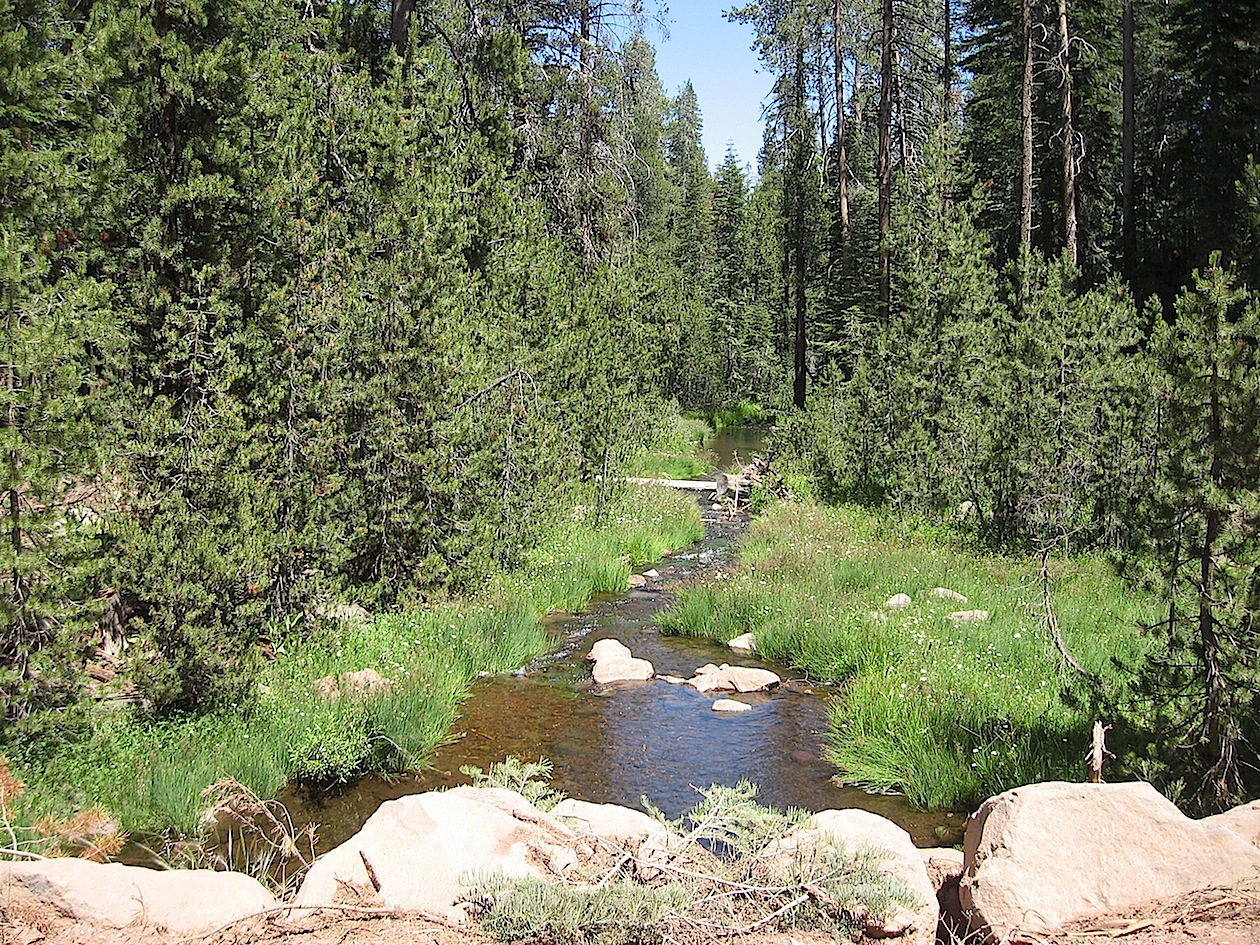
Where Are We—Susan River

July 11, 2022

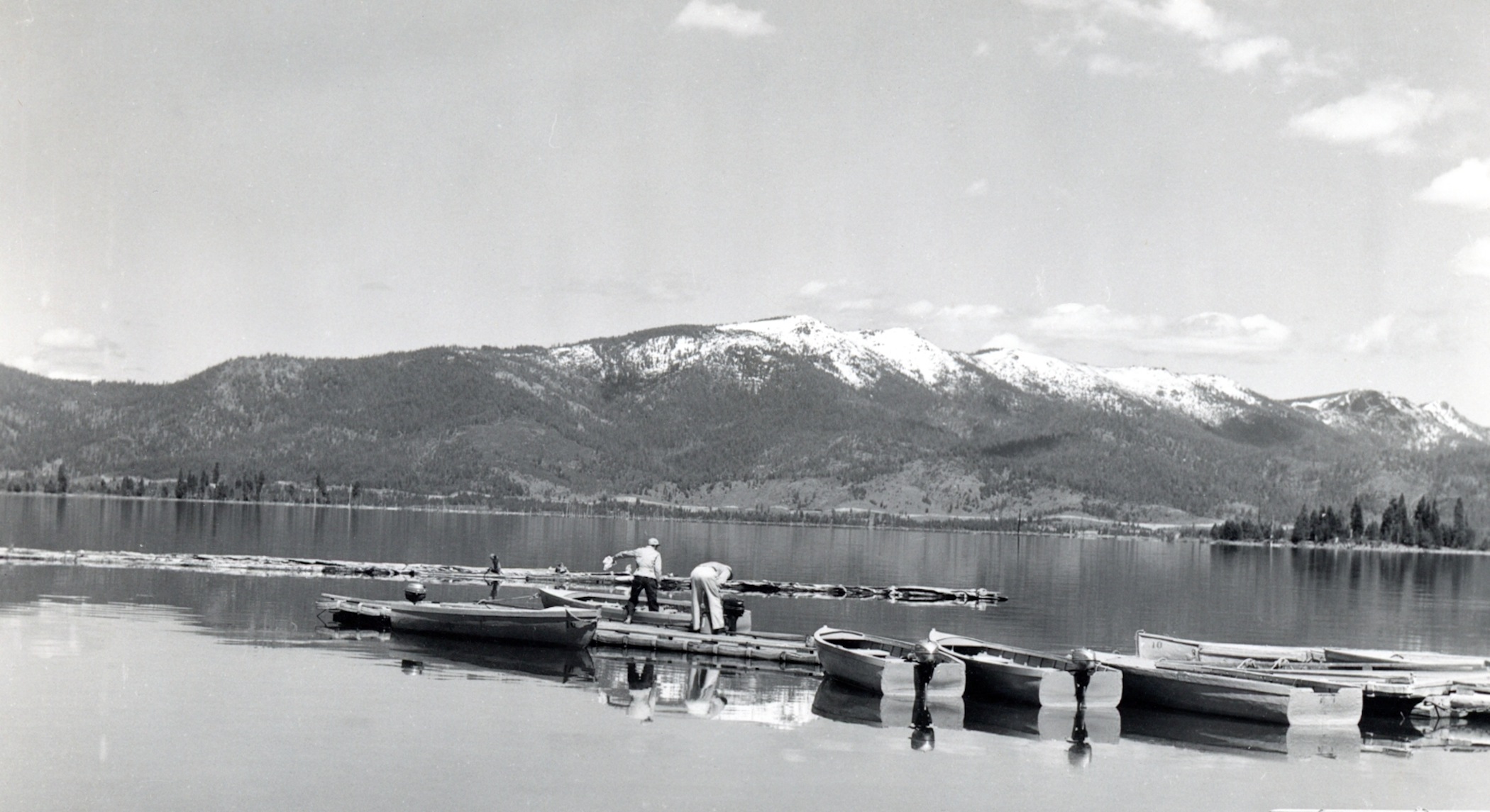
This view of the Susan River was taken near the headwaters at Silver Lake.  In 1934, in the case best known as Fleming vs. Bennett, would more or less once and for all settled not only the water right issues to the Susan River, but all of its tributaries. The State Department of Water Resources, per court order, intervened and put together a complete adjudication, which is still used today.

Tim

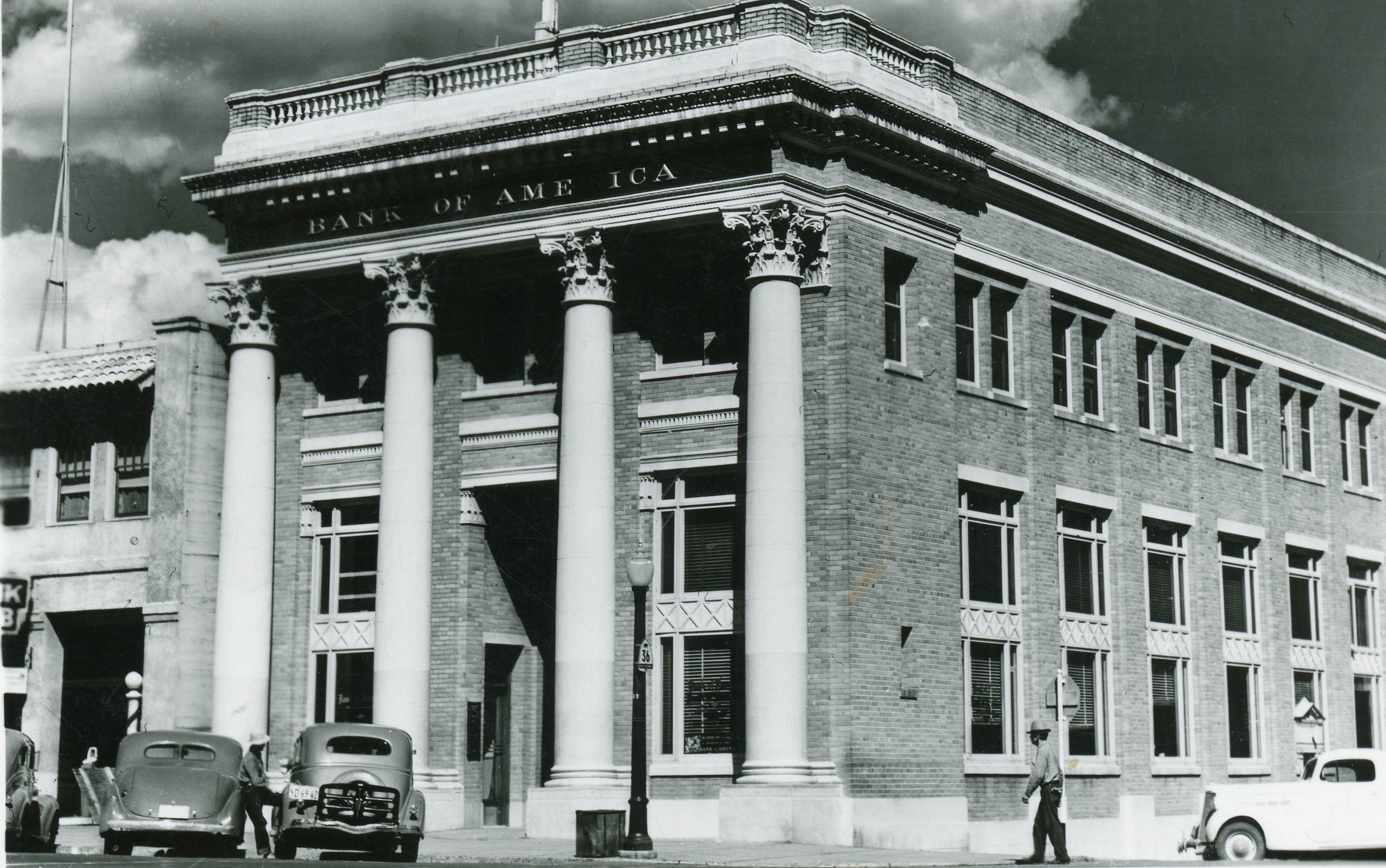
Lassen Industrial Bank Sold

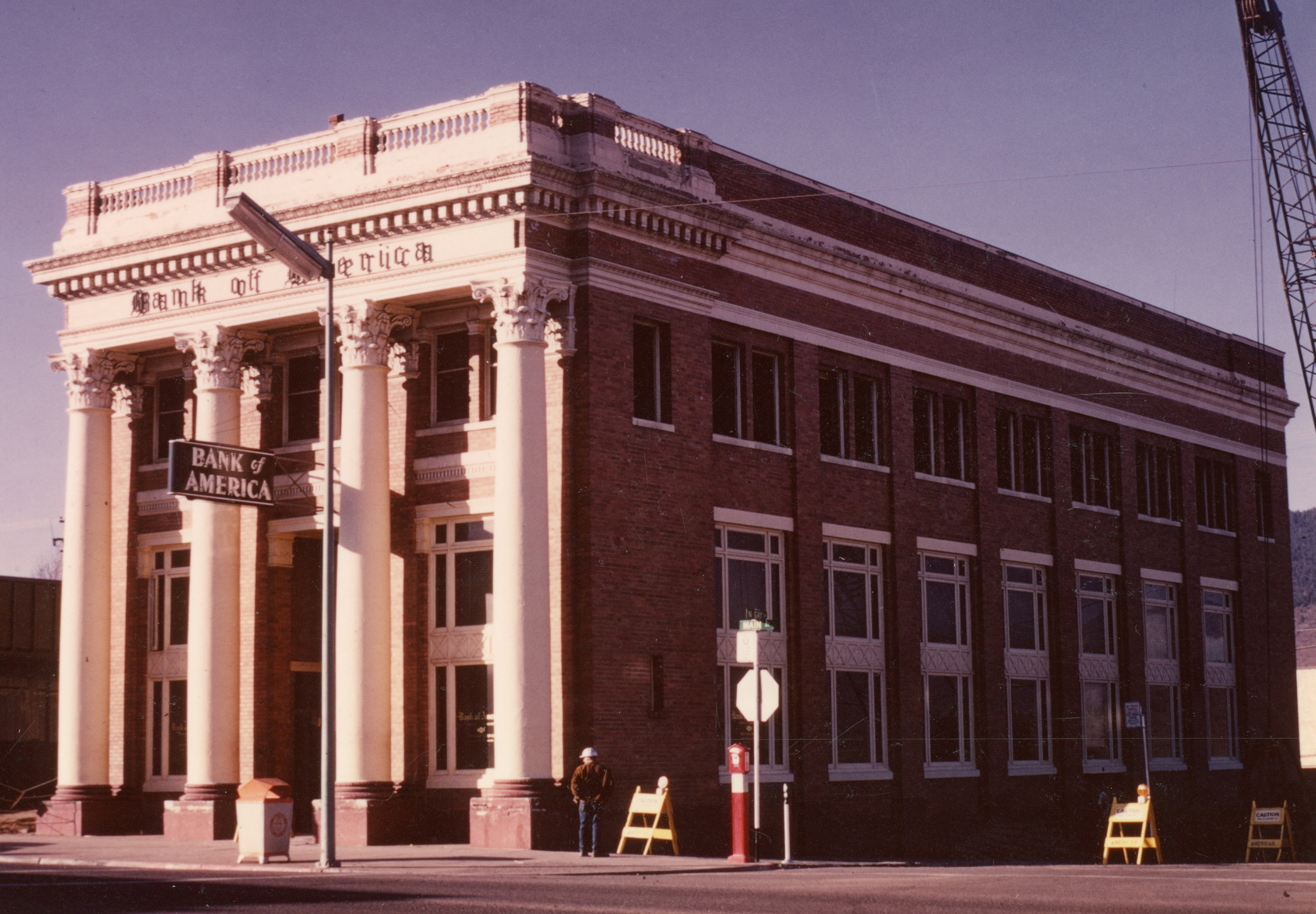
Lassen Industrial Bank built this Susanville landmark in 1922. Some fifty years later Bank of America tore it down.

In August 1928, in a somewhat surprising move to the local populace was the announcement that the Lassen Industrial Bank had intentions to sell the bank to Bank of America, formerly known as the Bank of Italy. Jules Alexander, president of Lassen Industrial Bank highlighted some of the positive aspects being part of larger bank, due to its access of larger amount of capital. Bank of America stated there were be almost no change in operations or that of the personnel employed locally.

Bank of America, 1971.

But there was more to the story, that the public was not aware. Lassen Industrial Bank was a in a financial crisis due to the delinquency on loans to the farmers and ranchers of the Baxter Creek & Tule Irrigation Districts due to the problems associated with Bly Tunnel at Eagle Lake. On December 1, 1928, Bank of America took over the beleaguered bank and with it and infusion of $100,000 to stabilize it.

Donate

Tuesday Tidbit – Historic Photographs

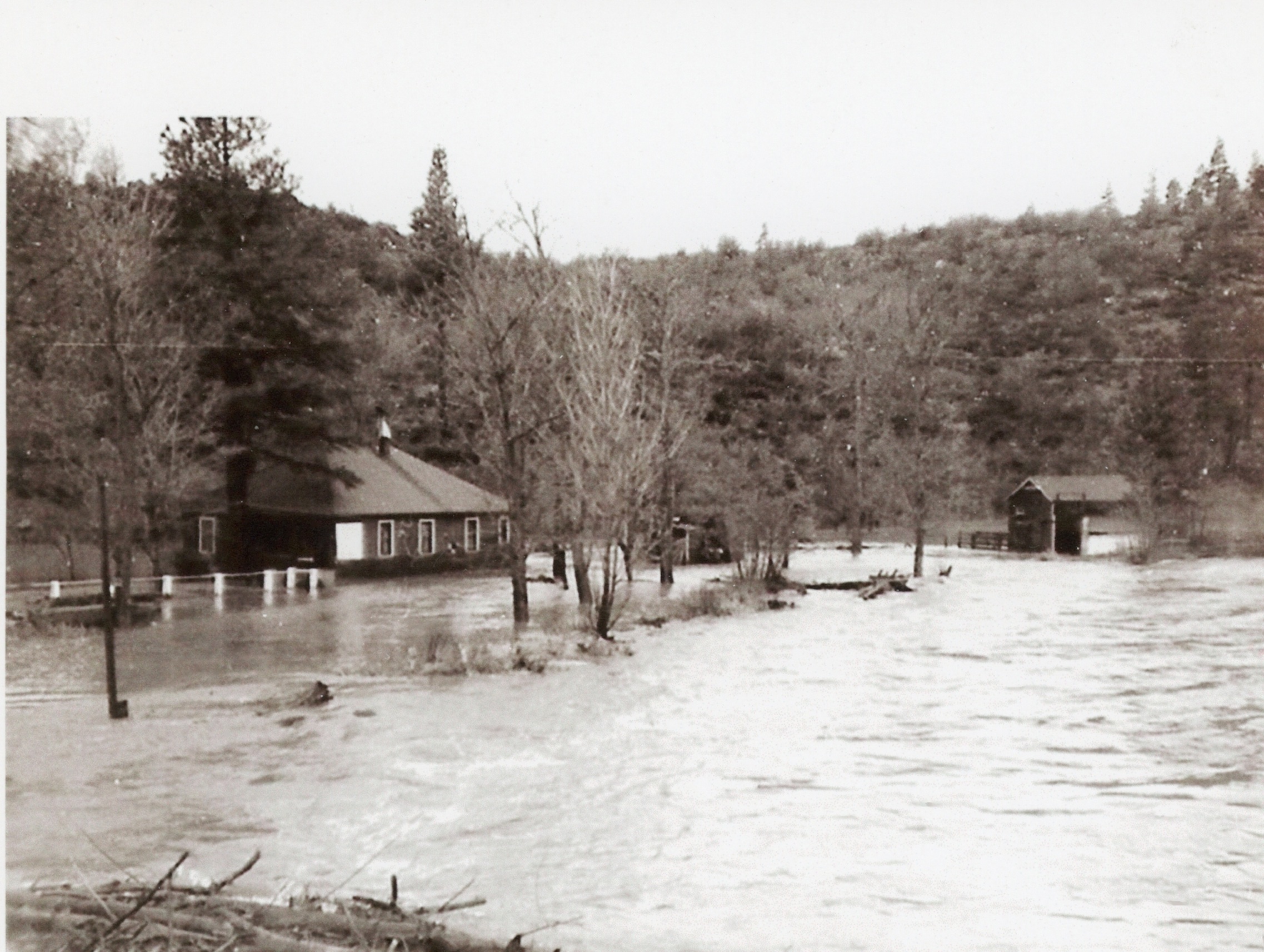
500 South Lassen Street, Susanville, April 5, 1952–Courtesy of the Uptegrove Family

Today’s photo feature is the 1952 flooding of the Susan River in Susanville, which I have used previously. I have come across some interesting historic scenes taken by my grandmother, Lola Murrer Tanner (1899-1973).  As soon as I can get the ambition to scan them, (not my favorite task) I will showcase them on Tuesdays for awhile. Stay dry out there folks.

Tim

The Final Phase of Lake Almanor

Lake Almanor

Many may not be aware but the dam at Lake Almanor was constructed in the three phases. The first was the initial dam completed in 1914. That dam had to be scaled back due to financial issues. The second phase was competed in 1926.

In the fall of 1961, PG&E disclosed that it intended to raise the dam by sixteen feet and increase the storage capacity by sixty percent. The $6.7 million project began in the spring of 1962—the job was awarded to construction giant Morrison-Knudsen. As the cost indicated, this was a substantial project, as the entire dam needed to be retrofitted. A portion of this was due that there was a seepage problem since the dam was first constructed. To rectify that problem over the years, several dikes were built in front of the dam, along with other alterations. To reinforce the dam required moving of some 800,000 cubic yards of earth; 275,000 tons of rock fill, and 90,000 square feet of gunite to prevent water seepage from the increased water pressure. Work on the new improved Lake Almanor dam was completed in the fall of 1963.

Donate

The Tale of Two Litchfields

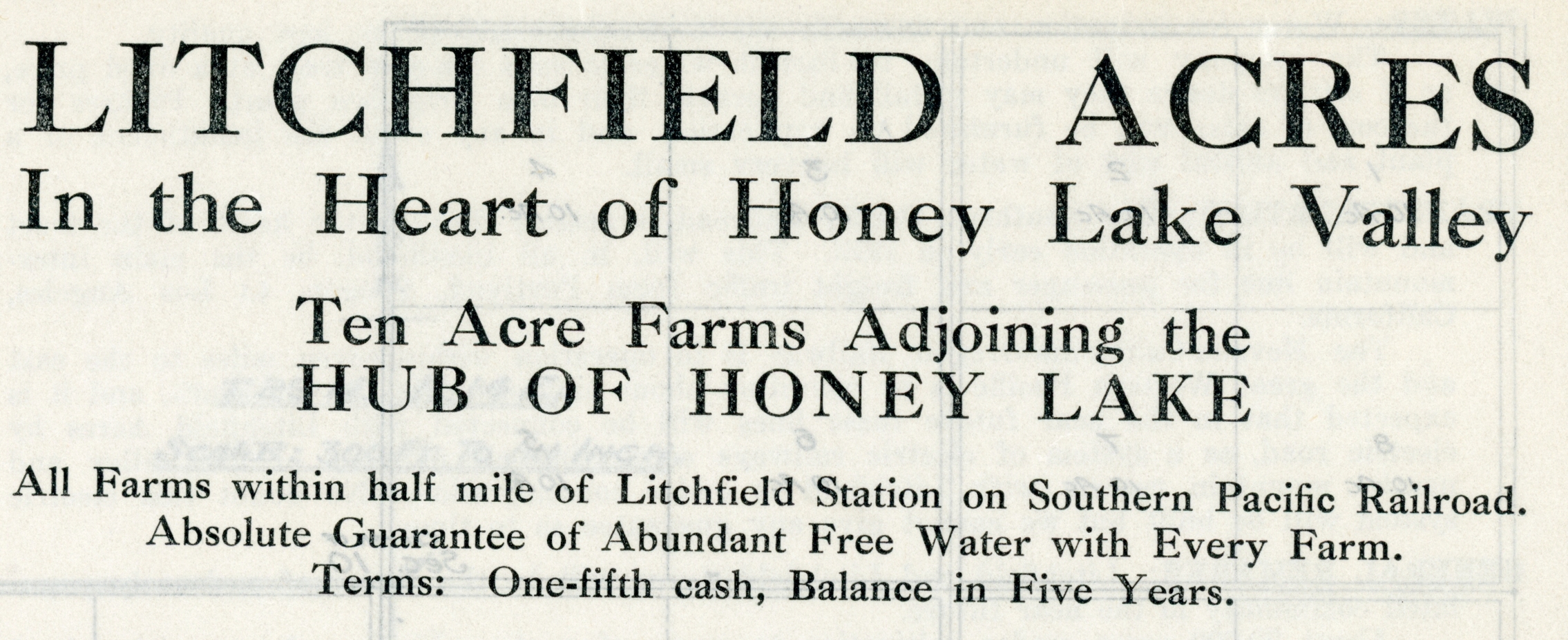
Litchfield Acres Brochure

There were two Litchfields—the town proper.and surrounding it ten acre parcels known as Litchfield Acres. During the 1890s and into the early 1900s there was a colony movement across the nation where one could reside in a community and work their farm property adjacent to the town. Readers may recall that Standish started out as a colony.

In 1913, with the arrival of the Fernley & Lassen Railroad through the Honey Lake Valley witnessed the developments of several towns—Litchfield being one of them. There was the town proper, and then adjoining the town, the property was subdivided into  ten-acre parcels known as Litchfield Acres comprising some 570 acres. The promoters thought the ideal conditions found  there, where one could make a comfortable living whether planting an apple orchard to growing alfalfa. Of course, the literature sounded good, but it was not enough to entice buyers. Litchfield’s growth was stymied by the fact it could not compete with the nearby established town of Standish. On the other hand, for a number of years, the Litchfield Depot was a busy place which became the major hub for shipment of agricultural products.

Donate

Ravendale In The News

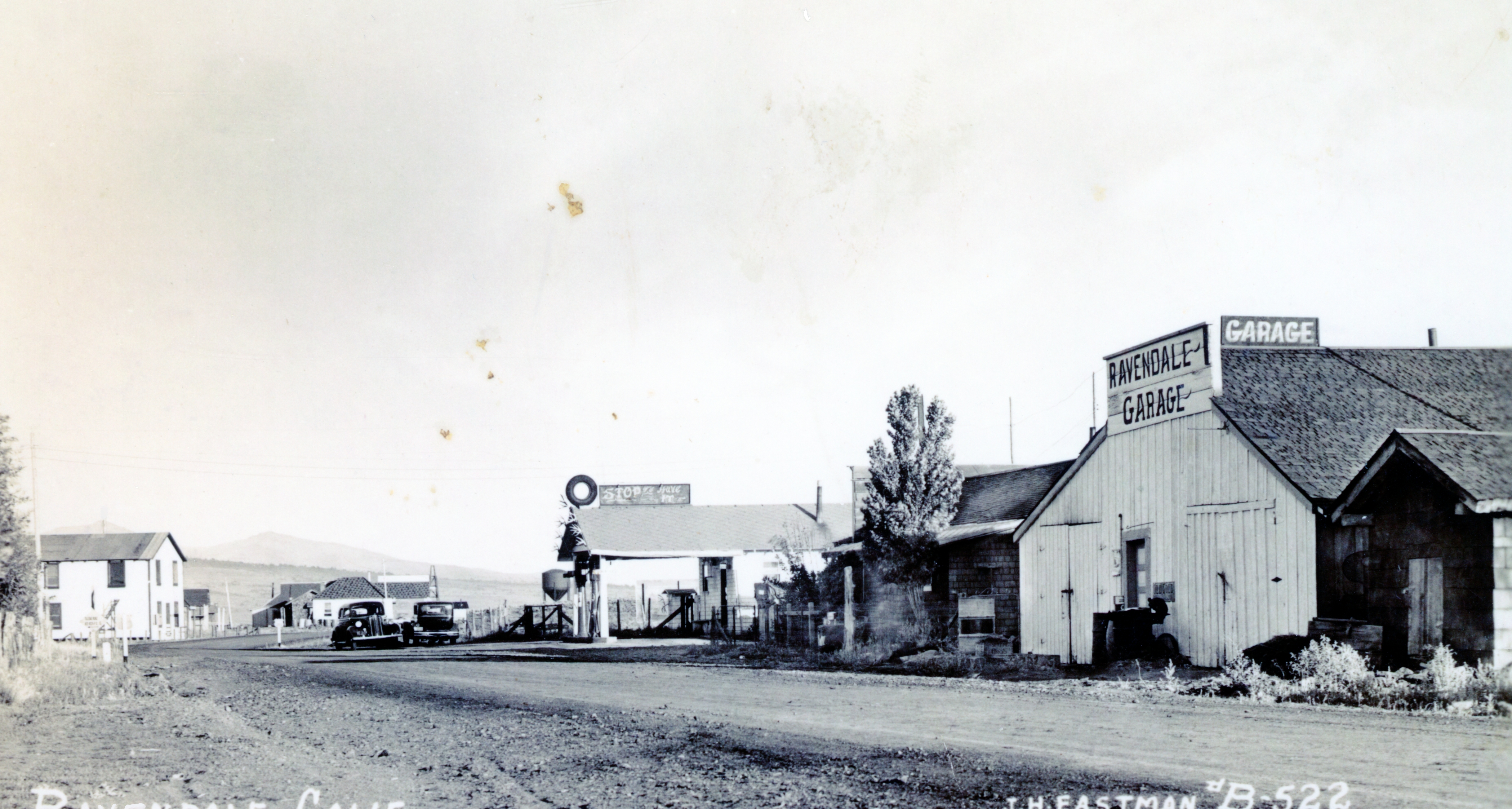
Ravendale, in better times.

When the NCO Railroad arrived on the Madeline Plains 1899/00, it gathered a great deal of media attention. The area witnessed some prosperous times, which peaked around 1915-16. World War I saw the drafting of the young men of the Madeline Plains, who after the war did not return because there were a lot of opportunities elsewhere than making a hardscrabble existence at their former home.

By the 1920s and into the 1930s, it was not all doom and gloom. Take for instance the Bailey Creek Sawmill to the west of Termo, that was a major boost to the economy. Of course, the Southern Pacific Railroad, which had taken over the former NCO provided jobs as well.

Of course, passer by travelers also was part of the economic fabric. For one Jim Lechuga, his visit to Ravendale was memorable. On April 28, 1930 he was arrested there with a suitcase that contained  360 tobacco tins full of marijuana. He told authorities it was for medicinal purposes. Roy D. Jones, State Narcotics Office, said that was hogwash, that marijuana had no medicinal value. On May 7, 1930, a jury trial was held in the Lassen County Superior Court. Lechuga was found guilty and sentenced to six years in prison at San Quentin.

Donate

Exploring Lassen County's Past