Susanville’s Railroad Advocate—E.V. Spencer

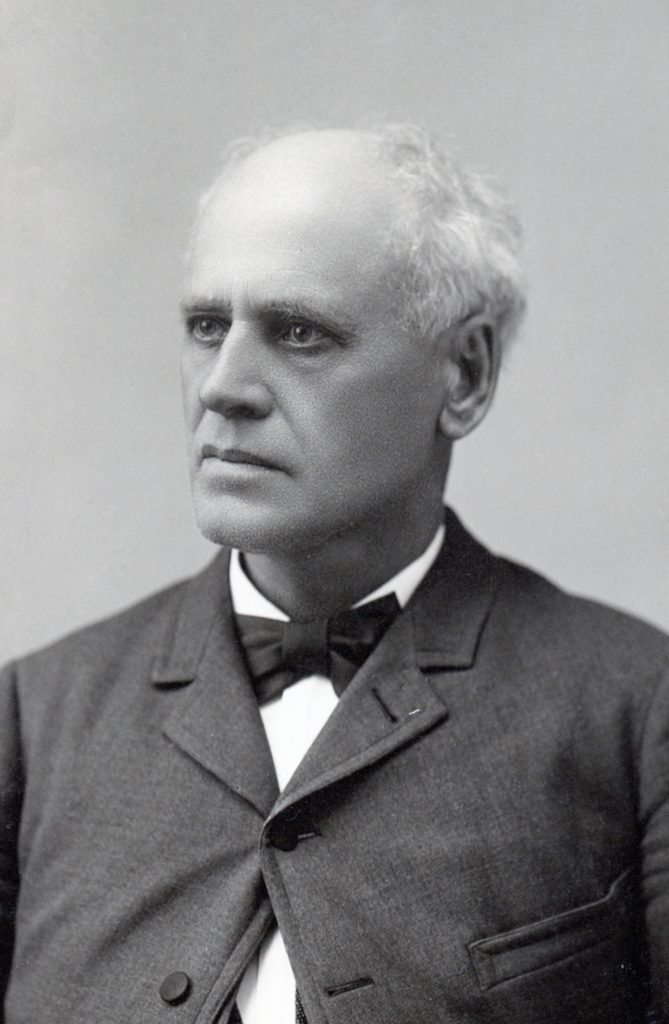
E.V. Spencer—Ivajean Wheeler

Ephraim Van Buren Spencer (1836 -1904) was a staunch advocate to have Susanville serviced by a railroad. Without one, the town in his opinion would be just another “Sleepy Hollow.”

The first glimmer of hope came in 1880 with the establishment of the Nevada & Oregon Railroad at Reno. The fledging railroad struggled in its early years. A dramatic change occurred in 1884 when the railroad was acquired by the Moran Brothers—New York bankers. The following year the railroad went through a name change first as the Nevada & California and eventually the Nevada-California-Oregon.

With Morans at the helm, Spencer saw hope and the residents of Susanville raised $500 to send Spencer to New York to meet with the Morans. The meeting went well, but the Morans stated they had no funds to extend the line. Spencer felt confident that the Morans would eventually build north to Susanville,

In March 1887, Spencer and the community of Susanville were blindsided when the railroad announced it would build a 47 mile extension from Junction (Hallelujah) House to Brubeck’s on the east shore of Honey Lake. Spencer hastily arranged a meeting with Daniel Moran and Edgar Heriot, the latter the railroad’s general manager. Spencer urged them to reconsider, and a route through Susanville would be more profitable. One of the railroad’s concerns was a route out of Susanville to the north. In June concerned Susanville residents met to come up with a plan to convince the railroad to change its mind. Not only did they offer to survey the route, but obtain the necessary rights-of-way, a donation of a depot site in Susanville and more. It was all in vain, due to an unusual circumstance. The NCO fired Heriot, and was replaced a temperamental Erasmus Gest. Gest could care less about the Susanville proposal. He was determined to build the railroad line with the most direct route to Oregon, thus the railroad built on the east side of Honey Lake.

Not be undaunted, Spencer would make one last final attempt with the railroad. In 1899, when the NCO extended its line northward, as construction was stalled during the 1890s, Spencer proposed a feeder line from Hot Springs Station (Wendel) to Susanville. When he contacted the Morans the answer was no. However, Susanville residents could construct the feeder line at an estimated cost of $100,000. That was not going to happen, since community could not even raise $450 to build a public hall.

Nearly eight years after Spencer’s death in 1913, the Fernley & Lassen Railroad arrived in Susanville. The town went through a major transformation and it was no longer a Sleepy Hollow.
Donate

Cows with Guns

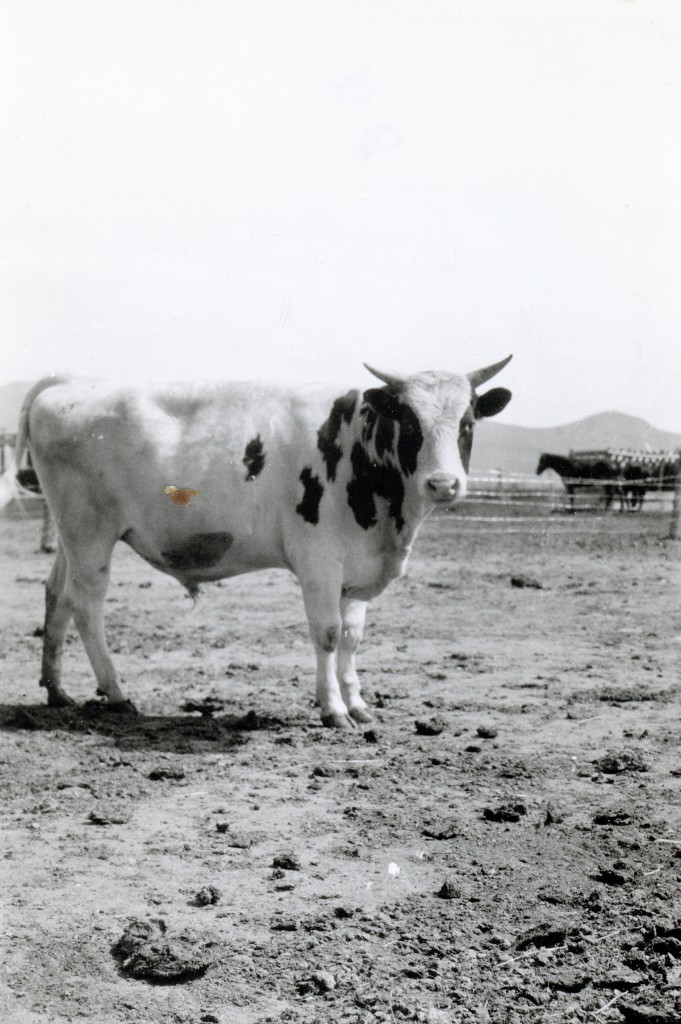
Tanner Ranch, 1934.

Some people know I have a special affinity for New Zealand. Of course there are a variety of Lassen connections with the land of the kiwis. One of the best photographers of the Lassen region of the 1870s, Herman Brince died in Auckland in 1881. Then there is case of Dr. J.G. Leonard, hardly a household name here or there. It should be noted that in 1884 Leonard had constructed one of Susanville’s most iconic buildings, known today as the Elk’s Lodge. Leonard’s descendants reside in New Zealand. The Asher family were among the prominent Jewish families of Susanville, though they later left that town to help establish Hollywood and Asher descendants, too, reside in New Zealand. In addition, even a Shinn descendant is a New Zealand resident.

So what does this bizarre topic with Cows with Guns have to do with New Zealand. Not only do I read the New Zealand Herald, but I listen to a New Zealand radio station. Recently, that station played a medley by Dana Lyons  entitled Cows with Guns. It is on youtube and click here to listen.  The lyrics with the puns are great, and I am sure Lassen County’s ranching community will enjoy. With that in mind, enjoy your Labor Day..

Never miss a story, click here to subscribe.

An interesting fire protection method

Fruit Growers Sheep

The old English proverb necessity is the mother invention was widely adopted locally. For years Fruit Growers searched for an effective way to reduce grass around its millsite for fire protection. During the 1920s, Fruit Growers planted potatoes.  In 1937, someone came up with the brilliant idea to bring in a band sheep to graze the mill property. Problem solved and they called the new addition to their workforce “Lassen Lawnmowers.”

Support this site and Subscribe today!

The Strange Case of Boody & Wales

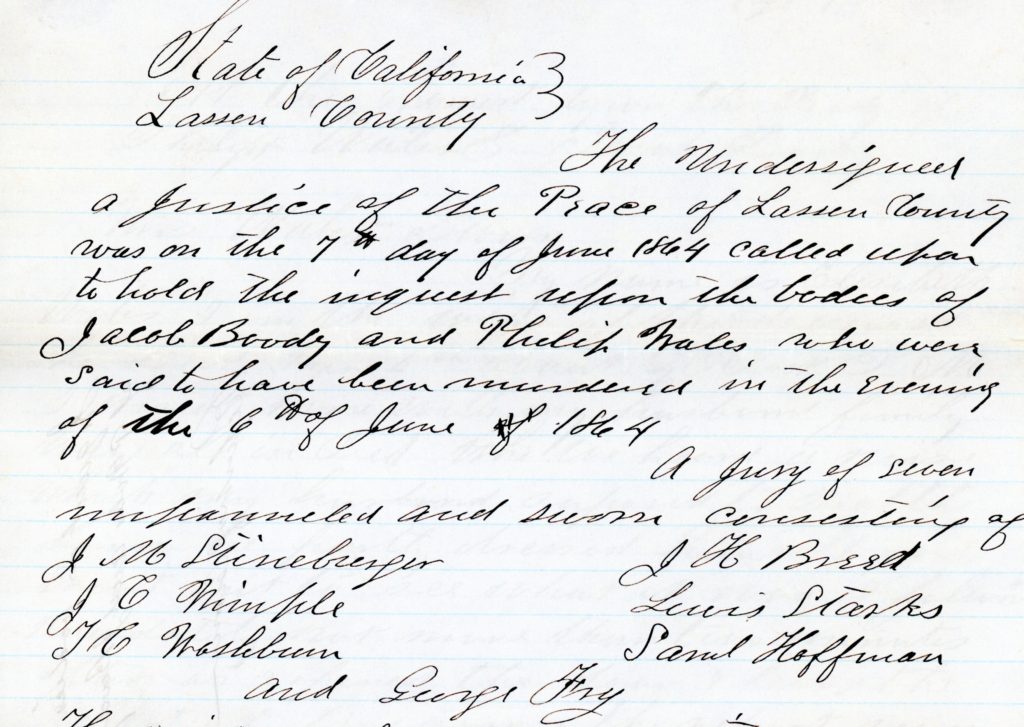
The cover page of the coroner’s inquest of Boody& Wales

On the night of June 6, 1864, Lassen County’s first homicide, and its oldest unsolved murder, that resulted in the deaths of Jacob Boody and Philip Wales near Milford occurred.  A strange case indeed.*

The two men were neighbors, who resided halfway between Janesville and Milford. In April 1864, Boody took a wagon to be repaired by Wales. A dispute arose, as Wales would not allow Boody to pick up the wagon until he was paid. The matter eventually resolved and the two were amicable.

At around 9 p.m. on June 6, Wales and his wife, Elizabeth, had gone to bed. Shortly thereafter, Wales heard noises coming from the barn and went to investigate. As soon as he got to the front gate of his house, he was shot in chest and collapsed. His wife, alerted their twelve year old son, George, and they brought Philip’s body into the house, and he died. George went to the neighbors, going through the grain field, but found no one on the first attempt.

When the neighbors did arrive around 11 p.m. they found Jacob Boody’s body in the road, not far from the Wales’ home. He had been shot several times in the back, and once in the leg. A Colt revolver was found several feet from Boody’s body.

The next morning seven men were impaneled to serve as a jury in the Coroner’s Inquest. Eight people testified. The jury came back with a verdict that the two men died from wounds inflicted by pistol and gun shots in the hands of unknown parties.

*There had been other murders prior to this, but this was the first one that fell over jurisdiction of the newly created Lassen County.

Donate

It Only Took 40 Years

Bly Tunnel, 1922

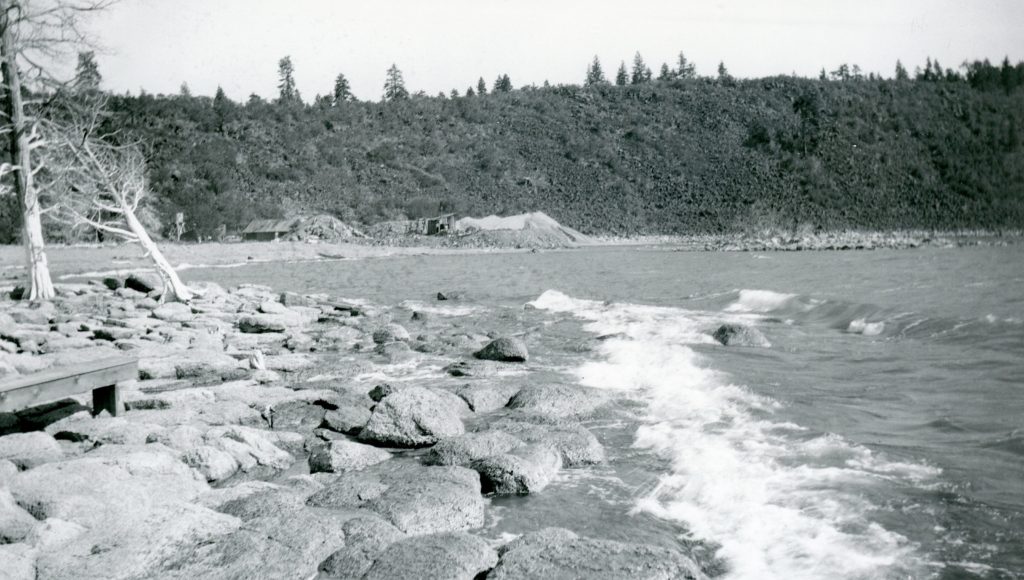
Before we explore how long it took to close the Bly Tunnel, I hope whoever reads this, closely examine the above photograph. The tunnel was in its early stages of construction. If one looks closely, you can see the lake level has already dropped, though it would be another two years before water flowed through the tunnel.

By the late 1960s, no one really paid that much attention to the abandoned Bly Tunnel at Eagle Lake. By 1970, the level of lake kept rising, threatening some lake shore improvements. In November 1971, D. Dean Bibles, District Manager of the Susanville Bureau of Land Management (BLM) announced that it would take action to revoke the Bly Tunnel right-of-way which was on BLM lands. Bibles noted that there were would be public hearings on the process. He noted there were some that wanted to keep the tunnel open to stabilize the lake level. There was the other camp, that wanted to permanently seal the tunnel to allow the lake level fluctuate naturally.

On February 6, 1973, BLM gained control of the Bly Tunnel for lack of non-use and water rights. The following year, BLM declared the tunnel a safety hazard. At that time, the BLM had the tailing piles used to make a temporary plug of the inlet, which greatly reduced water flow into the tunnel.

In 1981, Murrer Ranch filed a quiet title action over the granted right-of-way for a canal for distribute the water from the tunnel. After all, this is was first water connection from the tunnel. The following year, Murrer’s neighbor, Barron Ranch also filed a quiet title action, thus rendering project as done. In 1986, BLM had a permanent concrete plug constructed at the inlet.

The outlet as it appeared in 2012. Courtesy of Barbara White

However, water still flowed through the tunnel. In 2011, a valve inside the tunnel to regulate flow was finally shut and the water stopped flowing. While the tunnel was originally somewhat functional for a period of eleven years, it took BLM forty years to close it.

Subscribe

The End of the Line

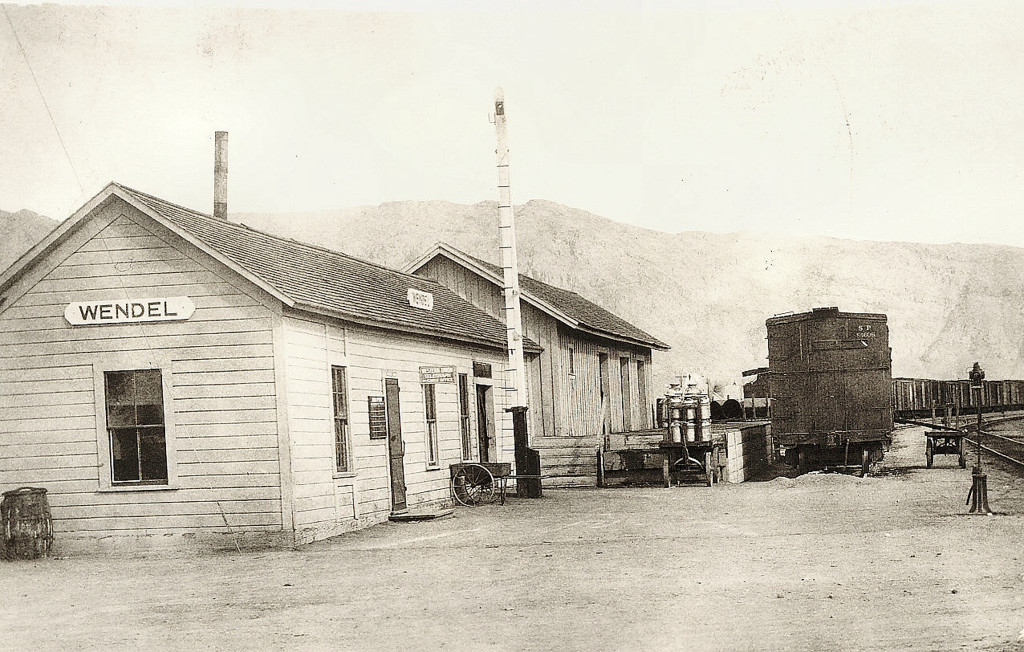
Wendel Depot. Courtesy of Aldah Riesenman

On September 1, 1929 the Nevada-California-Oregon Railroad’s existence came to an end, when it finally ceased to exist and was entirely absorbed by the Southern Pacific. Its demise was slow, and for its owners it must have been a strange process. Its decline dated back to 1914, the last year the railroad made a profit. What was started like a death knell came in 1917, when the NCO sold its trackage rights from Hackstaff (now Herlong) to Reno to the Western Pacific Railroad. Without its connection to Reno, it became a very isolated feeder line to the Southern Pacific Railroad.

In 1925, the Moran family, owners of the NCO, reached an agreement with the Southern Pacific to sell the line. It was a slow process. It would take nearly a year before the Southern Pacific acquired the trackage rights. In 1927, starting at Wendel, the Southern Pacific began to broad gauge the NCO’s narrow gauge line north. One would have thought NCO would have dissolved, but NCO was a peculiar outfit. What really gets confusing is its financial statement. In 1928 the NCO showed an operating revenue of $510,478.37 and a net expenses, including taxes, of $848,262,25.

Support

Juniper School, Lassen County

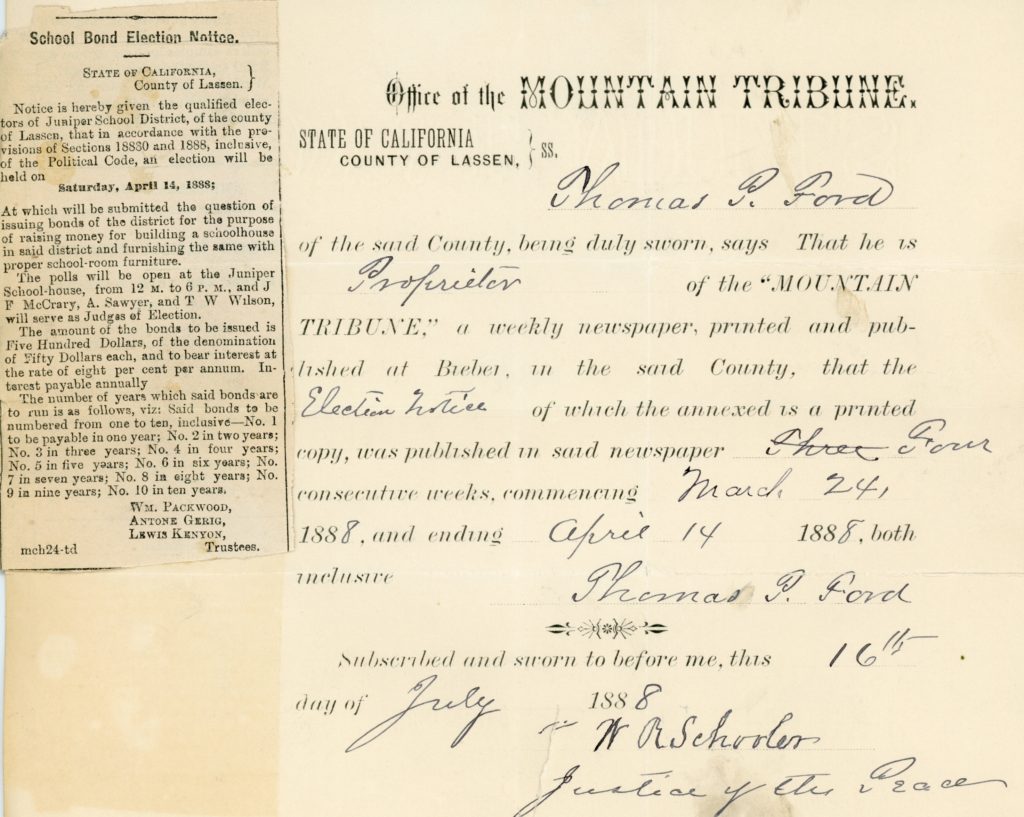
This was the third school district established in Big Valley, on the Lassen County side. The other two were Providence and Pleasant Butte. The Juniper School served the residents of the southern end of Big Valley. The district was established on November 5, 1877. On November 1, 1884, the voters of the district had two measures before them. One was for a school site and the other for a bond measure for $400 to construct the school. The bond measures were rejected and no site was determined. On April 14, 1888, an election was held to issue a $500 school bond measure and it was approved by all twelve voters. On August 27, 1889, Charles M. Kenyon donated one acre of land for the school and it was constructed.  In 1924, the school closed for two years, for lack of students.  Again in 1937-38, the school closed due to the decrease of students. It operated during 1939-40 with Reva Snell as the school’s last instructor.  It then closed for a final time and annexed to the Bieber School District.  The abandoned schoolhouse was sold on June 8, 1942, to Mike Roufs who tore it down and used the lumber to expand his mechanic shop in Bieber.

Support

Honey Lake Goes Dry

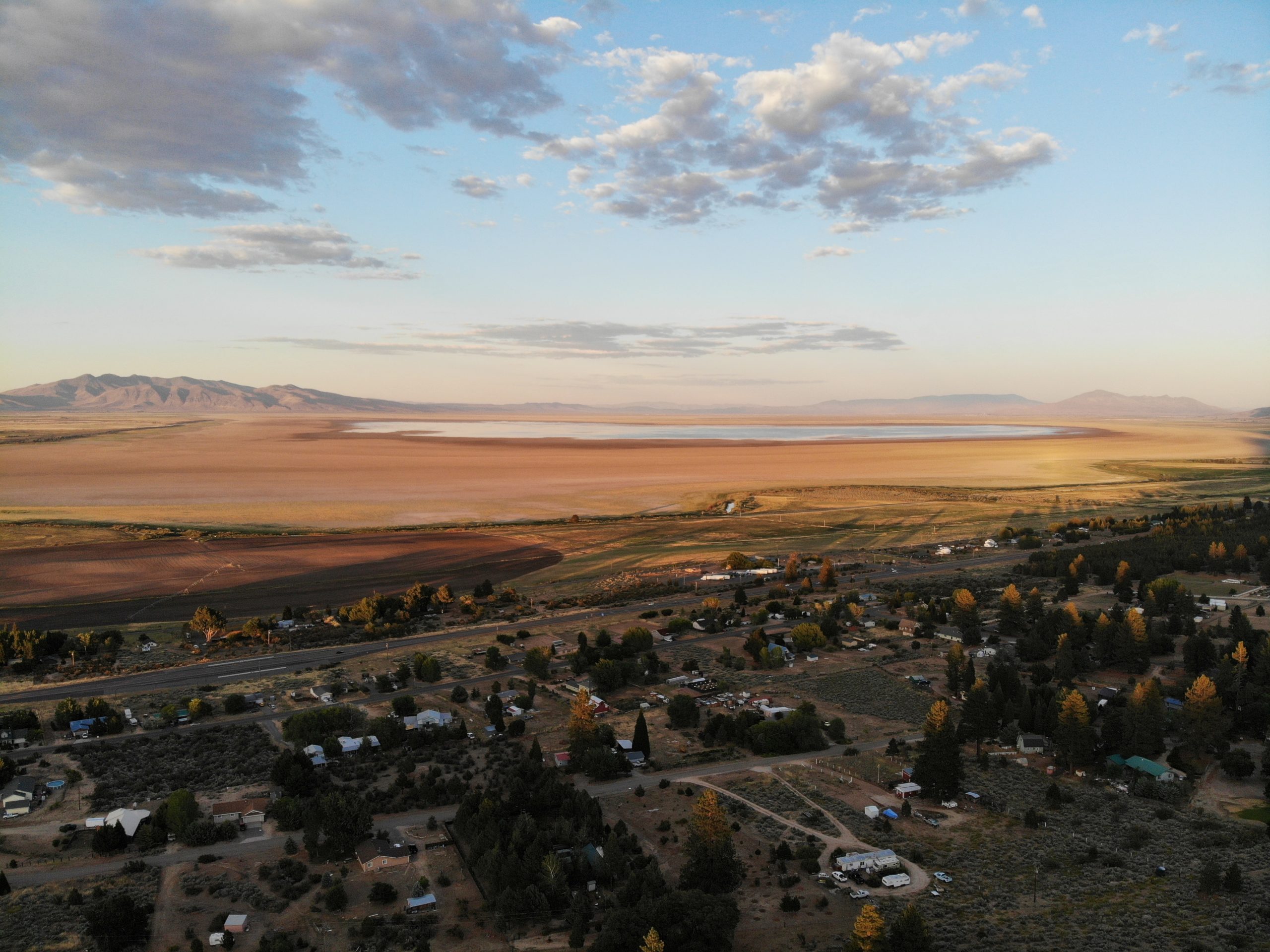
Honey Lake, June 26, 2021—Larry Plaster

On August 29, 1903 it was reported that Honey Lake had entirely dried up. Since the Anglo settlement of the valley in the 1850s, it was an unusual occurrence. It should be noted that area received abundant winter precipitation. The years from 1907 to 1916 was an extremely wet cycle. In 1911, Litchfield founder, B.F. Gibson proclaimed the lake was so high that it might be necessary in the future to build a canal at the east end of the valley to Astor Pass. and the excess water would then flow to Pyramid Lake at that point. It would not be necessary as beginning in 1917 the region would experience a twenty-year drought in which Honey Lake remained dry all those years.

Tim

Today’s Botany Lesson

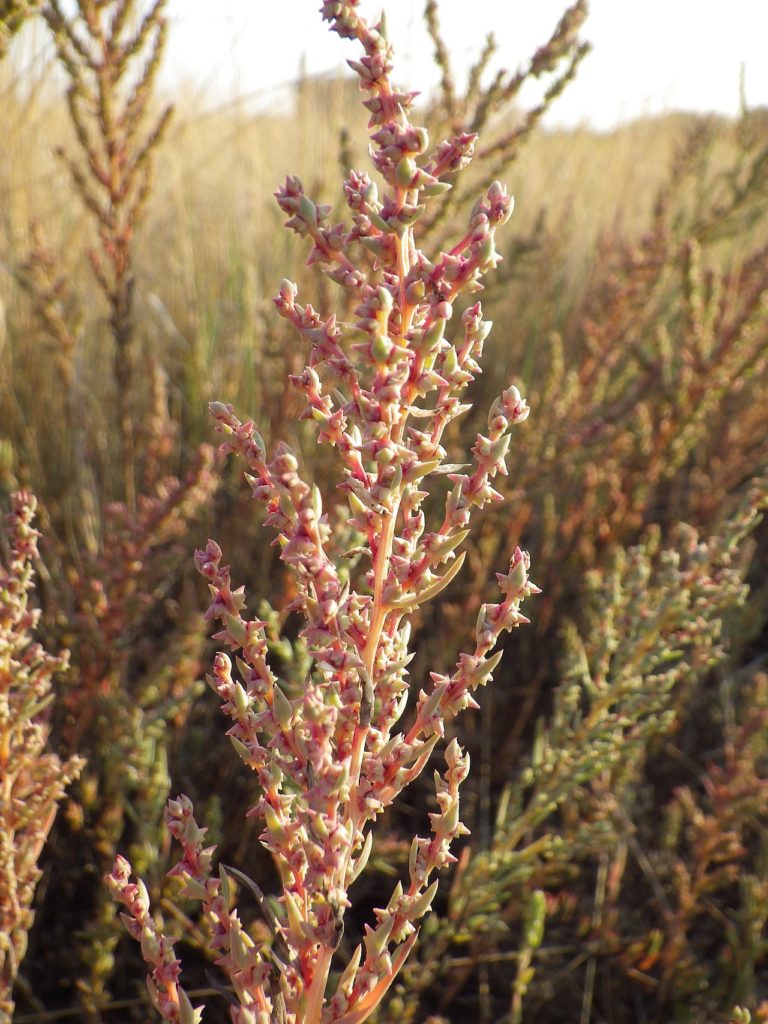
Suaeda calceoliformis or Suaede depressa

The Honey Lake Paiute were known as the Wadatkut, i.e. “wada eaters” for the eating of the seeds of Suaede depressa. Its common name is seepweed. It likes alkaline moist soil, which certain segments near Honey Lake thrives, especially near Amedee. When the seeds begin to ripen in August the plant takes on a pinkish hue. I have seen this plant all the time, but never knew its name or its significance.

Tim

A Lake Almanor Pest—Pelicans

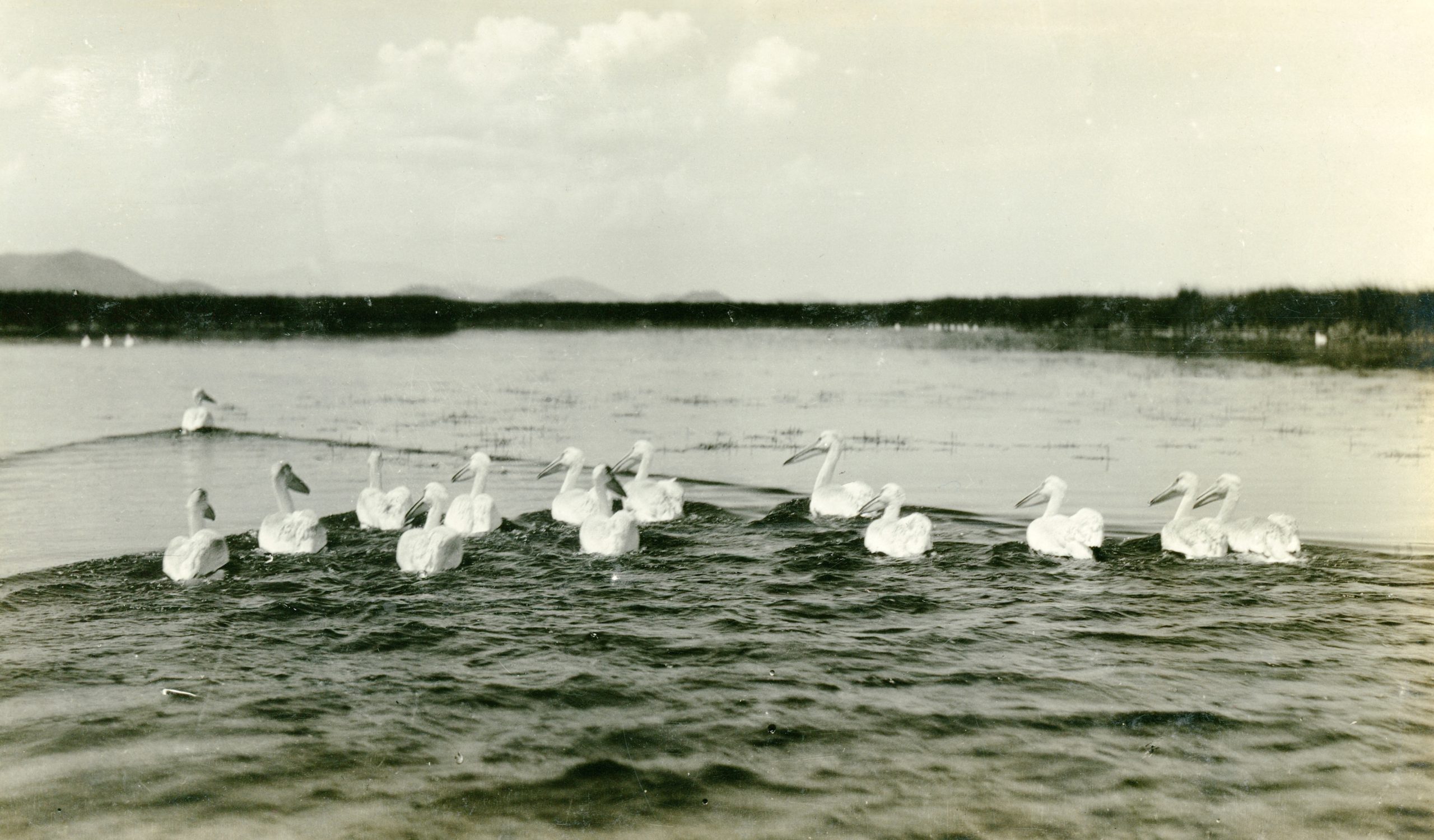
Eagle Lake Pelicans, circa 1920—Wyn Wachhorst

Avid fishermen detest pelicans as a natural predator to fish. If ever want to see these birds in action visit the Pine Creek estuary at Eagle Lake during spawning season of the trout there.

Chester resident Nels Olsen went from dairy farmer to innkeeper due to the transformation of Big Meadows to Lake Almanor. On April 15, 1929, Olsen penned this opinion on the pelican problem.

“For the past two weeks pelicans have been gathering in the waters between Lake Almanor and Last Chance where the streams are now alive with trout and there is no escape for the fish in these small streams as in the lake for the pelicans form a solid body as they move up stream and scoop up every fish in their path. For many years the pelicans have been a serious menace to the fish in these parts and at the present time the situation is becoming very alarming as they are destroying millions more fish each year than the fish commission is able to supply. The pelican is not a game bird. He is good for nothing He is a worse menace to our waters than a coyote is to our land. He should be killed whenever possible.”

Support

Exploring Lassen County's Past