Tag Archives: Susanville

Roop’s Fort Revisited

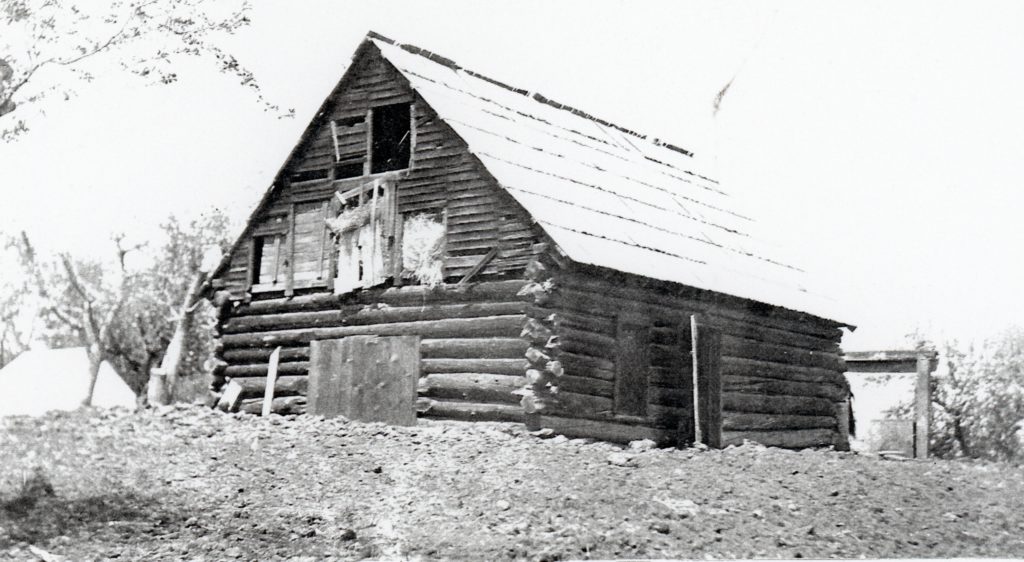
Roop's Fort. Courtesy of Keston Ramsey
Roop’s Fort. Courtesy of Keston Ramsey

While working on an article about the Ramsey family and ranch operations, I came across the above photograph in the Ramsey file that I had forgotten about. About fifteen years, or so ago, I went to Reno visit with Keston Ramsey. Keston was born in Susanville on August 1, 1908, the son of Max and Lola Hunsinger Ramsey. It should be noted among Keston’s many activities was that in 1945 he built and opened the Sky Tavern, the first ski resort on Mount Rose. He was also a co-cofounder of the Reno Junior Ski Program.
Roop's Fort. Courtesy of Keston Ramsey
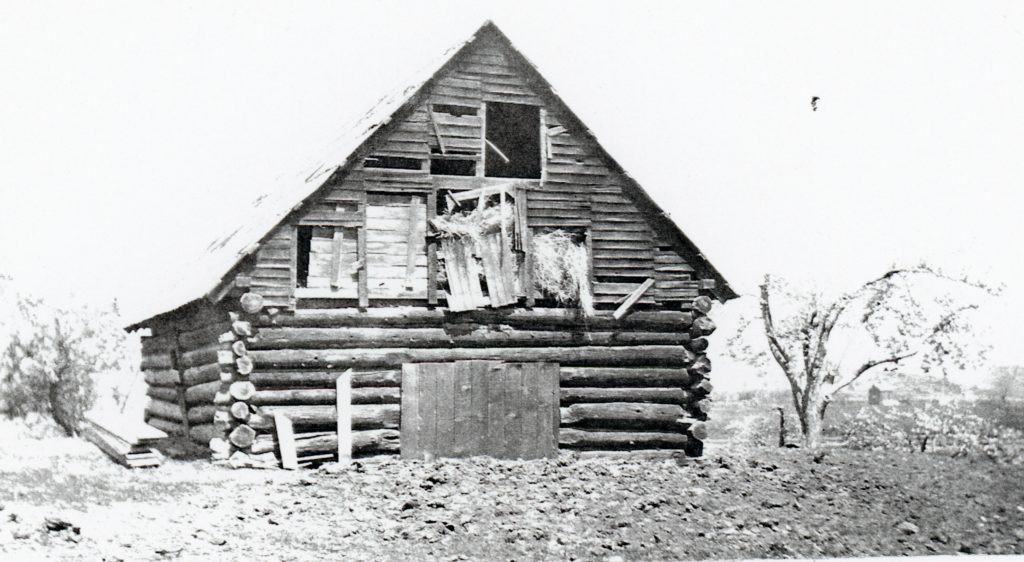
Roop’s Fort. Courtesy of Keston Ramsey

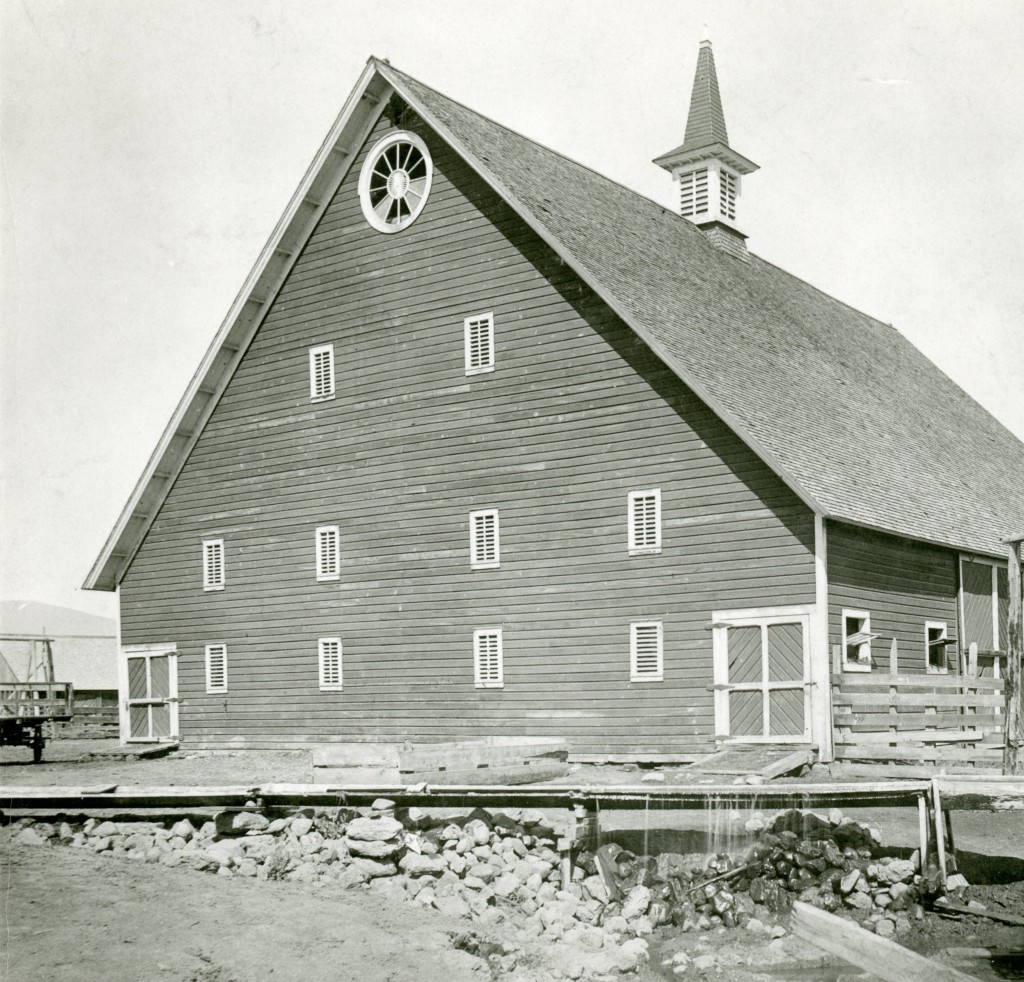
Anyhow, back to the topic at hand. Some of the photographs Keston shared with me was that of Roop’s Fort. Keston always referred to it as the old apple house. In should be noted that in 1863, Isaac Roop gave the property to his three children which he referred to it in the deed as the old Homestead place.

I thought some people might be interested in these two views, in light of the recent completion of Roop’s Fort Restoration program. It should also be noted, the original structure did not have a high pitched roof. It was modified by the Arnold family for the storage of apples and hay.

Never miss a story, click here to support and subscribe.

Susanville – Sunkist Street

Sunkist Street, 1921. Courtesy of Ed Standard

In 1919, when the Fruit Growers Supply Company decided to locate its second lumber mill at Susanville, they thought that community would come forth to provide housing for its workforce.  It kind of happen. Yet, Fruit Growers with over 1,000 employees for its Susanville operation, was too much for the community to handle. To be able to attract a stable workforce, Fruit Growers only option was to develop its own residential district next to the mill. Those streets all have names associated with the citrus industry, such as Sunkist.

For those not familiar with Fruit Growers, it is a purchasing agent for co-operative then known as the California Fruit Growers Exchange comprised of citrus growers. In 1907, the Exchange coined the brand Sunkist and in 1952, they renamed the Exchange to Sunkist.

Never miss a story, click here to support and subscribe.

Brand History – Abe Jensen

The Jensen barn, 1900. Courtesy of Abe Jensen

Abe Jensen probably has the distinction of the youngest person to record a livestock brand, which event occurred on October 11, 1917, when he was only nine years old. Albert Abel Jensen, was a member of a pioneer family. He was the great- grandson of Henry C. Stockton, who was one of three original Lassen County Board of Supervisors appointed by the governor in 1864 to organize the newly formed county and was elected to that office on May 1,1864, serving one term. It should be noted that in 1863, Stockton settled to the west of Devil’s Corral, along the Susan River and operated a sawmill. The property still remains in the family, with Abe’s nieces and nephew in charge.

Abe was a Lassen High graduate of 1926, and continued his studies at Stanford where he graduated in 1930. He continued with the ranching activities like his father, Bert. It should be noted that Bert was instrumental in resurrecting the Lassen County Fair in 1922, and the property that is the current county fairgrounds belonged to Bert Jensen. Besides ranching, Abe served as the Lassen County Fair Manager from 1946 to 1968. In 1973, Abe, and his wife Adelaide moved to Reno, where he passed away in 1989.

Never miss a story, click here to support and subscribe.

Susanville Bans Fireworks

4th of July Parade, Susanville, 1912. Courtesy of Leona Byars

In Susanville’s early years as an incorporated city,  it was remarkable what the council did. One of their actions, I still support today, and that is the prohibition of fireworks. The first time they banned fireworks was in 1906, following the aftermath of the San Francisco earthquake and fire. It was also a nod to the insurance companies who suffered tremendous loss from that event. It was their belief, as well as many other communities, that this preventive measure would reduce the risk of fires. Continue reading Susanville Bans Fireworks

Lassen County Acquires Property

Lassen County Courthouse, 1938. Courtesy of Jere Baker

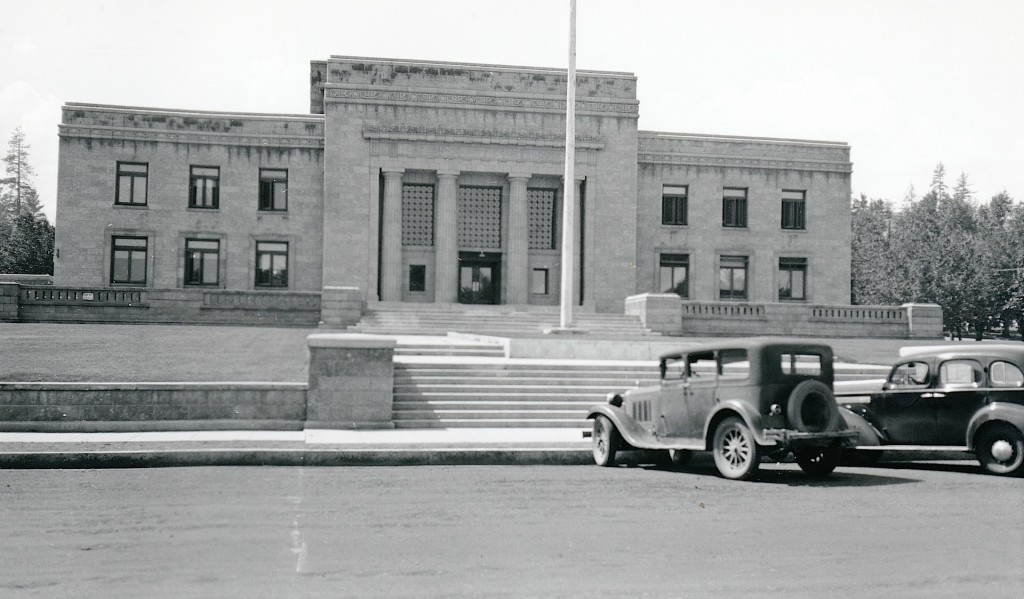
On June 18, 1864, the County of Lassen purchased its first piece of real estate. On that date, the county purchased the entire Block 22, in the town of Susanville from Isaac Roop for $100.* It should be noted that the majority of the blocks in the original plot had not been been subdivided, mainly those with Main Street frontage. The property, of course, was to be utilized as a courthouse. However, due to the county’s finances, it was not until 1867, when the first courthouse was constructed on this site.

*It should be noted that a covenant was included in the deed that should the county abandon the property it would revoke back to Roop or his heirs. This was a common practice in the era, a number of rural schools received property in that fashion with the stipulation should the property no longer be used for its intended  use the property would revert back to the original landowner or that person’s heirs, two examples being the Lake School and the Willow Creek Valley School.

Never miss a story, click here to support and subscribe.

Those Rowdy Camp Followers

Construction of Miller's cut near Susanville 1913. B.R. Zimmerman collection
Construction of Miller’s cut near Susanville 1913. B.R. Zimmerman collection

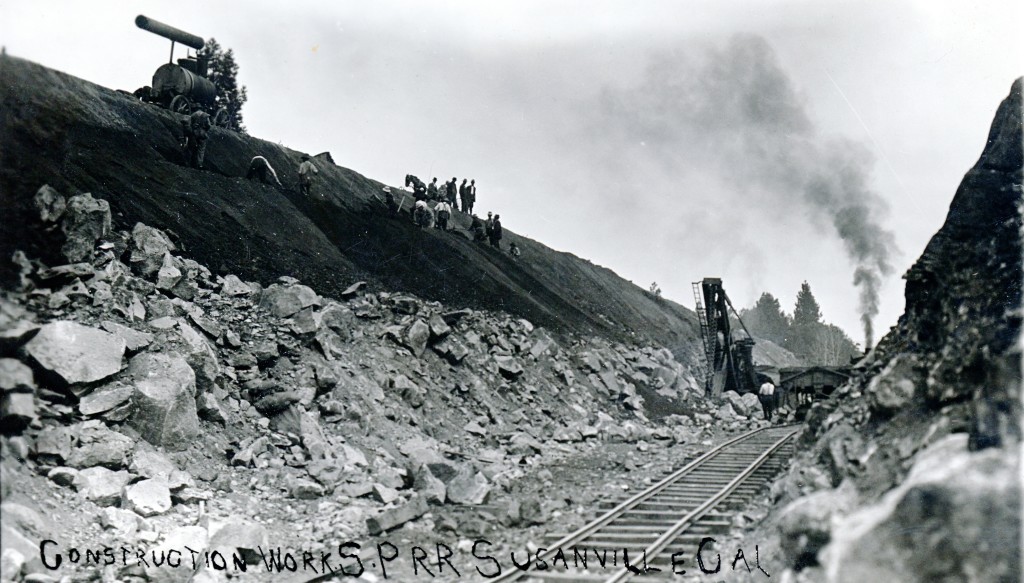
Daily life got crazy in Susanville when the railroad arrived. Numerous discussions were held to make the town “dry.” It was the belief of some that if there was a ban on alcohol, that it would rid the town of certain elements. The City was not so keen  on the other hand, as it received most of its operating revenue from liquor licenses. Continue reading Those Rowdy Camp Followers

Milford School

Milford School, 1957. Courtesy of Milford Community Association

On February 28, 1865, fourteen Milford residents petitioned for a school district for their town that would divide Lake and Long Valley school districts. In March 1865, the Board of Supervisors granted their request. In July 1865, Ezra P. Soule and Henry C. Stockton built the first schoolhouse for $500. In 1883, the voters narrowly passed a special tax for $160 to construct an addition to the building. Milford’s population continued to grow and a larger school was needed. On May 12, 1888, the voters approved a $1,400 bond measure and a new schoolhouse was constructed adjacent to the old one. By the 1960s, rural schools were on the brink of extinction, and Milford was no exception. In 1965, the upper grade students were transferred to Herlong Elementary. In 1966, the school only taught grades one through three. The Milford school closed in 1967. Of note, both schoolhouses still remain, each one converted into a private residence.

It is never too late, subscribe today and enjoy tomorrow with daily notifications. You can also surprise someone with a gift subscription

Jeremiah Wood and the family legacy

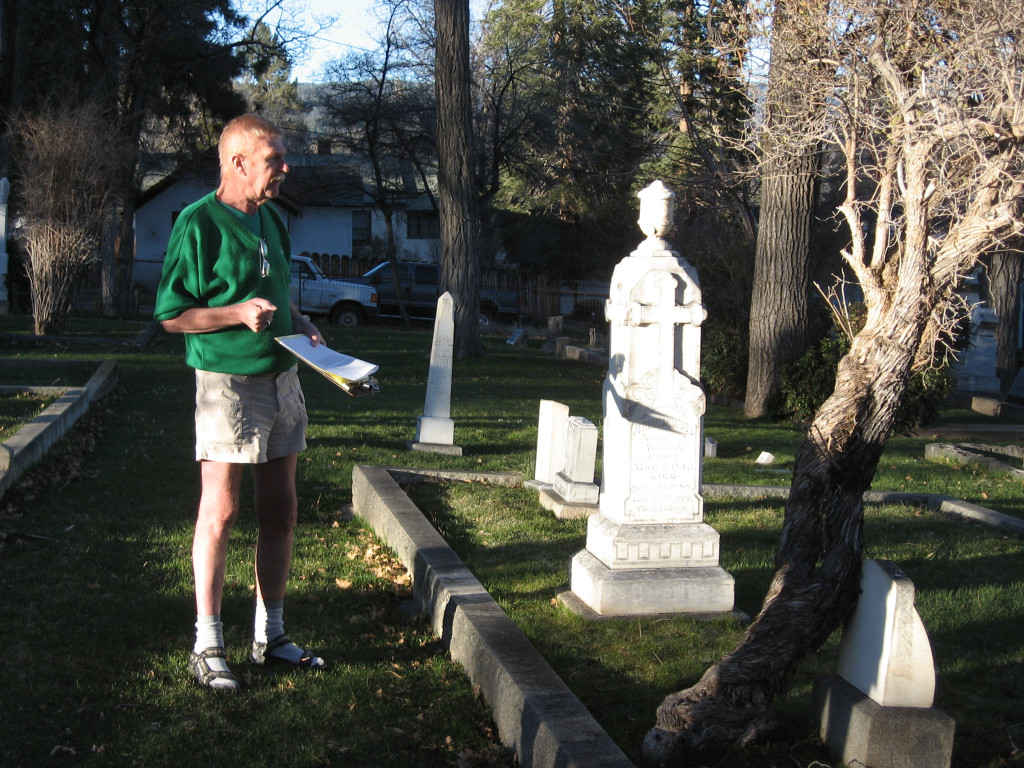
The grave of Jeremiah Wood at the Susanville Cemetery. March 17, 2016

Jeremiah Wood (1819-1889) was a true ‘49er arriving in California in that infamous year and spent most of his life mining in Nevada County. In the meantime, two of his sons, John and Denis came to Susanville in 1872 and opened up a meat market/butcher business. In 1887, Jeremiah came to Susanville to spend his final years with his son Denis, who by the way expanded operations into ranching, and six generations later the family carries on the tradition. This is truly remarkable, after all the old saying goes the first generation makes it, the second uses it and the third loses it. Only 13 percent of family owned businesses make it to the third generation. On a final note, the Wood Ranch still uses the brand that Denis created back in 1875, the DX.

Never miss a story, click here and subscribe.