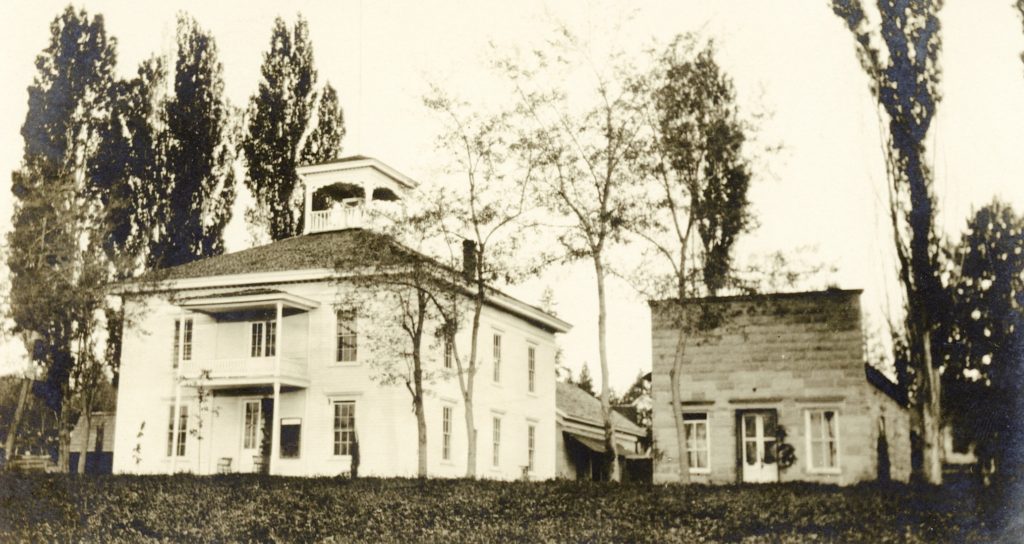
In the fall of 1926, the Elks did a major renovation to the main floor of the building. Instead of six rooms, it was converted into one large room for use a lodge and also lounge for other occasions. On the lower floor what was referred to as hot air heating system was installed. While all of this may not sound dramatic, it was. This remodel project cost nearly $26,000–twice the amount of the purchase price. For even a better comprehension of this expenditure, the American Legion Memorial Building was under construction that year with a price tag of $23,000.
In 1921, a group of Susanville businessmen wanted to form a local Elks Lodge. While they were an enthusiastic group, they had a formidable challenge. One of the requirements from Elks’ organization that a community must have a population greater than 5,000 inhabitants. While Susanville in the last several years witnessed tremendous growth, the City of Susanville’s boundaries did not include where the growth occurred. The confines of the city was rather small the area from Pine Street to the west to Weatherlow Street as the eastern border.
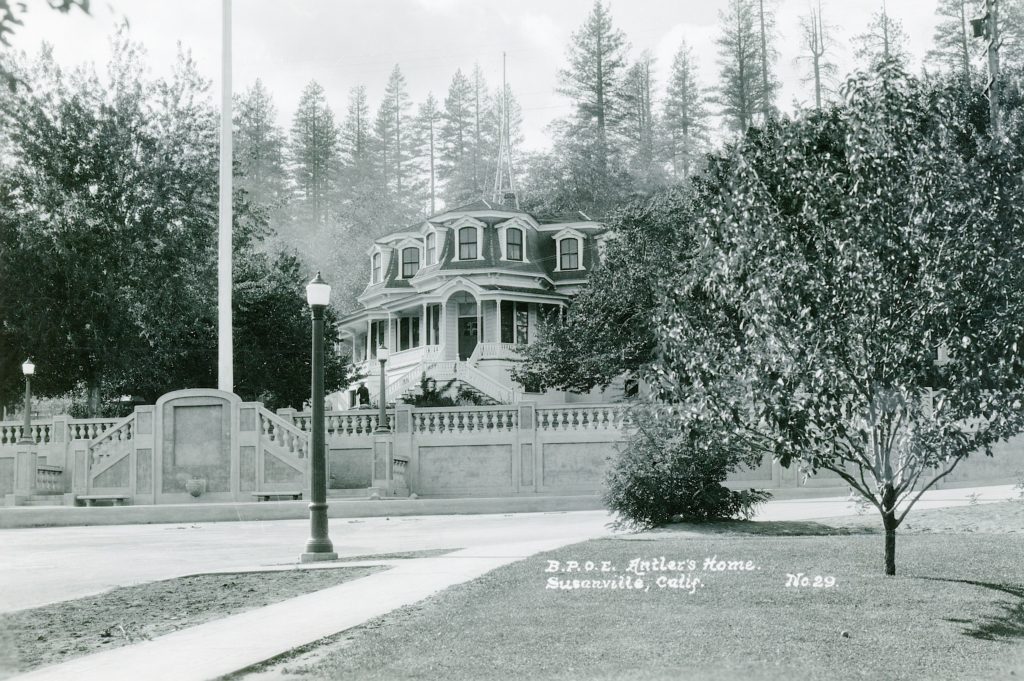
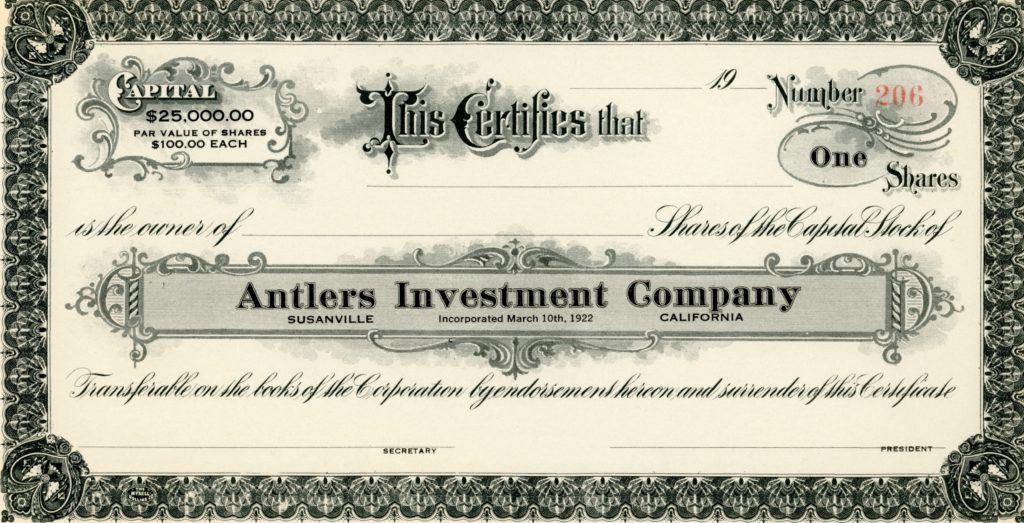
Not to be undaunted, these men formed an Antlers Club, a first step towards a subsequent Elks Lodge in the future. They were an ambitious lot. On February 23, 1922 they formed a stock company—the Antlers Investment Company. There goal was to raise $25,000 with each share at a par value $100. The next order of business to purchase a clubhouse for the future lodge. They set their sights on the Swain residence at the west end of Main Street that overlooks that boulevard. In 1922, they reached an agreement with Annie Swain, the owner, to purchase it. She sold it to Antlers Investment Company for $13,000. However, she retained a parcel adjoining to the south in which she would build a new home.
With everything in place, it would still be a few years before a local Elks Lodge would become a reality.
In 1887, the movement for a pubic park for Susanville made its debut. While a mere hamlet of less than 200 souls, made this quite remarkable. It would not be an easy undertaking, as it would take sixty years to make it a reality. At that time, the residents offered to purchase an 80 acre tract for a park and fairgrounds for $5,000. It was their intent to turn it over to the County. They approached the Board of Supervisors to form a park district and assess a taxy levy for maintenance. The Board rejected the proposal.
In the spring of 1928 the local Rotary Club got on the park bandwagon. They set their site on the Folsom Tract behind the recently built American Legion Memorial Hall. While their intent was admirable, they just could not get the needed traction to move forward. It would not be until after World War II before a municipal park would become a reality. Again, the focus was on the Folsom Tract, now owned by Cyril & Eleanor Houghton. The asking price $7,000. In November 1946 a Park Planning Board had been created. By February 1, 1947 they had raised the money and on March 12, 1947, the property was now owned by the City.
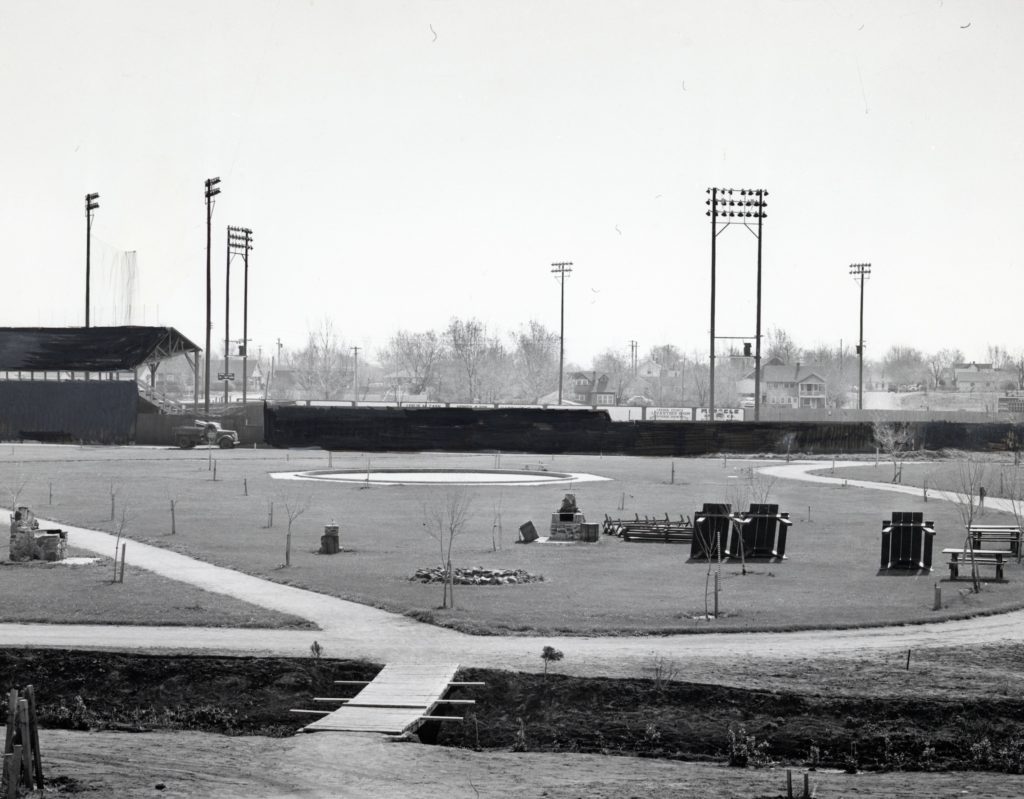
However, there was still another hurdle. The City did not have the funds to make the improvements. The community stepped up to the challenge to purchase trees, shrubbery, a children’s wading pool and of course to construct a grandstand to watch baseball games.
On July 3, 1949 dedication ceremonies were held for Susanville’s Memorial Park. As Judge Ben Curler, Lassen County Superior Court, as opening speaker, simply stated that is was a “truly community park” for the efforts made by the volunteers.
While it is fairly common knowledge that the City of Susanville was named for the town founder’s daughter, Susan Roop, who later married Alexander T. Arnold. Many assume that the Susan River that flows through the community would also be named after Susan Roop. However, that is not the case, because the river was so named, prior to Isaac Roop’s arrival on the scene.
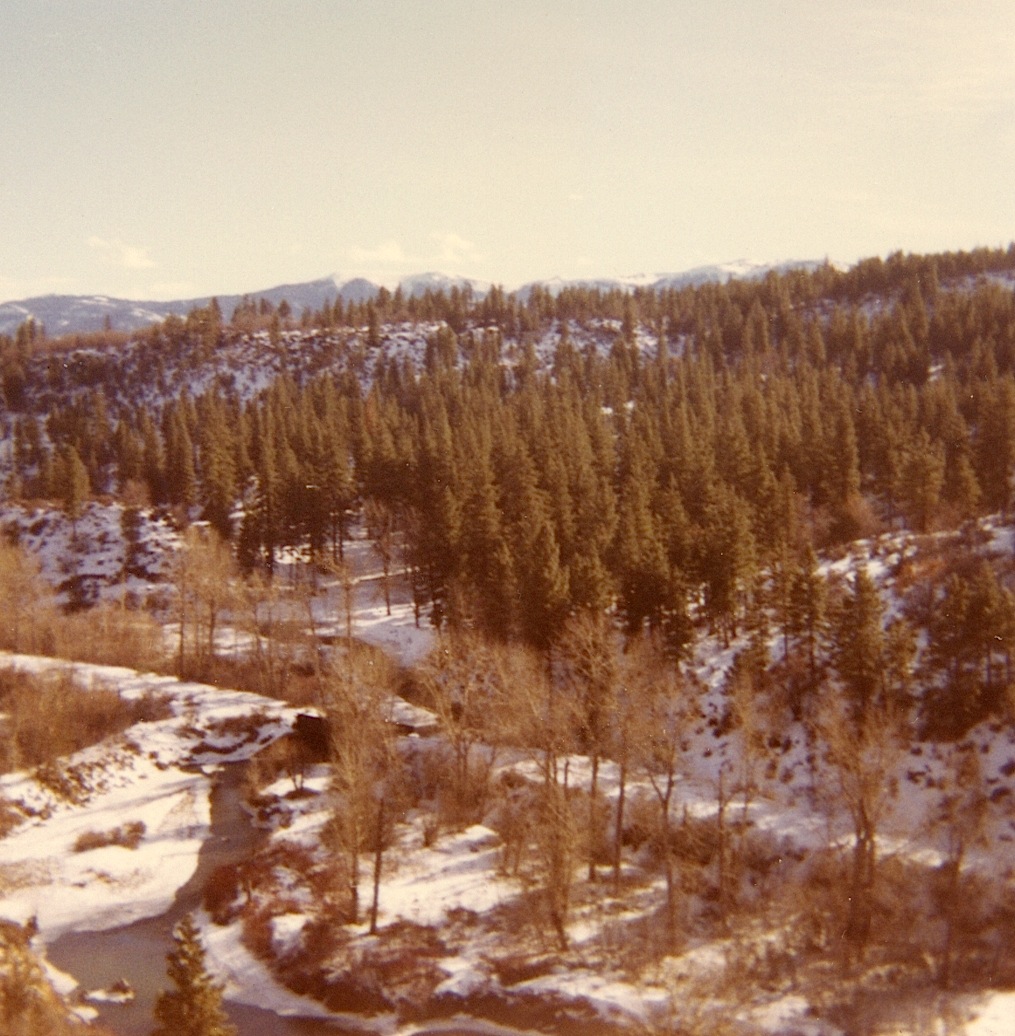
Susan River, February 1972
During the years 1851-1852, William H. Nobles located a new emigrant road from Shasta, California to Lassen’s Meadows, Nevada (Rye Patch Reservoir). This road passed through the Honey Lake Valley. Nobles named the Susan River for his wife, Susan Parker Nobles. While we know a lot about Susan Roop Arnold, very little is known about Susan Parker Nobles. She resided in Minnesota for the majority of her married life, moving to California after her husband died in 1876.
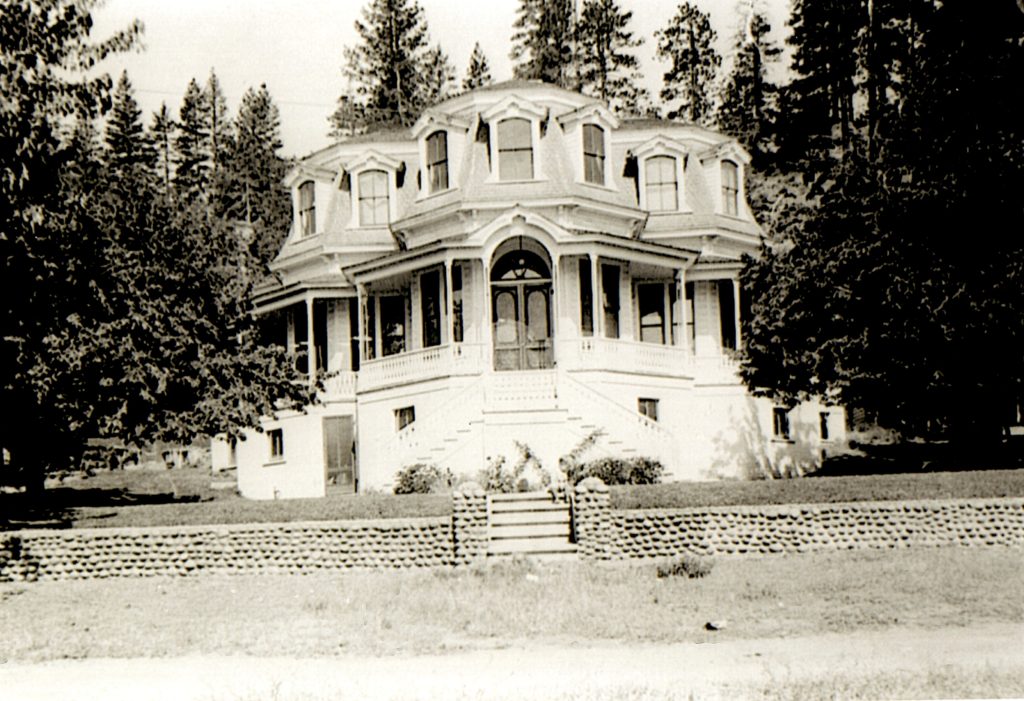
Dr. Leonard’s residence when completed, 1913–Frances Swain
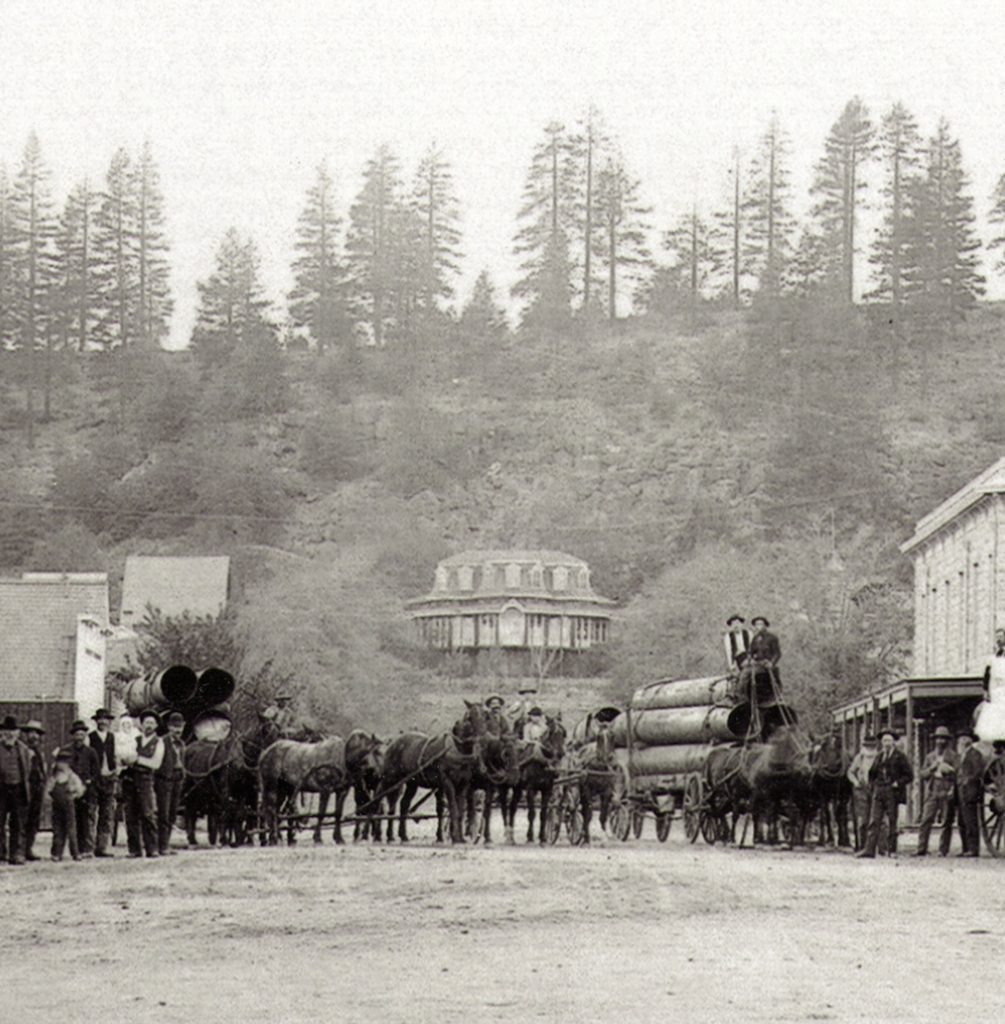
When William Greehn took possession of Dr. J.G. Leonard’s residence he decided to make it a rental. The exterior had a very dilapidated appearance. It had never been painted. The windows on the top floor were never installed, so they were boarded up. Greehn had no intention to make improvements to the building. The residence rented for $10 a month, and it was rarely vacant. In 1906 Greehn passed away leaving this and numerous other properties to his two daughters—Fannie Asher and Hattie Grunauer.
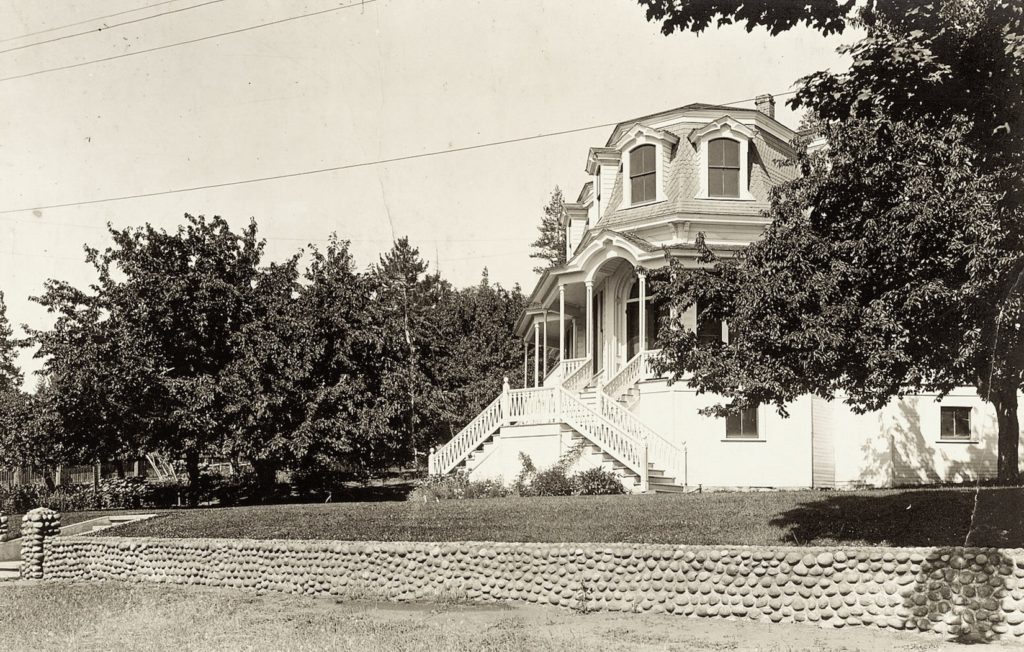
A side view of the Swain’s residence, 1913—Frances Swain
On April 11, 1908, during the liquidation process of the Greehn Estate, Joel Henry Swain purchased Leonard’s residence for an undisclosed amount. In 1888, Swain, along with other members of his family originally located in Dry Valley between Grasshopper and the Madeline Plains. In 1903, Swain decided to switch careers from farmer to saloon keeper and moved to Susanville. Swain found the bar business to be very lucrative. This provided him with the means to finish residence that Leonard had started. In just a short time it became one of the most prestigious homes of Susanville. In an interesting side note, his wife, Annie, somewhat disapproved her husband’s line of work, she being a staunch tea-toler, but she enjoyed the finer things of life that the saloon trade provided. An awkward situation to say the least.
In 1917, J. Henry Swain’s health declined. No treatments seem to improve his condition. He passed away on May 3, 1918. Besides his wife, he left four small children, Frances, Fitzhugh, Blanche and Nellie. In 1922, Annie Swain sold the residence to the Antlers Club, which would in turn become the future home of the Elks Lodge.
Main Street, 1894. You can see the condition of the house—Ivor Lanigar
Susanville’s iconic Elk’s Lodge located at the west end of the town’s Main Street, had a humble origin. The story unfolds when Michigan native Dr. J.G. Leonard (1843-1916) opened a dentist office in Susanville on March 1, 1884. A large vacant lot at the west end of town caught his attention, especially since it was so centered to have an excellent view looking down through the center of main street. He approached the owner, Sarah Hosselkus about its availability. On March 22, 1884, she sold the lot to Leonard for $450.
Leonard then proceeded to design a unique residence on this unique lot. The instincts came naturally for him, since for a time he studied to become an architect. Dentistry or Architect are noble positions, such professions, even in cities, during the late 1800s could be financially challenging.
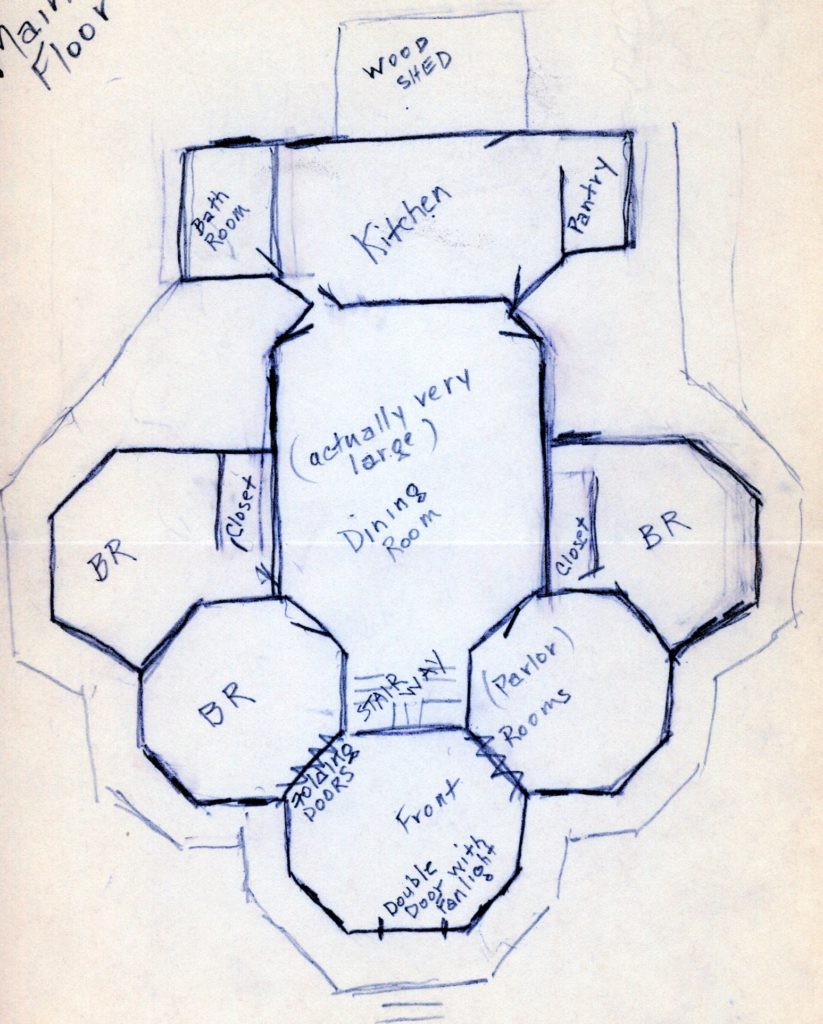
Main floor plan sketch by Frances Swain
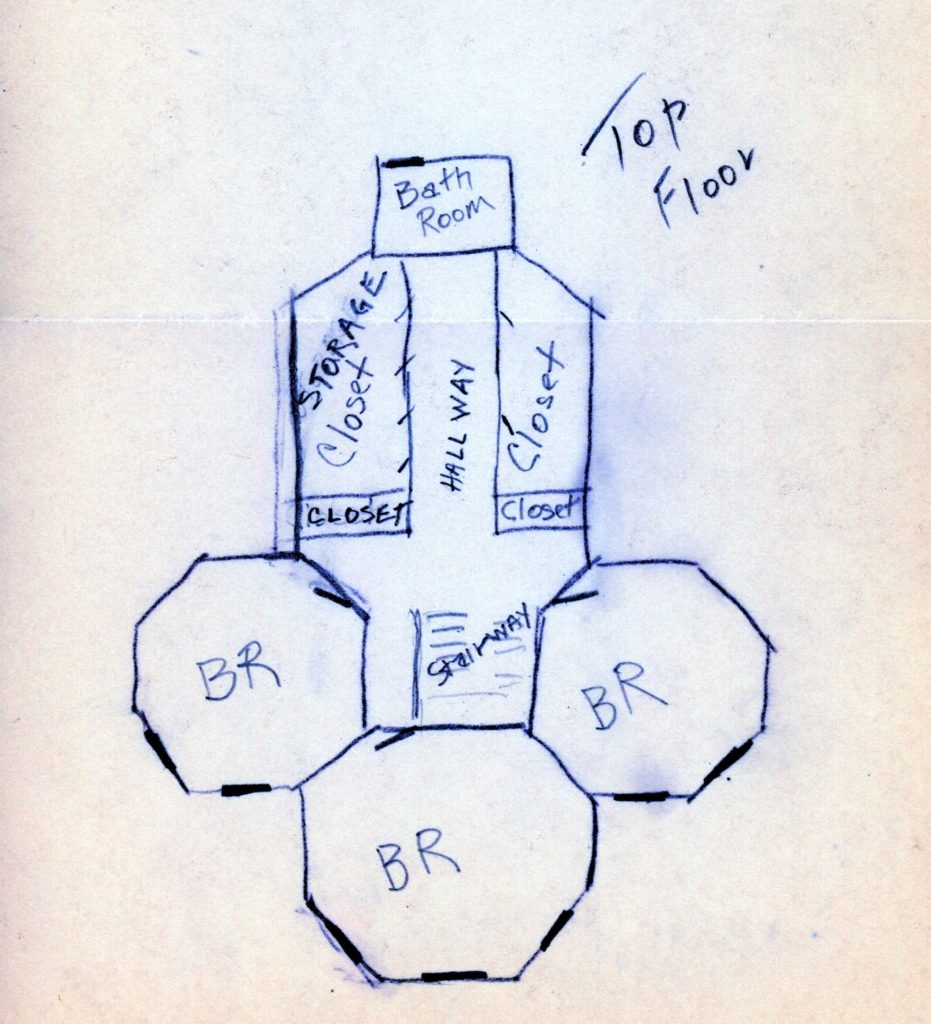
In November 1884 work was underway to clear the homesite. The proposed two-story home, contained twelve rooms, many of which were octagonal. Leonard hired local contractor Charles Odette to build it, though no record exist as to its cost. In February 1885 Leonard moved his family into their new home, though it was far from finished.
Top floor sketch by Frances Swain
Leonard quickly learned that there was not a sufficient enough population in Susanville, as well as the Honey Lake Valley to sustain his practice. Like others before him and after him he rode the circuit to provide his services in neighboring counties, with an emphasis on Modoc County. The other financial obstacle Leonard faced, was his patients would provide goods and/or services rather than paying in cash. After five years of eking out a living, Leonard, filed for bankruptcy on April 17, 1889. One of his main creditors, was Susanville merchant William Greehn who he borrowed money to construct his home. Greehn secured the promissory note with Leonard by attaching a mortgage to Leonard’s home. At the conclusion of the bankruptcy proceedings Greehn was awarded the property. Leonard moved on and by 1898 established a practice in Reno where he lived the rest of his life.
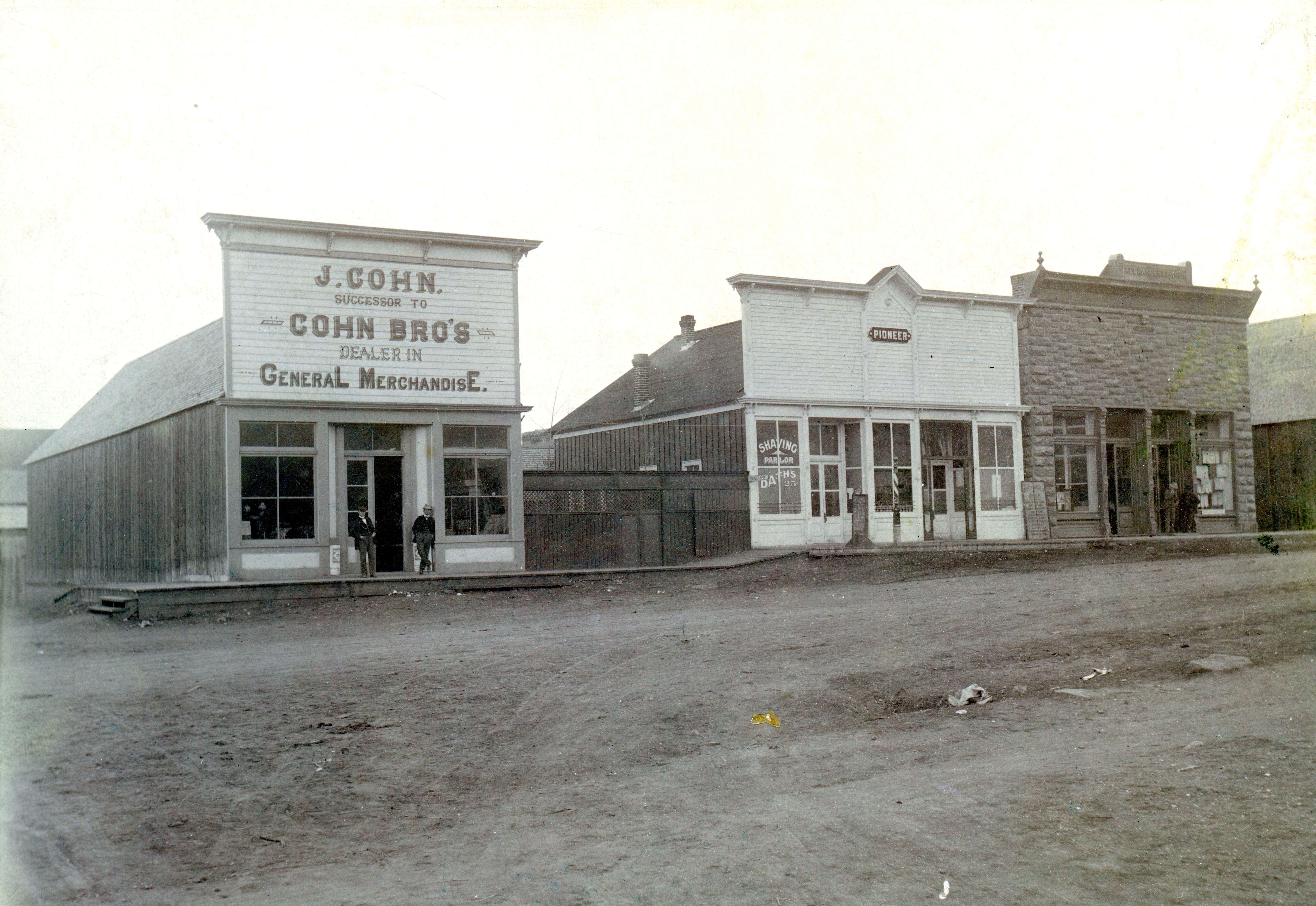
South side of the 700 block of Susanville’s Main Street, March 12,1901—Sheila Holcomb
On June 6, 1900 an early morning fire started at Dave Stark’s blacksmith shop on the southeast corner of Main and S. Roop Streets. Within two hours some forty structures from Roop to South Union Street were destroyed in the blaze. The only building remained standing was Alexander & Knoch’s store, constructed of native stone, though it did sustain damage.
While this fire became the catalyst to incorporate Susanville, many resorted to the old wooden frame building practices of the past. The above photograph is a perfect example. What is interesting with this photograph you will notice the vacant lot between the Cohn Bros. and the Pioneer. It should be noted that the Pioneer used the lot for a beer garden, until O.M. Doyle constructed a two-story stone building that eventually became home of the Grand Cafe. The building to the right to the Pioneer, which was Alexander & Knoch’s store, though the store front has been modified is home to Margie’s Book Nook.
In 1902, Susanville passed Ordinance No. 17 which prohibited wooden frame buildings in the heart of the town’s business district. All future materials, would be brick, native stone or cement. Roofs were required to be metal, slate or tile.
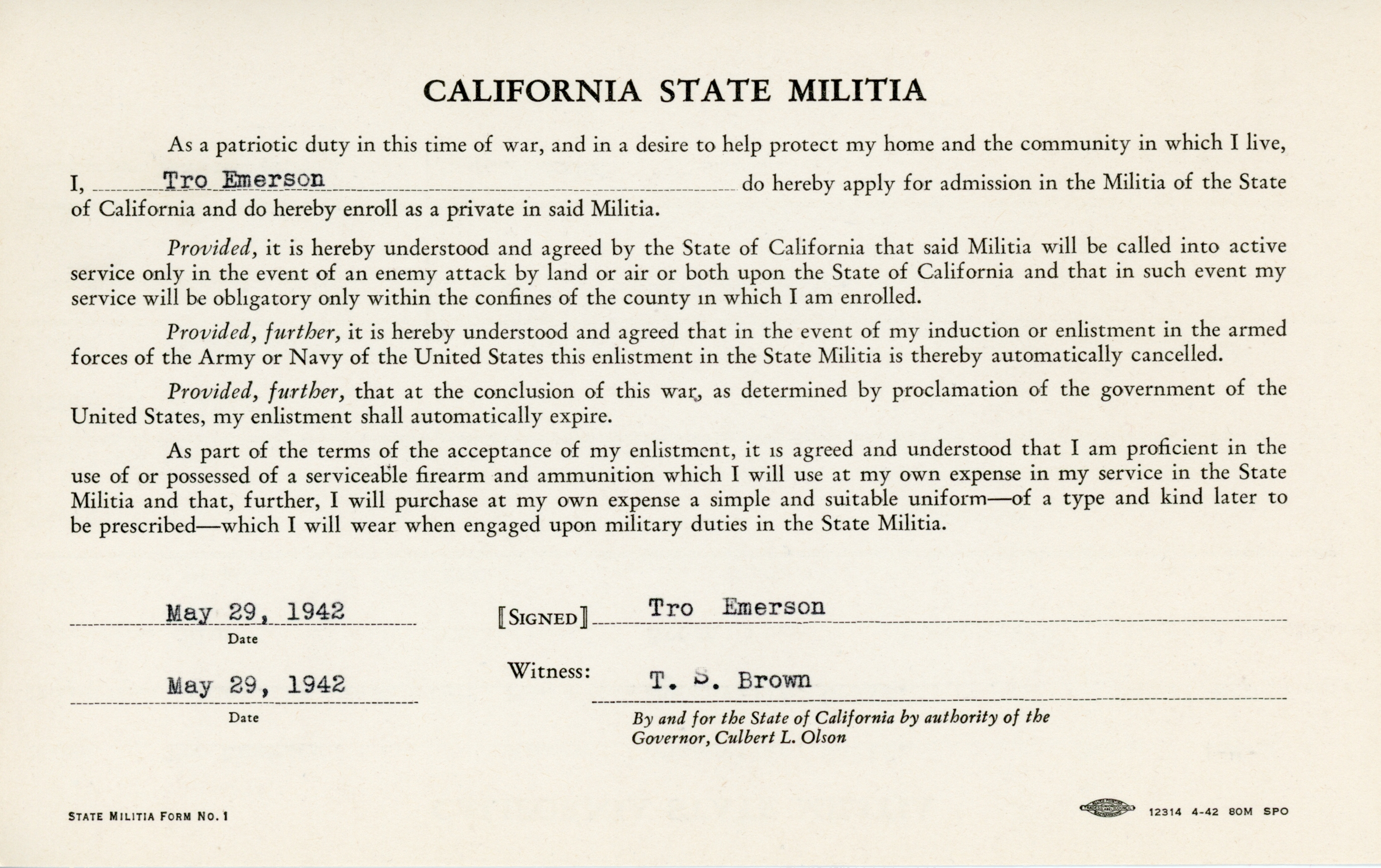
Twice in Lassen County’s history there have been local militia units of the California National Guard. The first was the Honey Lake Rangers of the 1860s. The last time was during World War II. Initially, there was to be one large unit for Lassen and Modoc counties. That plan was neither feasible or practical and was dropped.
A new strategy was drafted. Inside each county, especially in large rural counties like Lassen, several local militia units would be formed. There duties were to protect the area in case of enemy invasion. Their involvement was confined to the boundaries of the county. Uniforms, guns and ammunition would be provided to each unit. They would also be trained in guerilla warfare. In Lassen County it fell upon the Farm Advisor (T.S. Brown) to organize these units.
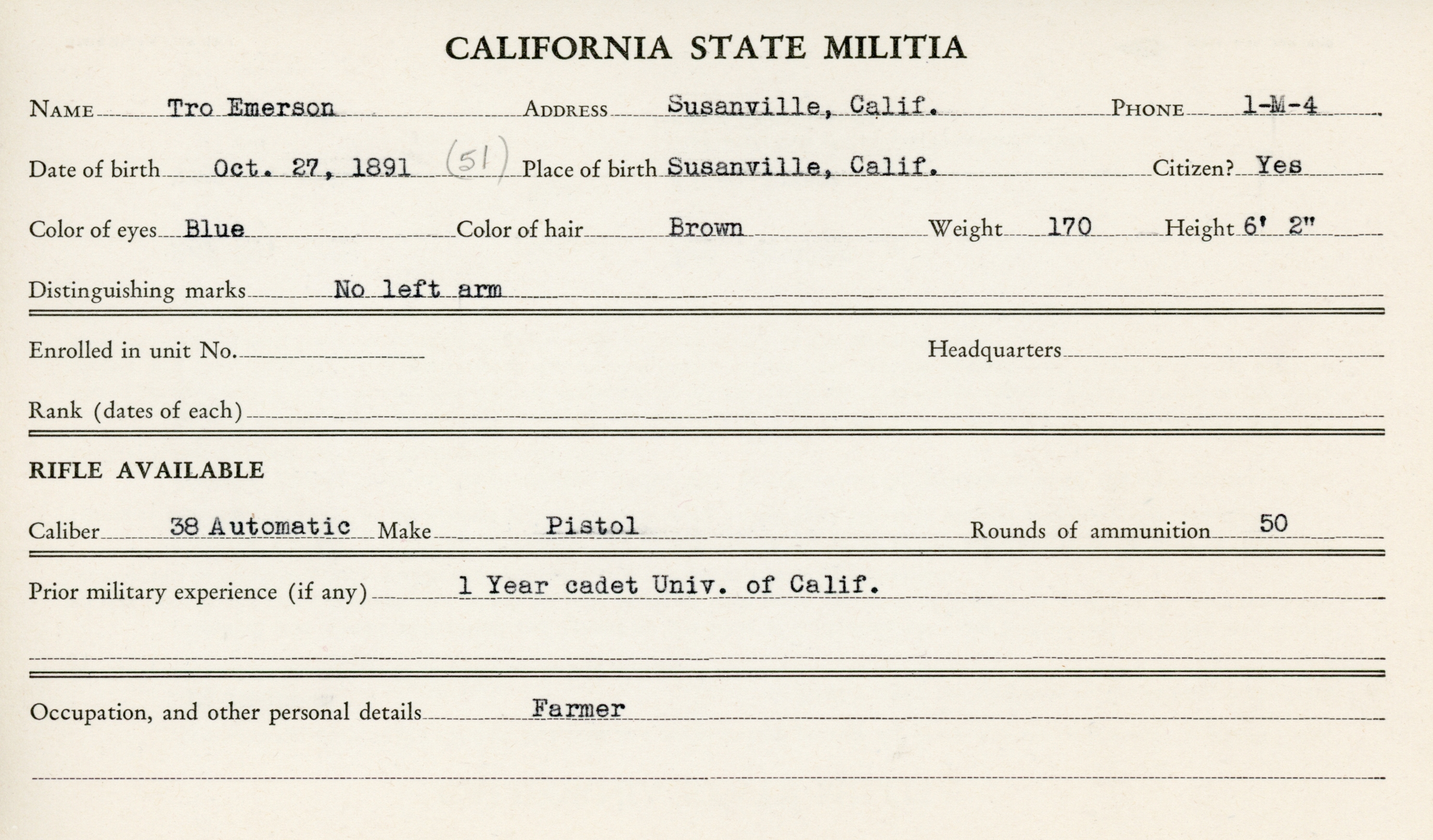
On May 20 1942, the first organization meeting was held in Susanville. Local units were created for Susanville, Bieber, Doyle, Janesville and Standish. By the first of June, the Susanville Militia had 70 members. It became known as Thomas Tucker Militia—named after Thomas Tucker the first casualty from Susanville in World War I. Fortunately, this volunteer force never had to be activated. At the conclusion of the war, each individual’s enrollment in the militia was automatically cancelled.
Look east on North Street from Weatherlow during the 1938 flood. Courtesy of Betty Barry Deal
The history of this street, is a bit odd, when compared to the city’s oldest avenues. The name is a bit of a paradox, the street runs in a east-west direction. Folklore has it, it was so named “North” because it was the most northernmost street. However, when one examines the original town plat of1863, that is not the case. Willow Street which is one block north of North Street, was initially the most northerly street at that time. In addition, when North Street was laid out, it ended at Weatherlow Street. In 1910 it was extended to connect with Hall Street.
Lassen County Courthouse and Hall of Records, 1908–David Zoller
On June 18, 1864, the County of Lassen purchased Block 22, in Susanville for $100 from Isaac Roop. It was the only block on the south side of Main Street that was not subdivided into lots. It should be noted that many lots on Main Street sold for more than $100. In many ways it was a fair price. It did contain a stipulation that should the county no longer use it for a courthouse that the property would revert to Roop or his heirs. This was not unusual, as a number of school properties such as Lake and Willow Creek contained such stipulations, but when those properties were no longer used for their original purpose the stipulation was ignored. However, in the late 1970s Lassen County acquired property on North Mesa Street, in Susanville, as a possible new County complex site. When the courthouse stipulation was revealed it brought about some palace intrigue, especially since heirs of Roop still resided in the community. However, the Mesa Street proposal would be abandoned, thus ending that debate. The county could have challenged that stipulation and would have won, because Roop never owned the property in the first place. More about that later.