Tag Archives: Susanville

An Interesting Fire Editorial

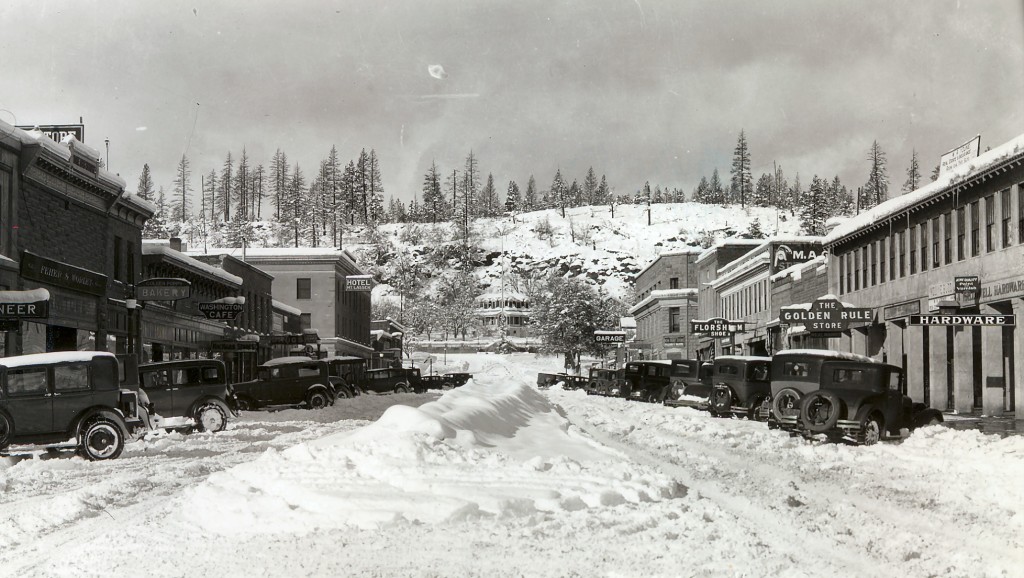
Main Street, Susanville, 1927. Note you can see where the fire burned above the Elks Lodge.

In June 2021 I wrote about a forest fire of 1926 that threatened Susanville, when it jumped the Susan River and spread to Inspiration Point.On July 2, 1926 the Lassen Mail had an editorial “Fire Danger Is Concern of Everyone.” Since it is that time of year when fire danger increases, I thought I would share the newspaper’s observation.

”During the closing days of June Susanville faced conditions that do not usually obtain until August. These conditions will become worse as the season advances and it will require the utmost care on the part of everyone to protect property interests. So far as the town of Susanville is concerned it is now reasonably  well protected from fires that might sweep in from the surrounding hills. But the wealth of Lassen County lies in her forests and these forests are at the mercy of the camper and the tourist.

”The state forestry department should see that a competent fire warden is placed in charge of the Susanville district. He should be a man who realizes the importance of his position and who has the necessary experience. During the past week more damage was done by back fires set by incompetent persons than was done by the original fire. The fire that destroyed Red River timber and finally crossed the Susan River and threatened the town of Susanville was a backfire set by one of those incompetent people that got way beyond control and made the situation worse instead of better.”
Support

C.D.F.’s New Heaquarters

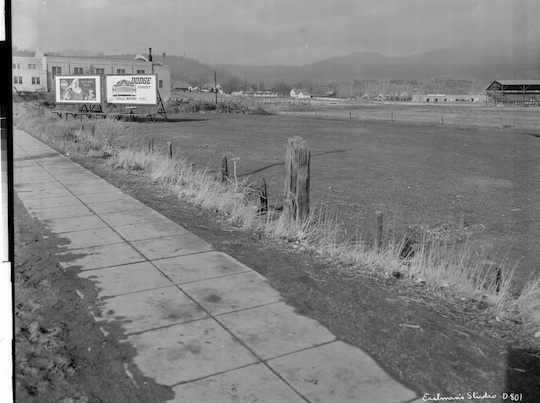
A partial view of the lot at Main and Grand, Susanville.

California Division Forestry, local manager, William Mann announced that in the fall of 1946 that $35,000 had been allocated to establish a local headquarters. They had bounced from place to place and at the time were located near the Lassen County Hospital.

Of course, there is always a decision to locate a permanent site. They studied two options. The first was the corner of Main and Grand Avenue. Some thought it would compliment the adjoining Memorial Park that was underway. The other was a five acre parcel just west of Susanville along Highway 36. This option was hard to resist as it was available to the forestry division for free. That sealed the deal and construction began in the spring of 1947. It is interesting to note in 1916 it was the site of a state prison labor camp for the construction of Highway 36.

Tim

Susanville Bans Fireworks

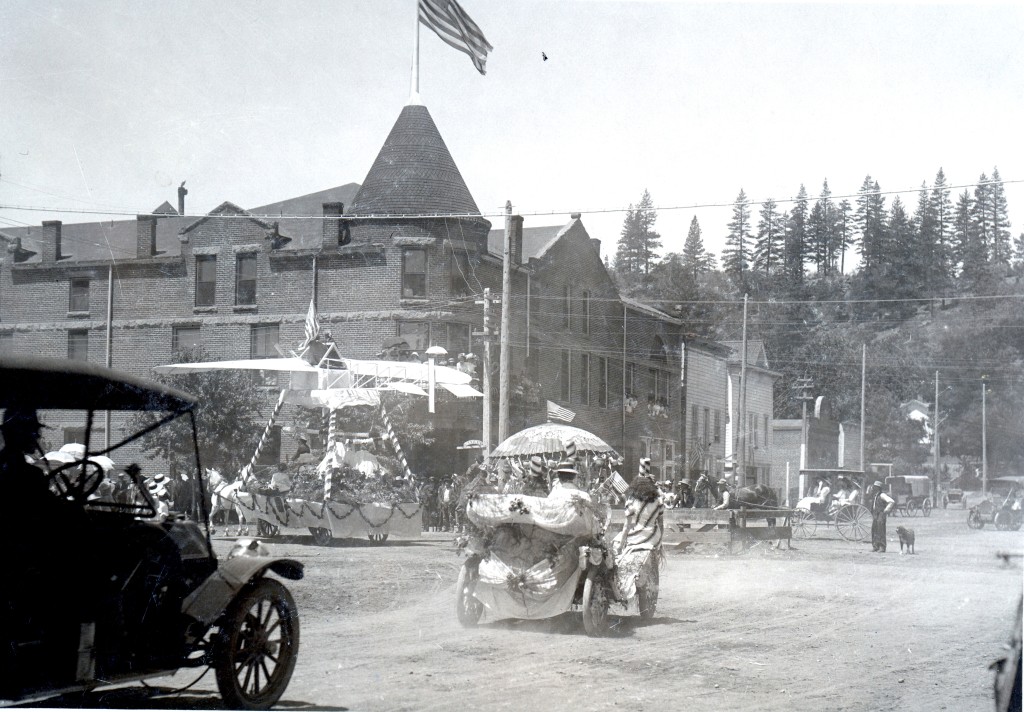
4th of July 1907, Susanville. Courtesy of Lola L. Tanner

Note:  This is a perennial post, because in a rare instant, it is a viewpoint that has merit. After all, in the last two years between the Dixie and Sheep Fires portions of Susanville have experienced evacuation warnings.

In Susanville’s early years as an incorporated city, it was remarkable what the council did. One of their actions, I still support today, and that is the prohibition of fireworks. The first time they banned fireworks was in 1906, following the aftermath of the San Francisco earthquake and fire. It was also a nod to the insurance companies who suffered tremendous loss from that event. It was their belief, as well as many other communities, that this preventive measure would reduce the risk of fires.

In 1912, the City once again banned fireworks. The Lassen Advocate applauded the city and wrote: 21 June 1912 – “No Fireworks on the Fourth. We desire to congratulate our Board of Town Trustees on their action in placing the ban on all kinds of fireworks on July 2, 3, and 4. This action has been taken by large and progressive cities for years past, and we are greatly pleased to note that the smaller places are falling into line. Fireworks do no good and may do a world of harm. Fires may be started that will blot out blocks of cities or towns; little boys and girls all over the United States have lost fingers, hands eyes and in many instances, their lives from the dangerous pinwheel and firecrackers. Let them yell all they will, let them spend their money for ice cream, candy—anything on earth but the fireworks.”

In 1916, the Monticola Club appeared before the Susanville City Council asking for a ban of fireworks for the 4th of July. Their answer was no. The council assured that the utmost care would be done, but they were not going to deprive children of the festivities. In 1926, due to the tinder dry conditions,  the City banned fireworks for fire, health and safety reasons.

Spread the word, and encourage a friend to subscribe

The Smith Brewery Opens Again

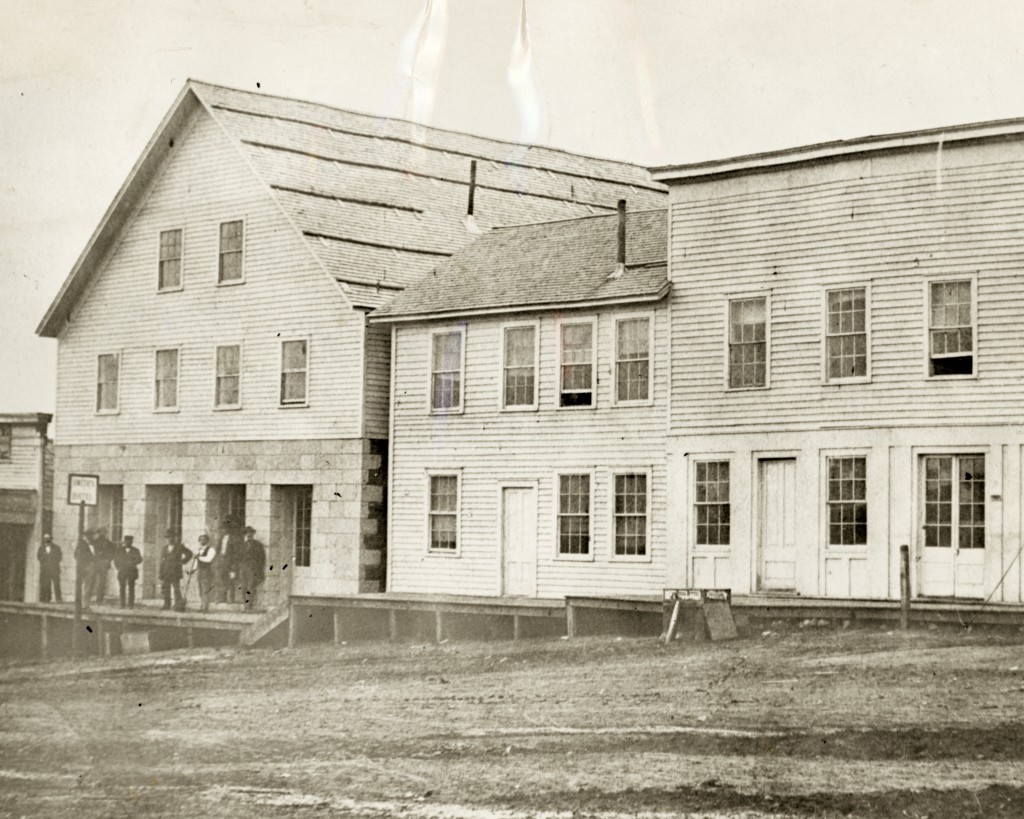
Smith Hotel, circa 1880. Courtesy of Verna M. Wood

During the late 1800s, Susanville had anywhere between one to four breweries at any given time. In the fall of 1864, German immigrant Jacob “Jake” Smith* opened his first of many breweries in Susanville. When he opened a particular brewery on May 27, 1879, he was met with some resistance.  At that time, a group of women formed a “temperance society” to educate the young people of the area the “evils of alcohol.” At this same time, Smith along with his wife Sophia, operated a hotel on Main Street, that was destroyed by fire in 1882.

*The actual spelling is Schmitt.

Tim

Go Greyhound

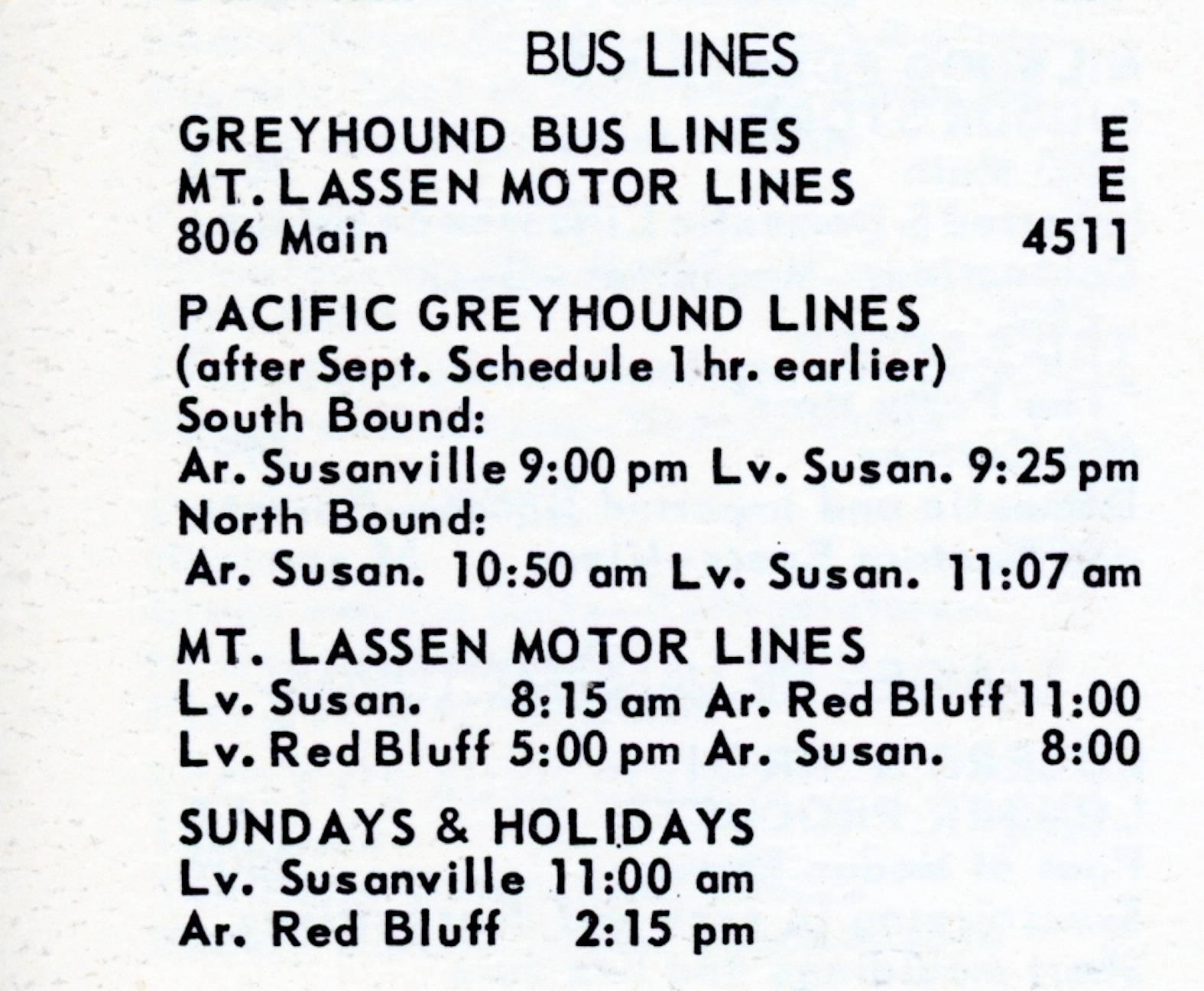
1956 Susanville Greyhound schedule

A reader wanted to know if Susanville was ever served by Greyhound Bus Lines. The answer is yes. However, my knowledge of its operations is extremely limited. Greyhound probably began service in the area by the1950s. Some time in the 1980s, it probably ceased. The last location was on North Sacramento Street across from the T&A. The agent then was Nels Wilhelm. If anyone can shed more light on this topic, it would be appreciated.

Tim

Some Early Susanville Rotary Club Tidbits

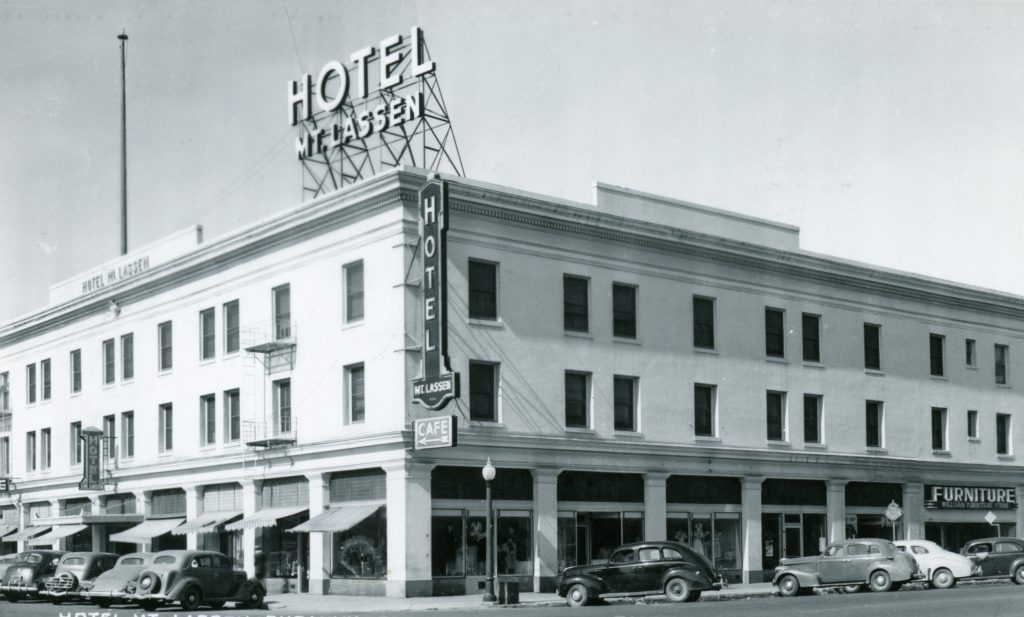
Hotel Mount Lassen

Susanville Rotary Club received its charter on Saturday. May 15, 1926. There were twenty-one charter members: M.D. Collins, Harry S. Coleman, Robert M. Cook, Henry M. Elliott, Dr. Gordon R. Fortson, Thomas E. Hunter, Hans P. Peterson, Arthur J. Mathews, Harry A. McBride, Charles McGowan, James A. Pardee, E.L. Shirley, Ernest W. Smith. John B. Spalding, John J. Woodward, Frank H. Bangham, Thomas W. Blight, Charles H. Bridges, L.R. Cady, B.D. Cardinal and Frank Coffin.

The following Wednesday the Rotary Club held its first luncheon meeting. There were a few kinks. Of the seventeen members present, they gathered at the Republic Grill on South Gay Street for lunch. Afterwards, they proceeded to walk one block up to the Hotel Mt. Lassen for the business portion of the meeting. It was their intention to hold the luncheon meeting at the hotel. However, the hotel was still under construction, and while portions of the building were completed, the kitchen was not. A temporary solution was found were the luncheon meetings were held in the basement of the Methodist Church, with the women of that church doing the cooking and serving. This situation lasted a little bit longer than anticipated, since the Mt. Lassen Coffee  Shop did not open for business until July 20, 1926.

Tim

Susanville Fire Department Turns 100!

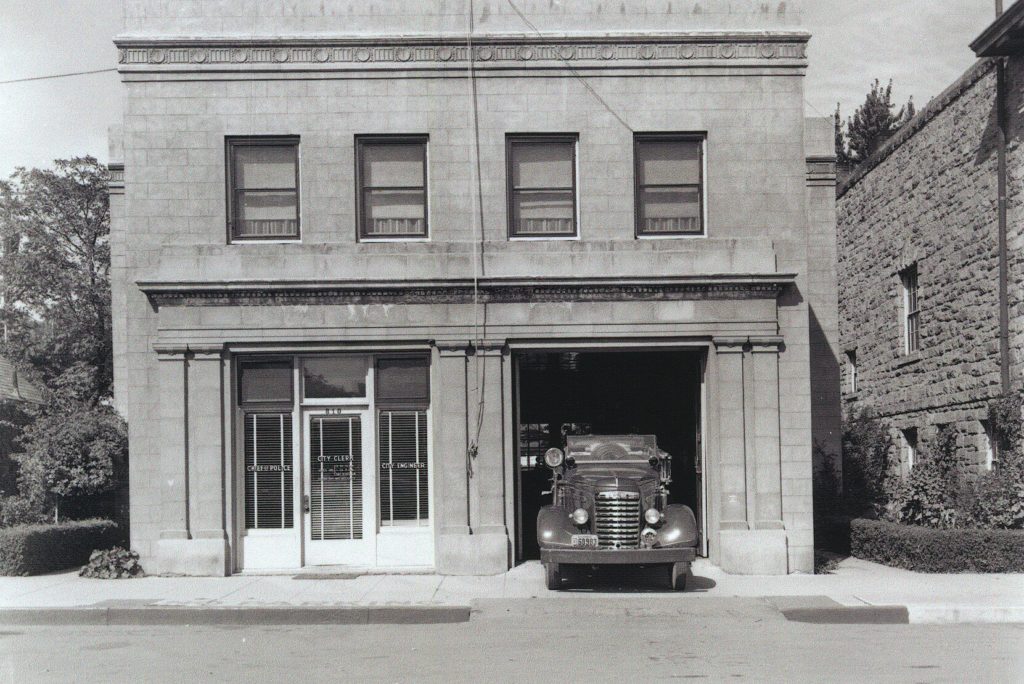
Susanville city/fire hall.

Fire and fire prevention played a pivotal role in the development of Susanville. It was fire after all, why the city was formed. The original city/fire hall was a tall wooden structure that was destroyed by fire on November 7, 1921.

At the same time the City Council was dealing with a pressing issue with Fire (Insurance) Underwriters had proposed a hefty increase for insurance premiums of property inside the city limits. The Underwriters two main concerns the water mains were insufficient and the lack of an adequate fire department. The City addressed and worked with Frank Cady, owner of the local water company, to fix that problem.

On May 9, 1922, a newly re-organized Susanville Volunteer Fire Department was created. It initially consisted of five men:  H.W. Wharton, Uel J. Travis, Ted Murphy, John Greig and Walter Agee. Baldwin was named fire chief. One of their first priorities was to recruit and train volunteers. More progress was made that year with the purchase of an American LaFrance Fire Truck.In addition,  a Gamewell fire alarm system was installed throughout the town

In the fall the Board of Fire Underwriters representatives came to Susanville for inspection. While they were pleased with the improvements, there was one additional requirement—a paid fireman. The City obliged and hire Walter Long at $125 a month. The hard work paid off, instead of an increase on fire insurance premiums they were reduced by 10 percent.

Support

.

A Susanville Chain Store Story

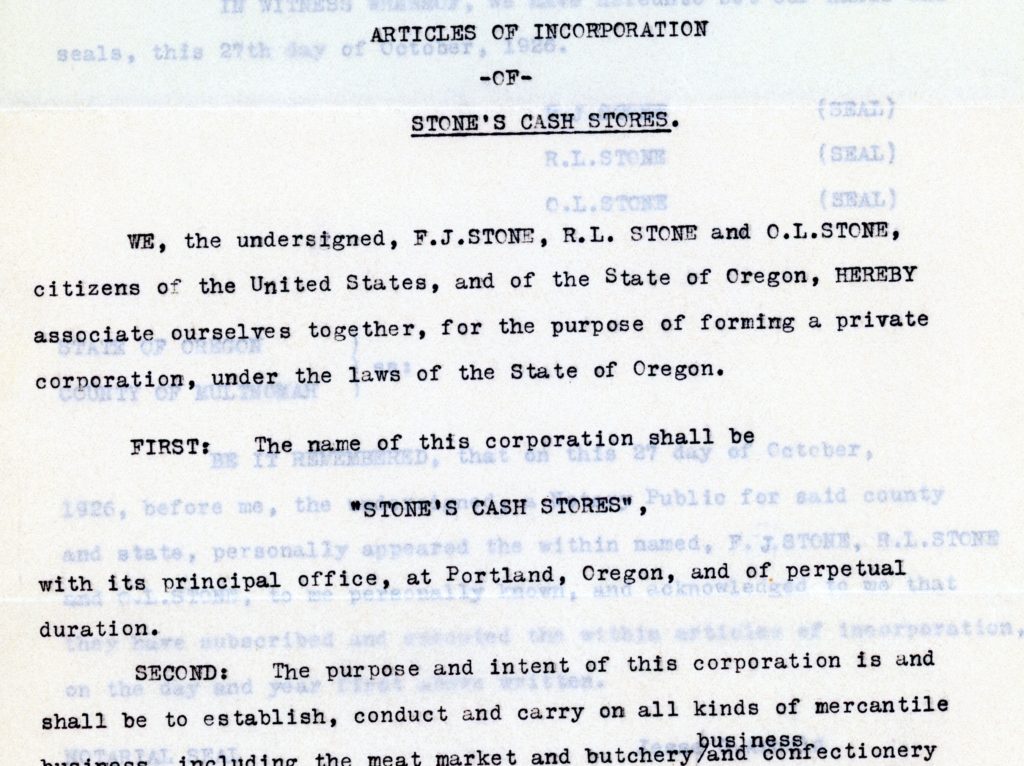
Articles of Incorporation

Many people are indifferent about chain stores, and then there are those who think they are wonderful, and the other camp that truly despises them. In the 1920s, with Susanville’s tremendous population growth, chain stores emerged on the scene. While the old established merchants were not thrilled, the Susanville consumer enjoyed a broader selection. The first chain store to enter the Susanville market, was a Wyoming outfit known as Stevens Store Company and in 1929 it became. J.C. Penney.

Enter R.L. Stone, who had a different approach for shopping in Susanville. Cash and Carry.  It should be noted it was rather customary of merchants, to allow their customers to charge their purchase. It was a risky endeavor at times for the merchant to recover those charged accounts. Stone’s concept a reduced price, but be paid in cash, no credit. It worked beyond expectations. It was in November 1923 when Stone opened his first store in the T.H. Long building. With his brothers they opened additional stores. By 1927, when they incorporated as Stone’s Cash Stores they had nineteen stores in California, Oregon and Washington. In 1929, Stones merged with another chain store MacMarr.   In 1934, Safeway acquired MacMarr.

Support


Susanville Fire District

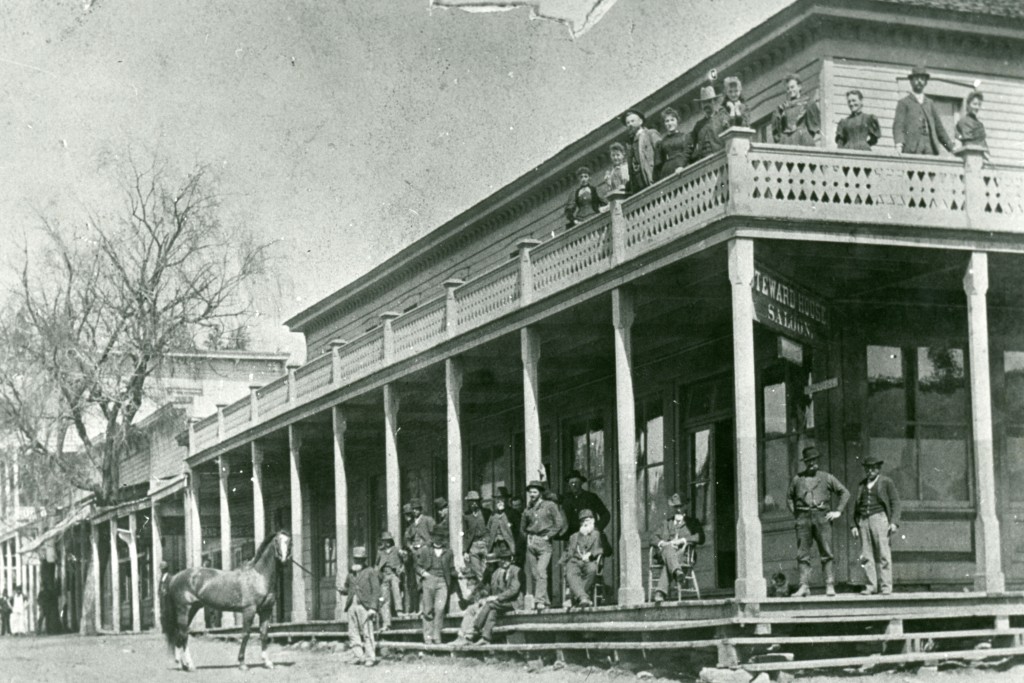
Stewart House
Susanville’s Stewart House, 1881.  Courtesy of Dallas & Joyce Snider

In the spring of 1881, Alex Arnold, owner of the Susanville Water Works, made an offer to the business community for fire suppression. He proposed to install a six-inch pipeline from his holding tank at the west end of town run the entire length of the town’s Main Street at that time (Pine to Weatherlow). In addition, four or five fire hydrants would be installed.  The estimated cost was $1,000. Arnold asked the businessmen to purchase it. In return, he would provide free labor to install the pipe and hydrants. In doing so, this would reduce insurance rates and they could quickly recover the costs.  They bickered about the costs, and nothing was done.

Fast forward to 1884, after three disastrous fires, the Arnold pipeline proposal was resurrected. Even with the pipeline there was another fire suppression cost—equipment. A hand engine (hose cart), hose and cisterns would cost $800. In April 1884, a petition was submitted to the Lassen County Board of Supervisors to form a fire district for the Susanville Township. On May 6, 1884, the Susanville Fire District was formed.

One of the first order of business was a special election for a proposed tax assessment. That was held on May 24, 1884, and it was approved 67 to 9. By late fall, with money in hand, the Arnold pipeline proposal was in earnest. On January 5, 1885, was a historic day in the history of fire suppression for Susanville.  The fire hydrants were in place and the hose cart arrived. It was time to test the new system. It worked. The water pressure from the pipeline allowed the volunteer firemen to shoot water over the two-story Steward House Hotel, the town’s tallest building.

Donate

An Attempt to Reroute the NCO Railroad

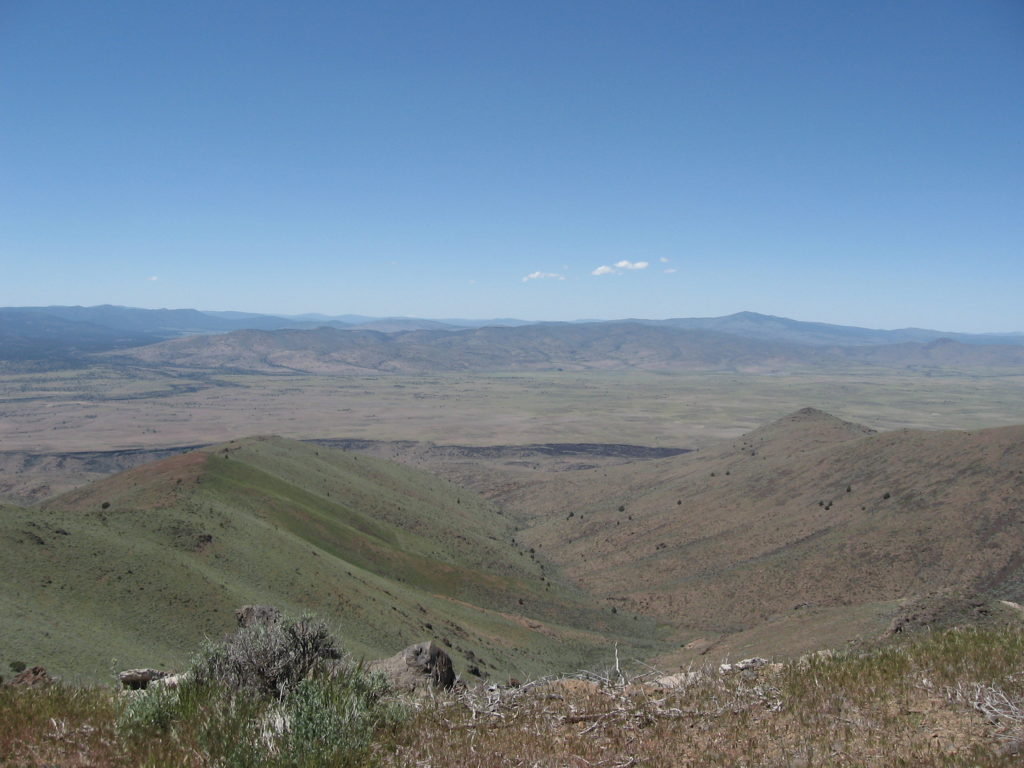
A view of the Tablelands in the distance from Shaffer Peak.June 13, 2018

Susanville and the Nevada-California-Oregon Railroad (NCO) had an awkward relationship since the railroad’s inception. At first it was idyllic as the initial railroad survey would enter Susanville. Then things deteriorated when in 1887, the NCO decided to bypass the west side of the Honey Lake Valley, to the remote east side of the valley.

The strained relationship never improved. In 1899, when NCO extended its line north to Hot Springs Station (Wendel) Susanville residents reached out to the NCO with a proposal. They tried to persuade NCO officials to build a feeder to line Susanville. They cited the potential to tap the vast timber resources to the west. The answer was no. However, if the residents wanted to finance it at a cost of $100,000 the railroad would be agreeable. That was not going to happen, since the community could not even raise $500 to build a town hall.

Fast forward twenty-one years later. The NCO was in financial shambles. In 1917, it sold the southern segment of its line from Hackstaff (Herlong) to Reno. In 1921 the NCO petitioned the Interstate Railroad Commission to abandon its line, due to substantial operating losses. After several public hearings the commission denied the request. It said the railroad could reduce its costs by operating a tri-weekly service instead of daily, eliminate the president’s $10,000 a year salary and close its New York office.

Ironically, Susanville once again courted the Morans, owners of the NCO. This time it was Russell Brownell of the Lassen County Chamber of Commerce who spearheaded the movement. He wanted the NCO to reroute its line from Snowstorm across the Tablelands to Belfast thence to Susanville as the terminus. This would provide Susanville with an alternate railroad to serve the northern sectors. The plan received wide spread support, and the Fruit Growers Supply Company donated its services and surveyed the proposed route.  However, the NCO’s president, Charles Moran balked at the idea. Brownell informed Moran that if Susanville was the terminus it could double that line’s tonnage, and save the financially troubled railroad. Brownell died suddenly in January 1923, and with his death the proposal also died. In February 1923, Moran changed his mind and said he would like Susanville to be terminus, but the railroad could not finance it. It was a costly delay on Moran’s part, since the old offer was no longer valid.

In 1925, the NCO entered into an agreement to sell the beleaguered line to the Southern Pacific. In 1926, Lassen County officials approached Southern Pacific with Brownell’s proposal, though it went nowhere.

Donate