Tag Archives: Susanville

Susanville’s First Marijuana Bust

Susanville Depot, 1970.

Since the topic of cannabis is on the ballot in Lassen County, I thought some historical perspective might be of interest.

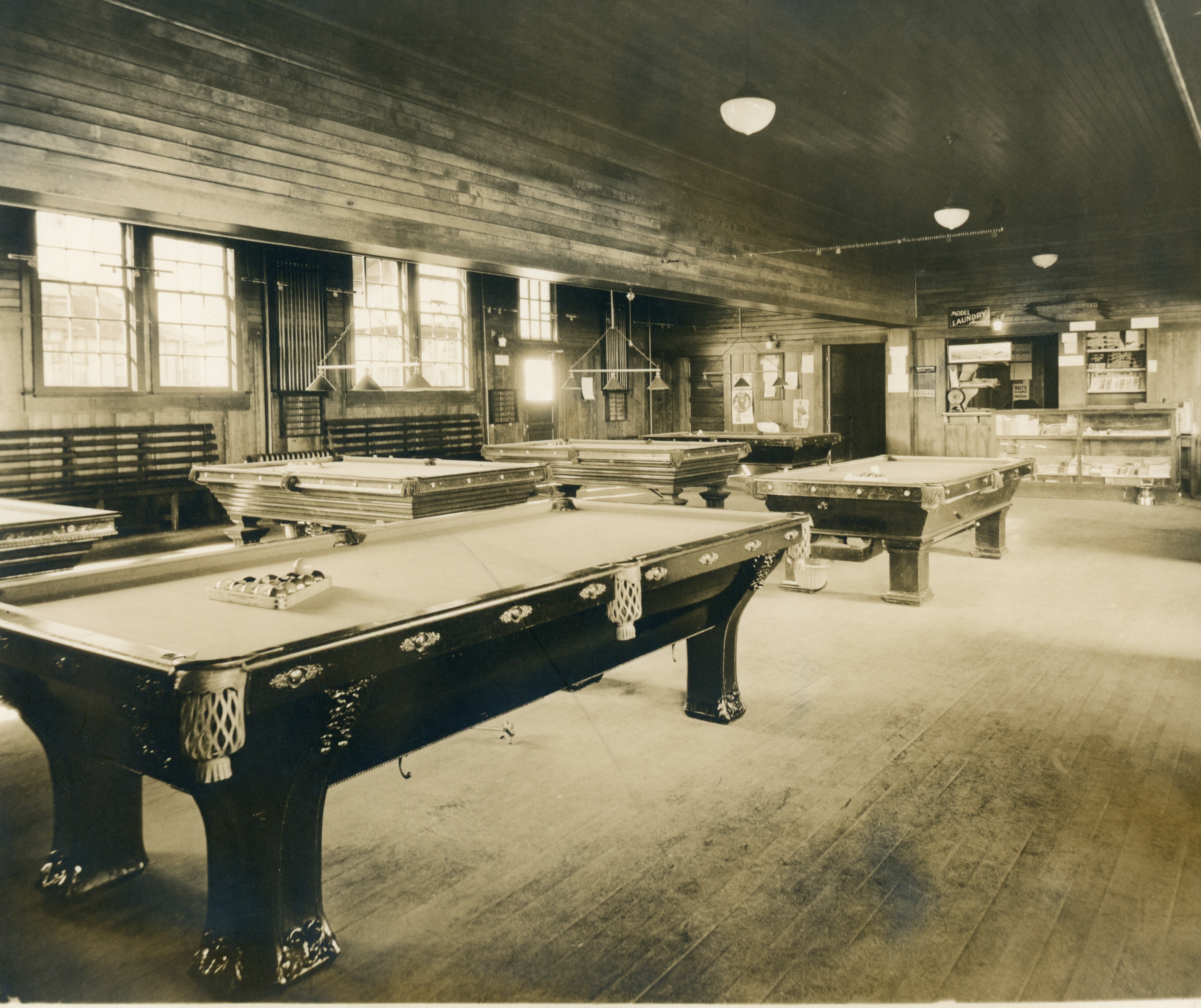
The headlines news on the front page of the Lassen Mail of November 23,1928 “Dope Plant Grown In Susanville.” The discovery was made by Sheriff Jim Leavitt, when investigating a dance at the Brunswick Pool Hall across from the Susanville Depot. Leavitt confiscated ten kegs of whiskey and ten pounds of marijuana. In addition, the owners of the Brunswick, Emma and Pete Ovalle were arrested on a narcotics charge for the possession of marijuana, besides the alcohol charges.

Marijuana was something new to the residents. The local press described it as a Mexican tobacco that is smoked like a cigarette, and said it has an exhilarating and soothing effect for the smoker and can also make on feel “goofy.”

The next day, officials conducted another search of the premises surrounding the Brunswick Pool Hall. They found marijuana being grown along the Susan River. It was determined that the marijuana grown there did not contain the elements of other varieties found in tropical climates. In addition, it was asserted that even if one smoke a ton of marijuana grown locally, it would not produce any kind of “kick.” Due to those circumstances, the narcotics charge against the Ovalles was dropped. As to the illegal alcohol possession they pled guilty and paid the $300 fine.

Donate

Local Dollars, Local Sense

Main Street, Susanville, 1925

From time to time there is some local banter about Michael Shulman’s book Local Dollars, Local Sense. The gist of it if everyone invested just one percent of their money locally, it would greatly enhance the local economy.

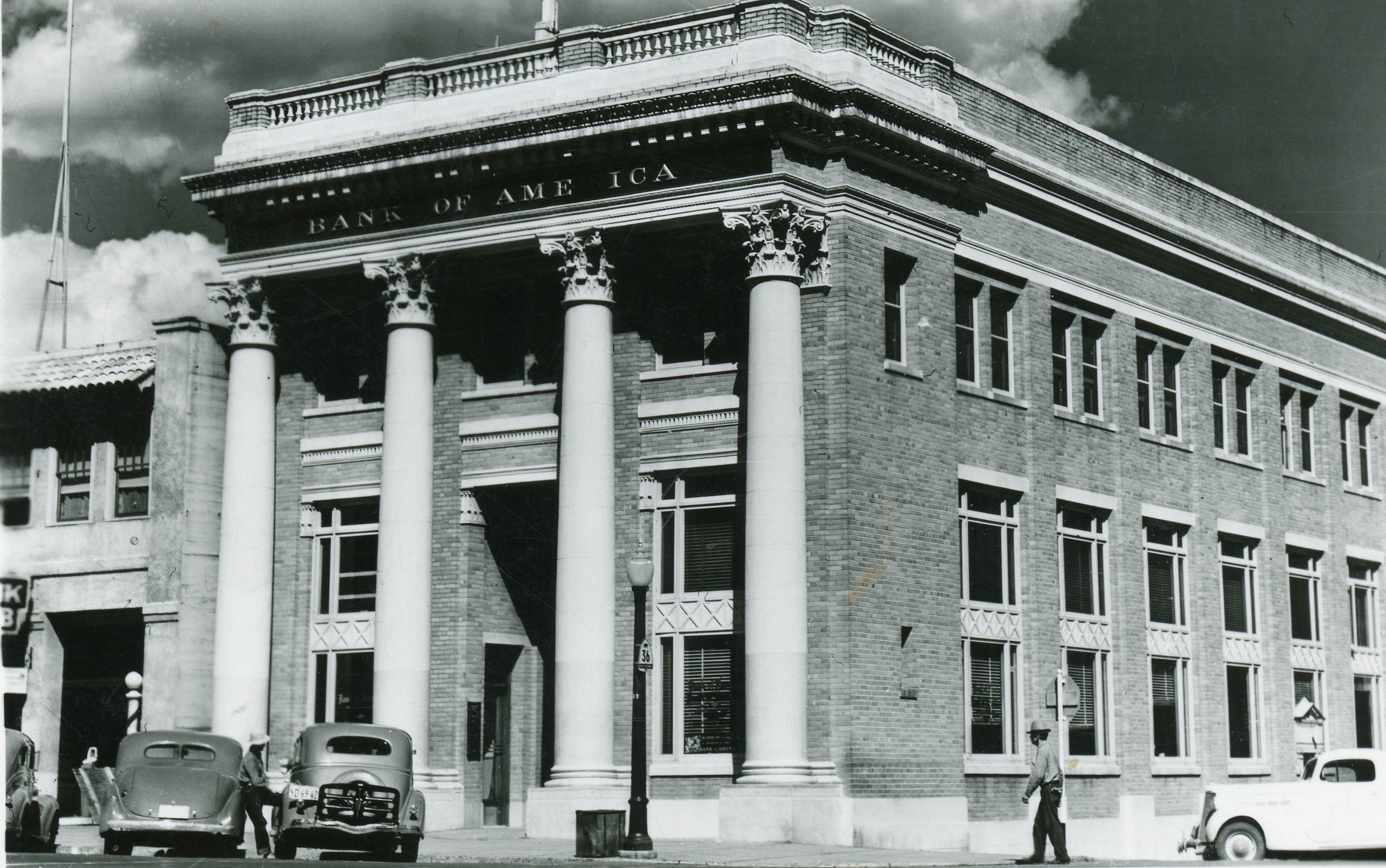
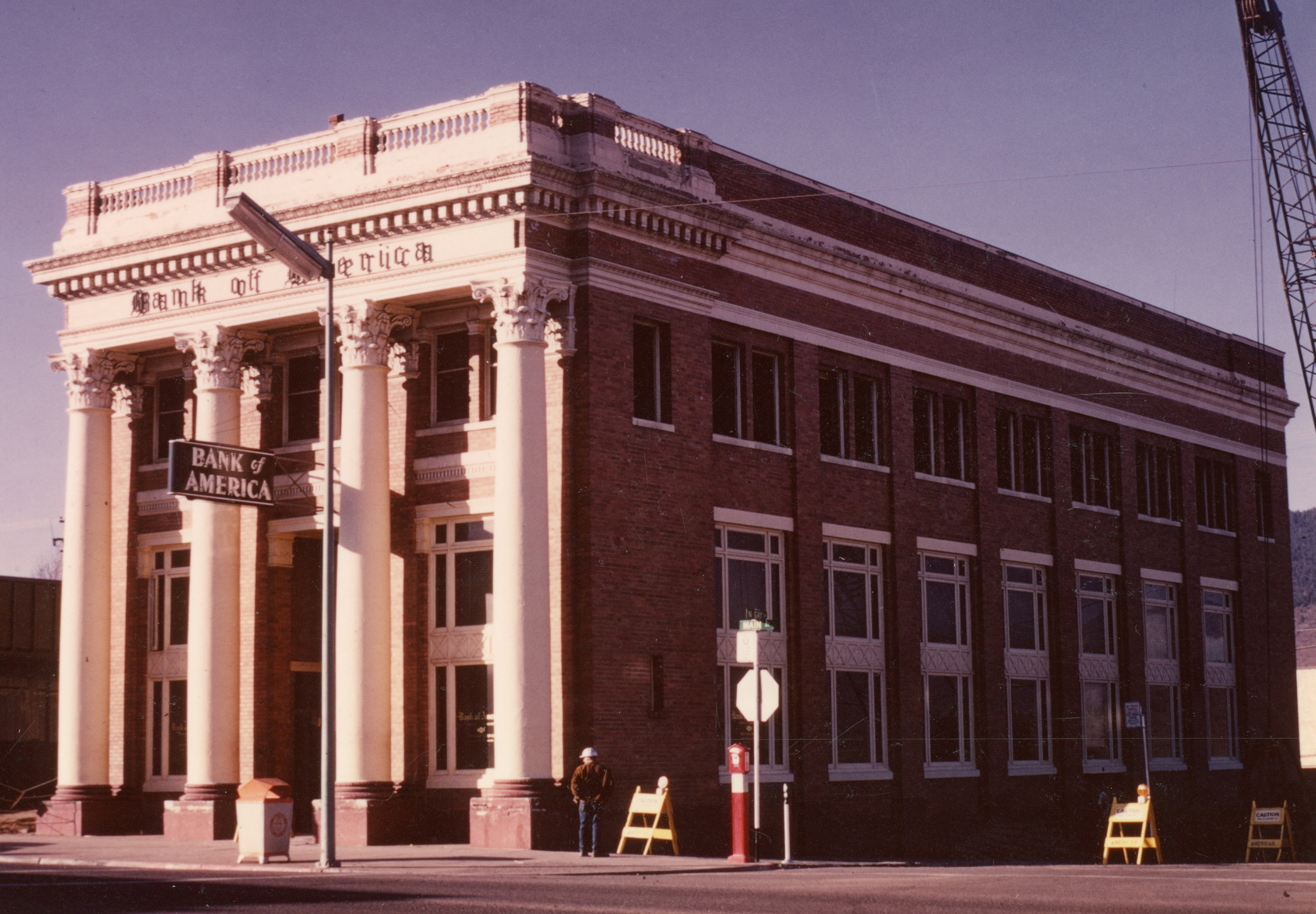
A century ago, that was certainly the case locally. At the same time, this is when chain stores were opening in Susanville. Some held the opinion that these stores were a “menace” since their profits did not remain in the community. It should be noted the town’s two banks, Lassen Industrial Bank and the Bank of Lassen County were local institutions—they had a vested interest in the area’s economic prosperity.

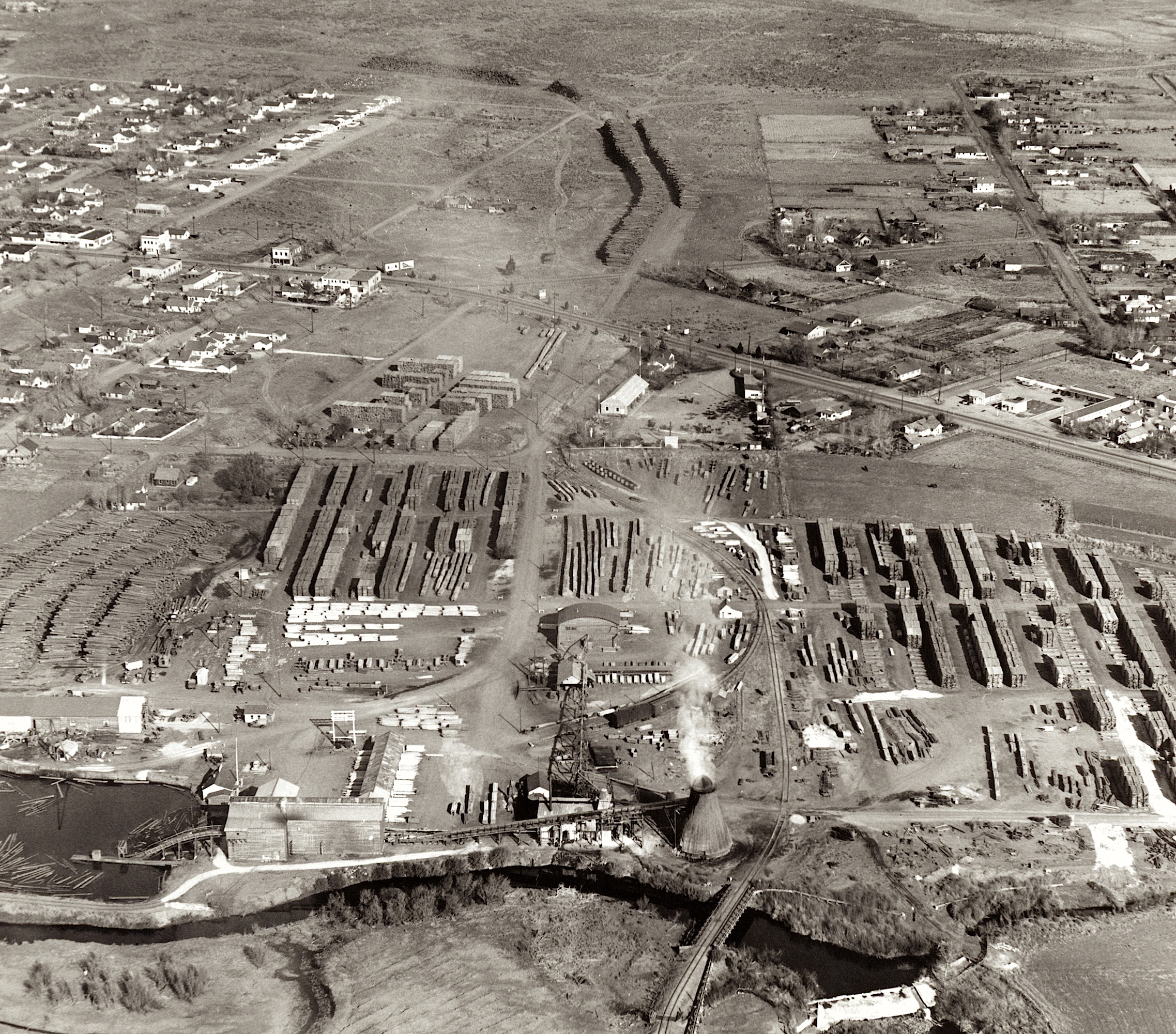
It is also noteworthy how the citizens, raised funds as incentives to have the Lassen Lumber & Box Company and Fruit Growers Supply Company establish their lumber mills in Susanville. For Lassen Lumber the citizen’s offer was a 40-acre mill site, with water rights and $8,000 cash. For Fruit Growers 243 residents pledged a cash bonus of $41,130. Both investments paid off handsomely for the community.

Tim

Lincoln School Remodel

The Lincoln School Remodel—Lassen Advocate, November 21, 1975

At the end of the 1966-67 school year, Lincoln School was closed, being replaced by the newly constructed Diamond View School. For a brief time Lassen College used the facility while its new campus was under construction.

In July 1975, Victor Bullard of Placerville purchased the shuttered Lincoln School.  Bullard had the building remodeled. An addition was made to the front of the building, replacing the old exterior staircase. On December 1, 1975 the Eagle Lake District of the Lassen National Forest became the new occupants of the building. Previous to this, the District’s office was located in the former Paul Bunyan Lumber Company office.

Lincoln School
Lincoln School, 1924

Tim

Before Go Fund Me & Venture Capitalists

Stock Certificate issued to Wes Emerson

Over a century ago, it did not take much to form a corporation. Many of the Articles of Incorporation consisted of two pages. In the Lassen region numerous small companies incorporated and by today’s standards many would be deemed a non-profit. This was the preferred method then to raise money by the sale of stock. Some ventures succeeded, while others did not.

Take for instance in 1899 a group of local leaders formed the Susanville Hall Association. This they thought was needed since there were no public halls. It was their goal to sell $5,000 in stock. They did not succeed and their initial offering only netted $450.

Standish Hall
Stock certificate courtesy of Dick and Helen Harrison

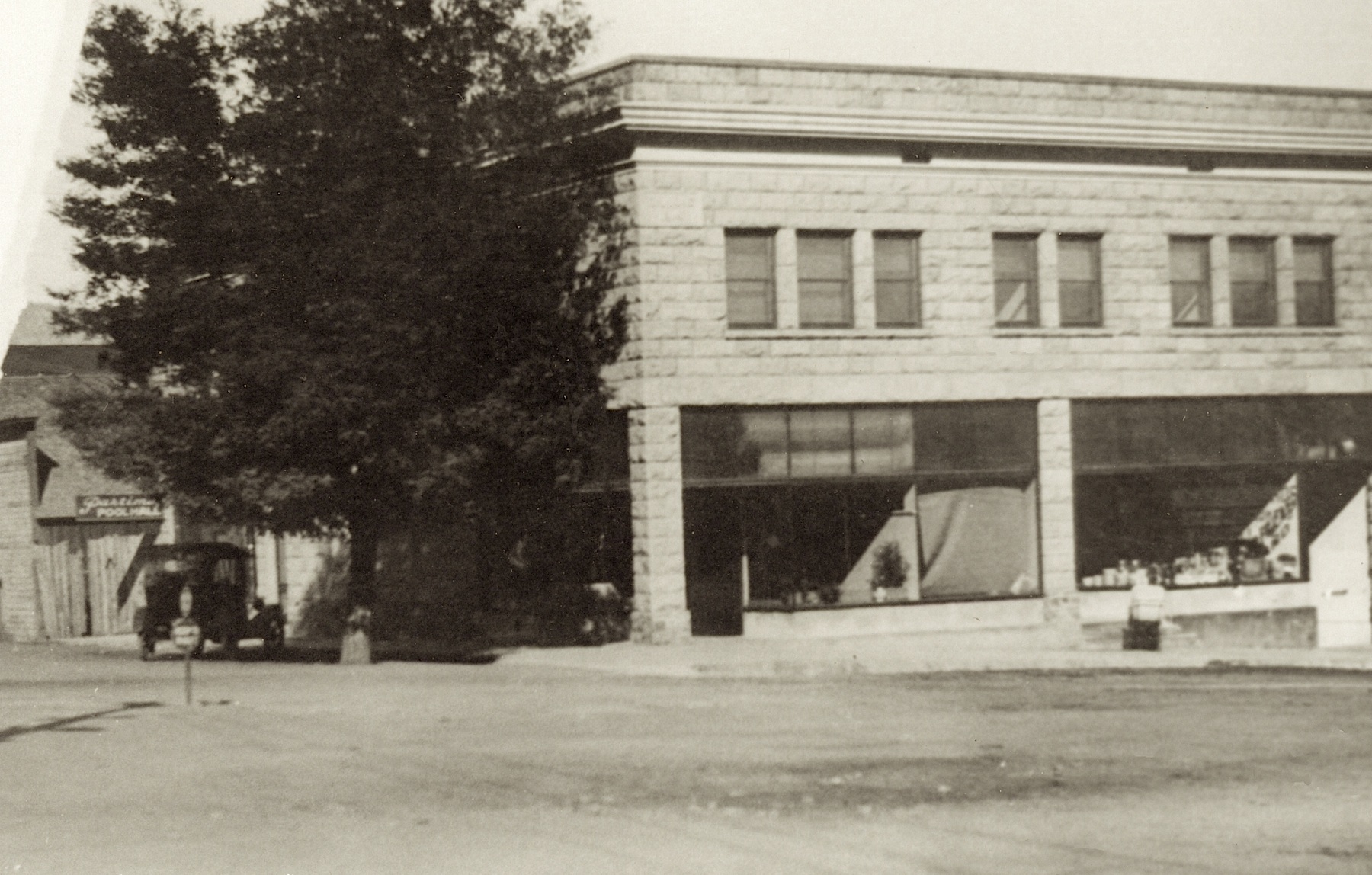
In 1908, the Standish Hall Association was successful. Seasoned residents will know the building as the former Neil’s Mercantile. It is the vacant two-story building on Highway 395 and to the west is the Wayside.

The Standish store, no date. Courtesy of Camilla Moody.

By the 1920s, the practice of forming small corporations was declining. The Susanville Country Club that purchased the Wingfield Estate was successful and then there was the Susanville Hotel Company, i.e., Hotel Mt. Lassen that turned into a messy affair.

Support

Susanville Propoganda, 1956

Susanville, circa 1950

The following is an interesting description Susanville that appeared in its 1956 business directory. Thought some might enjoy.

Welcome to Susanville—A City of Uncomplicated Living. A beautiful. modern little town nestling under the bluffs of Inspiration Point, surrounded on three sides by towering snow clad peaks, is bisected by the clear bubbling waters of the Susan River. Located on State Highway 36 at the intersection of U.S. Highway 395, 35 air miles west of the Nevada border and equidistant from the Oregon border and the elbow bend in California.

To the north, south and west of the city is the land that traveled Californians love. All the mystery, legend and folk lore of the romantic, the startling and the beautiful lies just over the hill from Susanville. You don’t have to wait to reach Lassen Volcanic National Park, nor the Feather River Canyon; as the fabulous wealth of breath-taking beauty that abounds in the myriad lakes, streams and timber bordered meadows start practically at our city limits.

To the southwest we have Honey Lake with its miles of green plain, beyond which lies the sage brush country Zane Grey loved to describe. We are doubly blessed with the wide open plains, and wide open mountain roads where we can pull off the road of any favored scenic spot.

Join us in this country where the water tastes like water and not like liquid from the test tube of a disgruntled chemist; a land where your nerves get a chance to breathe, and where your only road reads “Watch for Deer on the Highway.” That’s Susanville, California.

Tim

A Unique Financing Strategy

Main Street looking east, 1922—Jere Baker

Today, something on a lighter note, though the issue was a serious one. A century ago, the City leaders were a progressive lot. One item they sought was to have paved streets and sidewalks. This was an expensive proposition, and would be paid by a special tax assessment on the property owners. Of course, not every one was thrilled. However, one clever resident suggested that Susanville adopt the City of Redding’s policy of imposing heavy fines on speeders. A speeding ticket in that City cost $10. Since speeding was a problem in Susanville, the collection of hefty fines could easily pay for the sidewalks!

Tim

An Early Day Dentist Bill

Doctor Deacon’s dentist bill for the Emerson family 1903-04

Believe it or not, over a century ago many professional occupations such as dentist, doctors and lawyers struggled financially. While compiling the history of the northern California operations of Fruit Growers Supply Company, I met Tom Gilfoy who illustrated that aspect, In 1950-51, Tom attended Lassen Junior College. He would spend the next two summers working in woods for Fruit Growers Supply Company. He said he made more money during those summers, than he did his first few years as an attorney.

Anyhow, when I had request for information on the Emerson Ditch, I knew it would require sorting through the Emerson files in my archive. While I did locate information on the ditch, I found an assortment of interesting documents.

Dr. A.P. Deacon was a Susanville dentist in the early 1900s. His office was located on the first floor of the Lassen Street side in the Emerson Hotel. Like his fellow predecessor, Dr.J.G. Leonard, whose home would later become the Elks Lodge struggled with patients for payment of services rendered. This had a ripple effect wherein Deacon fell behind on his rent payments with C.E. Emerson. In 1904, he moved his practice to Willows, California and the prospects there were not any better. Unable to make a payment to Emerson, on August 31, 1905, Deacon wrote this letter;

”Friend Charley – Tomorrow is the date that the first of my notes [promissory] is due, but I am very sorry to say that I am unable to pay it at present. I will, however, send you whatever amount I can spare each month, until I am out of your debt. Thank you very much for your opinion of me, if some of the people up there would make an effort to pay me that I do to pay my bills, we would all get along much better. I have the highest regard for Dr. Dozier as a man could be, of course he had his faults, but then none of us are perfect, and I sincerely hope that he has cut out the booze and his former type of companions, and is doing well. Everything is quiet here, but the prospects are good. “

Support

C.T. Emerson, An Early Day Vagabond

Charles T. Emerson—Hayden Emerson

Charles Thomas Emerson (1836-1917) led a colorful life. In 1859, the Missouri native, along with Colburn Brown arrived in the Honey Lake Valley and claimed some 1200 acres in what was known as the Tule District. While residing there, he earned the nickname “Tule”.  1862 was a pivotal year for him. His partner, Brown, returned East to fight in the Civil War, who would become a casualty the following year. Emerson that year purchased a combine mower and thrasher one of the first in the Honey Lake Valley. He named his place the Eureka Ranch, but seasoned residents will know it as the former Gibson/Haley Ranch east of Litchfield. On March 29, 1865, Emerson filed for water rights and easement for an eight mile irrigation ditch, that he constructed that year.

Things change. The bachelor married divorcee Mrs. Sarah Laird on January 1, 1867. The following year, he mortgaged the ranch and built a hotel in Susanville on the northeast corner of Main and Lassen Streets (701 Main Street). In 1869, Emerson threw caution to the wind and set out for the booming mining camp of Pioche, Nevada, leaving behind his wife, and infant namesake son, Charles. It was a bust for him, but instead returning to his family in Susanville, he set his sights on Mexico. Of course, there were consequences for his actions. His wife was granted a divorce on the grounds of desertion, and he lost his ranch by default for non-payment of the mortgage.

After Mexico, he was off to South America. Then he would spend an additional twenty years exploring the South Pacific. It is interesting to note, he never forgot about his son, whom he deserted as an infant. From time to time he would send boxes of sea shells and other trinkets from his travels. In 1902, Emerson had gathered such a notoriety that that the San Francisco Examiner devoted a full page about his exploits.

Time takes its toll and Emerson was no exception. In 1913, he returned to Susanville to spend his twilight years with his son, whom he only met twice as an adult.

Support

The Controversial Fire Truck Ban

North Lassen Street, Susanville, showing City Fire & Hall, circa 1930

In 1922, saw the City of Susanville’s reorganized fire department, complete with a new fire engine. Initially, they would respond to fires outside the city limits. That changed on November 30, 1926 and the City prohibited the fire department from leaving the city  limits. There were a few exceptions. The City would provide fire suppression for the lumber mills, the county hospital and the two public schools in the unincorporated areas. The reason for aiding the  mills was not that they were the largest employers, but they had their own fire departments. Those mills could reciprocate with fire assistance inside the City if needed.

The reason for the City’s abrupt decisions not to provide fire assistance outside its boundaries came from fire underwriters, who informed the City that they would have to raise fire premium rates for the City if they continued to provide aid outside the City limits. It was their contention that the City did not have sufficient equipment to protect the property outside the City, and a fire then occurred inside the City; there would be no means to fight it. The City informed its neighbors in unincorporated areas that once they equipped themselves, the City would provide mutual aid.

Support