Tag Archives: Susanville

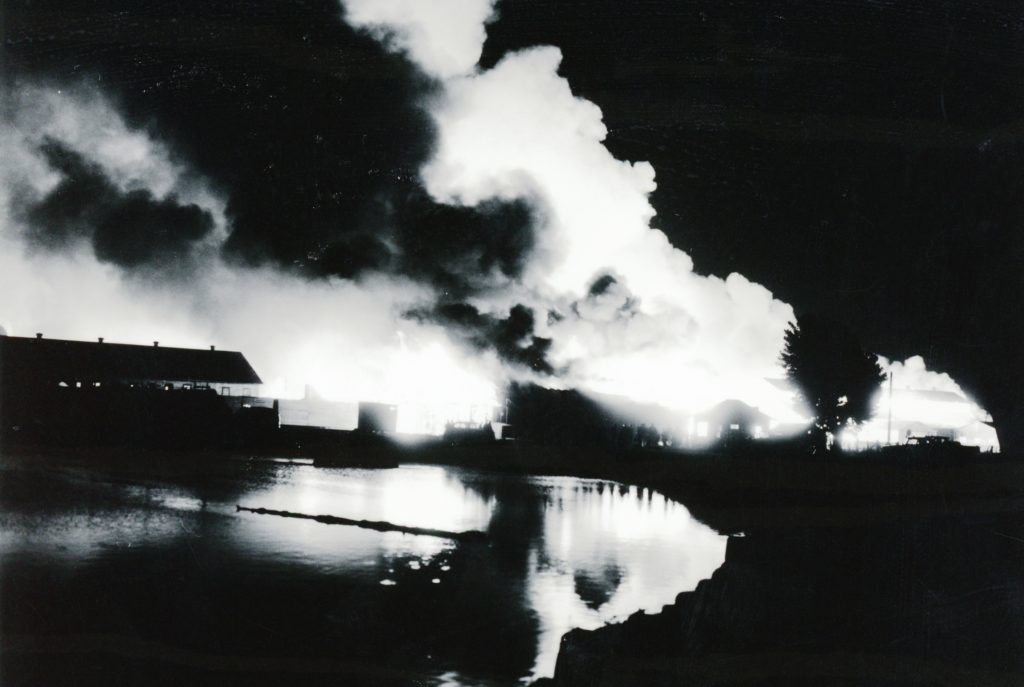
Eagle Lake Lumber Company Fire

June 13, 1965 – Hank Martinez

After Fruit Growers Supply Company closed their Susanville mill,it initially appeared that it would be sold to a liquidation firm. Fruit Growers had been in negotiations with Crook & Emmerson to sale them the mill, but negotiations stalled. Finally on June 12, 1963 they reached an agreement and the mill and adjoining residential section was sold to Crook & Emmerson for $875,000.
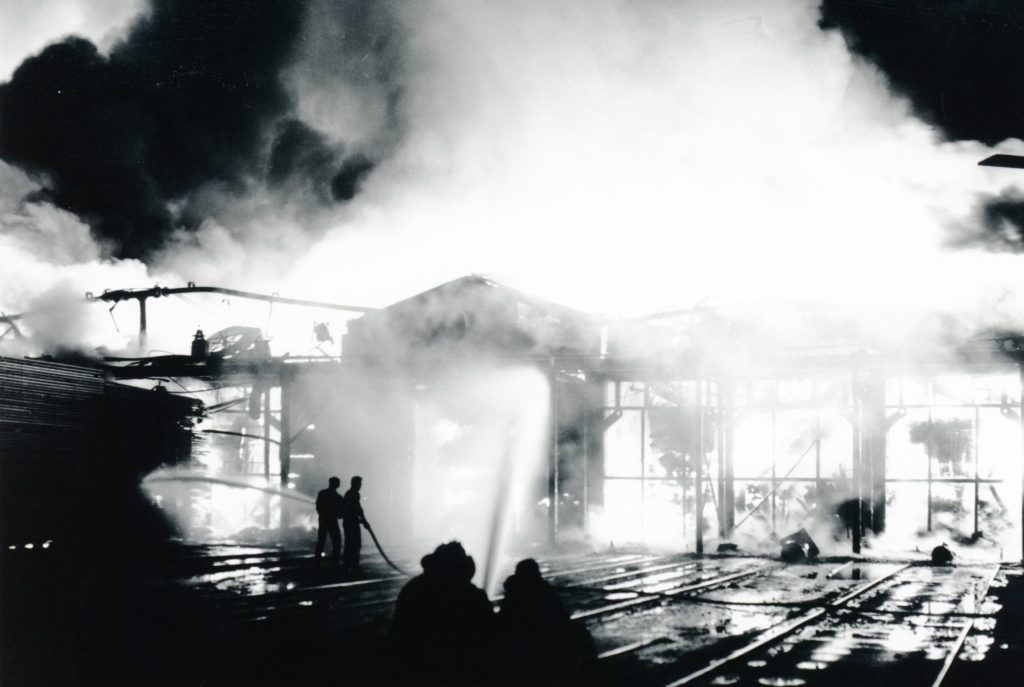
June 13, 1965 —Hank Martinez

Crook & Emmerson’s new enterprise was known as the Eagle Lake Lumber Company. All went well until the early morning hours of June 13, 1965 when a fire broke out in the planing mill. The sprinkler system there was inoperable as the structure was being renovated. By the time the fire department arrived, it was too late, as a large portion of the plant was engulfed in flames. After three hours, the fire destroyed the planing mill, the dry kilns, the abandoned box factory and an estimated five to six million board feet of finished lumber. The estimated loss was between $5 to $6 million.
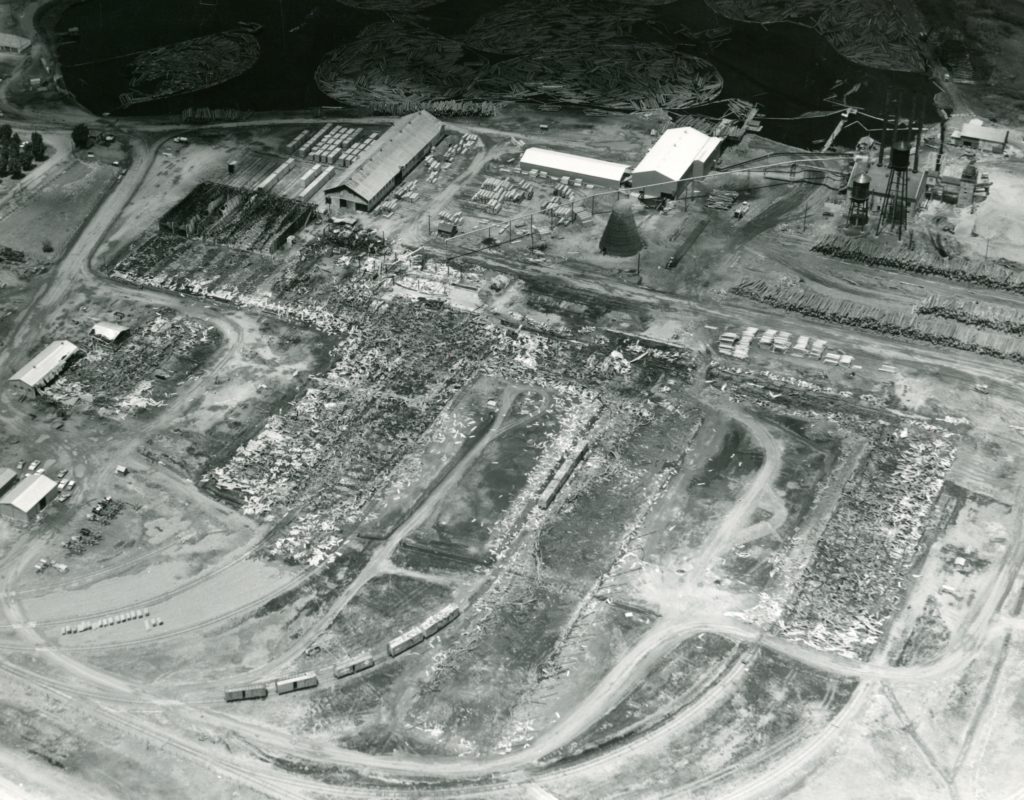
The aftermath—FGSCo.

It should be noted that Eagle Lake Lumber Company evolved into Sierra Pacific Industries.
Support

Richmond Road, 1912

Richmond Road, 1912

This is one of those interesting Ebay finds, that I could not resist. With the railroad quickly approaching Susanville to its south, major improvements were made to Richmond Road. To the left, the Lassen Townsite began development of its huge subdivision, starting with the construction of Riverside Drive. If you examine just beyond the intersection of Richmond and Riverside, one can see some disturbed ground. That was the original location of the Sacred Heart Catholic Church, which was moved in 1909 to Nevada and South Union Street.

Richmond Road, Susanville, 1905

Tim

Susanville’s First Deli

The Big Store
Susanville’s The Big Store as it appeared in 1916. Photograph courtesy of the Worley family

In 1866, David Knoch purchased a lot on Main Street for $1,400. This  address would later become known as 722 Main Street, the current home of Margie’s Book Nook since 1995. For the next 76 years three generations of the Knoch family operated the store. The current building was constructed in 1893, though it did received substantial damage from the 1900 fire.

In 1912, Fehr & Worley took over the helm of the general merchandise store, which they renamed the Big Store. Times were rapidly changing with the arrival of the railroad and lumber mills.  In 1919, Fehr & Worley did the first remodel of the building changing its exterior and interior. They also opened a new department inside the store, and a first for Susanville—a delicatessen.

Tim

Tuesday Tidbit-Photograph

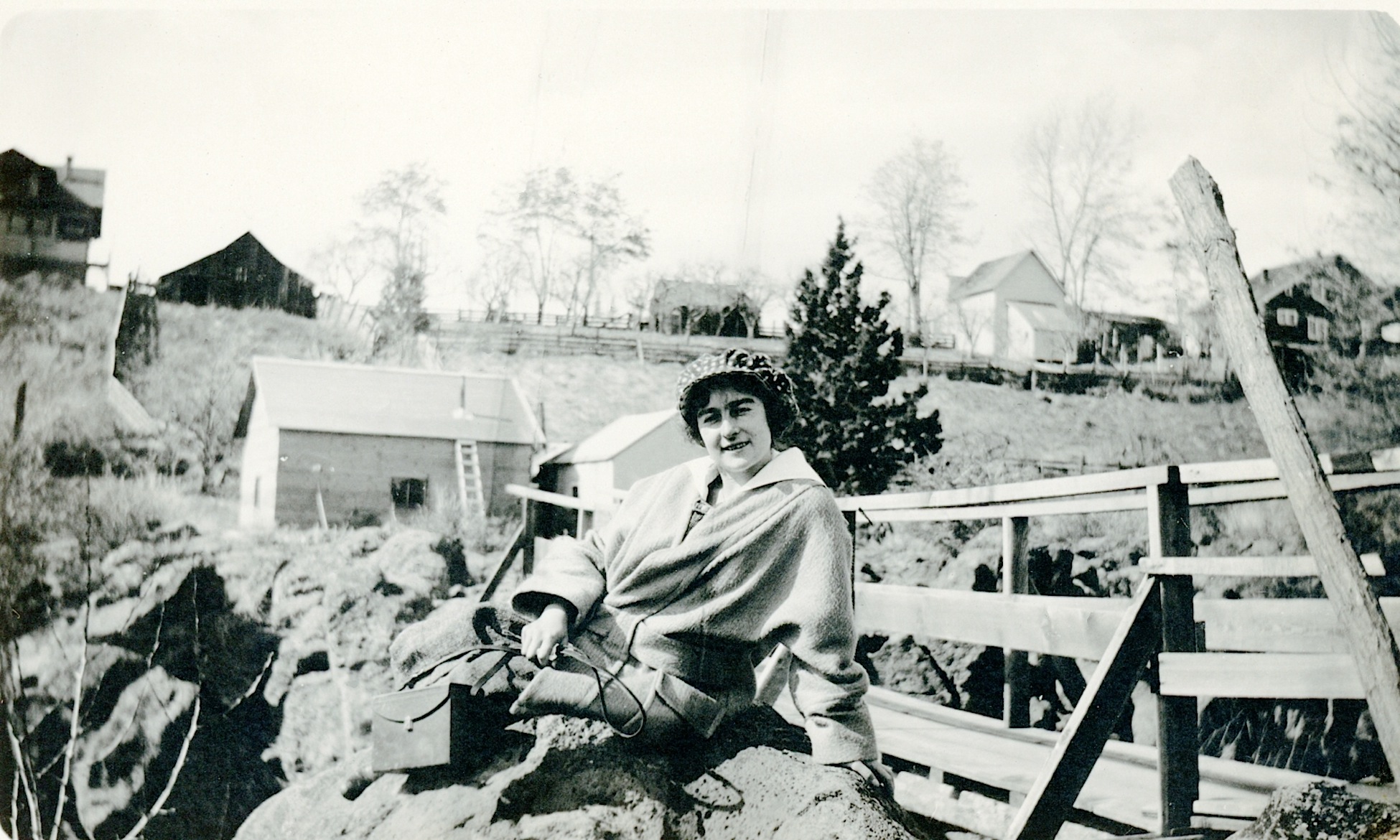
Mary Fern Long at the Carroll Street bridge, Richmond Road circa 1917—Leona Byars

While this photograph may not be distinct in the scene displayed, it still has some significance. The photographer, Leona Jackson Byars, daughter Rose Murrer Bagin, was best friend with Mary Fern Long who married Jim Nutting, an attorney and one time  Lassen County District Attorney.

In the background on top of the hill is the 200 block of South Gay Street. Many of today’s existing homes have not been built.

Tim

Susanville’s Ordinance No. 17

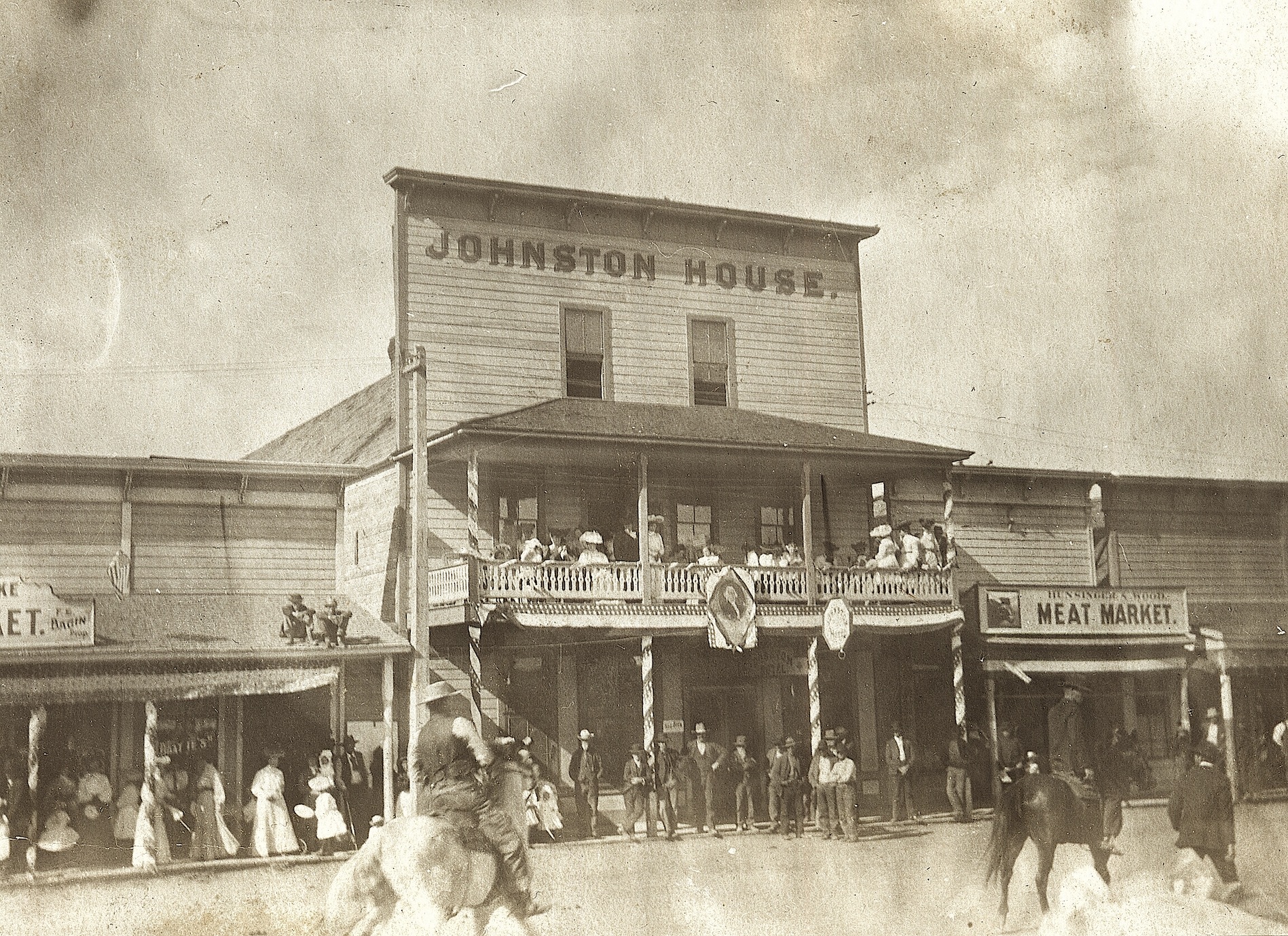
The Johnston House, circa 1909. It was located on the north side of the 700 Block of Main Street, and  the wooden buildings on that block were destroyed by fire in 1919. Courtesy of Betty Barry Deal

One of Susanville’s first ordinances, was a real attention getter and would dramatically change the town’s business district. Adopted in 1902, Ordinance No. 17 prohibited the construction of wooden frame buildings in the heart of the town’s business district—the four blocks on Main Street between Roop and Gay. It required building plans be submitted to the city clerk and to designate whether the building materials were brick or native stone. Roofs were required to be metal, slate or tile. This it was deemed to reduce fire, something that was dominate issue in the town’s history. In 1912, the ordinance was amended to include the block from Gay to Weatherlow.

In 1914 the ordinance was challenged in court. O.M. Doyle who wanted to build on the southeast corner of Roop and Main Streets, but thought the cost of non-flammable building materials was prohibitive. The judge in the case upheld the city’s ordinance. Doyle then had a two-story property constructed on the property in question, that became known as the Del Mar, which still stands today.

Subscribe

Susanville’s First Marijuana Bust

Susanville Depot, 1970.

Since the topic of cannabis is on the ballot in Lassen County, I thought some historical perspective might be of interest.

The headlines news on the front page of the Lassen Mail of November 23,1928 “Dope Plant Grown In Susanville.” The discovery was made by Sheriff Jim Leavitt, when investigating a dance at the Brunswick Pool Hall across from the Susanville Depot. Leavitt confiscated ten kegs of whiskey and ten pounds of marijuana. In addition, the owners of the Brunswick, Emma and Pete Ovalle were arrested on a narcotics charge for the possession of marijuana, besides the alcohol charges.

Marijuana was something new to the residents. The local press described it as a Mexican tobacco that is smoked like a cigarette, and said it has an exhilarating and soothing effect for the smoker and can also make on feel “goofy.”

The next day, officials conducted another search of the premises surrounding the Brunswick Pool Hall. They found marijuana being grown along the Susan River. It was determined that the marijuana grown there did not contain the elements of other varieties found in tropical climates. In addition, it was asserted that even if one smoke a ton of marijuana grown locally, it would not produce any kind of “kick.” Due to those circumstances, the narcotics charge against the Ovalles was dropped. As to the illegal alcohol possession they pled guilty and paid the $300 fine.

Donate

Local Dollars, Local Sense

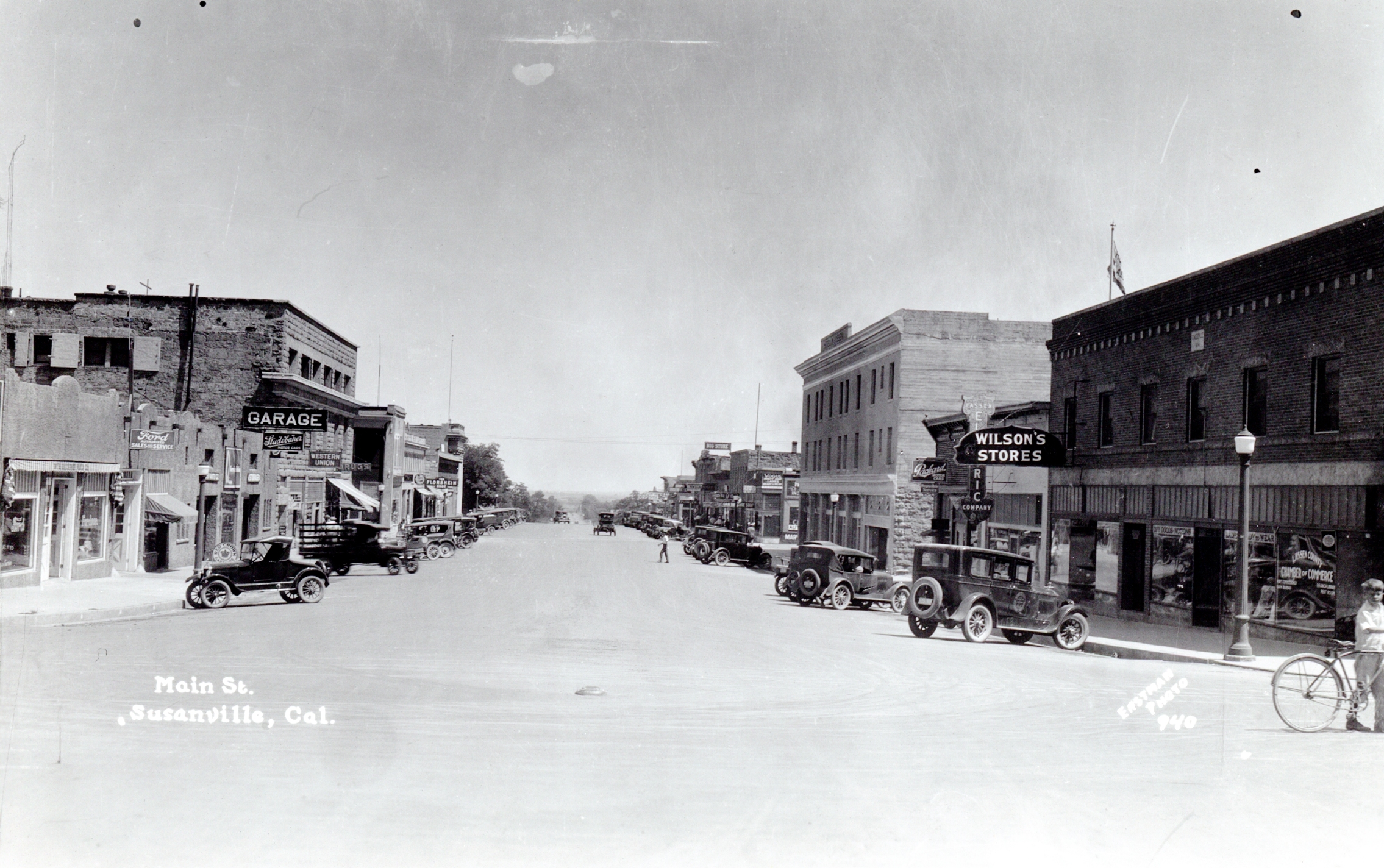
Main Street, Susanville, 1925

From time to time there is some local banter about Michael Shulman’s book Local Dollars, Local Sense. The gist of it if everyone invested just one percent of their money locally, it would greatly enhance the local economy.

A century ago, that was certainly the case locally. At the same time, this is when chain stores were opening in Susanville. Some held the opinion that these stores were a “menace” since their profits did not remain in the community. It should be noted the town’s two banks, Lassen Industrial Bank and the Bank of Lassen County were local institutions—they had a vested interest in the area’s economic prosperity.

It is also noteworthy how the citizens, raised funds as incentives to have the Lassen Lumber & Box Company and Fruit Growers Supply Company establish their lumber mills in Susanville. For Lassen Lumber the citizen’s offer was a 40-acre mill site, with water rights and $8,000 cash. For Fruit Growers 243 residents pledged a cash bonus of $41,130. Both investments paid off handsomely for the community.

Tim

Lincoln School Remodel

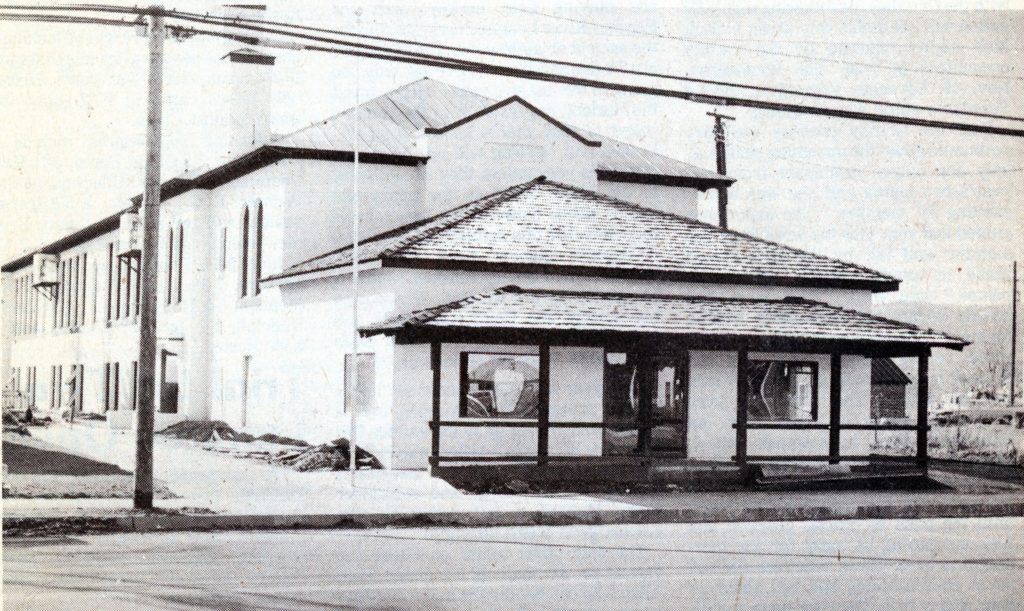
The Lincoln School Remodel—Lassen Advocate, November 21, 1975

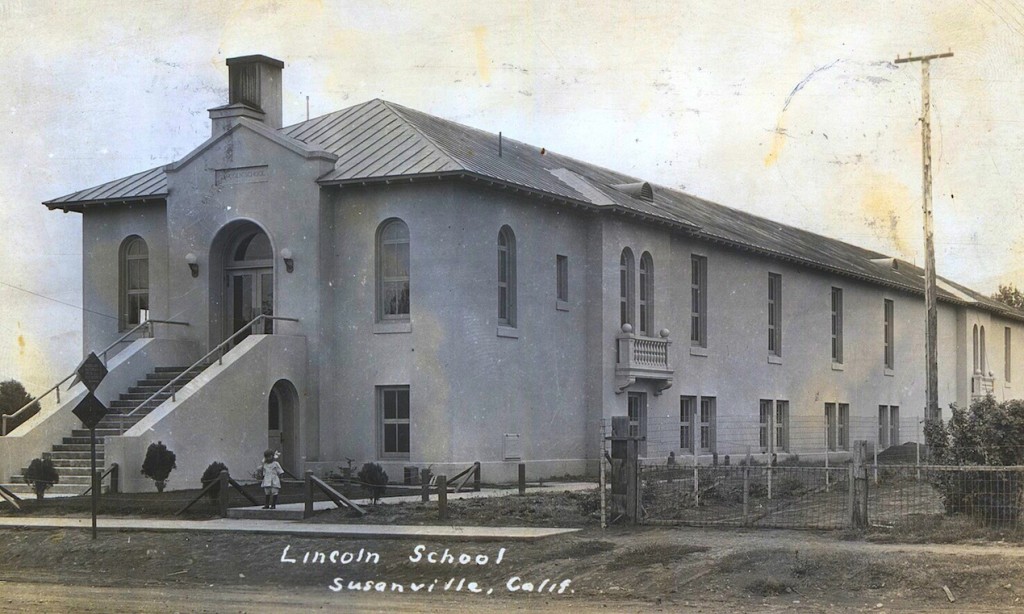
At the end of the 1966-67 school year, Lincoln School was closed, being replaced by the newly constructed Diamond View School. For a brief time Lassen College used the facility while its new campus was under construction.

In July 1975, Victor Bullard of Placerville purchased the shuttered Lincoln School.  Bullard had the building remodeled. An addition was made to the front of the building, replacing the old exterior staircase. On December 1, 1975 the Eagle Lake District of the Lassen National Forest became the new occupants of the building. Previous to this, the District’s office was located in the former Paul Bunyan Lumber Company office.

Lincoln School
Lincoln School, 1924

Tim

Before Go Fund Me & Venture Capitalists

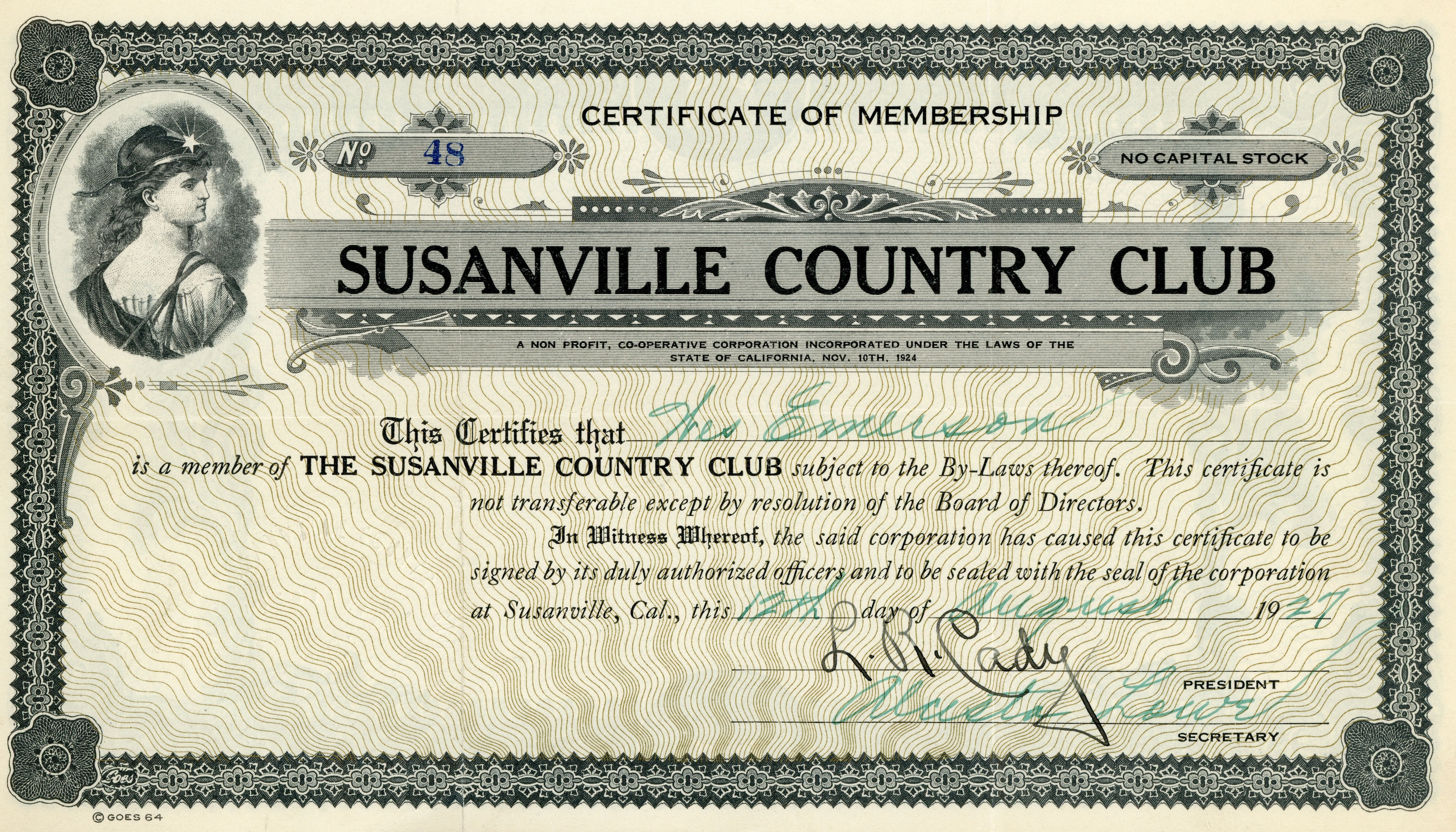
Stock Certificate issued to Wes Emerson

Over a century ago, it did not take much to form a corporation. Many of the Articles of Incorporation consisted of two pages. In the Lassen region numerous small companies incorporated and by today’s standards many would be deemed a non-profit. This was the preferred method then to raise money by the sale of stock. Some ventures succeeded, while others did not.

Take for instance in 1899 a group of local leaders formed the Susanville Hall Association. This they thought was needed since there were no public halls. It was their goal to sell $5,000 in stock. They did not succeed and their initial offering only netted $450.

Standish Hall
Stock certificate courtesy of Dick and Helen Harrison

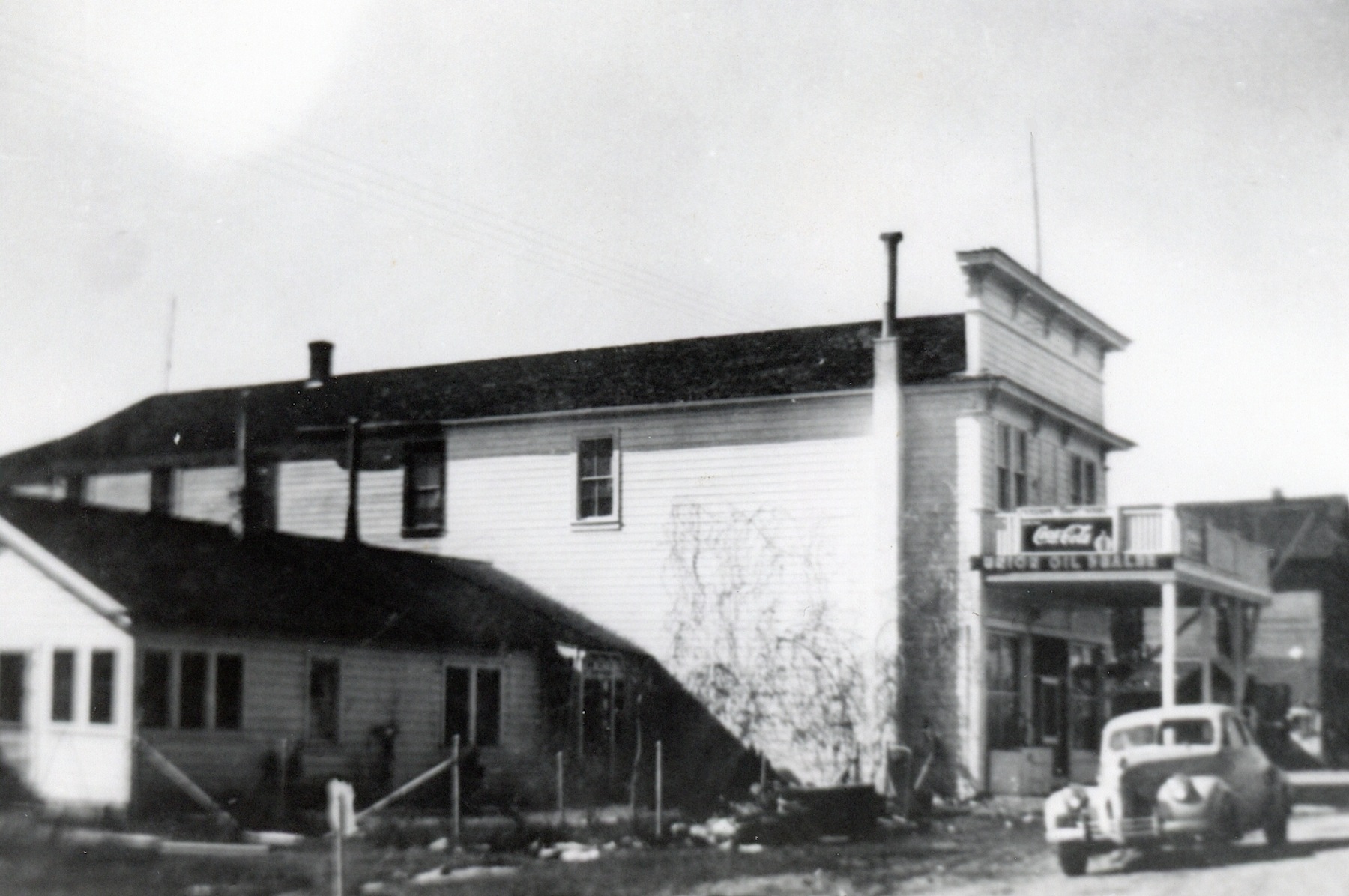
In 1908, the Standish Hall Association was successful. Seasoned residents will know the building as the former Neil’s Mercantile. It is the vacant two-story building on Highway 395 and to the west is the Wayside.

The Standish store, no date. Courtesy of Camilla Moody.

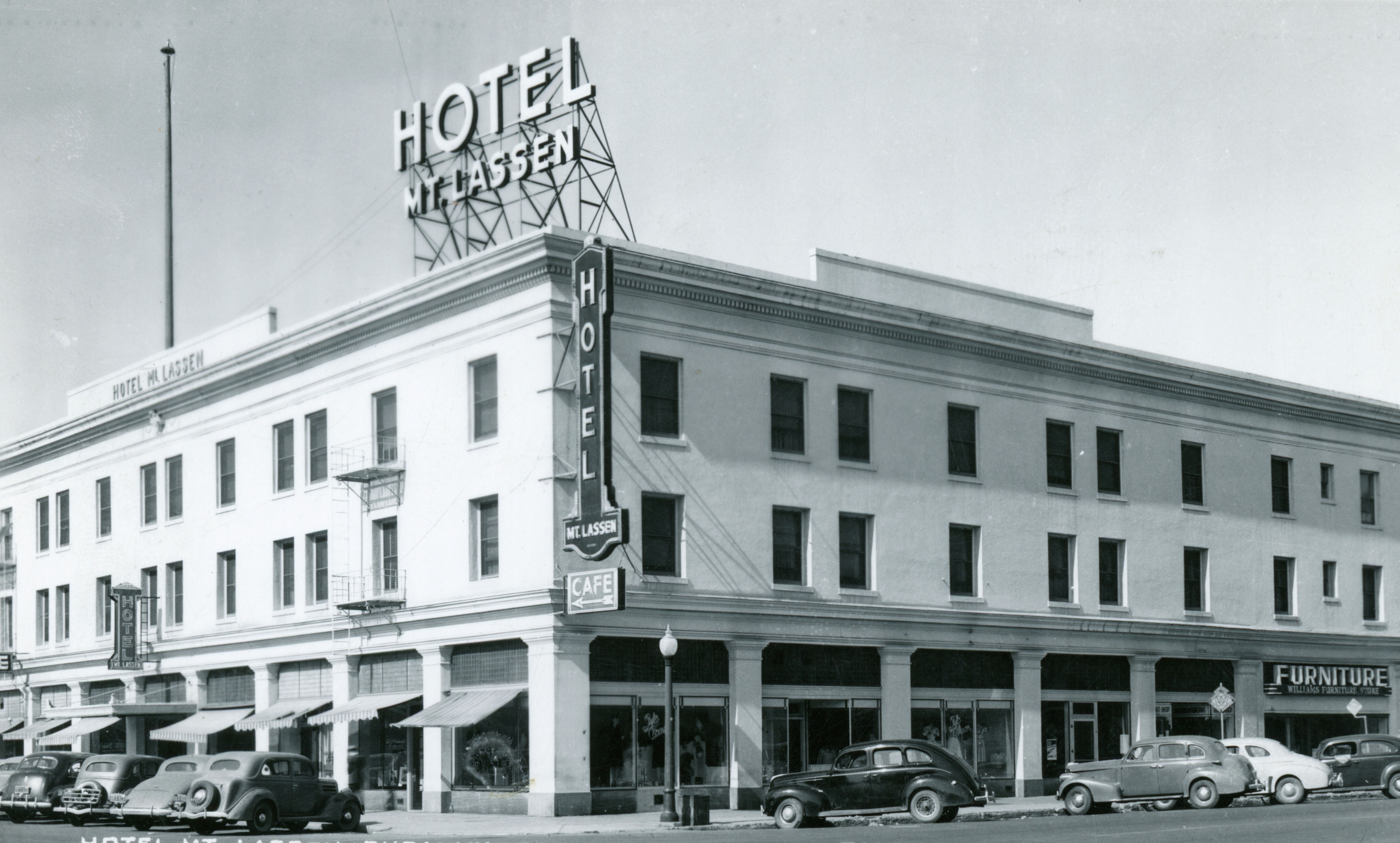
By the 1920s, the practice of forming small corporations was declining. The Susanville Country Club that purchased the Wingfield Estate was successful and then there was the Susanville Hotel Company, i.e., Hotel Mt. Lassen that turned into a messy affair.

Support