Tag Archives: Railroads

A Name Dispute

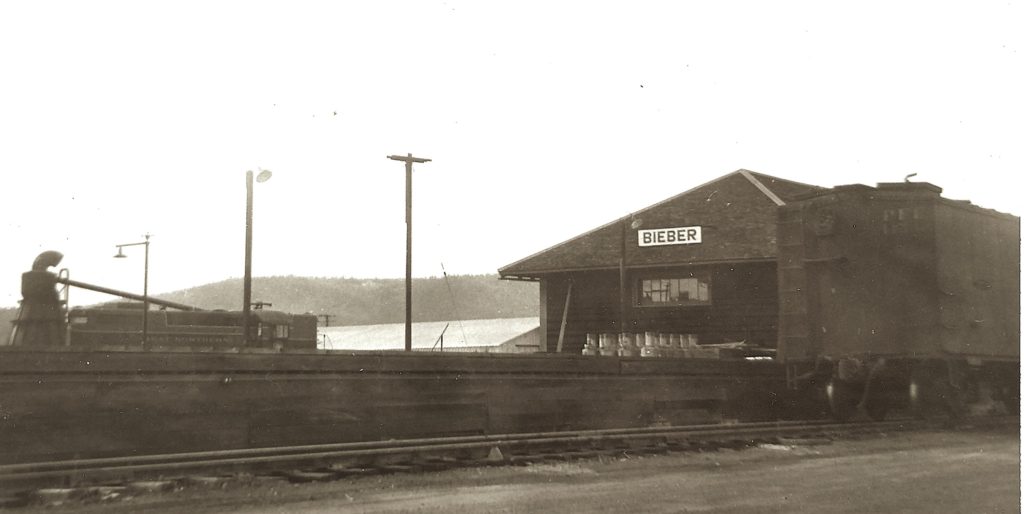
Great Northern’s Depot, Bieber.

In June 1931 progress was in earnest with the Inside Gateway link between the Great Northern and Western Pacific Railroads. The two railroads would connect with each other just west of the Big Valley community of Bieber. Byron Greenwood saw an opportunity and had a townsite laid out where the railroads would connect. He named his new enterprise Big Valley City. However, when Greenwood applied for the establishment of a post office there, postal authorities were not impressed as they frowned on three word names for post offices.

The Great Northern was not pleased and intended to name their new station, Bieber. Some one came up with a compromised name of West Bieber, but it fell flat. While it took some time to resolve the dispute, everyone, but the railroad, finally agreed to the name of Nubieber.
Subscribe

Calneva Post Office

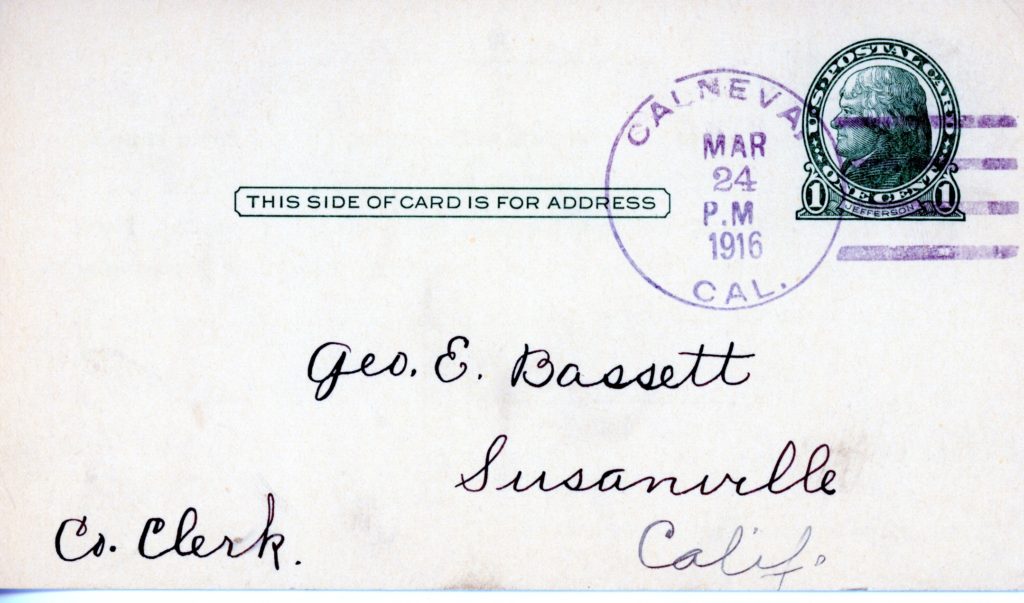
A Calneva postal cancel

Calneva located in eastern Honey Lake Valley near the state borderline, was a small station on the Western Pacific Railroad. The station operated from 1910-1921. The Calneva Post Office was established on July 8, 1911, with Charles Ammons, as first postmaster. The post office closed briefly during 1919-20. On November 30, 1933, it was discontinued, its operations moved to Flanigan, Nevada. It is interesting to note that Calneva was located six miles east of Herlong and six miles south of Flanigan. However, when the post office closed it would be several years before Herlong was established.

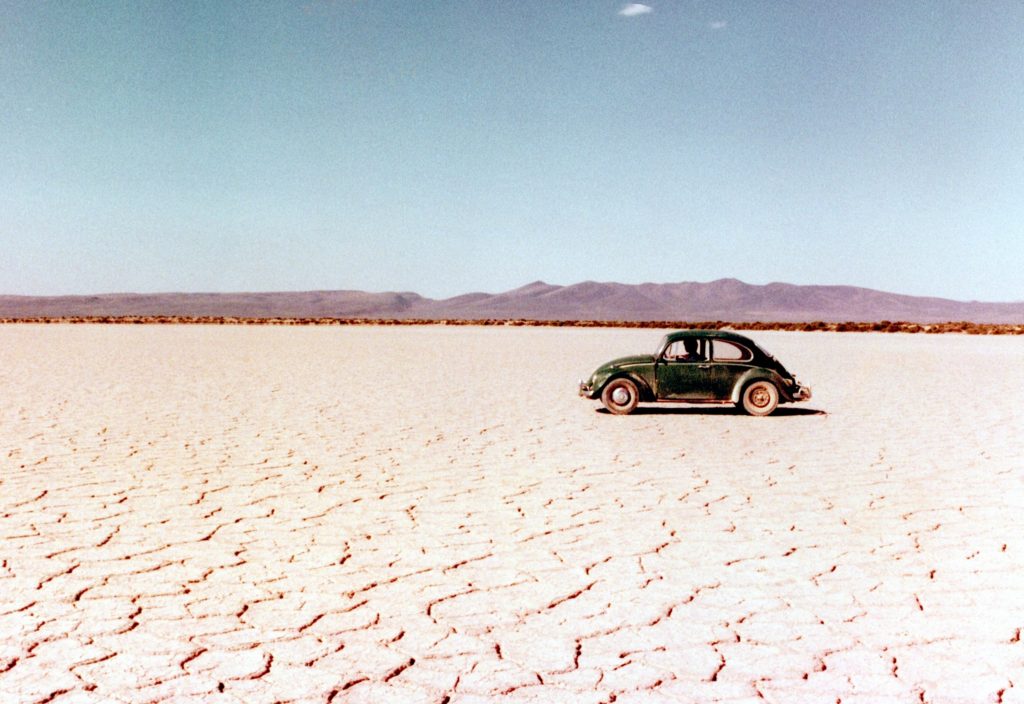
The 1982 expedition in search of Nowhere at Calneva Lake.

Support

Southern Pacific’s Dilemma

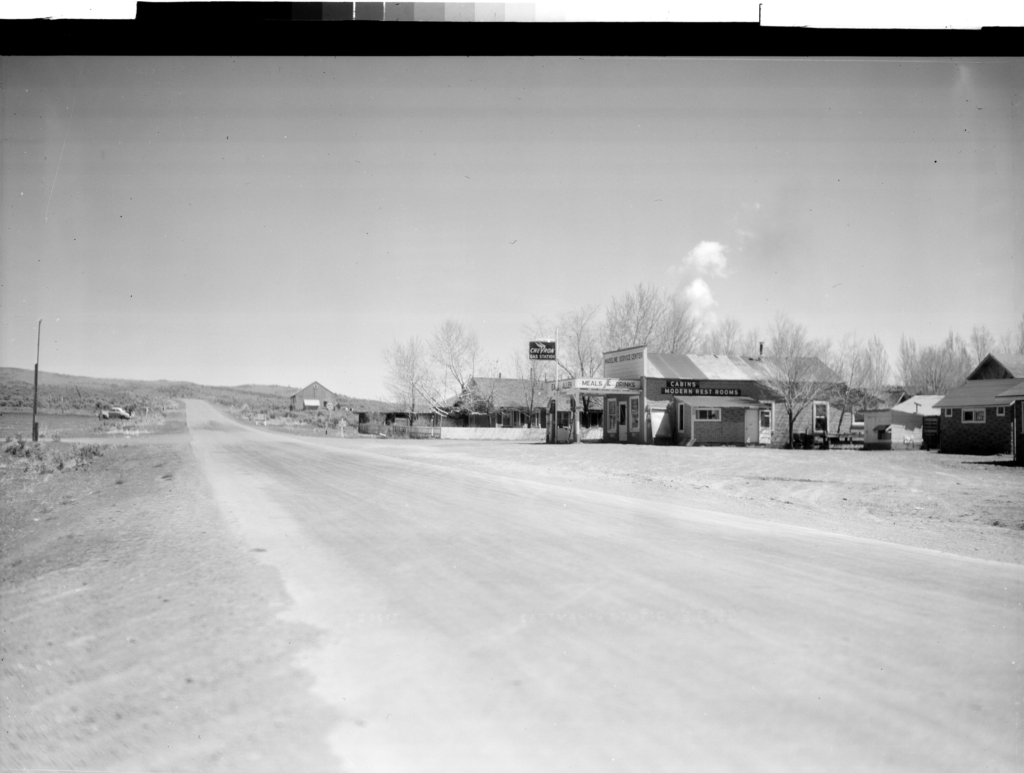
Madeline, Lassen County, 1948–Eastman Collection, U.C. Davis

In the late 1920s, the Southern Pacific Railroad was in a disarray locally, while they fought against the Western Pacific/Great Northern’s Inside Gateway link between Keddie and Klamath Falls. The Southern Pacific had a monopoly on the region and were in a constant flux to combat its proposed competition.

Take for instance in 1929, Southern Pacific greatly reduced its freight rates on timber products. In November 1929, Southern Pacific sent a survey crew out east of the town of Madeline. The surveyors job was to locate a possible line from Madeline eastward through Red Rock Valley and Tuledad Canyon with the ultimate goal towards Gerlach. This officials concluded that this 72 mile route, would save 120 miles to the Klamath Basin. Of course, it was never built, and in 1930 the ICC approved the competitor’s route.

Never miss a story, click here to subscribe.

Leap Year Day, 1924

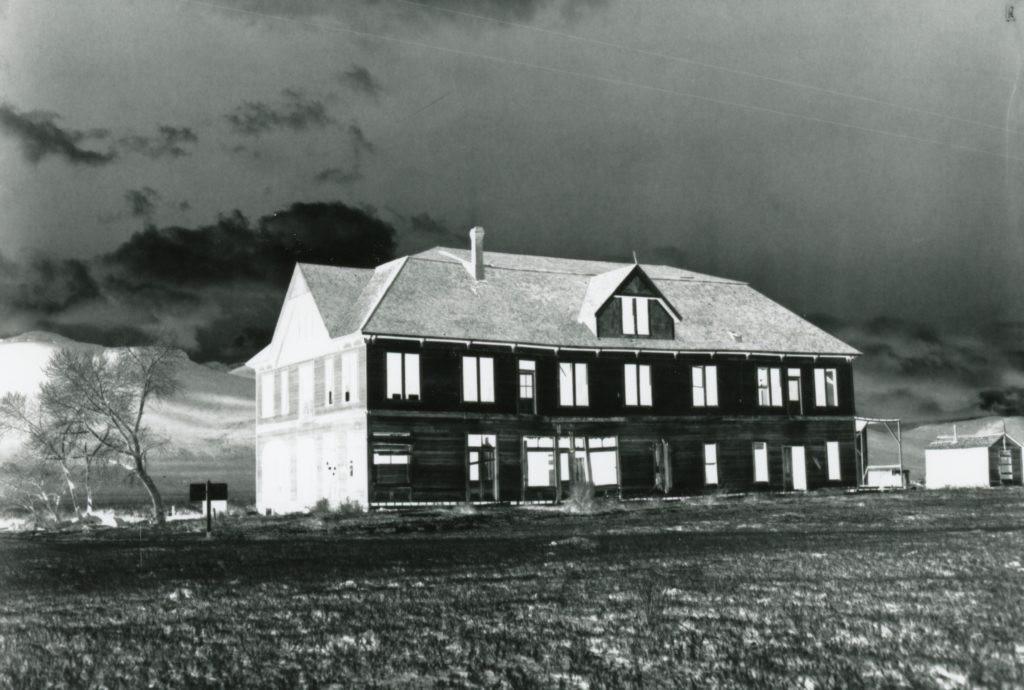
Amedee Hotel, 1946. Courtesy of Hank Martinez

The railroad giveth, and the railroad taketh away. That in one sense is a perfect epitaph for Amedee. After all, it was the NCO Railroad that created the town, and was pivotal in its demise. The first spike in the coffin, so to speak, came in 1917, when the NCO sold 64 miles of its line from Rayl (Herlong) to Reno to the Western Pacific Railroad. In 1922, the NCO abandoned sixteen miles of its track between Wendel and Rayl. On October 31, 1922 the last NCO train passed through Amedee. The town was slowly fading into existence, the only thing keeping it partially going were the hot springs. So it was on Leap Year Day, 1924 that the Amedee Post Office closed.

Subscribe

Pacific Gas & Electric Railroad

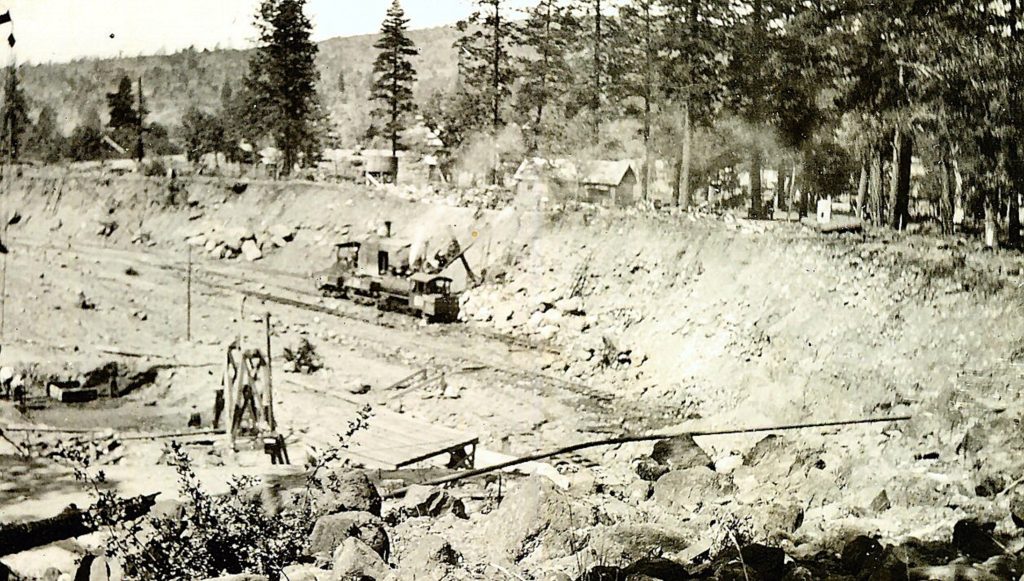
Pit One under construction, 1921 — Courtesy of Lola L. Tanner

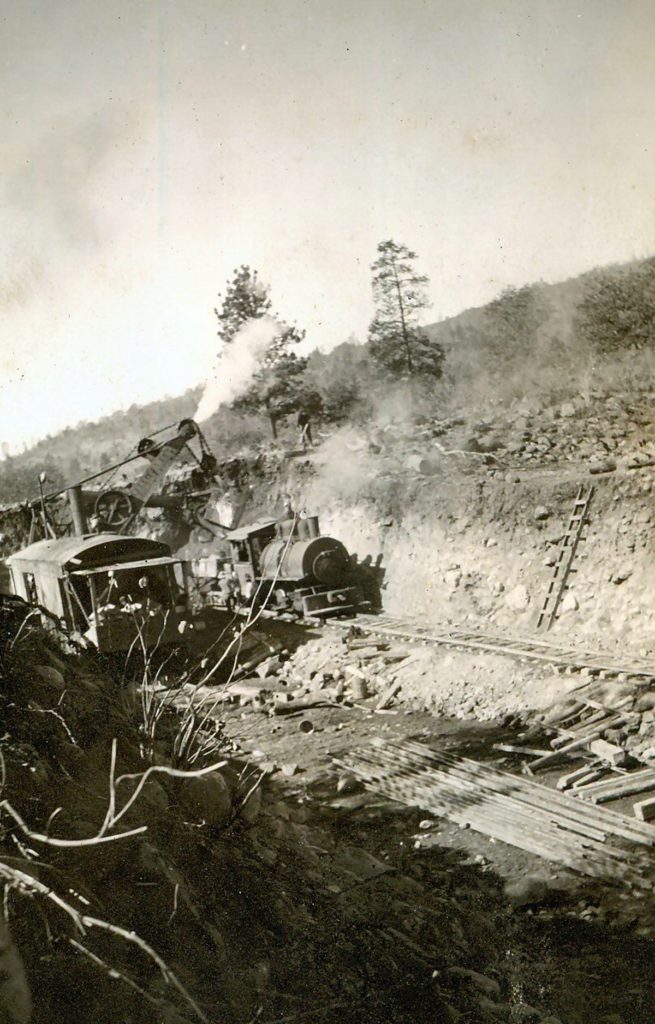
In 1919, Pacific Gas & Electric (PG&E) announced they were going to spend $100 million building five dams and power plants along the Pit River in eastern Shasta County. PG&E contracted with the McCloud River Railroad to construct and operate the line starting from Bartle. Work began in 1920 connect with Pit One, near Fall River Mills. Pit 3 is probably the best known dam for its creation of Lake Britton—named after PG&E General Manager, John Britton. With the completion of Pit 4, activity of the line greatly diminished since its sole purpose was for construction of the dams to haul equipment and material. By 1929, the line was suspended and in 1934, the rails were removed.

Construction near Pit One, 1921—Courtesy of Lola L. Tanner

Never miss a story, click here to subscribe.

The Good Times of 1922

Susanville Main Street, 1924.

Lassen County was in the midst of prosperous times during the 1920s, and 1922 was a prime example. For instance, over 300,000,000 board feet of lumber was cut that year, making Lassen County the biggest producer of lumber in California. This had a ripple effect in the agricultural community. The lumber mills purchased $2,000,000 worth of local farm products to feed their employees.

The railroads flourished too. For the Southern Pacific over 1600 carloads of lumber were shipped by rail on any given month. Passenger train traffic was up going from three to six cars and even included a dining car.

Among other things to celebrate was the Lassen National Forest moved its headquarters from Red Bluff to Susanville. A county fair was held, the first time in fifteen years. The Bly Tunnel project was approaching completion that would be a major boost to the agricultural community. To assist that group the Lassen County Farm Bureau was formed.

Never miss a story, click here to subscribe.

Wendel Hot Springs

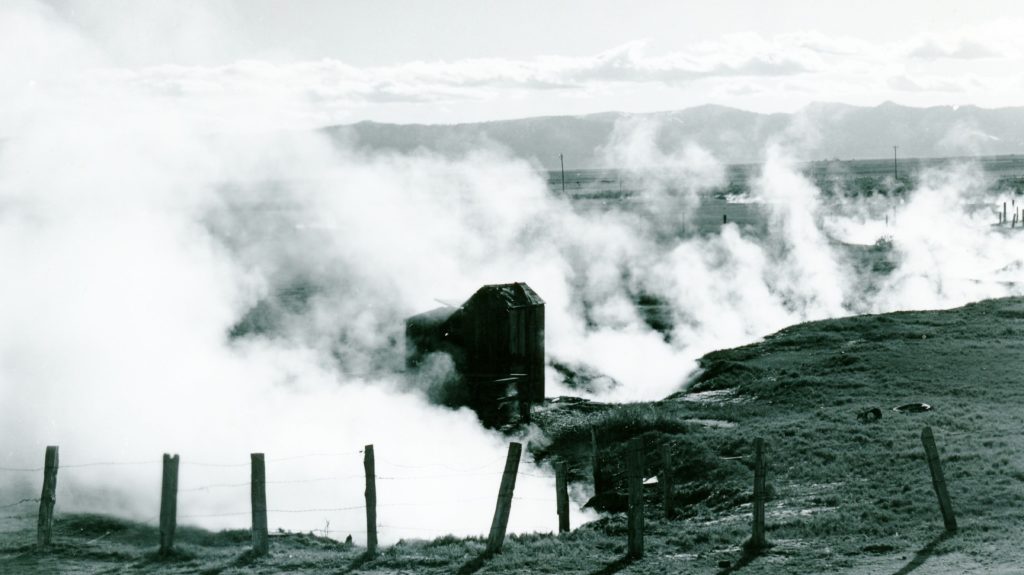
Wendel Hot Springs, circa 1940.

Eons ago, Richard Peterson of the University of Hawaii at Manoa contacted me in regards to published locally material on hot or mineral springs. Sadly, I informed him, that with exception of some stories of the Amedee Hot Springs during its heyday that such material was non-existent.

However, not to dissapoint him, I did some research to send along. As to Wendel Hot Springs, I informed that since 1856 some one has always tried to use these springs, initially for a steam bath. When James A. Wood had a homestead there in 1870s and 1880s he used the springs to heat his home. When the NCO Railroad arrived in 1899, they tried to use the water for the locomotive boilers, but quickly gave it up, as the minerals in the water clogged the boilers. I did mention that in the 1970s about Phil Gutman and the Hobo Wells Hyrdoponics company to grow tomatoes, but that is a story in itself.

Never miss a story, click here to subscribe.

Lookout Junction

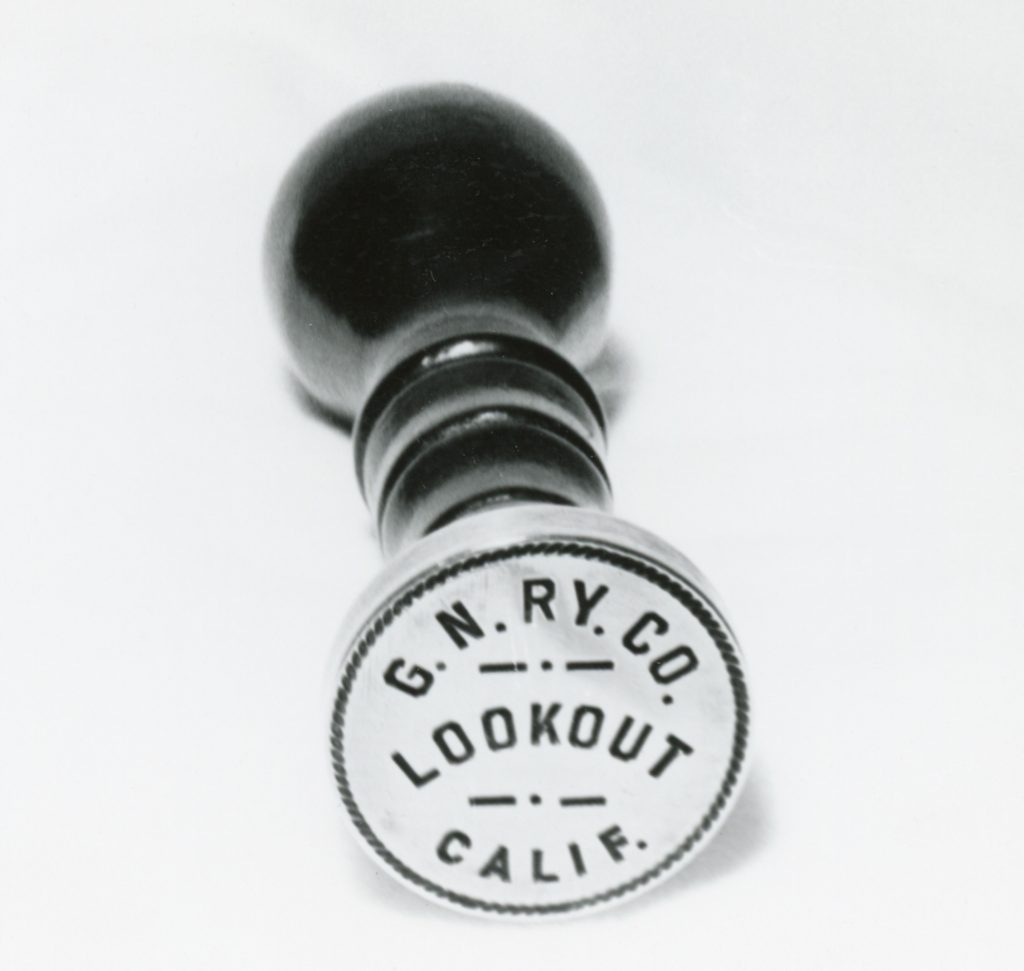
The embossed wax sealer.—Richard Wright

Lookout Junction, was located in southwestern Modoc County that connected the McCloud River Railroad to the Great Northern Railroad. The station opened in November, 1931 which handled freight. B.J. Neal served as the only agent from 1931 to 1959. I recommend Jeff Moore’s book “The McCloud River Railroads,” as it is a wealth information and there is a great deal of material about the Red River Lumber Company.

Never miss a story, click here to subscribe.

Harvey Railroad Logging Line

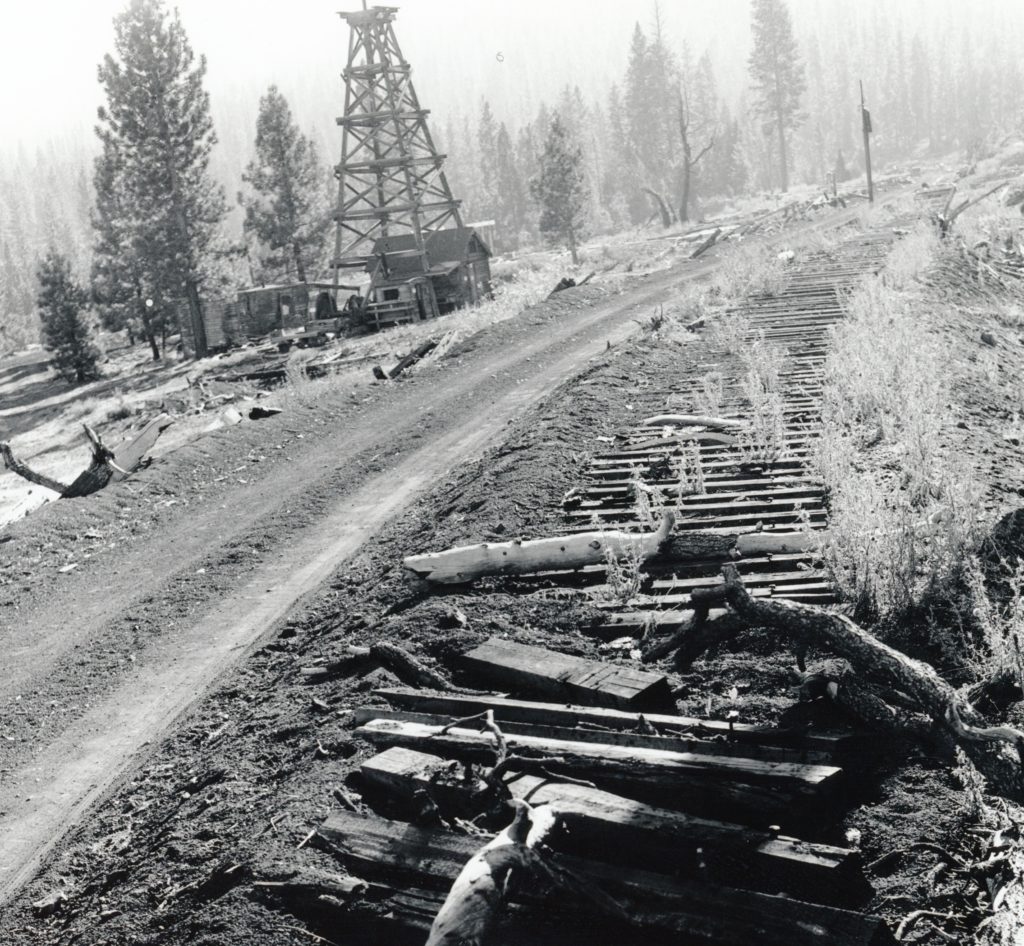
The railroad bed converted into a road at Camp Harvey. Courtesy of Hank Martinez

In 1942 this railroad logging line had its origins at Halls Flat, near Poison Lake, headed into an easterly direction towards Harvey Mountain. By 1949, its entire length was just a bit over forty miles ending near Slate Mountain. When the culinary workers at the two logging camps along the line—Harvey and Stanford—went on strike in the spring of 1949, Fruit Growers Supply Company who operated the line decided to shut it down permanently. It was not a drastic action as it appears. They were approaching the end of their timber. In addition, company officials, stated the remaining timber could be removed from and shipped from its Camp 10 line as it approached Upper Gooch Valley. After all, the Harvey line and Fruit Growers Main line that serviced Camp 10 were within two miles of each other.

Never miss a story, click here to subscribe.

Golden Spike Ceremony

Arthur Curtiss James of the Western Pacific Railroad driving in the golden spike—Courtesy of the Big Valley Museum

On November 10, 1931, a historic day was held in Bieber with the Golden Spike Ceremony connecting the Western Pacific and Great Northern Railroads. While intensive planning was done, one thing never considered, it turned out to be an extremely cold blustery day. Some attendees pondered which was worse the long winded speeches by dignitaries or the cold northerly winds. After Western Pacific Chairman Arthur C. James had driven in the golden spike, the crowds quickly dismantled the temporary wooden grandstand of make a huge bon fire.

It should be duly that on the twentieth anniversary Lucius Clegg and Charles Beebe of the Virginia & Truckee fame, did a re-enactment ceremony of the driving of a golden spike at Bieber.

Support