Tag Archives: Natural History

Diamond Mountain

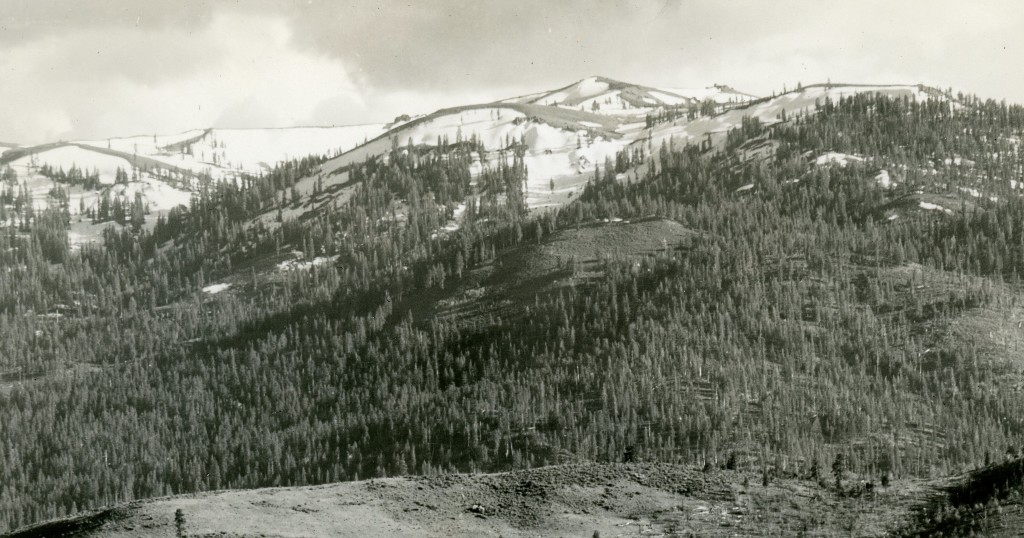
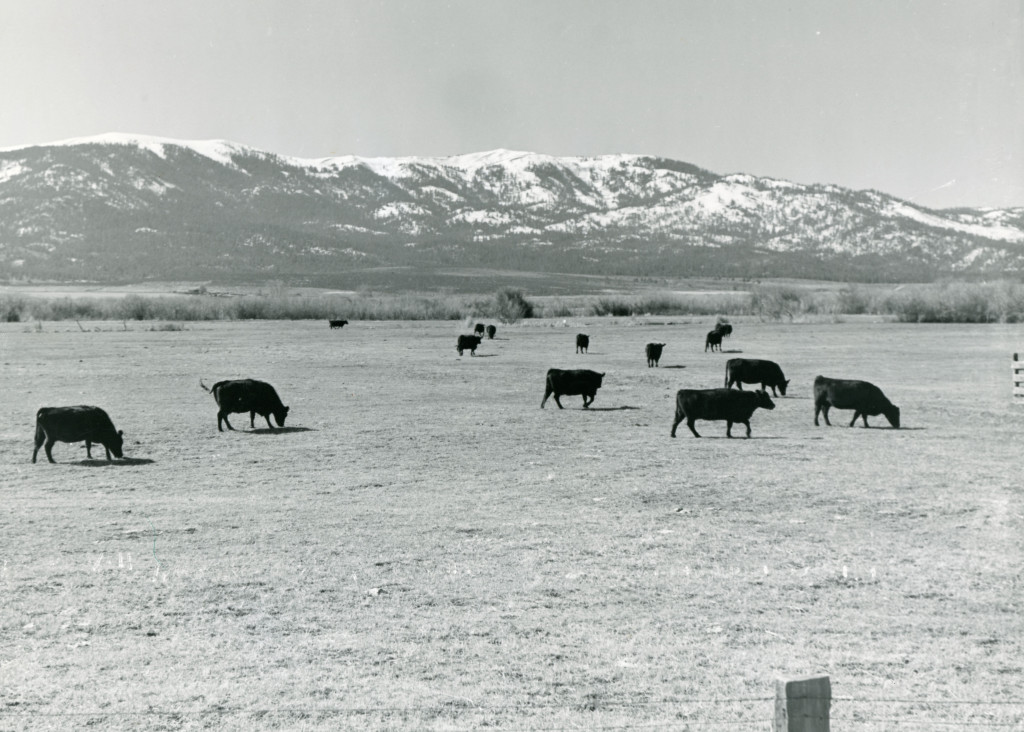
Diamond Mountain, circa 1940. Courtesy of Margaret A. Purdy
An inquisitive mind wanted to how Diamond Mountain obtained its name. It was so named in the 1850s, when prospectors found numerous crystal quartz along the range. The crystal clear quartz had a “diamond” like character. Some of these can be quite large. In the 1950s, a large crystal quartz weighing over 100 pounds as discovered on Thompson Peak and eventually found a home at the Smithsonian Institute. In 1910, Lassen County historian Asa Fairfield wanted to change Diamond Mountain to Mount Roop, but that did no go over well with anyone. Finally, the Honey Lake Pauite referred to the mountain range as wago yamos or ‘timber bend.”

Subscribe!

Adopt A Pika

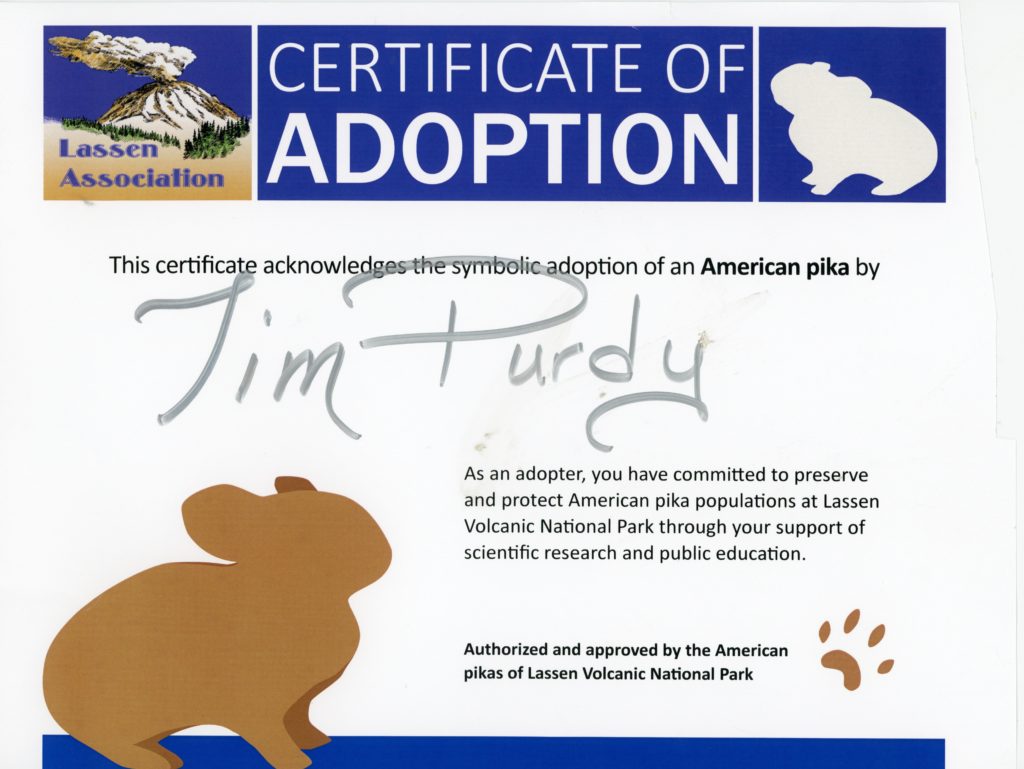
My personalized adoption certificate.
The Lassen Loomis Association established in 1939 provides a variety of educational aids among other items to support Lassen Volcanic National Park. Last year they instituted a Adopt A Pika program. Your $25 donation will assist in monitoring the American pika population at Lassen Volcanic, and also to help educate the public about this important program. In addition, you receive a life-sized pika stuffed animal; a personalized adoption certificate and an American pika fact sheet.

Subscribe!

Thomas Bracken Sanders

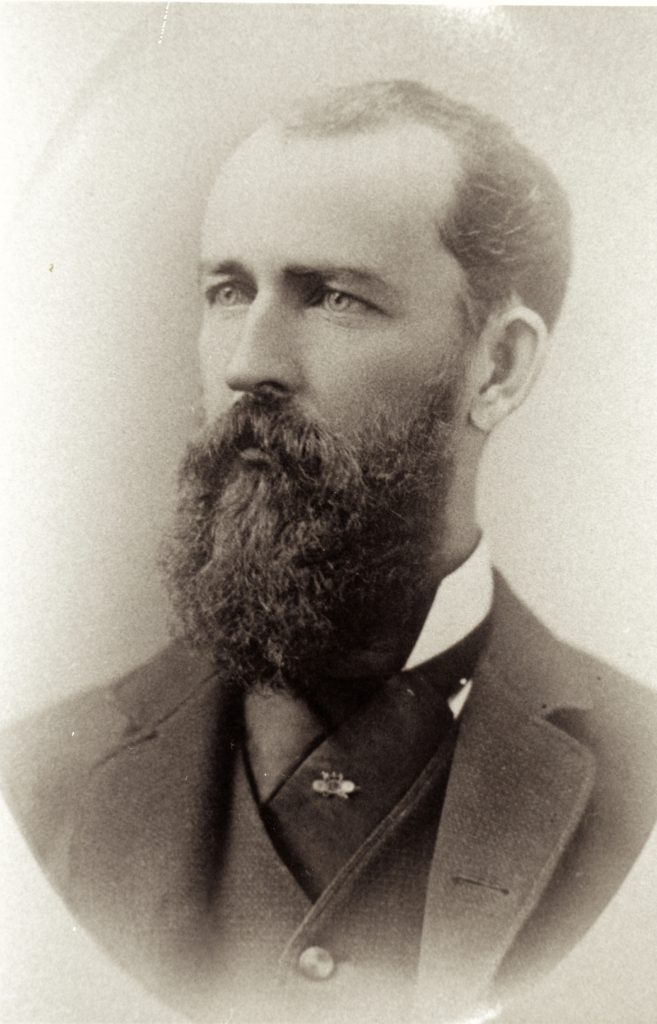
Thomas B. Sanders. Courtesy of Gilbert Morrill
Thomas Bracken Sanders

He was born on November 29, 1848 in Illinois, one of thirteen children, yet ten of his brothers and sisters died in infancy, some of whom are buried in the Susanville Cemetery. It should be noted that the family came west in 1860 and settled in Plumas County and in 1867, they moved to Susanville.

One of his more interesting jobs began in the late 1870s, when he went to work for the Fish & Game Department as a deputy. They kept him busy planting fish in the various lakes and streams to learn what would best adapt in the area. In January 1879, Sanders along with Dr. H.S. Borette and William Dow introduced the first non-native species of fish at Eagle Lake. It was two wagonloads consisting of 225,000 Great Basin whitefish. That fall they planted brown bullhead catfish at Eagle Lake. Sanders also planted catfish in the Susan River and Piute Creek, where they did quite well. Take for instance, in 1883, Masillon Martsteller caught a twelve pound catfish from the Susan River. Sanders, himself, caught a catfish from Piute Creek that weighed fourteen pounds.

While Fish & Game paid Sanders a stipend for what he did, the work was sporadic and the payment not sufficient to make a living. For a livelihood he learned the carpentry trade. He specialized in making cabinets, furniture and trunks. As most furniture makers of this era, he was called upon to make coffins. He added undertaker to his profession and continued until 1896 when he sold out to Tom Oakes. In 1897, he moved to Sacramento where his brother, Plumas Sanders resided. It was not a good move. Two years later, unable to find steady work, he committed suicide.

Subscribe!
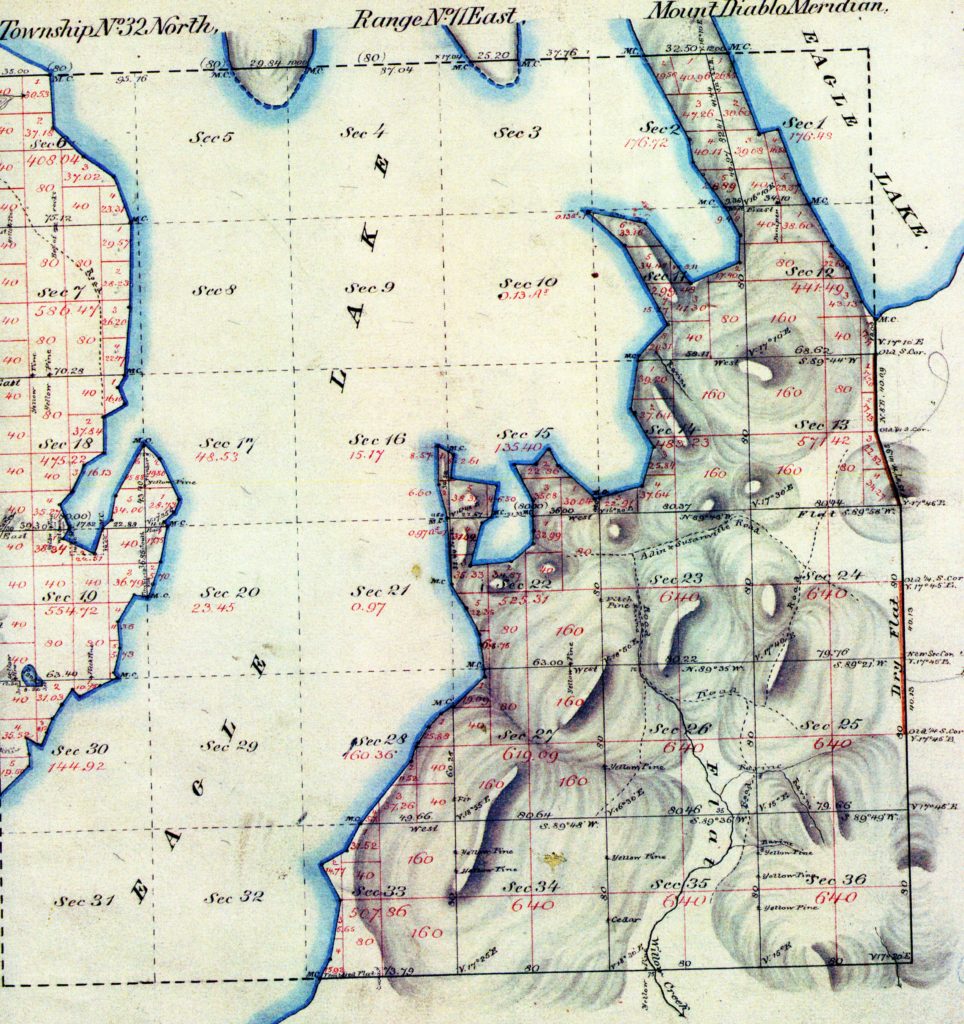
Eagle Lake – Pelican Point

United States Government Land Office survey map.
There are times when I am doing research I get sidetracked. In a particular instance recently resulted in an interesting revelation concerning Pelican Point at Eagle Lake. For a long time the point did not exist, though there was a Pelican Island of sorts. As you can see the above of the Government Land Office survey map of 1875, there is no Pelican Point. At that time the lake level as 5109. In 1917 began the twenty-year drought, combined with the Bly Tunnel, the lake level dropped dramatically, which resulted in the exposure of Pelican Point for the first time since Anglo settlement.

Subscribe!

Susan River, 1899

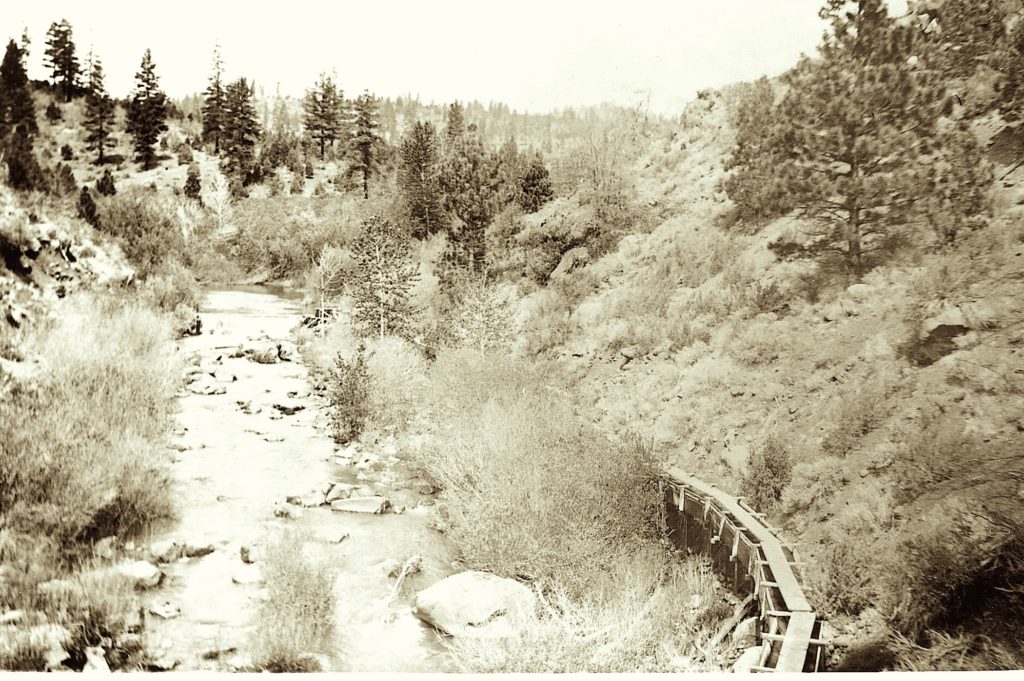
Susan River, 1899. Courtesy of Philip S. Hall
As the Bizz Johnson Trail, formerly the Fernley & Lassen Railroad, is popular with locals and out-of-towners, alike, I thought some might enjoy today’s photograph. This was taken below Hobo Camp in 1899 prior to the railroad’s construction through there in 1913. The flume carried water to the Arnold Ditch would power the Arnold Planing Mill at the Richmond Road Bridge.

Subscribe!

Ramhorn Springs

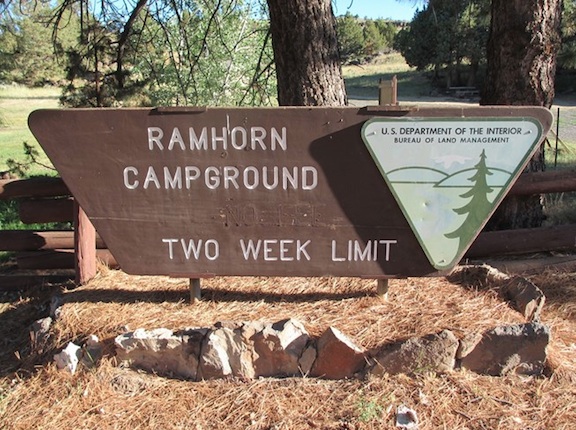
Entrance to Ramhorn Campground
Ramhorn Springs and Campground is located a sort distance east of Highway 395 between Secret Valley and the Madeline Plains. I was told recently, and I do not know if it is a fact, that the springs dried up in the recent drought. Anyhow, bighorn sheep once roamed much of eastern Lassen County. In 1881, Lum Roberts killed one on Skedaddle Mountain that weighed 200 pounds! In the early 1920s, only one band of sheep, consisting of about forty head, remained on Observation Mountain, not that far from Ramhorn Springs. The majority of that herd perished in the winter of 1922. Lassen County Game Warden, C.O. Fisher, noted that only six sheep were still alive at Observation in 1927 and by 1931 it was deemed that the sheep were extinct in the region.

Subscribe!

The high and low of Lassen County

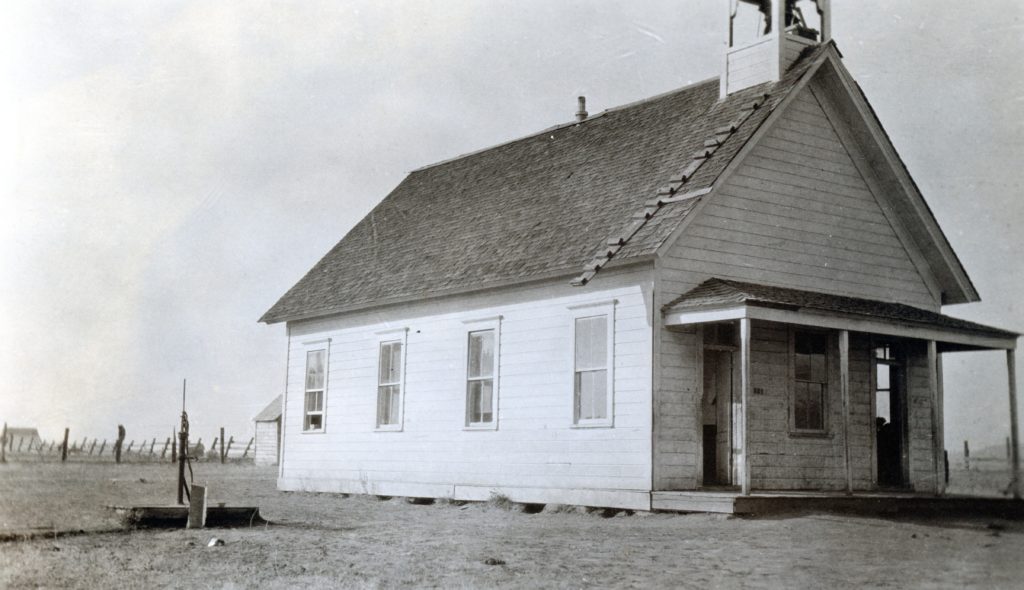
Pitt River School, near Pittville, 1916. Courtesy of D.M. Durst
Lassen County covers 4,690 square miles and that is a lot of territory. Not only that, is the diversity of terrain. With that in mind here is a little bit of trivia. The highest point in Lassen County is that of Hat Mountain in the northeast corner of the county at an elevation of 8,737 feet. The lowest point which is in the northwest portion of the county is Pittville on the Lassen-Shasta County line at an elevation of 3,270 feet.

Support!

Mount Lassen vs. Lassen Peak

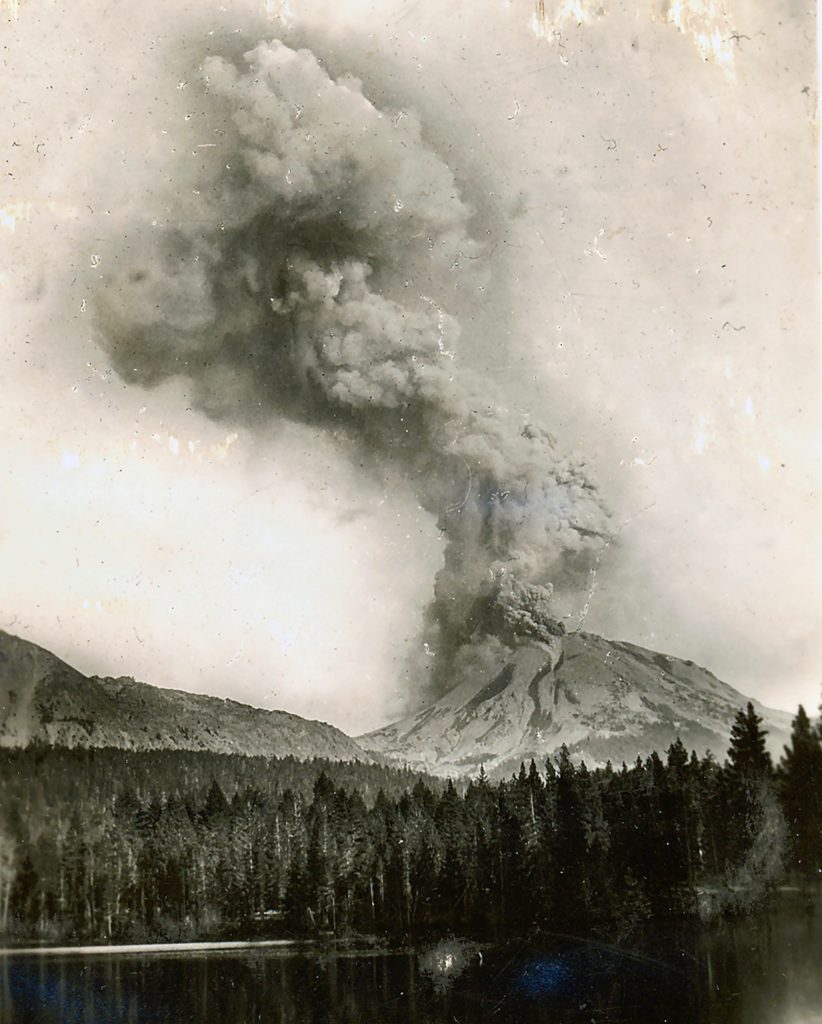
1917 eruption of Lassen Peak.
Call it what ever you may, and most people will refer to it as at Mount Lassen, though it is officially Lassen Peak. It does get confusing especially since so many of the prominent points of the Cascade Range have the appellation of Mount, i.e., Hood, Ranier and Shasta. When Lassen came into national prominence during its notable eruptions of 1914-15, it prompted the United States Board of Geographic Names to resolve the name issue. On June 2, 1915, the board officially named it Lassen Peak. But not everyone embraced the official designation. For example in 1917, when the peak had another eruption, E.W. Hayden of Susanville’s Lassen Advocate wrote, “Old Mount Lassen (we’ll call it Mount, if we want to) had another tremendous eruption of steam, smoke and ashes on Wednesday, and the display is regarded as one of the greatest since it ‘came back’ as a volcano.”

Support!

1918 Solar Eclipse

Main Street, Susanville, 1918.
While Monday’s eclipse is still fresh in most people’s memory, the 1918 eclipse was very similar across the United States. Locally, the Lassen Advocate newspaper of June 14, 1918 reported: The eclipse came on time last Saturday and smoked glasses—and noses—were in evidence. The Advocate force was too busy to take more than a squint at the phenomenon and consequently you know as much about it as they do.

Subscribe!