Tag Archives: Natural History

Pine Creek, Lassen County

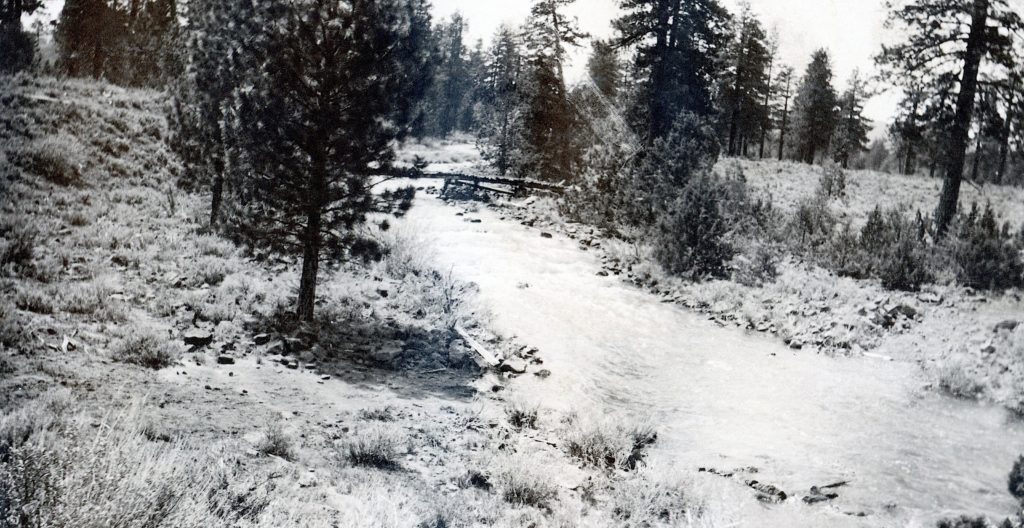
Pine Creek, 1921. Courtesy of Lola L. Tanner

In 1938, Ernst Antevs research on the Rainfall and Tree Growth in the Great Basin was published. A segment concerns Lassen and Modoc Counties. The following is an interesting footnote from that study:  “The sources of Pine Creek, the only large tributary of Eagle Lake, are less than a mile from those of the Susan River, the main feeder of Honey Lake. The seasonal runoff in these streams may therefore undergo similar fluctuations, and with undisturbed conditions, the lakes should do the same. Actually, Honey Lake has fluctuated  in harmony with the known precipitation of the region, but this has not been the case with Eagle Lake. The moistest times since 1850 have been 1868, 1890-93 and 1904-07, and since 1907 the measured rainfall and runoff have on the whole decreased, while the highest recent stand in Eagle Lake was recorded in 1917. The fact that from 1801 to 1821 a thicker wood mantle was formed in the Susanville trees than during any two later decades prevents us from concluding from the stump at the 82 foot level that the precipitation from 1760 to 1860 was continuously light and much smaller than it has been since 1860. In short, the levels of Eagle Lake cannot be used as a basis for conclusions about the rainfall before 1850. A reasonable explanation of this controversial problem was given the writer in 1931 by Mr. G.N. McDow, president of Lassen County Abstract Co., Susanville, who expressed the opinion that the rise of Eagle Lake was due to a closing of its subterranean outlet about 1890 by an earthquake.”

Subscribe!

The Summer Solstice Tour

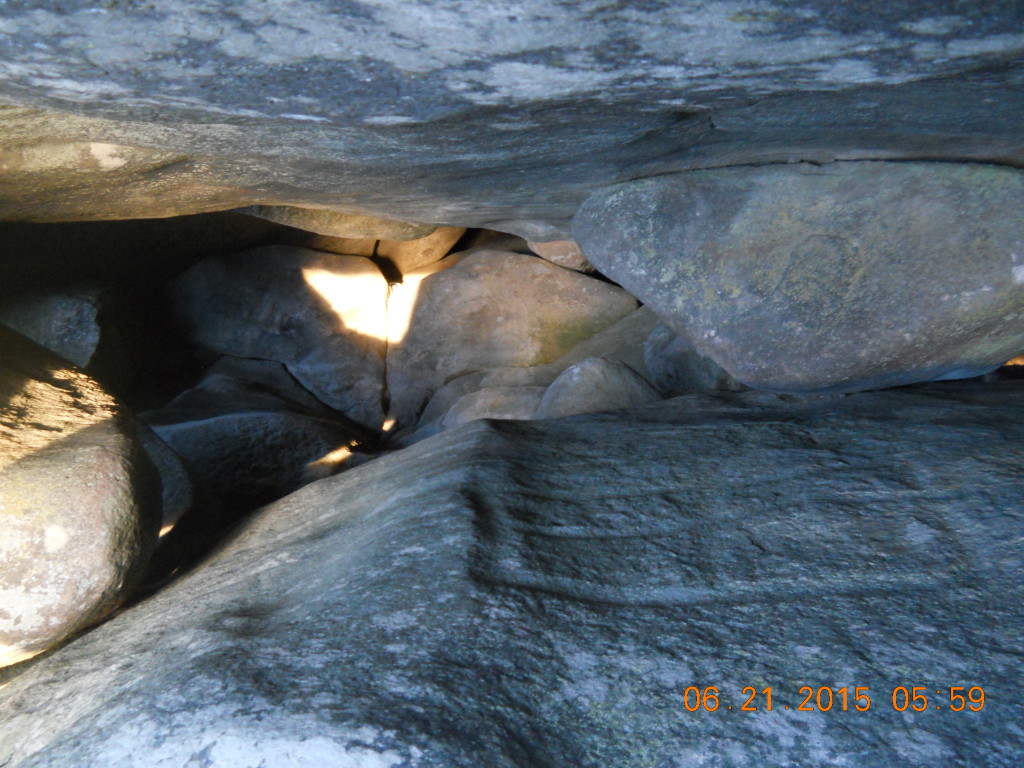
Sunrise Chamber, 2015

Were you aware that the Belfast petroglyph site also serves as ancient observatory?  This event only occurs on the morning of the summer solstice when the sun enters a chamber highlighting a variety of glyphs, among other things. It is quite the sight to see.

sunrise chamber
The sunrise chamber.

This is an early morning excursion and I mean early as we gather at 5 a.m. to make the trek. In preparation attendees receive in advance John Rudolph’s paper, “An Ancient Solar Observatory.” If there is enough interest we can make the trip again this year. Please let me know. One final note the solstice occurs on Thursday, June 21.

On Wednesday, June 20, I will send an email with all the details.  However, if it is overcast there is no sense in going.

Note: There is a $5.00 fee for non-subscribers.

Never miss a story, click here to subscribe and support.

Juniper Lake

Juniper Lake

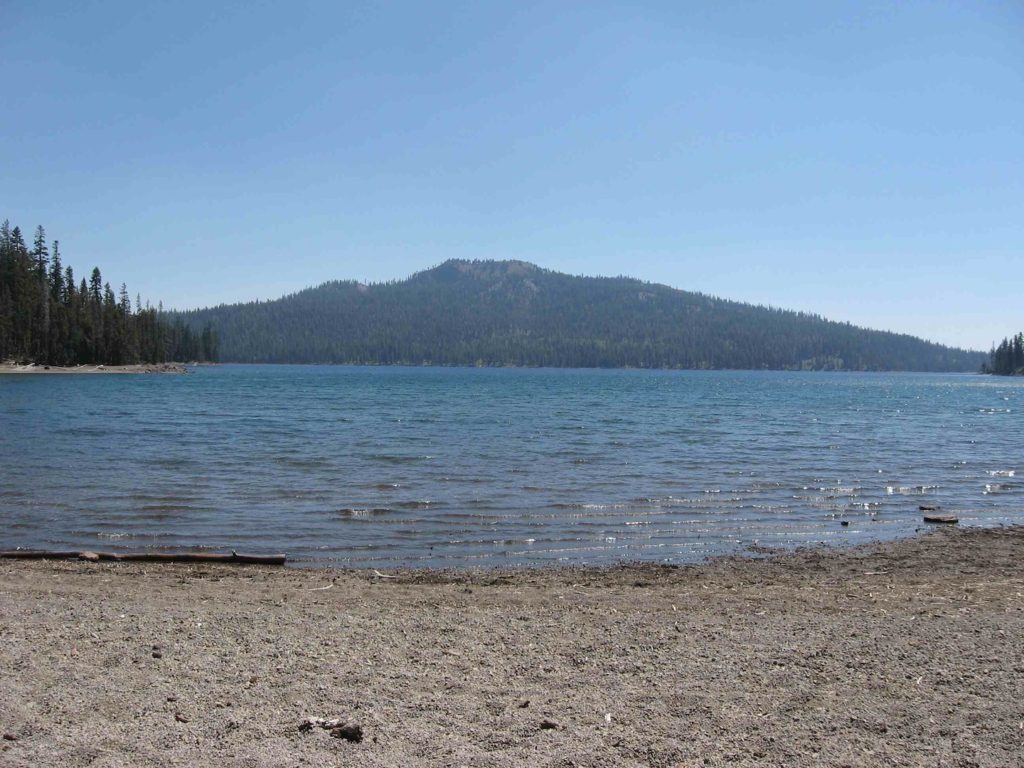
A follow up on yesterday’s topic of exploring if you have not visited Juniper Lake in Lassen Volcanic National Park, you might want to add it your list. The road is a bit rough, but worth the drive. The lake  covers 592 acres and is the largest lake in the park. In the 1870s, it was originally designated Lake Louise, but along the way it became known as Juniper. As remote as it is, it does have an interesting  history, especially with the antics of C.P. Snell and his varied attempts to develop a resort. Snell had purchased 475 acres there, and it was not until the 1950s when the park acquired the property.

Donate or Subscribe

It can happen anywhere

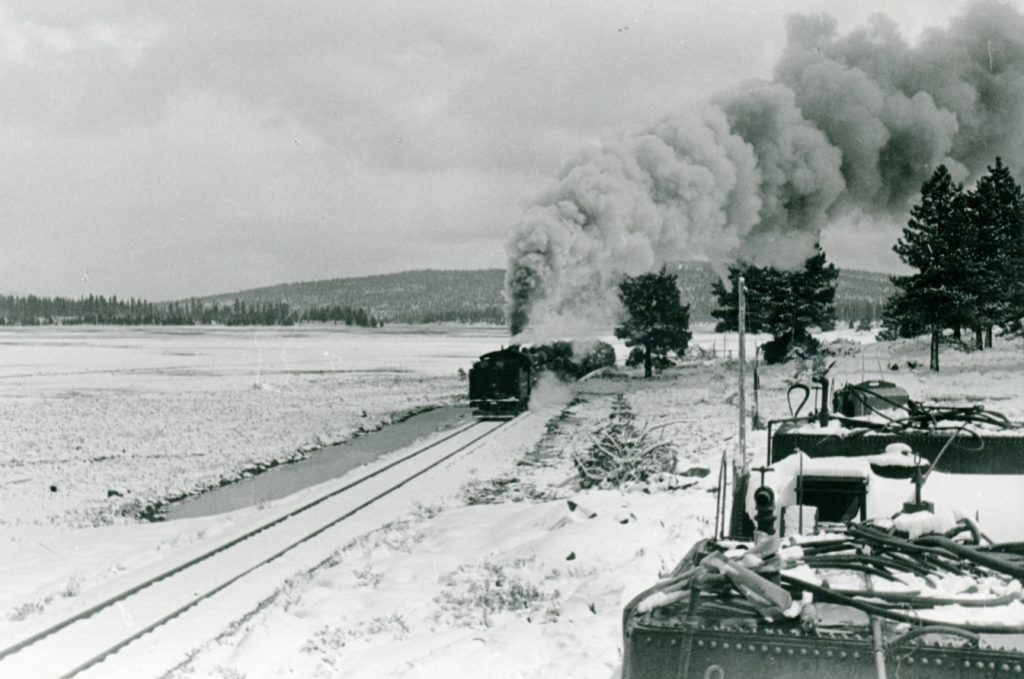
Fruit Growers log train, Pine Creek Valley, 1940.

“Dishes rattled, stove pipes were disjointed, cabinets and beds danced to a merry tune Sunday night [March 9, 1930]” from an earthquake according to the reported call  of the caretaker at Camp 7 of the Fruit Growers Supply Company.   Camp 7, it should be duly noted was located at Bridge Creek Springs, located between McCoy Flat Reservoir and Pine Creek Valley.

The whole region is earthquake country, though not as volatile as other places, one never knows where they may occur.

Subscribe!

All That Volcanic Ash

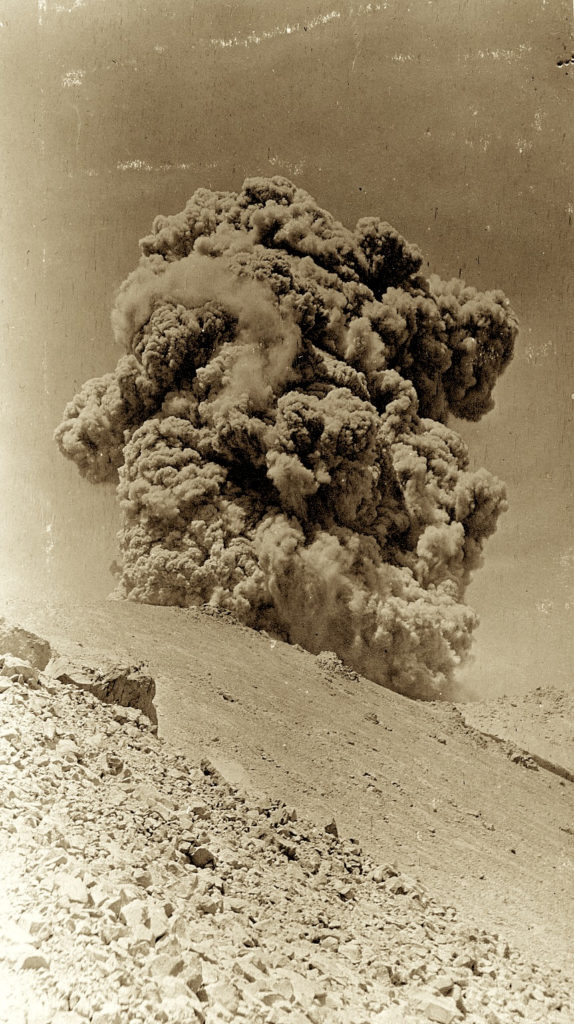
Lassen Peak eruption, June 14, 1914. Courtesy of Dolores Gasperoni

With Hawaii’s Kilauea volcano in the news, I thought we take a look back during Lassen Peak’s numerous eruptions that spewed ash everywhere.  On May 22, 1915, when Lassen had its most historic eruption that sent a mushroom like cloud four miles into the atmosphere. The prevailing winds carried volcanic ash all the way to Winnemucca, Nevada. Susanville resident, an avid fisherman, Med Arnold, was at Eagle Lake that day and reported that the area was covered in like a fine alkali dust, and that enough fell from the sky to muddy the water of the lake. The eruptions continued for several years, and with the west to east prevailing winds, Susanville and the Honey Lake Valley experienced sporadic falls of volcanic ash. In 1917, Janesville resident, Gordon Rice commented, Lassen Peak is good to Lassen County, volcanic ash is a splendid fertilizer.

Subscribe

The Magpie Menace

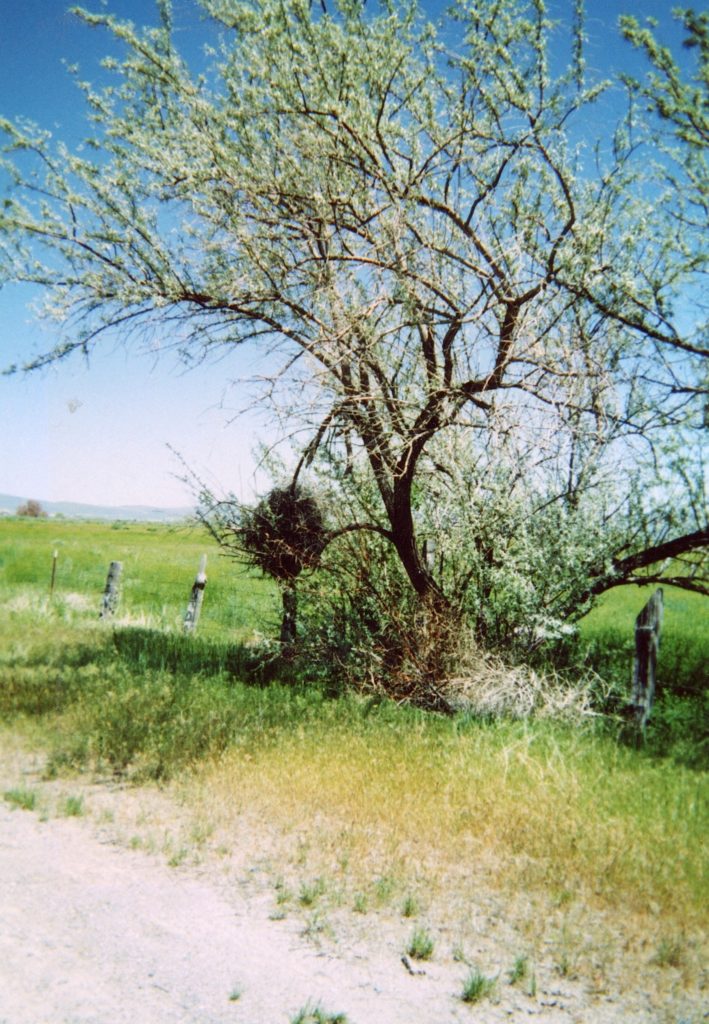
A magpie nest along Mapes Road.

Magpies have a reputation of being voracious predators of songbirds, among other things, as they feed on their eggs and chicks. With that introduction, in February 1930, F.H. Taylor, Lassen County Horticultural Commissioner and Stan Brown, Lassen County Farm Advisor experimented on a poison concoction to combat the “magpie pestilence” in the Standish district. They considered it a success with more than 100 magpies killed in the first attempt.

On a final note, when my mother, then Ardene Tanner, was a small child, who grew up in that region, told me she would collect magpie eggs as Fish and Game would pay her five cents for every egg. This she said was a worthwhile financial endeavor, since this was in the late 1930s.

Donate!


Said Valley Reservoir

Said Valley Dam
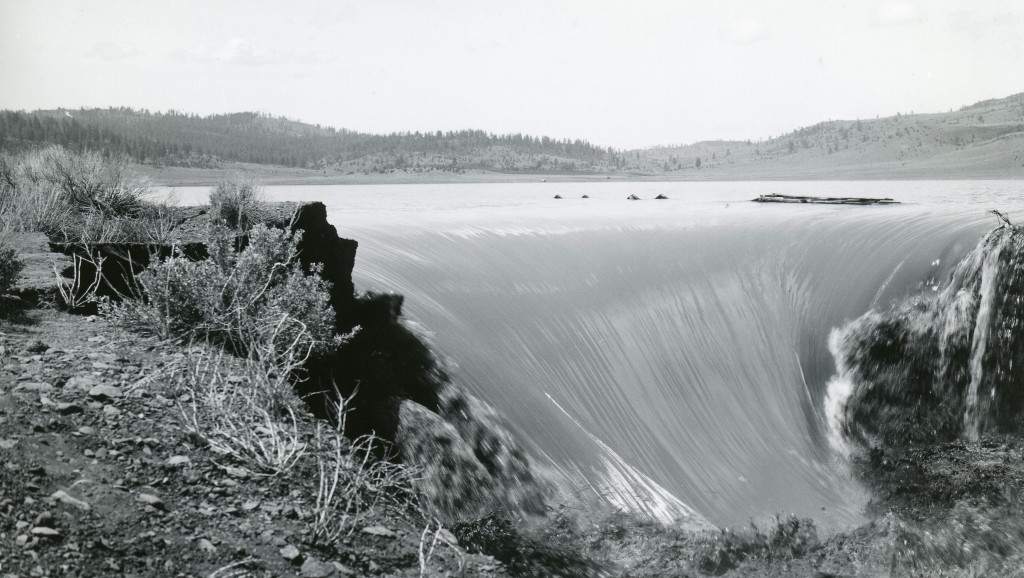
Collapse of the Said Valley Dam, May 8, 1938. Courtesy of Betty Barry Deal

Eighty years ago today witnessed the failure of the dam at Said Valley. The earthen dam was constructed in 1885, just north of Grasshopper Valley. In 1929, the Department of Water Resources cited the spillway was not in compliance. After the collapse of the dam, the state did an investigation as to why it failed. It turned out that burrowing rodents over the years had weakened the dam.

Donate or Subscribe

Cady Springs

Cady Springs Overflow, Susan River Canyon, October 1972.

In 1880, San Joaquin County native, Frank Cady, purchased a ranch in Big Valley, Lassen County. Nine years later he relocated to Susanville. In 1896, an opportunity arose for Cady to purchase the Susanville Water Works from Harry Cain who was going through a messy divorce with the former Stella Stiles.

At that time, the water supply came from Big Springs three miles west of Susanville in the Susan River Canyon.  In 1900, Cady had three-quarters of mile of pipe laid from the water tanks going westward, with the goal of replacing the open ditch with pipe.  In 1930, when Cady sold the water works to the Republic Electric Power Company, only three-eights of mile of the ditch was still open near the springs, that eventually became known as Cady Springs.

Subscribe!

Milford Rabbit Drive

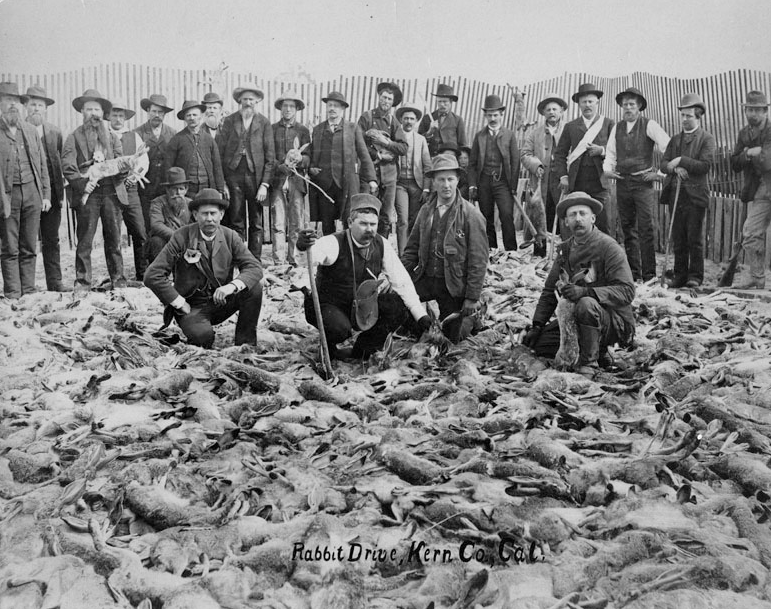
A Kern County rabbit drive, date unknown.
Rabbit drives were common during the first part of the twentieth century. On March 10, 1932 one was held at Milford and an observer wrote: “Blooey! and another jack rabbit bit the dust! In fact 1200 rabbits pulled this little trick as some 30 marksmen armed with shotguns blazed away continuously all day in a big rabbit drive. The drive was one of the most successful ever held in the valley. The drive started at the Harwood ranch and covered about a two-mile area. With the termination of the drive, a lunch was served to the hunters by various ladies of the community.

“Smoking gun barrels and black and blue arms were quite apparent throughout the day. Those participating were thoroughly pleased with the results and voted the occasion as most enjoyable form of hunter’s sport.”

Subscribe!

A Honey Lake Earthquake?

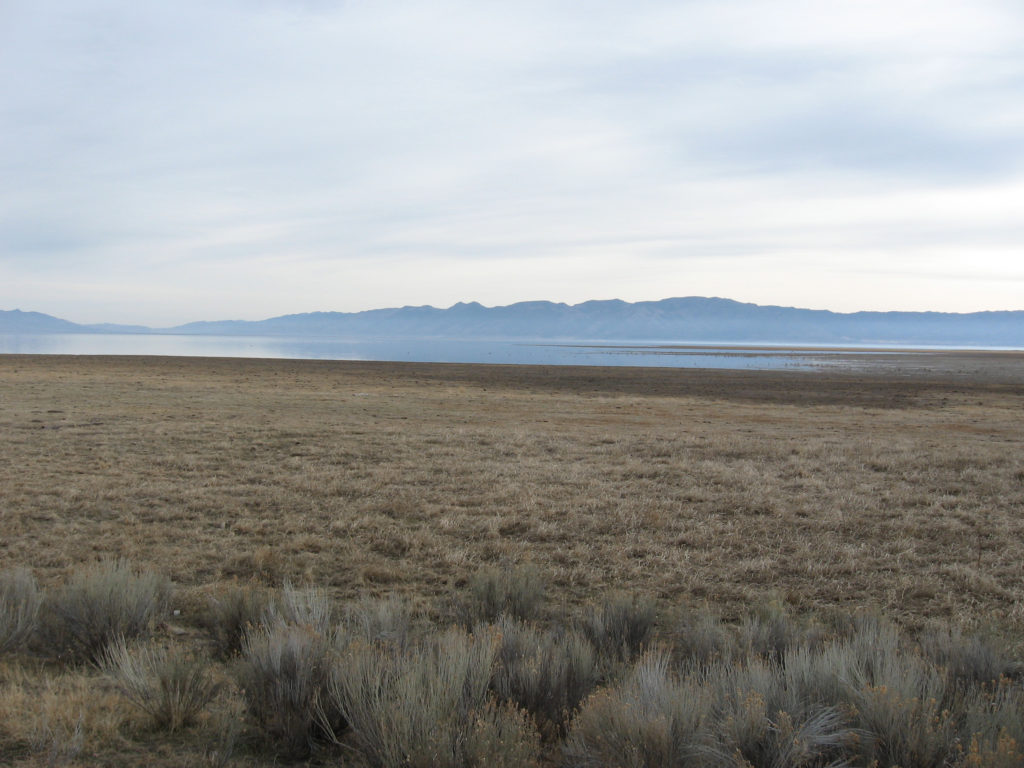
Honey Lake seen from Tanner Ranch, January 17, 2018
In the fall of 1938, Professor S.T. Harding of the University of California spent some time investigating earthquake effects and water levels in the Honey Lake Valley. He had heard that an 1889 earthquake created an outlet to Honey Lake. However, he found nothing to substantiate this claim. He noted that from the winter of 1937-38 that Eagle Lake rose seven feet, but was still twenty feet short of the high water mark.

It should be noted there was a major earthquake in the region in 1889, where in Eagle Lake dropped by two feet. Harding would return to the region to extensive research on the water levels of Eagle Lake.

Subscribe!