Tag Archives: Natural History

Juniper Lake Hydro-power?

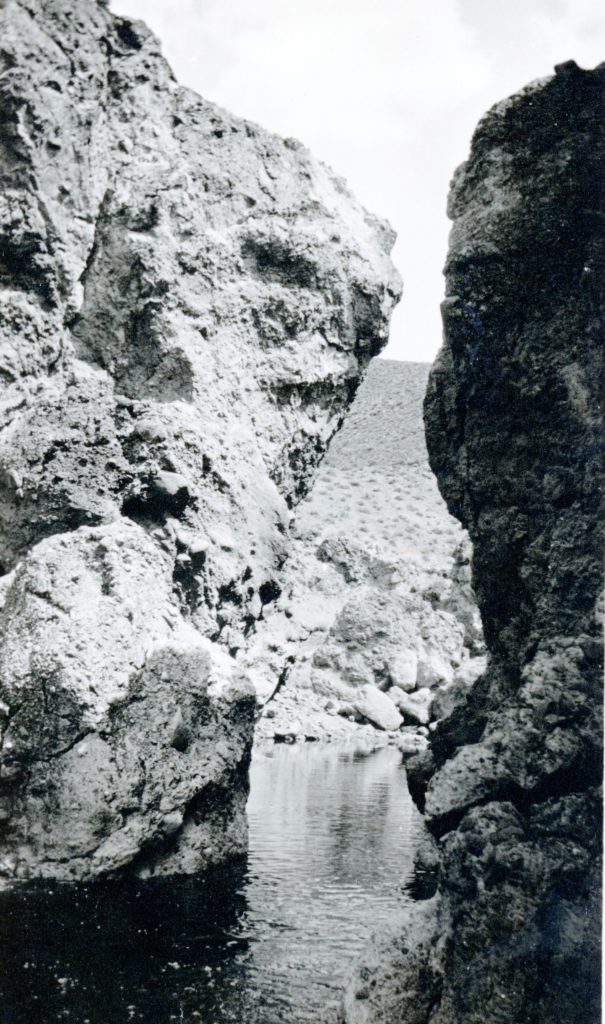
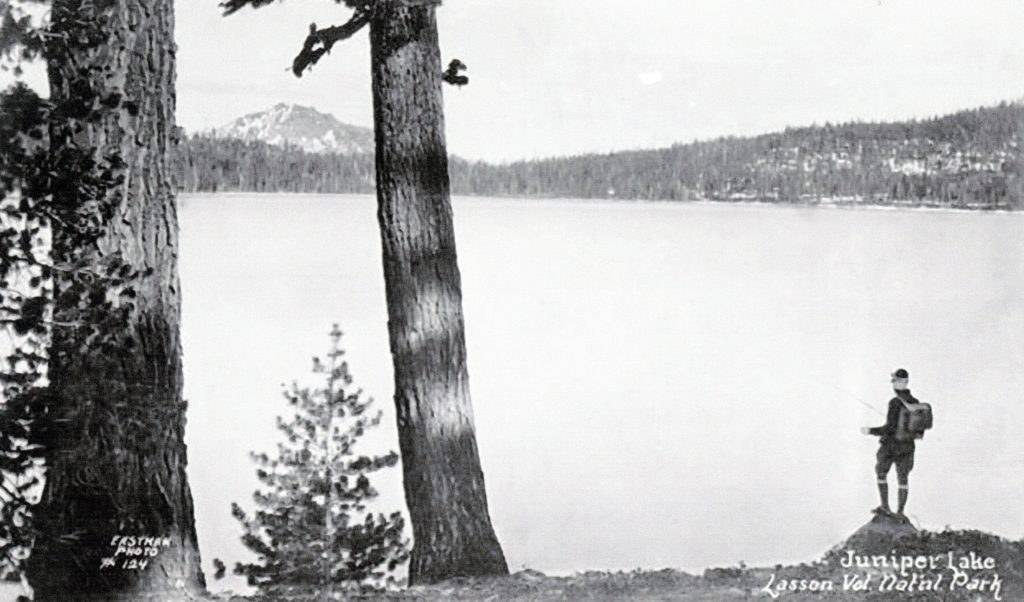
Juniper Lake, 1938

One of the gems of Lassen County, is Juniper Lake tucked away high in the mountains of Lassen Volcanic National Park. Due to its remoteness, it is just not on a lot of people’s radar to visit. It should be duly noted ever since the Anglo settlement there was always some one to figure out how to utilize the natural resources and Juniper Lake was of no exception.

In the early 1900s hydroelectric power was playing a prominent role in the Feather River watershed. One of those developments witnessed the creation of Lake Almanor as part of Great Western Power Company’s hydro-power system. In two separate instances in 1908 and 1909 two individuals claimed the water rights to Juniper Lake for hydro-electric power purposes. On paper it looked fine, especially the sharp drop of elevation from the lake’s outlet. However, there was one crucial element missing. For it to succeed, a sufficient flow of water needed to come into lake, as needed to sustain the flow leaving the lake to generate power. Juniper Lake receives spring run-off and that was not enough. Interest quickly faded, and the proposed project abandoned.

Never miss a story, click here to subscribe.

The Sunrise Summer Solstice Tour


Sunrise Chamber, 2015

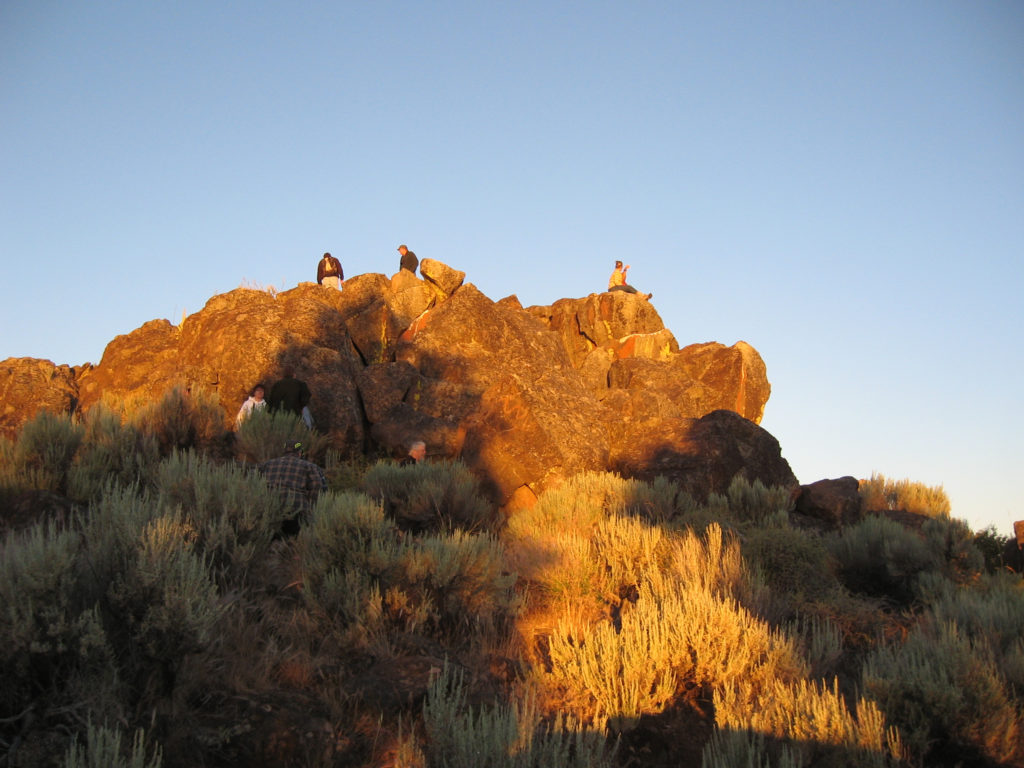
It is that time of year for the annual early morning pilgrimage to Belfast, on Friday, June 21.. Were you aware that the Belfast petroglyph site also serves as ancient observatory?  This event only occurs on the morning of the summer solstice when the sun enters a chamber highlighting a variety of glyphs, among other things. It is quite the sight to see.

Belfast, 2016

This is an early morning excursion and I mean early as we gather at 5 a.m. to make the trek. In preparation attendees receive in advance John Rudolph’s paper, that provides information of what you will be viewing.

I have been asked how long it takes. Most attendees spend about 45 minutes at the site and are usually back in Susanville by 7 a.m.

Note: There is a $5.00 fee for non-subscribers.

A view from the ancient solar observatory, June 2015.

On a final note, details will be sent out a day or two prior to the solstice. After all, if it is going to be overcast on that day, there is no sense in going.

Important: If you plan to attend you need to contact me in advance so I can provide you with the needed literature.

Support

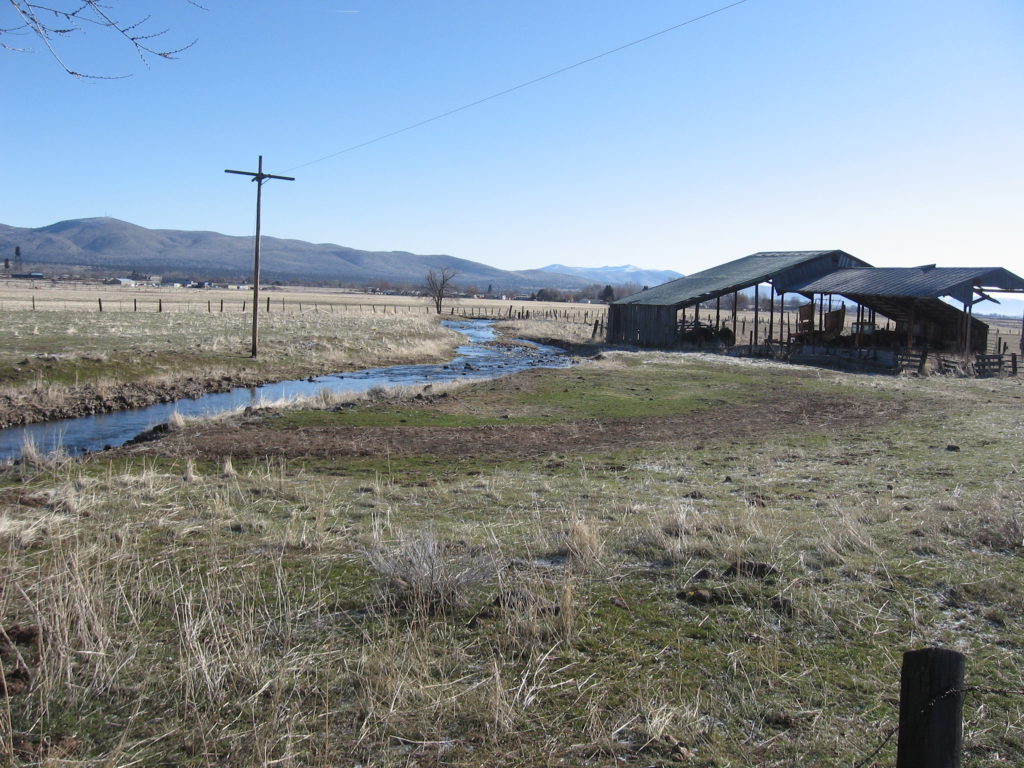
Skedaddle Creek

Skedaddle Creek, 1922

In keeping with the theme of Go Exploring, Skedaddle Creek and Mountain is worth not just one, but many visits. Actually, for the record we did a BLM tour many years ago crossing the mountain from Honey Lake Valley to Bull Flat. Of course, one of more interesting historical sites is the remnants of the Skedaddle Dam.  

Skedaddle Dam, 1992. Courtesy of Ginger Martinez

This is an interesting stream which has a small drainage area of 32.1 square miles. In times of very wet years, it can be a raging to torrent.

Subscribe

Eagle Lake Opener

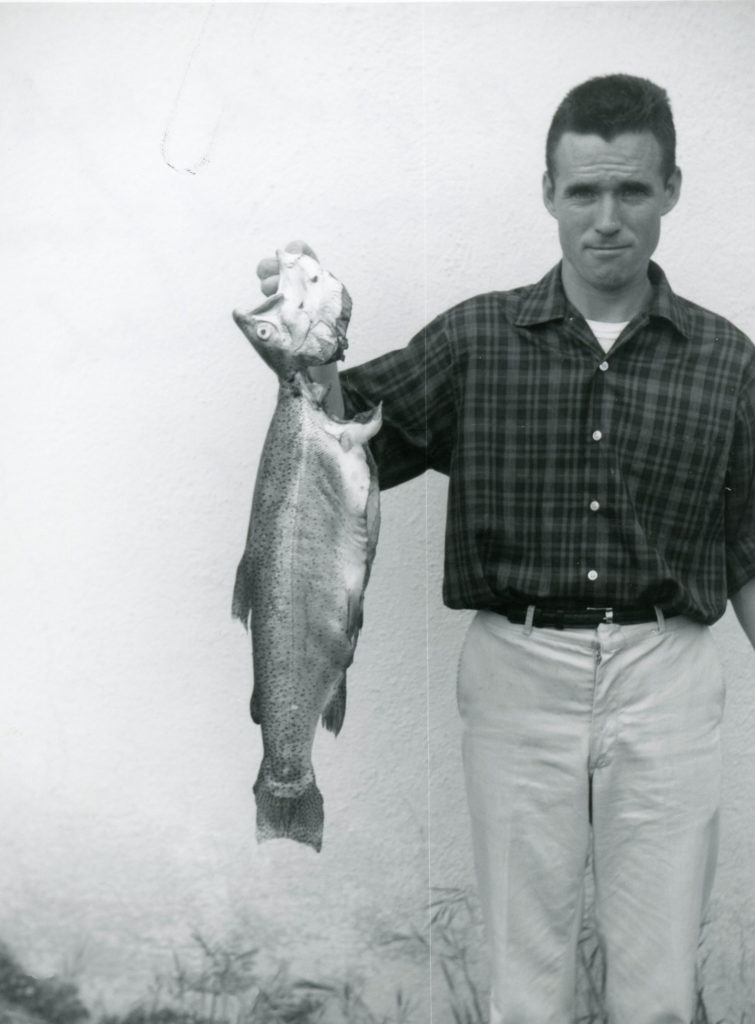
James Stokes holding “Old Lady of the Lake, a 8 pound Eagle Lake Trout caught in 1961.

Since this is opening weekend of fishing at Eagle Lake, it is only fitting that I pass along an article from the Lassen Advocate of September 23, 1927, in regards to a big fish caught there.

“Wright Spalding and Tom Wilson brought one of the nicest fish that has been caught in this section of the county for the season to town yesterday, after having pulled it out of Eagle Lake.

“The fish is thought to be one of the old original Eagle Lake trout, commonly called land-locked salmon and weighs nine and fourth pounds. It is about twenty-six inches in length and is a splendid fish.”

Subscribe

The Spring Run-off of 1938

Honey Lake, 1938

For many, it was a spring to rejoice, the region having endured a twenty-year drought. Water was flowing everywhere. Lakes and reservoirs were being restored to their former glory. This was especially true in the case of Honey Lake that went dry in 1919. It should be noted when the lake is full, it takes about two drought years on the average for the lake to go dry. Of course, all that water in Honey Lake made for an excellent setting to go boating. In April 1938, John Berglund, Howard Thornhill, Kenneth Doyle and Leon Millsap spent the day traversing lake in an outboard motor boat owned by Berglund and Thornhill. However, the former glory days on boating on Honey Lake never returned. With improvements to the automobile and roads, made mountain lakes more accessible, thus more preferable than the shallow Honey Lake.

Support

Pine Creek Fish Trap

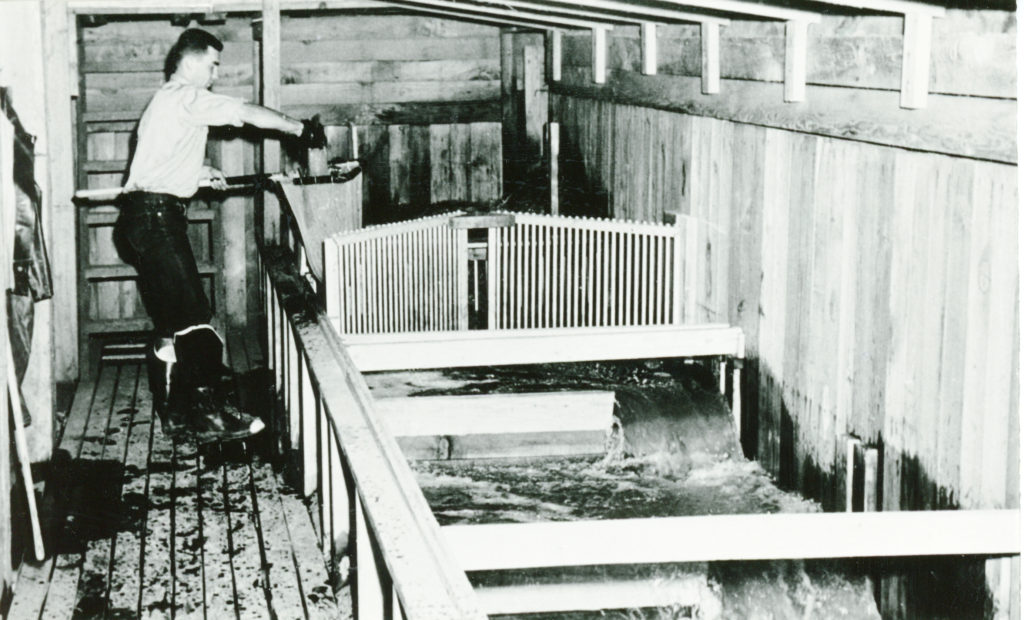
Inside the Pine Creek Fish Trapping Facility, April 6, 1961. Courtesy of Department of Fish & Game

The Eagle Lake trout nearly faced extinction, but fortunately now it is a success story. Between the drought and the Bly tunnel, not only did the lake drop to record low levels, but the Pine Creek estuary became so silted the trout could not go up that stream to spawn. By saving grace, the winter of 1937-38 witnessed tremendous precipitation, that allowed for substantial spring run-off that cleared the Pine Creek channel.

In 1948, the California Fish & Game came forward to save the trout. In 1950, Harry Chandler, a biologist was successful in setting up a trap to catch spawners. One adult spawner happened to yield 2,000 eggs. Those eggs were taken to the Crystal Lake Hatchery were they hatched and reared. While that was a good start more needed to be done. In 1958, the Wildlife Conservation Board allocated $38,810 to construct a fishing trap/egg collection station at the mouth of Pine Creek, and also the Crystal Lake Hatchery with an additional four more rearing pounds. It was money well spent as the following year sixteen adult spawners were caught. Thus, a very successful start and we know the rest.


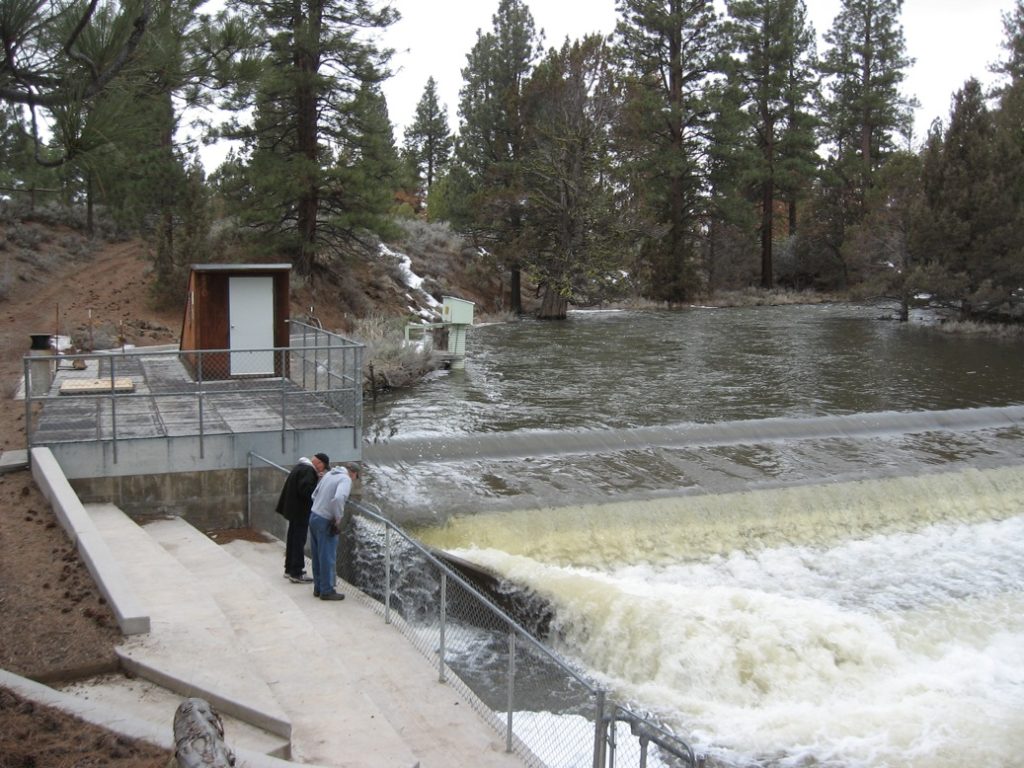
This is an excellent time to visit the facility, especially for those who have never been there.

The Pine Creek Fish Trap, April 4, 2019

Support

Reforestation

Diamond Mountain, circa 1940. Courtesy of Margaret A. Purdy

It is interesting to note that before the Red River Lumber Company and the Fruit Growers Supply Company harvested a single tree, the two companies stated with their sustained harvesting practices they would operated into perpetuity. While both companies no longer operate sawmills, they own large swaths of timberland, which is routinely harvested. However, large swaths of territory the companies would log contained a great deal of volcanic rock, not the best soils for second growth trees. In addition, when they did a tremendous amount of logging in these areas, it coincided during a twenty year drought cycle from 1917-37, that until this time the region had never experienced since the Anglo settlement of the 1850s.
On the other hand, they had a positive outlook. Take for instance during the dedication ceremony of Fruit Growers sawmill in Susanville in 1921. Charles Emerson, a well known merchant and rancher was one of many dignitaries to speak. Emerson told the crowd of his own reforestation locally. Emerson recalled that as a child [he was born in Susanville in 1868], forty years ago, he helped plant a tract of pine trees on the family ranch just south of Susanville on Diamond Mountain. Those seedlings, he said, had become a fine stand of pine timber, many of which were 22 to 24 inches in diameter.

Subscribe

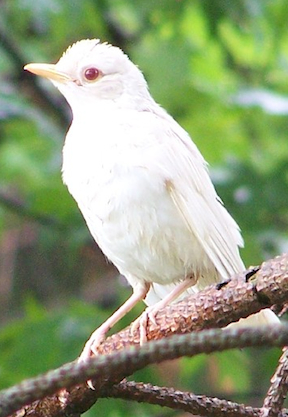
Lassen Youngster Shoots Freak

An Albino robin. Courtesy of seeds-solutions.com

That was one of the front page headline stories of Susanville’s Lassen Advocate newspaper of April 1, 1927. The following is what the newspaper reported:

“James Madison, the young son of Mrs. Jessie Madison, saw a strange looking bird flying on the Hulsman Ranch about a week ago. After several attempts to get near enough to see what it was, he shot it. Nobody seemed to be able to tell what it was, so John B. Christie sent it to the University of California Berkeley for any information they might be able to give.

“During the past week a reply has been received that the bird was a Albino robin and that it is a very rare specimen for this section of the country.”

Subscribe

Ruf Creek

March 11, 2019

Named for German immigrant John Ruf (1843-1904) who came to California in 1866 and to Lassen County in 1874. For several years, he worked at Adam Jakobs sawmill in Willow Creek Valley. In 1883, he married Mrs. Pauline Hulsman, and they had eleven children. In 1885, he purchased the Cyrus Myers place, just south of Susanville where he lived the rest of his life.

March 11, 2019

Support

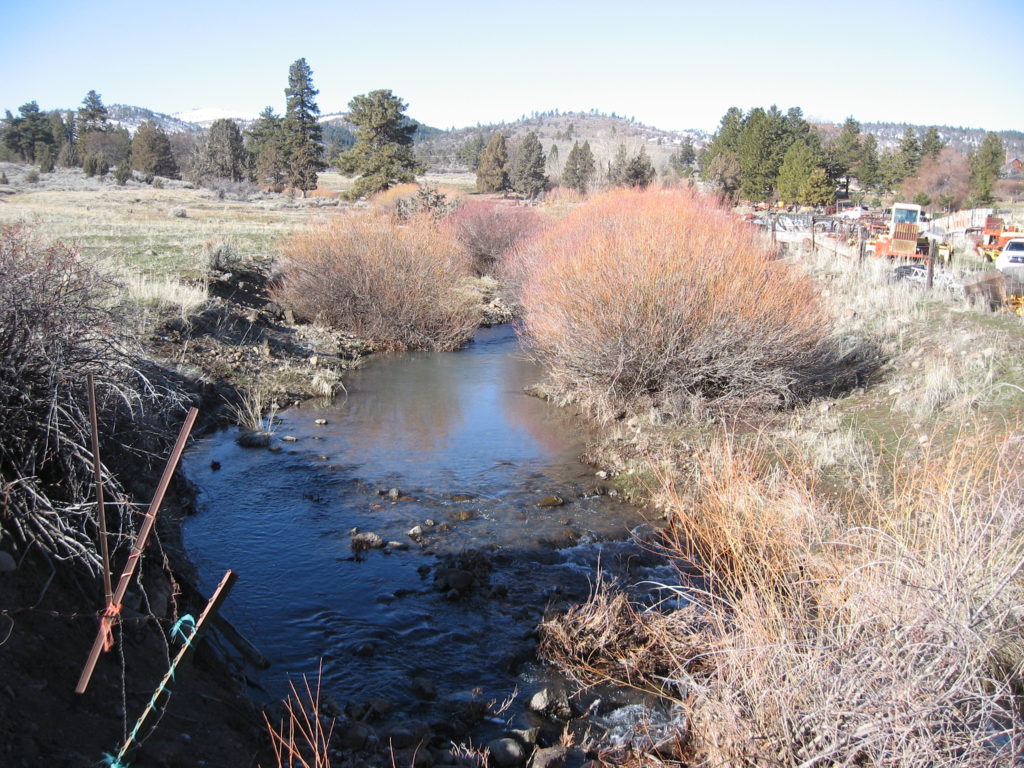
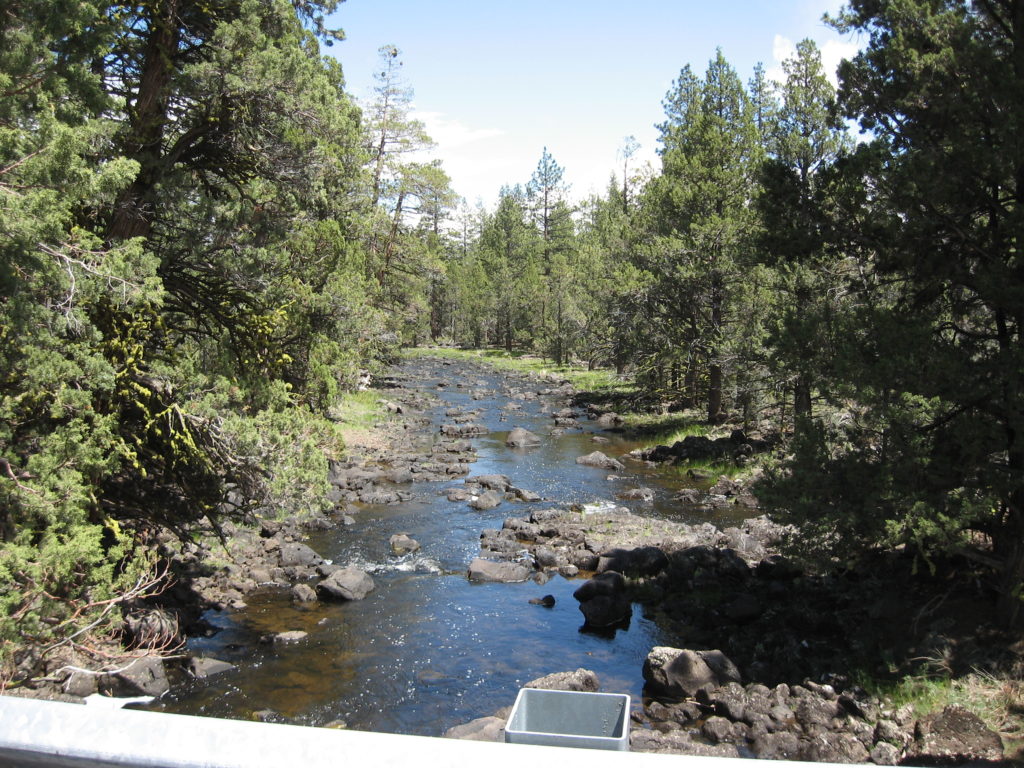
Pine Creek – Then & Now

Pine Creek, June 9, 2017

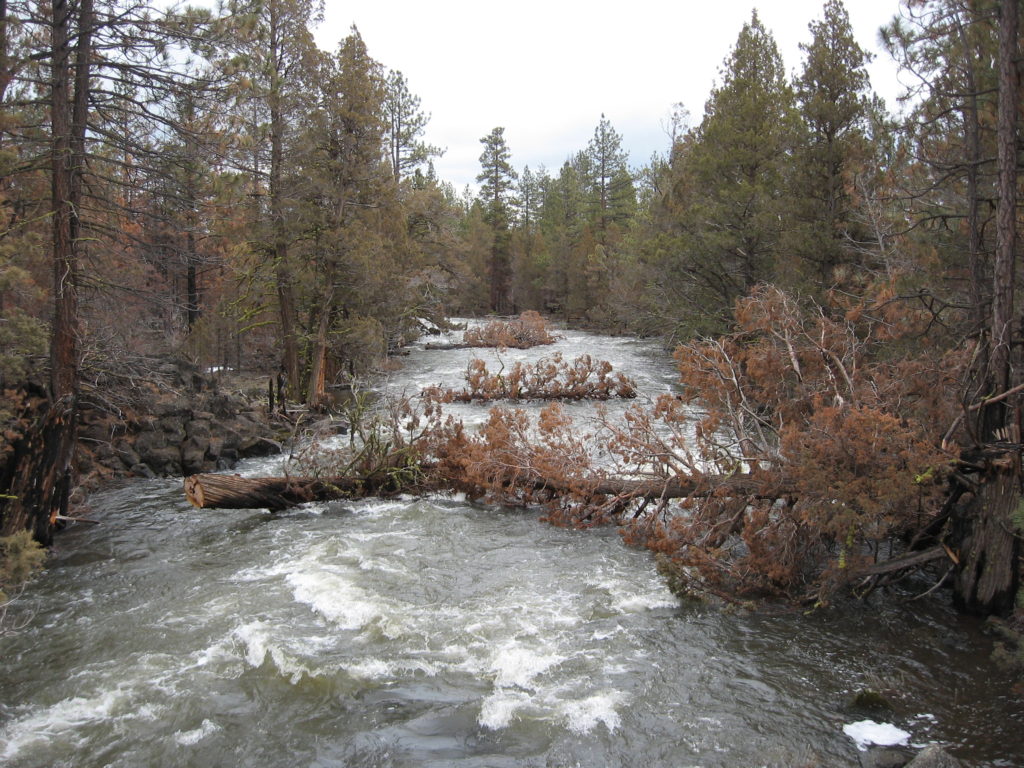
Some times, certain places just always seems to stay the same. Others can go through dramatic transformations. Having a severe case of either cabin fever or the lack of warm spring weather, necessitated an outing, even if it was cold. A journey to Eagle Lake and check out the Pine Creek fish trap/egg collection facility. Turns out the spawners are moving slow, the water temperature even a bit chilly for them. The pelicans on the other hand are abundant. Since we were in the neighborhood, a trip to the south shore to check out the marina, etc. On the return, stop at the Pine Creek bridge, thus the changes taking place.

Pine Creek, April 4, 2019

Support