Tag Archives: Native American

The Sunrise Summer Solstice Tour


Sunrise Chamber, 2015

It is that time of year for the annual early morning pilgrimage to Belfast, on Friday, June 21.. Were you aware that the Belfast petroglyph site also serves as ancient observatory?  This event only occurs on the morning of the summer solstice when the sun enters a chamber highlighting a variety of glyphs, among other things. It is quite the sight to see.
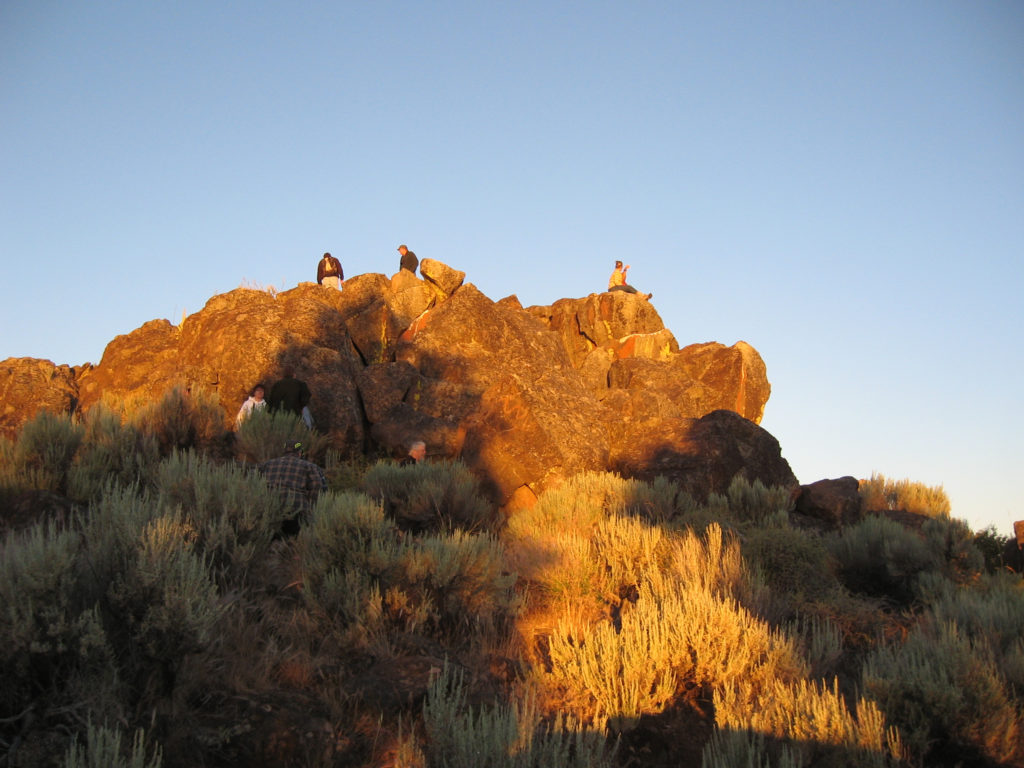
Belfast, 2016

This is an early morning excursion and I mean early as we gather at 5 a.m. to make the trek. In preparation attendees receive in advance John Rudolph’s paper, that provides information of what you will be viewing.

I have been asked how long it takes. Most attendees spend about 45 minutes at the site and are usually back in Susanville by 7 a.m.

Note: There is a $5.00 fee for non-subscribers.

A view from the ancient solar observatory, June 2015.

On a final note, details will be sent out a day or two prior to the solstice. After all, if it is going to be overcast on that day, there is no sense in going.

Important: If you plan to attend you need to contact me in advance so I can provide you with the needed literature.
Support

The Wadadokado Tribe

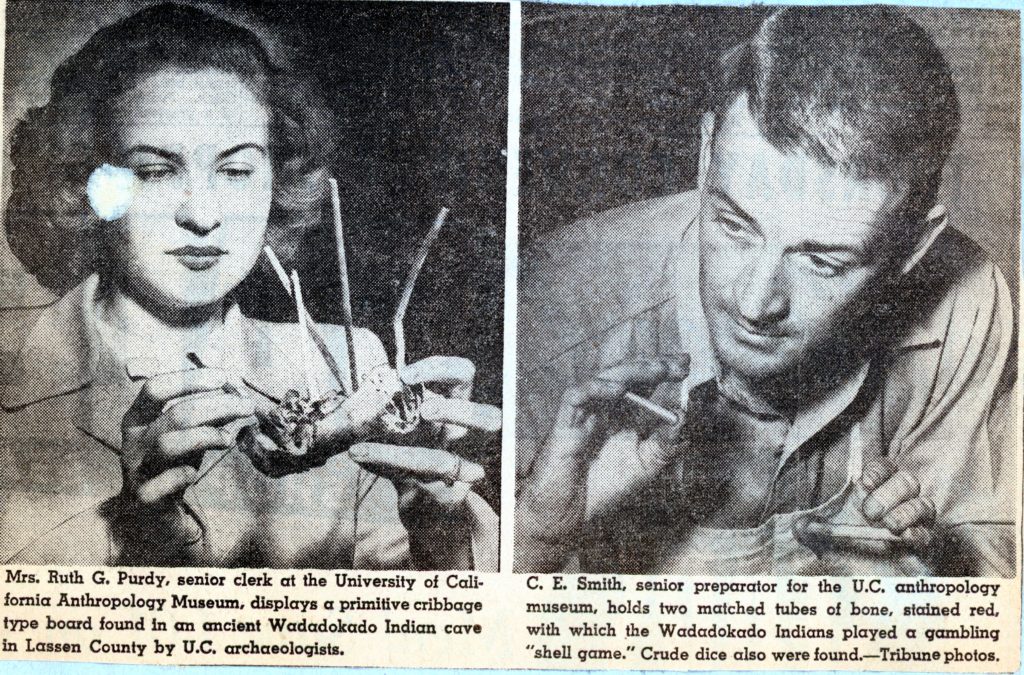
Oakland Tribune, July 13, 1949

On July 13, 1949, a feature article in the Oakland Tribune wrote: “U.C. Archaeologists Make Scientific Raid on Primitive Gambling Casino. A scienitific raid on a primitive gambling den in Lassen County by a squad of University of California archaeologists has turned up enough evidence to jail a whole tribe of Wadadokado Indians.

“The Wadadokado however, disappeared from the historic California “den” about 100 years ago and so the archaeologists, all members of the California Archaeology Survey have plenty of time to sift the evidence and repare their case.

“Location of the “den,” called Tommy Tucker Cave is in Lassen County, about seven miles from the Nevada line. Entrance to the cave, 200 feet up the side of Honey Lake Valley, is effectively concealed from the Valley floor.”

The article continues about various objects unearthed. In previous post I have wrote about Tommy Tucker Cave, so as a refresher use the search feature on the site. The primary purpose why I selected this item, it is first time I have come across a reference of the Northern Paiute Indians as Wadadokado. Doing these daily posts, I am learning something all the time.

Support

Deep Hole Station Massacre, 1869

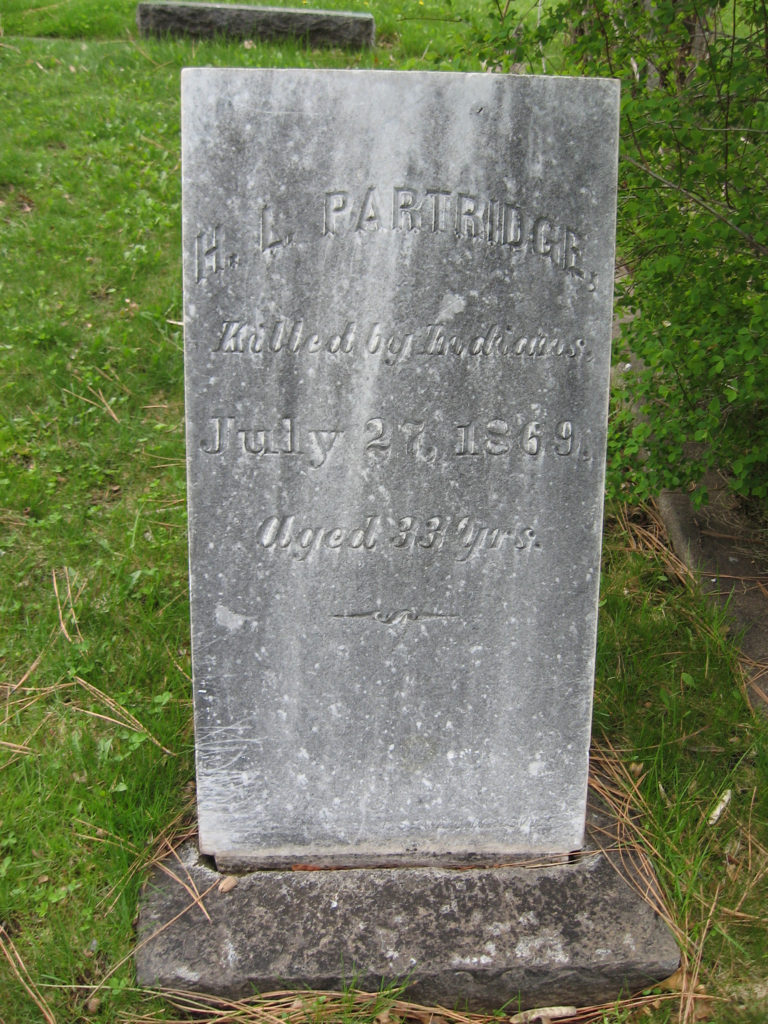
The grave of Hiram L. Partridge, Susanville Cemetery, April 24, 2018

The Deep Hole Station in the Smoke Creek Desert was one of several outposts on the Nobles Emigrant Trail. It was established in 1856 Ladue Vary, who spend the remainder of his life propsecting the mountains of northern Washoe County. In 1862, Thomas Bare sold the Deep Hole Station of Hiram Partridge. A few years later, Sylvester Coburn became a partner with Partridge in the station.

In summer of 1869, all seemed tranquil there. There was a small Indian encampment near the station, on the some of the Indians worked for Coburn & Partridge in cutting hay. The encampment disbanded and purportedly went to Summit Lake. On July 27, 1869 Coburn and Partridge went a mile or two from the station to cut sagebrush for fuel. Tranquility ended. When loading the wagon the initial attack began when Indians shot Coburn in the chest and ankle. Fear raced through Partridge who fled the scene on foot, but was soon overtaken. He was shot three times, in head, chest and ankle.

On August 4, 1869, John Partridge of Susanville and a cousin of Hiram, went to Deep Hole to retrieve the bodies. The following day the two men were buried in the Susanville Cemetery.

Subscribe

Honey Lake Paiute Ethnography

Sacramento Bee

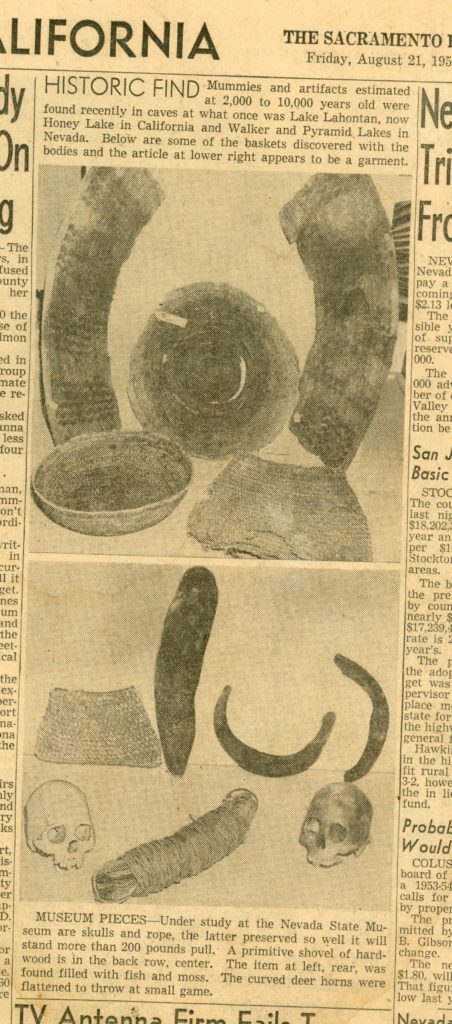
In May 1978, the Honey Lake Paiute Ethnography was published by the Nevada State Museum. It was the work of Francis A. “Fritz” Riddell (1921-2002). Riddell was a well known archeologist and was first professional archeologist to work for the State of California.

Riddell’s father, Harry, came to Lassen County in the late 1920s to assist with the troubled plague Bly Tunnel at Eagle Lake. In the early 1930s, Francis attended the Missouri Bend School near Janesville. There he found arrowheads on the school grounds, that he was so intrigued by that led to his future career. By the late 1930s, the family had relocated to Sacramento. His older brother, Jim remained in Susanville and spent a career as a mail carrier in Susanville. Francis returned to the area on a regular basis to visit his brother, but he a special fondness for the local Native American community. Francis was involved in excavation of Tommy Tucker cave near Wendel, from 1949-1951. He also did extensive field work at Secret Valley.

Support

Petroglyph Humor?

Sunrise Chamber, 2015, at Belfast

While sifting through papers in search of something, I came across this interesting tid bit from the Lassen Mail of March 13, 1936.

”CCC workers in the Secret Valley camp are wondering this week if they have discovered ancient Indian inscriptions or merely run across the work of some amateur cartoonist who was whiling away his time with little stone hatchet.

”An aged Indian revealed several inscriptions to camp workers, carved in rocks in the vicinity of the CCC camp claiming that said marks are relics of the dim and distant past. Photographs were taken of the inscriptions and are now in the possession of the foreman of the camp.

”If the negatives turn out to be replicas of Mickey Mouse, it is generally believed that the ancient Indian’s stock will drop several points.”

P.S. – Those interested in petroglyphs will not want to miss out the annual Summer Solstice Sunrise Tour.

Subscribe

Camp Johns

Gay Street, Susanville, looking north, 1864. Courtesy of Gilbert Morrill

While of late, I have had made references to logging camps, there were numerous military camps throughout the region in the 1860s. One of these was Camp Johns established near Susanville in June 1864, by Company D, 1st Nevada Territorial Cavalry from Fort Churchill, Nevada. In command was Captain Almond D. Wells. This was a mobile military unit that traveled the territory of Northeastern California and Northwestern Nevada in search of hostile Indians. On August 28, 1864, the camp closed, and the troops returned to Fort Churchill. The camp was named for Thomas Denton Johns, a Pennsylvanian who attended West Point. Johns served as commanding Captain of the Utah Brigade at Virginia City, Nevada in 1860. Camp Johns would be replaced with Camp Susan.

Indian Allottment Lands

A portion of the lands sold were east and south of Eagle Lake, such as surrounding Deans Meadow, Photograph taken September 15, 2017

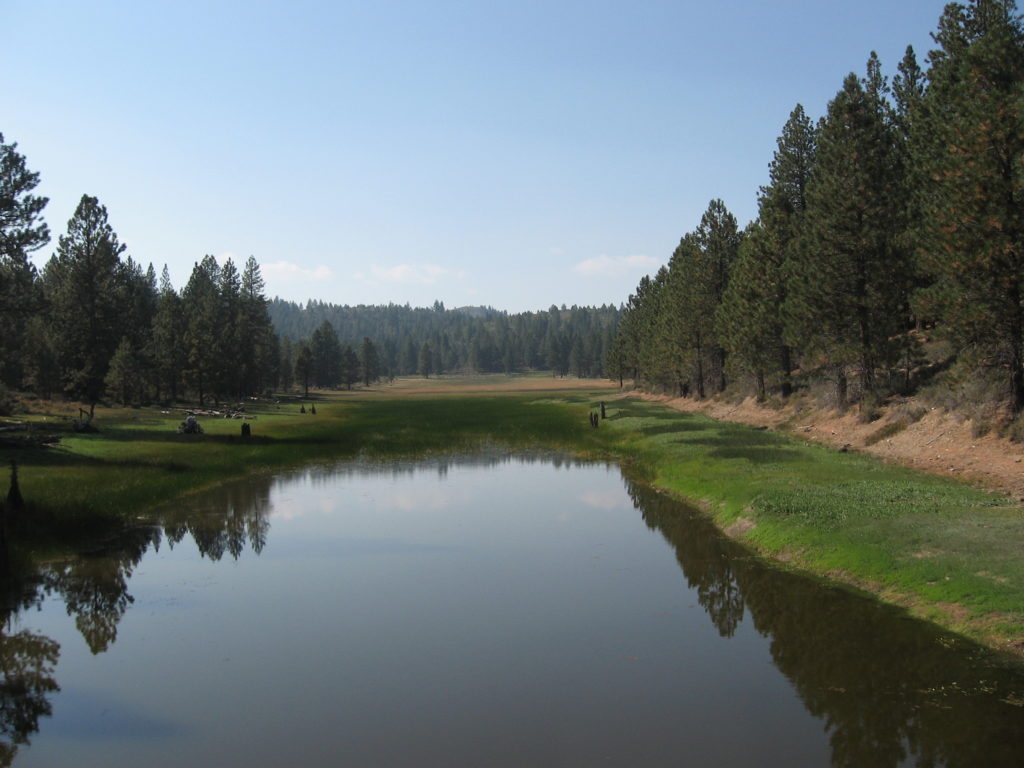
Early on the federal government made arrangements to provide lands to Native Americans . Originally, these were through treaties, but evolved over time that particularly locally individual allottments, usually 160 acres were granted. Exactly, how these lands were selected, I do not know. It should be noted that locally, a high percentage of these allottments were timberland. It was the Bureau of Indian Affairs who managed the lands for the Indians. Routinely, these lands would be sold at public auctions, the proceeds purportedly to be placed into trust accounts. In December 1912, A.A. Bear became the resident agent to oversee the lands owned by the Indians. On February 18, 1913, an auction of 17 parcels was held, the names was like a who’s who of the local Indian populace—Jackson, DeHaven, Joaquin and Peconum to name a few. These properties were are all timberland, and was it just a coincidence that they were all purchased by the Red River Lumber Company?

Subscribe

Who was here first syndrome

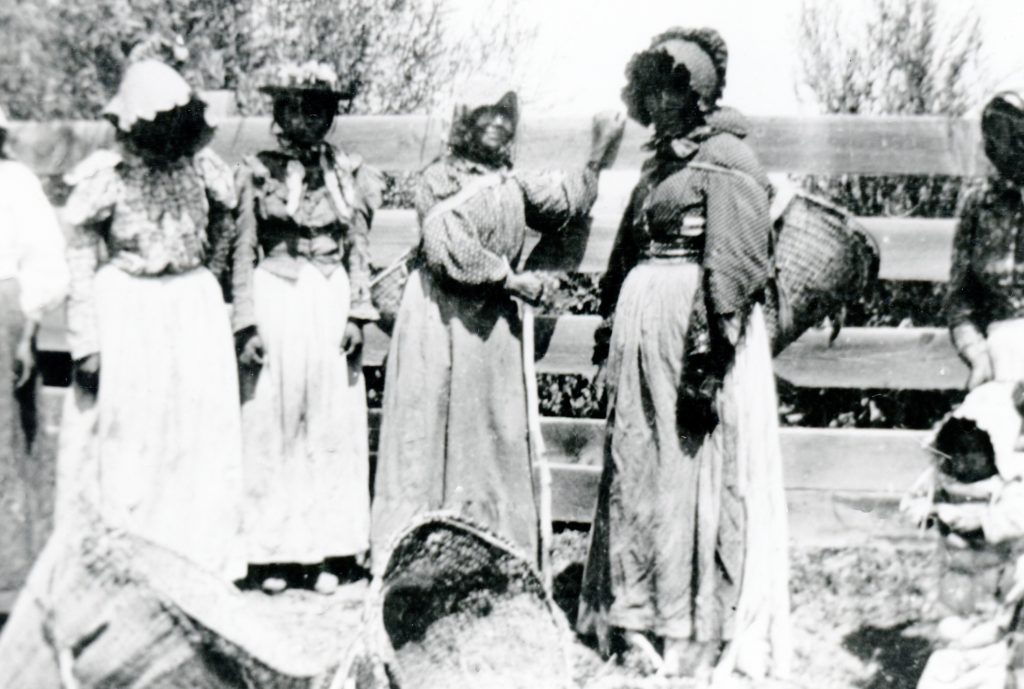
A gathering of Maidu women at Johnstonville, 1900

The way the local Native American community bickers amongst each either, puts most family feuds to shame.  Two topics of discourse is territorial boundaries and the contentious who was here first.    Of course,  not just from a historian standpoint, but as I have blood related cousins who are part of the local Native American community,  it is just plain amusing to watch the antics.

Both the Maidu and Paiute have done a fantastic job concerning “over reach” with federal agencies, even concerning lands not within boundaries that they had in the past never claimed. A classic example is the south end of Eagle Lake—the Maidu in recent years have claimed Papoose Meadows as “sacred.”  What perplexes me then, the victims of the 1866 massacre there were Paiute.

Subscribe


The Sagebrush Darrow

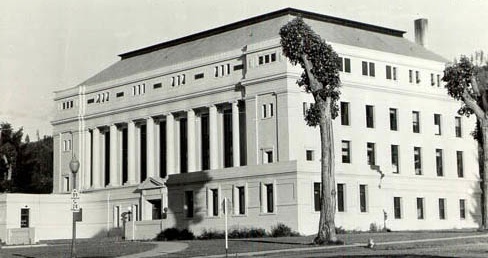
Plumas County Courthouse

Hardin “Finn” Barry was a well known Susanville attorney who had a practice there from 1921 until his passing in 1969. In 1935, Finn represented Mrs. Emma Elam, a Maidu, in Plumas County, who was charged with murdering her husband with an ax. According to news reports, Barry won an acquittal for Mrs. Elam and at the end of the trial served an order on the sheriff demanding the return of the  woman’s ax. In addition, Barry stipulated that the ax be sharpened because it had dulled while being held for evidence. The demand was so unusual that it made national news.

Donate

Name that peak – the answer

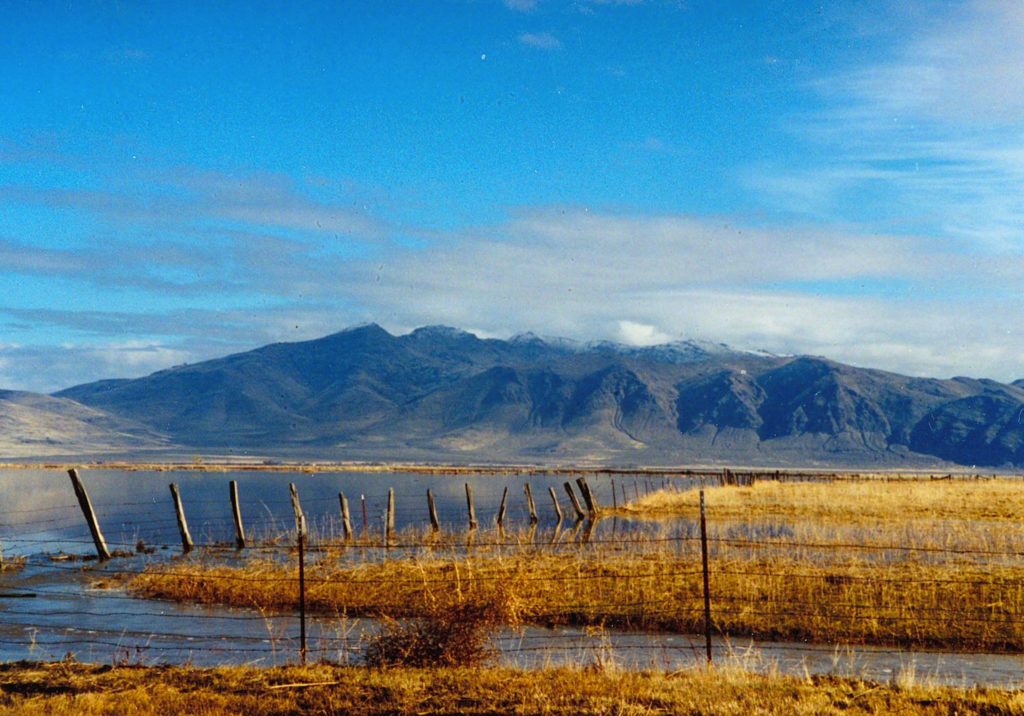
Honey Lake, with Skedaddle Mountain in the background, 1997.

Hot Springs Peak at an elevation of 7,680’ is the highest point on the Skedaddle Mountains. So named for the Amedee and Wendel Hot Springs located at the base of the mountain. Skedaddle was a Civil War term used primarily by Southerners to “flee.”  The mountain was named by the Kidder & Ives state boundary survey of 1863, when they had a skirmish with the Smoke Creek band of Paiutes, in which ultimately the latter fled.

Subscribe