Tag Archives: Native American

Pogonip

fog
A pogonip as seen from Antelope Grade

In 1859 residents of the Honey Lake Valley experienced one of the most dreaded winter weather conditions, a pogonip—the Indians term for an ice fog. The term loosely translates into “white death,” for many Indians caught pneumonia and died. This fog settles in the mountain valleys. One can ascend a few hundred feet above the valley floor, bask in sunny temperatures and overlook a sea of clouds. Pogonips vary in severity. A mild one will consist of persistent endless fog with sub-freezing temperatures. The worst variety is when it turns into a literal ice fog, coating everything. The first day can be spectacular with ice crystal formations on everything. After several successive days of those bone chilling temperatures, it quickly loses its appeal. The pogonip of 1859 was one of severest on record. The heavy cold fog lasted six weeks. So much frost accumulated on the grasses that cattle could not eat it. In addition, since the first settlers had been accustomed to mild winters, very little hay was put up, and a great many cattle starved to death that winter.
Never miss a story, click here.

Secret Valley Paiutes

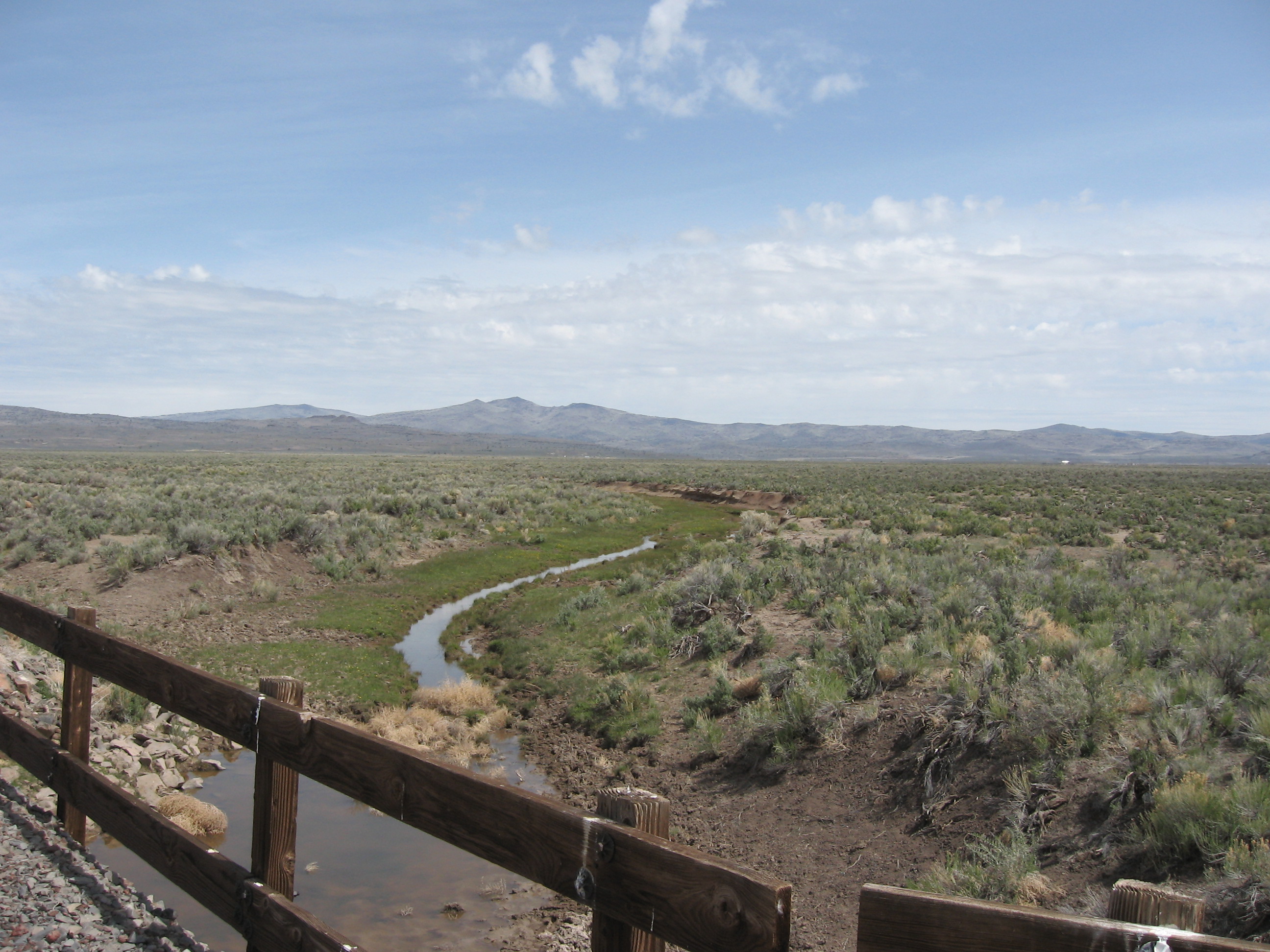
Secret Valley, as seen from the lower end of Secret Valley.

The Paiutes of Honey Lake/Secret Valleys were known as the Wadatkut.

The Secret Valley band consisted of 20-30 people. Ike Northrup who passed away in 1953, is one of the best known members of this tribe.

In the summer they made their home at the north end of Secret Valley, near the old McKissick Ranch, near Karlo. In the winter, they would relocate in the Honey Lake Valley, east of Litchfield. By the late 1890s,  some members of tribe would find seasonal employment there on the nearby Gibson Ranch.

For more information see Francis Riddell’s  Honey Lake Valley, Paiute Ethnology,  Nevada State Museum, Occasional Papers No. 3, 1978 . Riddell grew up in the Honey Lake Valley during the 1930s, as his father was hired to work on plans for the troubled Bly Tunnel at Eagle Lake. While attending school at Missouri Bend, Francis found arrowheads in the school yard and that was the beginning of his career in archaeology.

Please subscribe and support this site in providing quality historical information of Northeastern California. A five dollar contribution goes a long way towards a worthy cause.

August Topics

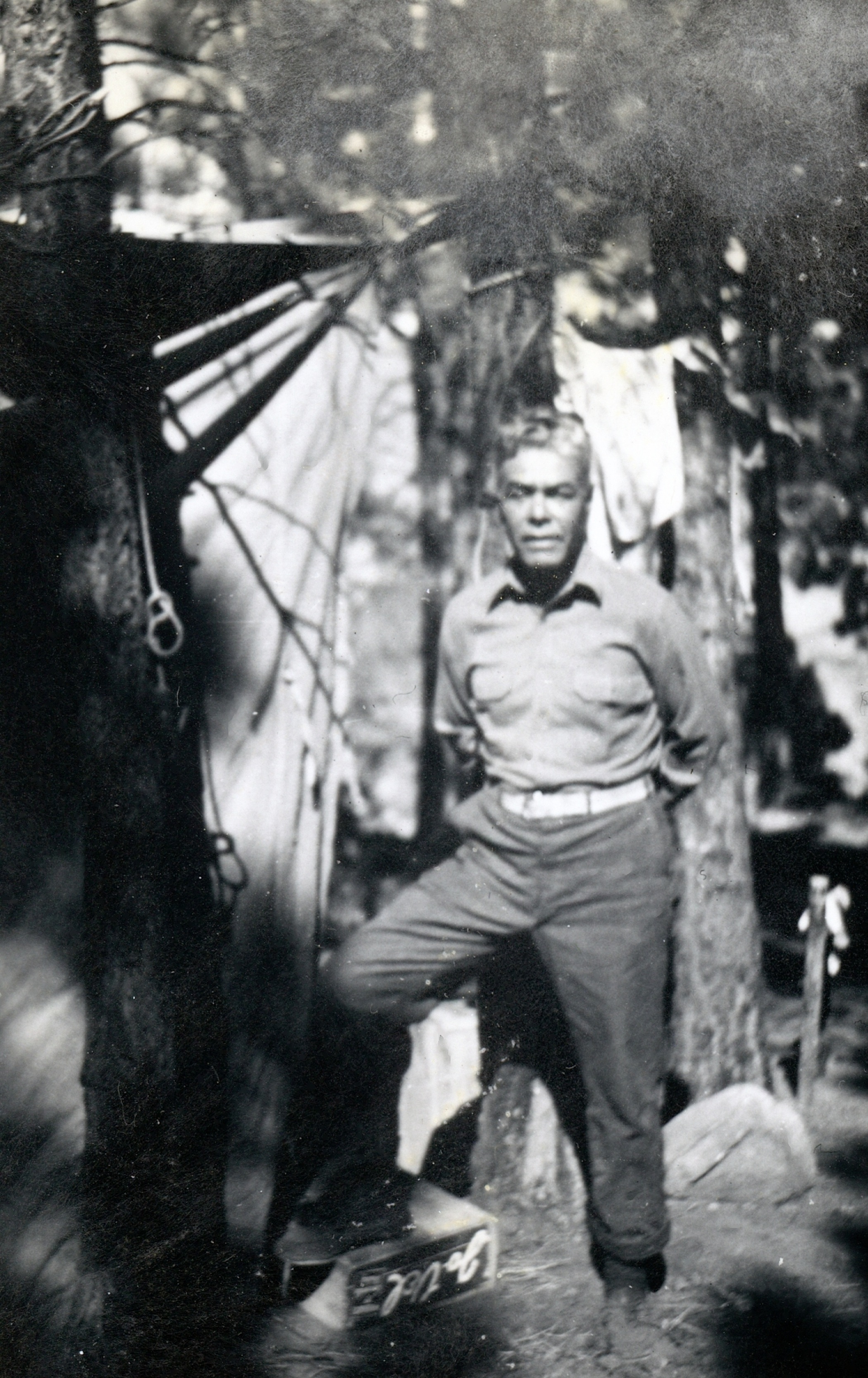
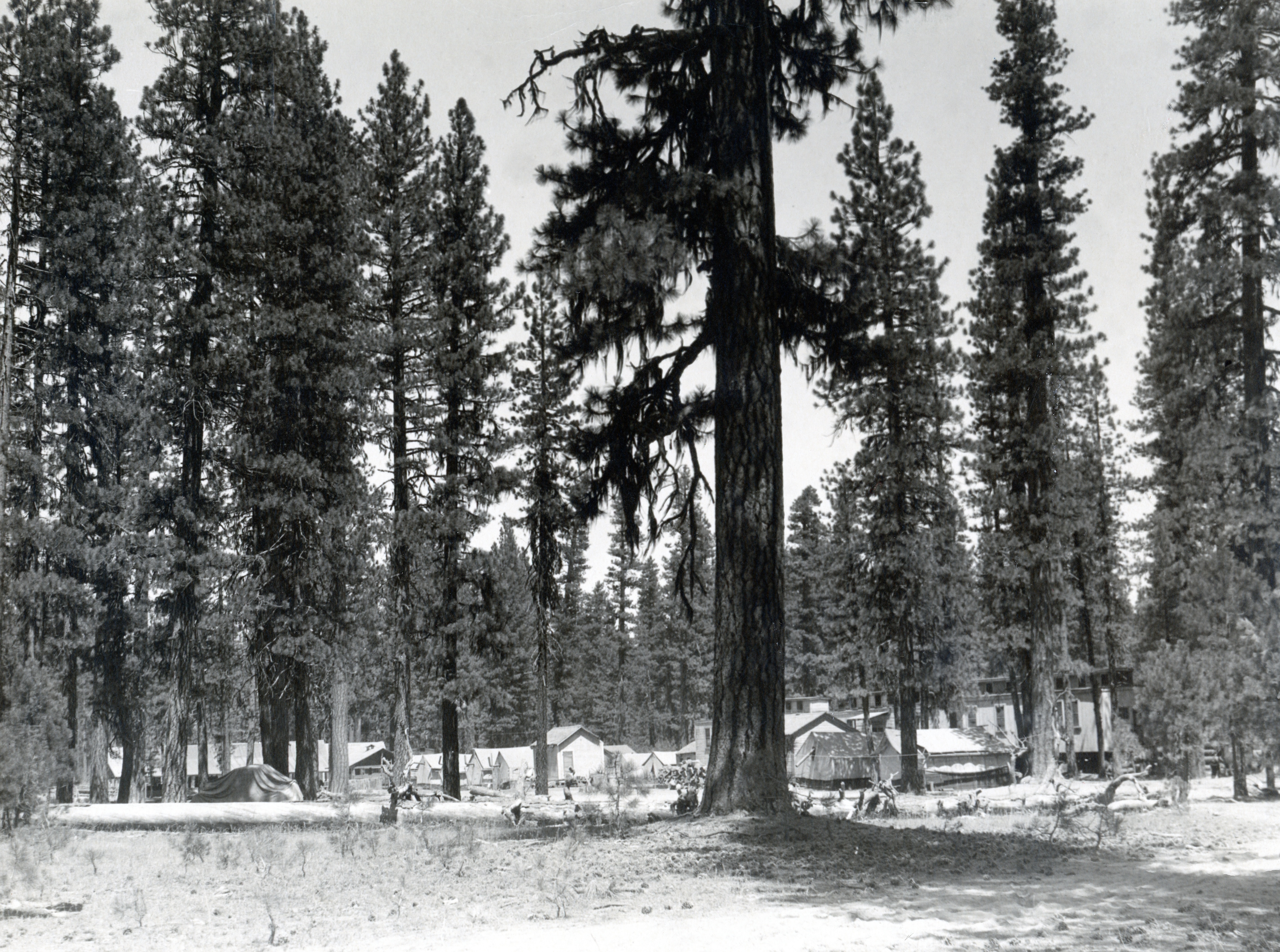
Camp 38
Camp 38, Red River Lumber Company, 1922. Courtesy of R.S. Pershing

Due to a variety of issues, such as the Dodge fire, the proposed listing for August has undergone numerous changes. First and foremost, the paid subscribers requests receive priority. As soon as I finish those topics such as Susanville’s Bordellos, the R.J. Scott affair, Susanville Coca Cola Bottling Works and the Secret Valley Paiutes, I will take care of the other requests, such as McClelland Ranch which has been moved from August 21 to September 29. In the meantime, enjoy the surprises.

Subscribe and support this site for $5.00 a month, what a bargain. How many spend that much at Starbucks on any given day, or other indulgences?

2015 Summer Solstice Update

The site looking towards the sunrise chamber, June 2, 2015

On Sunday morning [June 21, 2015] about a dozen subscribers were determined to rise early to witness the summer solstice at Belfast—best known for its petroglyphs. However, it is known internationally among those in archeoastronomy field. Upon our arrival, were a group of three from San Francisco who had the same intentions. Continue reading 2015 Summer Solstice Update →

The Gold Rush of 1907

Mining

The winter of 1906-07 was a fairly went one, though not a record breaker. It was remember most for the brutal month of March. The Honey Lake Valley region witnessed heavy rains and snow that month—12 to 18 inches worth depending where one was located.

All that precipitation brought about a few side effects. First there was a lot of soil erosion. This exposed a lot of minerals never seen before. With a mining bonanza under way throughout Nevada, local prospectors went in search of a new mother lode. Gold was being found in the most unusual places. The Indians panned for gold on Bass Hill in a what is normally a dry ravine that feeds Sugro Reservoir (located across the entrance of the Bass Hill Landfill in case you were not aware it has a name). Gold mining was done at the head of Rice Canyon, as well as Shafffer Mountain. As a matter of fact it was reported that nearly all of Shaffer had been claimed for mining. However, when summer arrived and with no major discoveries, the mining excitement faded as quickly as it had begun.

Support this site and Subscribe today!

Old Lucy

Old Lucy
Old Lucy

On September 29, 1929 Old Lucy a colorful character on the streets of Susanville passed away, purportedly at the age of 125. While she best known as Old Lucy, she also had another Anglo name, Sally Norman. Dubbed a “picturesque” Native American of the era, she was a familiar sight as she ambled about Susanville, bundled up in numerous clothes, walking with the aid of a stick. People who knew her back in the 1870s considered her old back then. While her age was exaggerated when she died, documents placed her age at around 100.