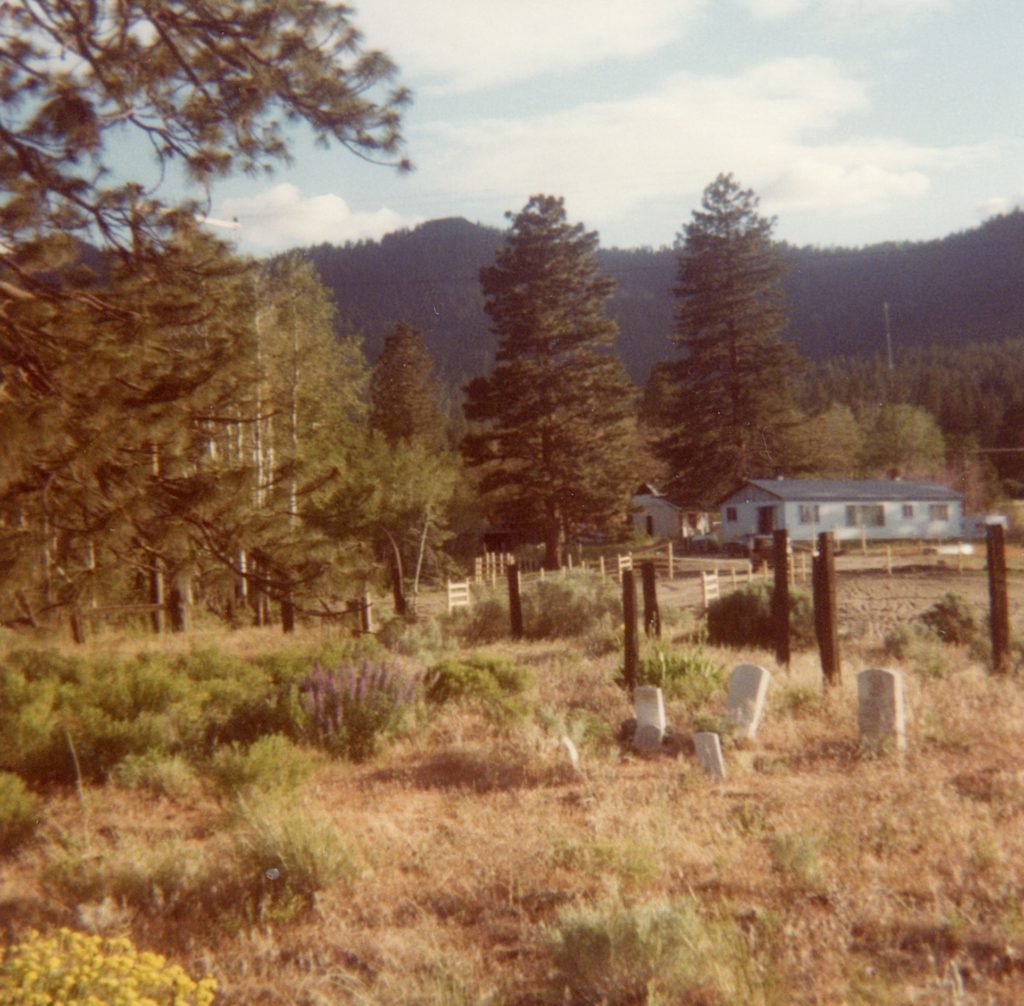
A reader wanted to know about the grave of Charles Crawford which inscribed on his tombstone “killed by Indians, May 21, 1858”. I will put together information about him and his gravesite, the Lake Cemetery, the oldest cemetery in Lassen County. Its my desire to go there a take current photographs, part of my recovery tour.
As to place names, I have done a lot on this topic. Alaska Canyon in the Madeline country has intrigued me as to why it was so named. In addition, its one place that I have never been to. Another Madeline Plains name is that of Skeleton Flat (Section 26, T 36 N R14 E, MDM). According to some, its origin were a result of the Pearson Massacre that occurred near Amedee in 1868. The Pearson Massacre was the last major Indian/White conflict in the region. It was followed by numerous campaigns by the settlers to exterminate any Indians associated with the Massacre. As the story is told, a posse encountered Indians there and killed them. The skeletons, and later scattered bones, could be seen for many years after the event.
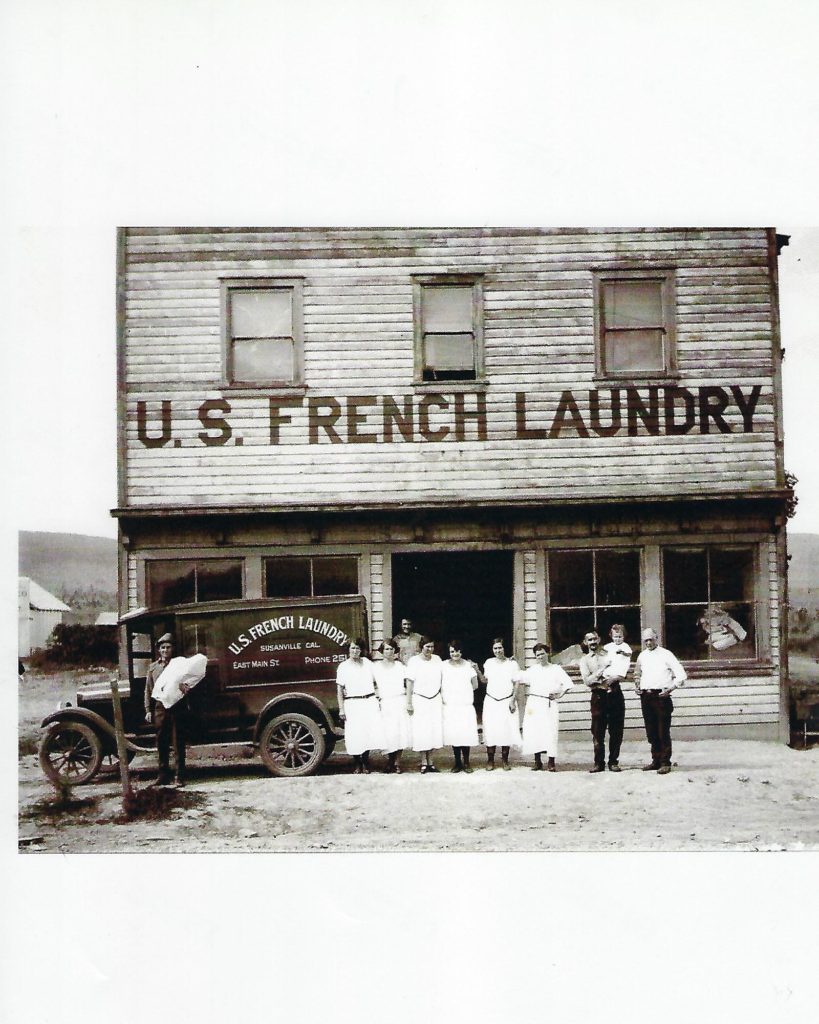
This is a work in progress, since it is something that I am still researching. The U.S. French Laundry was located on the northwest corner of Main and Mesa Streets or 2319 Main Street. It was established some time in the mid-1920s and was still in operation in 1935. It is interesting to note that Susanville was able to support three laundry/dry cleaning establishments. For a brief time it was owned by Jean Boulade, who prior to his move to Susanville was a resident of the Madeline Plains and at one time was the postmaster at Termo.
In the early 1900s the Madeline Plains was home to numerous desert homesteaders. It turned out for many to be a hardscrabble existence, not what they were promised by the developers.
Life on the plains can be challenging. A menace there were jackrabbits. In 1920, the residents wrote their Congressman John E. Raker for assistance and explained the situation. They reported: “As soon as the crops are up and making good progress the rabbits begin work on them. The heaviest damage is done during August. One rancher reported losing 100 acres of wheat last summer. They take this crop in preference to oats and rye. It was reported that 70 tons of rabbit meat [to make tamales] had been shipped last season to the San Francisco market. It appears that the animals cannot be killed fast enough in this region to furnish relief to the ranches.” That is not a typo, 70 tons—the rabbit population had to be epic.
Now to the tamale part. It is not clear who came up with idea of jackrabbit tamales. Don Garate in his history of the Madeline Plains wrote: “Oh they did not make any great deal of money by hunting jackrabbits, but it made a little cash for spending. What they did was to kill the creatures and ship them to the Crown Commission Company in San Francisco, where they were made tamales out of them. The Crown Commission Company paid as high as four dollars a dozen for them. After shipping and handling charges had been taken out by the railroad that left the hunter about two dollars a dozen.
“Two dollars a dozen does not sound like much, but money was real scarce in those days and it did not take long to knock over a dozen of jackrabbits. They would shoot the animals, gut them and put them in gunny sacks. The rabbits would freeze solid in the sacks. Then when they had enough, or after awhile when someone was going to town, they would haul them to the railroad depot.
“The sacks full of rabbits would pile up on the dock at the depot until there was enough to make a shipment on the train. After a couple of weeks, a check would come back in the mail from the Crown Commission Company for each person who sent in a shipment of jackrabbits.”
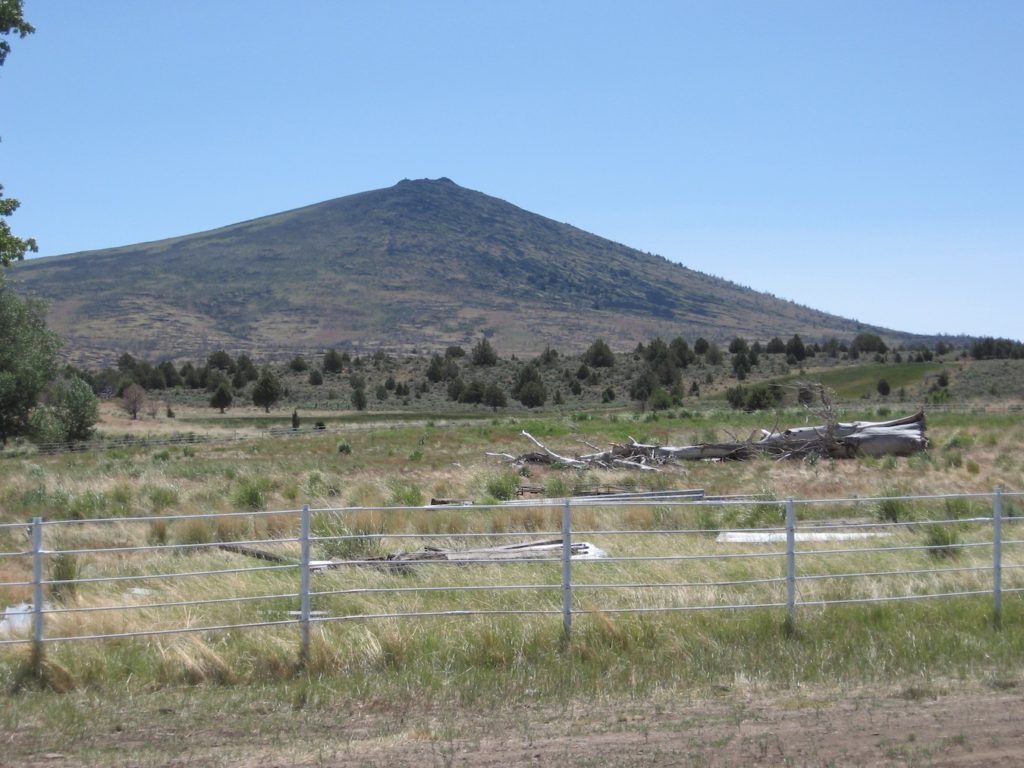
Located on the south side of the Madeline Plains, the Paiute Indians referred to it as Toka kudzi ni roughly translates into Black Peak.
Observation Peak, elevation 7964’, was so named for the views afforded from there. On September 29, 1850 J. Goldsborough Bruff and Isadore Meyerwitz climbed to the top. Atlas Fredonyer had visited there in the summer of 1850 and noted the peak by its name. On June 22, 1854, members of Lt. E.G. Beckwith’s party in search of a transcontinental railroad route climbed the peak. The mountain is sometimes referred to as No. 7. On the southwest flank there is a volcanic rock formation in the shape of the number seven that can be seen clearly as far away as Leavitt Lake.
Rager Reservoir is a small body of water located in the eastern Madeline Plains (Section 24, T. 36 N. R. 15E). It was built in the early 1900s by Thomas Rager, a resident of the Madeline Plains. A native of Illinois, Rager first came to the region in 1879 working as a cowboy for the Smoke Creek Ranch. By the 1890s, he set out of his own on the Madeline Plains where the lived the rest of his life and passed away in 1925.
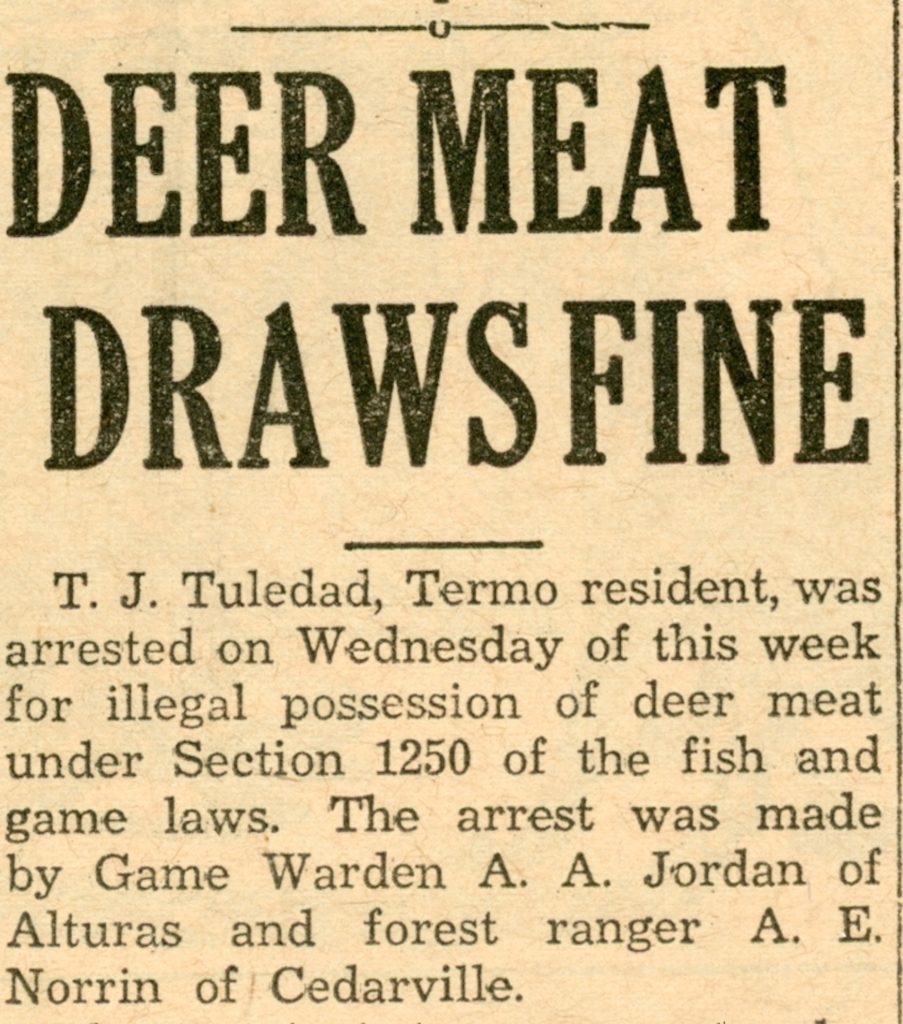
It is one thing to come across the surname of Tuledad, but it is another when one with the last name resided in proximity of Tuledad Canyon, east of the Madeline Plains.
As the newspaper indicates, T.J. Tuledad was a resident of Termo when he was charged with illegal possession of deer meat. When he appeared before Justice of Peace, George Wood, in the Madeline Township, he pled guilty as charged. His sentence was a $50 fine or ten days in jail. Tuledad opted for the bastille in Susanville.
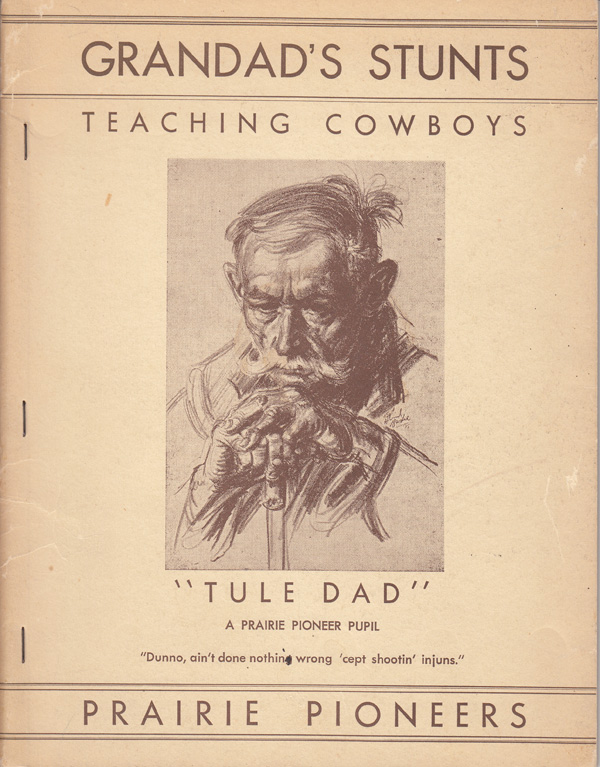
Tuledad Canyon is a somewhat remote place east of the Madeline Plains, but back in another time, there was even a stage stop there. It was named after Samuel King Matney (1783-1887), a native of Tennessee, who came to California prior to the gold rush of ’49. Matney settled along the Sacramento River and raised hogs in the tules, and received the nickname of Tule Dad. After roaming around in Arizona as a scout for the Army, he returned to California and settled in Surprise Valley, Modoc County. Matney then moved south into Lassen County, next to the Nevada boundary, and the place became known as TuleDad. Matney never acquired title to the property and moved back to Modoc and to Jess Valley where he died and was buried under a juniper tree. In the 1870s, the mail route to Surprise Valley went through this canyon and a station was established where Matney had originally located. In July 1878 a correspondent for the Lassen Advocate wrote: “. . Arriving at Tuley Dad we were refreshed with some water. This is the old stage station kept by H.P. Newton; being assured by him that we were on the ‘right road’ my partner was now composed and quite at ease, after my reassurance that I would get him to Eagleville on time.”
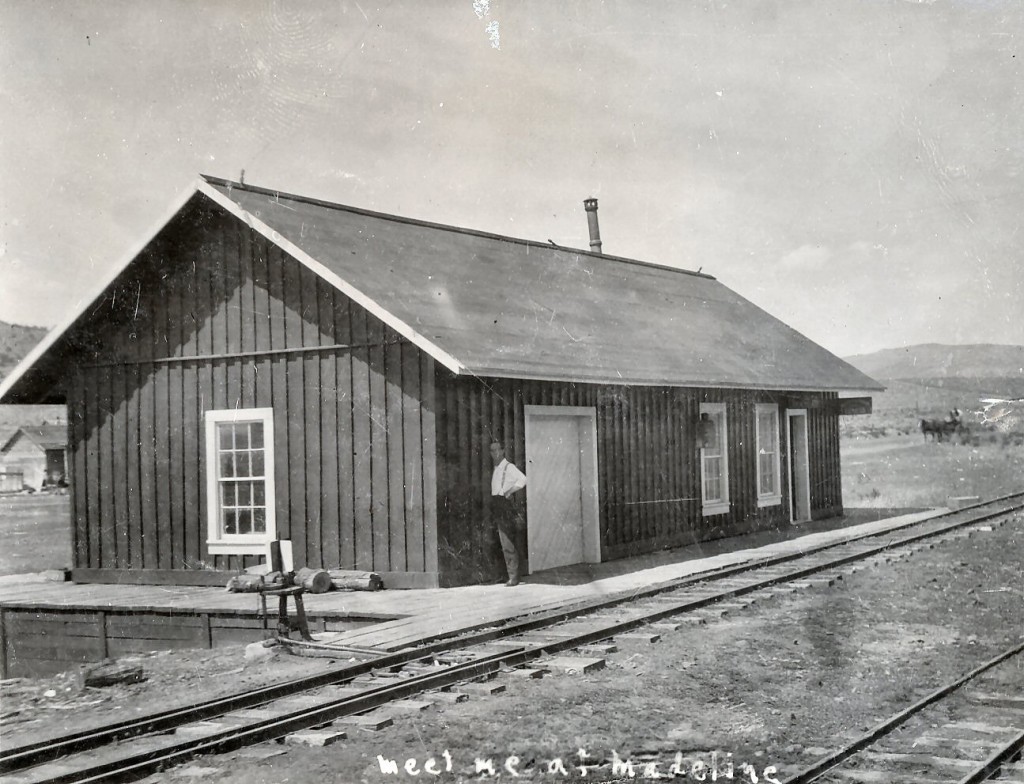
Today, while traveling Highway 395 one passes through the hamlet of Madeline, one of three communities to dot the Madeline Plains. A long time ago, it did experience its glory days. By the 1880s it was known as Van Loans stage stop and the Madeline Post Office was moved there in 1887 from its previous location in the Grasshopper Valley.
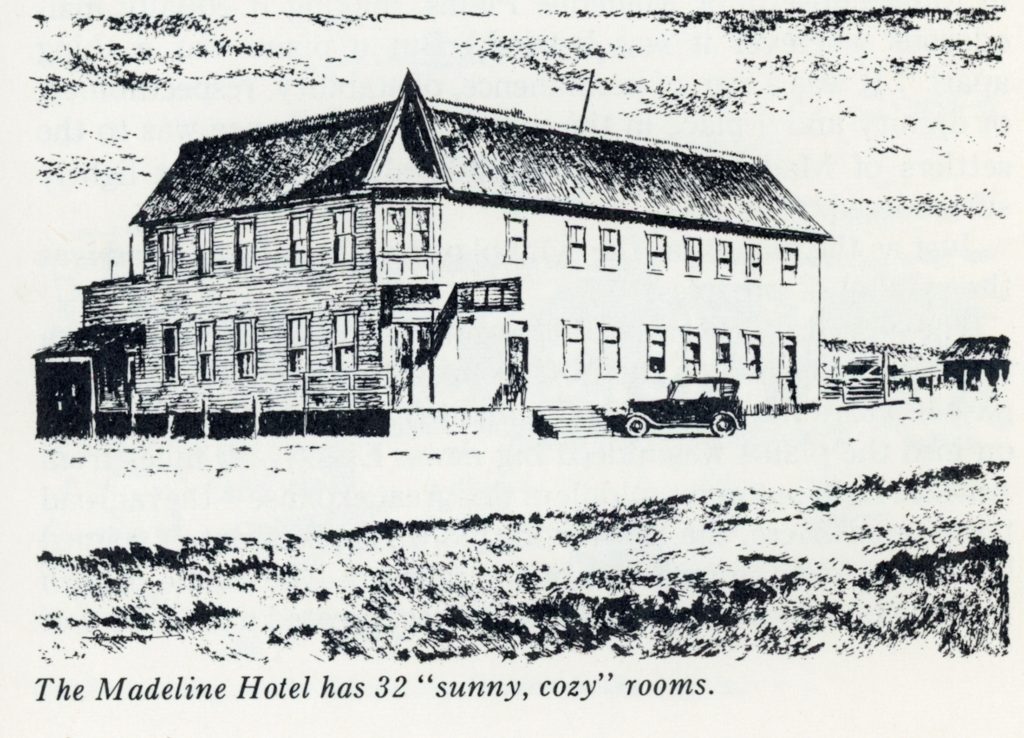
In 1902, the Nevada-California-Oregon Railroad (NCO) arrived at Van Loans and it became a hub of activity. No time was wasted in plotting out the Madeline townsite. Before the ink was dry on the Madeline subdivision map, Van Loan & Spargur built a two-story “L” shaped hotel to accommodate all the travelers arriving to check out the territory. The good times were short-lived and within fifteen years the town Madeline began to decline.
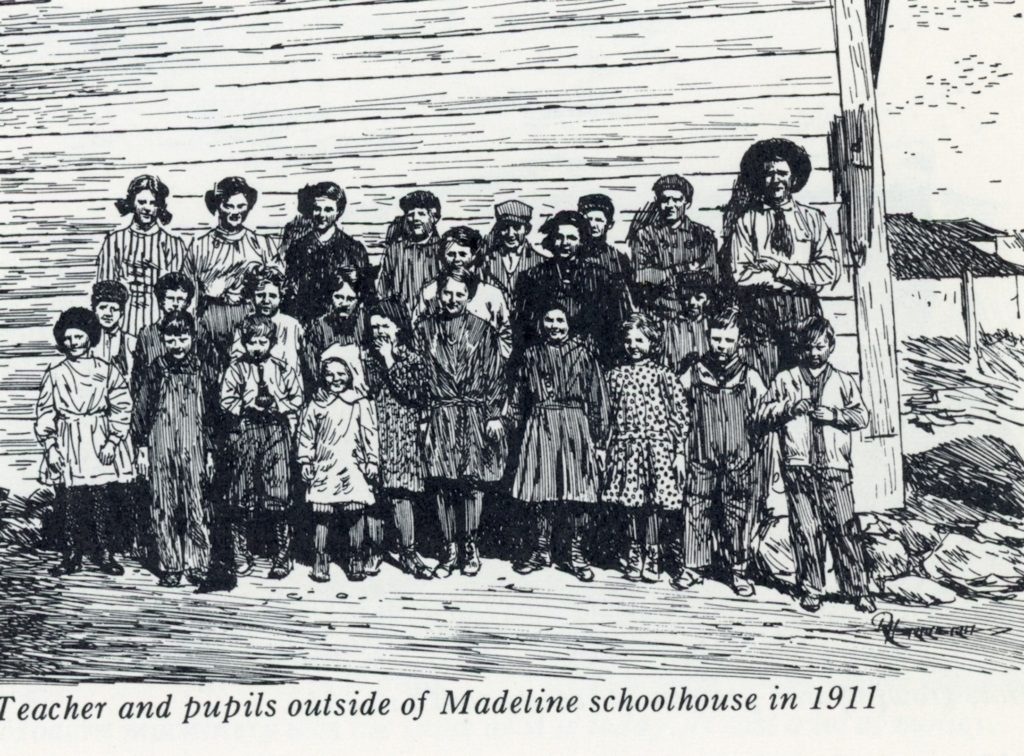
While the vaccination debate rages on, I thought I would share this early day observation from Margaret “Peg” Woodrich of the by gone days on the Madeline Plains. She compiled a small history, “The Early Days of California’s Madeline Plains.” She wrote: “The teaching methods of those times are long since forgotten. Each schoolroom had in its entry a bucket of water and a tin dipper from which all the youngsters drank, exchanging measles and whooping cough with democratic cordiality.”
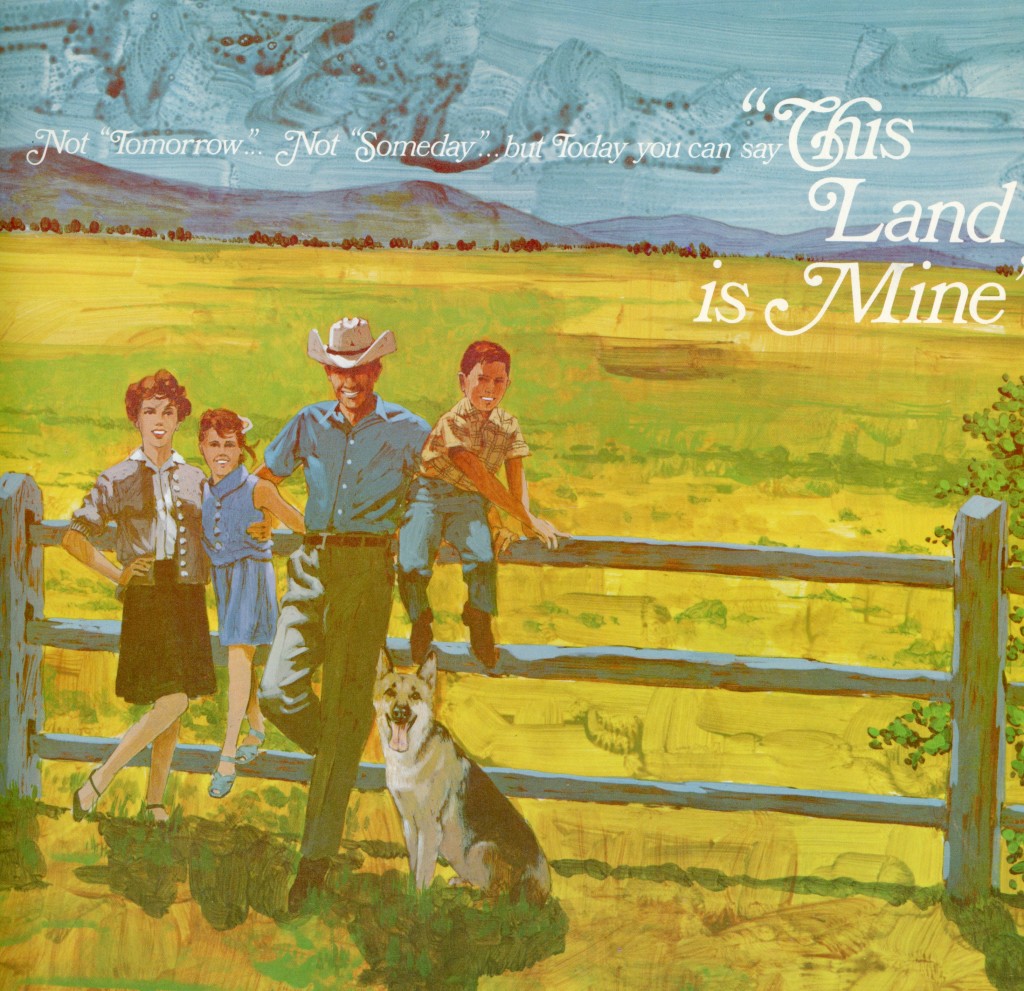
In 1968, the Occidental Petroleum Company purchased a large portion of the lands owned by the Rees T. Jenkins Land & Livestock Company. On the west side of the Madeline Plains, they subdivided thousands of acres into 20-acre parcels they named Moon Valley Ranch. The first unit was recorded on July 12, 1968. The Company’s advertising of the region made it too good to be true. “Now you get it all at Moon Valley Ranch: prime recreation land, within 4 miles of a 2,500 acre lake, in Northern California, the next recreational capital of the West and profitable investment property almost certain to appreciate as California’s recreation-hungry population continues to explode . . .And what a price now you can buy 20-acre parcels for less than $199 an acre–$150 down, $29 monthly.” Their portfolio expands on all the nearby wonderful recreational areas, such as skiing and golfing at Westwood, though they did not mention that Westwood was some seventy miles away. Also they did not disclose the fact that the golf course at Westwood was only proposed. The Company was correct in their advertisement that is was “The magnificent, away-from-it-all Moon Valley Ranch” to “land-that-time-forgot.” Moon Valley Ranch is a perfect example why there are disclosure laws in the real estate industry today. Numerous folks still invest in that property, purchasing parcels site unseen, only to realize that they bought a lot on a sagebrush plain or a rocky hillside covered with juniper trees.