Tag Archives: Madeline Plains

The Naming of the Madeline Plains

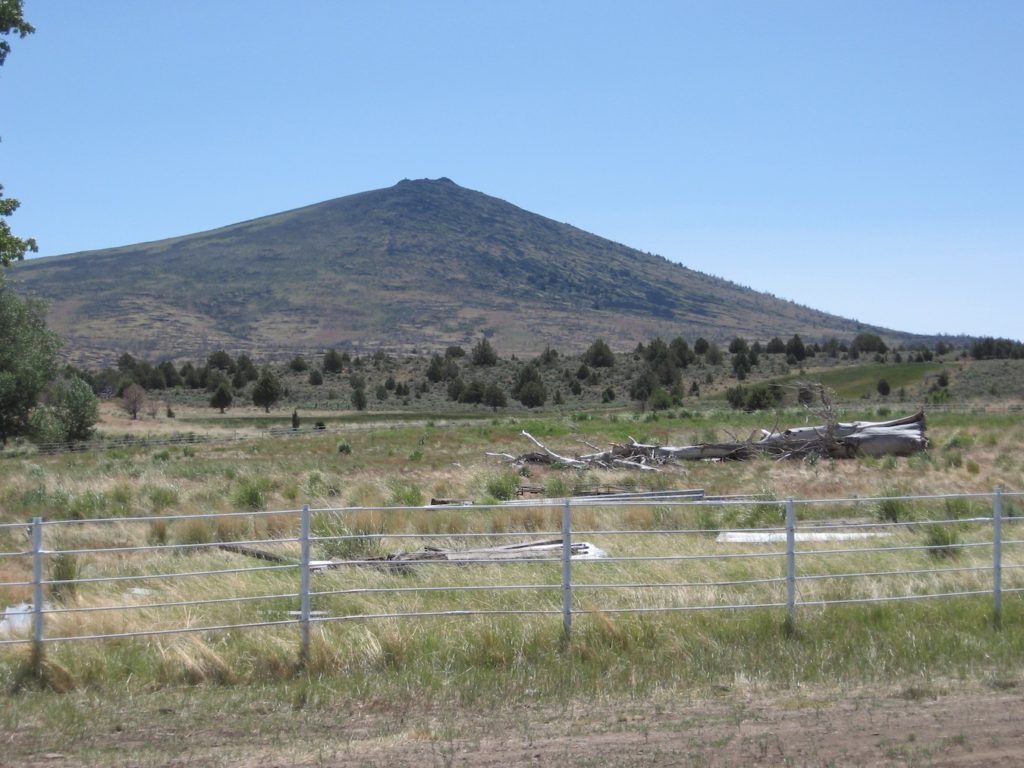
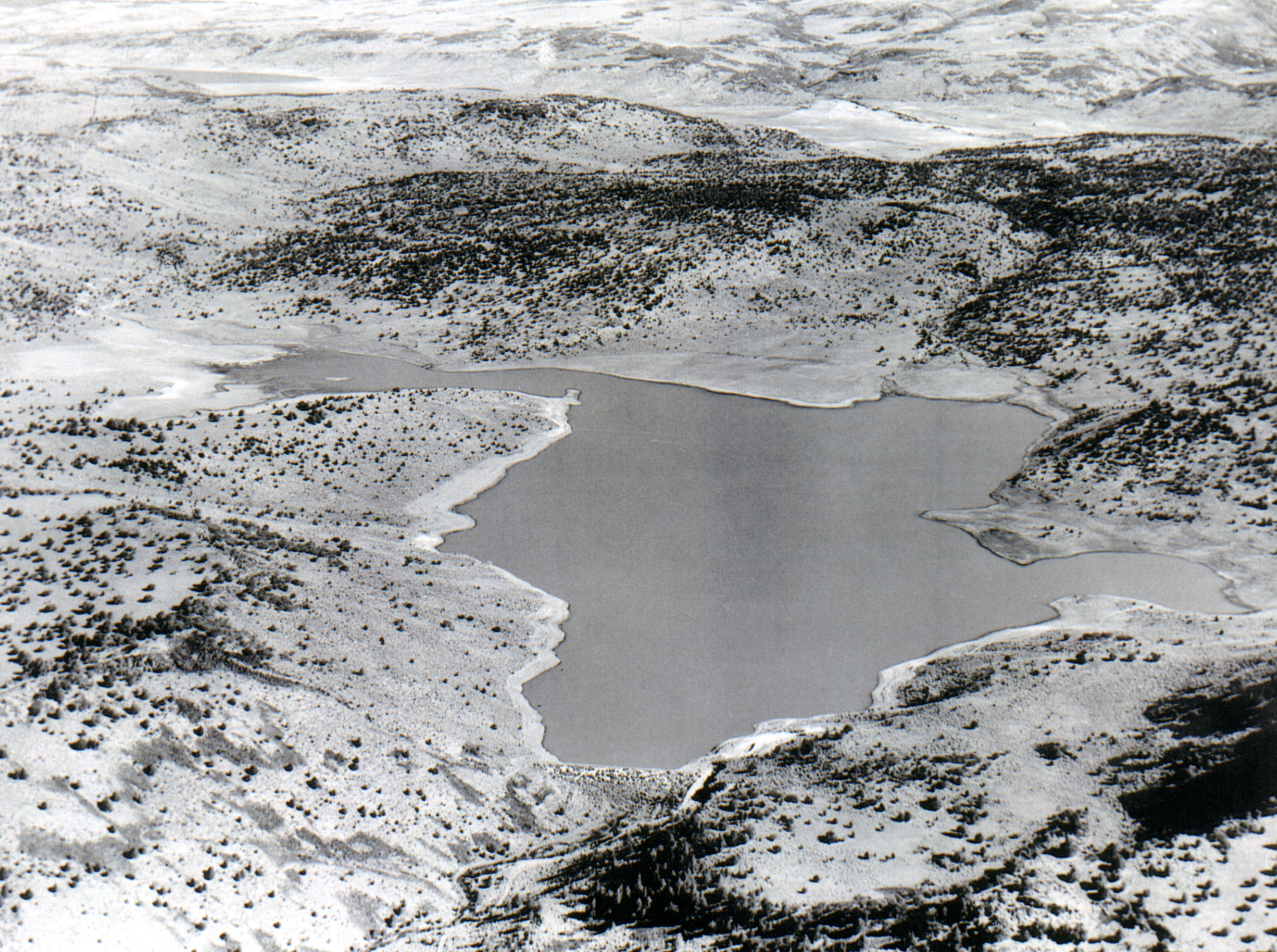
The site of the original McKissick Ranch on the Madeline Plains. It was the first place settled on the plains.

The Madeline Plains in northeastern Lassen County was one of the earliest places named in the county.  In 1853 Congress passed the first Act concerning exploration and surveys for a transcontinental railroad route. Lt. E.G. Beckwith of the Third Artillery was in charge of one of these explorations. Beckwith surveyed Northern California and Western Nevada region in search of a pass over the Sierra Nevada Mountains. In late June 1854, Beckwith entered the Madeline Plains via Smoke Creek Canyon and the east side of Observation Mountain. He named this the Madeline Pass for his daughter Madeline Julia, born January 25, 1853 at New London, Connecticut.  It should also be noted a week later Beckwith named Eagle Lake.

According to folklore attributed the name to an emigrant girl, named Madeline, who was murdered by the Indians in the 1850s. H.T. Risdon who established a sawmill on Bayley Creek in 1912 is credited for that tale.

Finally, it should be noted the Paiute name was Musitzi, though the meaning has been lost through the years. In addition, the Paiute’s territory was for the eastern portion of the Madeline Plains and the western half was the domain of the Pit River.

Become a supporter for just $5 a month to ensure quality history continues. Click here.

Horne Ranch Cemetery, Madeline Plains

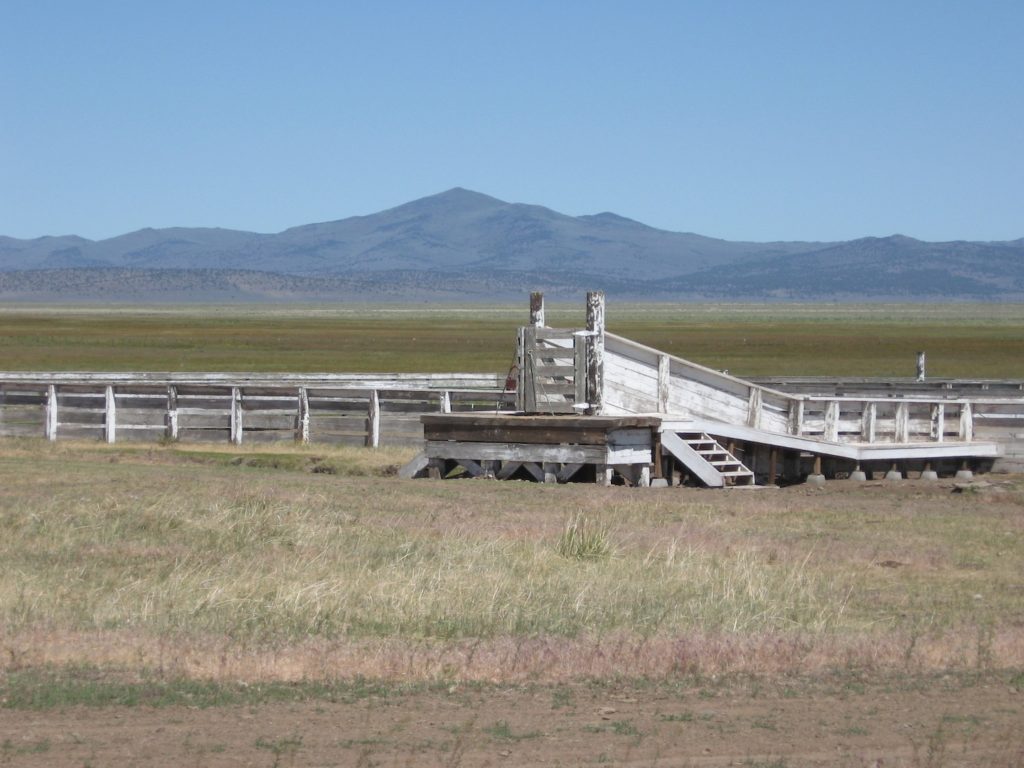
Horne Ranch Cemetery, 1985

In 1870, Frank Eben Horne settled in the eastern section of the Madeline Plains, and became one of the first settlers of that region. Horne retired from the ranch in 1905, and moved to Auburn, Califoria. He had turned over the ranch to his sons, and due to some poor judgement lost the ranch in 1927.

There is a very small cemetery on the property, and for whatever unknown reason I neglected to transcribe the headstones. I will have to put that on my todo list this summer.

Horne Ranch, 2003

Support

A Surprise Tuesday Tidbit – Mile High Mill

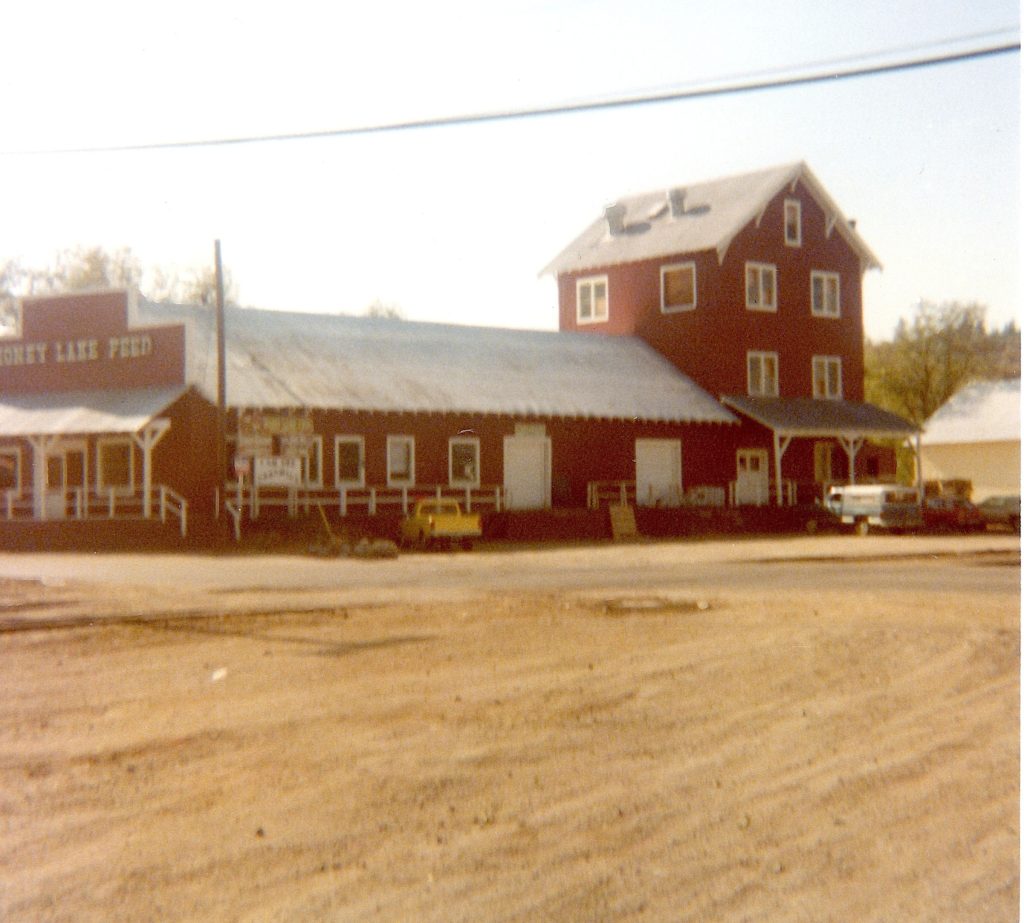
Honey Lake Feed, 21 October 1978

Honey Lake Feed located on Richmond Road, Susanville was the last of locally grown wheat/milled flour which the flour mill portion ceased in the 1940s. The building was destroyed by fire in the early 1980s.

I am pleased to introduce Mile High Mill & Grain Company located on Sunset Ranch near Ravendale. One can now obtain locally organic grown milled flour!  The owners Tom and Andrea Traphagan has graciously extended yours truly to tour the facility, in which I will do a follow up later this spring.

In the meantime, you can learn a whole lot more by checking out their website at  Mile High Mill

Tim

Where Are We—Bailey (Bayley) Creek

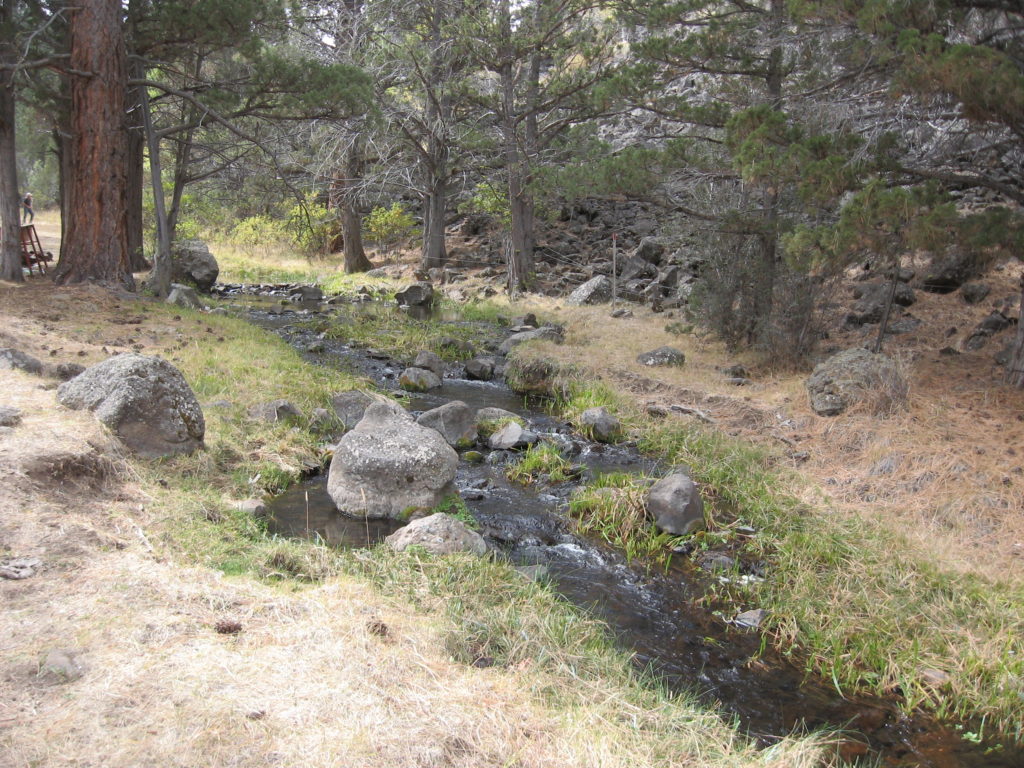
Bailey Creek at the popular picnic area of yore, October 8, 2020

Bailey Creek is located on the north flank of Fredonyer Mountain and flows out into the Madeline Plains. It was originally known as Bayley Creek, for George H. Bayley, a stockman of the Likely region of Modoc County. For a number of decades it was the location of the Old Timers Picnic, which consisted mainly of past and present residents of the Madeline Plains.

In 1899, George Bayley constructed a reservoir upstream. That was original intention for the visit there last fall, but a new locked gate prevented us from going there. It just so happens the reservoir along with 280 acres is for sale.

Support


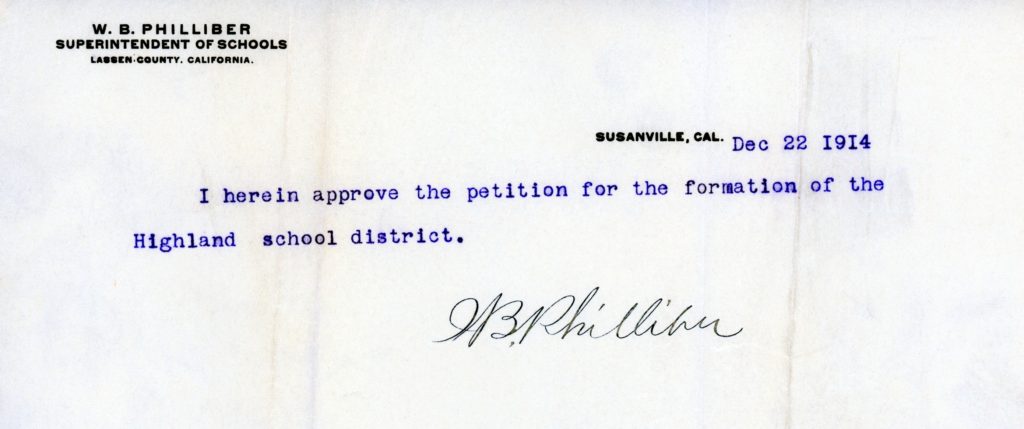
Highland School, Lassen County

The Highland School was a short-lived district, that was referred by the name where the school was located—-Termo. It is interesting to note that Don Garate’s book Termo to Madeline does not even refer to the school by its official name.

Information on the school is rather scant. When the petition was submitted on November 6, 1914 it contained the following signatures—Martha Cox, Elvira Smith, Mrs. C.C. Brack, Margaretta Drees,Wm. Boydston, Mrs. J.A.Shoaf, Mrs. W.H.Brown, and E.B. Coffin. Collectively, they had sixteen children. Which they met the criteria of at least having ten children. They also resided anywhere between six and thirteen miles from the nearest school. Thus, they met the second criteria of being more than two miles from the nearest school house.

The school district was approved on January 5, 1915. Its existence was brief, and in 1925 the Highland School was annexed to Ravendale. The following year, the school’s fixtures were transferred to the Madeline School only to be destroyed by a fire in 1927.

Spread the word, and encourage a friend to subscribe

Local Flour to Return

Milford Flour Mill
The abandoned Milford Flour Mill as it appeared in 1901. Courtesy of the A.J. Mathews family

It has been over a century since a flour mill was built in Lassen County. In the preliminary planning phase, we might see local flour on the market again. The proposed flour mill is in one area of the county where there never has been a flour—the Madeline Plains. Once, I receive additional material, I will provide an update, but I find this exciting news.

The region’s first flour mill was located at Milford.  It was built in 1861 for J.C. Wemple and Judson Dakin. In 1864, another flour mill was built at Johnstonville. As the population grew, the need for flour increased and in 1882, H.H. Dakin built a flour mill at Janesville. The Johnstonville and Milford flour mills went out of operation in the early 1900s, and by 1915, the Janesville mill struggled and closed by 1920.

Subscribe!

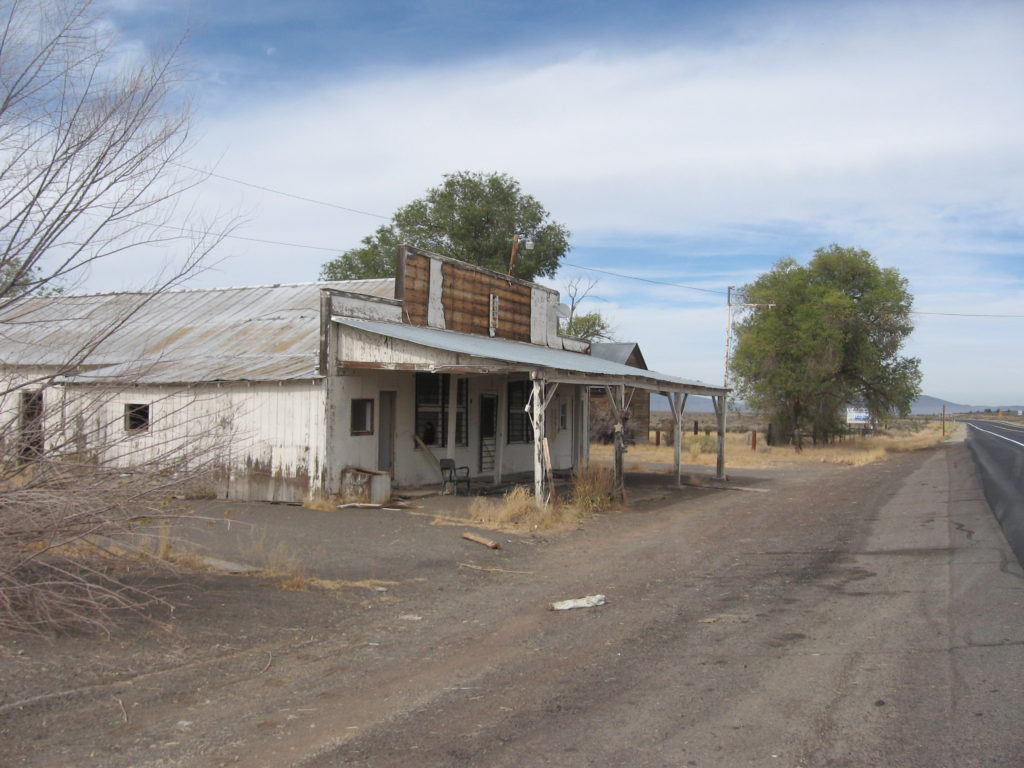
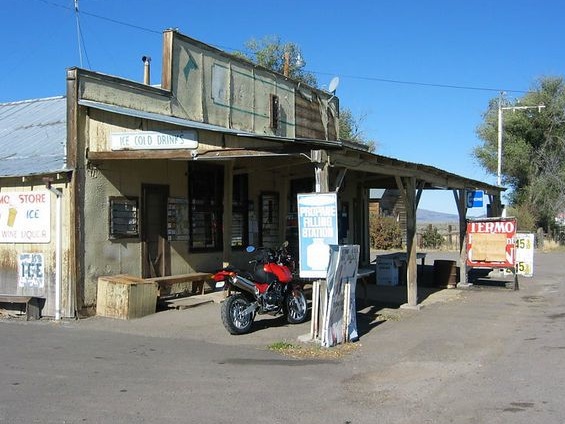
Where Are We — Termo

Termo Store, October 8, 2020

The town of Termo certainly has seen better days. The town came to life when the NCO Railroad extended its line north from Amedee to the Madeline Plains. In June 1900 the railroad named its new terminus Termo, meaning the end and it certainly looks like that now.

The landmark Termo Store.

One of the fatal blows to Termo came in January 1989 when postal officials from Reno inspected the premises of the Termo Post Office, which they felt was a hazard to the postmaster and the patrons. On February 2, 1989 the Termo Post Office ceased to exist.

Don’t forget to look at the Subscribe feature.

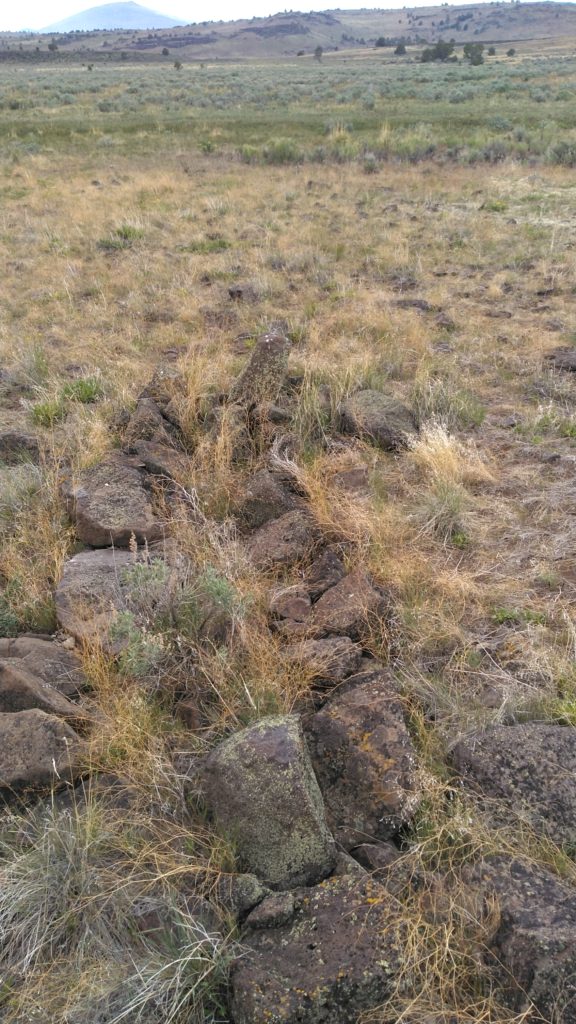
In Search of Painter’s Grave


Is this Painter’s Grave—Brent Espil

First a little background. For those not familiar, Painters Flat is a remote location in northeast Lassen County, not far from the Nevada border. It was so named after Alexander A. Painter who died and is buried there. On June 19, 1860, Painter was part of a posse after a band of renegade Indians who killed Horace Adams in the Honey Lake Valley.  They followed the Indians’ tracks north to the Madeline Plains. From there, they headed east through a canyon. Just before entering a valley there, they were ambushed by the Indians, Alexander A. Painter was mortally wounded. Painter’s body was moved a mile northeast from where he died. He was buried there beneath a cedar tree.

Fast forward to the mid-1990s. Terry Mallery and I made several expeditions there in search of Painter’s grave. We used the Lander’s written account of the event for reference. We struck out. In the spring of 2020, Brent Espil sent me the above photograph, with the question, “Is this Painter’s grave?”. Unfortunately, I do not have an answer.

Coming soon in search of another grave expedition in the Smoke Creek Desert.

Why not take this opportunity to Subscribe 

Eagle Lake, 1893

A 1893 topographical map of Eagle Lake

Some might be interested in this map of Eagle Lake. No doubt, there might be a few folks, who think that the cartographer had gone mad. I can rest assure you that was not the case. In the modern era, the Gallatin name has always been synonymous with the south shore of the lake. As one can see from the map, the south shore was referred to as Halls in the late 1800s. It was so designated as Wright P. Hall, a Susanville resident and well known Lassen County public figure, owned Papoose Meadows since 1876. Albert Gallatin’s, ranch manager Byron Bell had a sheep camp near what is known today’s as Spaldings. Prior to this, there had no designation for that locale. In 1914, things suddenly changed. Malvena Gallatin had a built summer home at the south end of the Lake. It was in 1914, the first Spalding subdivision was plotted on the west side of the lake.

Another interesting note, is Madeline located in Grasshopper Valley. The first Madeline was established in 1870s as a stage stop to accommodate travelers to Hayden Hill and other points north. The Madeline we know today on the Madeline Plains came into existence 1902 with the arrival of the NCO Railroad, which was formally known as Van Loans.

Spread the word, and encourage a friend to subscribe

Keefer, Lassen County

1893 Topographical Map

Keefer, on the edge of the Madeline Plains, was one of those lonely stage stations. In 1869, the most direct route to Alturas and Surprise Valley from Susanville followed a most interesting route. The road travelled north to Willow Creek Valley and onward to Horse Lake. It then veered straight north to the Madeline Plains. Let me inform the intrepid explorer, I traveled the route from Horse Lake to the Madeline Plains——its one of those roads you only do once.

On June 3, 1890, James Edward Keefer (1861-1916) purchased this stage station from Herman Knipping for $600. In 1898, the station had already been shuttered, and Knipping was residing at Vina, Tehama County when he sold the property for an undisclosed amount to Mahala Shumway. The station was also known as Knippers, Mud Springs and Long Hollow Camp..

Spread the word, and encourage a friend to subscribe