Tag Archives: Lassen National Forest

Where Are We—Caribou Lake

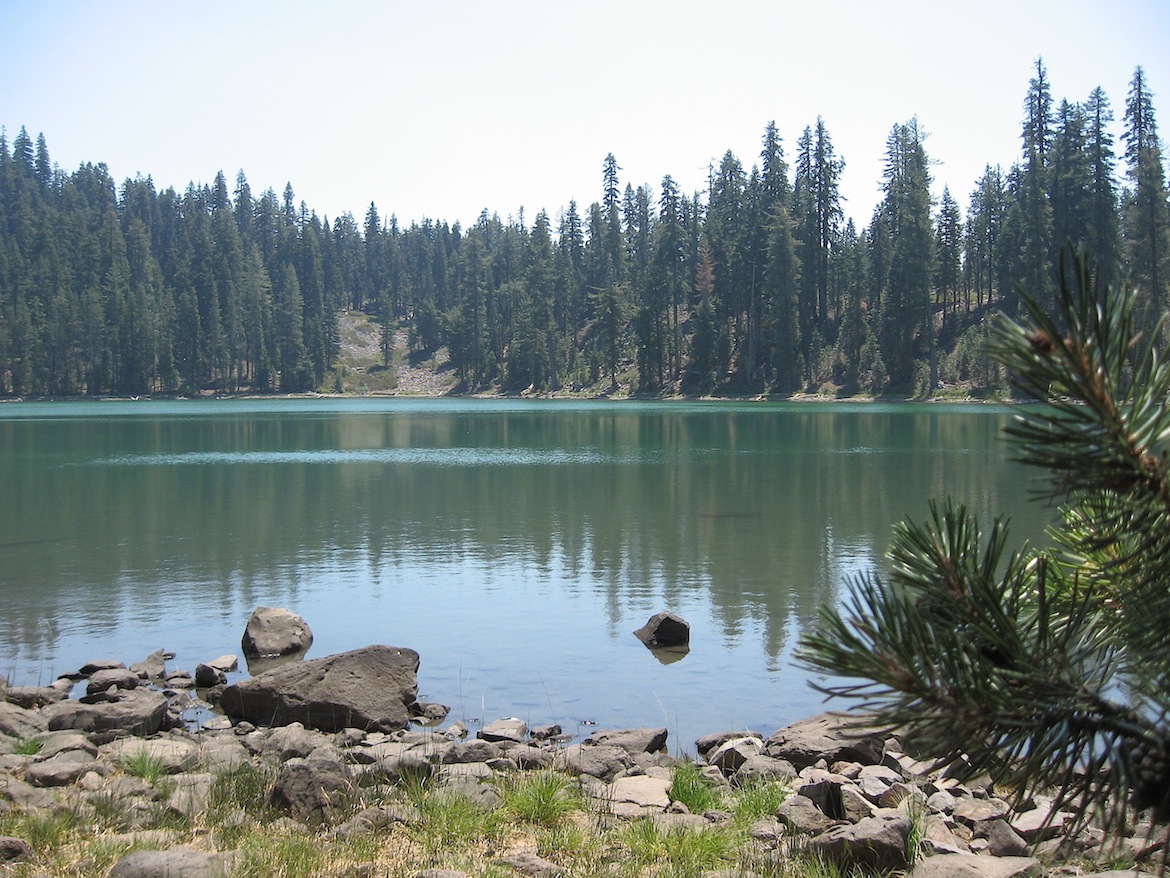
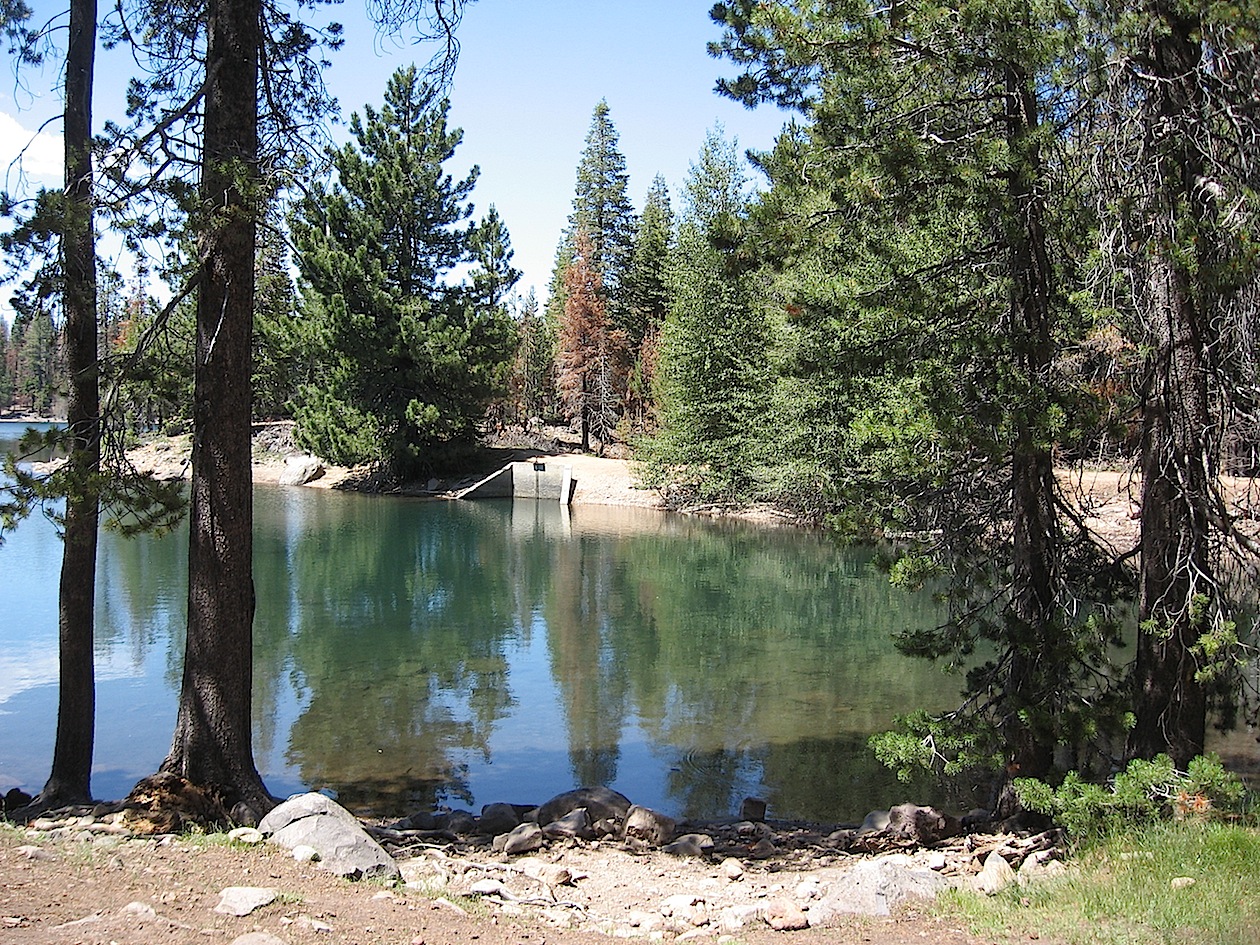
Caribou Lake, July 11, 2022

Caribou Lake, and nearby Silver Lake is the upper watershed of the Susan River. The lake is also a jumping off point for the Caribou Wilderness Area. When gold was discovered in British Columbia in 1858, a number of miners, including some Honey Lakers, rushed there.  It was known as the Cariboo. It should be noted that early records spelled lake’s name the same. One of the mining enterprises there was named the Neversweat.

On August 11, 1883, J.H. Slater filed for the water rights to both Caribou and Silver Lakes, along with the right to install dams and gates. In September 1883, Slater hired 12 men working at Caribou Lake to install the first headgate. It should be noted Slater owned what is today the Fleming Unit, of Honey Lake Wildlife Refuge, and was a civil engineer.

As to the Stella Stiles divorce she was married to Harry Cain. While many may not be familiar with the Stiles name, there are several Stiles descendants who subscribe to this site. Where Monsignor Moran Hall is located in Susanville was purchased from the Stiles family. Willard Hill and the Willards are part of the Stiles clan. One of my favorite Stiles descendants was Philip Hall.

Anyhow back to Harry Cain, Stella’s ex. In the summer 1905, Harry Cain, along with James Wallin and Hi Skadan  went on their annual summer excursion to camp and fish at Silver Lake. A couple days out,  things went wrong. On the morning of July 7, Cain went over to fish Caribou Lake. He had a small folding canvass boat. Wallin and Skadan remained at Silver. That evening Wallin began to prepare dinner, but Cain was not there. The two men went over to Caribou, and found Cain’s boat adrift, but no sight of him. Since it was nearly dark, Wallin and Skadan returned to camp. The next morning, they were back to Caribou, where they found Cain’s body at the bottom of the lake, about twenty feet from shore. The body was retrieved taken to Susanville for an Coroner’s Inquest, and later interred in the Susanville Cemetery.
Donate

Lassen County’s Only National Monument

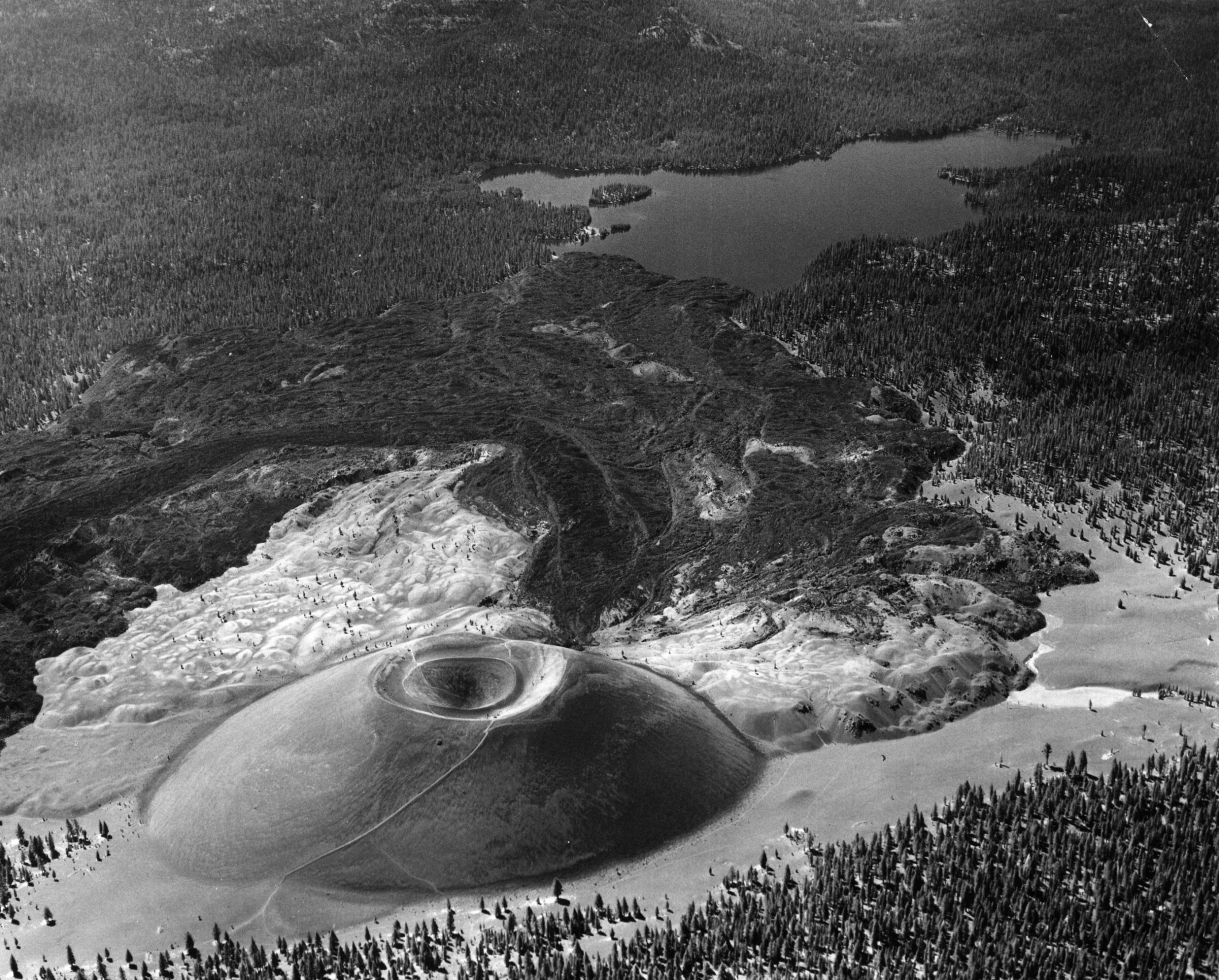
Cinder Cone, 1967–National Park Service

On June 8, 1906, President Theodore Roosevelt signed into law the Antiquities Act. In its initial conceptual form was to protect to prevent looting of archaeological sites. It was later revised to include historical sites and also landmarks of scientific importance. Once a site designated it became a National Monument.

Louis Barrett of the Lassen National Forest was concerned about two sites within its jurisdiction that could be developed into commercial tourist attractions—Cinder Cone and Lassen Peak. In the spring of 1906, in an effort to ward off future claimants he started a petition to make Cinder Cone and Lassen Peak into a national park. This did not gain the traction Barrett desired.

For Barrett, the passage  of the Antiquities Act came at an opportune moment. It provided him with another way to protect the features of Cinder Cone and Lassen Peak. He surmised the opposition to make them National Monuments would be minimal, for less than 10,000 acres of public land would be withdrawn, versus 100,000 acres for a Lassen Peak National Park.  At the same time, the national monument designation would not interfere with the establishment of a national park at a later date.

In early 1907, Barrett submitted the necessary paperwork for the creation of two national monuments—Cinder Cone and Lassen Peak. U.S. Secretary of Interior James Garfield liked the concept of two smaller national monuments better than a proposed national park. Of course, the maintenance of national monuments would be nominal compared to a national park. With no opposition, proclamations were prepared and submitted to President Roosevelt.  On May 6, 1907, Roosevelt established the Cinder Cone National Monument (5,120 acres) and Lassen Peak National Monument (1,280 acres). They became the six and seventh national monuments established under the Antiquities Act.

The movement, however, to create a Lassen Peak National Park did not fade away. One of the biggest obstacles was it was not well known, even in a regional sense. That all changed on May 30, 1914, when Lassen Peak erupted, and with it nation wide publicity.  On August 9, 1916, Lassen County lost its only national monument, when it was incorporated into the newly created Lassen Volcanic National Park.

Donate

Lassen National Forest vs. Lassen Volcanic National Park

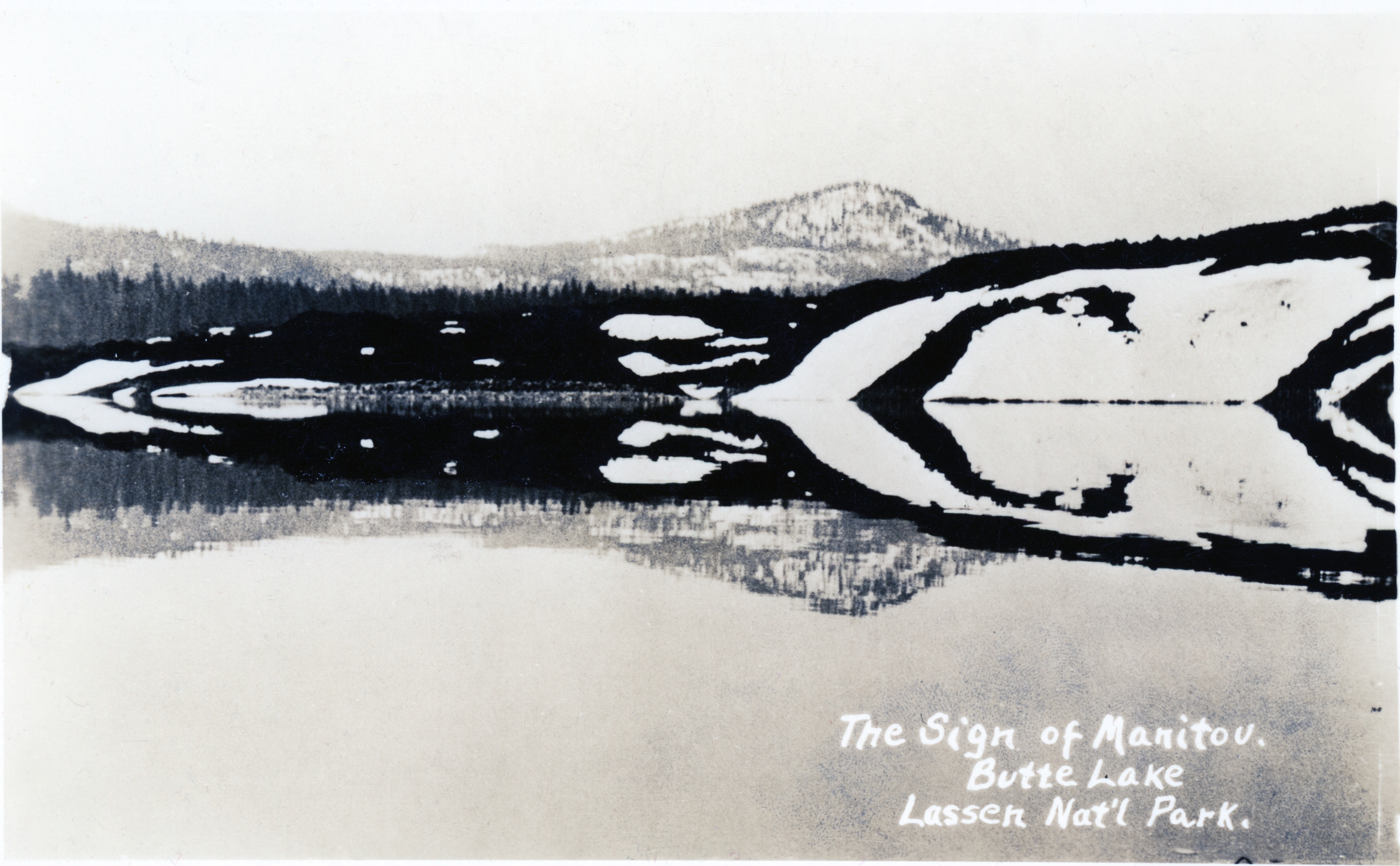
Butte Lake, circa 1920. Roy Sifford, of Drakesbad fame wrote: “The sign of the Manitou which means the sign of God. The shadows in the water made a long arrows which the Indians thought that was a sign of the Great Spirit (Manitou) or God gave them. Courtesy of the Sifford Collection.

When Lassen Volcanic National Park was created in 1916, its boundaries were much smaller than they are today. In the mid-1920s when the park wanted to extend its boundaries, taking in adjoining national forest land, the Lassen National Forest objected. It was their opinion, they could do a superior job of handling the natural resources that could be best utilized in the public’s interest, than the park.

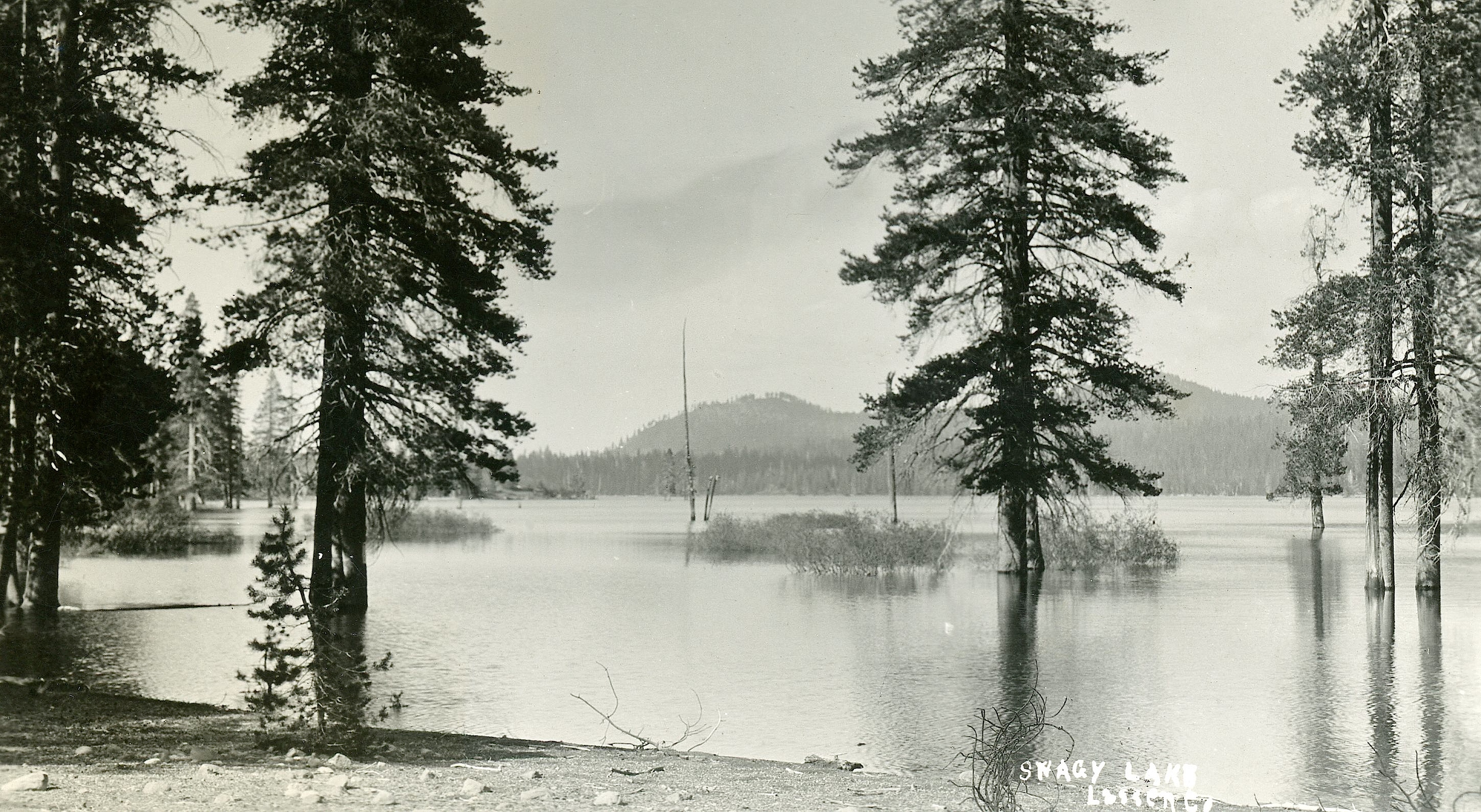
Snag Lake
Snag Lake, 1911. B.R. Zimmerman Collection

One proposal in 1913 could have had a significant impact to Butte and Snag Lakes.. Jonathan Stark of the forest service viewed the two lakes as reservoir possibilities. It was his belief, though some scientific work would need to substantiate it, that Butte and Snag Lakes were connected by an underground stream. It was his idea to place a ten-foot dam at the outlet of Butte Lake. The ten-foot rise of the levels of Butte and Snag Lakes could impound a million gallons of water that could be utilized for irrigation downstream.

Subscribe

1928 Fire Season

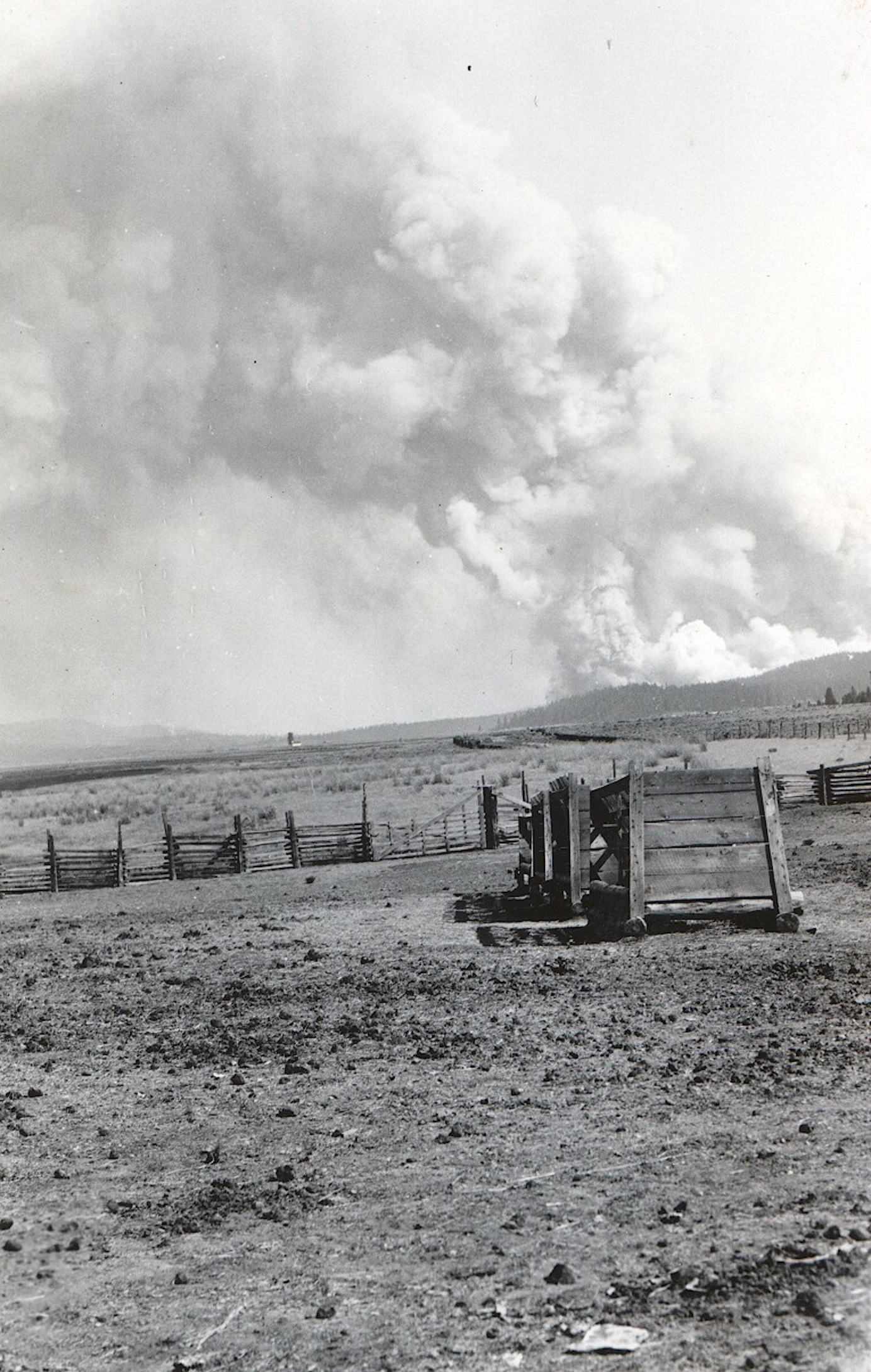
The 1926 Antelope Fire as seen from Willow Creek Valley. Courtesy of Lola L. Tanner

The 1928 fire season was different than most. In July witnessed the largest fire on the Lassen National Forest at Mill Creek near Mineral. It consumed nearly 11,000 acres, most of which was cut over lands of the old Sierra Lumber Company. Most of the other fires on the Lassen were two to ten acres in size. Other areas in California did not fare so well.

This was, however, when the area experienced its first large range fire. A fire broke out near Horse Lake and then extended all the way to Secret Valley consuming some 128,000 acres. While no structures were lost, considerable damage to fences was an issue. The area was used for sheep range by R.T. Jenkins and the Jauregui Brothers.

Tim

Lincoln School Remodel

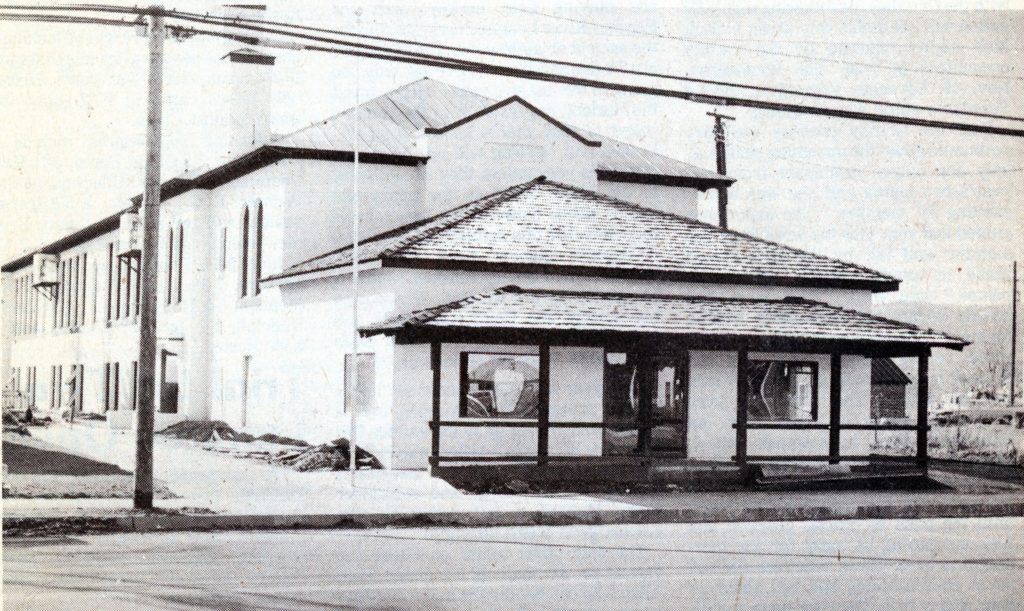
The Lincoln School Remodel—Lassen Advocate, November 21, 1975

At the end of the 1966-67 school year, Lincoln School was closed, being replaced by the newly constructed Diamond View School. For a brief time Lassen College used the facility while its new campus was under construction.

In July 1975, Victor Bullard of Placerville purchased the shuttered Lincoln School.  Bullard had the building remodeled. An addition was made to the front of the building, replacing the old exterior staircase. On December 1, 1975 the Eagle Lake District of the Lassen National Forest became the new occupants of the building. Previous to this, the District’s office was located in the former Paul Bunyan Lumber Company office.

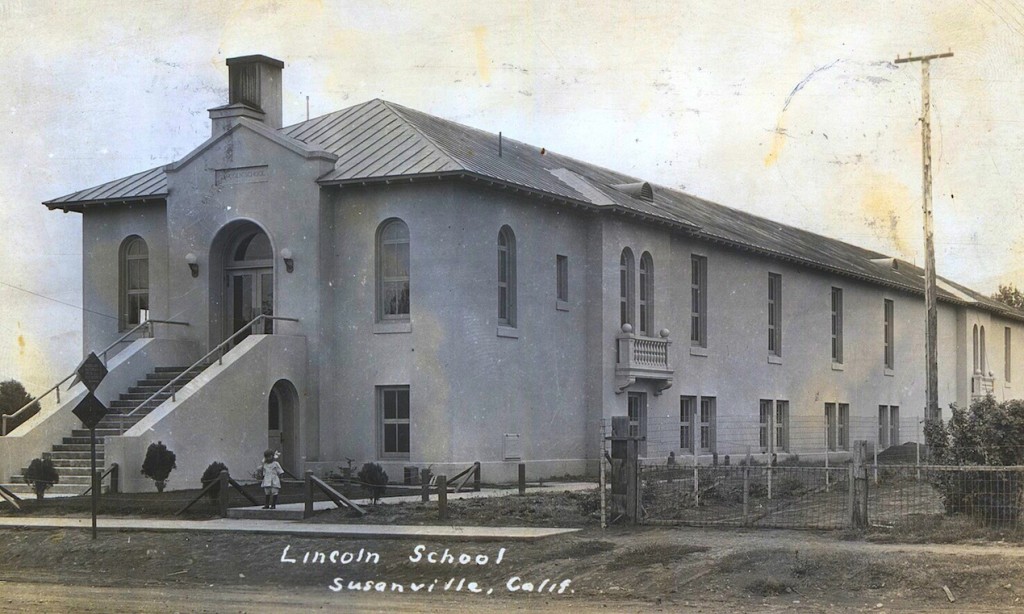
Lincoln School
Lincoln School, 1924

Tim

Lassen County’s 1946 Deer Season

A popular Lassen County postcard of the 1950s.

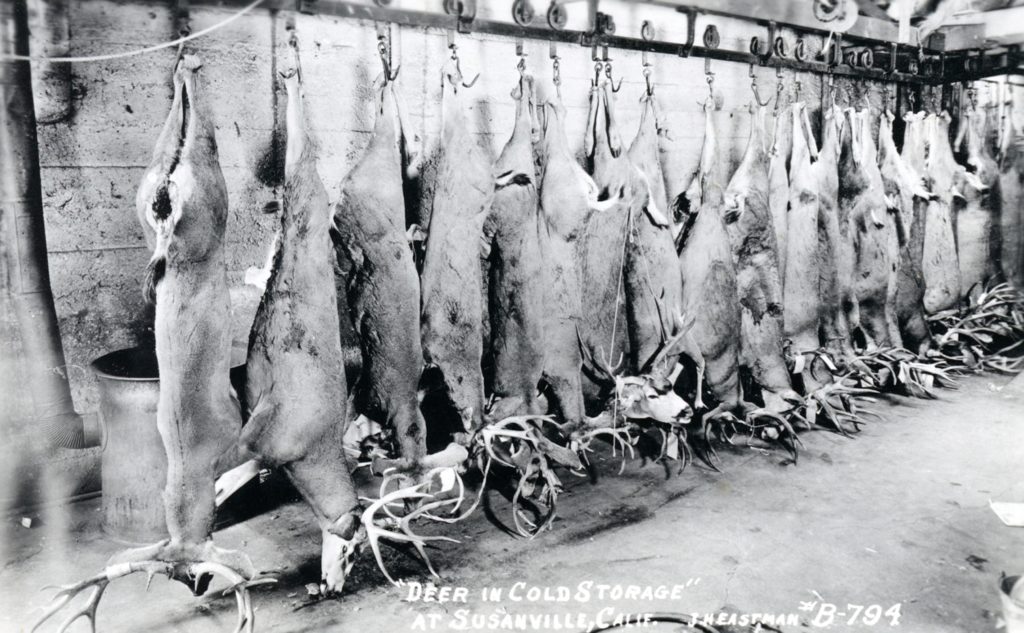
Once upon a time, during deer hunting season the population of Lassen County more than doubled. This was especially true during the 1940s and 1950s.

In September 1946, the Lassen National Forest expected over 20,000 deer hunters. Deer season opened on September 21, 1946 and by September 30, some 14,994 deer hunters had checked in at various points throughout Lassen County.

With that many people, problems occurred. There were four fatalities—two by gun shot and two by heart attack. The gun shot victims were Orin Gerig of Bieber and Columbo Fortino of Oakland, who was shot in the leg at Mill Creek, taken to the Westwood Hospital where he succumbed of his injuries. James Maloney of San Francisco died of heart attack while hunting near Termo, and the same fate happened to Clel Tally of Sacramento near Pine Creek Valley.

Officials were concerned about the fire danger. There were seventeen fires caused by careless deer hunters. Fortunately, none of these fires caused any major damage. No information was released as to how many deer were killed, but all the cold storage meat lockers in Susanville and Westwood were at capacity.

In conclusion, the deer season was even included in Fruit Growers Supply Company’s 1946 Annual Report:

“Much of the country in which Company timber is located is considered to have good deer hunting, and the deer season opens at a time when the woods are in the driest conditions and when the fire hazard is the greatest. The handling of the large influx of people into the general Northern California area during the deer hunting season constitutes a very serious problems to all owners and agencies interested in timberlands. In 1946, hunters and their parties were registered as they entered Lassen County area, and during one week’s time, close to 5,000 automobiles and 13,000 individuals registered as potential deer hunters. Thus more hunters were checked into Lassen County than its normal population. Despite this, the Company was fortunate in its 1946 experience with forest fires.”

Subscribe and support this site for little as $5.00 a month.

Shotoverin Lake — Then & Now

Shotoverin Lake, July 15, 2021

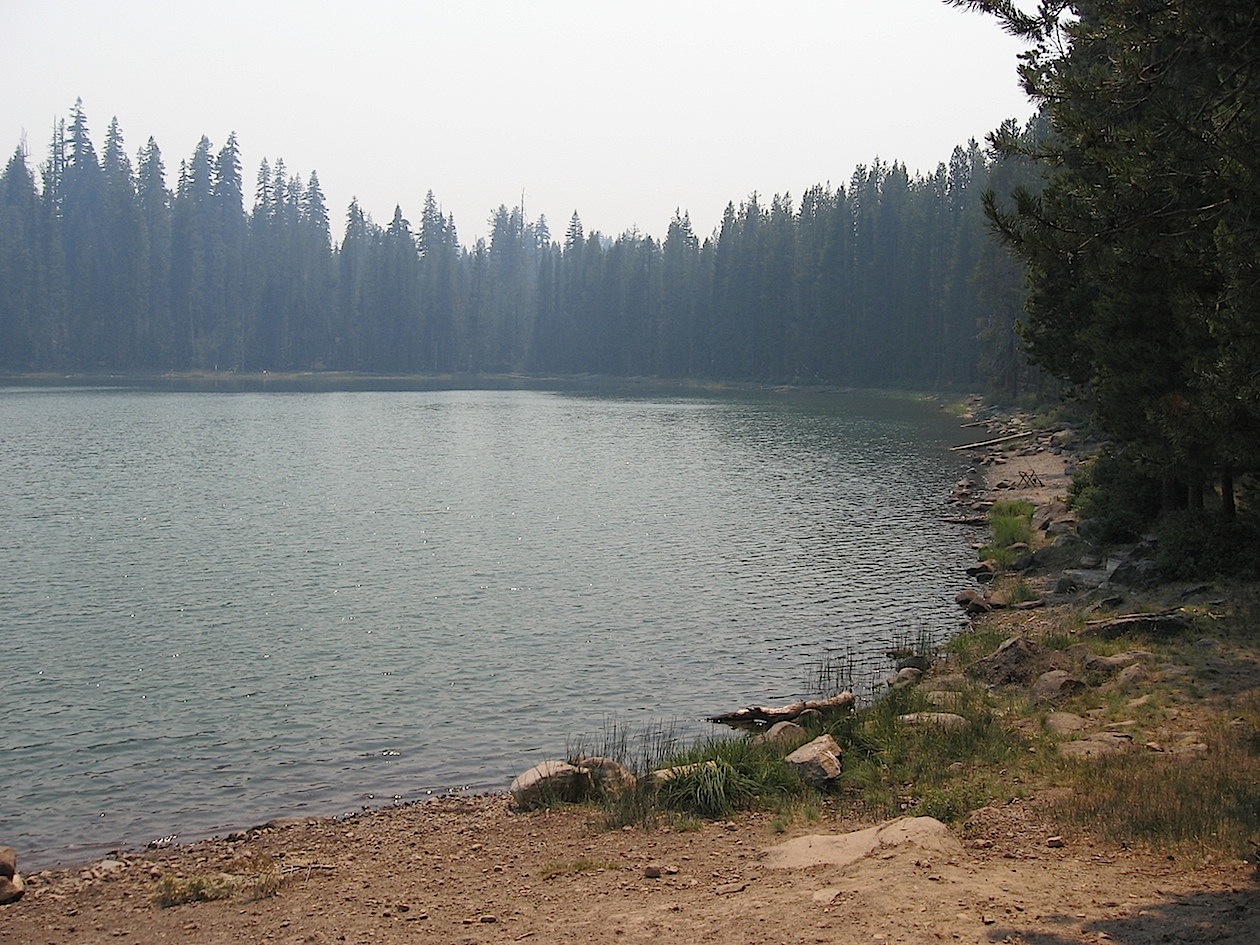
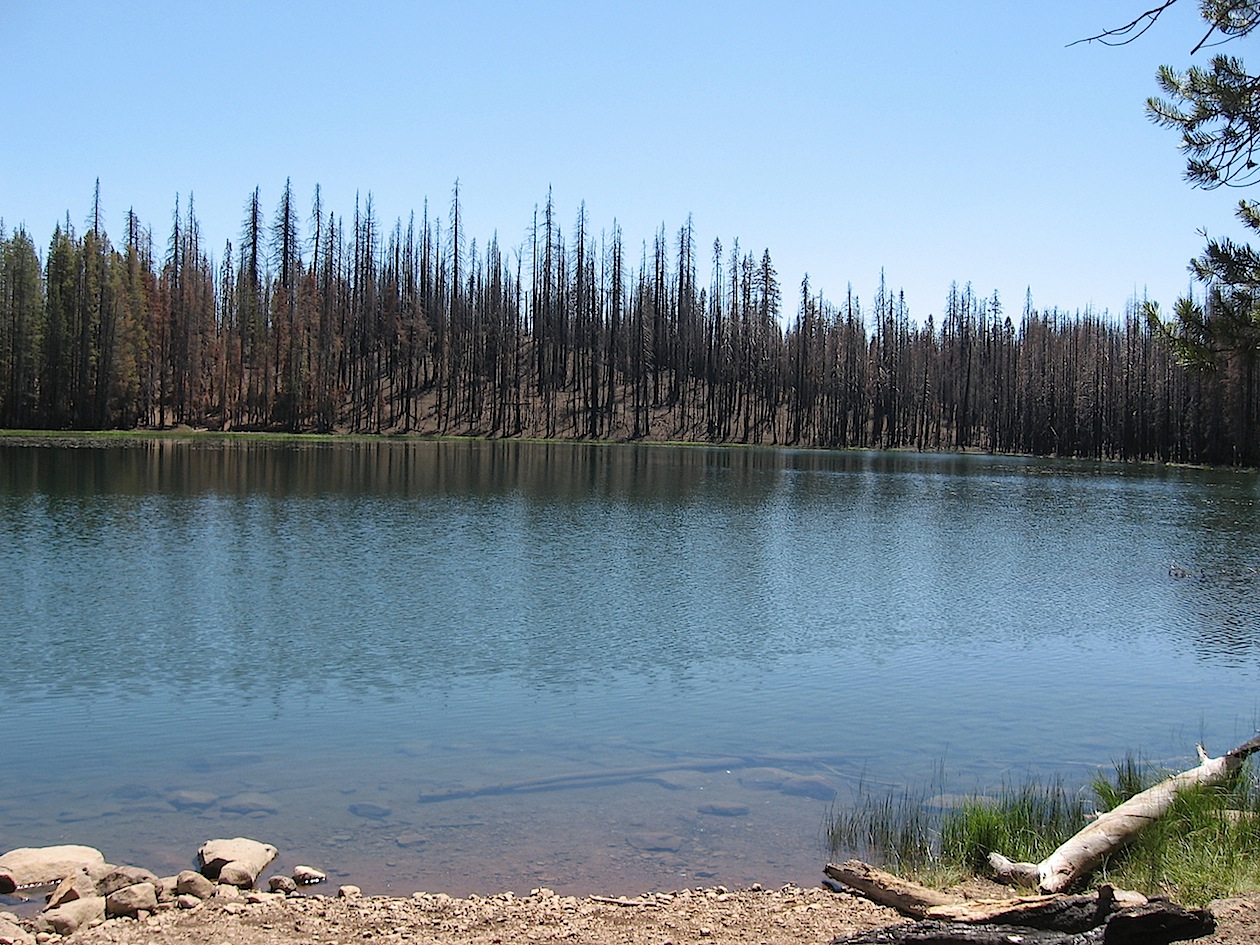
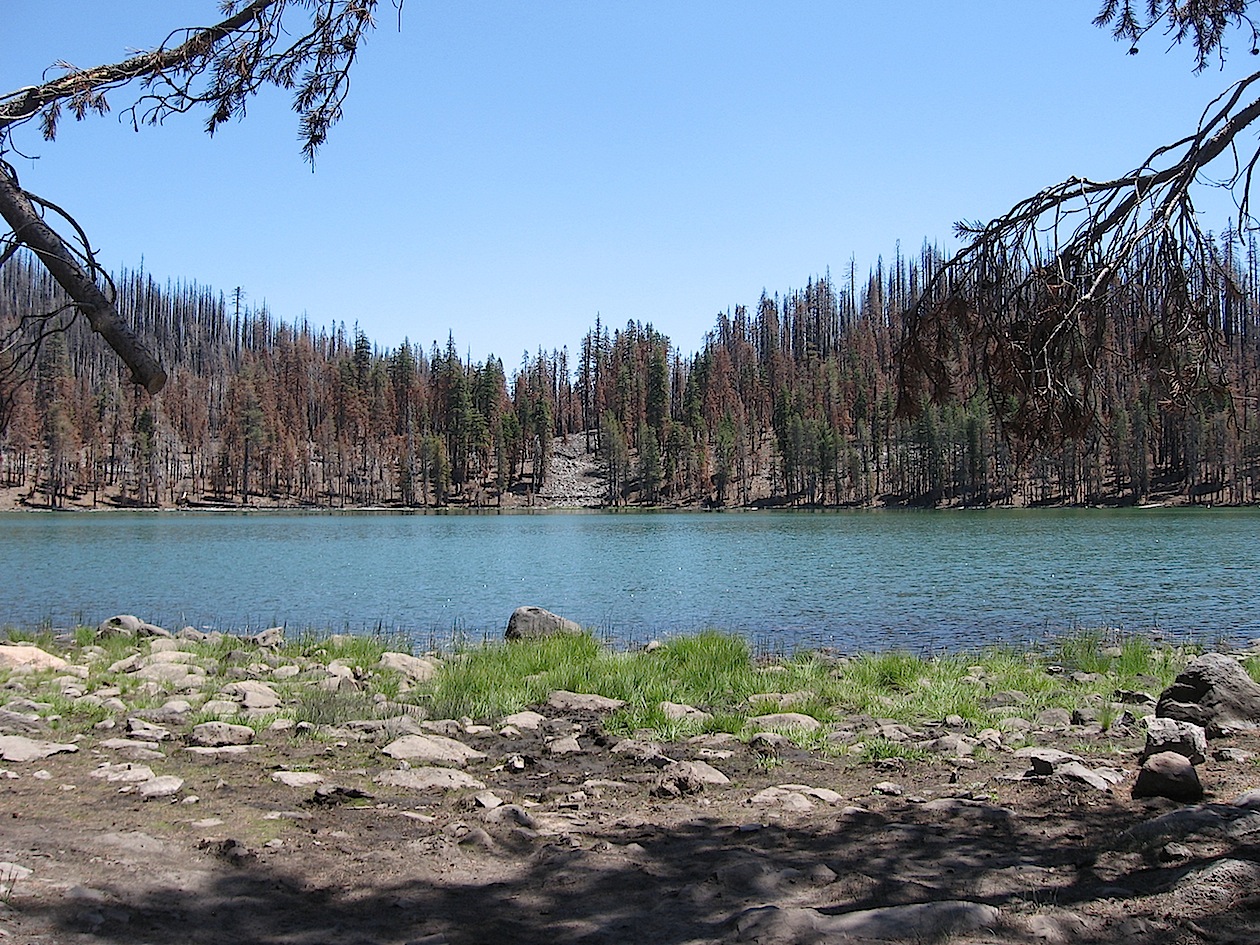
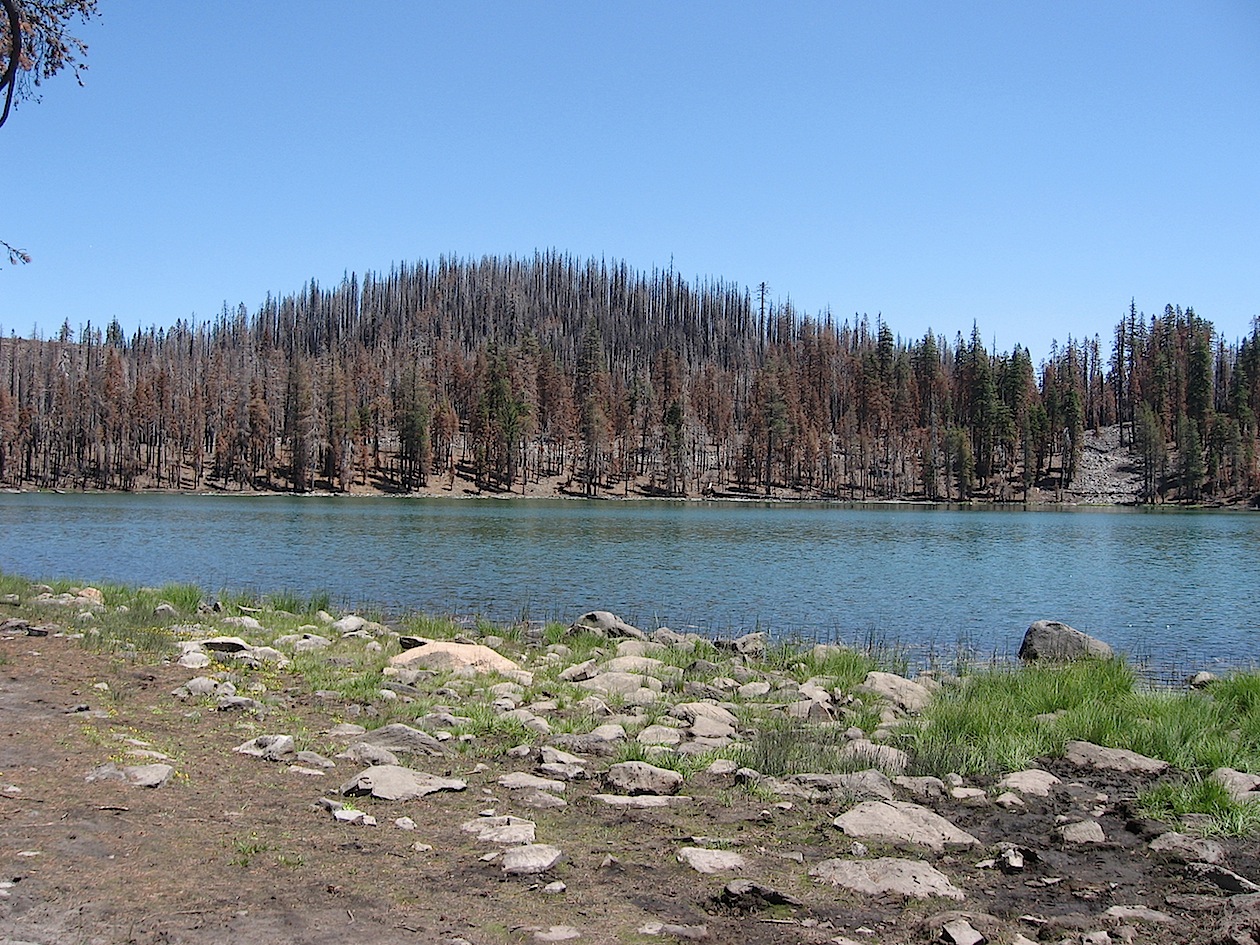
Last Tuesday, I featured photographs of Echo Lake in a before and after of 2021’s devastating Dixie Fire. The next lake we visited on that trip was Shotoverin about six miles north of Echo. A  portion of the timber along the shoreline was burnt, but for the most part, intact. The fish were jumping and someone camped out there.

Shotoverin Lake, July 11, 2022.

Tim


Lasco Lumberjacks

Camp Lasco—Jean Kern

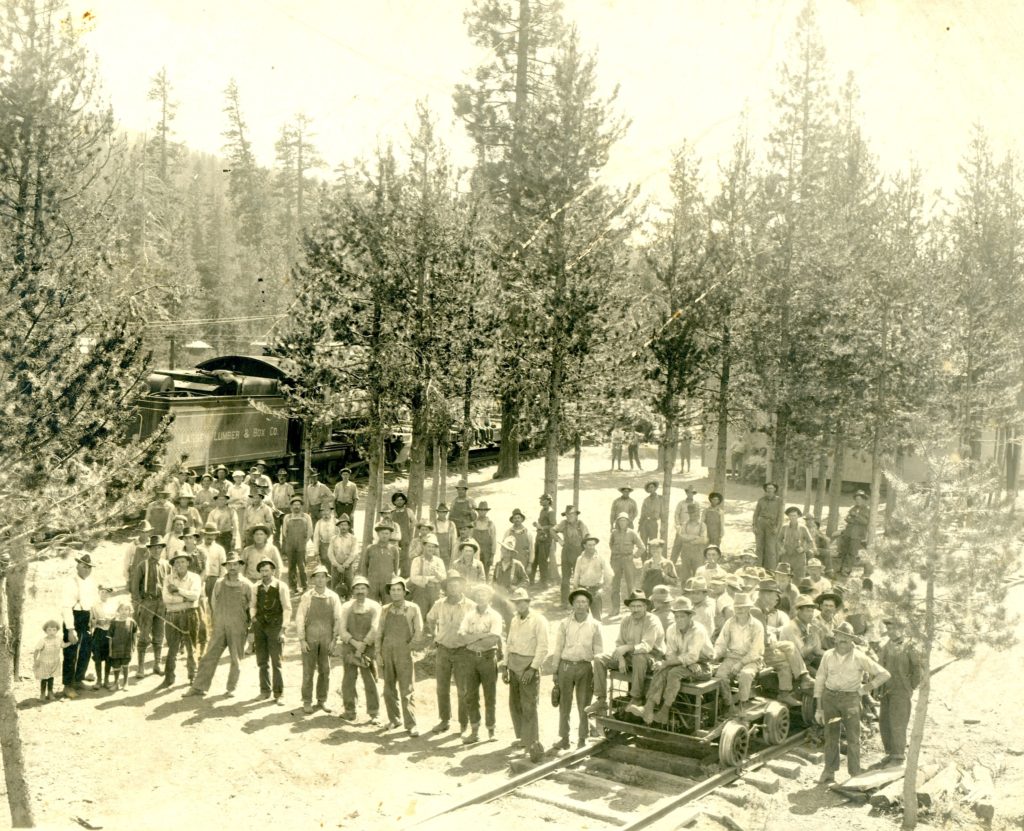
The loggers of Lasco, the logging camp of the Lassen Lumber & Box Company were an energetic bunch during what limited off time they had. Many worked twelve or more hours a day, six days a week*

However, whenever an opportunity arose for that hardy bunch to recreate, they did so with gusto. Their annual Logger’s Ball in July was legendary.  These men, also, enjoyed in partaking in a part of America’s pastime—baseball. They named their team the “Lasco Lumberjacks.” These guys just enjoyed playing ball and they hosted a lot of ball games. One that caught my interest was an interesting and an unusual adversary—Lassen Union High School. It did not matter who won or lost, the bottom line was everyone who played or was a spectator just a had a good time.

*In 1918, Lassen Lumber & Box Company established its sawmill/box factory in Susanville. It differed from its two competitors—Fruit Growers Supply Company and Red River Lumber Company—as its initial sole supply of timber came from the  Lassen National Forest.

Tim

Echo Lake-Then & Now

July, 15, 2021

Last week we made an expedition to the Echo Lake region in northern Plumas and western Lassen Counties. We did the same a year prior on July 15, two days after the Dixie Fire started. Who knew that fire would devastate so much territory. I had heard reports that the area surrounding Echo Lake had burnt. Thus, we wanted to see first hand. I know some folks will be interested to see what a difference a year makes.

Echo Lake, Plumas County, July 11, 2022

Another View

Echo Lake, July 11, 2022

Tim

Susanville/Durbin Nursery Update

Courtesy of Kevin Corson

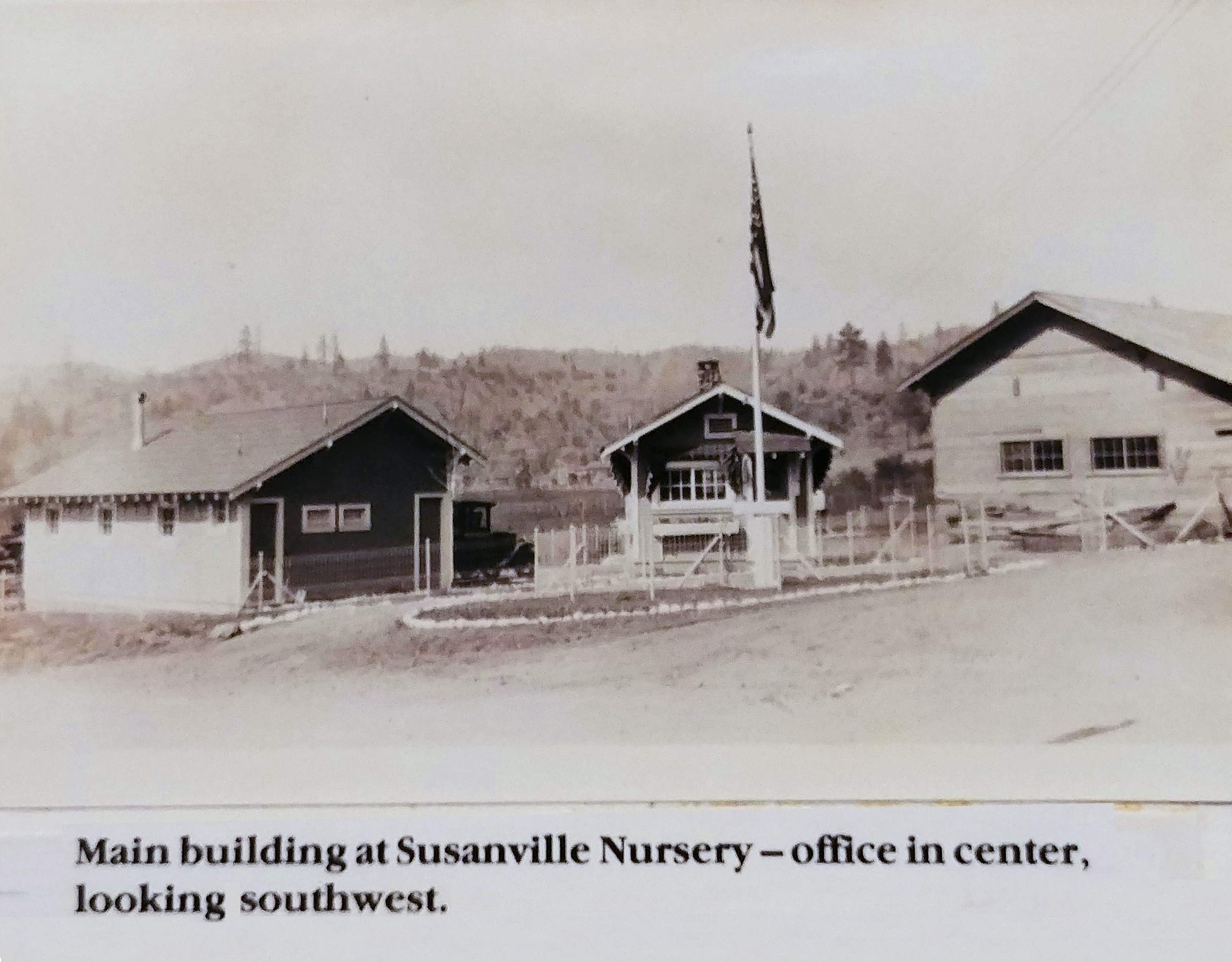
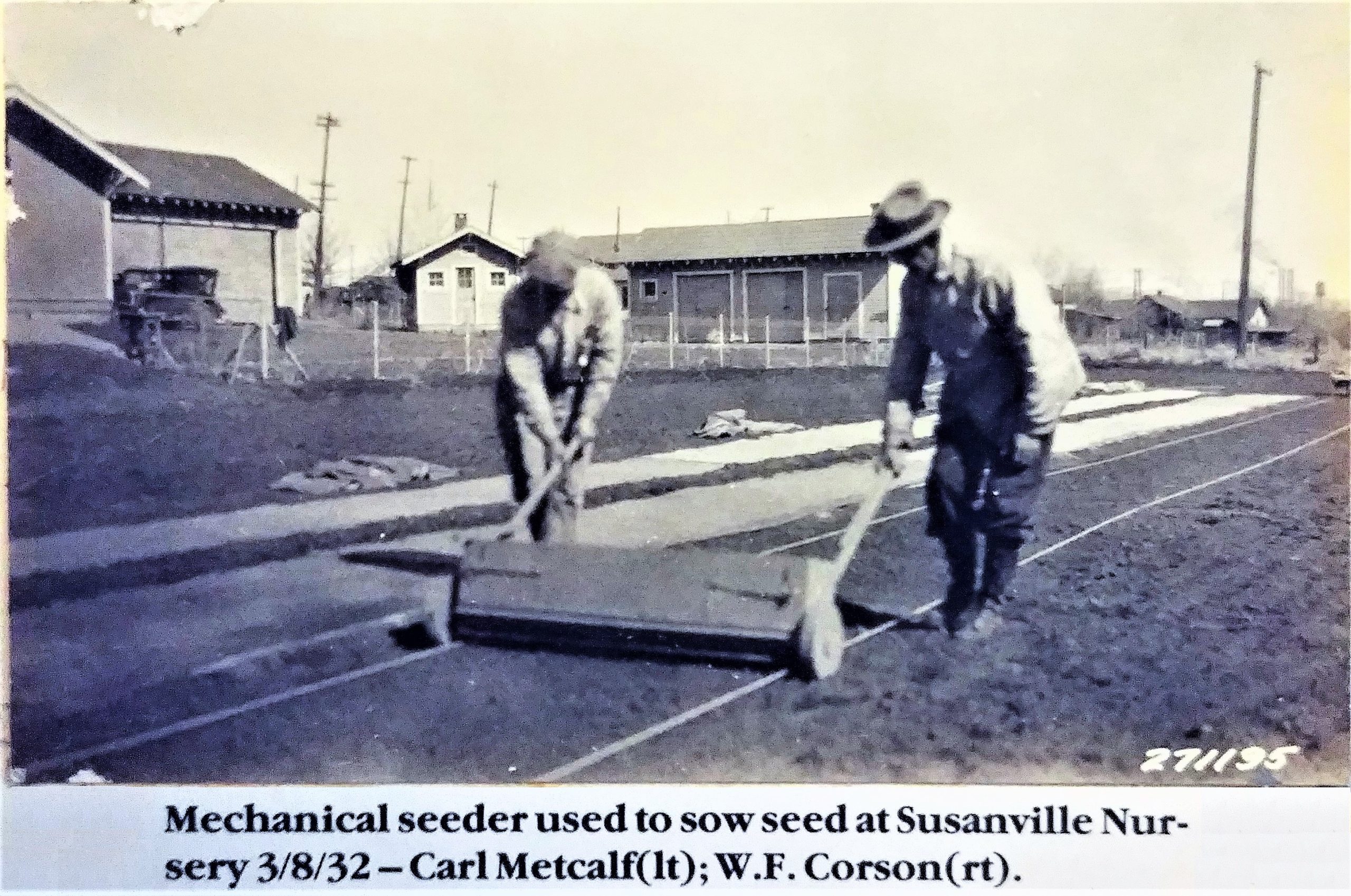
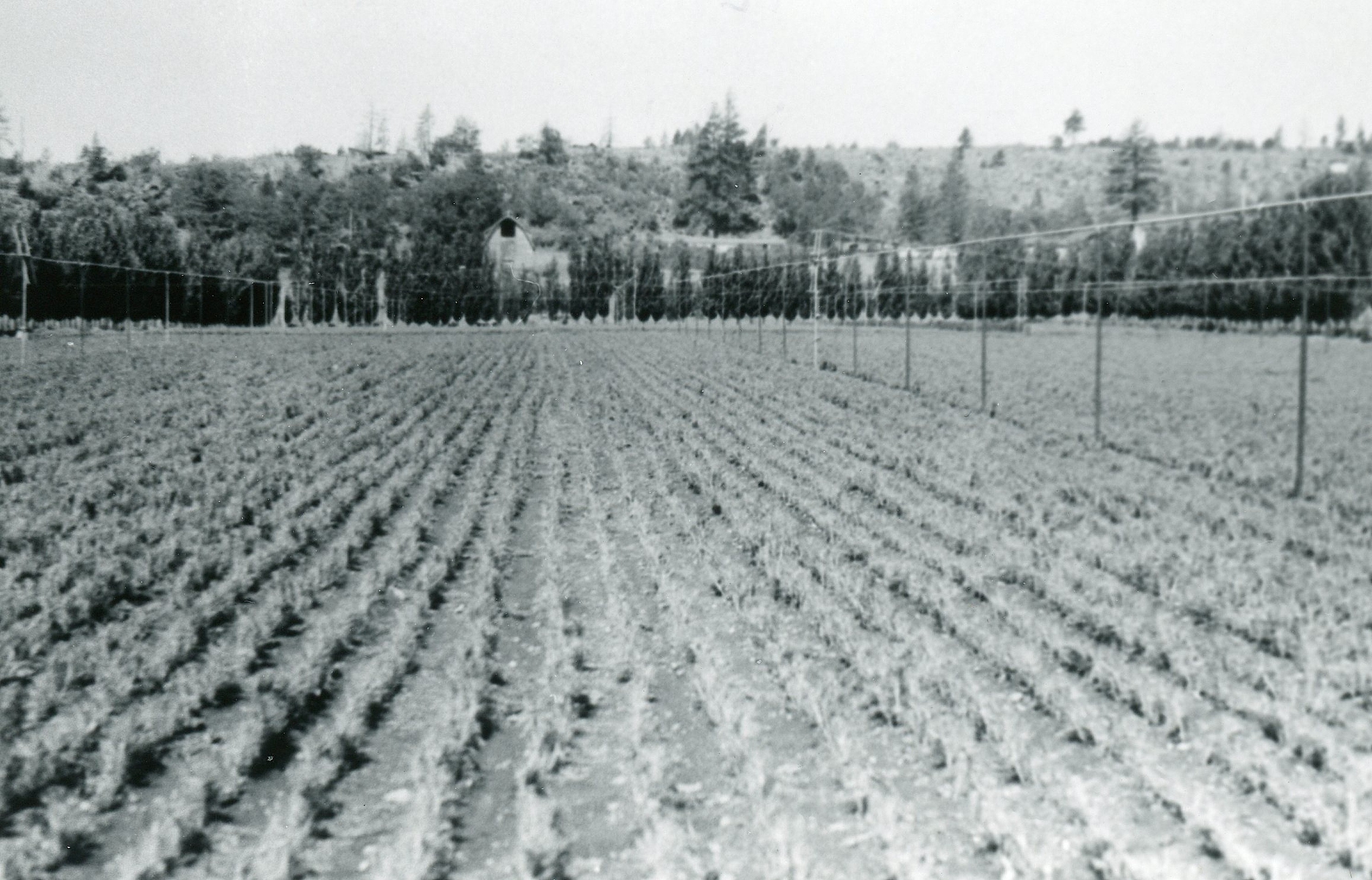
On July 2, 1928, the Lassen National Forest Service leased seven acres from Lassen County on Richmond Road for a tree nursery at $80 per year.  It was named the Susanville Nursery. It was done under the direction William G. Durbin, the Lassen National Forest Supervisor.  C.W. Corson, a recent graduate of the University of Minnesota was hired to be in charge of it and was so for many years. The initial goal was to raise 750,000 of pine seedlings over a five year period. In addition, experiments were done with cedar, fir and sequoia.

Courtesy of Kevin Corson

The first planting from trees from the nursery was done in 1929 to assist the reforestation of the  burn on Antelope Mountain west of Eagle Lake. In addition, the nursery provided seedlings to the various national forests throughout California. It was unique that it was only large Forest Service nursery in California. In 1936, after the establishment of Lassen College’s Forestry program many of those students worked at the nursery.

Durbin Nursery. Courtesy of Dick & Helen Harrison

In 1938, after the passing of William Durbin, the nursery was renamed to Durbin in his honor. Durbin served as the Supervisor of the Lassen National Forest from 1922-32.

Unfortunately, I do not at this time, have a date when the nursery ceased operation, but it appears sometime in the early 1950s.  The property is best known today as Diamond View School.

Never miss a story, click here to subscribe.