Tag Archives: Lassen National Forest

Red River Control Burns

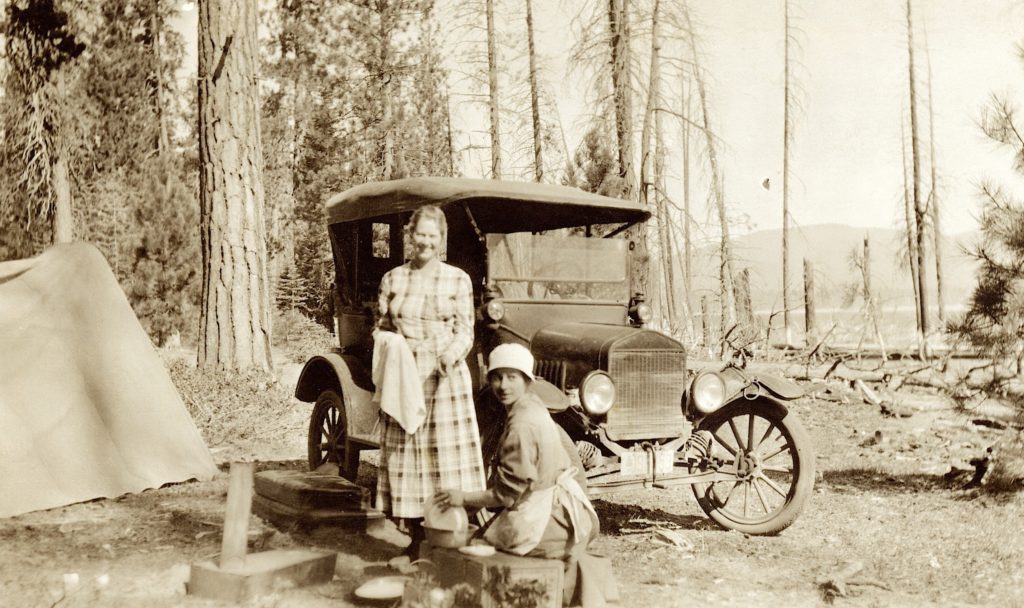
Camp 38
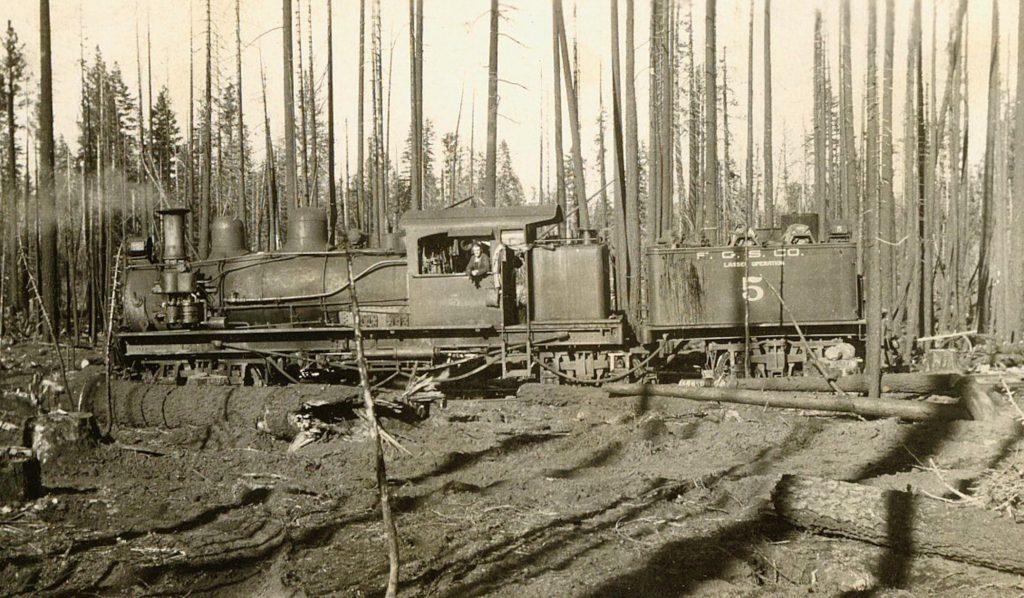
Camp 38, Red River Lumber Company, 1922. It was located on the east shore of Lake Almanor. Courtesy of R.S. Pershing

While I have touched upon this topic before, I came across an interesting letter and how Red River was managing its forest. There are a number of institutions that search this site for all kinds of information, natural history being one. As public service, I bring this bit of information to the surface for future researchers.

On August 10, 1935, Clinton Walker wrote to his brother Archie, who resided in Minneapolis. Archie was stable figure in the Red River Lumber Company’s management, since the company had vast holdings there as well.

Clinton was involved in the initial timber acquisitions in California. In 1913, he resigned over a family dispute on the future operations. He came back into the fold during Red River’s financial crisis of the 1930s. Enough background and onwards to Clinton’s commentary.

”It is regrettable that the house of Walker has no forest man. Kenneth [Walker] covers the nearest, but he seems to be absorbed in the performance of log contracts; our annual fire and insect losses are staggering. A systematic annual light burning at the right season of the year would reduce an ultimately eliminate these sources of loss and the cost would be insignificant as compared to the loss and yearly fire hazard conditions in the forests. Burning by means of power burners on or dragged behind tractors could be done very cheaply and the prospective danger of injuring hollow hulled trees could be eliminated by following the burning with a few shovelers. For the entire period of the Walker family timber operation we have centered our attention exclusively to lumber operation. We are doing nothing but slash down that wonderful forest and letting the fire and beetles burn and eat us down year by year without raising a hand to afford protection from these annual staggering losses.”
Support

Some Camp Fire Permit History

Happy campers at Eagle Lake, 1914.

In the early 1900s, saw the creation of the national forest reserves, that became the national forest. Each national forest had wide authority on regulating forest use. A classic example occurred in 1920 between the Lassen and Plumas National Forests. In the spring of 1920, the Plumas National Forest made camp fire permits mandatory, while the Lassen did not. The Plumas National Forest issued the following statement:

”The camp fire permit requirement is one move in an intensive campaign conducted by the forest service for the prevention, detection and suppression of fires during the coming summer. Following a succession of years in which the precipitation has been deficient, this season finds the forest service on highly flammable condition and the greatest possible care is imperative in the use of fire in the woods.”

Eagle Lake campers, 1920—D.M. Durst

Support


Logan Springs, Lassen County

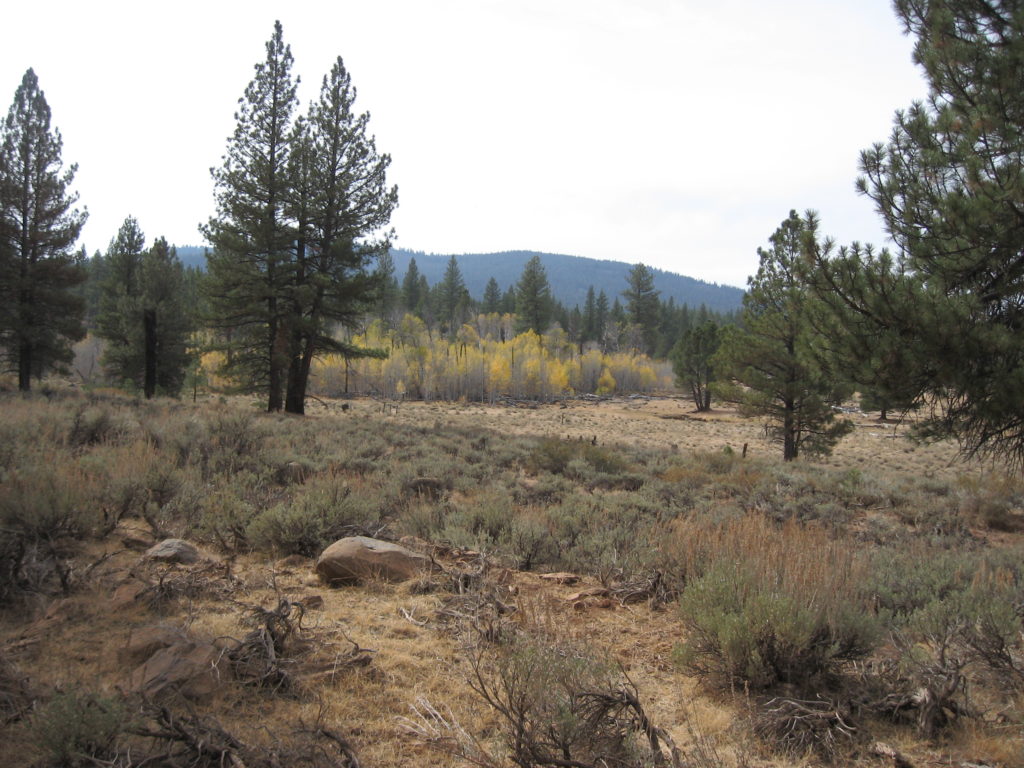
Logan Springs, October 8, 2020

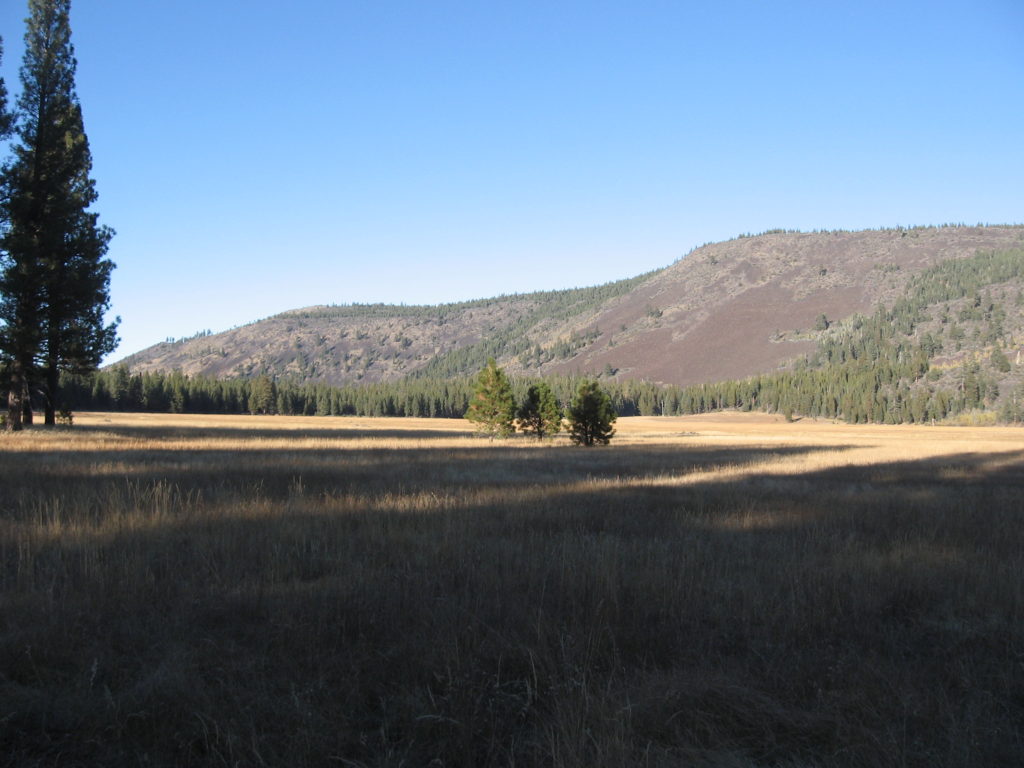
Logan Springs is located in the Pine Creek drainage west of Eagle Lake and north of Pine Creek Valley, not far from the site of former Fruit Growers Supply Company logging Camp 10. During the late 1800s and early 1900s this region was used for summer range for the sheep outfits, mainly from Tehama County.

The springs and nearby mountain were named for Griffin Logan (1842-1885), an African American, who was the foreman for J.S. Cone, a large Tehama County livestock operator. The springs are noted for its substantial aspen grove. However, on my visit last fall, we had just missed the prime fall foilage.

Don’t forget to look at the Subscribe feature.

Where Are We — Dow Wells

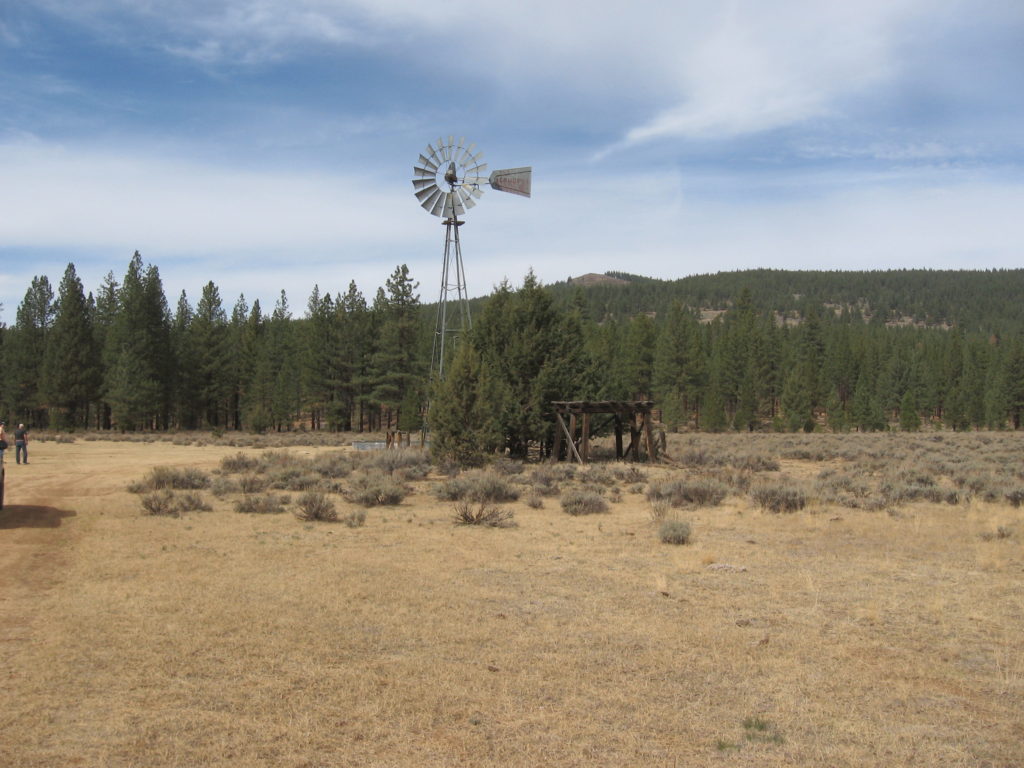
Dow Flat & Wells, October 8, 2020

In 1875, William Dow located on the northwest side of Eagle Lake. He remained there until 1886 and the following year he sold 465 acres in that region to Albert Gallatin.

Dow Flat and Wells is located a short distance north of Spalding Tract. In the distance is Dow Butte. In 1994, the Dow Butte Lookout was removed and relocated next to the Eagle Lake Marina.

Spread the word, and encourage a friend to subscribe

Control Burns Revisited

Bunnell's
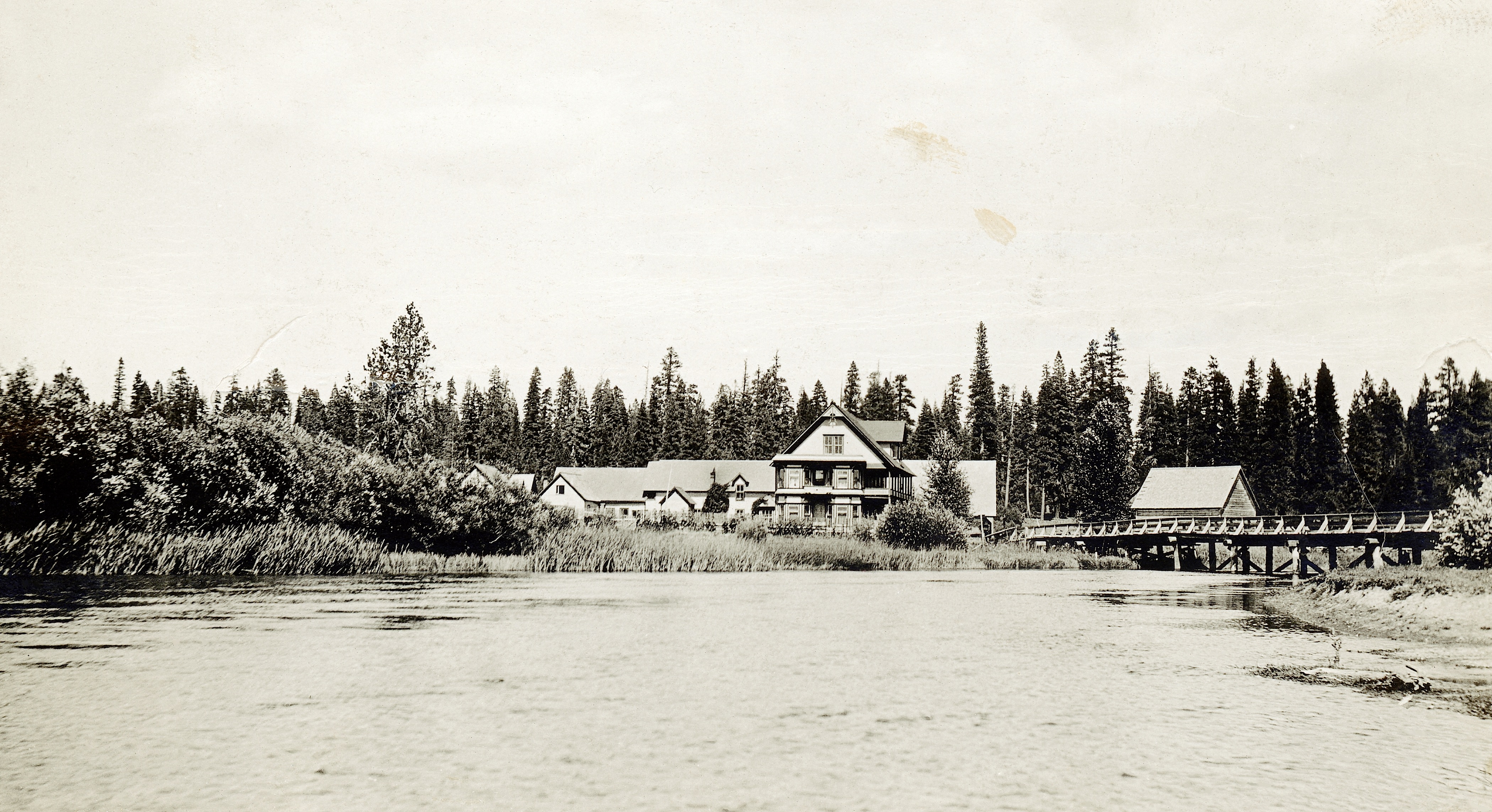
Bunnell’s Resort, Big Meadows. Courtesy of Philip S. Hall

While my Red River series covers a tremendous amount of material on the Red River Lumber Company, there were some topics that were not addressed. In 1938, the topic of controlled burns was being discussed, as the company had done it in its earliest years until Clinton Walker’s departure in 1913. Below is an excerpt of a 1938 memo Clinton wrote to the Board and the experience of a control burn at Lake Almanor.

Continue reading Control Burns Revisited

1929 Lassen National Forest Fire Report

The.aftermath of the fire at Camp D, 1924 —-FGS Co.

After a good cool rain storm over Northern California, W.G. Durbin, Supervisor of the Lassen National Forest declared that on the Lassen the fire season was over on October 11, 1929. At that time the fire protection force, save for two men with lookout duties, were laid off.

Durbin provided some interesting statistics comparing the 1928 and 1929 fire seasons. In 1928 there were 109 fires and 49 in 1929. In 1928 fires consumed 31,634 acres; in 1929 only 3,492 acres. Another noticeable fact was suppression costs $34,674 to $4,168.

Lightning and careless smokers attributed to the bulk of the fire origins for those two years.

Fast forward to 2021 the suppression costs of the Dixie Fire is mind boggling being pegged at nearly $600 million.

Support


I Did Not Know . . .

Papoose Meadows, October 13, 2017

Some of things I learn along the way doing these posts amazes me. In 1929, C.R. Robinson of the Lassen National Forest released his report on a rodent survey. Robinson stated most of the damage is being done by the Oregon ground squirrel. Robinson found that the damage to the forage crop in the mountain meadows often amounted to fifty percent. It was that figure that grabbed my attention. I thought given the era, there might have been some bias, but not so.

In a 1993 report by the Oregon State University Extension Service reported “that the ground squirrels are a major wildlife pest in central and eastern Oregon. They consume a substantial amount of forage and field crops.” In one instance they cited, “in northern California another study reported that, during the growing season, 123 Belding’s ground squirrels per acre consumed 1,790 pounds of alfalfa per acre.”

Subscribe

Susanville/Durbin Nursery

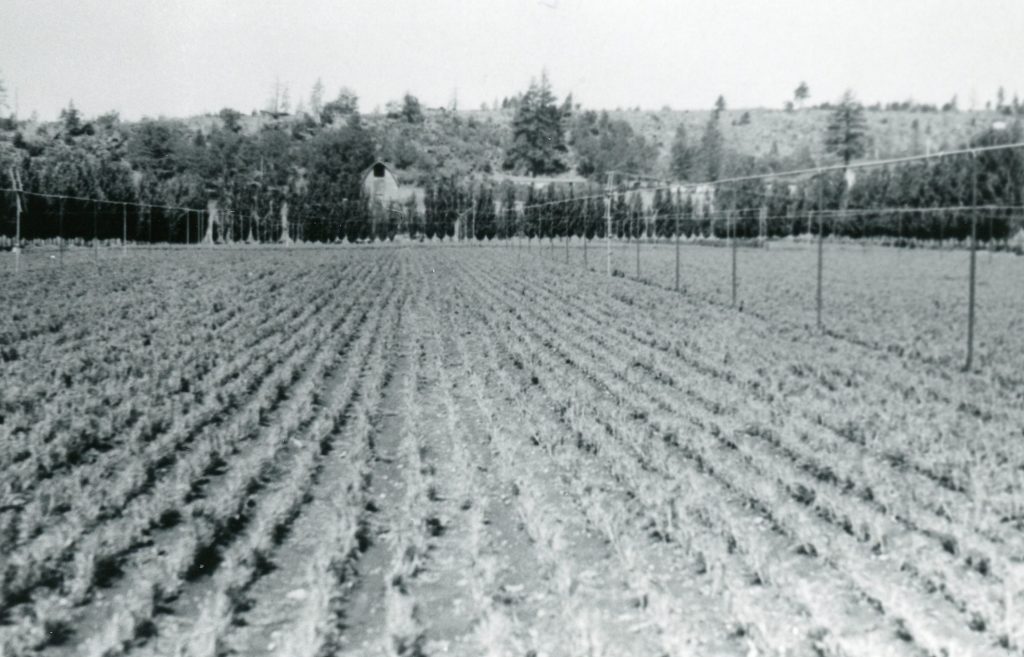
Durbin Nursery. Courtesy of Dick & Helen Harrison

In 1928, the Lassen National Forest Service leased seven acres from Lassen County on Richmond Road for a tree nursery, named the Susanville Nursery. It was done under the direction William G. Durbin, the Lassen National Forest Supervisor. In 1932, C.W. Corson, a recent graduate of the University of Minnesota has hired to be in charge of it and was so for many years. Anyhow, the initial goal was to raise 750,000 of pine seedlings over a five year period. In addition, experiments were done with cedar, fir and sequoia.

The first planting from trees from the nursery was done in 1930 to assist the reforestation of the  burn on Antelope Mountain west of Eagle Lake. In addition, the nursery provided seedlings to the various national forests throughout California. It was unique that it was only large Forest Service nursery in California. In 1936, after the establishment of Lassen College’s Forestry program many of those students worked at the nursery.

In 1938, after the passing of William Durbin, the nursery was renamed to Durbin in his honor. Durbin served as the Supervisor of the Lassen National Forest from 1922-32.

Unfortunately, I do not at this time, have a date when the nursery ceased operation, but it appears sometime in the early 1950s.  The property is best known today as Diamond View School.

Never miss a story, click here to subscribe.

A 1929 Wild Horse Round Up

Dixie Valley Ranch

The following is an interesting tid-bit that I happened to come across. This is the earliest known round up of wild horses by a government entity that I have come across. In November 1929 the forest service conducted a roundup in the Dixie Valley area of northwest of Lassen County. The following is the statement they issued:

“Wild horses and scrubs have become a nuisance on the national forests. With the shortage of feed, due to the unusually dry season, there is a serious shortage of forage and these animals are taking a large amount that right fully belongs to the stock entitled to grazing privileges in the forest.

“The forest service, in cooperation with the C.W. Clarke ranch in Dixie Valley, recently staged a roundup in which about 140 of these scrub animals were corralled and sold to the buyers of chicken feed.

“While these horses are termed as “wild horses,” in reality they are scrubs that have escaped from herds ranging the forest and from Indian owners. They are of no value, except as chicken feed, and the cost of catching them often amounts to far more than can be realized for them for that purpose.

“When the horses are rounded up those bearing brands are marked and again turned loose. Indians and others are notified and if they can establish ownership are allowed to take their property upon a fee of catching them.”

Subscribe

Lassen National Forest Ranger Stations

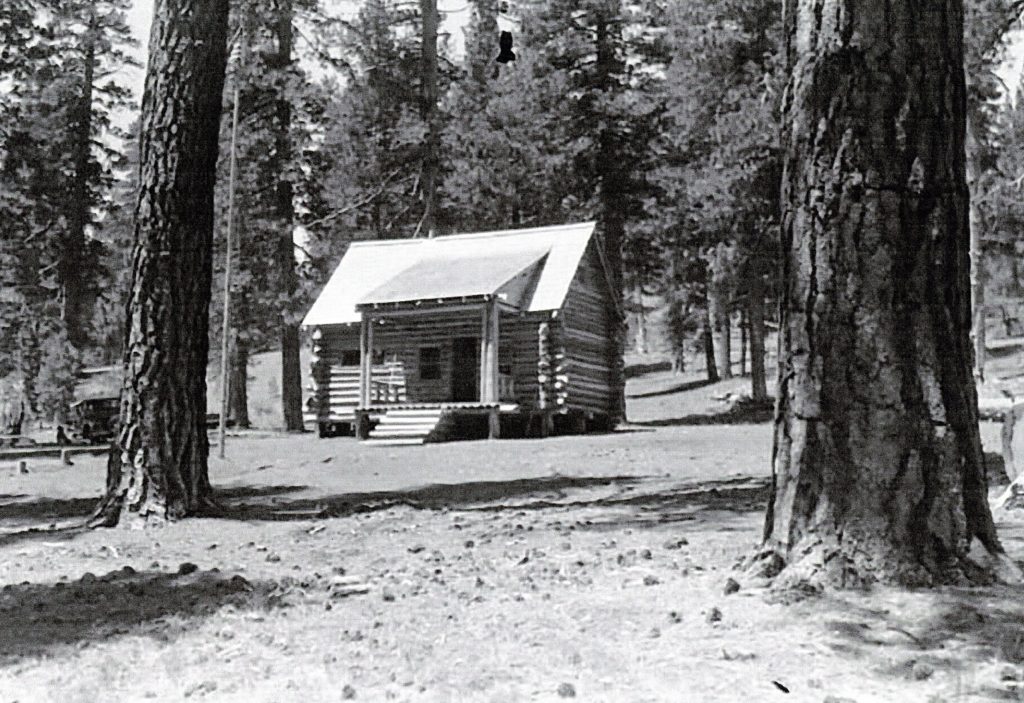
Butte Lake Ranger Station

Just as one-room schools could be found every where in another era, the same held true for ranger stations. Records for schools can be found through county archives. One of the problems researching activities on the Lassen National Forest is the lack of archives. A portion of this can be attributed to the fact that its headquarters has moved so many times. During such moves, there is a tendency to discard documents, at the time that seemed no longer relevant.

Fortunately, documents such as Harvey Abbey’s diary as a Forest Ranger from 1905-1920 sheds an interesting glimpse of the early years on Lassen. This, plus records in my files, should make for an interesting series.

If you happen or know someone who has information on this topic, I would appreciate hearing from you.

Support