Tag Archives: Lassen Lumber & Box Co.

Lassen Lumber & Box Co. Begins Operation

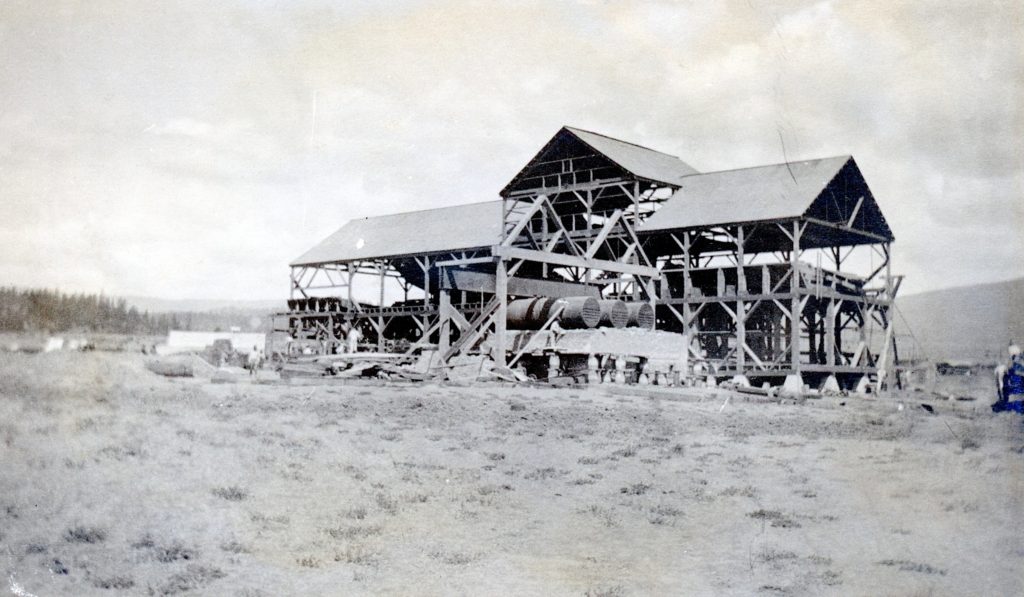
Lassen Lumber & Box Company’s mill under construction, 1918

On July 27, 1918 was a certainly the proverbial red letter day in Susanville history. The Lassen Lumber & Box Company began operations of their mill located on the south side of the railroad tracts and adjoining Alexander Avenue (The site is now Lassen Auto Body). It was Susanville’s first major lumber manufacturing plant. There were attempts to lure Red River Lumber Company’s to locate in Susanville, but the family bickering of Red River dashed that hope.

Anyhow, this brief synopsis how Lassen Lumber came to be. The progressive arm of the Susanville community, as an incentive offered a free mill site and a $8,000 cash bonus for anyone to locate sawmill there. They succeeded. C.E. Cotton, R.D. Baker and Charles McGowan had been inspecting forest service timber lands. They liked what they saw. They contemplated a sawmill site at the base of Peg-leg Mountain. The Susanville business community, led by M.O. Folsom, convinced Cotton & Company to locate at Susanville with the aforementioned incentive. They took it, and a new chapter began in Susanville’s history.

Tim
Long Valley Lumber Company

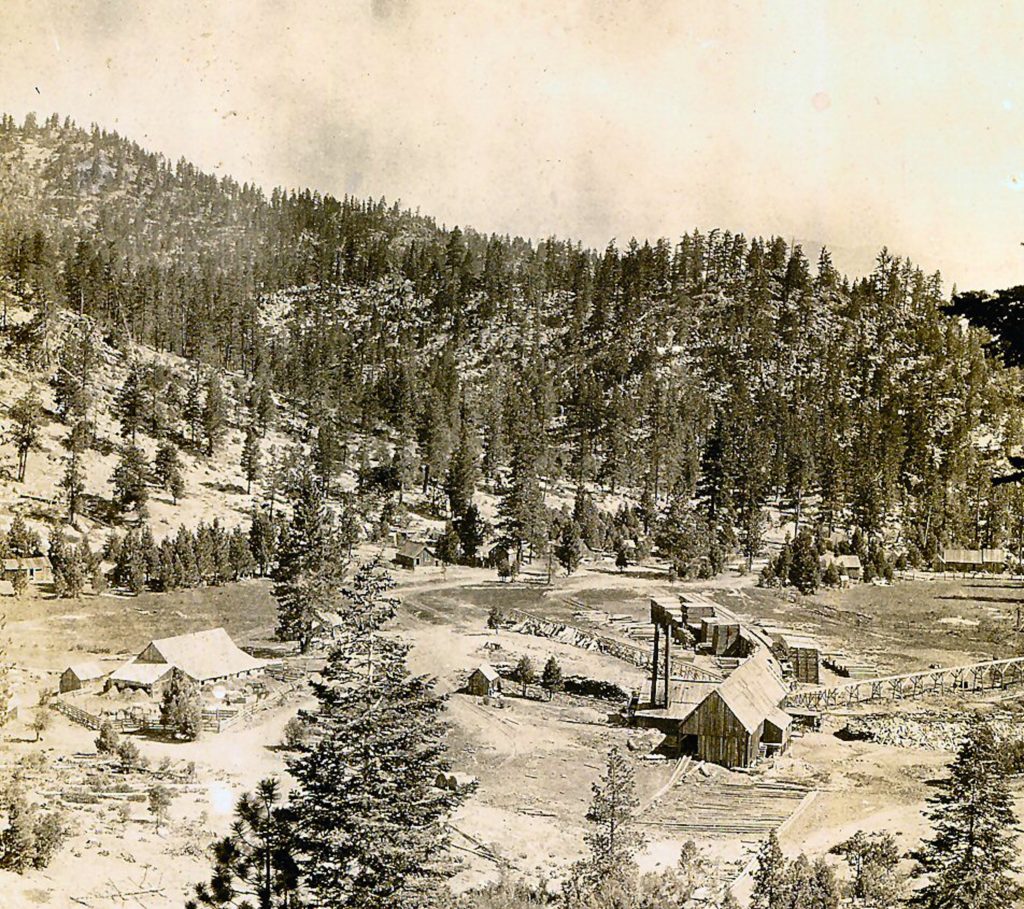
Doyle & Crowder Mill. Courtesy of Marie Herring Gould

The Long Valley Lumber Company was a perfect example how the lumber industry locally evolved. Instead of meeting local demands, which it did, the production was focused on outside markets.

The company established in 1906, was also known by its owners name Doyle & Crowder. They located their mill in a location known as Cannon Field, near the top of Doyle Grade. On a side note, local folklore had it that the name of Cannon Field was attributed to where John C. Fremont in his 1844 expedition discarded cannon balls, and would eventually at some unknown location abandon a howitzer. In all actuality, it was so named after William Cannon who lived there during the 1870s.

Anyhow, back to the topic at hand. The mill owed its existence to the Western Pacific Railway to supply ties for the construction of that railroad. Once the railroad no longer needed ties, the mill closed in 1910. In December 1917 the mill was sold to the Lassen Lumber & Box Company. That company moved the mill to Susanville, where it was used cut the lumber and timbers for a much larger mill there.

An interesting tidbit. At an Easter picnic in 1946 at the old millsite, Betty Richens found a 1906 $10 gold piece in the old sawdust pile.

Support

George Wingfield’s Meadowbrook Ranch

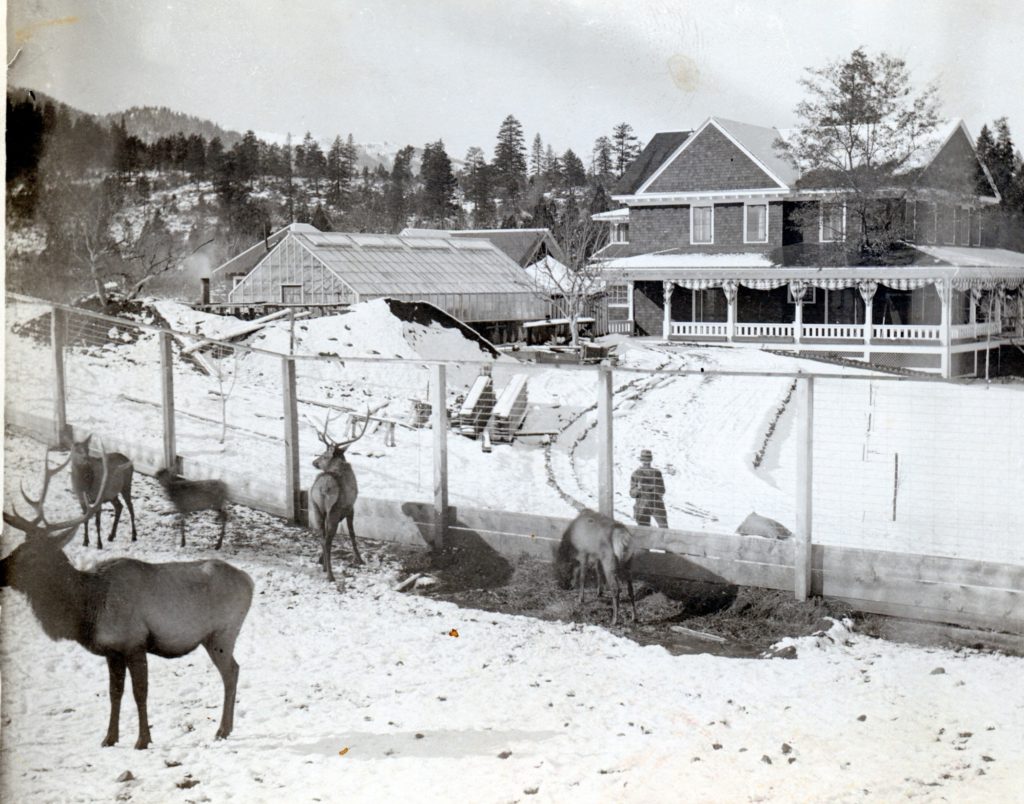
Wingfield’s Meadowbrook Ranch—-Betty B. Deal

George Wingfield (1876-1959) for whom Wingfield Road is named for, was very prominent in the affairs of Nevada. He made his fortune in the early 1900s in the Goldfield, Nevada mines. By 1907 he had an estimated worth of $25 million. What distinguish Wingfield from his counterparts who met with incredible wealth from Nevada mines, is Wingfield remained in Nevada and made considerable investments in the state. He was also a formidable power player in Nevada politics. Wingfield also established a banking empire in Nevada, though he would nearly loose everything in the Great Depression. Wingfield would make a second comeback with the Getchell mine near Winnemucca.

In 1910, Wingfield purchased the Clint DeForest property at the base of Diamond Mountain for a summer home. It is known today as Mountain Meadows Ranch. It was an elaborate estate complete with a wildlife preserve. What is interesting when one considers the amount of money spent developing the property, and enormous cost of yearly maintenance, he did not spend that much time there.  In 1923, Wingfield sold the property to the Lassen Lumber & Box Company.

Support

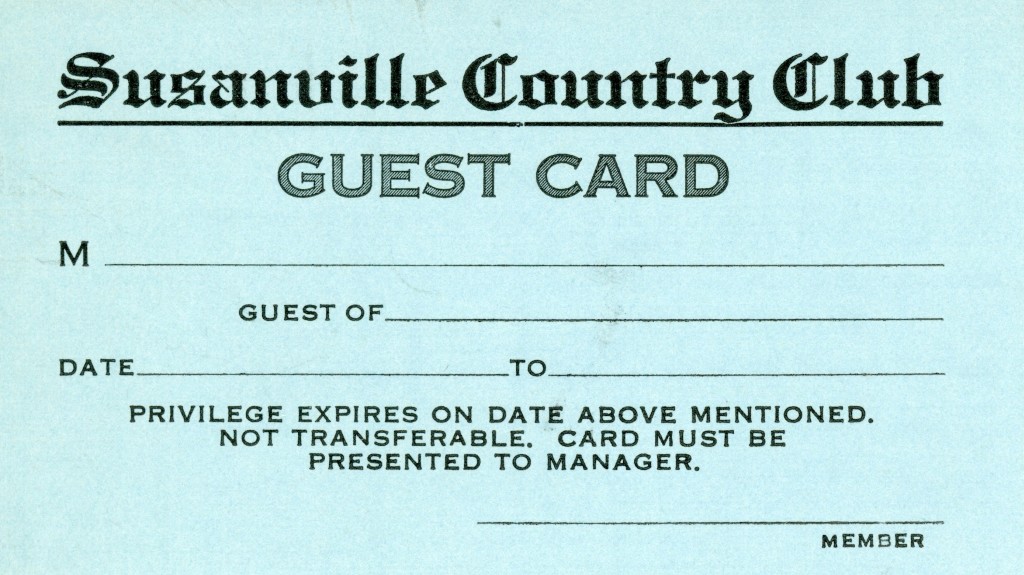
Susanville Country Club

Courtesy of Alyce Bangham

In the early 1920s, after World War I, the nation was swept up with the golfing craze. The Susanville region was not immune. As a matter of fact the area, in 1923, could boast three golf courses! These were not the type of golf course we know today, but more of a glorified cow pasture.

In 1924 things were about to change when a group of Susanville businessmen formed the Susanville Country Club. They had an ideal location, whether they could purchase it was another thing. What they sought was George Wingfield’s summer home on Wingfield Road, known today as the Mountain Meadows Ranch. Wingfield had recently sold it to the Lassen Lumber & Box Company. The company’s interest in the property was 1100 acres to timberland behind the home. A deal was struck and in the fall of 1924 the Susanville Country Club purchased the house, surrounding area, including the meadows for $20,000. With a grand residence to serve as a club house, and in time the meadows would be converted into an 18-hole golf course.

The landscaped grounds of Wingfield’s Meadowbrook Ranch. Courtesy of Alphozene Terrill

Never miss a story, click here to subscribe.

Lassen Lumber & Box Company

Lassen Lumber & Box Company’s mill under construction, 1918

In the spring of 1918, construction began on Lassen Lumber & Box Company’s mill on Alexander Avenue. The project was done in two phases. First there was the “small mill” officially desginated as Mill No. 2. This mill was placed into operation on August 1, 1918. The first plank was put on display at the Susanville Post Office. It was not anticipated that the “large mill” also known as Mill No. 1 be put into operation until early 1919. This was due to labor shortages and the difficulty in obtaining machinery due to World War I.

Never miss a story, click here to subscribe.

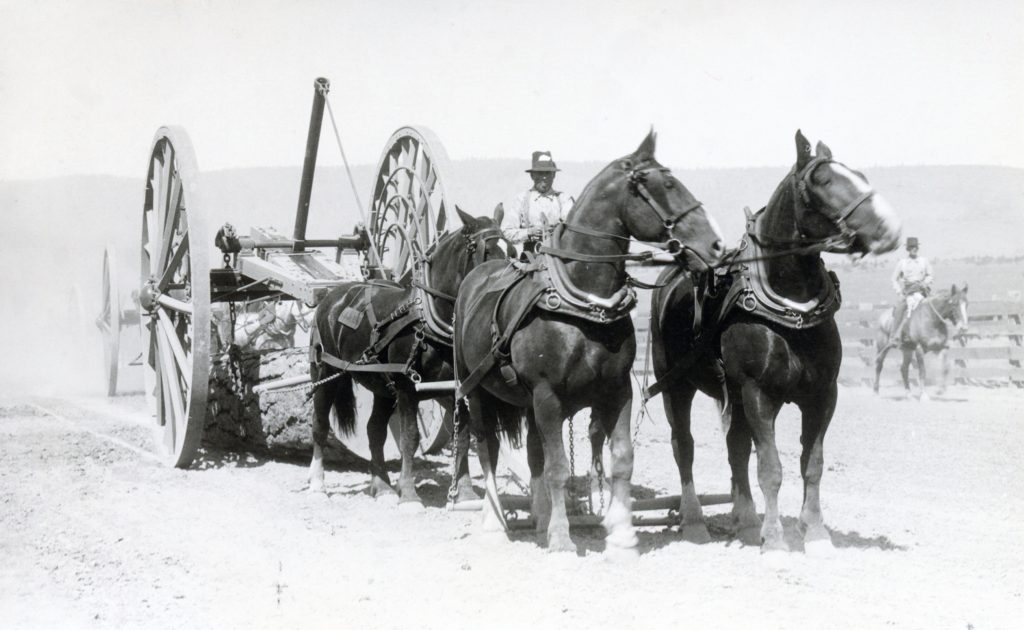
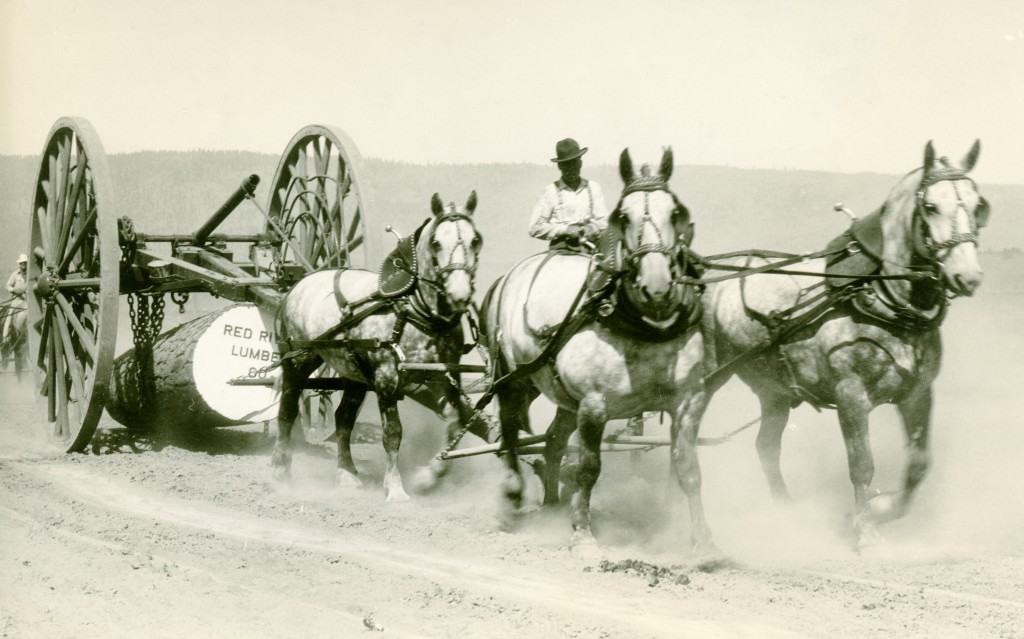
Big Wheels Demonstration

Lassen Lumber & Box Company’s entry.

When the Lassen County Fair was revived, in 1922, it would go through an evolving process. One of the dramatic changes was the establishment of three large sawmill operations—Fruit Growers Supply Company, Lassen Lumber & Box Company and the Red River Lumber Company.

The following year, the first logging exhibition at the Lassen County Fair was held. It was certainly a noteworthy event. For many attendees it was the first time they were able to witness the current logging methods of the “big wheels.”  A competition was held between the big three companies. The Fruit Growers Supply Company won top honors in this category. It should be noted by 1927, the lumber companies began phasing out the “big wheels” for the motorized Caterpillar traction engines.


Red River’s team.

Never miss a story, click here to subscribe.

A Susanville Home Interior

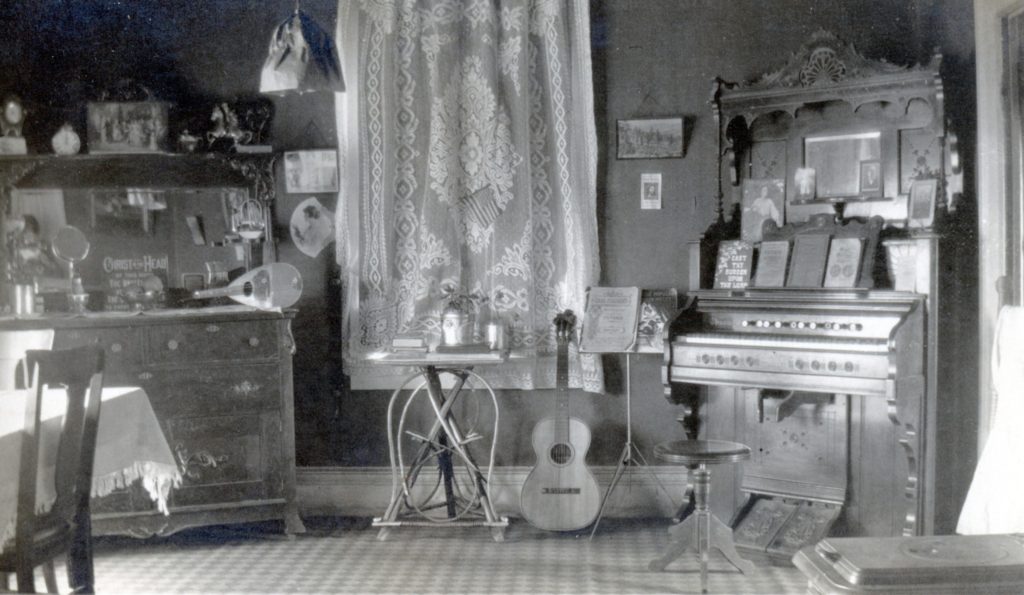
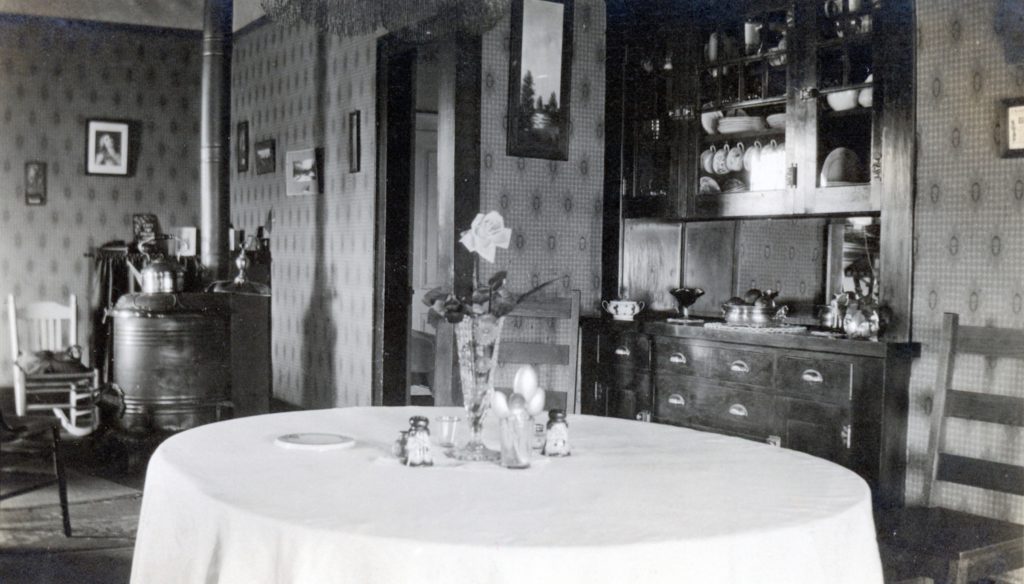
The interior of Edith Young’s home, 1919. Courtesy of Belle Dorsey

In 1918, Hayden Hill residents Belle and Jud Dorsey moved to Susanville. Jud went to work on the construction of the mill of Lassen Lumber & Box Company and would remain with the company for several years. The Dorsey’s made their home with Miss Edith Young. Young at the time, was the local government agent for the Native American community. Interior photographs for this era, tend to be on the rare side, but I know some might enjoy them. What is perplexing for me, is I do not know where this was located. Belle did take a exterior photograph of house, which is hidden by mature trees and there is not enough peripheal to provide any clues.

The interior of Edith Young’s residence, 1920. Courtesy of Belle Dorsey.

Support

Camp Lasco Train Wreck

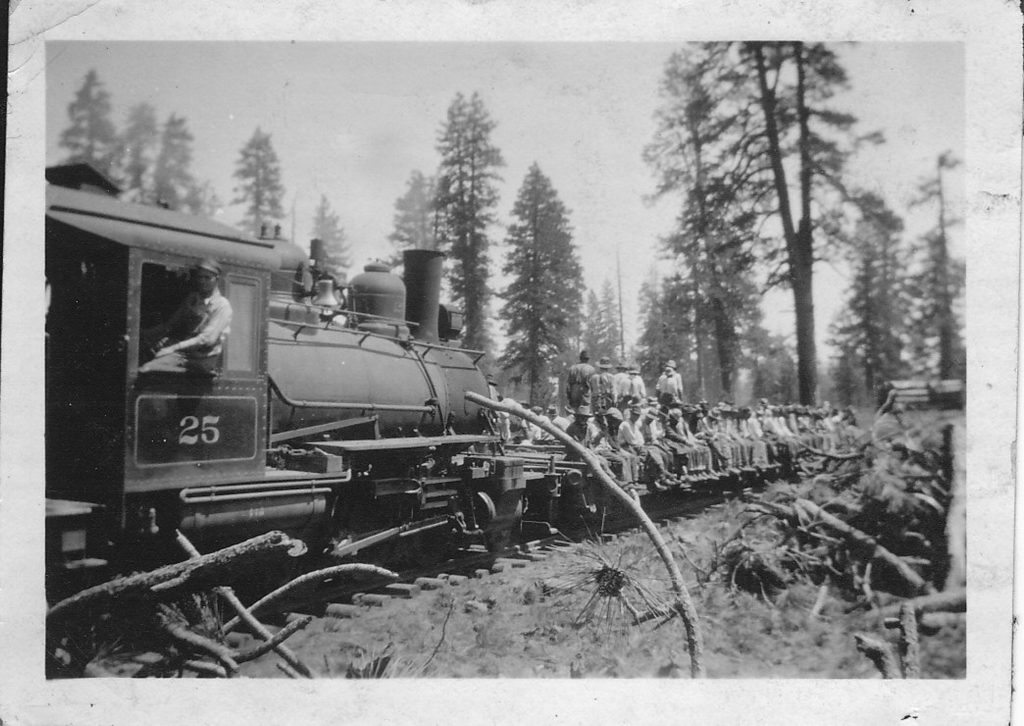
The Camp Lasco commute train. Courtesy of Ron Linebarger

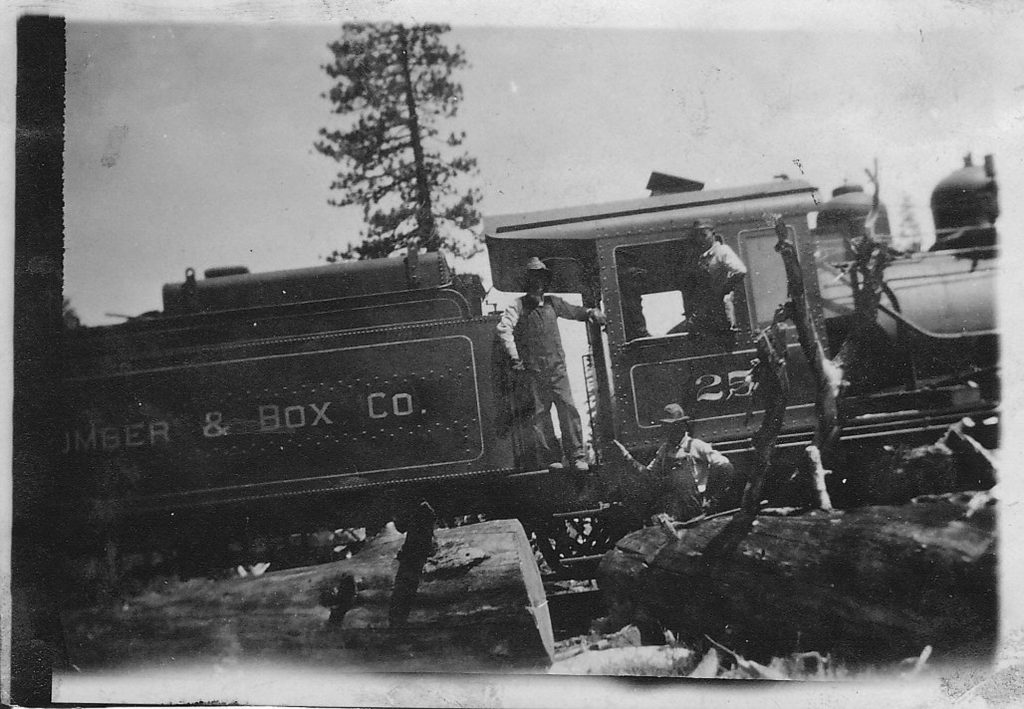
In July 1925, one of the more unusual railroad logging accidents occurred near Lassen Lumber & Box Company’s Camp Lasco (located on the north side of Peg Leg Mountain). A railroad tracklaying machine had just departed camp when it jumped the tracks, turning over and spreading rails in its path. Eight men were injured, all of whom were transported to Susanville’s Riverside Hospital for treatment.

Another shot of the No. 25. Courtesy of Ron Linebarger

Subscribe

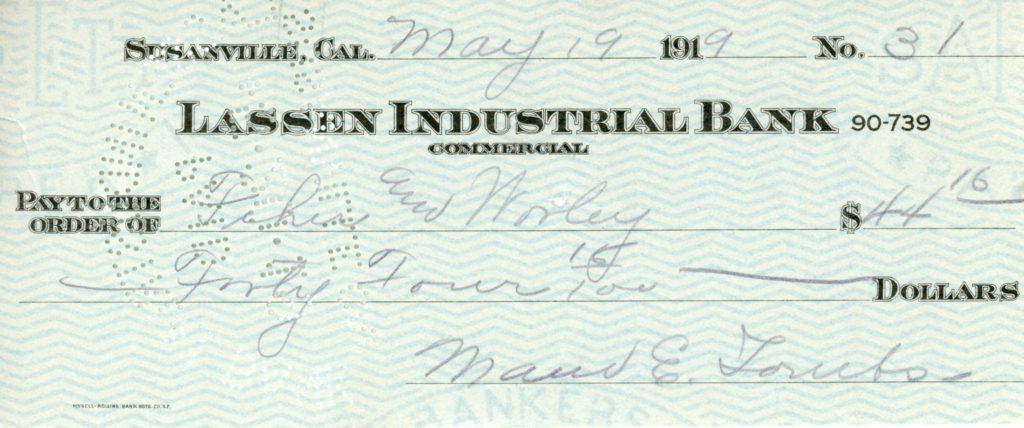
Lassen Industrial Bank

Lassen County Clerk, Maude Tombs cancelled check

The banking industry has certainly changed over the years, and in my opinion not for the better. To accommodate and serve customers banks went out of their way to make life a bit easier. Take for instance, Susanville’s Lassen Industrial Bank, in 1914 offered banking by mail, a novel approach for its time. In the 1920s to handle the needs and convenience of the mill workers of Fruit Growers Supply Company and Lassen Lumber & Box Company, the bank arranged special hours for them. On pay-days of the mill workers, the bank was opened in the evenings from 6:30 to 8:30 for regular business.

Subscribe

Camp Lasco

The Camp Lasco commute train. Courtesy of Ron Linebarger
To wrap of the long holiday weekend I share a couple of logging photographs of the Lassen Lumber & Box Company that are provided by Ron Linebarger . Lassen Lumber’s main logging camp, was that of Camp Lasco at the base of Peg leg Mountain that was more or less shuttered in 1929.

Donate!

Another shot of the No. 25. Courtesy of Ron Linebarger