Tag Archives: Eagle Lake

A Eagle Lake Original—A Pumping Plant

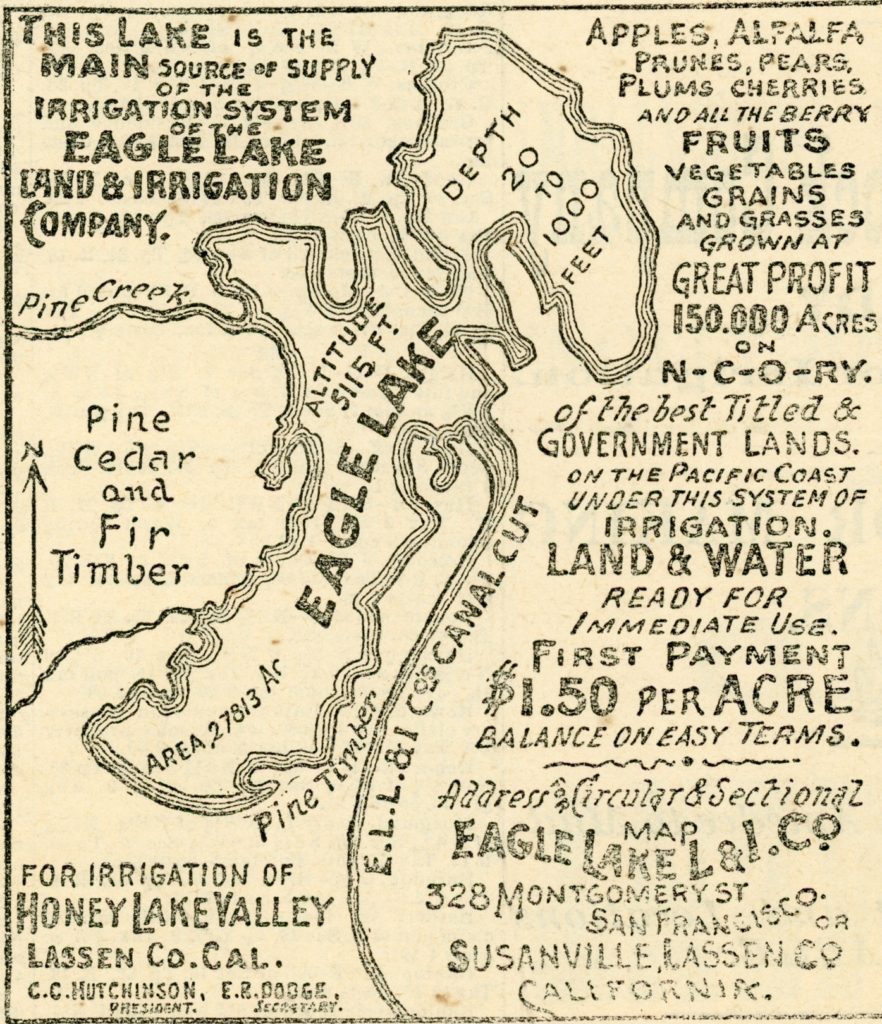
A portion of an 1892 advertisement for the Eagle Lake Land & Irrigation Company

In 1891, the Eagle Lake Land & Irrigation Company was organized to resurrect Merrill’s Eagle Lake enterprise. They had a two-prong approach. The first was to install a pumping plant at the lake, along with the needed canal system stretching all the way to Amedee in eastern Honey Lake Valley. Once put in place, they would receive revenue from the sale of water that in turn could be used to complete the tunnel construction. Oddly enough, the company would start work on the tunnel from the lake side, whereas Merrill’s tunnel was on the Willow Creek side, but that work did not begin until the fall of 1892, after the pumping plant was installed and in working order.

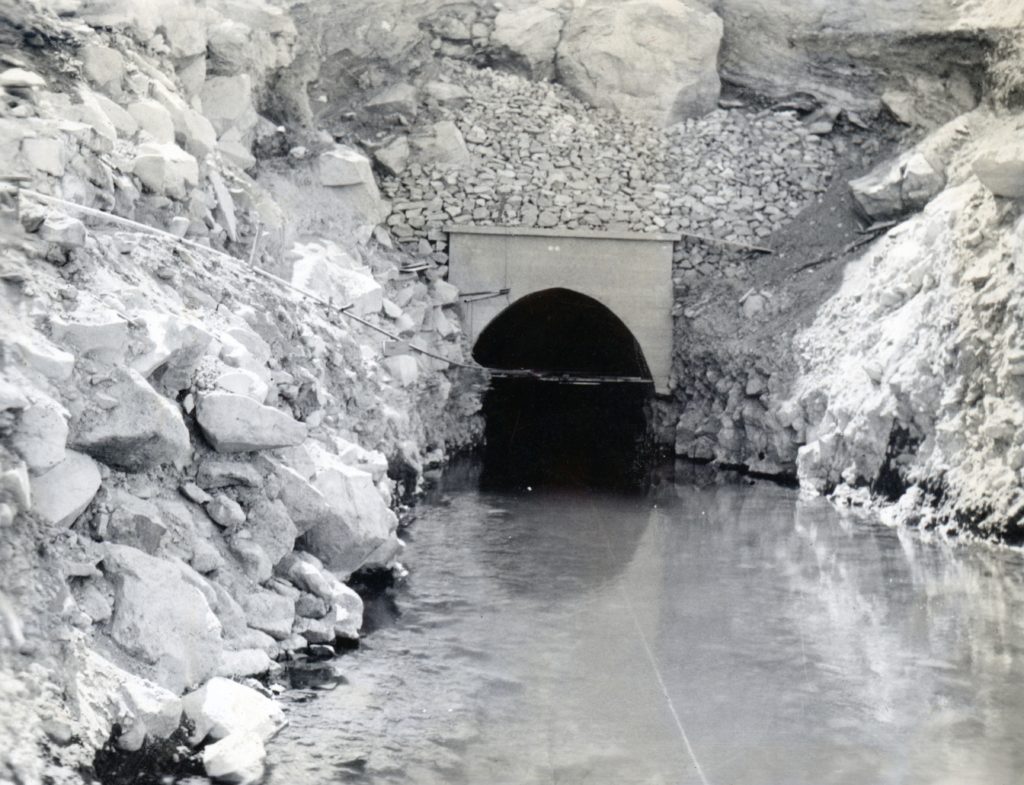
Eagle Lake Land & Irrigation Company’s inlet channel at Eagle Lake, 1916.

By the spring of 1892, work was well under way. While waiting for their order the machinery of the pumping, there was another essential element ditches needed to distribute the water. Like Merrill’s plan, Willow Creek would provide the main conduit to deliver the water to the Honey Lake Valley. From the pumping plant to Merrill’s tunnel and the headwaters of Willow Creek would require two miles of ditches—there remains some interesting rock work. From Belfast to the other side of Amedee a twenty-one mile ditch was constructed.

In early June 1892, some twenty-one tons of equipment for the pumping plant arrived by rail at Amedee.  The company had purchased a Hooker Hydraulic pump. The 80-horsepower boiler had the capacity to move 60,000 gallons of water per-minute.

On September 15, 1892, the moment of truth had arrived when the pump first tested. By October water from Eagle Lake was flowing all the way to Amedee. This was a tremendous achievement and proving to the naysayers it could be done.

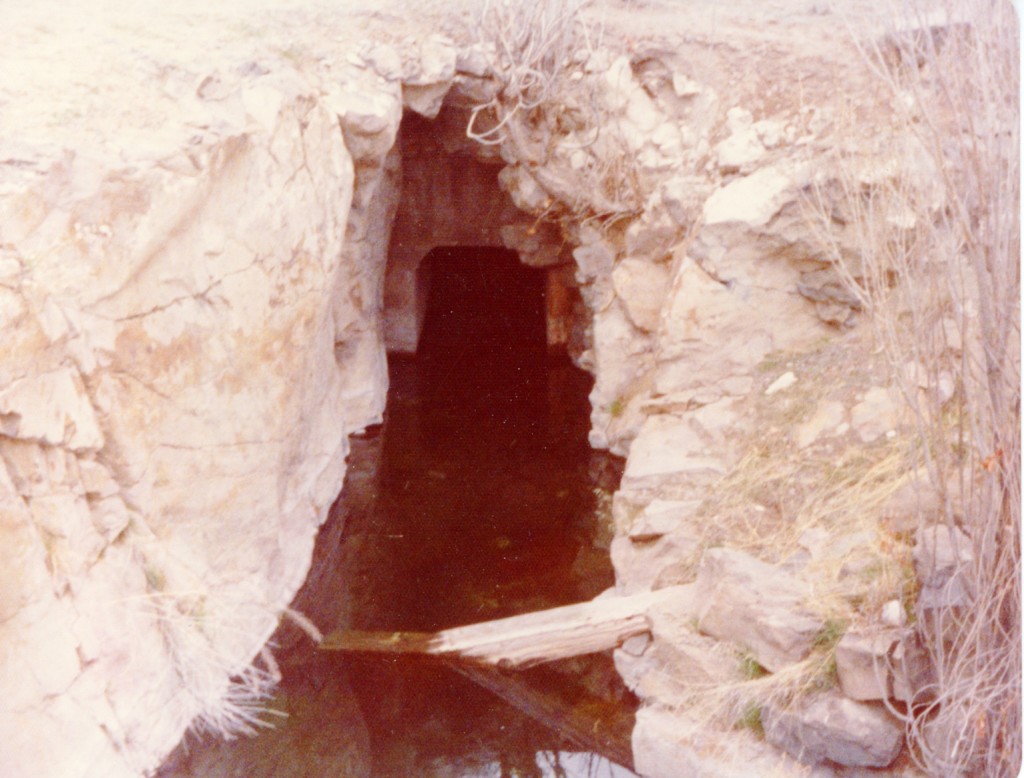
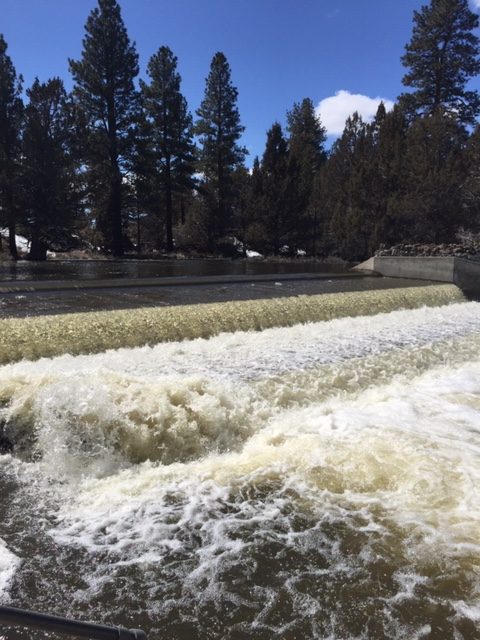
Eagle Lake Ditch, near Amedee, February 2018.

Four months later in February,  everything would come to a crashing halt with the Financial Panic of 1893. There are some historians who believe that this far worse than the Great Depression of the 1930s. Whatever the case may be, it was the beginning of the end of the Eagle Lake Land & Irrigation Company, who would never see if their was project would be successful. Heavily in debt, numerous lawsuits filed by creditors left the company bankrupt. The pumping plant remained idle, and portions were slowly hauled away. The last was a six-ton boiler brought to the Wilson sawmill in Susanville in 1904. However, today the crumbling cement foundations still remain.
Subscribe

CDF’s Willow Creek Station

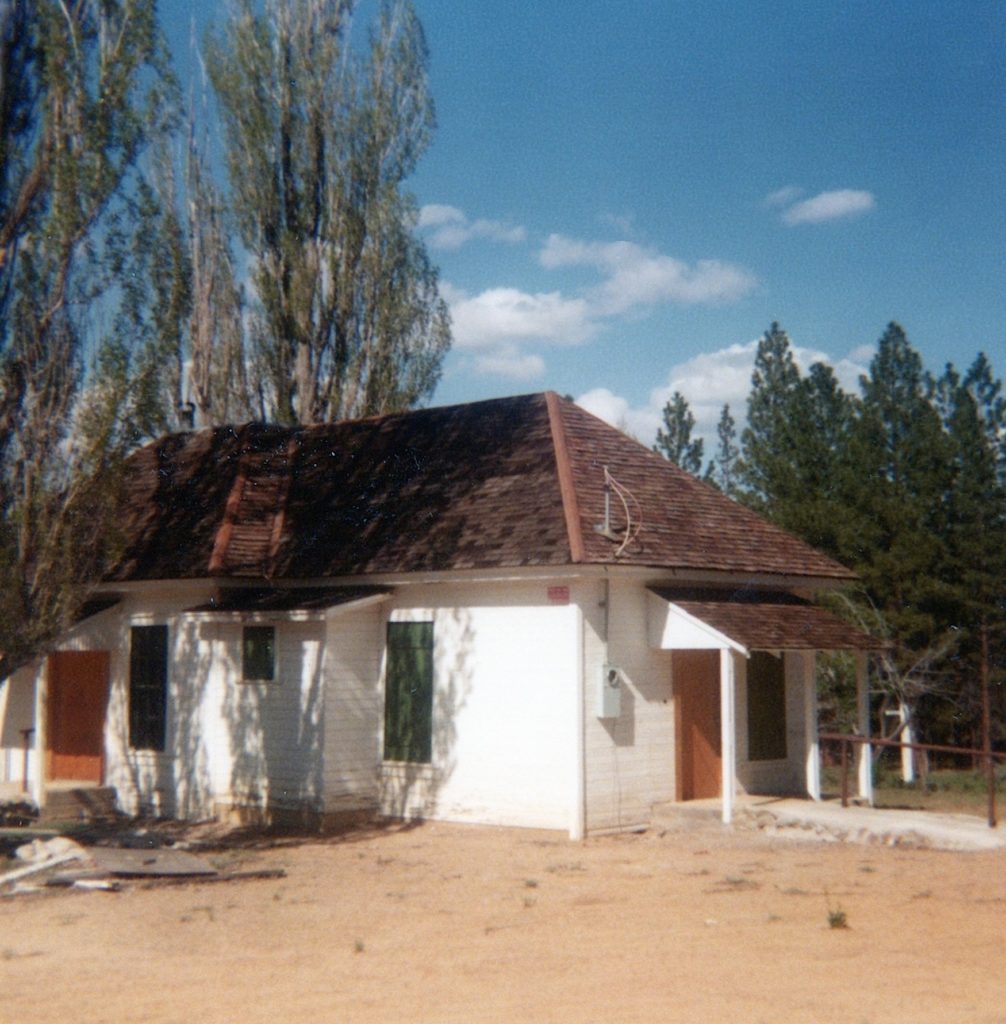
The abandoned CDF Station, Willow Creek Valley, May 1978

In 1935, the Lassen County Board of Supervisors passed a resolution for the establishment of Civilian Conservation Corp camps (CCC) throughout the county, including one at the upper end of the Willow Creek Valley, between Susanville and Eagle Lake. The resolution stated would have “great value” to protect the timber. In addition, the men employed could aid the region with soil erosion  and related issues. The resolution was sent to M.B. Pratt, forester for the California State Division of Forestry. Pratt informed the board it could not assist with CCC camps at that time, due to Congress failure to pass a funding bill.

The Lassen County Board of Supervisors were persistent in their efforts to have fire camps established. In July 1937, State Ranger J.W. Nevius announced the established of four fire camps for Lassen County. One was for Willow Creek Valley and it was agreed the county would donate 2.5 acres to the State Division of Forestry that included the former home of C.E. Hurlbut. The initial Willow Creek workforce consisted of Charles Windamier, foreman, Harry Fox, cook, and crew members John Patten, Max Reedy, George Ross and Arthur Dixon.  John Webb who worked there in 1945 recalled, “My first assignment was at the Willow Creek CDF camp. I recall there was one permanent building used as a office and mess hall. Sleeping quarters were in tents erected on wooden platforms.”

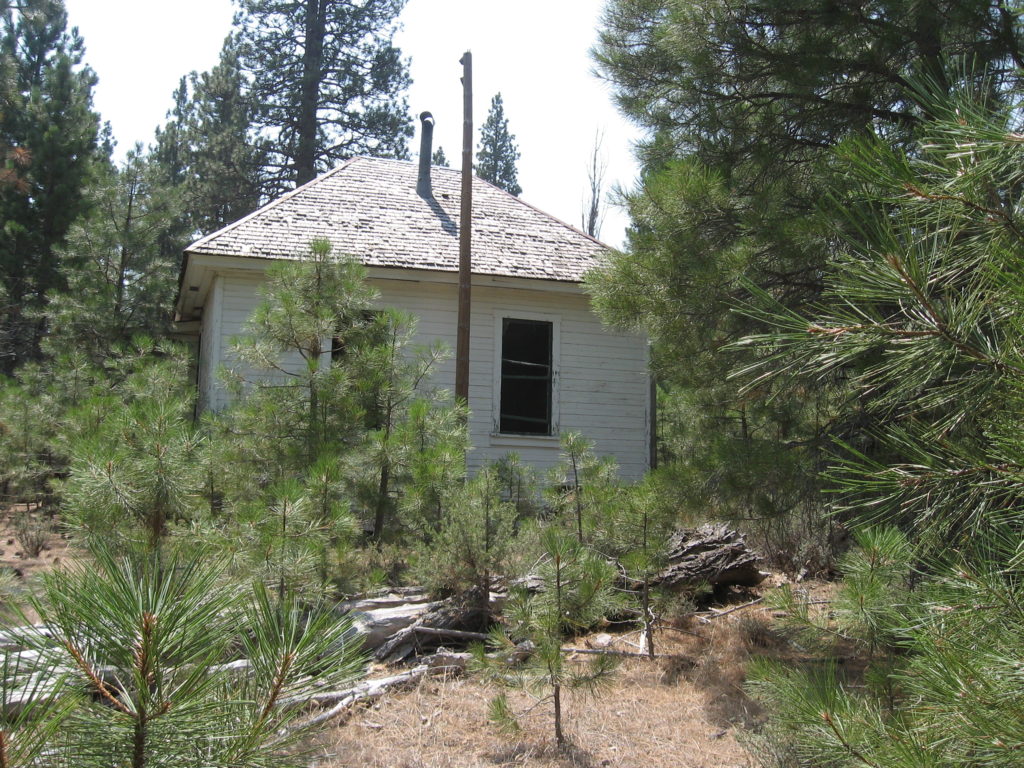
As  it  appeared on August 9, 2018

In 1948, a fire station was established further north near Grasshopper Valley and the Willow Creek camp was subsequently closed. In 1974, the state donated this parcel to Lassen Community College.

Support

Blind Fish & Tunnels

Bly tunnel inlet, July 1924. Courtesy of Wyn Wachhorst

Over the years I have fielded a wide variety of research requests and still do. With that in mind, we explore two different inquiries one dealing with the Bly Tunnel and the other at High Rock Springs.

In August 1990, Peter Moyle of the University of California, Davis wrote, “I spent four weeks this summer at the Eagle Lake Field Station teaching a field course in fish biology. One of our class expeditions was to the tunnel, to check out rumors that it contained “blind cave fish.” To our surprise, it did have fish although they were the same species found in Willow Creek. We also found that the chemistry of the water is the same as that of Eagle Lake, so the tunnel is still a chain on the lake.”

High Rock Spring, April 1975

In February 2021, Zachary Bess, wrote, “I am a fish biologist with the University of Nevada Reno. I am currently working on a multi-year publication project concerning all of the native fish species in Nevada. Your webpage is the only page on the internet where I have ever seen an actual picture of High Rock Springs!

“To my understanding, High Rock Springs tui chub went extinct in 1989 when tilapia were accidentally introduced to the spring in an attempt to begin a fish farming enterprise. This is mentioned in several agency documents from the 1990s. It was a genetically unique type of tui chub and was actually a candidate for listing with the US Fish and Wildlife Service prior to its extinction. I was interested in going out there to see if the speckled dace are still in there just out of curiosity.

“Eagle Lake is the only place on the eastern side of the Sierra where rainbow trout are found naturally. The Pit River and Lost River have several species that are only found in these water bodies. The fish in High Rock Springs were similarly unique considering that they got in there by means of Lake Lahontan.”

Support

Booms, Busts & a Postal Record

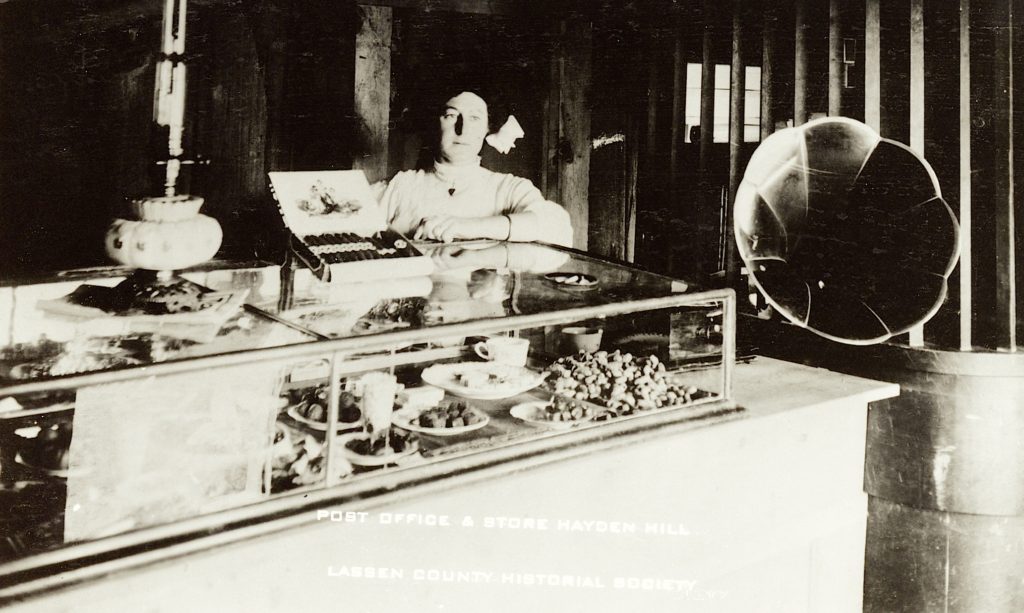
Hayden Hill Post Office & Store, 1903–Lassen County Historical Society

What a better way to gauge Hayden Hill’s mining boom and bust cycles with its frequent opening and closure of its post office. On April 13, 1871 the post office was established with Augustine W. Blair serving as the first postmaster. Blair’s tenure there was brief and would later have a interesting career in Nevada’s legal community. However, before Blair’s departure he left an enduring the legacy to the region. Blair was the first person to come up with the idea to tap Eagle Lake for irrigation.

On October 15, 1875 the post office was discontinued. It then operated from 1878-1887; 1888-1912 and revived in 1915  and on July 31, 1919 it closed for the last time..

On the east side of Hayden Hill was Letterbox Canyon. It was so named when the post office was not in operation, a mailbox was nailed to a tree at the bottom of the canyon along Willow Creek. The mail contractor would then pick and leave mail at this location, during the times when Hayden Hill’s post office was closed.

Support

The Indian Ruins of Eagle Lake

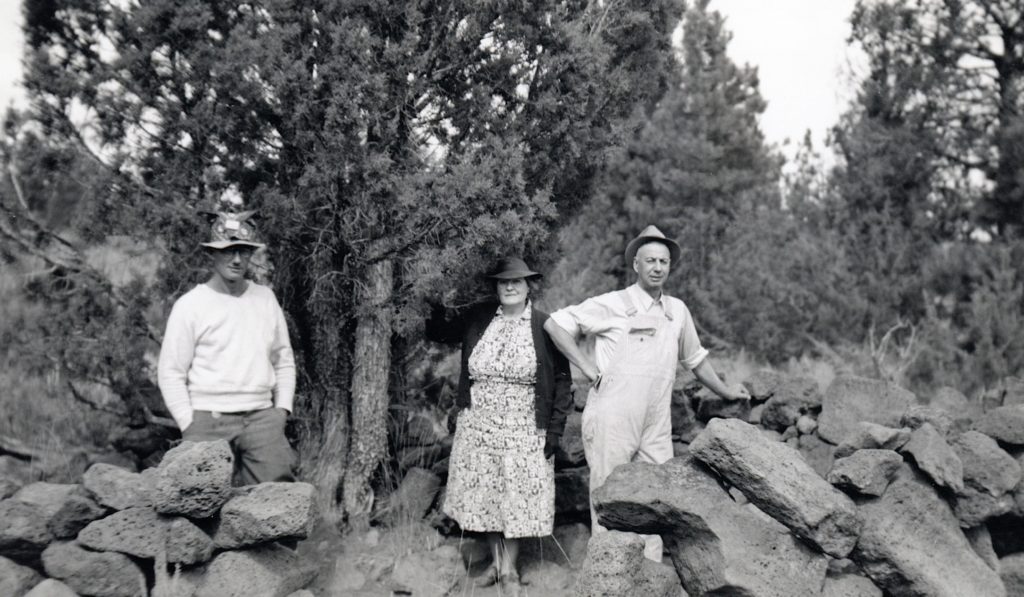
Indian ruins along Pine Creek, near Eagle Lake, 1938

While sifting through photographs for the coming years’ calendar I came across the above photograph. It is interesting that in the formal studies of the various Native American tribes of the region this encampment, probably only seasonal in nature, is never recognized. Most peculiar indeed. During the 1950s and 1960s the forest service noted it as an attraction at Eagle Lake, and even appeared on their maps. Ditto, as they did the same with the Eagle Lake ice caves, showing several different locations. Back to the Indian ruins. Not many people are aware of a little known fact that the Eagle Lake basin contains petroglyphs, which is rather unusual as well.

Tim

Eagle Lake Ice Caves

Ice Caves
The ice caves was featured on the cover of Susanville’s weekly TV guide, August, 1965

Exploring lava beds, which there is plenty around Northeastern California, there is no telling what a person might find. The Brockman Flat Lava Beds on the west side of Eagle Lake is no exception.

In the early 1950s the Chico State Biological field study set up operations at Spaulding Tract, Eagle Lake. It was in the summer of 1951, that several students explored the lava beds to the south of Spauldings and made their initial discovery of a ice/lava cave. Continue reading Eagle Lake Ice Caves

Susanville Shakes, 1889

Main Street, Susanville, 1885. Courtesy of Betty Barry Deal

On the night of June 19, 1889 a substantial earthquake was felt in the region, followed by twenty-eight aftershocks. Of course, most everyone assumed the culprit was Lassen Peak. However, upon further investigation the epicenter was Eagle Lake.

Thomas Ford, editor of Bieber’s Mountain Tribune traveled to Susanville during the earthquake. Ford wrote: “Arriving at Susanville at six o’clock in the evening, we found things pretty shaky; experienced four shocks that night and was told that it had not been a very good night for earthquakes either. The people did not appear much disturbed by them; were going right along with their business as if nothing had happened, and were philosophically disposed to take their chances on what might happen. Many were the accounts or what had happened since the shaky season began—such as Eagle Lake sinking two feet, the waters of Willow Creek being higher than ever before, water in the reservoir muddy, ashes found in wells, beer shooting up fifteen feet out of the tank of Frank Runge’s brewery, etc. Different theories as to the causes of earthquakes were advanced, and when asked our opinion we replied that we were not acquainted with earthquakes, and did not desire a more intimate acquaintance or further introduction.”

Support

The Gallatin’s Armada on Eagle Lake

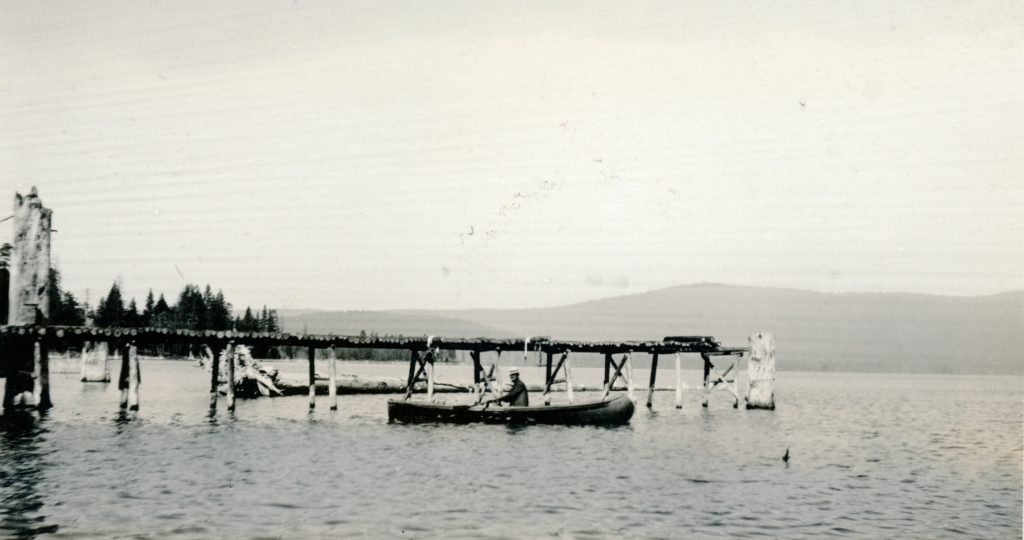
Gallatin Boat Dock—Wyn Wachhorst

With Memorial Day weekend approaching, Eagle Lake opening day of fishing season will be here in a few days. There will be, without a doubt, plenty of boating activity on the lake.

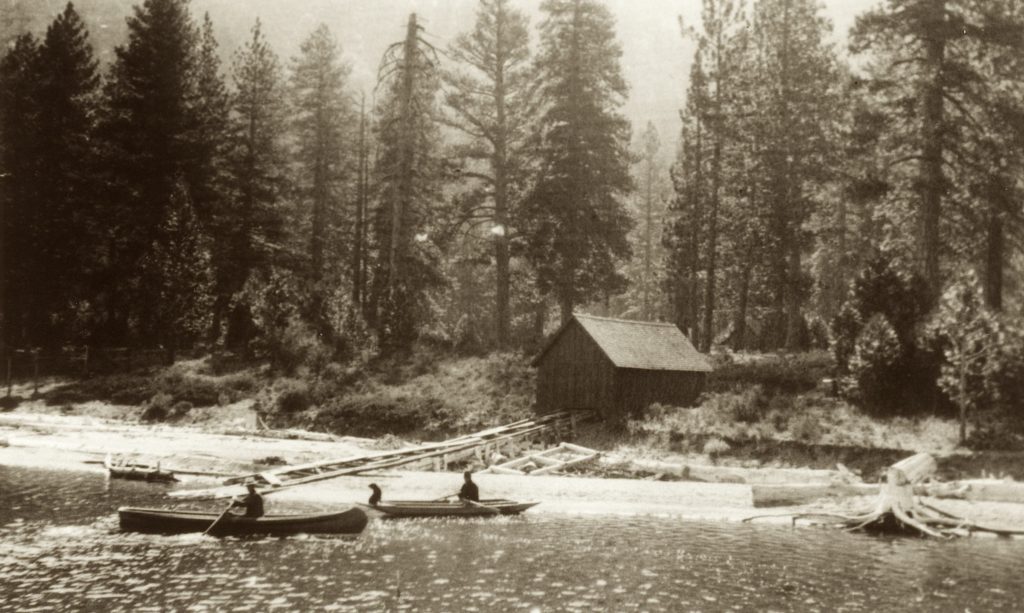
Gallatin Boat House—Wyn Wachhorst

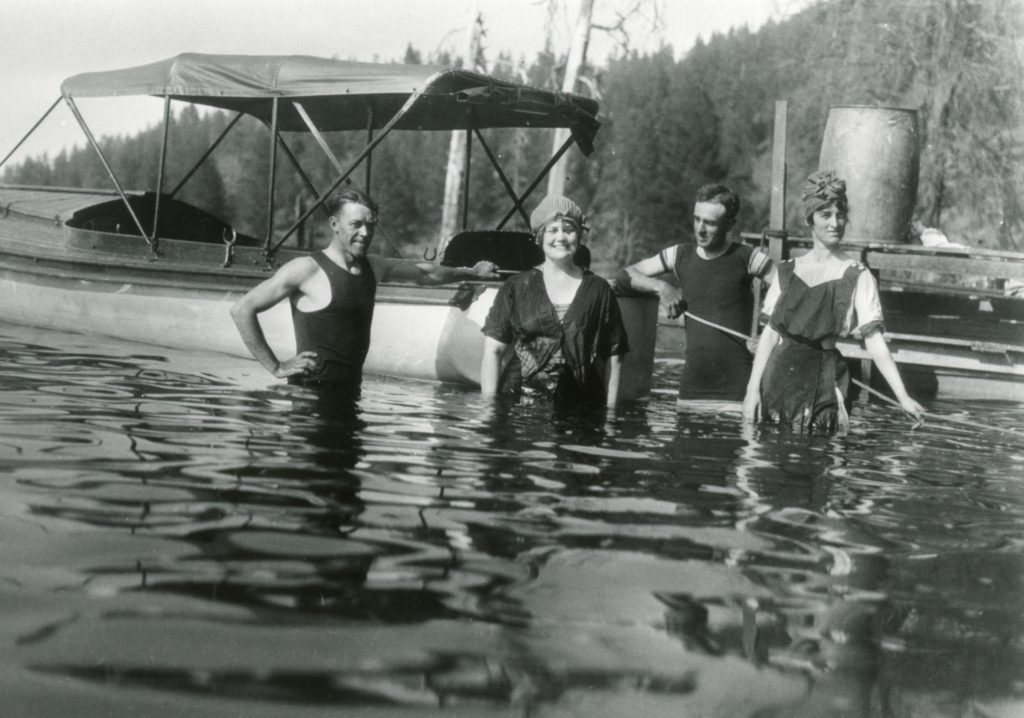
In the summer of 1913, Malvena Gallatin built a summer home on the southeast corner of Eagle Lake. For about the next nine years the extended Gallatin clan spent a lot of time recreating at the lake.

A Gallatin boating scene—Wyn Wachhorst

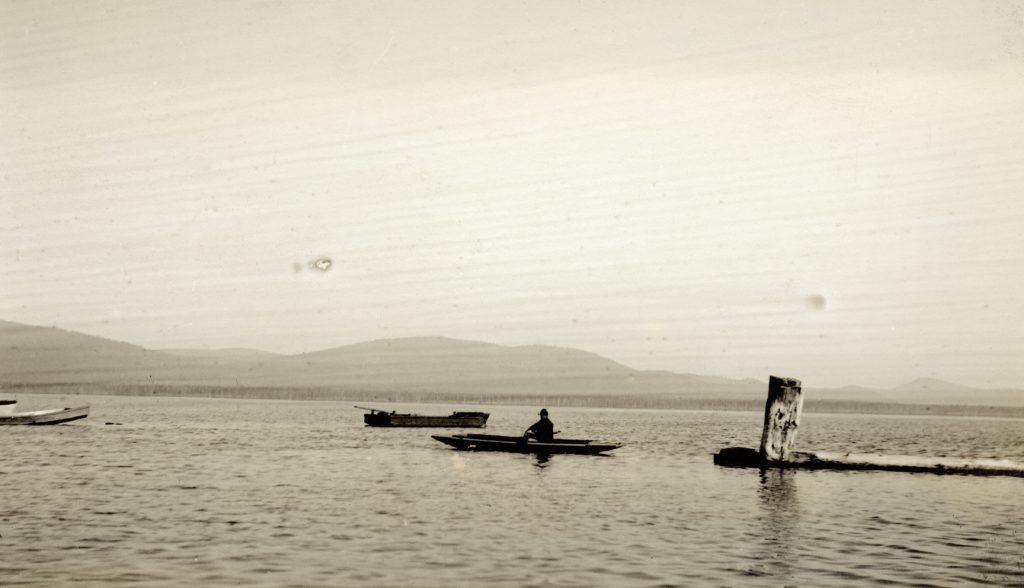
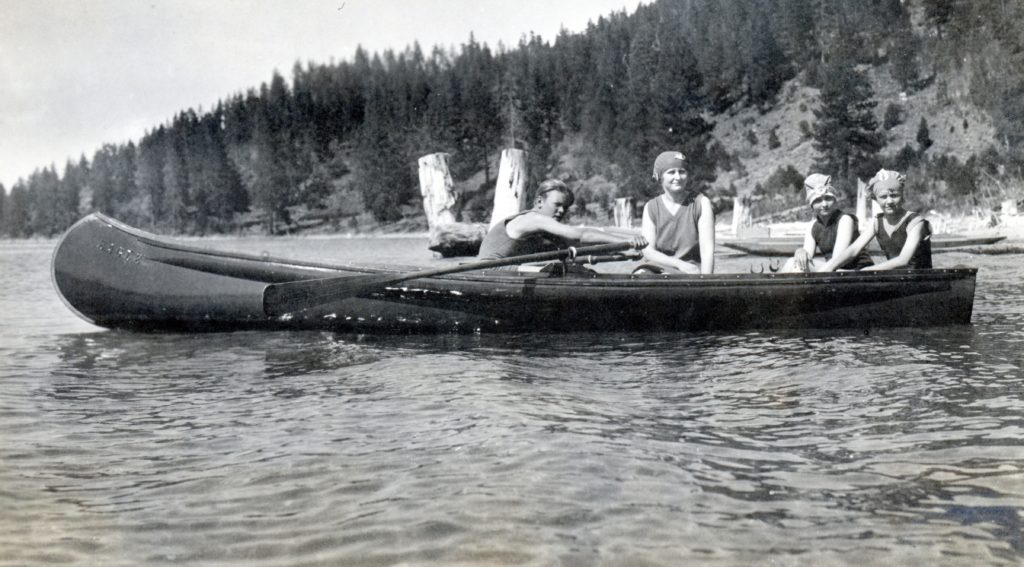
While there is not much written record about the Gallatin’s recreational activities at the lake, they did leave behind a photographic one. I am very thankful to Wyn Wachhorst, Melvana’s great grandson for sharing them.

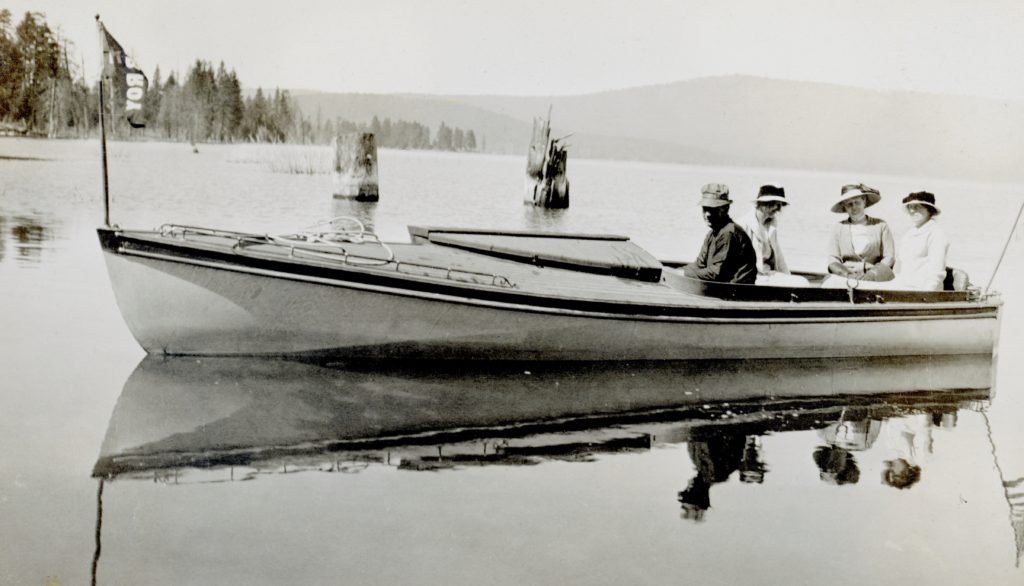
Part of the Gallatin boating fleet at Eagle Lake, 1918. Courtesy of Wyn Wachhorst

The person rowing the boat depicted above is Gallatin Powers. He would go on to establish a well known restaurant in Monterey named Gallatin’s.

Gallatin’s Boat at the south shore.

Enjoy the long holiday weekend and be careful out there. I will probably being staying close to home doing my usual cemetery routines.

A mighty fine Gallatin boat—Wyn Wachhorst

Tim

Eagle Lake Summit Open

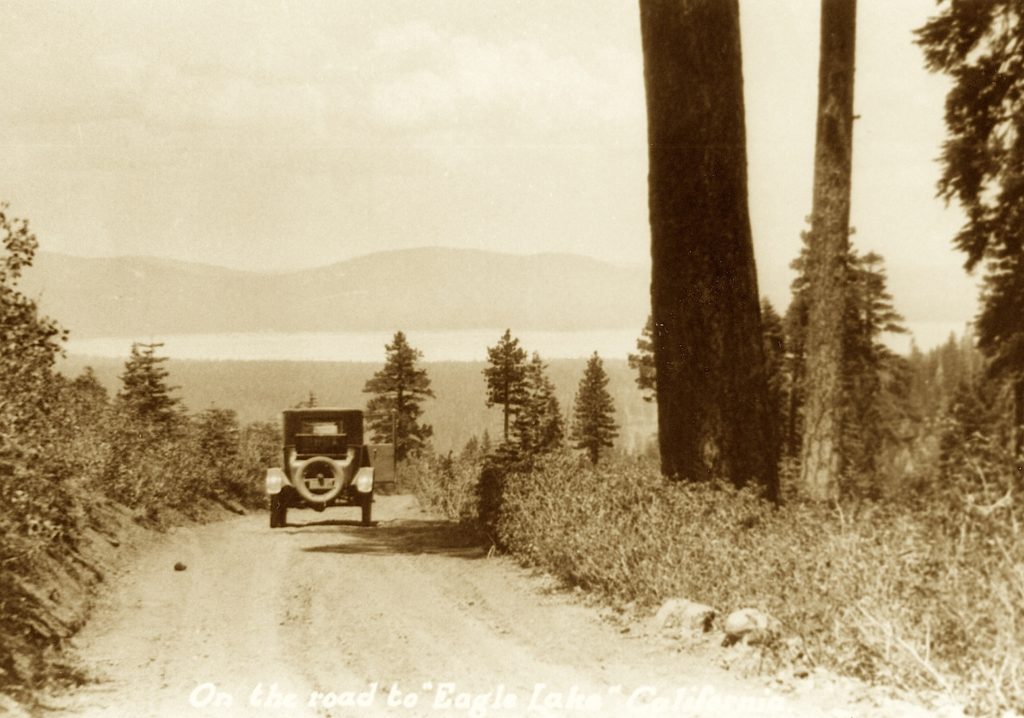
Eagle Lake Summit, 1923. Courtesy of Dick & Helen Harrison

It may sound quaint in this day and age, but when mountain road  summit opened in the spring time it was big news. After all snow plows for road maintenance were non-existent. Regions like this were shut off from the rest of the world.

On Sunday, May 21, 1916 Lassen County Supervisor, L.R. Cady reported he had made the trek over the Eagle Lake Summit. Cady reported there were no serious difficulty encountered. This, of course, was good news for “Burt” Christie, owner and operator of the Eagle Lake Resort on the southwest corner of Eagle Lake. During the winter months, Christie would take his boat and go up to the northeast corner of the lake, and dock at the Fritter Ranch, where he kept his automobile. Christie would then make the journey to Susanville to obtain necessary supplies and take care of business affairs and return back in the same manner.

Donate

The Annual Eagle Lake Fish Harvest

Pine Creek Fish Dam, April 4, 2019

During the late 1800s, there were a handful of individuals that each spring would go to Eagle Lake to harvest wagon loads of that lake’s famed trout, to bring back to Susanville to sale.

Susanville resident Med Arnold (1885-1967) provided an unusual account.  Med recalled an outing, either in 1895 or 1896, for their fishing expedition, they bypassed Eagle Lake and ventured to Pine Creek, near present day Bogard Rest Stop. It was in May and in several places they had to shovel through snow drifts.  Med stated, “We found literally thousands of those fine, big Eagle Lake trout all over the meadow. We scooped them out of the water with pitch forks. It was estimated that we caught around 800 pounds of fish. Upon arriving home the next day, we stopped in front of Hi Skadan’s livery stable (607 Main Street) and gave them nearly all way—two or three per person.”

What has puzzled me about these accounts, how did they keep the fish from spoiling?

Support