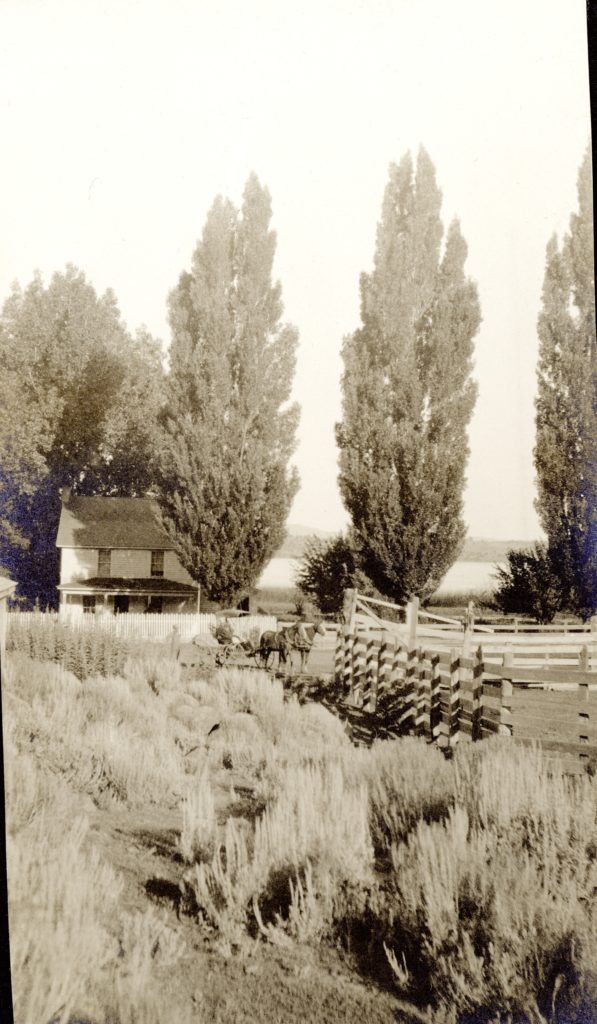
It was on May 4, 1961, when the Stone family sold their ranch at the north end of Eagle Lake to the Five Dot Land & Cattle Company. In 1926, Coit and Laura Stone had purchased the ranch from William and Roseanna Troxel. Apparently, none of the Troxel’s three sons wanted the Eagle Lake property.
It should be noted the Stone family retained their shoreline property on the northwest side of Eagle Lake. In October 1961 Stone’s Subdivision Unit 1 was placed on the market. The entire Stone’s Subdivision comprises 270 acres divided into 244 lots.
During the late 1800s’, in the spring time there were always some entrepreneurs from Susanville who would take a wagon or two to Eagle Lake to catch the trout. Their haul of fish would weigh anywhere from 600 to 800 pounds. This they sold very quickly on the streets of Susanville at twenty-five cents a pound. In late April 1892, a fishing party left Susanville to do the annual harvest. They only came back with seven trout. They blamed their failed attempt that the water was too high. This practice came to an end in 1917 when California made it illegal to wholesale harvest of trout from lakes and streams.
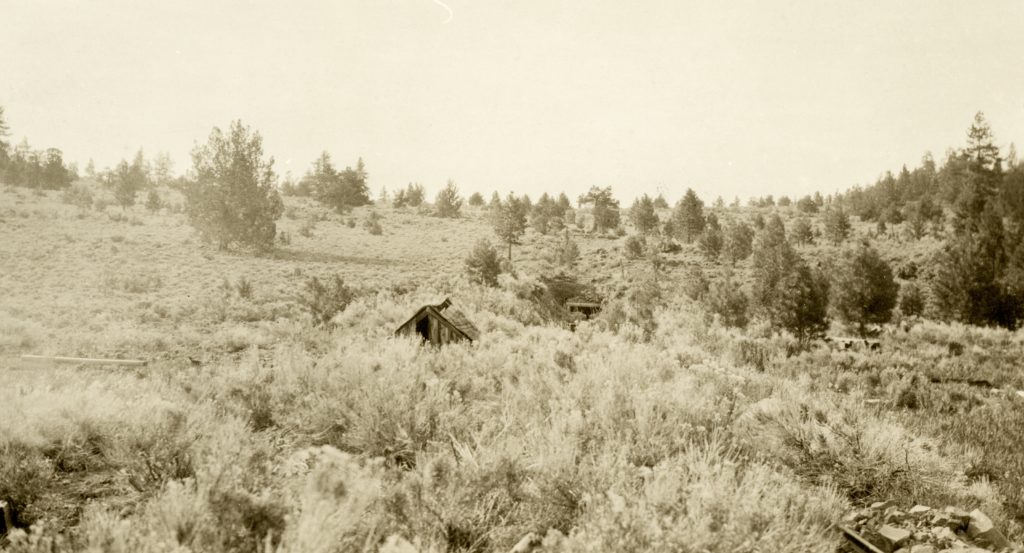
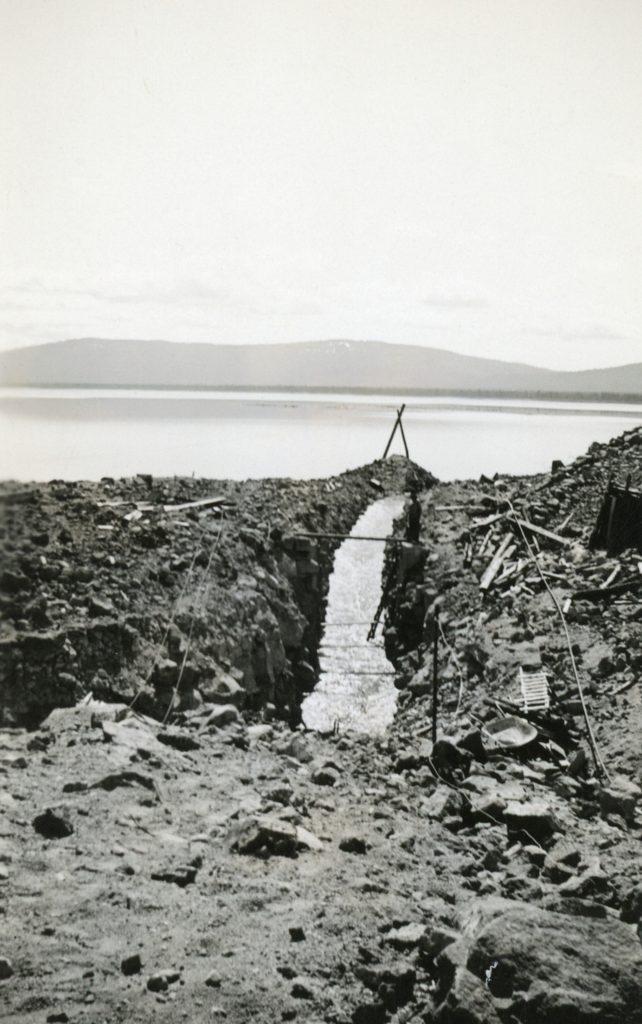
Merrill Tunnel, 1917. Courtesy of Betty Barry Deal
In the spring of 1920, W.G. Devereux, a consulting engineer was hired by a San Francisco construction firm, the latter was interested in submitting a bid for Leon Bly’s tunnel at Eagle Lake. Not only did Devereux inspect the proposed tunnel, he examined Merrill’s old tunnel. This would prove somewhat beneficial of the geological formation. He stated that had Merrill’s tunnel been completed it would have been a complete failure, as it was so poorly planned.
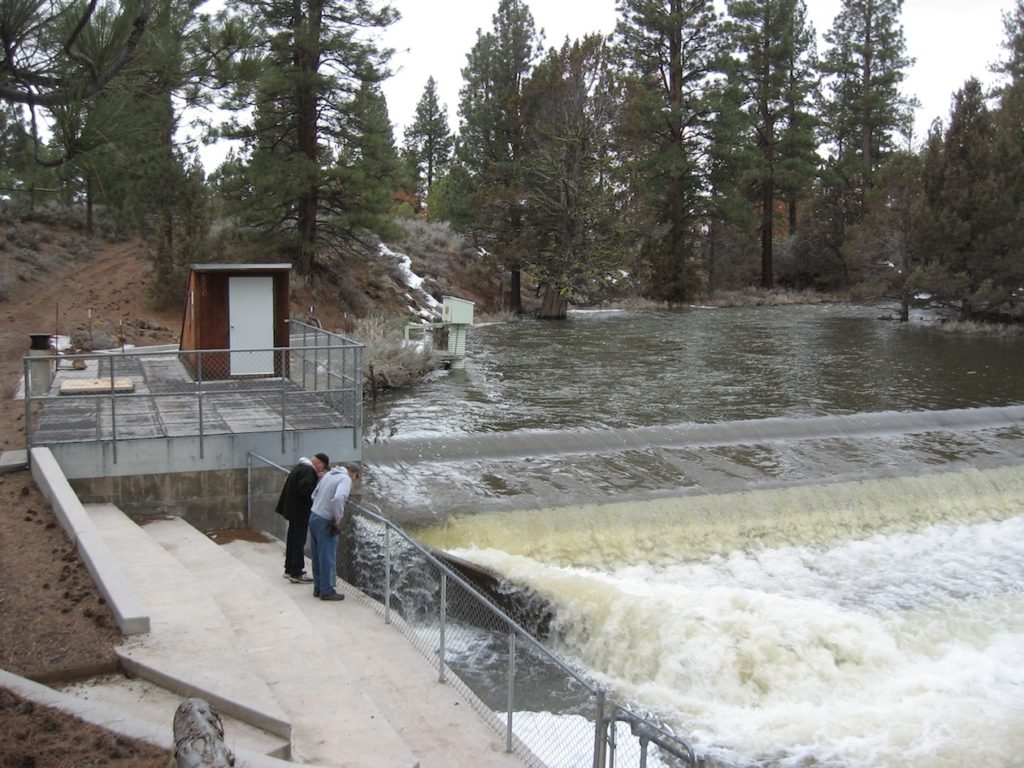
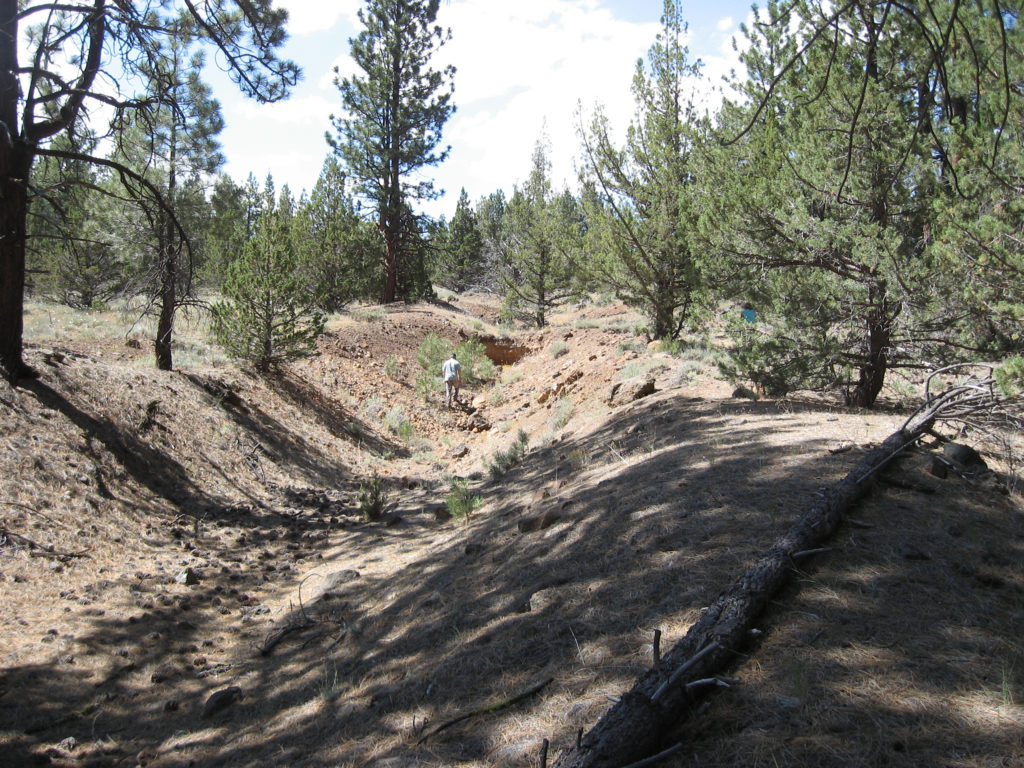
Merrill Tunnel, July 7, 2016
As to the Bly Tunnel, Devereux wrote: “The proposition is feasible and while under the present high price of labor and material the work will be expensive. It can be constructed within a reasonable time and the people interested in getting the water on their lands are very fortunate in being able to secure these proposed works at the price per acre agreed upon.”
His observation was a bit off. One it took a lot longer than expected to construct it, only to discover different geological features not found in the Merrill Tunnel.
The outlet construction camp of the Bly Tunnel, 1922. Courtesy of Lola L. Tanner
This sounds a little far-fetched to me, but the following appeared in Lassen Advocate on May 19, 1922 with the latest update on the construction of Bly Tunnel.
”An interesting circumstance in connection with the tunnel work is the fact that mules are used therein to haul cars used to convey the excavated materials to the incline. These mules were taken down the incline last fall and have remained underground continuously ever since, except a short time ago one of them became slightly indisposed and was brought to the surface for treatment. Upon reaching the surface and encountering the strong light of day, the mule apparently became panic stricken and cavorted around in an unusual manner for some time and finally backed up to the mouth of the incline and descended downward to the tunnel level, holding on to the slats or steps with his front feet. He is now back on the job and will probably stay until the tunnel is completed.”
Initial work on Bly’s Eagle Lake tunnel began on the Willow Creek side, just as Merrill did before him. By the spring of 1922, rumor was circulating that there were problems with the construction of the tunnel. In May, J.F. Blakemore, the superintendent for Grant Smith Co., the tunnel contractor, invited residents to Eagle Lake for a picnic, as work had not started on the lake side. When some of his guests questioned him about the rumors, Blakemore denied it and that everything was going smooth and the tunnel would be completed in time.
A year later with the approaching completion of the tunnel, the story had changed. The initial plans called for the tunnel to tap the lake forty below its surface. That was later renegotiated to eight to nine feet below the surface. In February 1923, Grant Smith encountered solid rock for the last portion of tunnel which put the project behind schedule. In the end, Grant Smith only tapped the lake three feet below the surface of the lake. This was totally unacceptable and did not provide sufficient water flow. The matter would be litigated. The Baxter and Tule Irrigation Districts, owners of the tunnel, would spend the next ten years deepening the tunnel inlet.
In the early 1900s there was a new battle as to who would gain control of Eagle Lake to tap it via a tunnel to irrigate the Honey Lake Valley. To be quite honest, attorneys benefited the most. While sifting through the archives, during a very cold and dry January, I came across a most unusual 1906 report about how the Lassen Willow Creek Water Company and its plans to exploit Eagle Lake. More about that in a future post. However, there was a certain aspect about water diversions that were never made public. If you happened to be named Martin, this story will particularly appeal to you.
In 1905, the Lassen Willow Creek Water Company was formed and unlike their predecessors they viewed Eagle Lake as a reservoir. In the fall of 1906, the company consulted with San Francisco Civil Engineer, Marsden Manson, who was involved with Hetch Hetchy. In Manson’s report of October 29, 1906 he wrote that to permanently increase the flow into Eagle Lake it would be necessary to divert portions of the headwaters of Susan River into Pine Creek. It was his opinion the run off of the Susan River is wasted flowing into Honey Lake. It would cost less than $10,000 to construct the diversion canal. Manson’s report was never made public, the water users of Susan River would never allow it.* Of course, this never materialized and by this time the Lassen Willow Creek Water Company was on the verge of imploding.
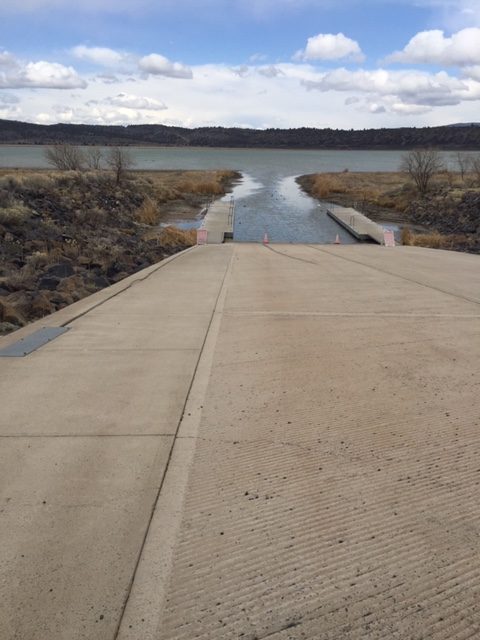
Some years have a way for things to come together and that was the case for Spaulding Tract. On May 21, 2005 a dedication ceremony was held for the new $2.5 million Spaulding Marina.
In 2004, the property owners there approved to build a sewer system at an approximate cost of $10 million, which the community’s cost would be $8.8 million. In May 2005 it was announced that the Spaulding Tract Community Service District received a $1.8 million grant from the USDA as a part of rural development. With everything in place that summer they were ready to accept bids for the construction.
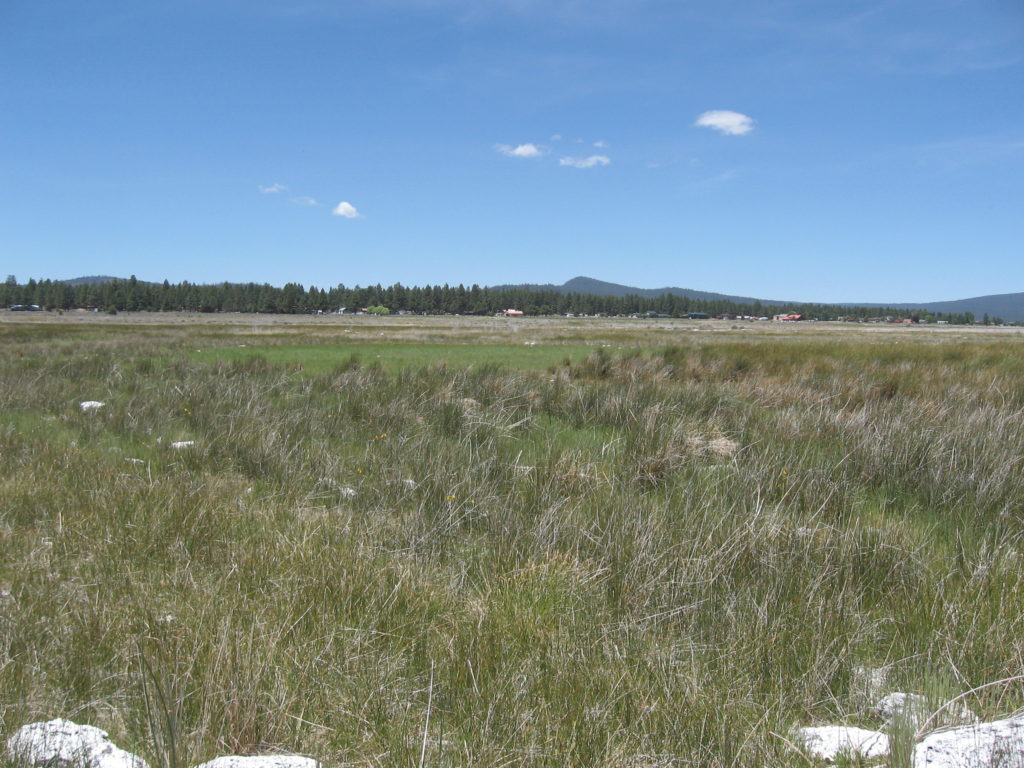
A view of Spalding Tract from the Eagle Lake shoreline,June 21, 2020.
An acquaintenance of mine was surprised to learn that famed modern art painter, Jackson Pollock attended school at Janesville. The other day, I was thinking about a well known archaeologist who attended school at Missouri Bend, some three miles from Janesville. There the similarities stop.
In 1926, Harry S. Riddell moved his family to a small farm north and east of Janesville. Riddell, an engineer, was hired by the Baxter Creek & Tule Irrigation Districts to see if he could come up with a solution with the problems surrounding the Bly Tunnel at Eagle Lake. His two sons, only barely a year apart, Harry and Francis attended the Missouri Bend School. The two boys started noticing arrowheads on the school grounds. They were fascinated by this other finds of Native American artifacts. In 1936, the family moved to Sacramento. Both Harry and Francis studied and became archeologists. Harry was the low-key of the two. Before I go any farther, Francis was best to known to his colleagues and friends as Fritz. However, he was always Francis to me.
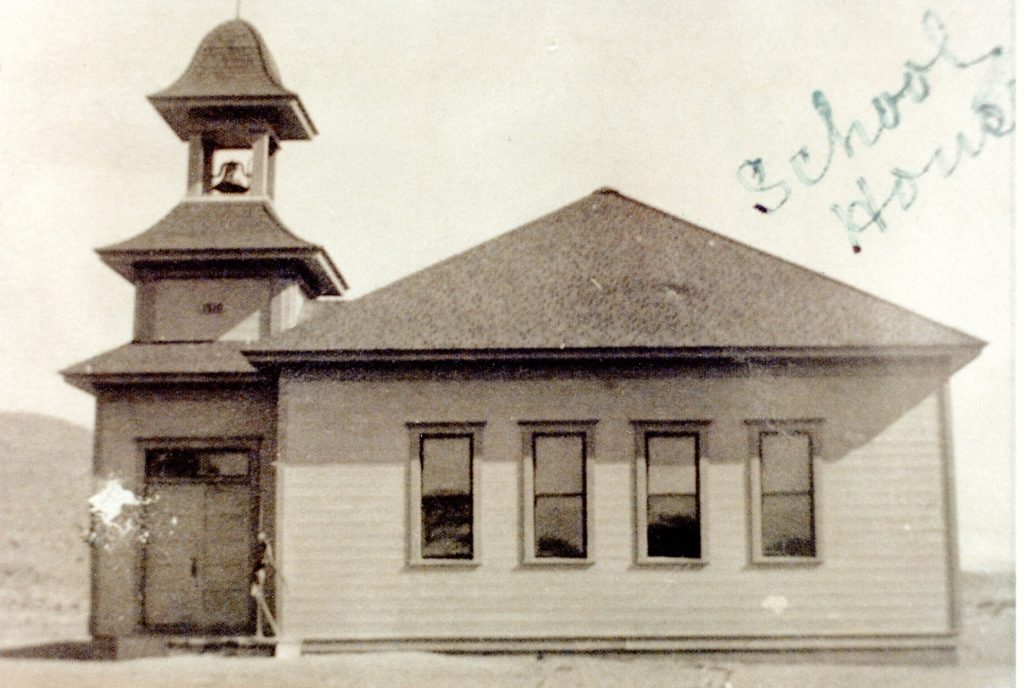
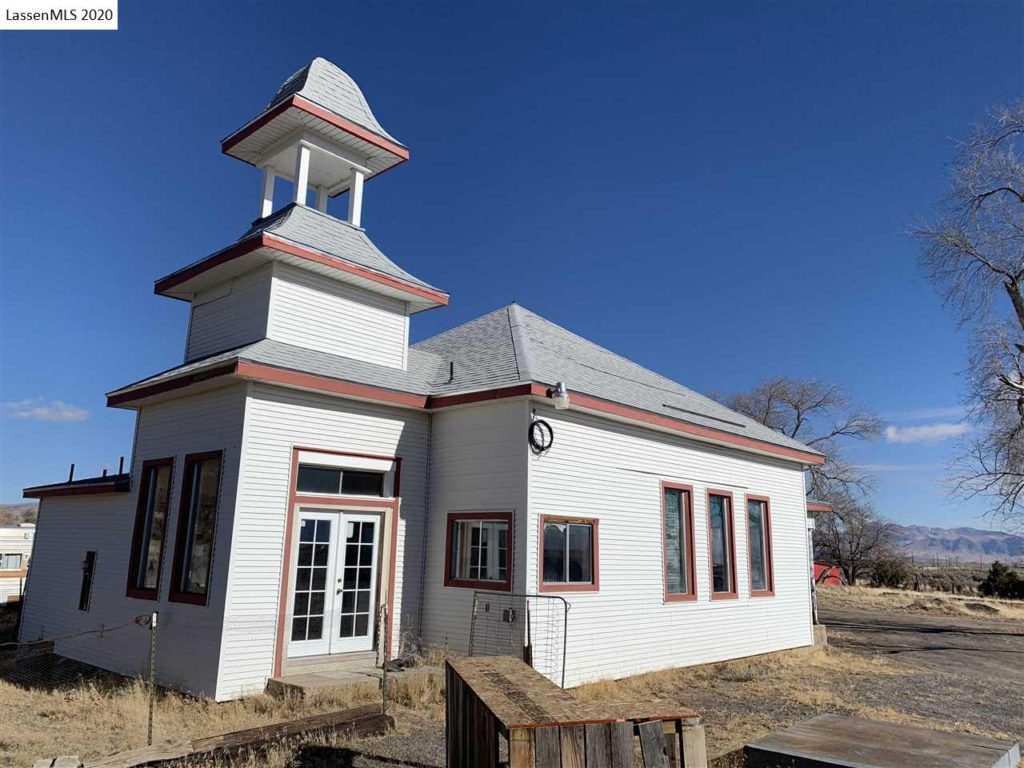
The old Missouri Bend School, December 2020–Smith Properties
Francis became the first archeologist to be hired by the State of California, first as a curator of the California State Indian Museum. Later, he went to work in the Department of Parks & Recreation. In 1948, he began to participate in archaeological surveys throughout the state, using a standardize form, something unheard at the time.
Francis had a special fondness for the Honey Lake Valley and the Indians there. He was involved with the archaeological excavations of Karlo and Tommy Tucker Cave. Francis did not stop there. He had a passion for Indian Ethnography to better understand his work. As Francis commented, “I could not separate the past from the present.” During the late 1940s and 1950s, Riddell, along with colleague Bill Evans would compile the Ethnographic History of the Honey Lake Maidu and the Honey Lake Paiute. A very valuable document, indeed.
Not only was Riddell was highly regarded in California archaeology, but for his work in Peru. Riddell even invited me to partake in one of his Peruvian expeditions. Alas, I had to decline due to a lack of funds.
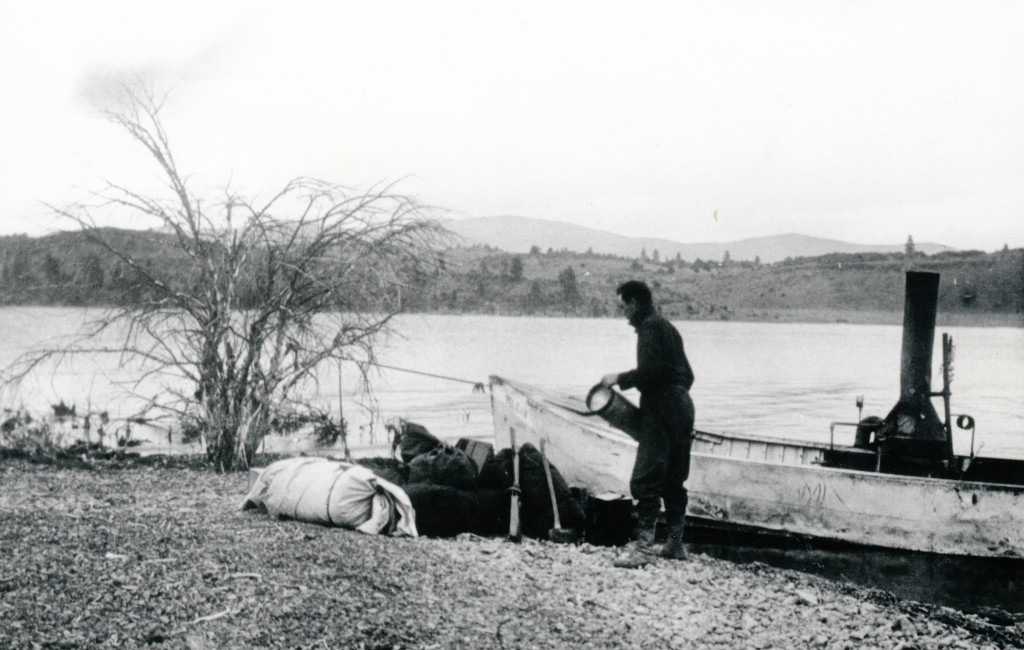
Leon Bly sounding Eagle Lake. Courtesy of Wyn Wachhorst
There were all kinds of social groups of days gone by, prior the advent to television and later the internet. The Lakeside Literary Club was a group of women comprised of the Tule District a region that encompassed the lower Susan River before it enters Honey Lake.
At the May 1922 meeting of the Lakeside Literary Club, Mrs. J.T. Barnes and Mrs. Erma Haley presented a lengthy report on the Eagle Lake Irrigation Project that was currently under construction. According, to the two women, Bly’s original plans were rather dramatic. Below is an excerpt:
”While spending a vacation at the summer home of the Gallatins at Eagle Lake, Mr. Leon Bly, an engineer from San Francisco, became interested in the possibilities of making some use of this large body of water. Thirsty land might be found and the ever increasing demand for electric power could be partially applied. He planned to take the water to the Sacramento Valley by means of tunnels connecting with the natural channel of the Feather River.”
The women noted that there were too many obstacles to overcome and Bly turned his sights on the Honey Lake Valley. While Bly’s initial proposal sounds farfetched, as late as the 1960s there were plans to divert Susan River into the Feather River drainage. That would be very simple to do.
The following appeared in the Candelaria, Nevada newspaper about Capt. C.A. Merrill’s undertaking at Eagle Lake. (For those not familiar with Candelaria was a mining town between Hawthorne and Tonopah.
Not only did Merrill plan to tap Eagle Lake for irrigation, but he planned for a major manufacturing city at Belfast. With the tunnel, along flumes, it was the intent to log the timber at Eagle Lake, float it across to the tunnel, where eventually using Willow Creek and a series of flumes, the logs would then be manufactured at Belfast. The enterprise was widely followed by the press in California and Nevada.
True Fissure, March 25, 1882: “The Eagle Lake Tunnel. The tunnel to tap Eagle Lake is being advanced at the of thirty-five feet per week. It will be about a mile and half long, and it is expected that it will be completed next fall. It will furnish water power for running several sawmills and finally will irrigate a great area of now barren sagebrush land in Honey Lake Valley. The tapping of the lake is an experiment that is being watched with great interest everywhere on the coast. Should it prove as successful as is anticipated, it will be followed by a similar tapping of many lakes on both sides of the Sierra for mining, timbering and other purposes.”
Finally, a big thank you to Bill Johnson for sending along this article.