Category Archives: History

Lassen Boulevard aka Purdy Highway

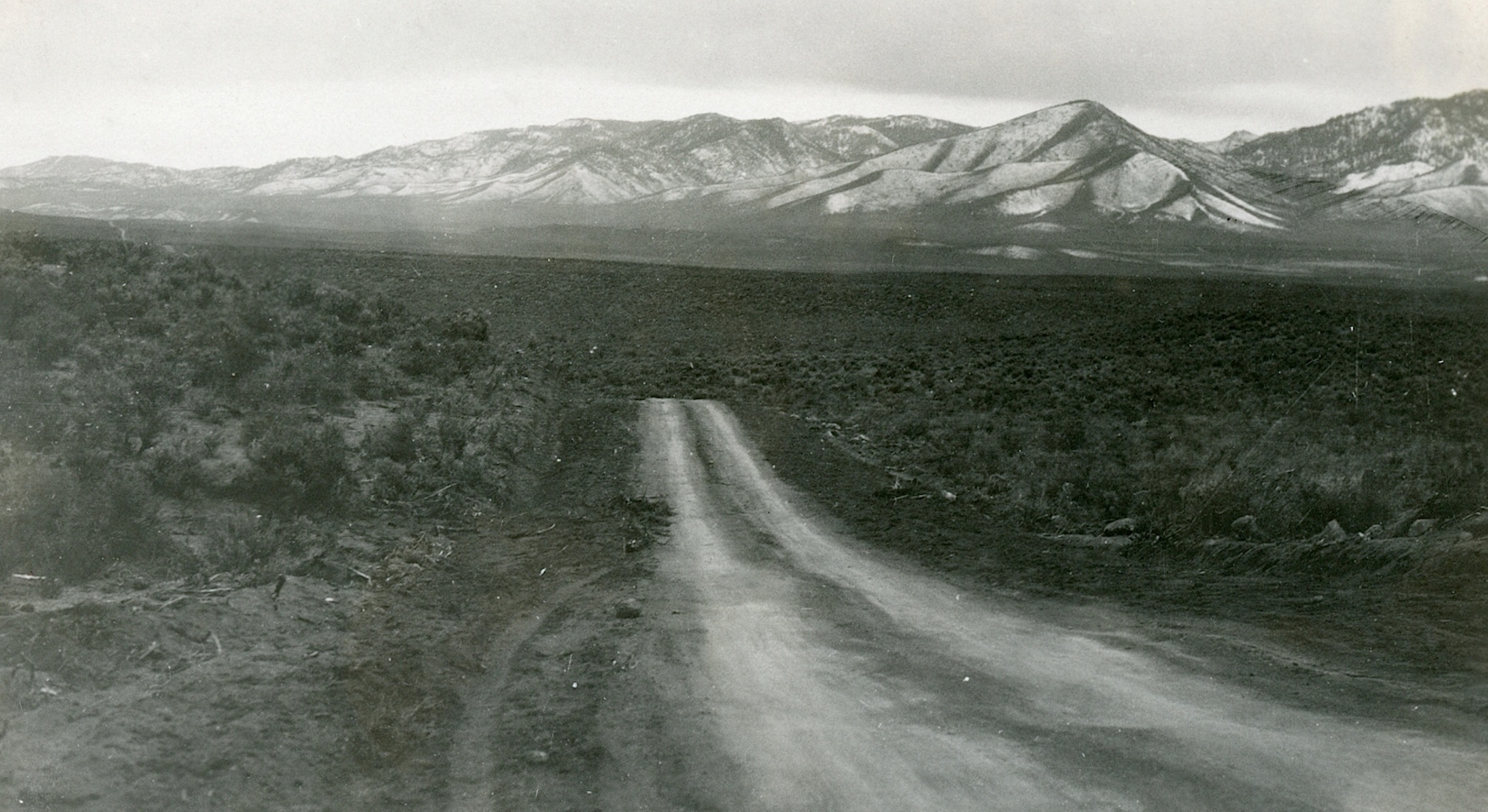
The road to Reno through Long Valley, 1925—-Lola Tanner

In 1919, California approved yet another large highway construction bond for $40 million.  For Lassen County, the next highway project was from Susanville to the Nevada State Line—the forerunner of Highway 395. The Lassen Boulevard District was created to carry out the goal. The terminus location in Nevada at that time was known as Purdy (no relation) and is known today as Bordertown. Throughout the 1920s, the route was referred to as the Purdy Highway.

Of course, there were issues between Lassen County  officials and the State Highway Department. In the fall of 1919, Lassen asked for an appropriation of $360,000–the amount needed for grading, draining and surfacing with gravel for the entire length of the road. The State, on the other hand, thought it would be better to do it 20 mile increments of grading and paving. The State was victor and the highway was built in segments.
Subscribe

Early Day Forest Fires

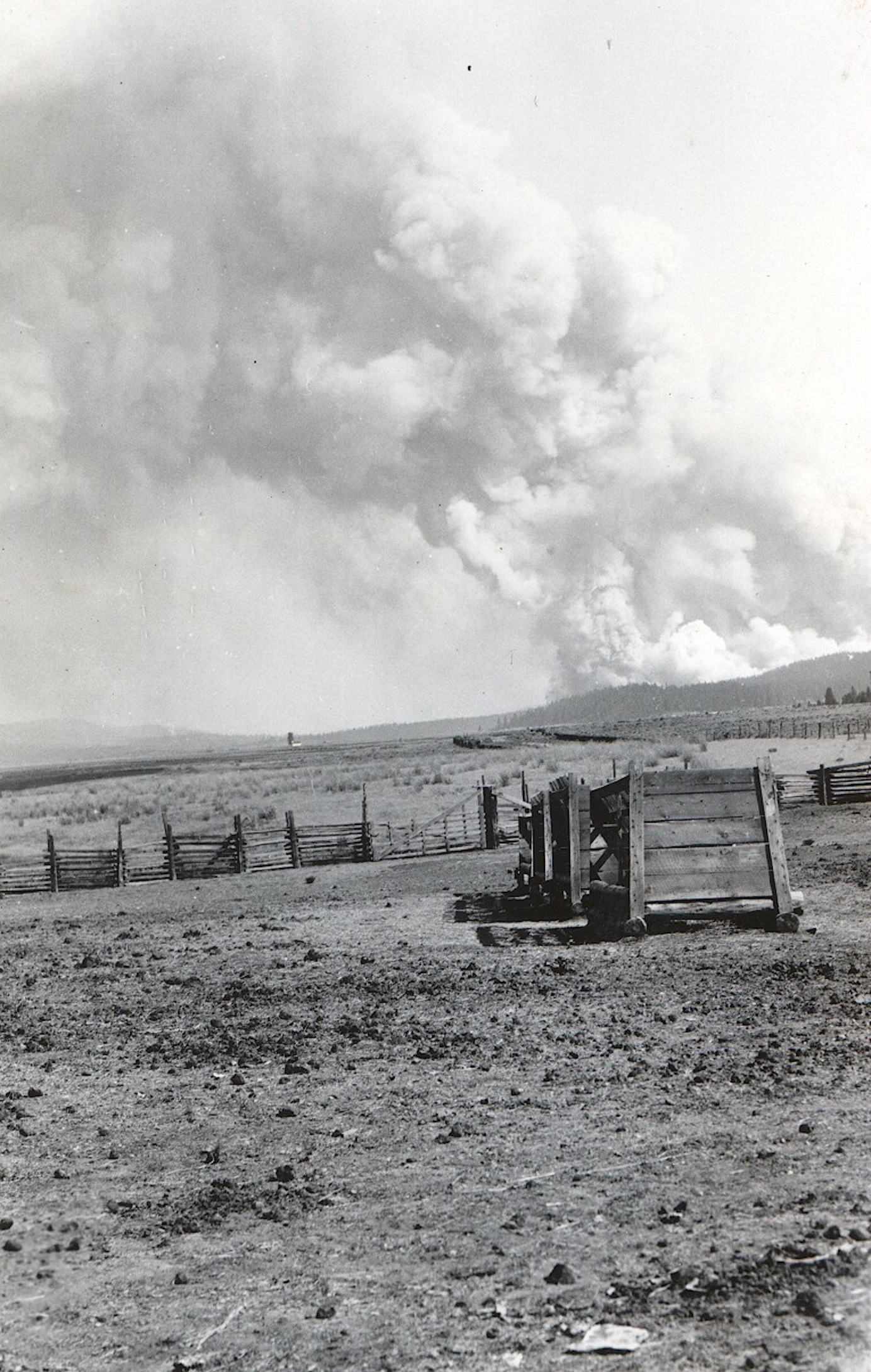
The 1926 Antelope Fire as seen from Willow Creek Valley. Courtesy of Lola L. Tanner

In the late 1800s and early 1900s forest fires did not cause a great deal of alarm or concern.  Most of the fires were small in size—twenty acres or less. Some times they were fought and most often left to burn to extinguish themselves. The following is an interesting example from the Lassen Advocate of July 26, 1907:

“The forest fires are late in starting this season. There was a blaze up the river, west of Susanville Thursday and smoke and resinous odor of burning pine were very percipible. Whether extinguished or burnt out, the atmosphere is clear and smokeless today.”

What happened. Locally, saw the establishment of large timber companies and their subsequent sawmills. This produced industrial l scale logging, unknown to the region. Some of the mechanical equipment were known to spark fires, and in some cases large fires were created in logged off areas. At the same time, the national forest service gained prominence and one of its main objectives was fire prevention. Another consideration—weather. From 1860-1916 was an extremely wet weather cycle, followed by a twenty year dry cycle.

Tim

Bly Tunnel Makeover—Mixed Results

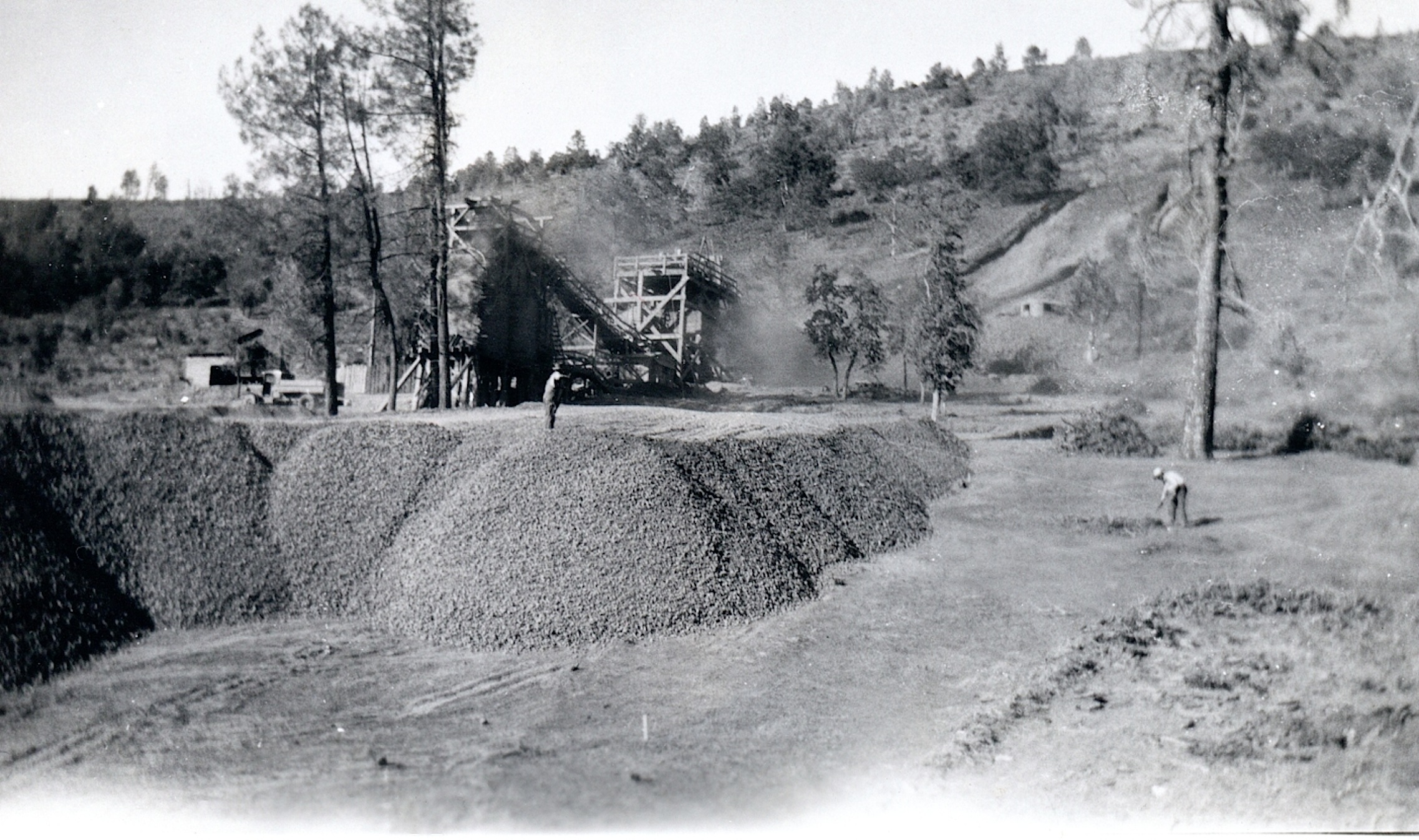
One of the many tailing piles of Bly Tunnel

With all the effort put in during 1928 with work on the Bly Tunnel inlet, it did not make that much difference during the 1929 irrigation season. As a matter of fact to make things worse the districts doubled their rates for water from $2 to $4 per acre-foot.

For the next few years, the districts hired C.F. Staheli, a contractor to deepen the cuts and extend the inlet. It was an exercise in futility.  Compounding matters was the lake in 1932, had dropped twenty-four feet since the tunnel had opened. Another tragic part of the story, the system was designed to irrigate 25,000 acres, when in reality in a good year only provided water for 5,000 acres. At the conclusion of 1934, that the project be abandoned. However, the districts engineer Harry Riddell came up with a last ditch effort to salvage the operation and account on that next week.

Support by subscribing.

Grabel’s Hole

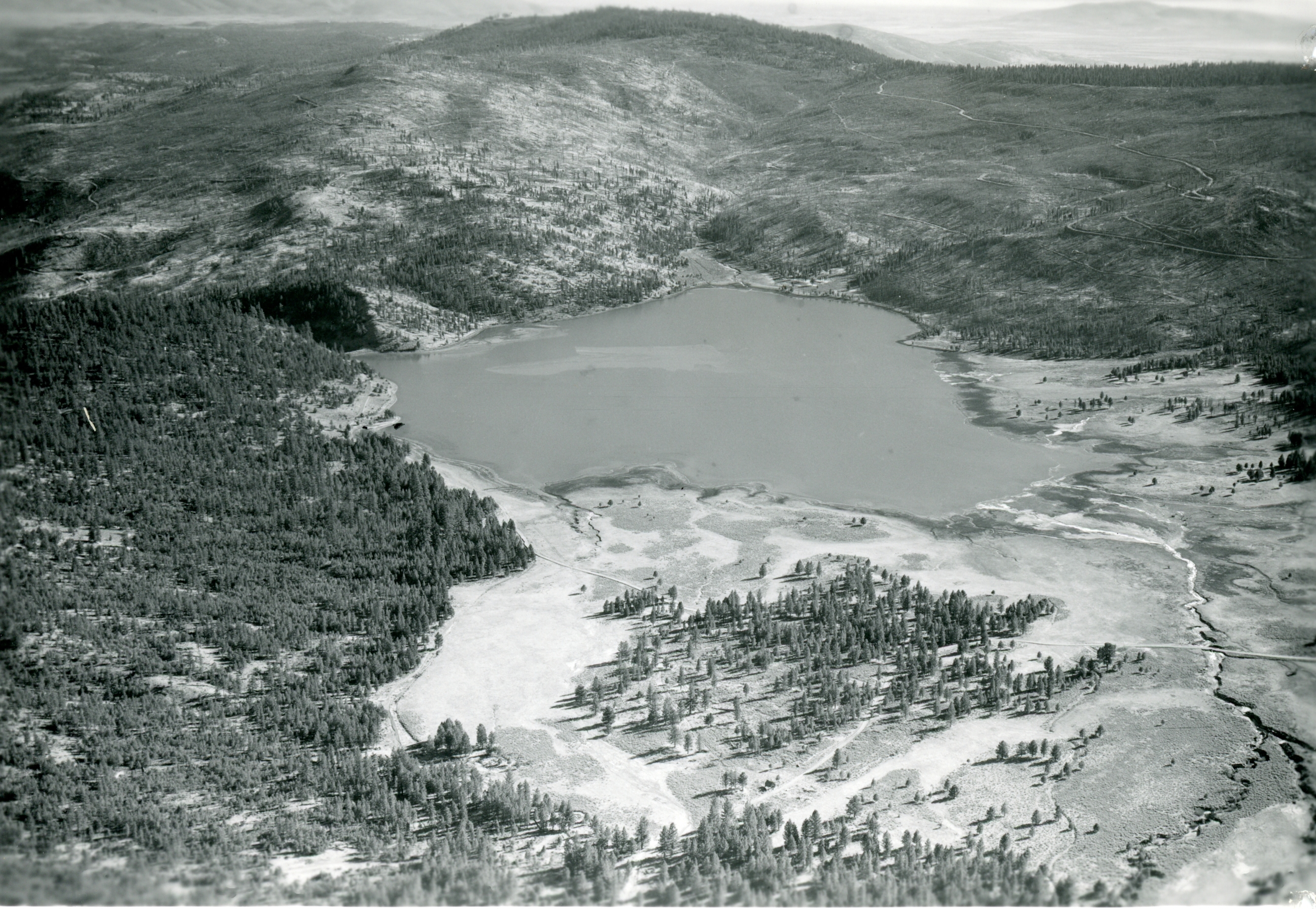
Round Valley Reservoir, 1958. Grabel’s Hole is located in this regoon.

On Sunday, the feature article was on Miners Spring and a broken link to Grabel’s Hole. I had a difficult time trying to locate the article. While most people in region associate mining with Diamond Mountain and Hayden Hill there were other pockets of activity.

In the mid-1870s there was considerable gold mining done just north of Susanville in the vicinity of Round Valley, including nearby Gallatin Peak.  One of those miners, was J.L Grabel. One of the peculiar oddities, is that Grabel never filed a mining claim, yet his activities were reported in the Lassen Advocate. According to folklore,  it was a rich mine, but for reasons unknown became one of those lost mine stories. My grandmother, Lola (Murrer) Tanner (1899-1973) was born and raised in this area. She, too, knew of the story and gave me some clues about the proximity of where it might be located. All these years later, it is have never been something that I have never seriously undertaken to attempt to locate. May be this, is as good as any time to mount an expedition.

Never miss a story, click here to subscribe.

Said Valley Reservoir

Said Valley Dam
Collapse of the Said Valley Dam, May 8, 1938. Courtesy of Betty Barry Deal

In September 1885, James W. Shanklin constructed the first Said Valley reservoir for irrigation and stock purposes for his ranch in Grasshopper Valley. That dam was 25 feet high and 300 feet across. Over the years it had numerous owners. In 1934, it was purchased by George Heath, who also became the owner of the nearby Slate Creek reservoir. As early as 1929, the State Department of Water Resources stated neither dam was in compliance and requested that spillways be constructed for each reservoir. The winter of 1937-38 was one of the wettest on record for the 20th century and, in Susanville, 33.68 inches of precipitation was measured. On May 8, 1938, the dam at Said Valley breached and caused considerable flood damage. On August 24, 1939, Heath sued Percy L. Castro for $50,000 in damages that were caused by dam failures. It was Heath’s contention that, since Castro leased the reservoirs and his Grasshopper Ranch, it was his duty to install the spillways that the Department of Resources requested. However, during the Department of Water Resources investigation, it was noted that even if the proper spillway had been installed at Said Valley, it would still have failed because of defects in the dam’s original foundation. The court ruled in favor of Castro and stated it was Heath’s responsibility and ordered Heath to pay Castro’s court costs. The dam was rebuilt, albeit on a smaller scale.

Support

Miner’s Spring – Antelope Grade

The Spires
The Spires, Antelope Grade, circa 1914

Locally, most people think that all the mining activity was along Diamond Mountain, south of Susanville, However, there was  mining activity to the town’s north. See  Grabel’s hole..

Starting in the 1890s, for some odd reason,  considerable prospecting was done on Antelope Mountain. If one looks closely on Highway 139, one can see small mine tailing piles. At a place call “the spires” there is a small spring. that was a popular rest stop back in the horse and buggy days, to stop and give the horses a rest. Charley Carpenter thought it was the perfect place to call home, and built a small cabin there, while he was search of the next mother lode—hence Miner’s Spring.

In 1907, due to an extremely wet March, there was considerable flooding and erosion, that was bringing to surface gold among other things. This was especially true to places not known gold such as Antelope, Shaffer and Skedaddle Mountains. The local populace had a terrible case of gold fever, but by fall that fever broke, when dashed dreams of a new Comstock was just not in the cards.

Subscribe.

A Tragic Mine Accident

Golden Eagle Mine, 1894. Courtesy of Del & Diane Poole

On July 23, 1890 appeared to be  a typical day at Hayden Hill and then it was not. Frank Auble and W.A. Dunbar were working alone in a mine, the name of which I have not been able to ascertain. The two men came up from the mine shaft to prepare dinner and built a fire in the shaft house to sharpen their picks. They then descended back down the mine shaft, but apparently did not take the proper precaution to extinguish the fire. Eventually, the shaft house caught on fire. By the time the others saw it, they rushed to the scene to extinguish it, By that time some of the mine timbers caught fire. Once the fire was out, an attempt was made to go down the shaft to rescue the men. The gas and smoke was overpowering to prevent them. It was determined to obtain a hose from Adin. When attached to a large billow, this forced the air in the mine shaft to circulate. Montgomery Auble was the first to make the descent and at the  forty-foot level found the bodies of Frank, (his brother) and Dunbar both dead of suffocation. Once the bodies were brought to the surface they were taken to Adin where the two men were buried.

Support by subscribing.

Margie’s Book Nook at 40!

The Big Store
Susanville’s The Big Store as it appeared in 1916. It is now the home of Margie’s Book Nook. Photograph courtesy of the Worley family

Mark your calendars for April 1 when Margie’s Book Nook celebrates forty years in business. The store had its humble beginning at 28 North Lassen Street, next to Fred’s Barbershop. Several years later, the store needed to expand and moved a block away to 35 North Gay Street. After several years passed, the store again needed more room. Another move, not quite a block away to the current location at 722 Main Street, next to The Pioneer.

I am not sure all the festivities planned for Saturday, April 1 but will be a lot of fun. More information and some of the store’s history can be found their Facebook page.

Tim

Eagle Lake’s Water Analyzed

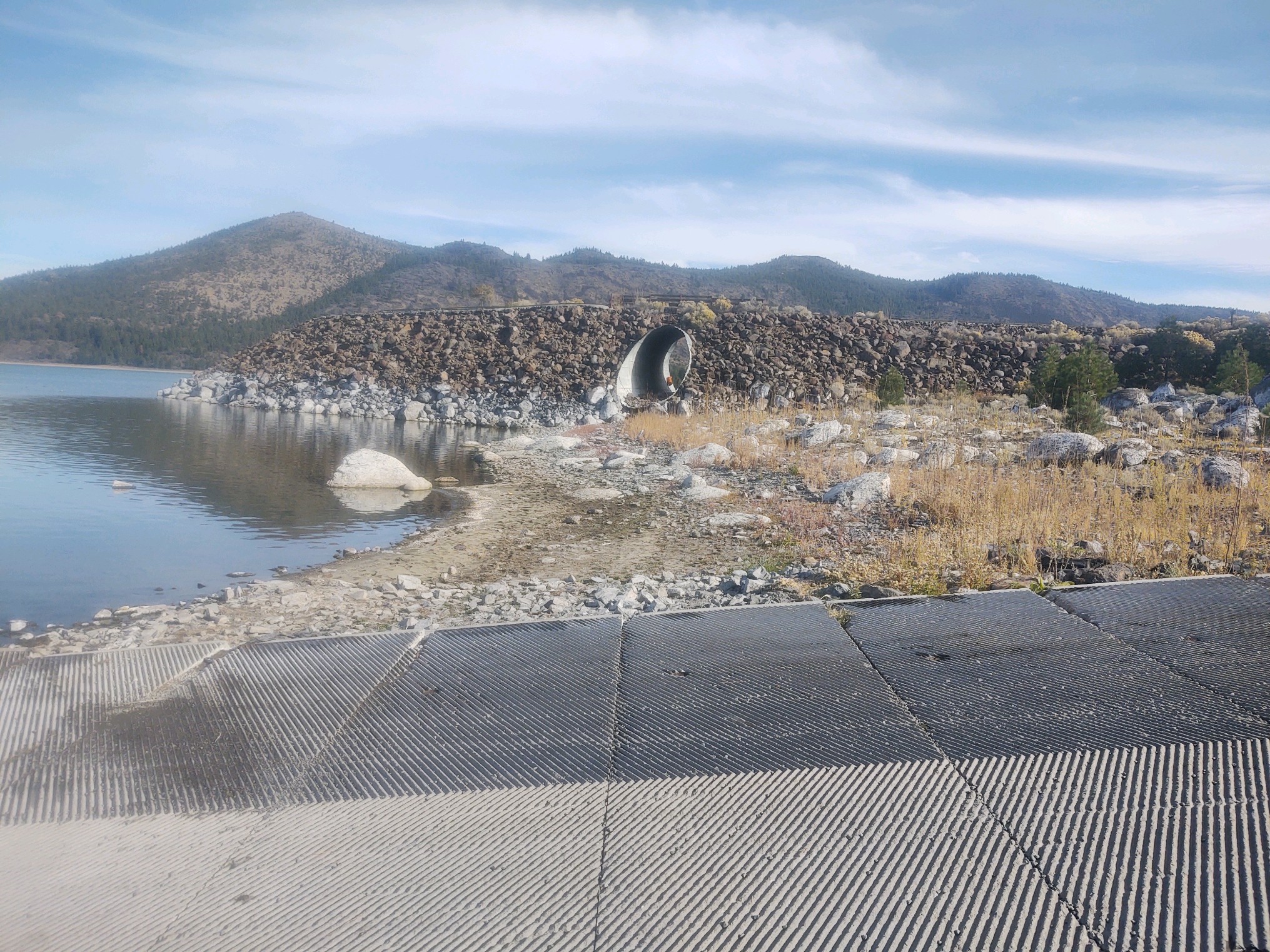
Notice the lime deposits on the rocks at Gallatin boat ramp, October 31, 2022–D. Willis

One of the interesting issues to surface in 1928 regarding the inlet problem of Bly Tunnel was the alkalinity effects of water used from Eagle Lake on lands in the Honey Lake Valley. There had been lots of speculation but no scientific proof. In the fall of 1928 Professor P.H. Hibbard of the University of California, Berkeley well versed in soil and water analysis arrived on the scene to examine the situation.

In Hibbard’s findings the Eagle Lake water was not a detriment to the irrigated lands in Honey Lake Valley. The lands affected there already had alkali in the soil, and the issue from irrigation was compounded by the fact of poor drainage on those lands. Hibbard noted that lakes without outlets tend to have a higher mineral content. He went on to state that the rocks along the shoreline at Eagle Lake that had a white layer on them when the lake receded were lime deposits.

Subscribe

Westwood Depot No more—End of an Era

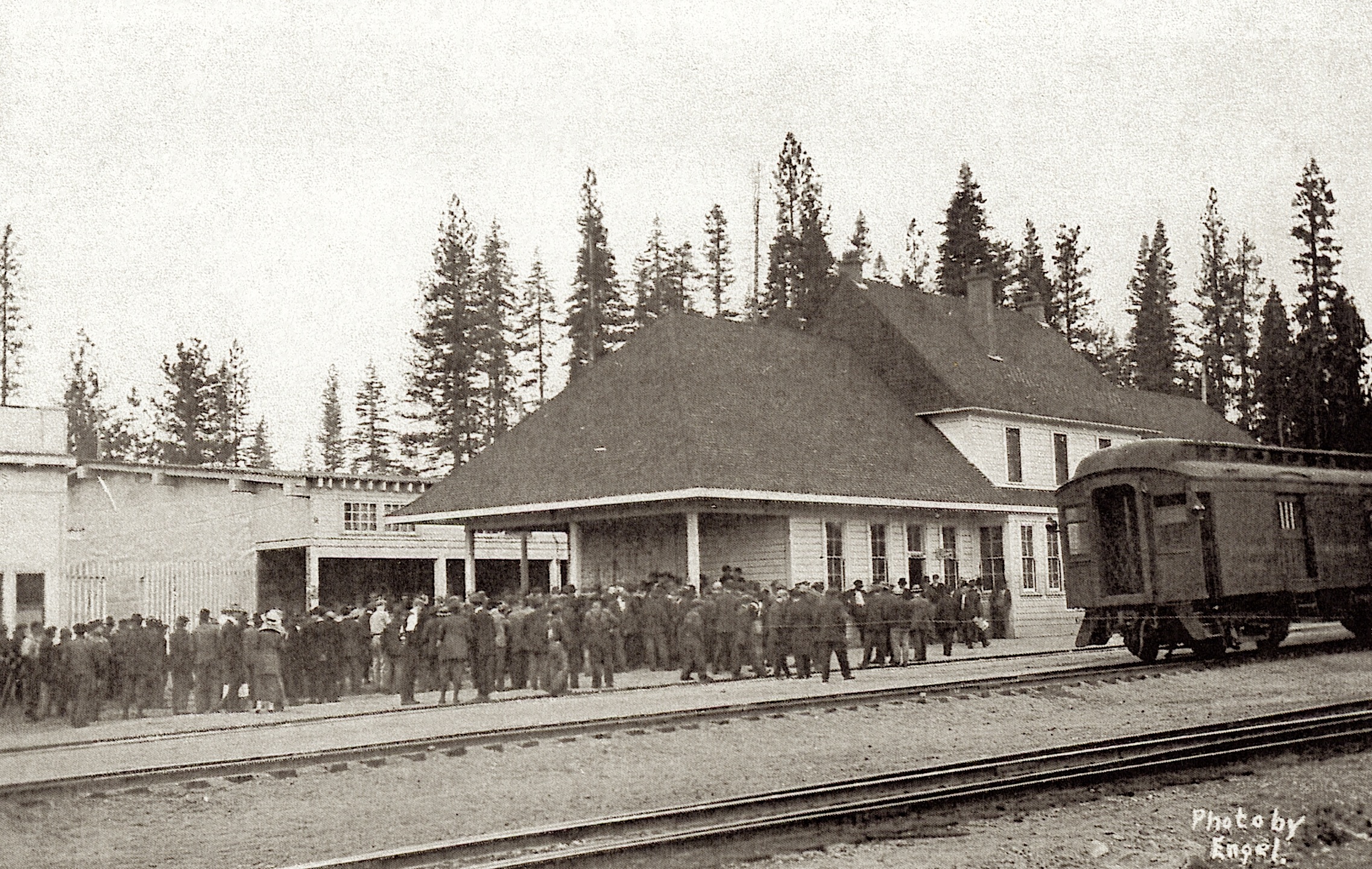
Westwood Depot, circa 1918—David B. Martin

In the summer of 1955, Fruit Growers Supply Company announced it would close their mill at Westwood. Another important event happened that year when in  December the region experienced severe flooding, causing tremendous damage to the railroad tracks between Susanville and Westwood. The Southern Pacific deemed it too costly to make the repairs to that section of the railroad with the pending mill closure.

However, with all this bad news,  Westwood Depot had some salvation. It should be noted, the depot was utilized by the Western Pacific on its Highline route between Keddie and Klamath Falls. Oregon. Thus, the Westwood Depot remained opened, how long was any one’s guess.

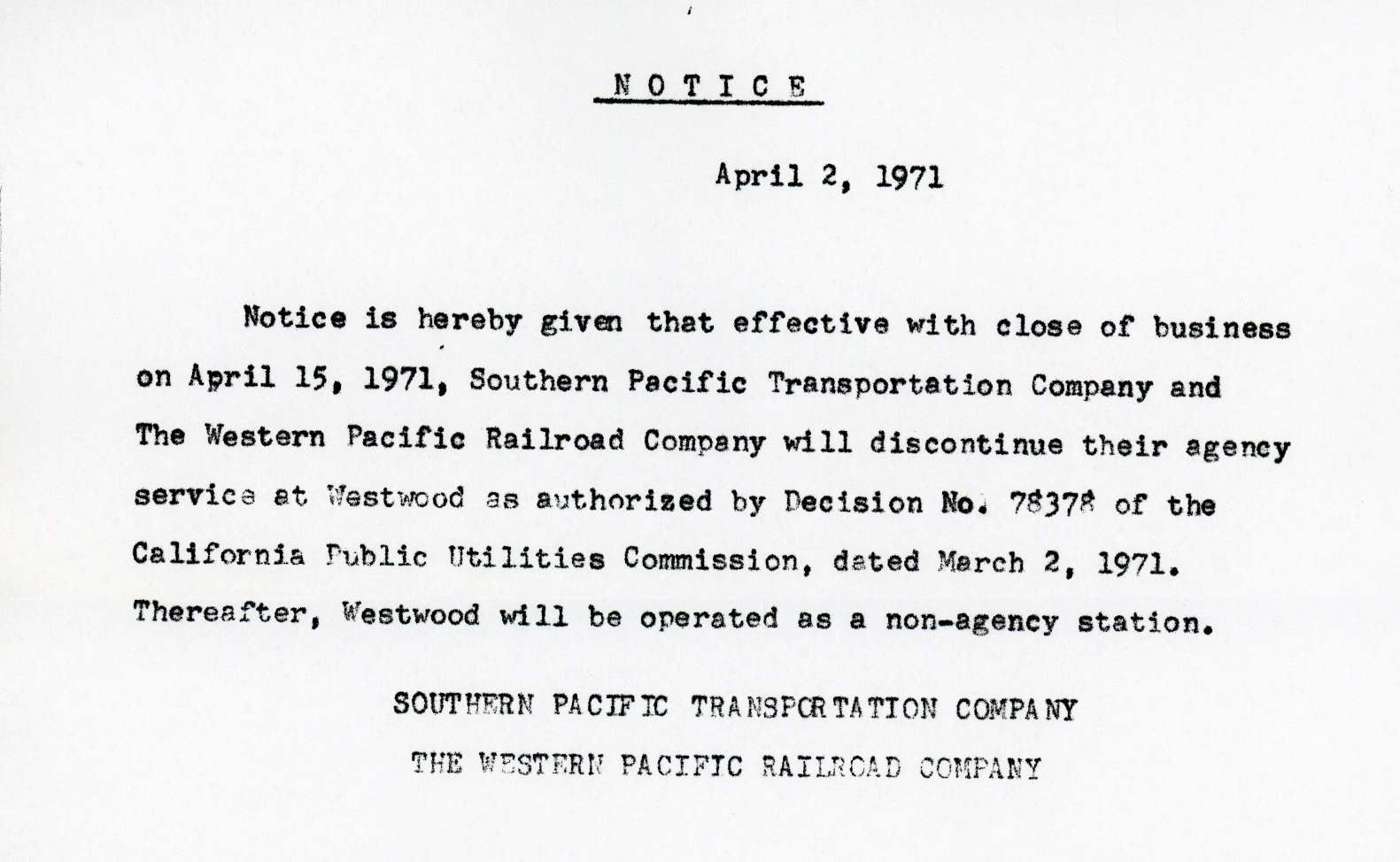
Westwood Depot closure notice—David B. Martin

In the spring of 1971, it was announced that the Westwood Depot would close on April 15, 1971. Just by happenstance, two Lassen College students, Roy Lopez and David Martin, paid a visit to the depot late that afternoon of the final day. One of the duo’s first encounter was to witness the Southern Pacific’s trainmaster from Redding to remove the station’s clock. The remainder of time was spent visiting with the Depot’s agent, J.C. Hoxie. When Hoxie escorted them out, the door was locked for good from the public.

On a follow up, the Southern Pacific transferred Hoxie to Wendel. The depot stood vacant for several years and was finally dismantled in either 1975 or 1976, as I have conflicting data. If anyone has more information on that event, please let me know, so I can update this post.

Subscribe