Category Archives: History

Liegan – NCO Railroad

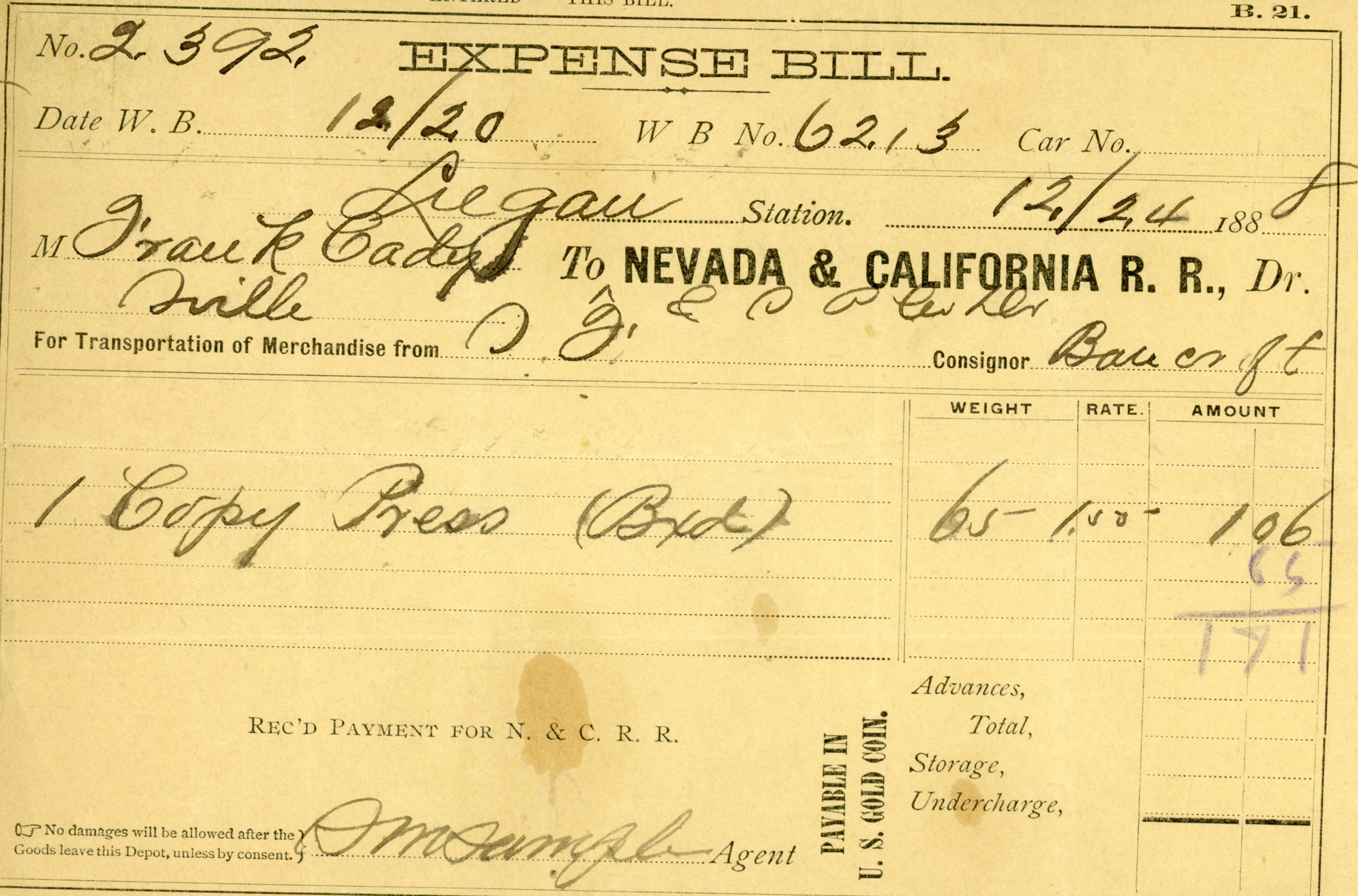
Liegan bill368

Liegan was one of those typical Nevada-California-Oregon (NCO) stations. It was known for something, but then again for nothing. On September 10, 1888 it became the new terminus for the railroad a bit north and east of Herlong today. It was a desolate outpost to say the least, surrounded by miles and miles of sagebrush, but not a single living soul in the immediate region. Of course, the decision to bypass the west side of Honey Lake for the east drew lots of criticism, a topic for another time. Its location was too remote for the railroad to generate any quantity of freight traffic at that point. One of its biggest claim to fame occurred on January 1, 1890 when numerous sight seers from Reno ventured there to view the eclipse of the sun. By that summer, the railroad extended its line farther north to Amedee, which quickly overshadowed Liegan. In the fall of 1890, Elmer Koken who traveled to Amedee on the NCO remarked that the Liegan station consisted of a box car. On April 9, 1891, the Liegan Post Office closed after an existence of eight months.

There was a glimmer of hope and Liegan was revived briefly during 1909-10 by the railroad. The Standish Water Company had just built a pumping plant on Honey Lake, with the intention to reclaim the sagebrush plain into a major sugar beet production region. That failed, and Liegan’s hopes went with it.

It is never too late, subscribe today and enjoy tomorrow with daily notifications. You can also surprise someone with a gift subscription.
 

Susanville – Knoch Building

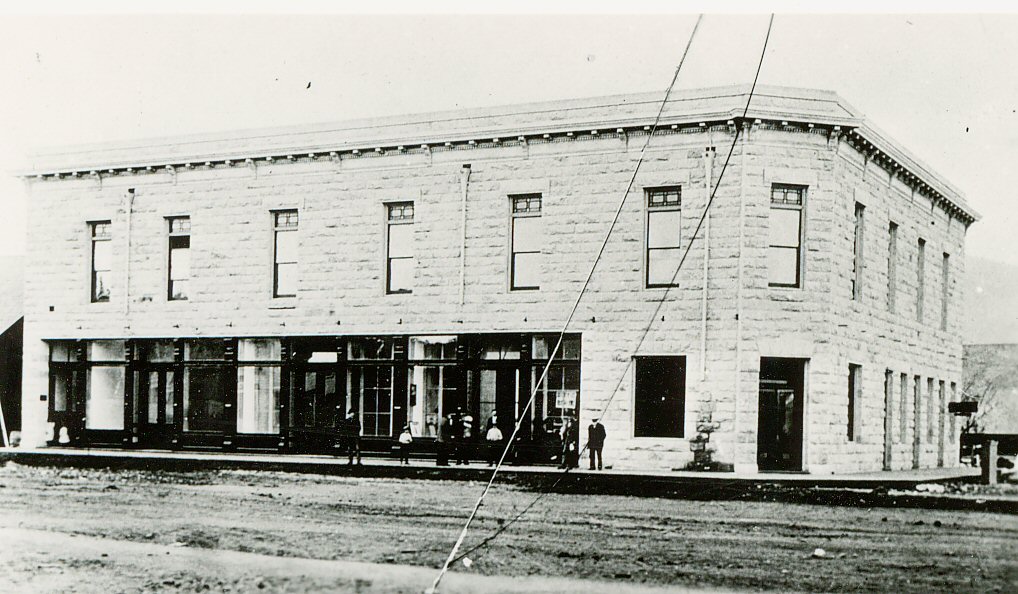
Knoch Building, courtesy of Verna M. Wood

Susanville’s Knoch building has endured a lot since it was first constructed back in 1893-94. The building’s location on the northwest of corner of Main and Lassen Street was originally occupied the local Masonic Lodge. The town’s horrific fire of 1893, where a majority of its business district was destroyed, including the Masonic Lodge, changed its landscape.

The Masons determined like the proverbial phoenix embarked on an ambitious plan to rebuild. The two-story native stone was dedicated on July 4, 1894.  The $20,000 structure was more than the Masons could afford and seven months later looked at options to dispose of it. One of the biggest creditors was David Knoch who lent the Masons $7,650.  Knoch, a Mason himself, offered to forgive the debt in return the Masons would deed the property to him. A lot of contentious wrangling took place, but in 1898 Knoch became owner of the property, and it remained in the family until the 1950s when his granddaughter Jeanette Worley sold it.

It is never too late, subscribe today and enjoy tomorrow with daily notifications. You can also surprise someone with a gift subscription

Tunison’s aka Phil’s Place

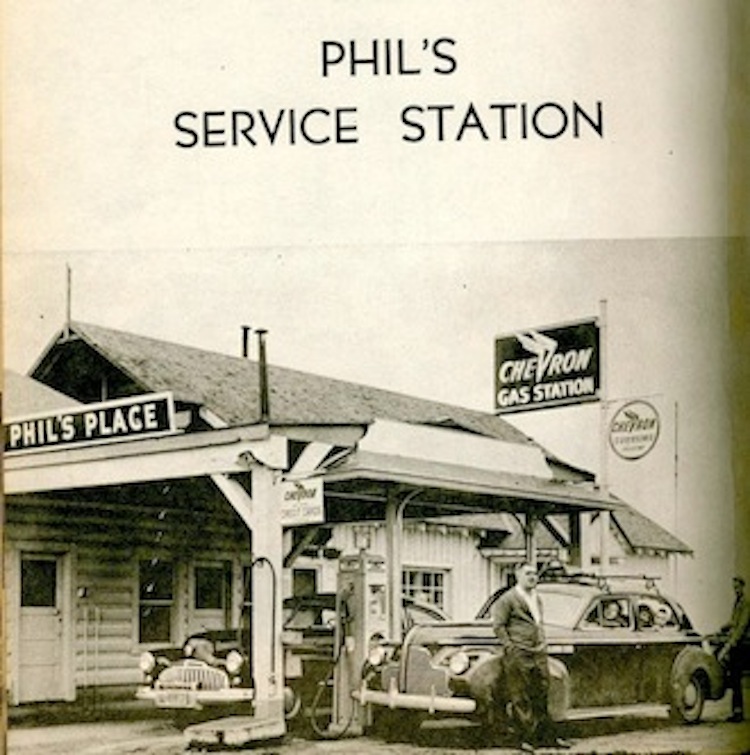
Phil'sPlace 001

In the mid-1930s, Bill and Jeanette Tunison established very popular bar, restaurant and gas station five miles east of Westwood near Goodrich Creek. Tunison, it should be noted had been a Westwood resident since 1916. The establishment became very popular in a short order, known for its good food and hospitality. As Marian Hull Herrick recalled, “People would call ahead to see if they serving were Jeanette’s Rum pie that night. People raved about the fried chicken and biscuits. Jeanette confided in me that they were made with Bisquick.” Continue reading Tunison’s aka Phil’s Place

Russian Thistle

Litchfield Depot of the Fernley & Lassen Railroad, 1947. Courtesy of Camilla Moody

The Russian Thistle, (Salsola tragus), is best known too many as the iconic “tumbling tumbleweed.” Ironically, it became a symbol of the American West, yet it is a non-native plant. As its common name indicates it origins are from eastern Russia. Some sources indicate it was accidentally introduced in 1873 by Russian emigrates to South Dakota. The seeds from the plant are initially disbursed by wind. It is believed that many a railroad stockcar were imbedded with seeds, that allowed for them to be scattered throughout the west.

The plant did not make its appearance in Lassen County until 1914. While the Fernley & Lassen Railroad bought prosperity to the region, it also introduced this noxious invasive weed. The first plants were spotted along the railroad right-of-way. For the next two years, major efforts were undertaken to eradicate it, but it was a lost cause.

It is never too late, subscribe today and enjoy tomorrow with daily notifications. You can also surprise someone with a gift subscription.
Soldier Bridge School: The Early Years

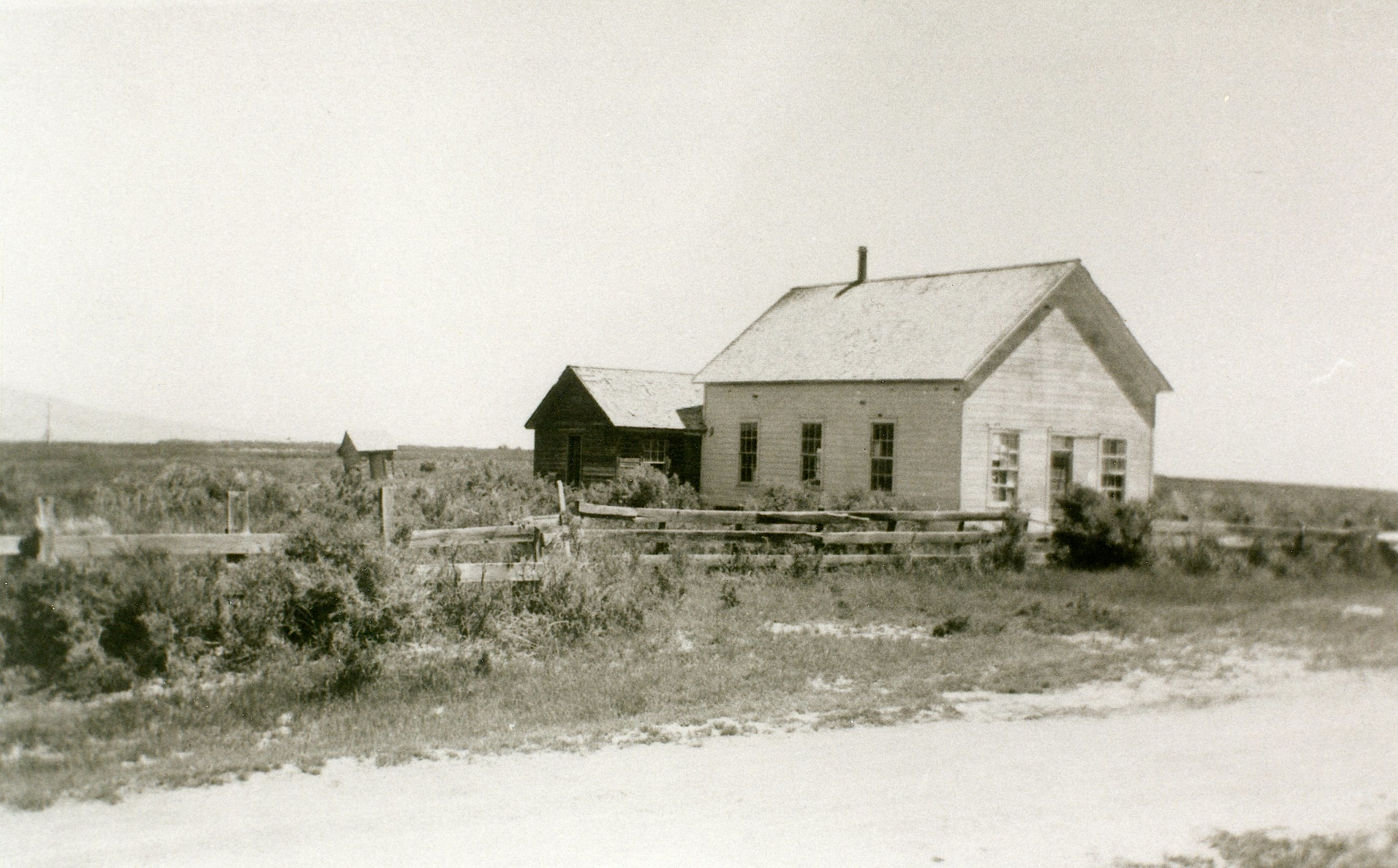
Soldier Bridge School, DeWitt, California. Courtesy of Franklin Dill.

The Soldier Bridge School was located a short distance from the present day Fleming Unit, of the California Department of Fish & Game. The district was established in March 1865 from a division of Susan River (Johnstonville). The first classes were held in the fall of 1865, with Miss Lurana Walker as instructor. In 1883, George W. Fry donated the land where the school had been built. At that time, Honey Lake Lodge #358 of the Independent Order of Good Templars was established and a hall was constructed next to the schoolhouse.

It is never too late, subscribe today and enjoy tomorrow with daily notifications. You can also surprise someone with a gift subscription.
Horse Lake Station

Horse Lake Station, 1915. Courtesy of Nevada Historical Society

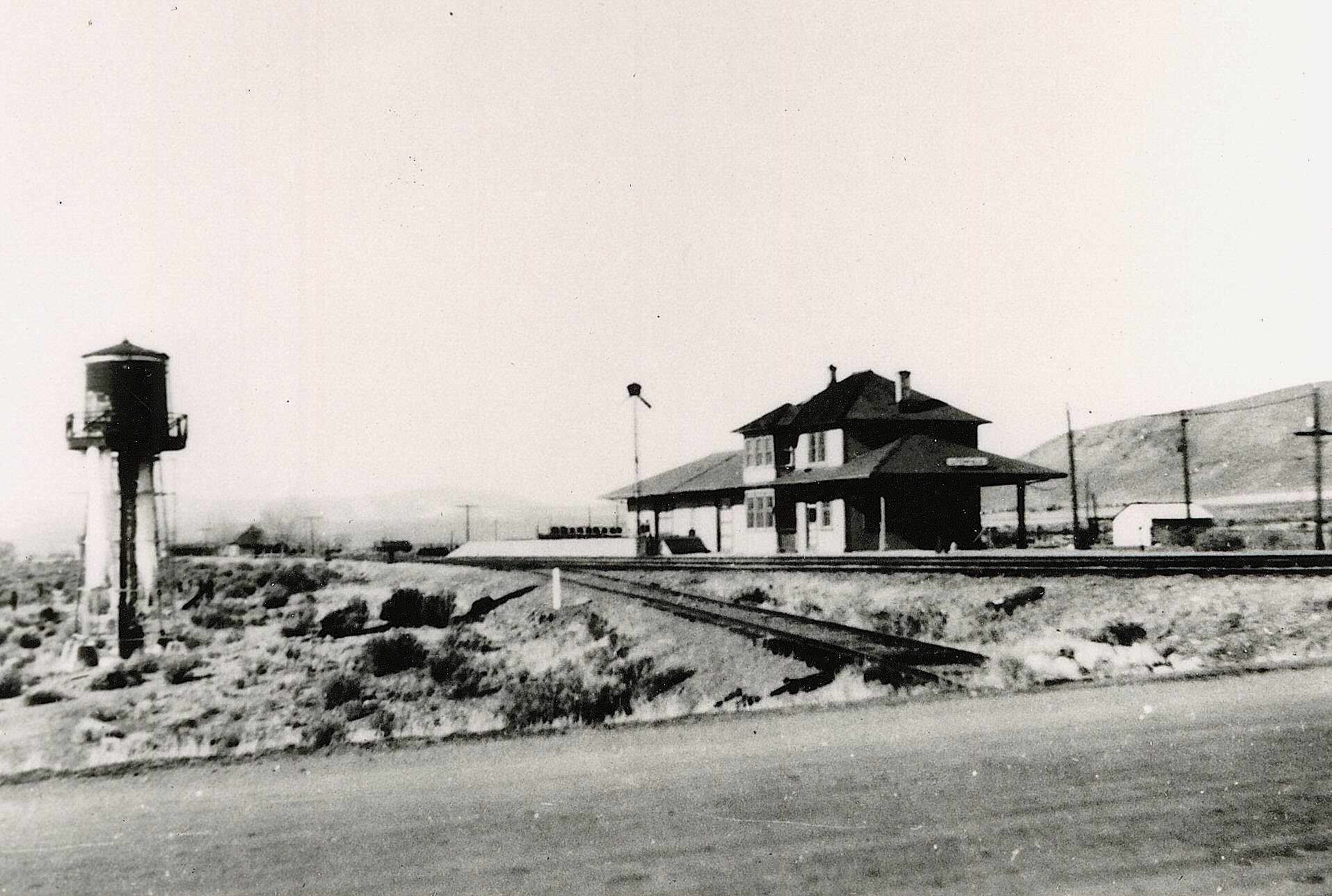
It was originally a Nevada-California-Oregon Railroad station and later a Southern Pacific Railroad siding that operated from 1930-1961. In a way it is a bit of misnomer, since it is located five miles east of Horse Lake and near Snowstorm Ranch.

In 1913, the Shumway Post Office at Horse Lake was discontinued. In 1916, Horse Lake residents attempted to re-establish the post office and have a mail drop off at the NCO Railroad’s Horse Lake siding. The postal authorities denied the request. They stated they did not need a mail drop as that there were only four permanent families residing in the area. In addition, it was cited, the NCO was an unreliable operation, with irregular train service, and since there was no attendant at the Horse Lake Station, there was no way that the mail could be protected.

It is never too late, subscribe today and enjoy tomorrow with daily notifications. You can also surprise someone with a gift subscription.
Lassen County – Devil’s Corral

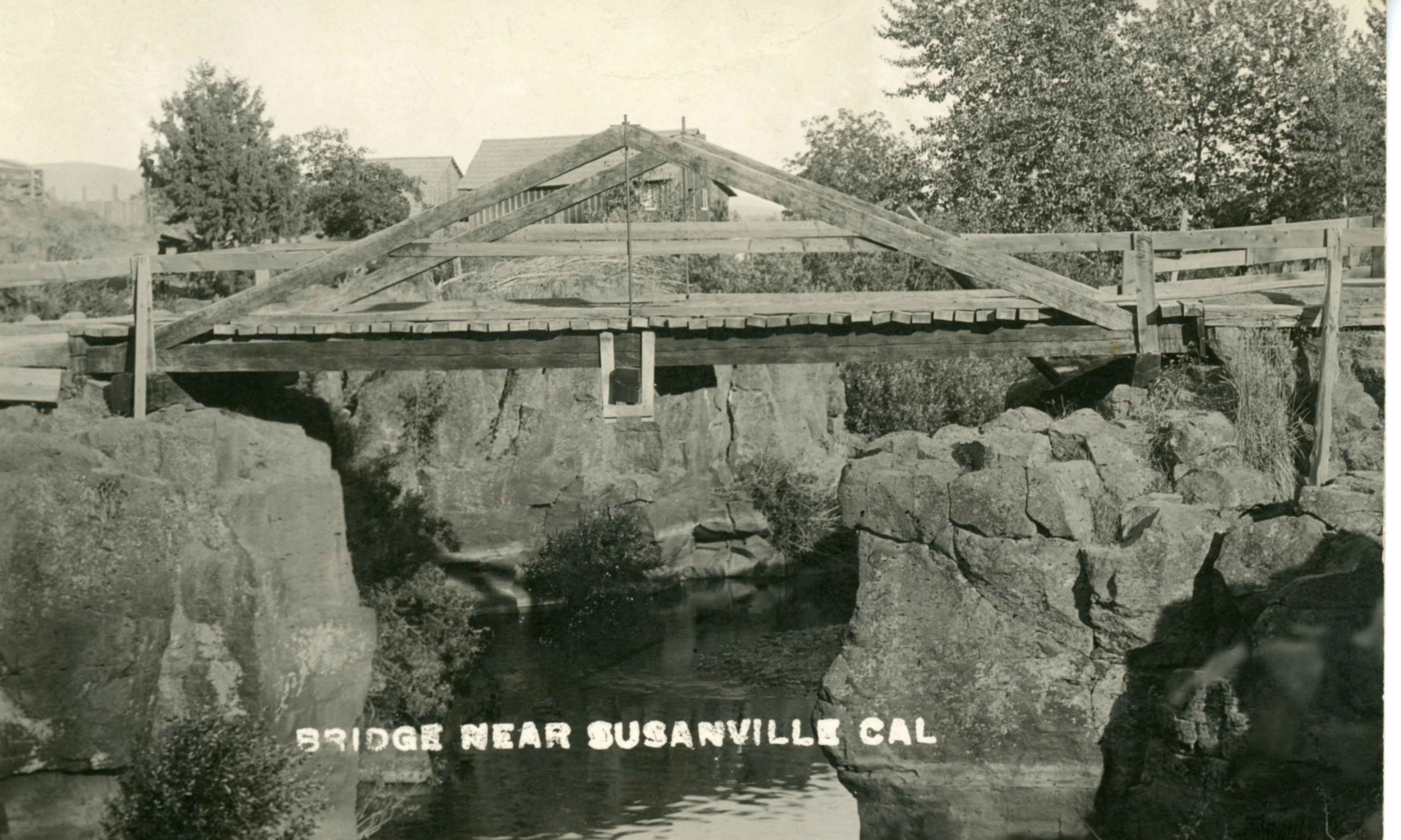
Devil's Corral Bridge, 1918. Courtesy of Margaret A. Purdy
Devil’s Corral Bridge, 1918. Courtesy of Margaret A. Purdy

The circumstances leading to its name are not known. There are two possible explanations. In 1865, San Francisco journalist Lisle Lester wrote: “Late in the afternoon we crossed a weird looking place of a rock wall enclosing a little flat meadow land called Devil’s Corral. The place is historical, for in the early days a band of emigrants stopped here to feed their stock and were overtaken by disease which covered the little nook with the bones of their cattle, and added to its soil many a way-worn form. For years the bones of the cattle bleached here in rude piles.”

In 1923, when the first highway bridge to span Devil’s Corral was completed, this published version made its debut: “The name was given the curious lava rock formation on the banks of the Susan River at this point by early day wagon trains who sought to reach the Sacramento Valley by following the course of the Susan River. At this point the perpendicular rock walls of the canyon made further progress impossible and they were forced to turn back, hence the name Devils Corral.”

It is never too late, subscribe today and enjoy tomorrow with daily notifications. You can also surprise someone with a gift subscription

Susanville – Richmond Road Bridge

Richmond Road Bridge, circa 1910. Courtesy of Lola L. Tanner

Yesterday, we examined the route out of Susanville’s western boundary. For some odd reason, I must have transportation issues on my mind.  To leave town to the south, required crossing the Susan River. Just like how Pine Street at one point became Prattville Road, the same name change occurs wherein South Weatherlow Street ends on the north side of Susan River and after one crosses the bridge, the route becomes Richmond Road.  The wooden bridge crossing the river was a contentious issue between Lassen County and the City of Susanville once the railroad was constructed. Back then, the river served as the southern boundary of Susanville. The wooden bridge could not support the heavy freight arriving at depot on Richmond Road.  It took some time for the two entities to agree to split the costs for a new bridge.

It is never too late, subscribe today and enjoy tomorrow with daily notifications.

Prattville Road

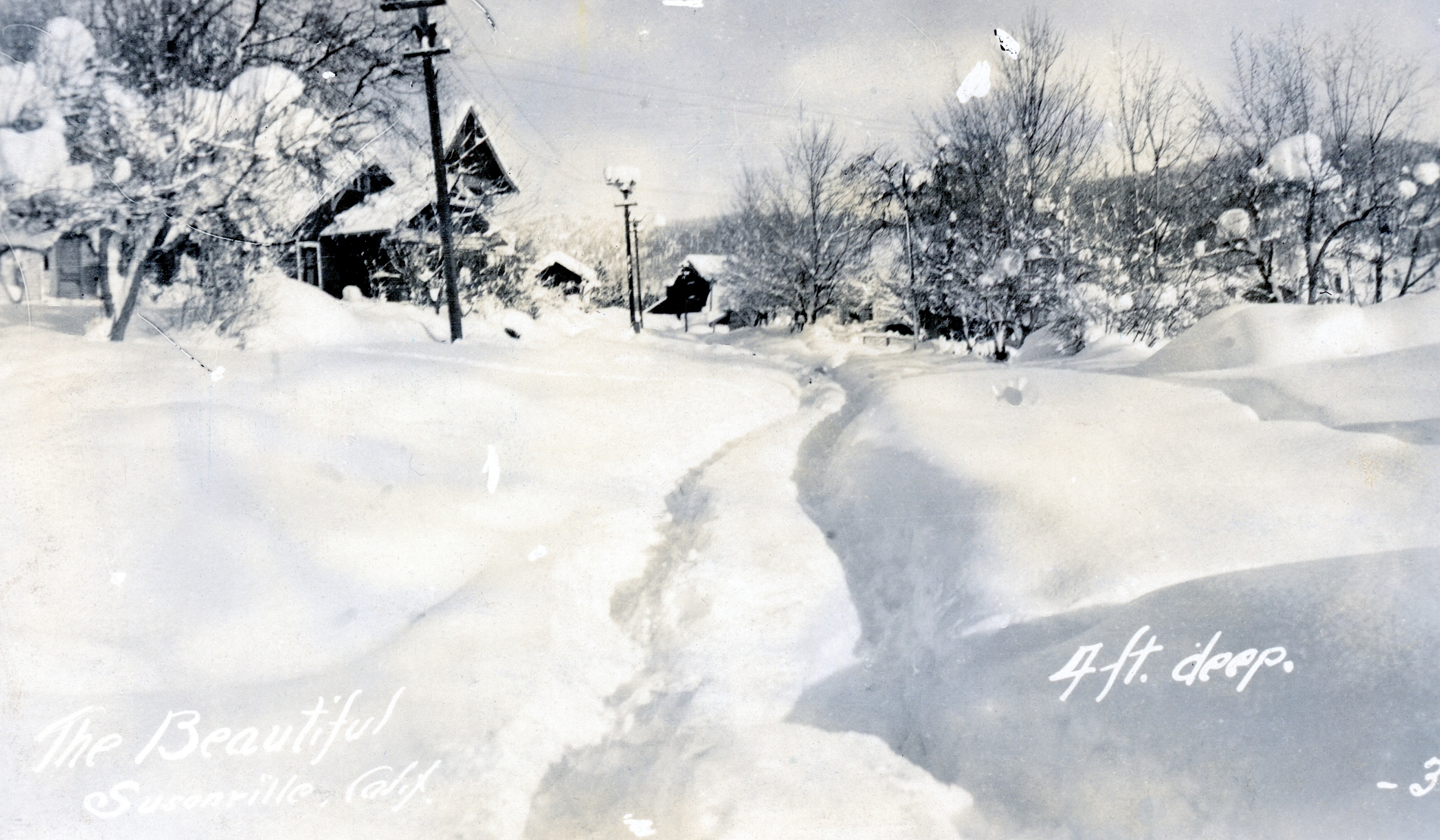
Susanville's North Pine Street, January 1916.
Susanville’s North Pine Street, January 1916.

Last month when I wrote about Plumas Pines, someone inquired about Prattville Road.  Prior to the construction of State Highway 36, west bound travelers from Susanville ventured up North Pine Street, which at that time ended at North Street. From that point onward it was designated as Prattville Road. The original town of Prattville was located at Big Meadows, Plumas County prior to the construction of Lake Almanor. At that time, Prattville was the next community west of Susanville, hence the name of Prattville Road. Continue reading Prattville Road

Building Westwood

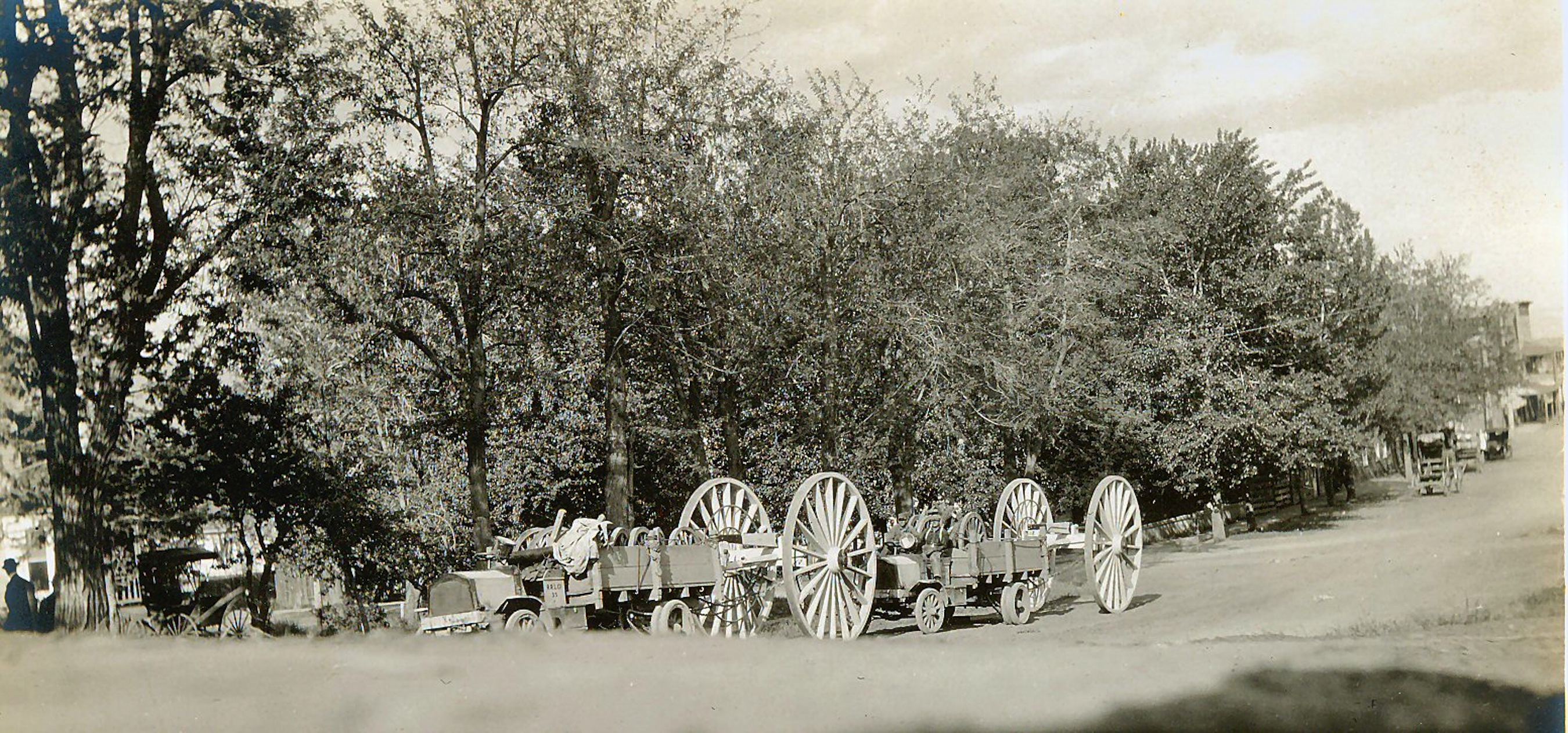
One of the nice features using this forum, instead of traditional print, some photographs will not print well. The above is a perfect example, yet it is an interesting photograph. This is at 501 Main Street, now Uptown Cinemas. This caravan of equipment is headed to Westwood while the first sawmill was under construction. Courtesy of Marcella Mathews Searles.

When the Red River Lumber Company finally decided, or actually more to the point Fletcher Walker demanded the Mountain Meadows location or otherwise he was going to quit, there were numerous hurdles to overcome.

During the initial construction phase of 1912-13, everything would have to be freighted in, while the railroad was under construction, and it would not be completed to Westwood until February 1914.

Highway 36 Fredonyer
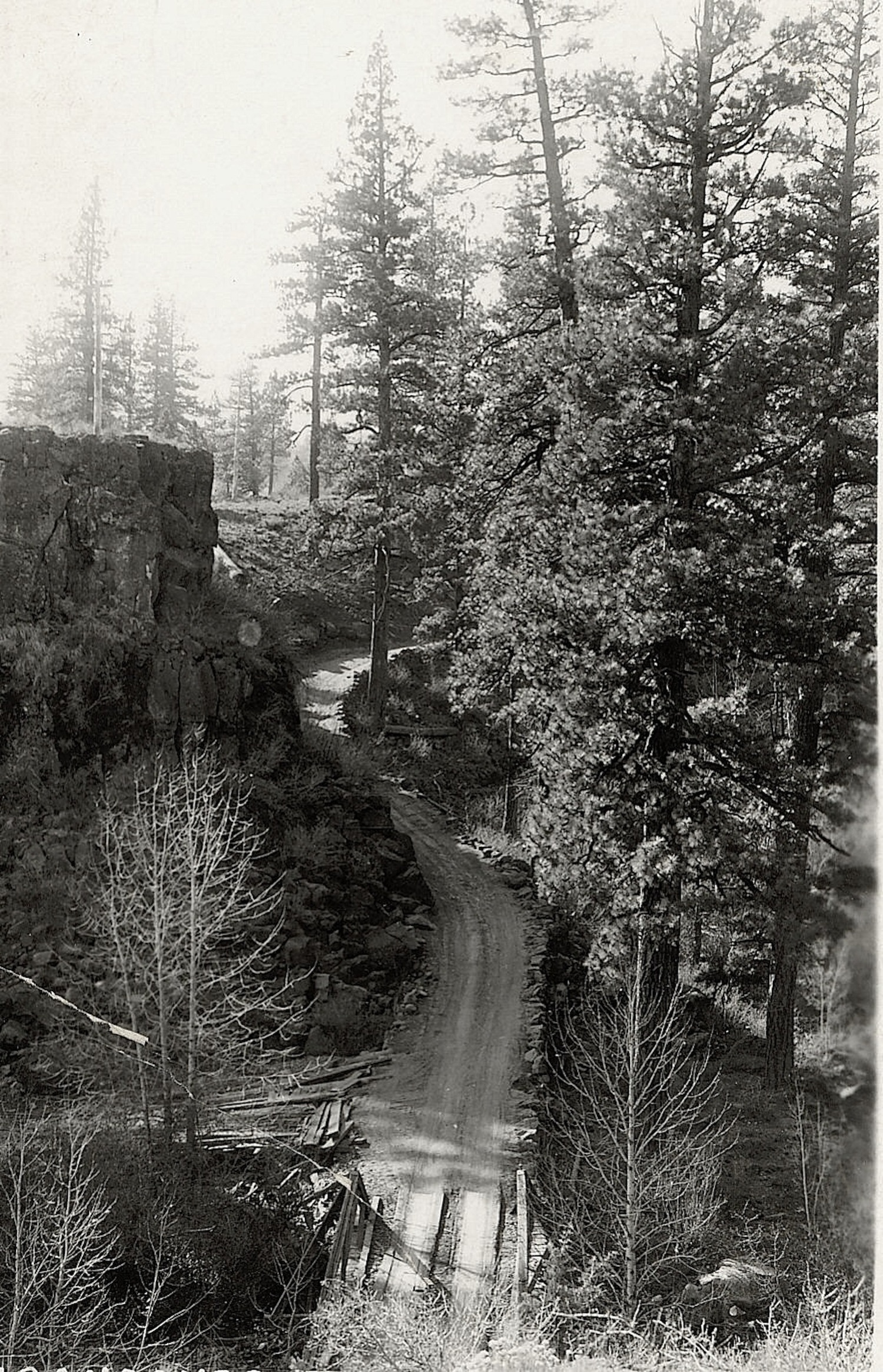
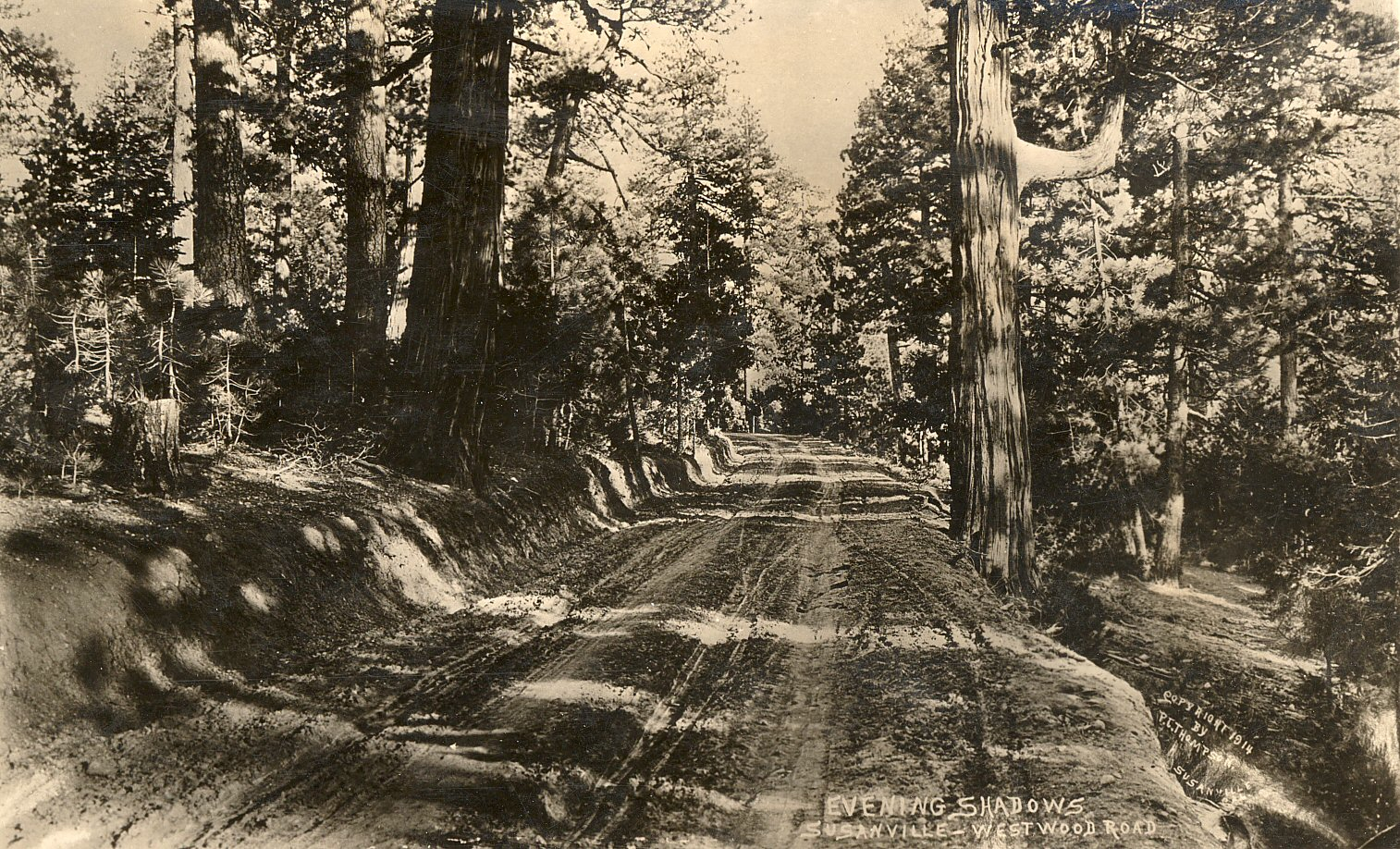
The road over Fredonyer as it appeared in 1914.

The bulk of the machinery was shipped by rail on the Western Pacific to Doyle. Smaller shipments also went by the Western Pacific to Keddie. In either instance, that is still a long haul for all the machinery to build one of the largest electric sawmills. In addition, all the auxiliary items needed to build a company town. This is before paved highways no less, and the truck traffic certainly made its imprint on the roads, though not in a favorable way.

Hopefully, bringing you this information, it might give you a tiny incentive to part with five dollars a month to keep things running.