Category Archives: History

Lake Almanor Country Club Remembered

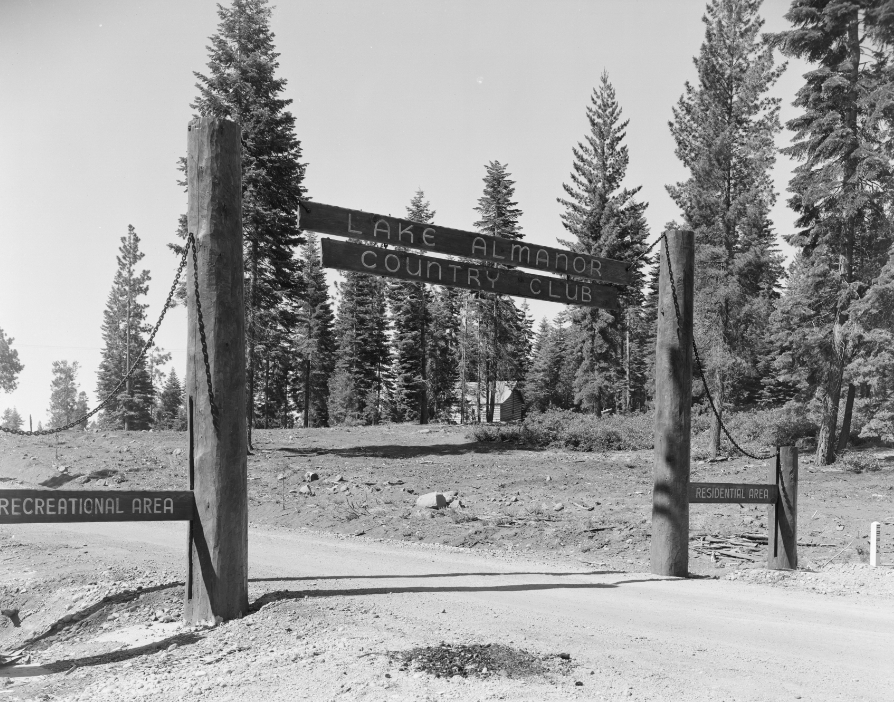
Entrance to the Lake Almanor Country Club

In 1948, Bob Johnson was working the summer at the Feather River Inn, saving his earnings for dental college. One of the customers was Ed Clifford who was just beginning to develop the Lake Almanor Country Club. Johnson recalled that Clifford originally had no intention of having a golf course, but as we know, things changed. In 1949, Johnson bought a lake front lot for $900–$100 down and $10 per month. In 1956, Johnson finally built his cabin there, and stated there were only twelve families in the Country Club.  Initially, members could hunt on the property, but as it continued to grow, the practice would be banned.
Subscribe

Forest Route No. 16

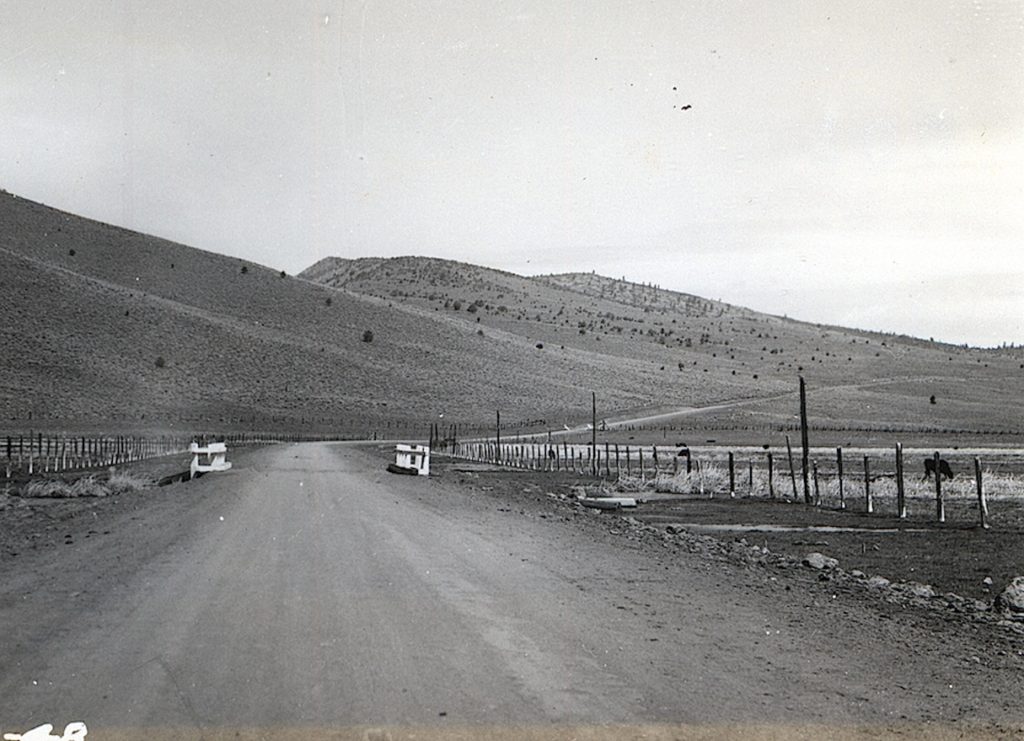
Highway 14 through Willow Creek Valley, 1948.

Highway 139 has had many designations. In the 1870s, it was part of the failed Big Valley Toll Road. In 1929 it became the Lassen-Modoc Joint Highway 14. The mission was to build a 134-mile highway from Susanville to the Oregon border near Malin. Funding for the estimated $2.5 million project came from many sources. Where the road traversed through the Modoc National Forest it was that agency that was responsible for the cost of construction. They dubbed the route Forest Service Route No. 16, and dragged their feet with the project. In 1956 the route was finally completed and designated County Road A-1. In 1959, it officially became Highway 139.

Donate!

Eagle Lake Marina

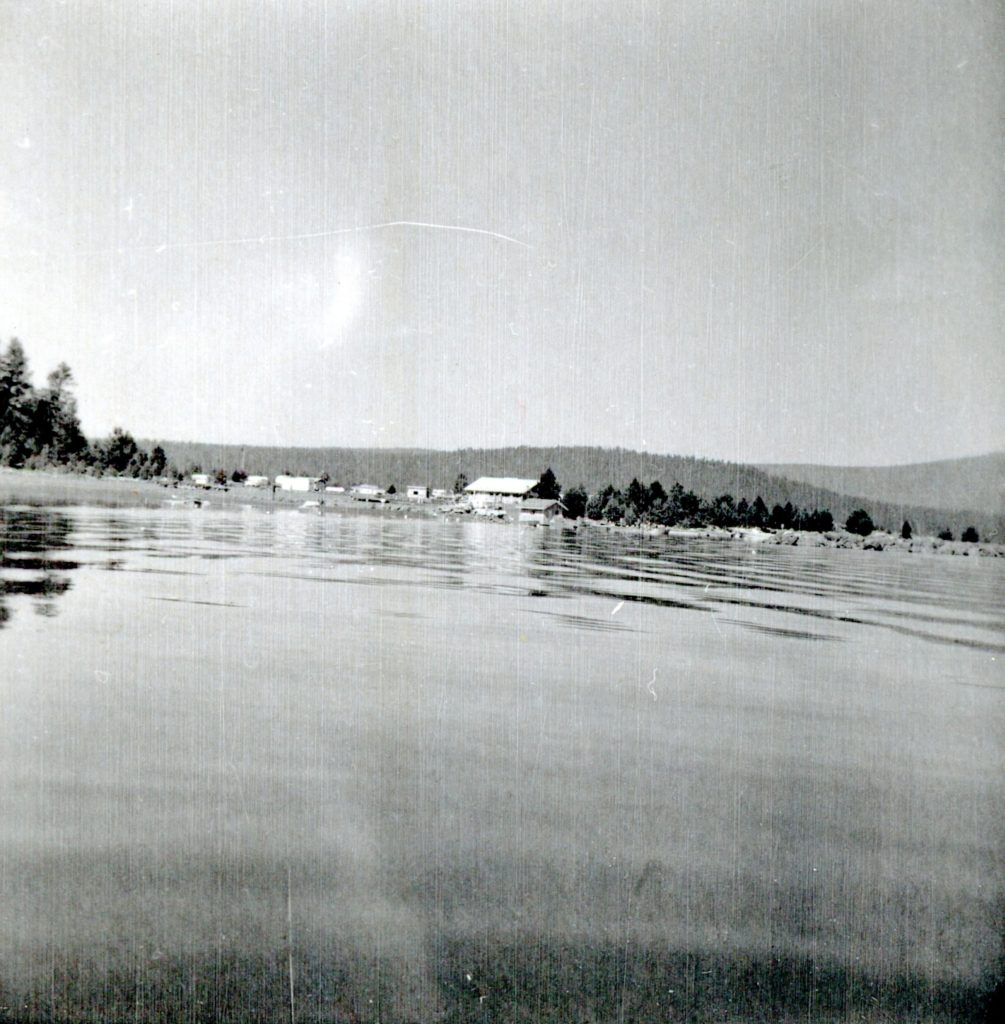
A view of the marina from the lake, circa 1963.

In the mid-1950s, the Lassen National Forest Service inconjunction with Lassen County officials began the planning process to make improvements at the south shore of Eagle Lake, since it still remained in its primitive state. One of the top priorities was the development of a marina near Gallatin Beach. The county leased the property from the forest service and in 1961 completed the marina. The following year, the county sub-leased the operation to Richard Gentry. In 1970, due to the rising level of the lake, the boat harbor was revamped. Upon completion it was named the William W. White boat harbor, for former Lassen County Planning Commissioner who was an ardent supporter of the project.

Subscribe

Admission Day

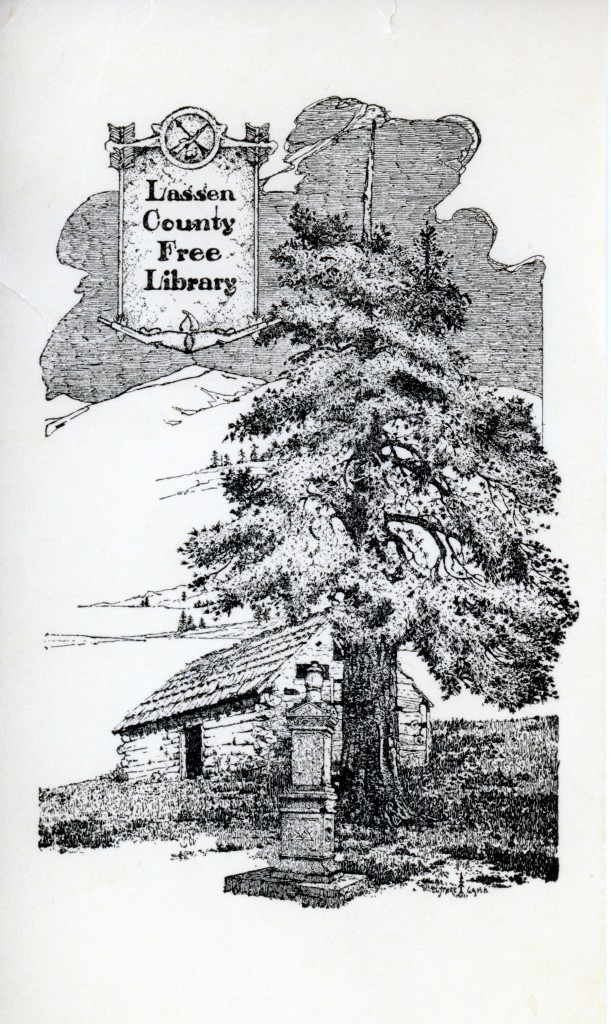
The Lassen County Library bookplate used several local iconic features representing the pioneer era.

On September 9, 1850, California was admitted to the Union as the 31st State.  Older residents will recall it was a state holiday and everything closed. By the late 1970s, was the beginning of a change. In Lassen County, for instance, employees traded the holiday for the day after Thanksgiving.  In 1984, Gov. Deukmejan eliminated the traditional observance, thus giving state employees a “personal holiday.”

Subscribe

A Damming Problem

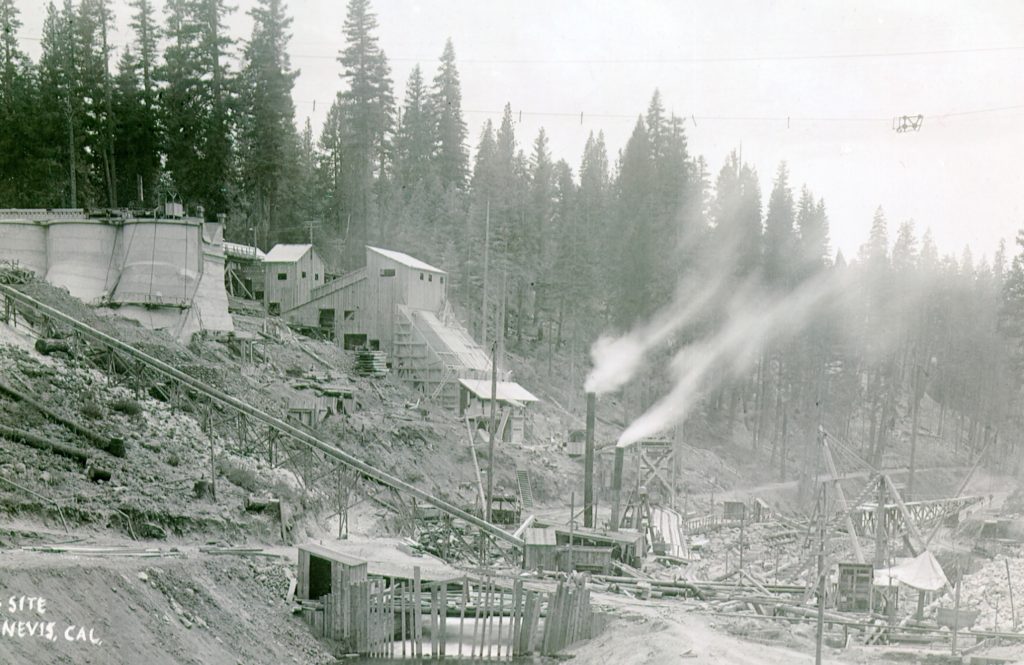
Nevis Dam under construction, that was later abandoned.

When the Great Western Power Company was ready to build a dam at Big Meadows, to flood it and create Lake Almanor,  they ran into a few problems.  The first site they chose, it turned out to be on property they did not own and was quickly abandoned.  In April 1912, construction began  on a multiple arch dam.  When the construction crew struck an impervious layer of clay that allowed for a subsurface seepage of water. It was decided later on down the road, that condition could affect the dam’s stability.  In April 1913, a new site was chosen,  and would be gravity fill instead of multiple arch.  In addition, it was decided to build seventy-two foot high dam. The reduction in height meant the new reservoir would only be half the capacity.  In 1925, the dam was rasied by forty-five feet. In 1962, the dam was raised a final time by sixteen feet.

Donate

Roop Street Remnants

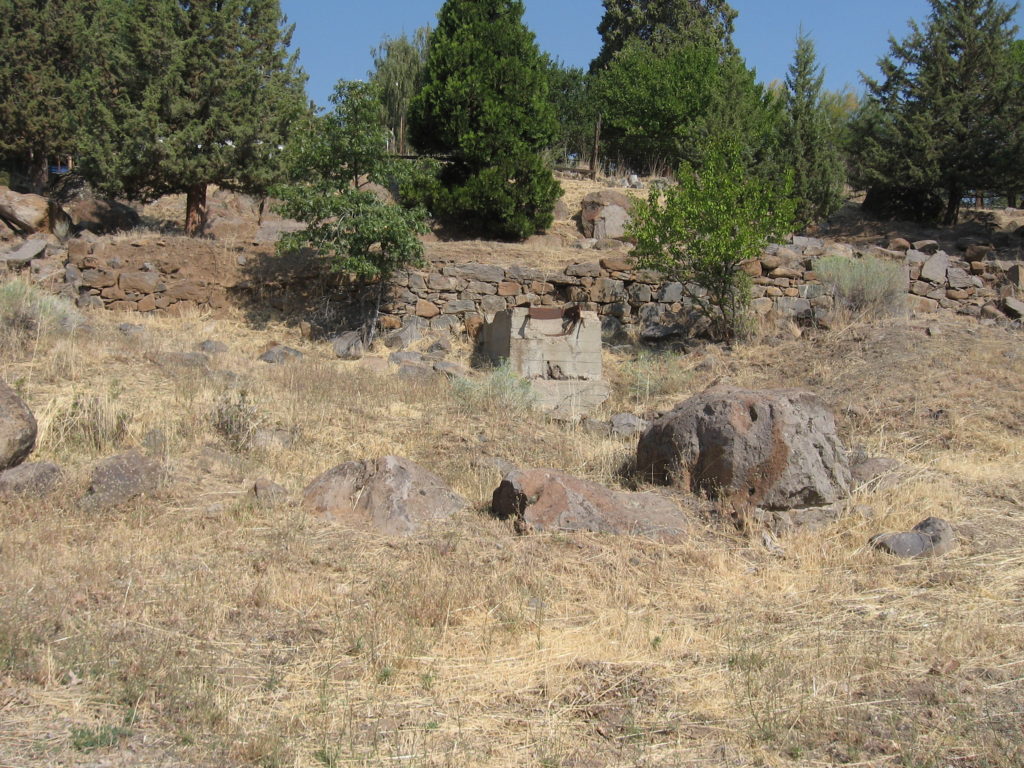
Roop Street Remains, September 3, 2018

On March 5, 1903, Jules Alexander, John Borrette, Isaac Knoch, Sol Nathan and John Spalding formed the Susanville Creamery Company.  By the end of the month, the newly formed company hired Herman Enhorning and Charles Odette to construct a creamery at the end of Roop Street, near Piute Creek for $1,925. By July the new creamery was in operation. There were problems. There were too many creameries in the area with others being located at Johnstonville, Spoonville and Standish. Equally important, there was not enough dairy cattle and labor to support all four. This would change in the 1920s with Bennett & Cardinal, but that is another story. Continue reading Roop Street Remnants

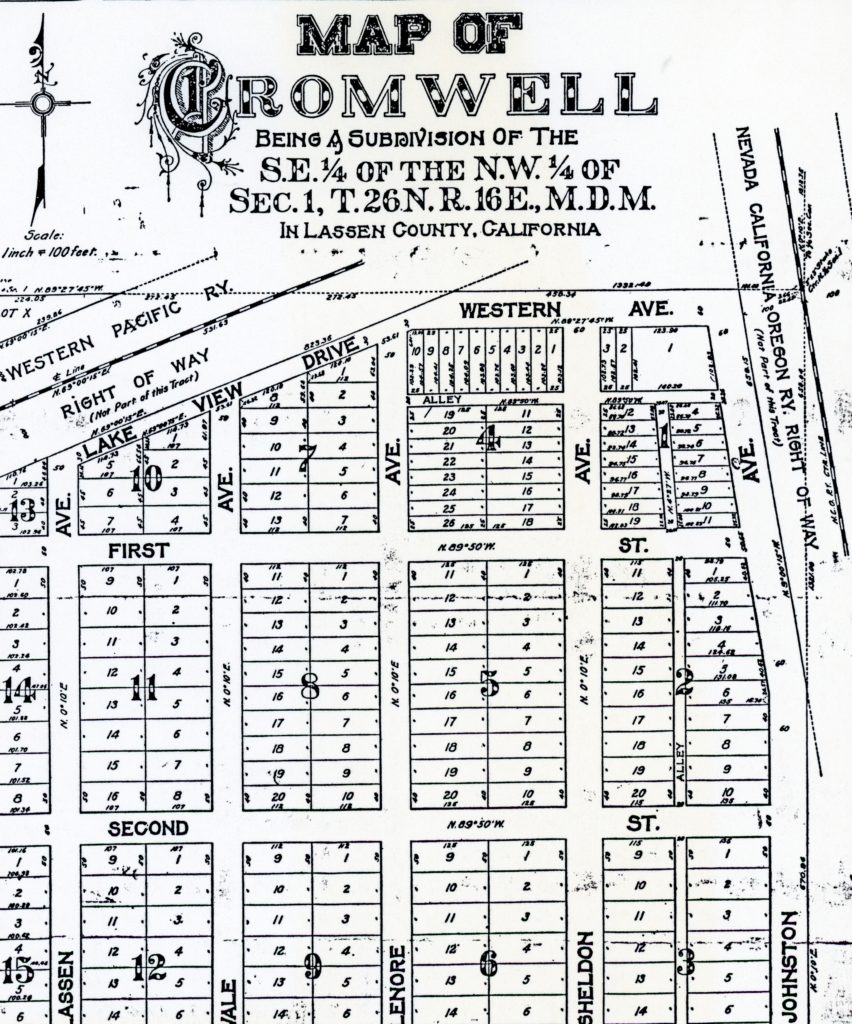
Cromwell, Lassen County

The Cromwell subdivision.

Nearly twenty years after the planned community of Honey Lake City had fallen, another real estate speculator arrived on the scene. In 1909, the place became the junction of the Nevada-California-Oregon (NCO) and Western Pacific (WP) railroads, and that enhanced the site. A location with access to two railroads had appeal for development.  But this place had one drawback—water, or more specifically, the lack of it. Continue reading Cromwell, Lassen County

Westwood’s Kangaroo Court

Kangaroo Court, 1938

One of the reasons the Red River Lumber Company located and created the town of Westwood, was due to its remoteness, thus creating a buffer from outside influences such as organized labor. By the 1930s, however, Red River had to deal with labor unions, and it was not by choice. There would be some very ugly labor disputes at Westwood. Continue reading Westwood’s Kangaroo Court