While there are the rumblings to attempt to split the state, there have been from time to time attempts to split counties. After all, Lassen County was originally part of Plumas and Shasta Counties. Take for instance, from that on occasions Big and Fall River Valleys wanted to succeed from their respective counties and form a new county. In 1889, Susanville’s Lassen Advocate was annoyed by the rumors about this particular split and noted that it would not occur as those places did not have a sufficient population to support a new county.
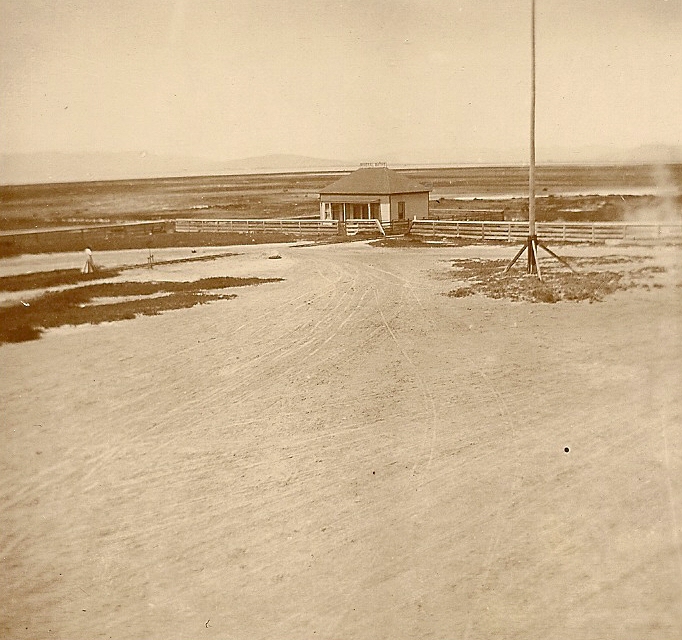
The springs were originally referred to as Lower Hot Springs. In the 1880s they were also known as Brubeck Springs, for the owner of the property, L.W. Brubeck. The name was changed to Amedee with the establishment of the town. A unique feature of the springs was a geyser. In 1854, Lt. E.G. Beckwith, during his exploration of a transcontinental railroad route visited the hot springs and noted that the geyser consisted of a column of water twenty inches in diameter. The geyser was quite an attraction when the town was established. Amos Lane, bartender and inventor, devised a clock to measure spurts of the geyser that rose and fell at intervals of 38 seconds. At times the geyser would shoot as high as eight feet. The geyser ceased to exist in May 1893, as the ground around the springs cracked and allowed the steam to escape.
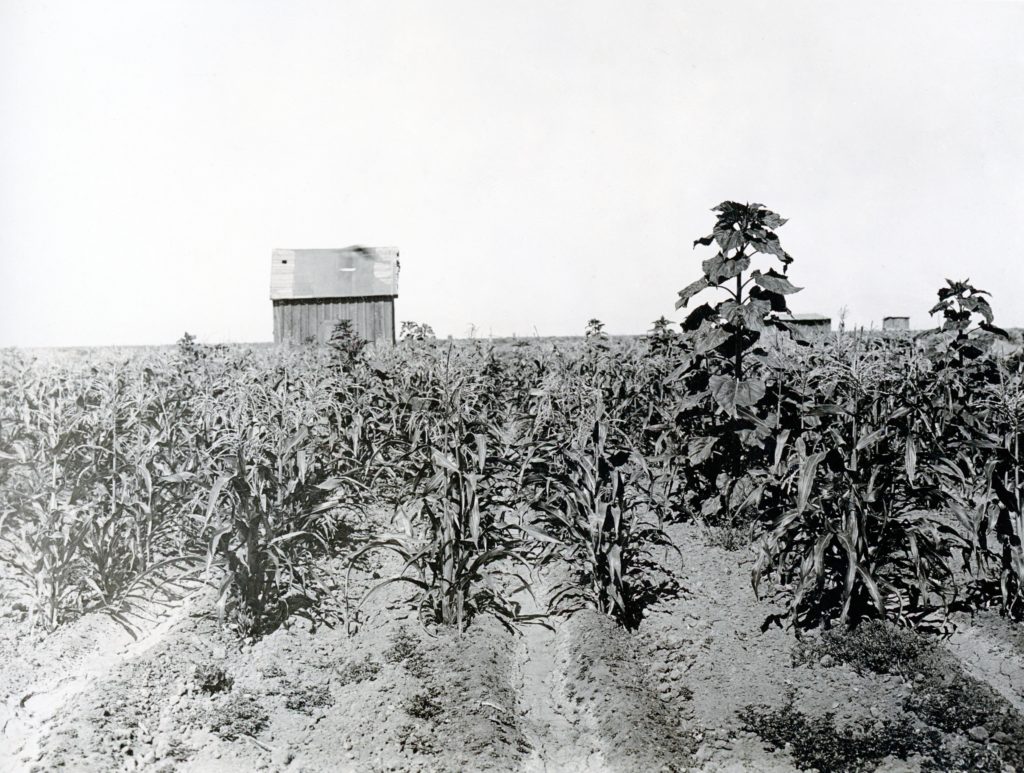
In the early 1900s what some historians refer to as the Golden Age of Agricultural, the Dry Farming experience had taken hold. Dry farming is a method of growing crops without the benefit of or very limited irrigation. For some homesteaders they initialy turned to this system, while waiting for a variety of irrigation projects in Lassen County to be completed. By coincidence, everything went fairly well since between 1900 to 1916 was an extremely wet weather cycle. Then beginning in 1917 witnessed the beginning of a twenty year drought, and many a homesteader abandoned their property.
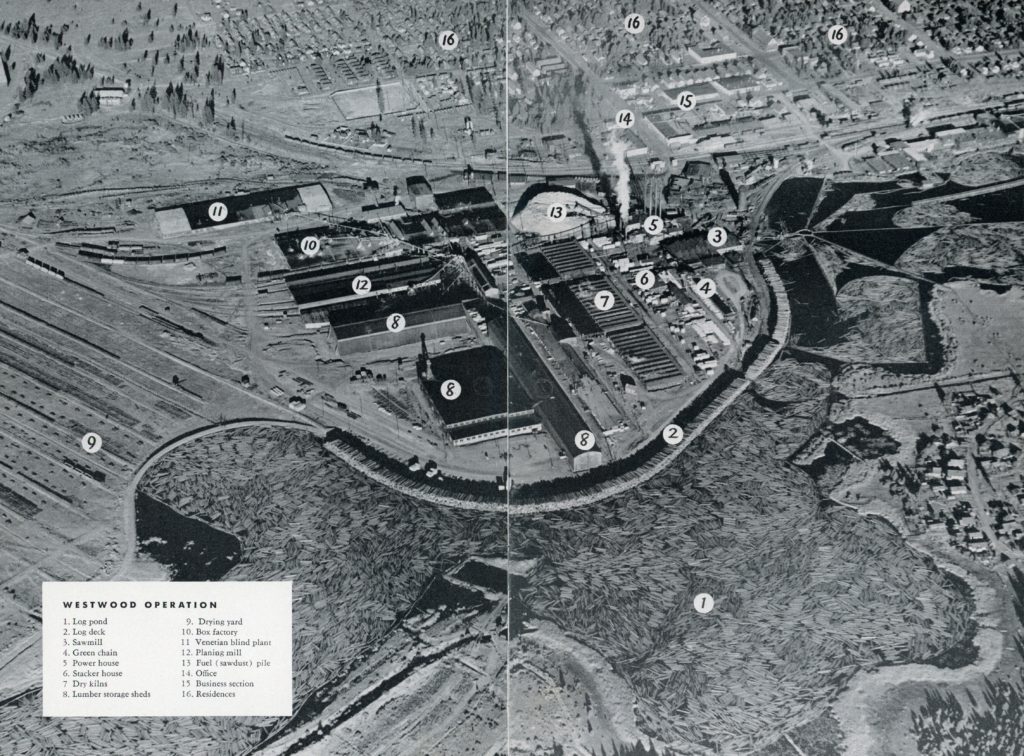
Yesterday, I briefly mentioned how Red River Lumber Company sold a mill site at Chester to the Collins Pine Company. What I did not include, was the Red River offered its plant at Westwood to Collins, which the latter declined. Red River was so desparate to unload its Westwood plant, but no one wanted it for various reasons. The plant itself, as one can see from the above illustration, just how large a facility it was. It did not help either that many of its facilities were showing their age. Then, of course, there was one other huge factor was the lack of timber tributary to Westwood.
In the early 1900s, the founders of Collins Pine Company amassed some 60,000 acres of timberland in the greater Lake Almanor Basin. It was not until the late 1930s, that they gave consideration to establish a mill there. In the fall of 1940, after much negotiations the Red River Lumber Company offered a mill site adjacent to Chester, along with thirteen miles of its main line railroad from Chester to Clear Creek Junction where it connected with the Western Pacific Railroad, which Red River estimated its value at $80,000.
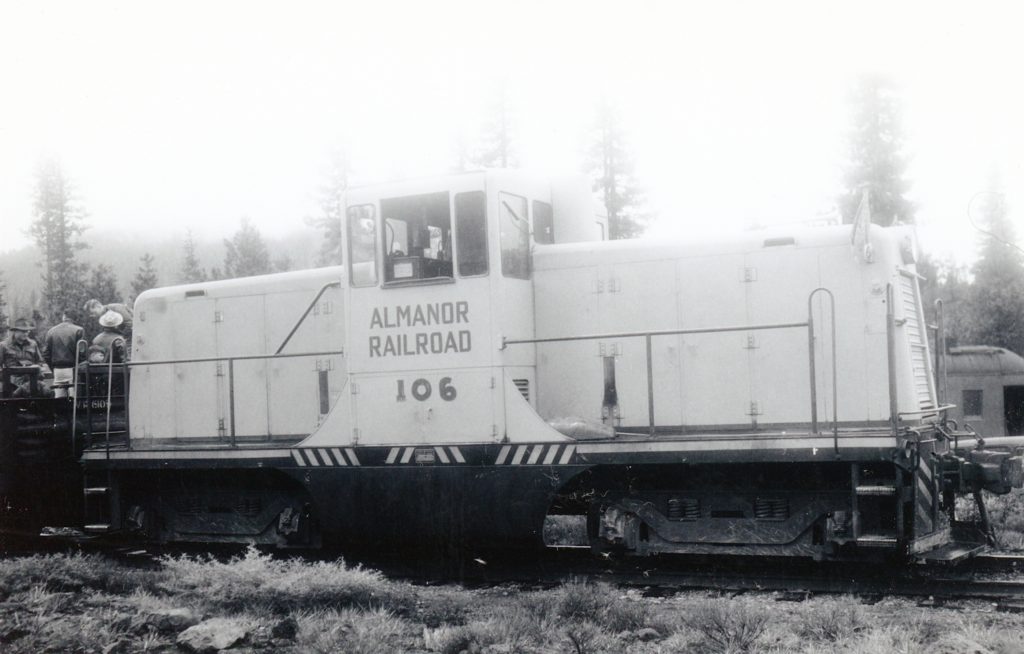
Thus, the Almanor Railroad was born. Collins Pine changed it from a private line to a common carrier, should anyone in Chester desire to use it. Collins Pine had a lot of work to upgrade the railroad line. It also needed motive power, as it decided not to purchase any of Red River’s locomotives. At its Grande Ronde operation, it had discontinued its railroad logging in favor of truck logging. There it had at its disposal a Heisler geared steam locomotive, the 104, and it was put into operation on the Almanor. Initially it worked ideally to handle the railroad’s sharp turns and steep grades. It was later replaced with a small diesel locomotive.
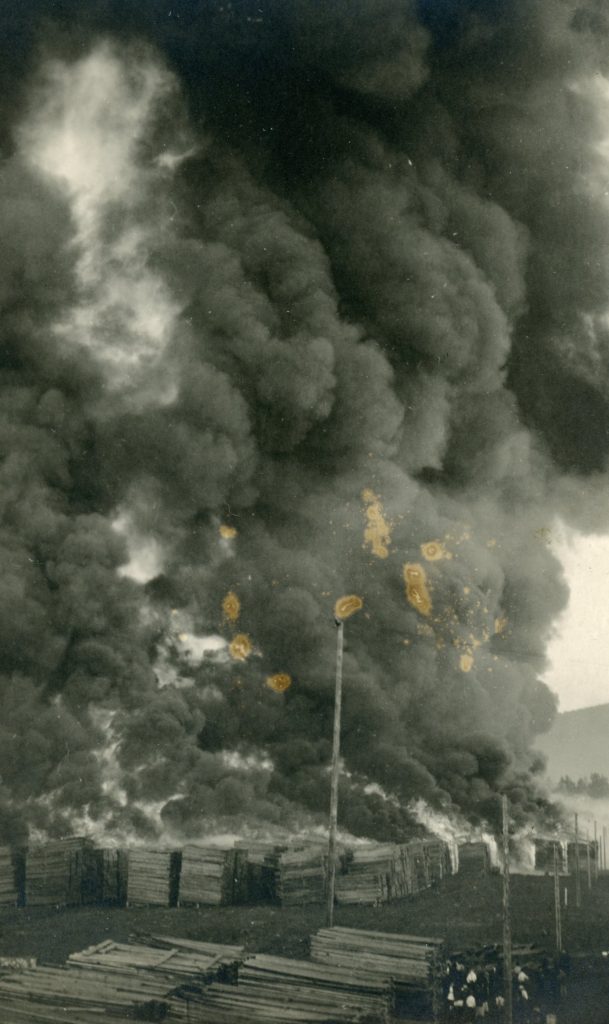
September 17, 1917. Courtesy of Walter “Doug” Luff
On September 17, 1917 at approximately three in the morning, a fire of unknown origin erupted in the middle of the south lumberyard. It was not until noon, with 2,000 men battling the fire, that it was contained. Fortunately, it was one of those typical fall days with no wind otherwise the entire plant would have been in jeopardy. The final result was that 60 million board feet of lumber was destroyed. If there was one bright spot, it was that the lumber that was destroyed was deemed of such low grade as to be only suitable for the box factory. However, it was still a considerable loss to Red River, as the value set at two million dollars. Insurance adjusters, however, placed the loss at $800,000. It was determined the fire was of suspicious origin, no doubt started by an arsonist. While an investigation did not provide any real clues as to the individuals responsible, phosphorous bombs were found on the property.
Fredonyer’s Claim to what would become Susanville.
On April 26, 1856, twenty settlers in the Honey Lake Valley gathered at Roops cabin and held a “mass convention” to establish a territory of their own. After all, the group concurred, they were not residents of California and they did not want to be under Mormon domination of the Utah Territory whose boundaries extended to the eastern boundary of California. They named their new government Nataqua Territory. Nataqua, or Natauga as it is sometimes spelt, purportedly, was a Paiute word for woman. Their land grab was grand to say they least. They carved out a territory, 240 miles long and 155 miles wide, almost two-thirds the size of the State of Nevada. Ironically, the legal description of their new sovereign state, excluded themselves. Roop’s home, for instance, was located 35 miles west, outside the their western boundary. The Nataqua Territory, in essence, served as a form of local government to provide an avenue to protect their rights and to handle local land affairs. The territory served as a foundation until a more formal government was established. In 1857, the Nataqua Territory was abandoned when an attempt was made to form the Territory of Sierra Nevada.
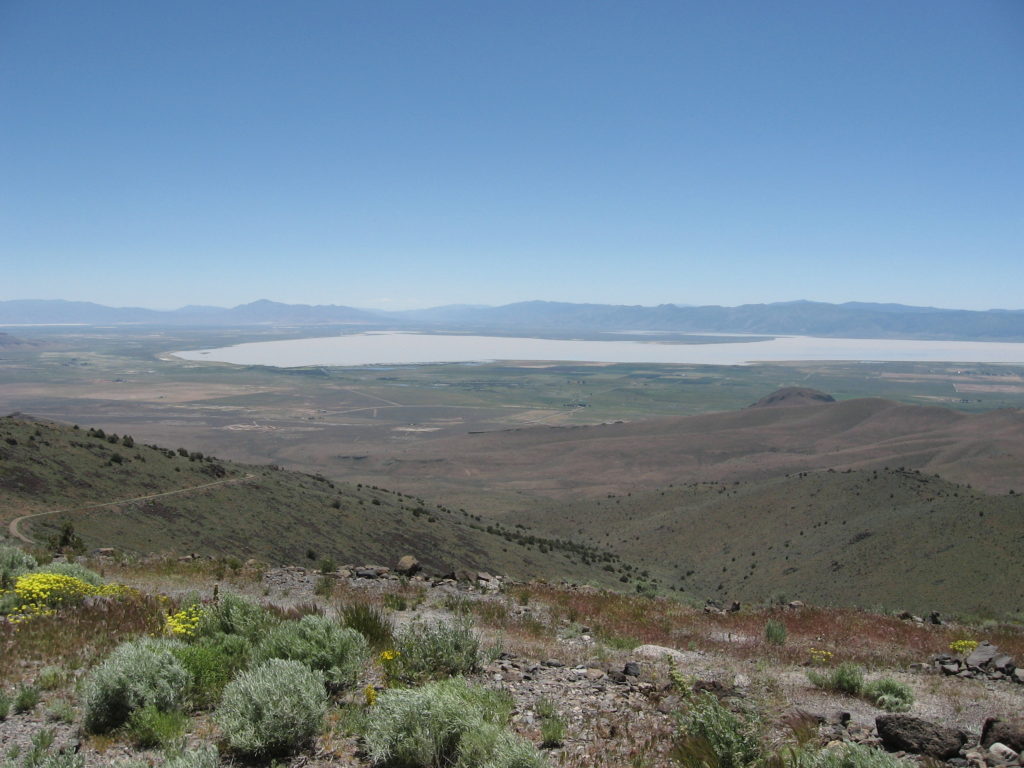
A view of Honey Lake and the “Island.” June 13, 2018
Actually, it is somewhat of a misnomer, as it is actually more like a peninsula. What I am referring to is a large area that encompasses approximately 13,000 acres that is surrounded on three sides by Honey Lake. Between 1905 through 1919, there were numerous homesteads there. In 1911, the Honey Lake Irrigation Company constructed a water pumping plant and several miles of irrigation ditches on the east side of the Island to reclaim the sagebrush lands using water from Honey Lake. The project failed for several reasons. There was a federal court injunction that prohibited the Company from using governmenrt lands as right-of-ways to convey the water. This was a matter that first had to be resolved at the State level. California law had never addressed this issue—how water from a lake with no outlet could be appropriated for irrigation. It took the State two years to render a decision. By the time the legal issues had been settled, interest in the project had waned. Additionally, in 1917, Honey Lake went completely dry.
Can you believe it, here we are in the middle of September. Personally, I think this is the best time of the year around these parts. One of the places I like to visit is Lassen Volcanic National Park, as it becomes the “shoulder season.” Unfortunately, one of the many attractions Bumpass Hell is off limits this year, while the boardwalk undergoes major renovation. However, the Supan Sulfur Works is worth checking out. In 1865, Dr. Mathias Supan of Red Bluff filed a mineral right claim to the property. Dr. Supan would slowly expand his enterprise there, first with steam bath houses and later with a line of his own patent medicines. The tale of the family’s involvement is an intriguing one. When Lassen Volcanic National Park was created in 1916, the Supan property was an “inholding one.” Actually, Drakesbad, Juniper Lake, plus others were privately owned properties located inside the park and for park service to acquire them was a slow and tedious process. It was not until 1952 when the park finally purchased the Supan property.
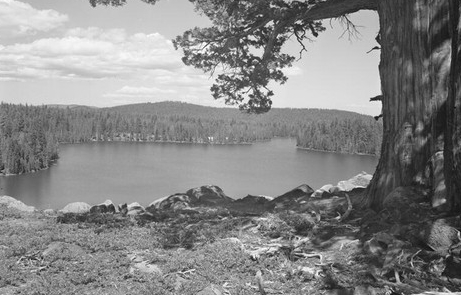
Silver Lake as many might know is the headwaters of the Susan River. In the 1920s, the forest service offered cabin sites on a long term lease basis.
On May 28, 1938, Lurah May Stubblefield was granted to operate a seasonal post office there, that she christened Lake Nokopen. Stubblefield was the only postmaster and the post office closed on June 29, 1940. The name Lake Nokopen may have been attributed to the Boy Scouts organization, that held summer camp there during the late 1920s and 1930s.