Category Archives: History

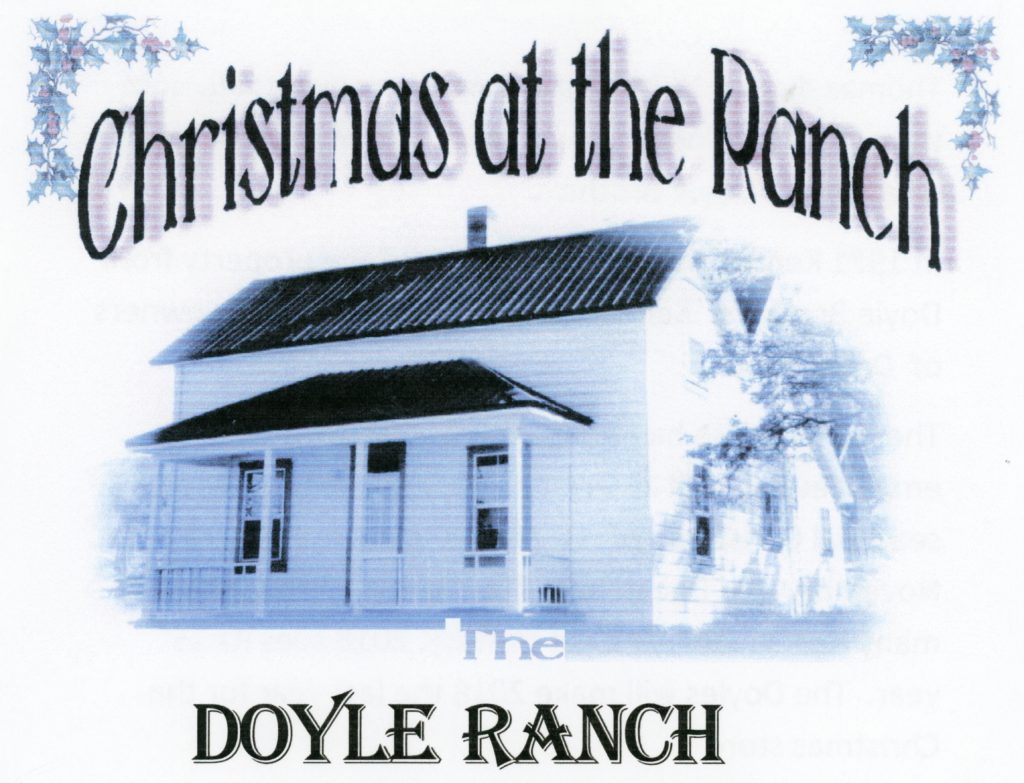
Christmas at the Ranch

This is a bit promotional, with some history to go along with it. Beginning Friday, November 9 through Sunday until December 15, 2018 stop by the seasonal gift shop at Doyle Ranch located at 451-895 Highway 395 in Milford.

The Doyle Ranch is one of the oldest family ranches in the region. It was established in 1860 when James and Mary Doyle located there. It should be duly noted there is no relation to John Doyle who settled at Long Valley in 1859 and for whom the town of Doyle is named. The Doyle’s had six children—four boys and two girls. In 1904, the patriarch,  James retired and moved into Milford proper. His two sons, Thomas and William stayed on the ranch, but divided the property into two separate ranches. In the line of succession, in 1973, Ken and Irene Doyle purchased the home ranch, who continue on.

So here is the perfect opportunity to do some holiday shopping and look at some local history at the same time.

Subscribe

This day in history

Susanville’s Knoch Building.

As the  old saying goes on family businesses, the first generation makes it, the second generation uses it and the third loses it. Of course, there are exceptions, such as the fourth generation wants to do something entirely different. Such was the case with the Knoch family. David Knoch’s two great-grandchildren, Janis and J.D. Worley had no intentions to remain in Susanville. So on November 6, 1956, their mother, Jeanette Worley sold the Knoch Building that had been in her family for three generations to  Tony and Hersoule Legatos for $69,500.

Subscribe

Winter Weather Prophets

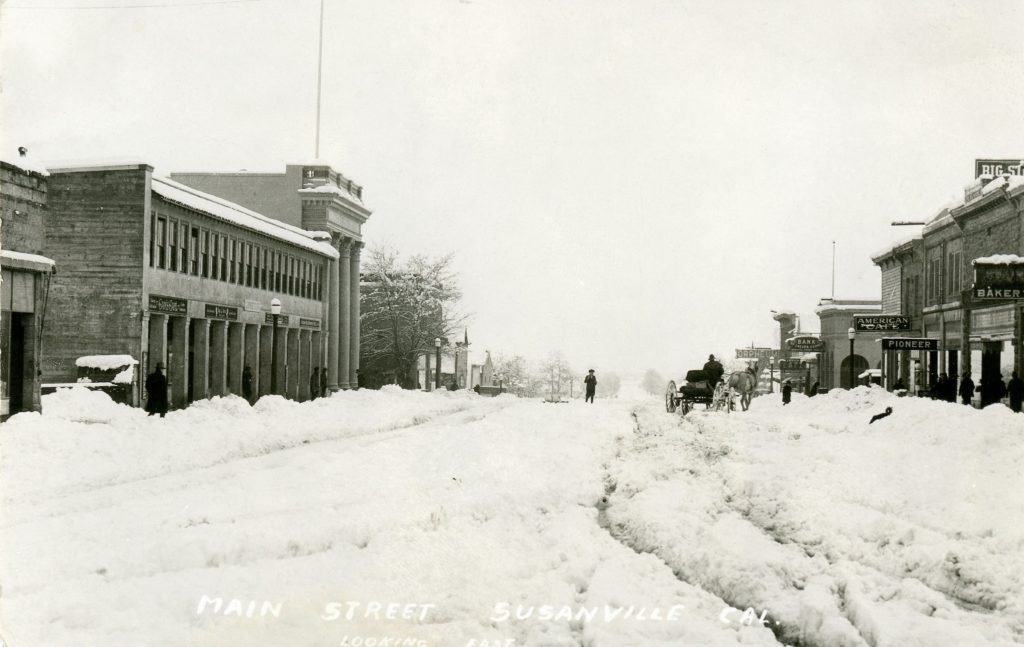
Main Street, Susanville, 1922.

In 1904, one weather observerer noted that the acorn crop was very light and predicted a mild weather.  It turns out it was.

In the fall of 1909, it was reported, “The weather prophets say if a thin coating of snow on the summit of Diamond Mountain last any considerable time without melting, we may expect a light snowfall this winter. Some of the wiset weather prophets have been watching this indicator for thirty years or more, and ought to know.” The result—it turn out to be a dry cold winter, most of January was fogged in.

Whatever the case may be, I have a new set of snow shoes that I am anxious to try.

Subscribe

Lassen County Soap


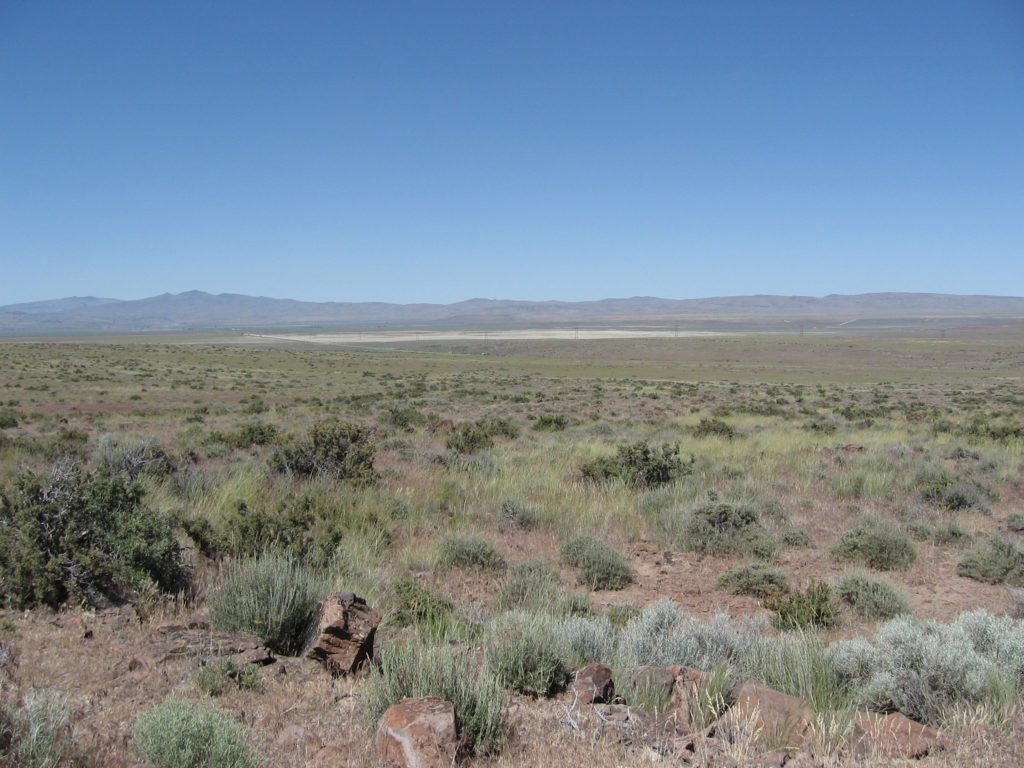
A view of Mud Flat from Shaffer Mountain

Those old time Honey Lakers were a resourceful lot. They took the meaning of “no stone over turned” to a new level. A sterling example was in 1907 when B.F. Gibson and W.A. McNaughton of the Honey Lake Valley announced a stunning discovery at Mud Flat, just to the north. What they found was a diatomaceous earth deposit—a form of silica of ancient fish bones, no doubt residue of Lake Lahontan.  They thought it could be used to make soap, after all, it had a historical use for toothpaste and facial scrubs. The two men began negotiations with the NCO Railroad to build a spur line to the deposit, where in it could be shipped to Reno for processing.  Alas, like so many enterprises, it started with a bang and ended with a bust.

Subscribe

Remembering Dawson Arnold

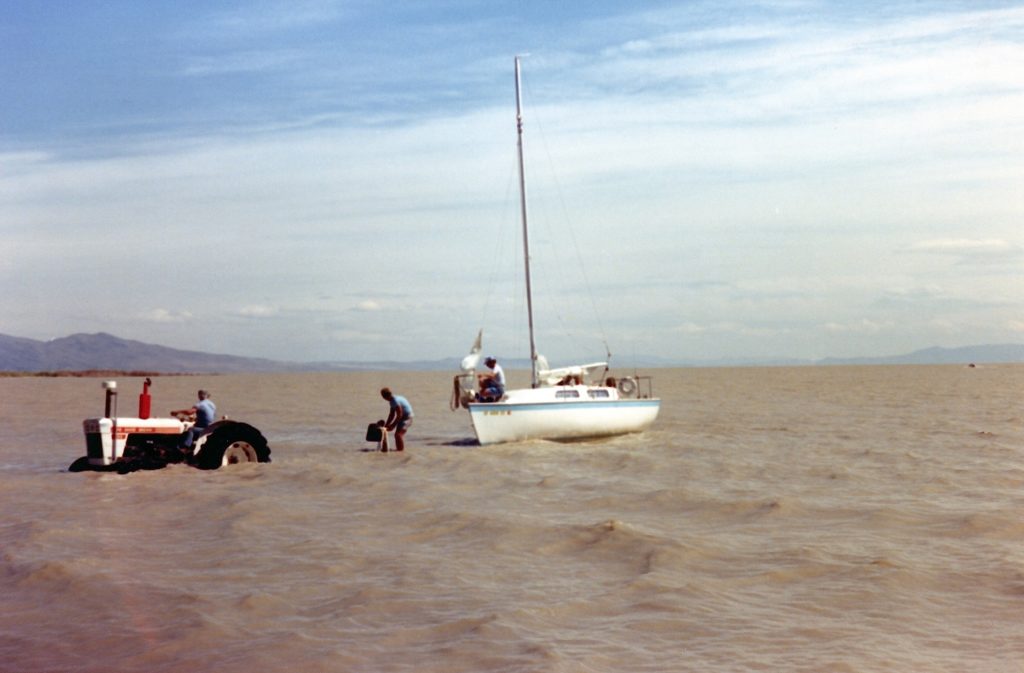
Launching Dawson’s boat on Honey Lake.

On October 27, 2018, I attended the memorial service for Stanley Dawson Arnold, something a bit out of character for me. Dawson was born at the Riverside Hospital in Susanville—however with the City of Susanville’s current linear thinking, this institution could not have existed. More about this later—a tale that Dawson would relish. Continue reading Remembering Dawson Arnold

The Sagebrush Darrow

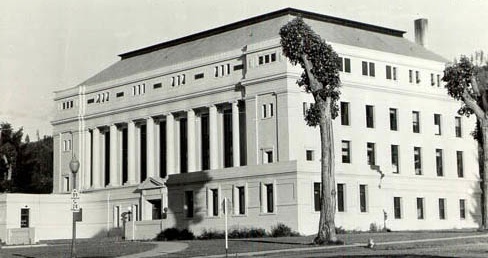
Plumas County Courthouse

Hardin “Finn” Barry was a well known Susanville attorney who had a practice there from 1921 until his passing in 1969. In 1935, Finn represented Mrs. Emma Elam, a Maidu, in Plumas County, who was charged with murdering her husband with an ax. According to news reports, Barry won an acquittal for Mrs. Elam and at the end of the trial served an order on the sheriff demanding the return of the  woman’s ax. In addition, Barry stipulated that the ax be sharpened because it had dulled while being held for evidence. The demand was so unusual that it made national news.

Donate

Westwood’s First Railroad Shipments

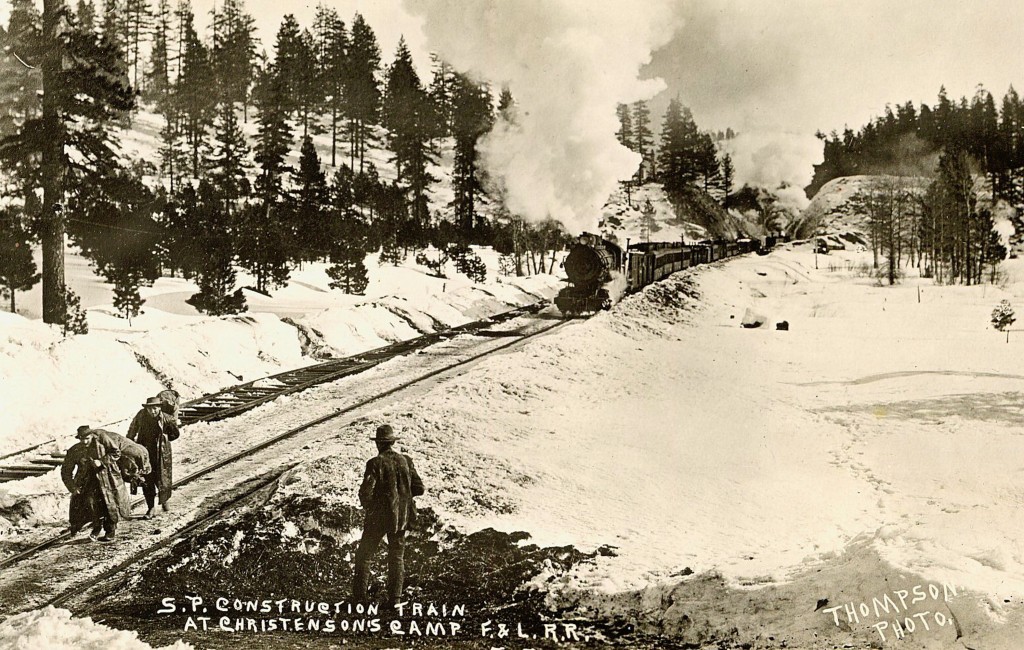
Construction train in the Susan River Canyon.

In February 1914, the Fernley & Lassen Railroad reached Westwood. This was welcomed news, since the newly founded community was cut-off from the rest of the world. The first rail shipment to Westwood was a carload of hay. Some today, may find that peculiar. However, the town heavily relied upon horses for most everything. While there were a handful automobiles there, with the heavy snows that winter, they were totally useless.  On the other hand, for the railroad’s return trip, 12 million board feet of high grade lumber awaited it. After all, that was the main purpose for the railroad to be constructed in the first place.

Subscribe

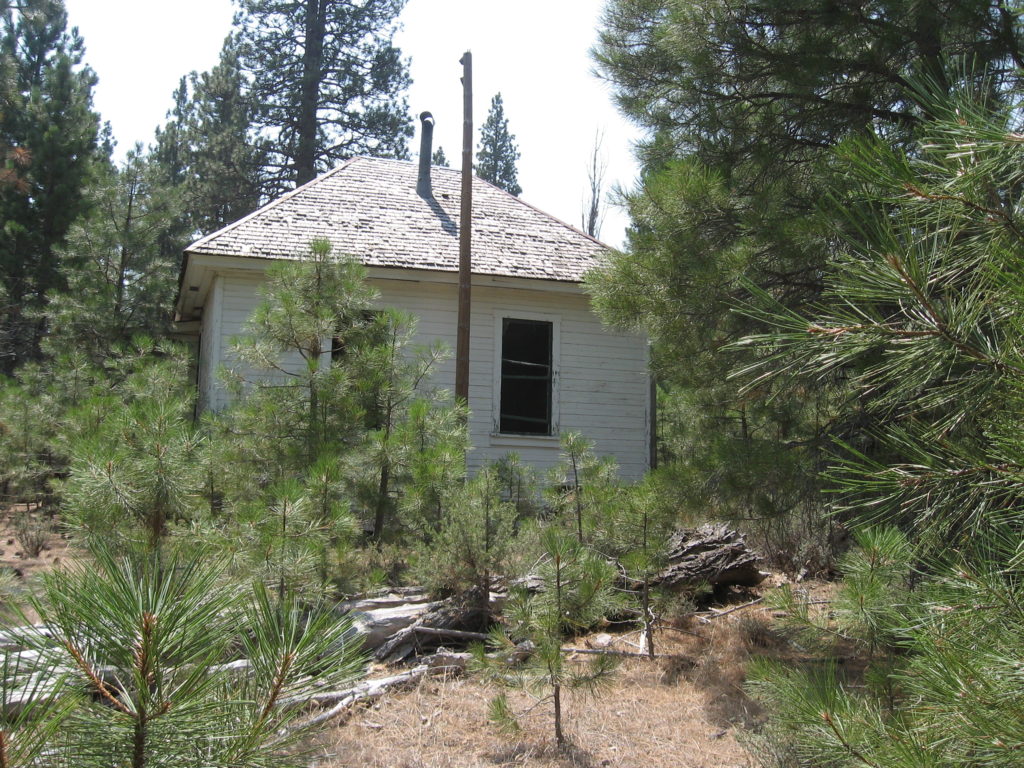
Where are we – the answer

August 9, 2018

Built circa 1910, as the residence of Charles Hurlbut, whose family operated a nearby sawmill. In 1938, the California Division of Foresty purchased a two-acre parcel of the Hurlbut ranch in the timber just west of Willow Creek Valley. They established a fire station there and operated until the early 1960s. In 1971, the State donated the parcel to Lassen Community College.

Subscribe

Taylor Grazing Act

Huffords
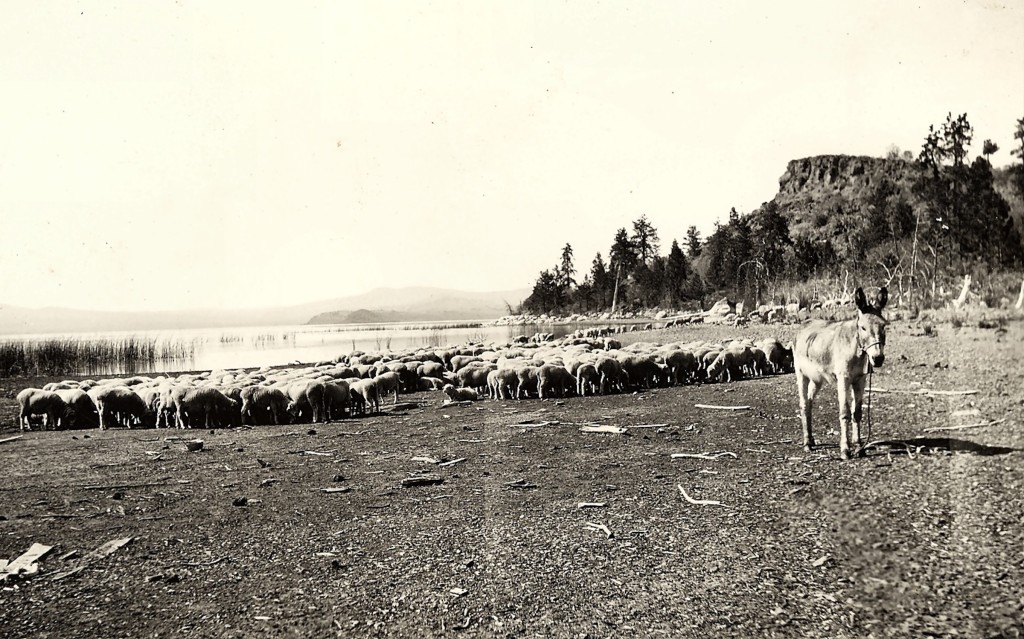
Hufford’s Sheep Camp, Eagle Lake, 1921.

Back in August I wrote about the Laxalt family and that Dominique was a tramp/itinerant sheepman. In 1934, the Taylor Grazing Act eliminated that practice.  The Act changed grazing practices on federal lands wherein no policy was in place. This basically pertained the sagebrush lands of the intermountain west. It should be noted that federal lands administered by the national forest service had implemented their own grazing policy. In 1946, the Government Land Office and the Taylor Grazing Service were merged to form the Bureau of Land Management.

Subscribe