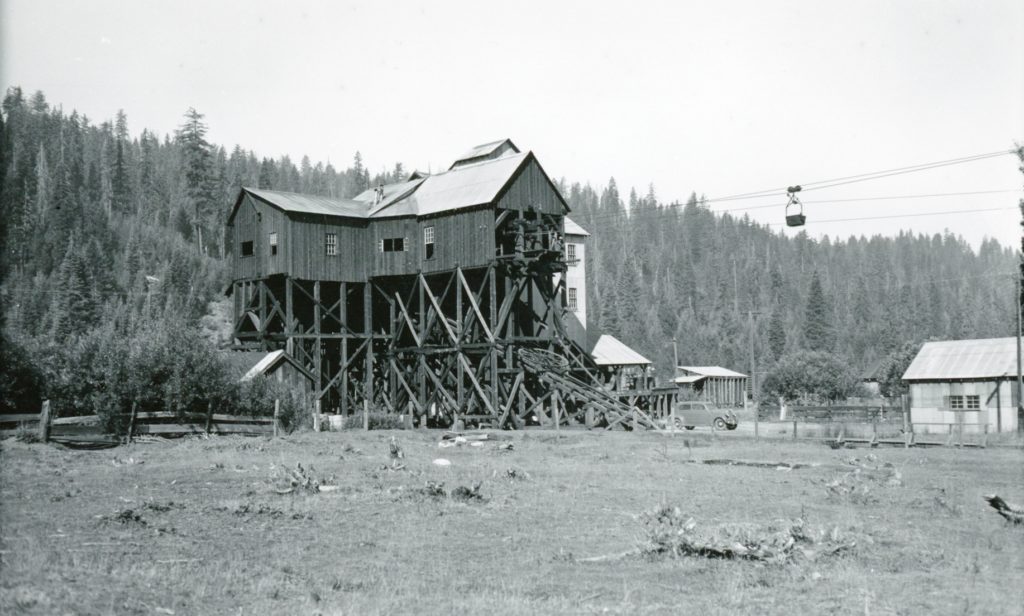
Train load of logs leaving Camp B, 1923–Courtesy of Dick & Helen Harrison
Yesterday’s topic was big timber before the arrival of the big mills. Well, that big timber became big logs. Camp B of the Fruit Growers Supply Company was located just north of McCoy Flat Reservoir. It was their second railroad logging and one of its largest. The camp operated from 1922 to 1925. Similar to Camp Harvey there are still remnants such as the concrete foundation of the commissary and service pits used to work on the locomotives.
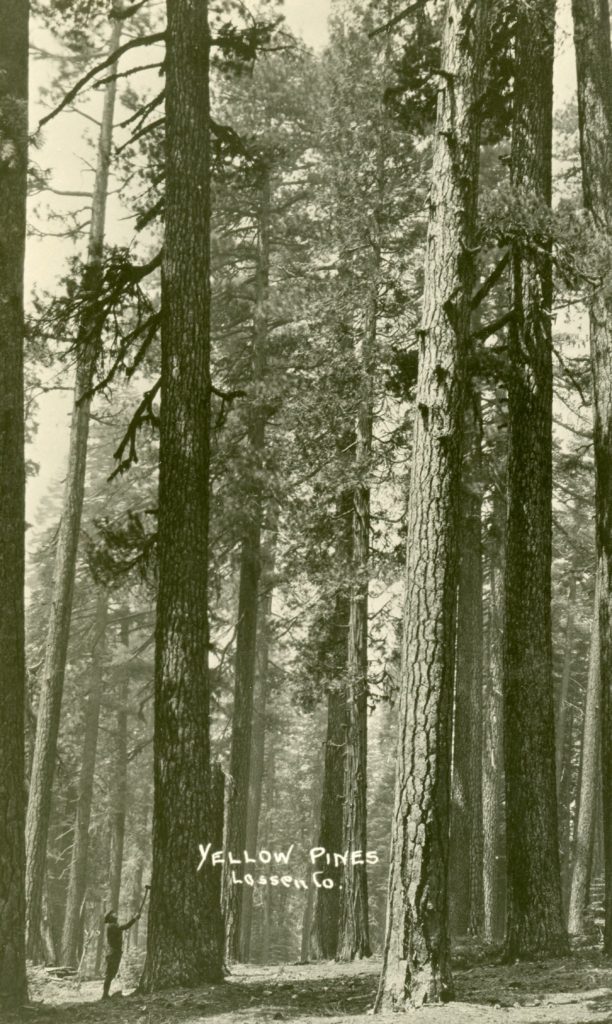
Western Lassen County, circa 1915 prior to major logging by the Red River Lumber Company
The forested regions of northern Plumas County and western Lassen County remained in an almost virgin state until the early 1900s. Most of the logging done was for local consumption.
In 1849, an emigrant on the Lassen Trail noted that the forest could not be ignored and wrote, “The pine trees are 10 feet in diameter, and 200 feet high, are common sizes—and they are generally as straight as an arrow. Here the traveler may journey day after day, over needle-carpeted or grassy ground, mostly free of underbrush, amidst great clean shafts of really massive proportions, but giving a sense of lightness by reason of their color, symmetry and great height.”
The following is some promotional 1923 literature courtesy of the Lassen County Chamber of Commerce: Westwood is the big lumber town of the Red River Lumber Company and probably the most unique town in the United States. It is a modern town in every respect and entirely managed by the company. The company owns all the houses and operates all the business enterprises at a small margin of profit. But this system enables the company to furnish its employees with good houses, heat, light, food, education facilities and entertainment at low cost and keeps them satisfied.
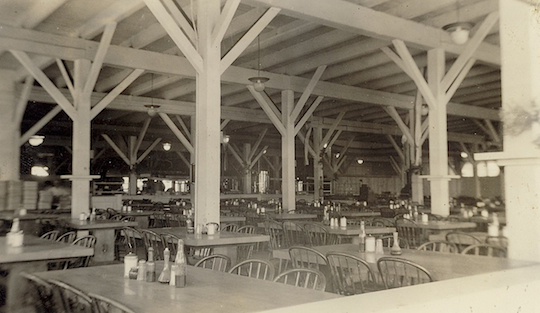
The town is located in the midst of the timber area on a level plateau. It is laid out in wide streets lined with pretty homes with here and there a tall pine as a symbol of the industry which supports the town. The big company department store is the largest in Northern California and there is a cafeteria that feeds over a thousand men an hour, and a great club house where the men can spend their leisure hours.
The schools of Westwood are modern and maintain a high scholarship. There is a union church where all sects can worship, and a Catholic church; and there are libraries, clubs and fraternities. In no aspect is Westwood a lumber camp—it is a city built around one industry and it is a permanent city.
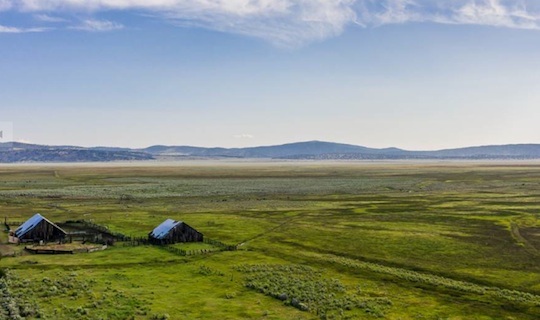
The Heath Ranch in Grasshopper Valley, north of Eagle Lake is on the market for $10.9 million dollars. Included in the deal is some 16,000 acres, two reservoirs—Cleghorn and Heath—two historic barns and corrals. If you want to live there, you are going to need some additional funds, since there is no house on the property.
Walker Mine was located in almost the geographical center of Plumas County, part of the regions copper mining belt. There is no connection with the Walkers of the Red River Lumber Company and the mine. In 1909, J.R. Walker, G.L. Bemis and A.H. Bemis filed on the mine site, but did not start development until 1911. It would eventually become a thriving community with over 500 men on the payroll. The good times did not last that long, and in 1942 the mine shut down. Today, not much remains there.
Big Jacks Lake presents a challenge as to how to describe where it is located. It is about six miles south of Dixie Valley, yet a lot of people are not aware of Dixie Valley is located. Big Jacks Lake is about eighteen miles northwest of Spalding Tract as the crow flies.
The size of the lake varies. In dry years it covers approximately twenty acres. In wet years it can swell up to over 300 acres. It was named prior to 1929 after Big Valley rancher, Hiram Courtney Jack (1878-1957). It should be noted that to the west is a Jack Lake and a Little Jack Lake.
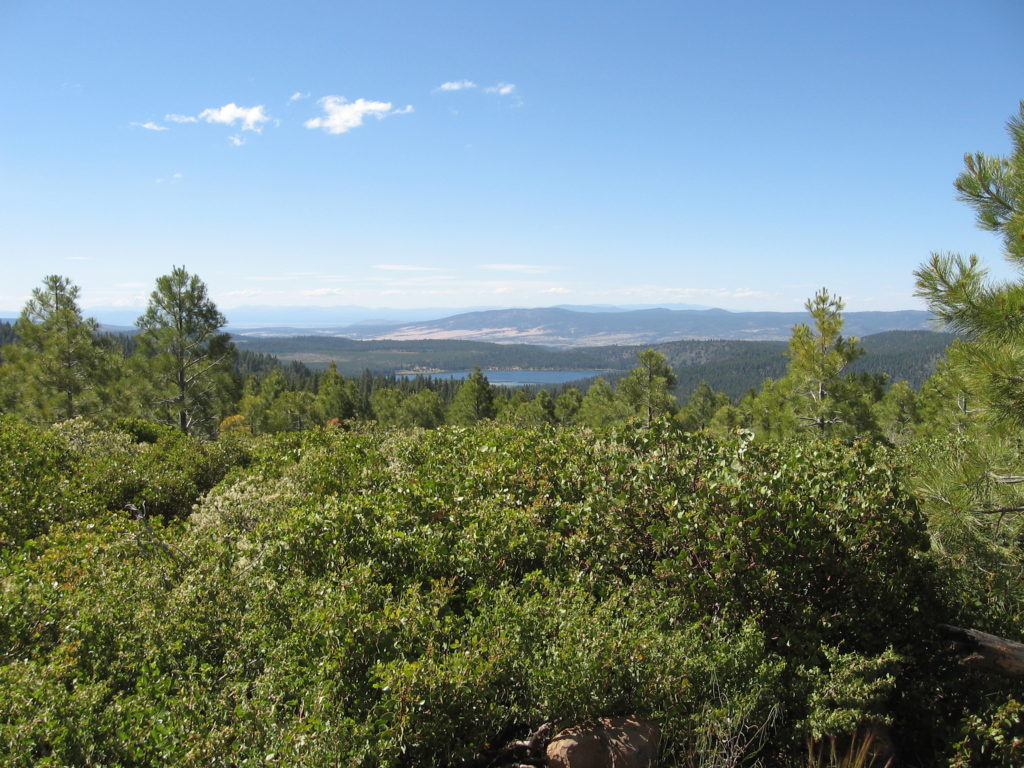
Congratulations to Dave Zoller who correctly identified the lake.
Sunflower demonstration on the A.F. Babcock Ranch, Bieber, 1923
In 1923, the Agricultural Extension office and Big Valley rancher, A.F. Babcock conducted an experiment for growing Russian sunflowers for silage. A thirty-acre plot was planted. It was the hope that the silage could be used for feeding dairy and beef cattle in Big Valley.
Test proved conclusively that it was a success. Twenty-eight tons were raised. The biggest challenge is getting the corn planted after the last chance of frost.
Awhile back I wrote about Lassen College’s first student newspaper the Jaysee. It turns out a few years earlier that the college had a publication called the Lassen Jay-See. On December 17, 2000 Francis “Fritz” Riddell sent me a copy for the archives. It was Vol. 1 No. 2 dated March 1938. It contained twenty-six pages of short stories by the students and fourteen pages of local advertisers to support the endeavor.
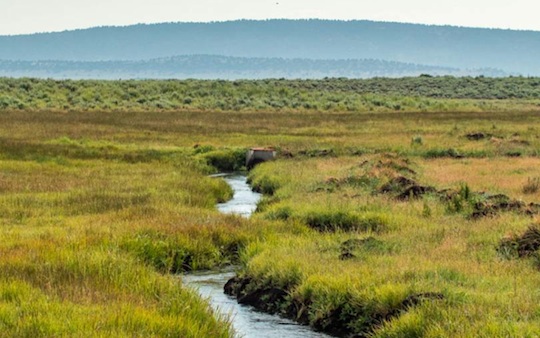
What is the name of the lake in the background. This does fall under the category of one of less travelled places in Lassen County. Even the most astute out doors person may find it a bit challenge. As a reward, I offer a complimentary copy of the 2020 Purdy’s Private Reserve Calendar due out in November.
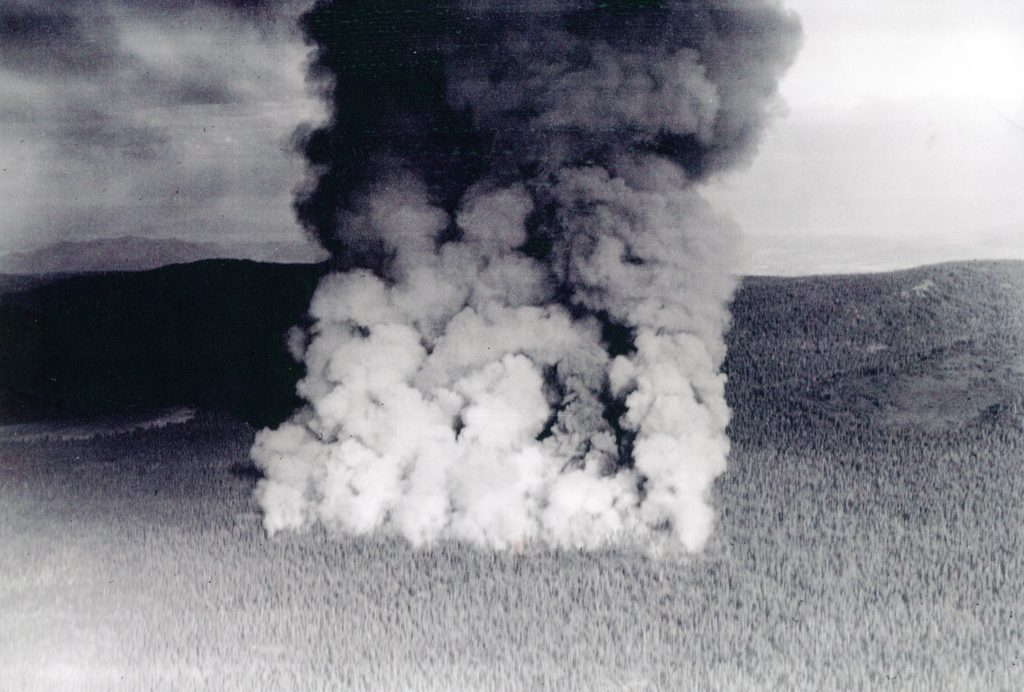
It was on Labor Day 1955 (Sept. 5) when a fire broke out near Merrill Flat, south of Eagle Lake. The cause, a lightning storm hit the area. Conditions were extremely dry, the worst since 1924. The fire spread rapidly towards Eagle Lake and it even reached the shoreline and destroyed a cabin and barn at the Eagle Lake Resort. Over 800 men were recruited to fight the fire. Just as Mother Nature was responsible for the fire, it helped extinguished it with a light rain fall on September 8. In all, 19,000 acres was consumed by the fire.