Category Archives: History

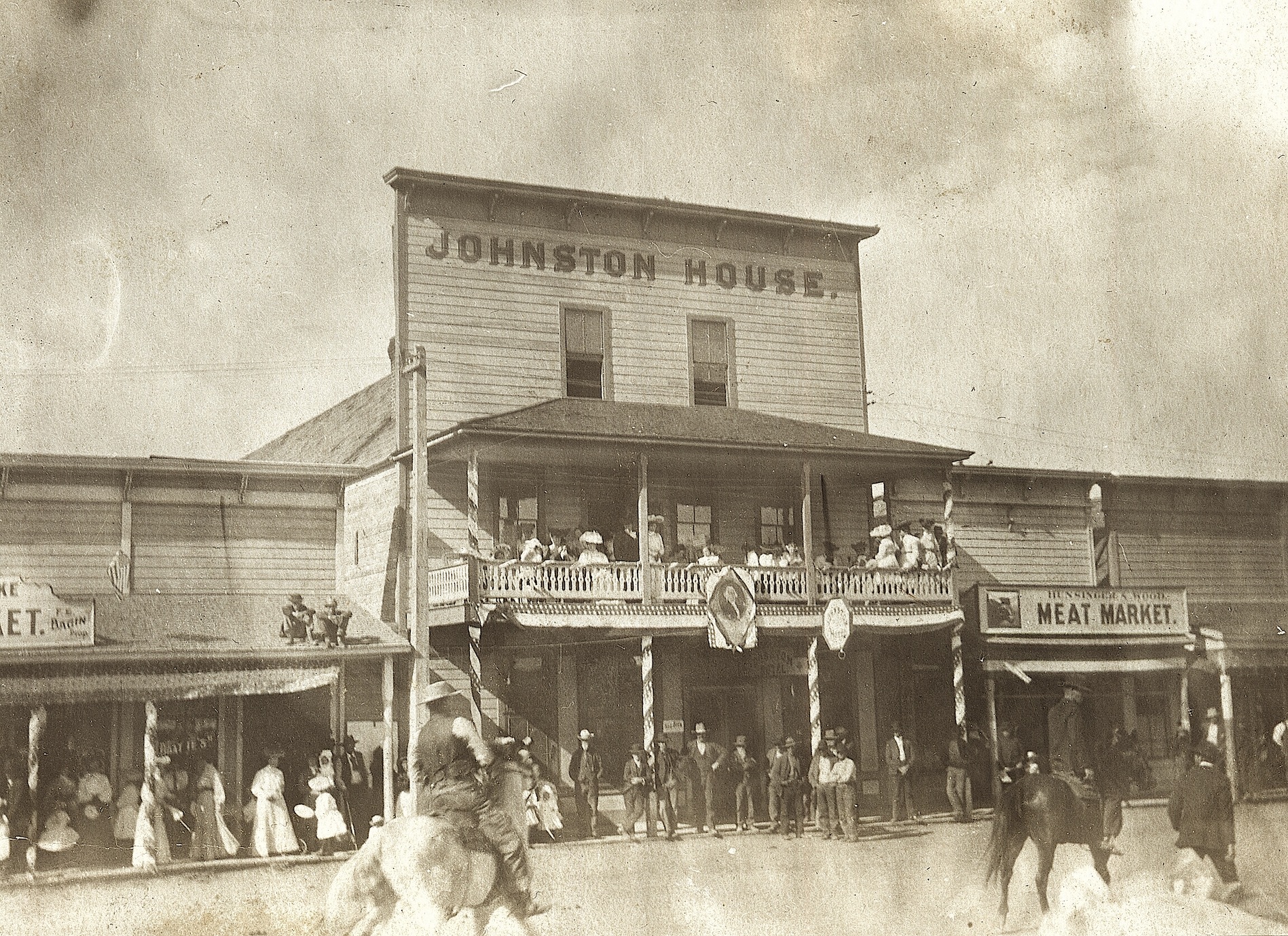
Susanville Bans Fireworks

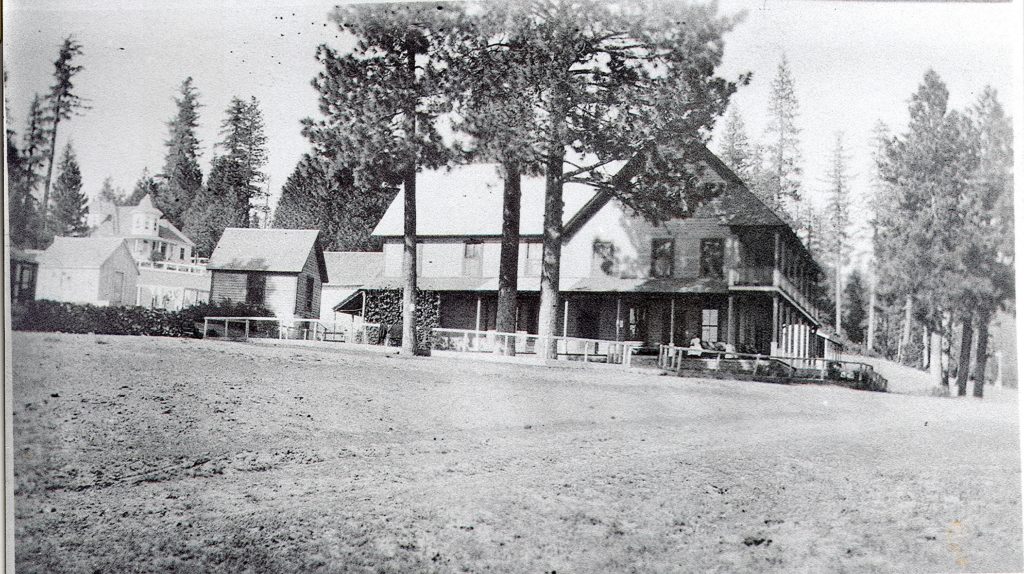
4th of July 1907, Susanville. Courtesy of Lola L. Tanner

Note:  This is a perennial post, because in a rare instant, it is a viewpoint that has merit. After all, in the last two years between the Dixie and Sheep Fires portions of Susanville have experienced evacuation warnings.

In Susanville’s early years as an incorporated city, it was remarkable what the council did. One of their actions, I still support today, and that is the prohibition of fireworks. The first time they banned fireworks was in 1906, following the aftermath of the San Francisco earthquake and fire. It was also a nod to the insurance companies who suffered tremendous loss from that event. It was their belief, as well as many other communities, that this preventive measure would reduce the risk of fires.

In 1912, the City once again banned fireworks. The Lassen Advocate applauded the city and wrote: 21 June 1912 – “No Fireworks on the Fourth. We desire to congratulate our Board of Town Trustees on their action in placing the ban on all kinds of fireworks on July 2, 3, and 4. This action has been taken by large and progressive cities for years past, and we are greatly pleased to note that the smaller places are falling into line. Fireworks do no good and may do a world of harm. Fires may be started that will blot out blocks of cities or towns; little boys and girls all over the United States have lost fingers, hands eyes and in many instances, their lives from the dangerous pinwheel and firecrackers. Let them yell all they will, let them spend their money for ice cream, candy—anything on earth but the fireworks.”

In 1916, the Monticola Club appeared before the Susanville City Council asking for a ban of fireworks for the 4th of July. Their answer was no. The council assured that the utmost care would be done, but they were not going to deprive children of the festivities. In 1926, due to the tinder dry conditions,  the City banned fireworks for fire, health and safety reasons.

Spread the word, and encourage a friend to subscribe

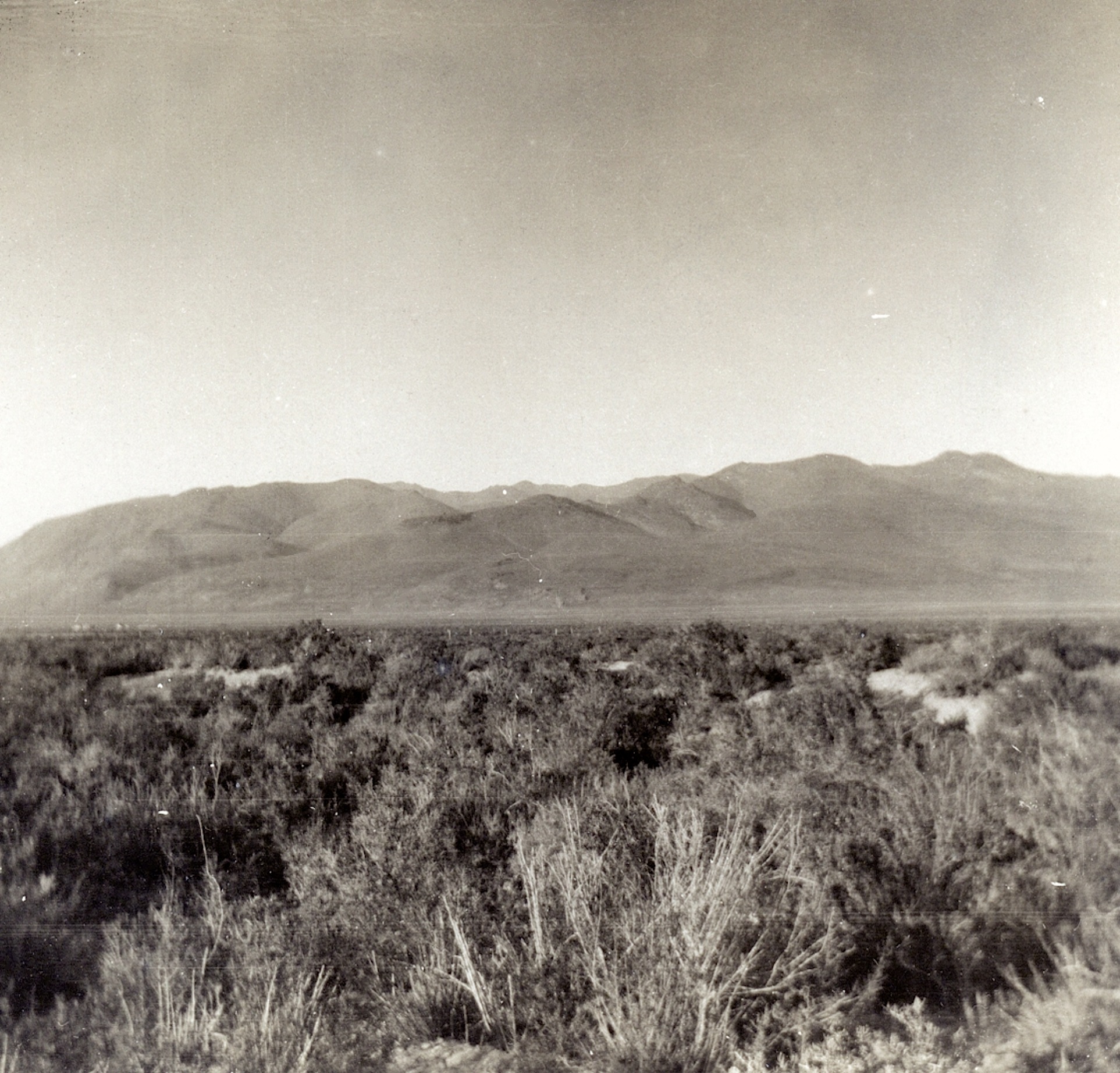
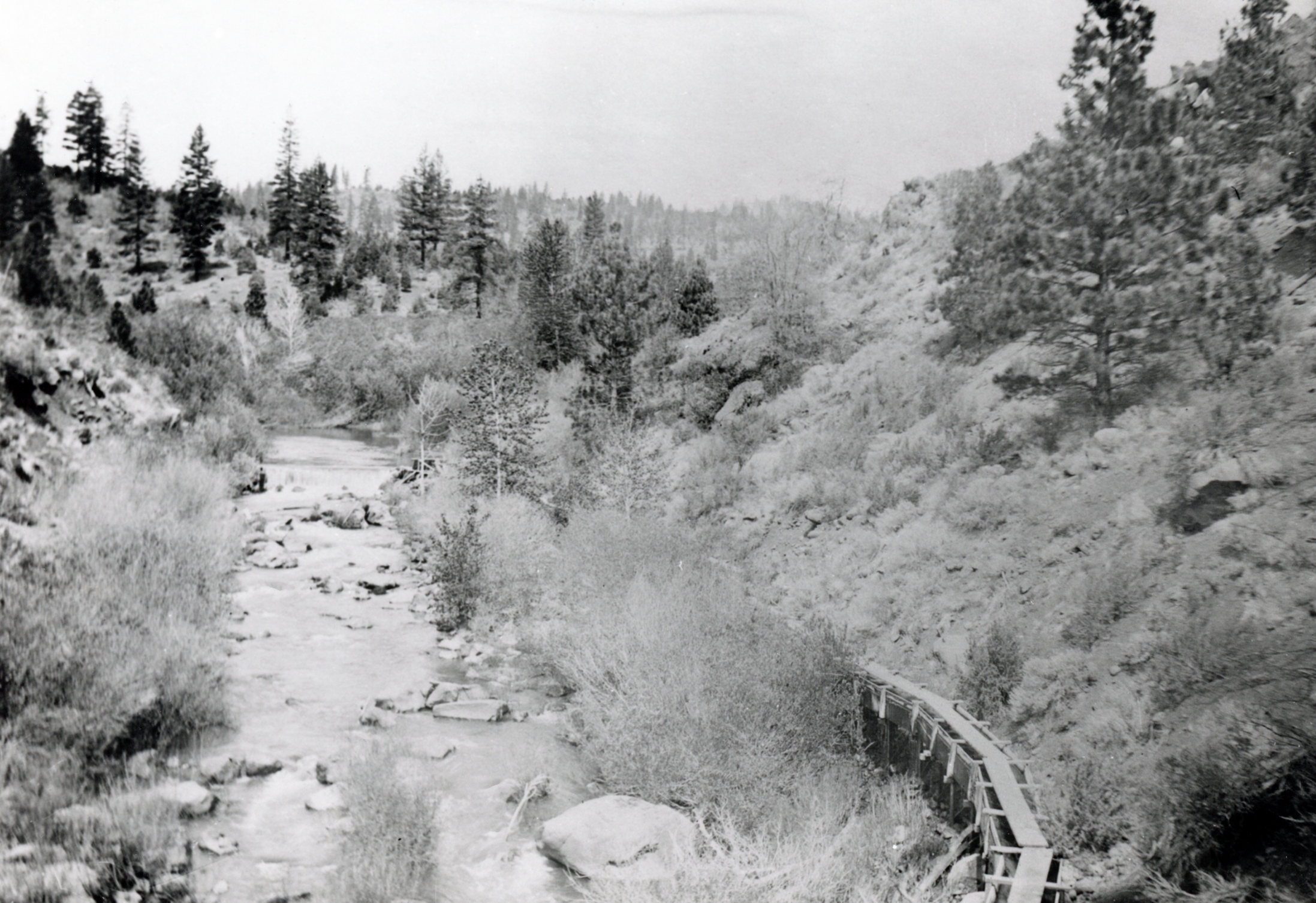
Rongstock Canyon – Lassen County

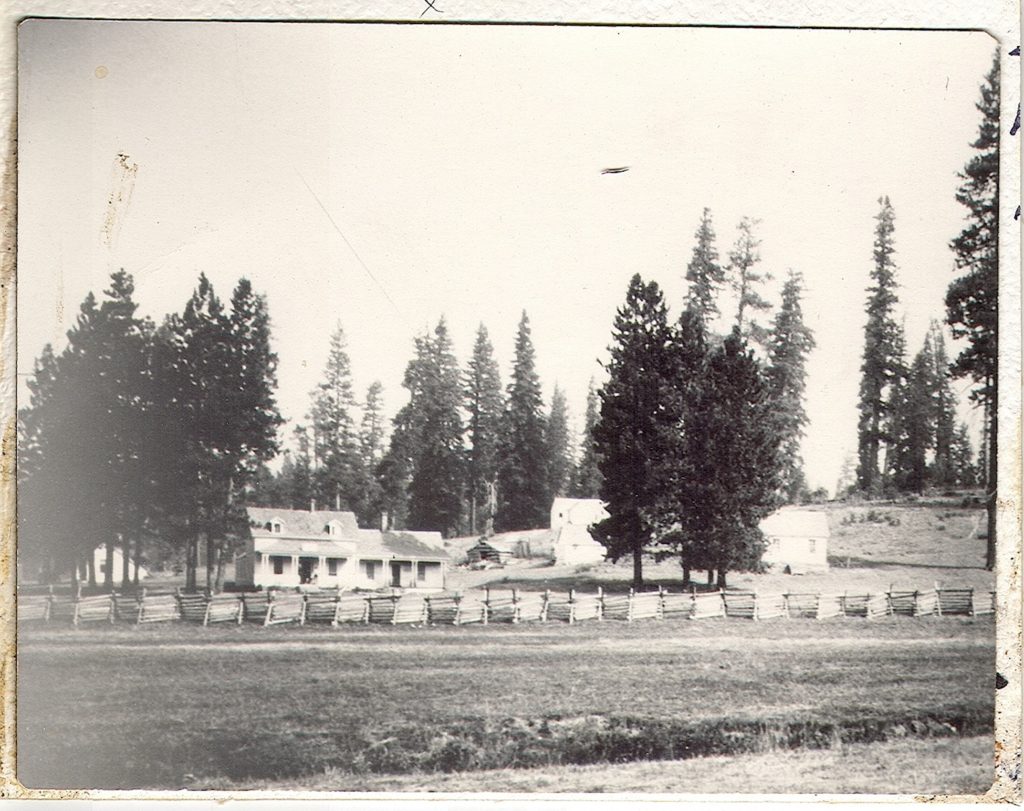
Rongstock, 1923. Courtesy of Lola L. Tanner

This is a short narrow canyon between Eagle Lake and Willow Creek Valley.  The meadow is not visible from the top sides of the canyon, so it is hidden and rarely frequented. It is also a rough steep descent to the bottom of the canyon.

In the 1890s, Joseph Rongstock had a 200-acre homestead there. In 1899, Charles E. Emerson, Lassen  County Assessor, appraised it for $620. Rongstock objected and stated it was only worth $420 and requested his taxes be reduced. The County rejected his claim. Rongstock’s taxes for that year were $10.92. On May 2, 1907, Rongstock, then residing at Lake County, Oregon, sold his property to Adam Jakobs for $300.

Never miss a story, click here to subscribe.

Constantia Snowstorm, 1907

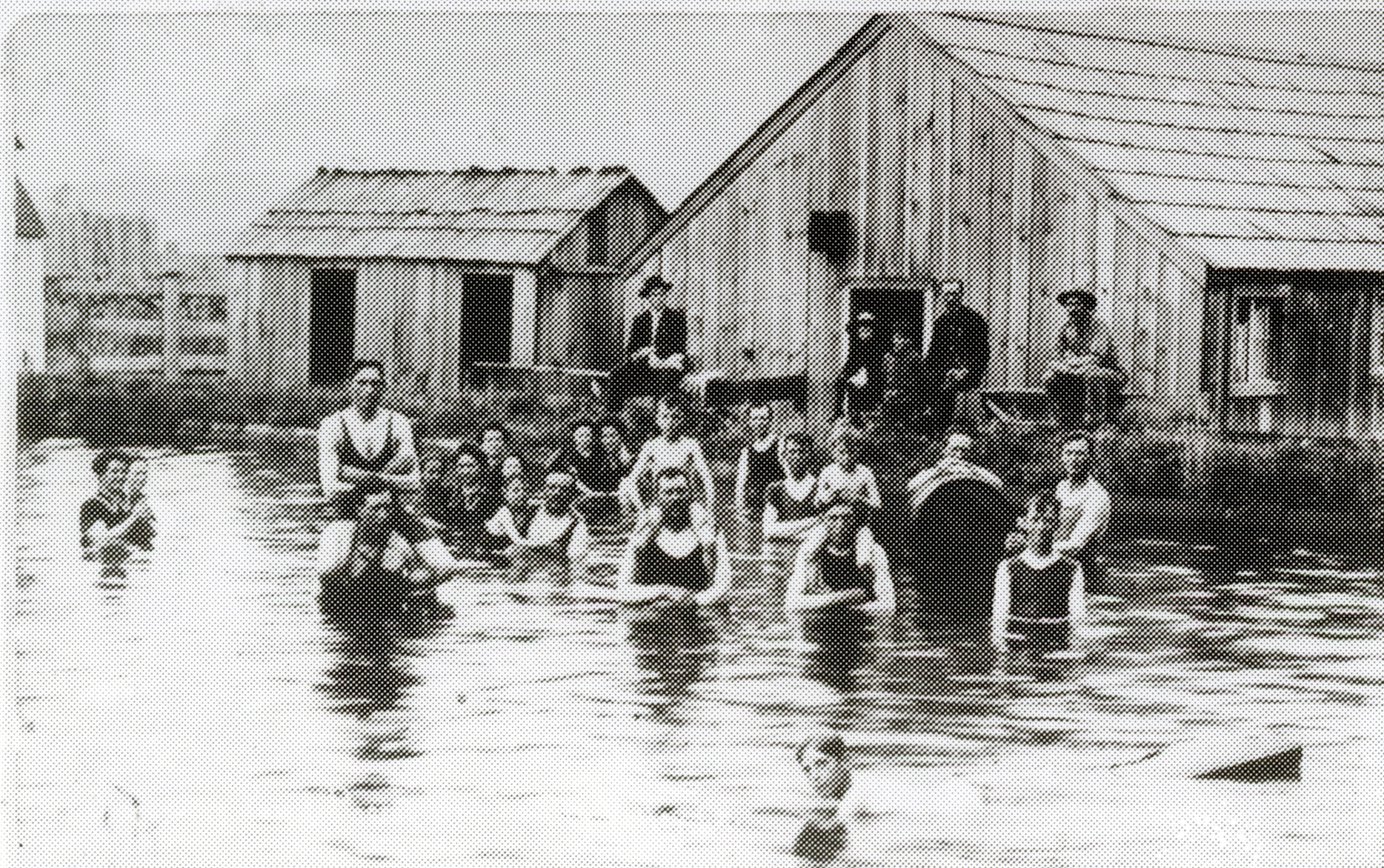
Constantia, June 21, 1907—Philip S. Hall

With the first day of summer approaching, I thought I would share this picture of Constantia taken on June 21, 1907. Unfortunately, I do not possess any other documentation and no reference made in the newspaper, other that it was unseasonably cold. I went through my various notes of Phil Hall, who provided me with the photograph, I failed to take note.. His parents at that time resided at Constantia. However, anyone who has resided around these parts for any length of time, have experienced numerous strange weather events. In a related matter, Claude Wemple told me in a 1978 interview that Milford received four inches of snow on July 4, 1902.

Tim

Camp 10’s Family Row

Camp 10, 1950. The family cabins can be barely seen in the background.

Not all logging camps were created equal. Each lumber company had its own policy—some allowed families to stay in logging camps. Both Fruit Growers Supply Company and Lassen Lumber & Box Company allowed families in their respective logging camps.

What was referred to as “family row” at Camp 10 consisted of about ten cabins. As Leonard Uhl who, with his wife Irene and son Richard, lived there in 1943 recalled: “The family cabins were quite a bit larger than the single men’s cabins, and had two rooms. They were equipped with a wood cook stove, a kitchen table, chairs, double bed and a screen and gunny sack evaporation cooler.”  The cooler served as a primitive refrigerator. The families cooked their own meals. Except for rare occasions, only employees were allowed to eat in the cookhouse. Employees with families had the choice of eating at home or at the cookhouse.

Camp 10, Cookhouse, December 15, 1950.

Since the families were not allowed to eat the in cookhouse, Fruit Growers made accommodations for them to obtain groceries and such. As Marilyn Denton Holmes recalls from her childhood at Camp 10 during the 1930s; “There was no store at Camp, but a commissary where we could get our mail and supplies that a daily Company owned bus, would bring back to Camp. My Mother would send a list with the driver and he would do the shopping and bring the order back to Camp.”

Subscribe

Fishing the Lassen Country

This 3.5 lb Eagle Lake Trout was caught off Eagles Nest on September 28, 2021 using an orange trolling fly—Brent Grometer

In 1977 Art Wilcox wrote a small publication Fishing the Lassen Country.  The publication’s main focus is the area surrounding Lassen Volcanic National Park. Wilcox did make an exception and included Eagle Lake and below are his tips for fishing that lake.

“Eagle Lake is not within the Lassen area, but is near enough to be appropriately included. This beautiful, natural lake, and its big, one of kind specie of trout is about an hours drive from Chester. The turn-off north from 36-44 is three miles west of Susanville. The 12 miles of this road, Highway A-1, are paved but has some 12 percent grades. They do not appear to bother those towing large trailers and boats in and out, so must be of no consequence. Four campgrounds, including the huge 204 space Merrill, are located at the South end of the lake. There is a store and full service marina, accommodating all types of boats. Some people fish by wading out and casting hardware or nitecrawlers. Trolling is far more effective. Nitecrawlers behind attractor blades to be the most popular method of rigging, but all sorts of lures and combinations of terminal gear are used. The fish are large. Three or four will usually. make up the weight limit. Tackle should be considered accordingly. Don’t fool with four pound test line here, unless you are an expert with a fish on light equipment.”

Tim

Order of Camels

Zimmerman
B.R. Zimmerman was a popular Susanville bar owner for many years. In 1919, he converted his famed Owl Saloon into a produce store.

Order of Camels was a fraternal organization opposed to prohibition. The camel was an ideal symbol as it could go for long spells without a drink. As we know they did not succeed in stopping prohibition. In a peculiar move, a local chapter was organized on June 10, 1920, nearly a year after prohibition took effect.

Tim

Susanville/Durbin Nursery Update

Courtesy of Kevin Corson

On July 2, 1928, the Lassen National Forest Service leased seven acres from Lassen County on Richmond Road for a tree nursery at $80 per year.  It was named the Susanville Nursery. It was done under the direction William G. Durbin, the Lassen National Forest Supervisor.  C.W. Corson, a recent graduate of the University of Minnesota was hired to be in charge of it and was so for many years. The initial goal was to raise 750,000 of pine seedlings over a five year period. In addition, experiments were done with cedar, fir and sequoia.

Courtesy of Kevin Corson

The first planting from trees from the nursery was done in 1929 to assist the reforestation of the  burn on Antelope Mountain west of Eagle Lake. In addition, the nursery provided seedlings to the various national forests throughout California. It was unique that it was only large Forest Service nursery in California. In 1936, after the establishment of Lassen College’s Forestry program many of those students worked at the nursery.

Durbin Nursery. Courtesy of Dick & Helen Harrison

In 1938, after the passing of William Durbin, the nursery was renamed to Durbin in his honor. Durbin served as the Supervisor of the Lassen National Forest from 1922-32.

Unfortunately, I do not at this time, have a date when the nursery ceased operation, but it appears sometime in the early 1950s.  The property is best known today as Diamond View School.

Never miss a story, click here to subscribe.

A Surprise Bill

The.aftermath of the fire at Camp D, 1924 —-FGS Co.

In 1924, Fruit Growers Supply Company’s logging operations was on the west side of Antelope Mountain near Eagle Lake. On July 28, a fire broke out there caused by a steam donkey operating between Camps D and F. It would in the end consume some 7,000 acres.

Three years later, the Lassen National Forest sent Fruit Growers a bill $156,000 in damages for 2,000 acres of forest service land that had burned in the fire. During ensuing negotiations it appeared the Forest Service wanted really was not the money, but reforestation.

Courtesy of Kevin Corson

A settlement was reached. Fruit Growers agreed to replant the burned over Forest Service land, plus an additional 20,000 acres and to contribute $1,500 over the next ten years for reforestation. Fruit Growers even established a small tree nursery at their Susanville mill.

Courtesy of Kevin Corson

Tomorrow: The Susanville Nursery

Donate

The Great Triumph Disaster

This was not a good day.

Today, marks the tenth anniversary when the Lassen County Fair Manager backed into my parked 1964 Triumph TR4.  It was a long messy and expensive episode to put it back together. While one can still purchase most of the automotive motor parts, body parts is another story. I had located a bonnet (hood) in Stockton, so there was one obstacle out of the way.

The Triumph TR4 after it was put back together.

Six months later it was finally all back together again.

St. Christopher badge grill for the Triumph TR4

Now for added protection last year David Crum of England, a great grandson of Jules Alexander who played an important role in the development of Susanville, surprised me with St. Christopher grille badge for the Triumph.

Tim

Graduation Season

Lassen Union High School, Class of 1922—Betty B. Deal

It is “Pomp and Circumstance” season across the country. Locally, it began with the commencement ceremony at Lassen College on May 27. It was then followed by the various elementary school districts and culminating with the high schools—Big Valley, Herlong, Lassen and Westwood. Congratulations to all those graduates, especially since they experienced some challenging times that few had ever to deal with—Covid 19. Do I have any wisdom to share? Well maybe and it might not be the best, since it was a long time ago when I graduated from Lassen High, I think the wisest decision is just not to say anything.

Tim