Category Archives: History

Time Marches On

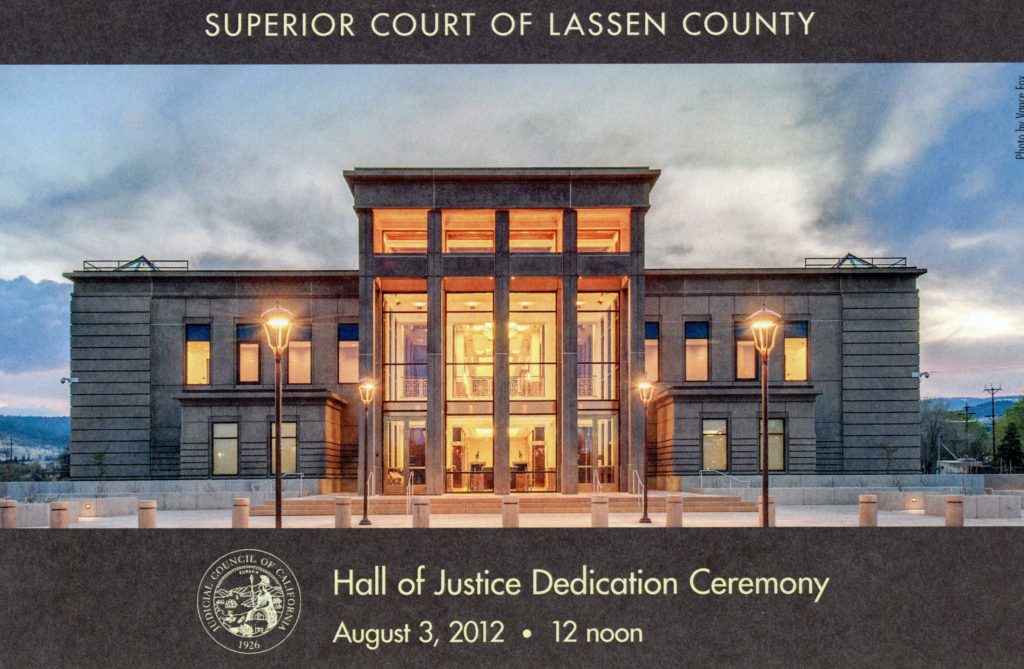
Program Cover

It has been ten years to the day when the Lassen County Hall of Justice was dedicated. However, first some background. In 1997, the California Legislature passed the Trial Court Funding Act. In essence, the state would take over the courts, where in the past it was a county function. In Lassen County the transition was slow.

In early 2000s, planning began on a separate facility for the Lassen County courts. There was debate as to where to build it. The site selected was on Riverside Drive. When the $38.9 million building was completed it was the most expensive public works project in Lassen County.

The original superior courtroom in the Lassen County Courthouse remained intact, and used primarily for ceremonial functions. Once the current courthouse renovation project is completed it will become the meeting room for the Lassen County Board of Supervisors.
Subscribe

Standish Promotion Bureau

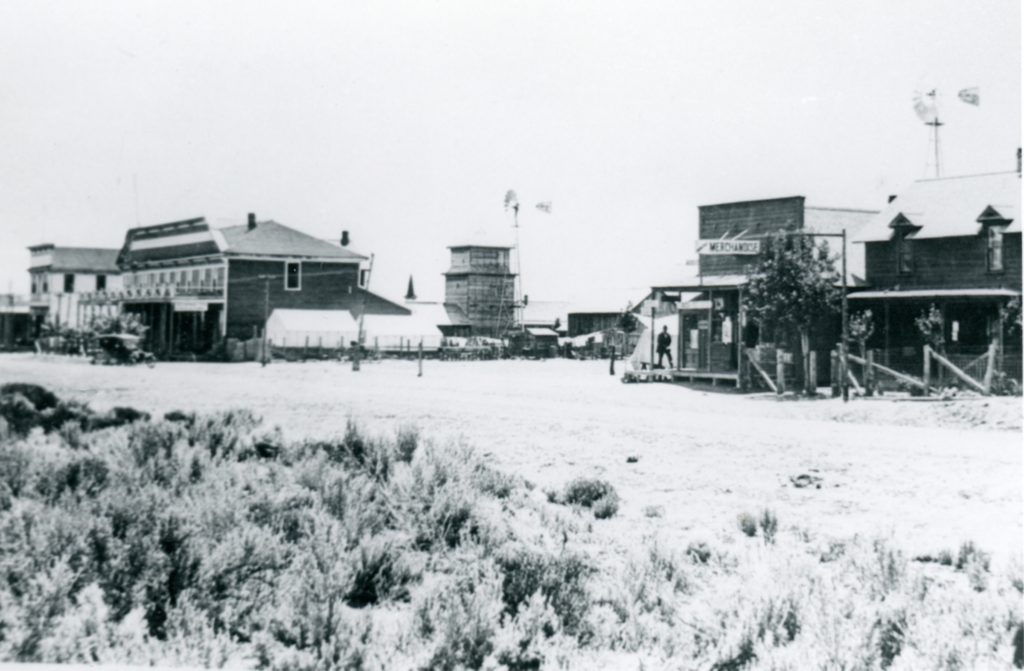
Standish, 1910–Prentice Holmes

In August of 1911, fourteen men in the Standish area gathered to form the Standish Promotion Bureau. It was a very short lived organization. Their one and only goal was to convince the Southern Pacific officials to have their Fernely & Lassen Branch line be built through Standish. This was an uphill battle since the railroad line had already been surveyed to the north of Standish. The bureau had a slate of officers towit: E.F. Koken, President; B.F. Gibson, Vice President; E.H. Doyle, Treasurer and J.H. Elledge, Treasurer.

Things did not go well and in the spring of 1912, things unraveled. Instead of convincing railroad officials to change their mind, Gibson suggested to the bureau that they should move Standish to his ranch where the rail line would be built. Needless to say it was not a pleasant meeting. Gibson resigned. Add insult to injury, when word emerged that Gibson was working with Los Angeles promoter, B.E. Jackson on a proposed townsite on the Gibson property, when the bureau organized. There was no reason to continue with their mission, the bureau disbanded.

Tim

Papoose Meadows Massacre – Version Two

Papoose Meadows, 1914.

Version Two is the earliest published account of Papoose. It was composed by E.R. Dodge in 1881, fifteen years after the event. It appeared in Farris & Smiths Illustrated History of Plumas, Lassen & Sierra Counties—1882.

In June 1866, Joseph Hall of Susanville was looking for horses some ten miles west of town. He unexpectedly came across an encampment of Indians from Pit River, Indian and Honey Lake Valleys. It was his opinion that the Pit River Indians were selling ammunition to the latter to engage in conflicts with the settlers. Hall returned to Susanville to report what he saw. William Dow, who had been fishing at Pine Creek, noted, that he too saw an encampment of Indians. The next day, Dow, E.V. Spencer, B.B. Gray, Charles Drum and Joseph Hall left in pursuit of fleeing the Indians. After tracking the Indians for several days they found them at the south end of Eagle Lake in a little valley known today as Papoose. In being late in the day, the five men camp for the night. At daybreak the next morning they stormed the camp with their revolvers killing ten Indians, with one escaping injured. The men rounded up the Indian’s horses along with ammunition they found there and returned to Susanville.

Support


Dancing the Night Away

Lassen Mail, July 16, 1926

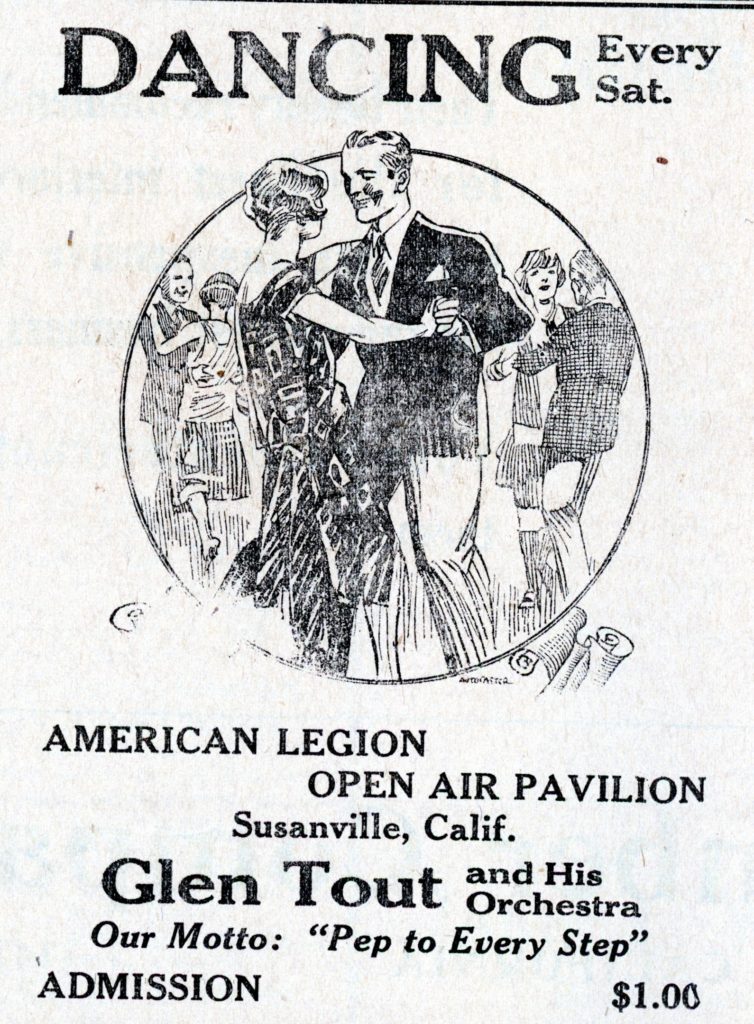
During the summer of 1926 Susanville was full of energy preparing for the upcoming State American Legion Convention. There were lots of fundraising activities to be had. After all, the local post thought the cost for being host would be around $5,000. In June, they had raised $3,000.

One fund raising venue was the construction of an open air dance pavilion. On Saturday night, July 10, 1926 the grand opening dance was held. Glen Tout’s orchestra furnished the music, with its slogan “Pep to Every Step.” There was certainly a lot pep in those steps as the Tout orchestra played its final tune on Sunday morning at 4:45 a.m. The dances continued every Saturday night through the summer.

Finally, it should be noted, the local legion post ended up with a $4,000 debt after the convention. On the bright side, not only was Susanville put on the map, but the attendees spread the word of the royal treatment they received from the community throughout the state.

Tim

The Baxter Creek Siphon

Susan River, 1935 — Lola L. Tanner

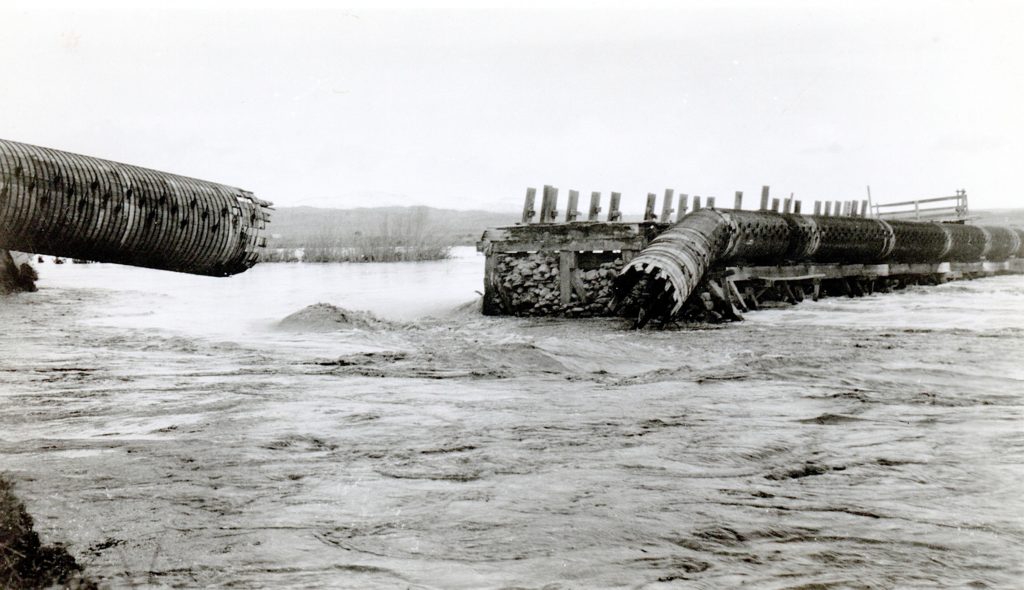
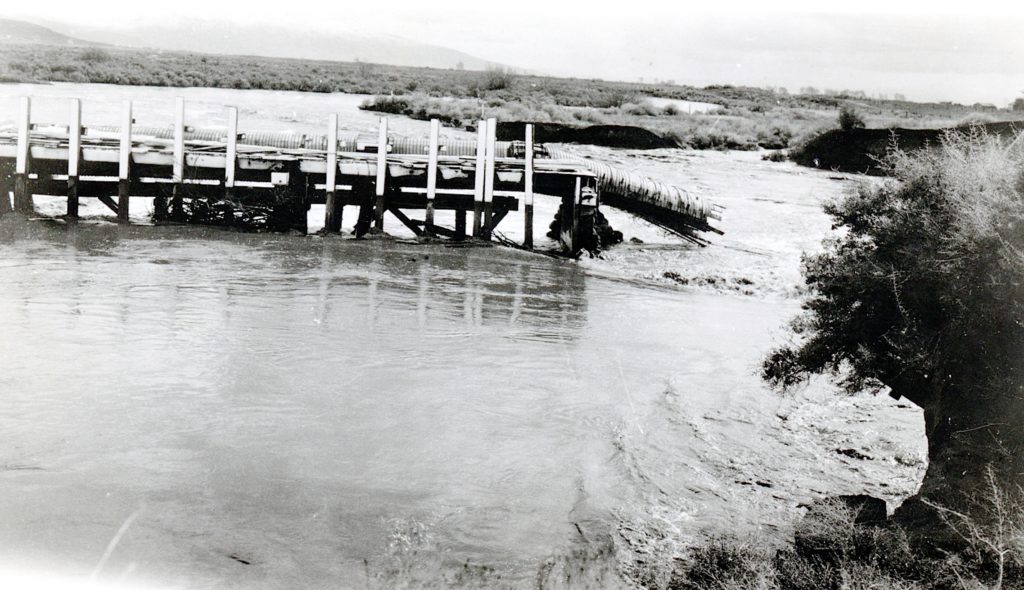
While in the past I have focused a lot on Leon Bly’s Eagle Lake project. There was an aspect that I have neglected. For the farmers of the Tule Irrigation District a lot of infrastructure was in place for the distribution of water. For those in the Baxter Creek Irrigation District it was a bit more problematic to deliver the water to the other side of the valley. A redwood siphon was constructed to carry the water from Willow Creek over the Susan River. Then a canal was constructed along Bald Mountain to Baxter Creek where a diversion dam was placed to distribute the water.

Susan River, 1935 — Lola L. Tanner

In early April 1935, over one hundred feet of the siphon broke at the Susan River crossing. It was a devastating blow to the Baxter Creek Irrigation District. Cost estimates to repair the siphon was around $50,000, money the district did not have or could not have raised. The district eventually went into bankruptcy and dissolved in 1952. As to the siphon, many of the ranchers slowly dismantled it for the wood for building and fencing.

Tim

The Susanville Hose Company

Susanville Hose Company, 1905–Lola L. Tanner

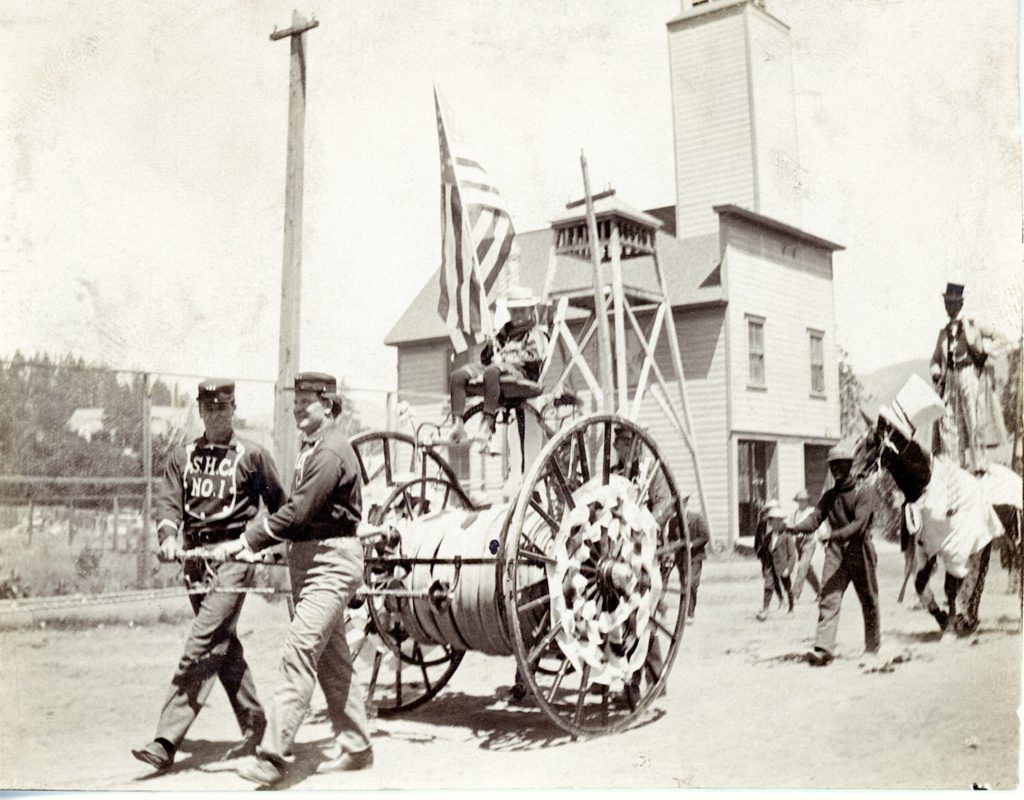
On January 21, 1885, the Susanville Hose Company No. 1 was organized to become the town’s first official fire department.  The officers consisted of C.M. Stoll, foreman, A.E. Blum, secretary and Henry Bereman as Treasurer. Besides the initial officers eighteen men comprised the company. The volunteer firemen met weekly for practice sessions with the hose cart.

They were initially a ambitious lot. In July 1885 they held their first election for commissioners and David Knoch, Noble McKinsey and Hiram Skadan were elected. On June 6, 1887.the commissioners held. special election to levy for an $500 assessment for the purchase of additional equipment. It was approved 71 to 3.

In the fall of 1891, the company sought to acquire a permanent home. On November 19 they purchased a lot from James P. Keener on Lassen County, which is now the current site of Susanville’s City Hall. A fire hall was built with a fifty-foot bell tower, becoming the town’s tallest landmark. It was designed specifically that way so when the bell was rung it could be heard throughout the town.

Like all volunteer organizations they have their peaks and valleys, but the organization continued for several decades when it would reorganized as the Susanville Volunteer Fire Department.

Subscribe

Granite Creek Station Update

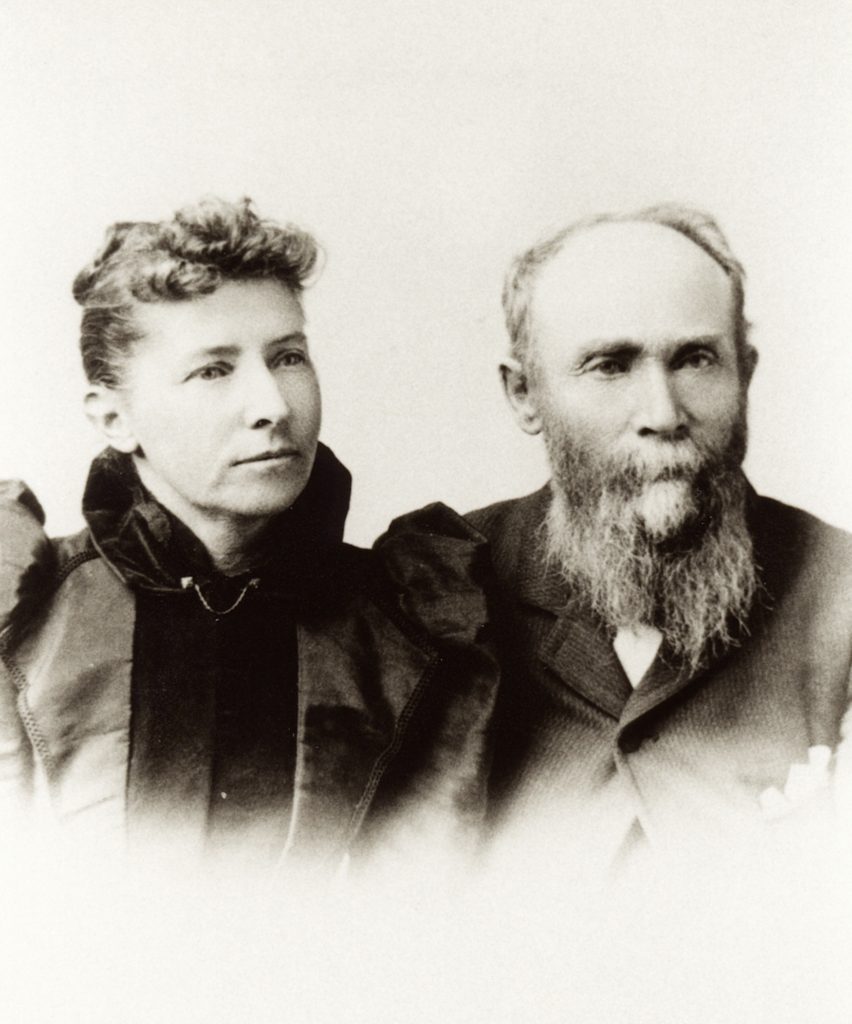
Louise & Eber Bangham

For those not familiar, this was a station along the Nobles Trail and also on the route to the Idaho Mines. You can read previous post here.  As I mentioned earlier in the year, I had located some additional information.

In 1851, Eber Bangham (1834-1910) made the overland journey to California from Michigan. In 1852, he returned to Michigan. In 1859, he once again made the journey to California arriving in the Honey Lake Valley in July of that same year. In Bangham’s 1906 biography it states: “On a side trip he discovered Granite Springs and established a trading post with emigrants; the wells which he dug furnished the purest water and were well patronized. In 1862, he divided his interests with his partners and afterward farmed alone on the Susan River.”  That area is now present day Johnstonville.

The station to the west of Granite Creek was Deep Hole, several miles northwest of present day Gerlach. Deep Hole Station dates back to 1856 when Ladue Vary located there. In 1861, Thomas Bare in legal proceedings stated he owned Deep Hole Station and the Granite Creek meadows. On September 7, 1861 he sued W. White for $199 for the sale of hay and special damages, i.e. unable to operate the station in pursuit of White. A trial was held in which there were some conflicting testimony. Bare had offered to sell one ton of hay to White for $25.  White had hired five men and two wagons to cut and remove the hay which was worth four cents a pound. Of the five men who actually cut and hauled the hay, no one could agree as to how much hay ws cut, citing estimates between 400 and 1,000 pounds. After the testimony Judge V.J. Borrette rendered a verdict in favor of Bare, but only for the amount of $55. Bare, it should be noted moved to the lower end of Surprise Valley, Modoc County in 1864, and the ranch there still is known as the Bare Ranch.

Support

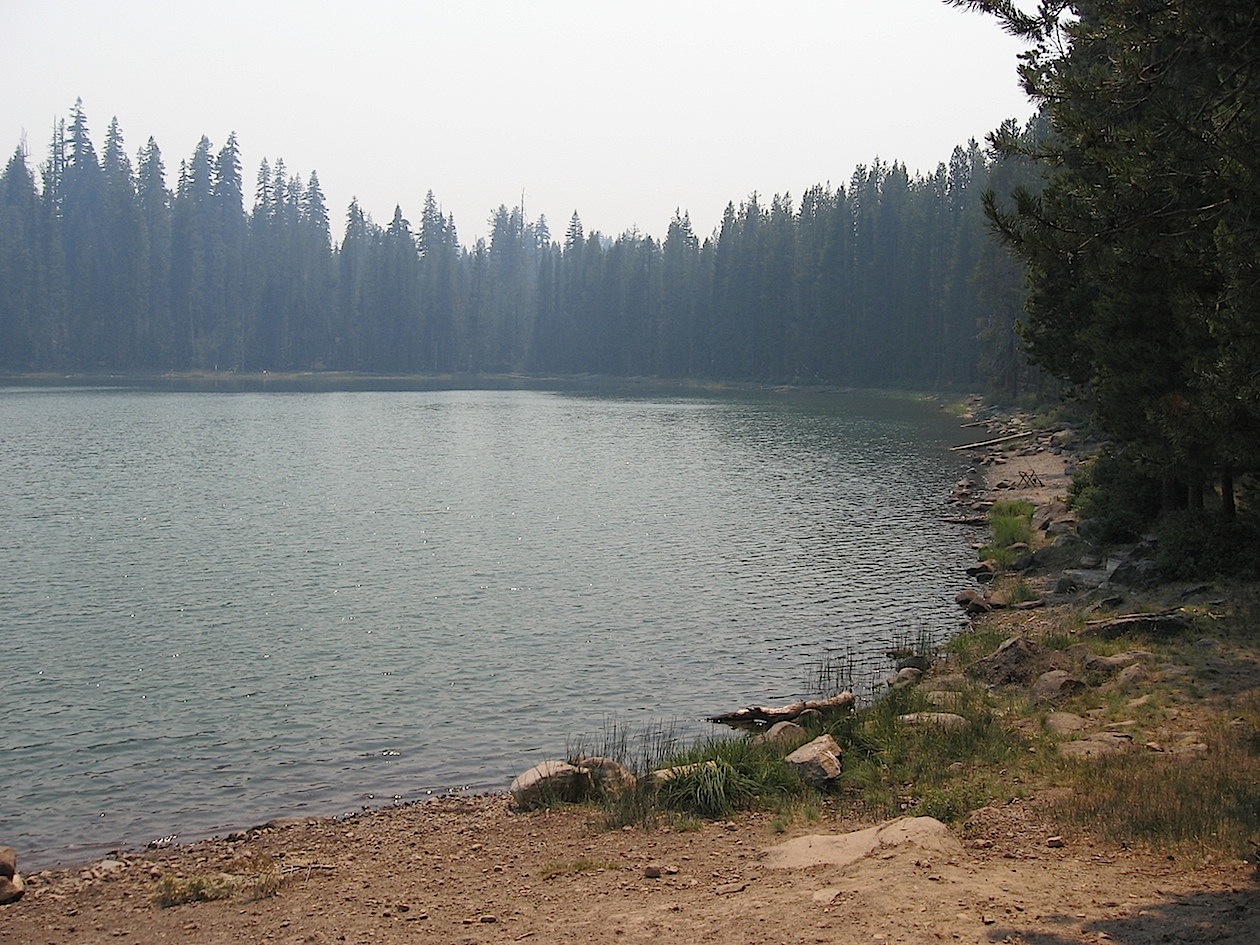
Shotoverin Lake — Then & Now

Shotoverin Lake, July 15, 2021

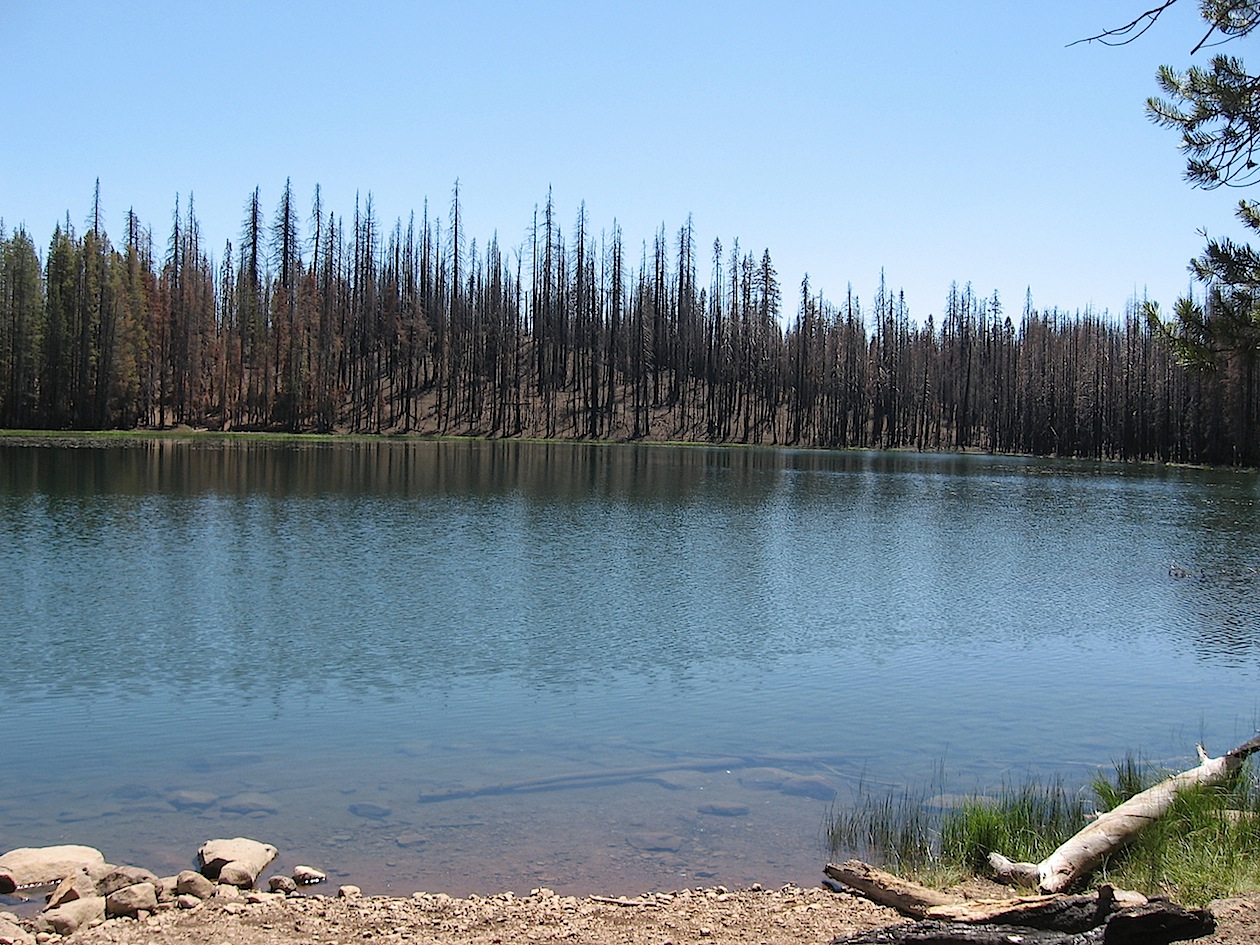
Last Tuesday, I featured photographs of Echo Lake in a before and after of 2021’s devastating Dixie Fire. The next lake we visited on that trip was Shotoverin about six miles north of Echo. A  portion of the timber along the shoreline was burnt, but for the most part, intact. The fish were jumping and someone camped out there.

Shotoverin Lake, July 11, 2022.

Tim


Manzanita Lake Lodge

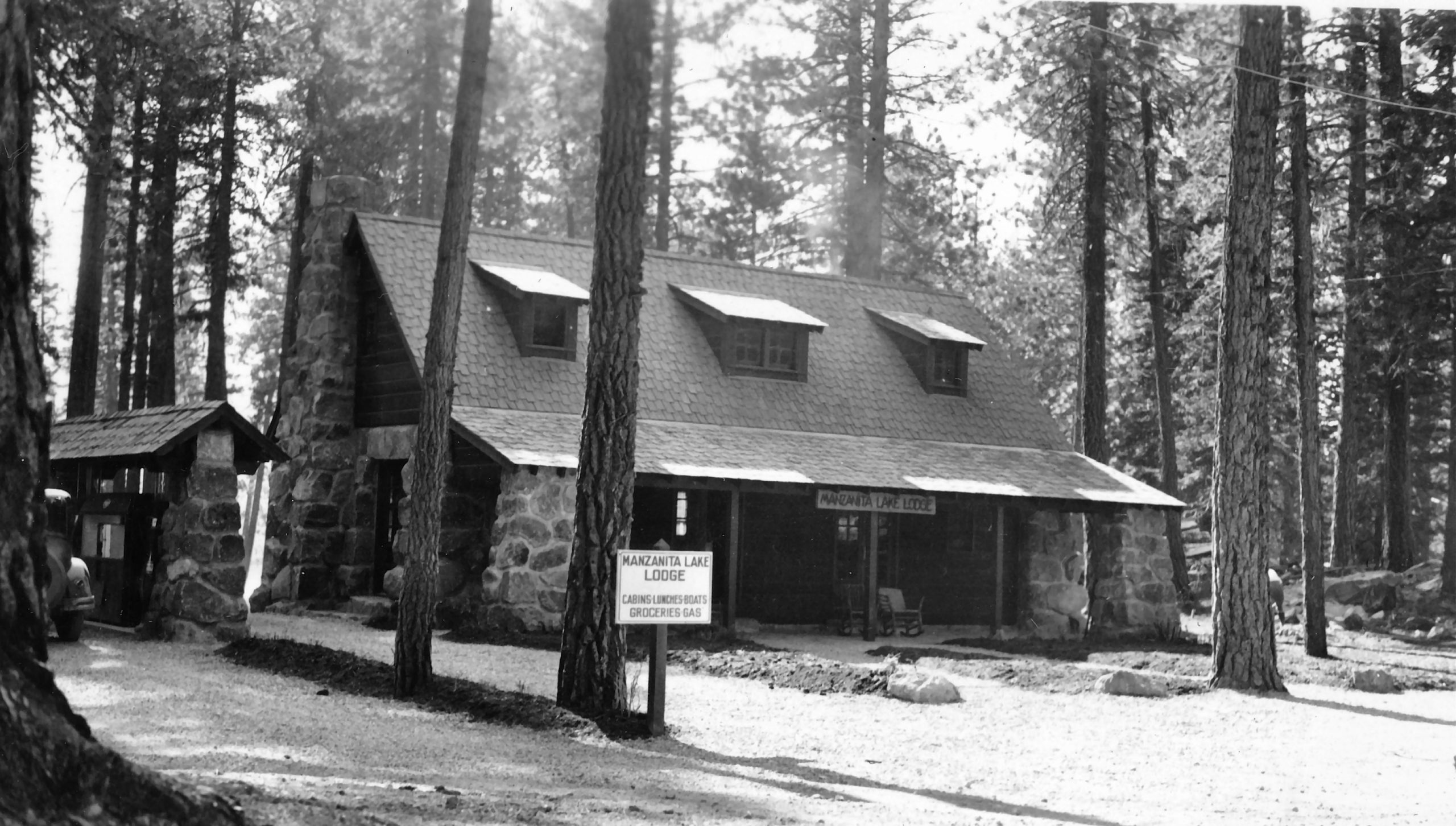
Manzanita Lake Lodge

The late 1920s and early1930s were exciting times at Lassen Volcanic National Park. After years of wrangling with Congress to appropriate funds to provide the basic essentials to develop the park finally came to fruition. Thus, the park highway finally became a reality and completed in 1931.

Unlike other national parks, Lassen had no grand lodge, nor did it even have a hotel. There was Drakesbad, Juniper Lake and Sulphur Works, but these were owned privately, which the park had no control over.

For a brief time the park courted the Western Pacific Railroad as a possible concessionaire to provide a hotel and transportation. However, within the park there were two camps—one wanted a grandiose lodge, the other a more minimalist approach to compliment the park’s wildnerness.

Enter two park rangers Don Hummel and Charles Keathley. In October 1932 they had a plan to build accommodations at Manzanita Lake and requested from the park to become concessionaires. The park service wary, first they wanted a singular concessionaire for the entire park and one with the financial means. The two men brought in a third partner, Dallas W. Dort, who could front them $10,000 in capital. With this new development, the park gave it a second consideration and gave the three men a three year lease. In 1933, they invested $12,000 to build Manzanita Lake Lodge, along with nine cabins. Their establishment became a popular    destination for the next four decades.

Support

Lasco Lumberjacks

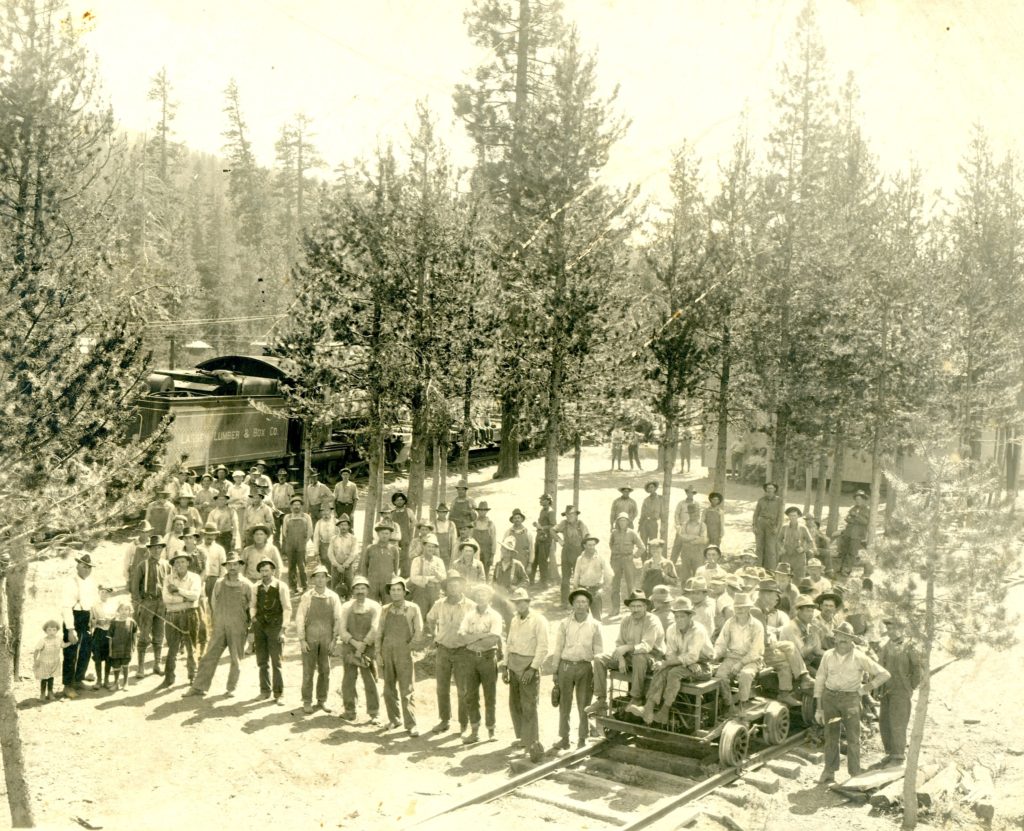
Camp Lasco—Jean Kern

The loggers of Lasco, the logging camp of the Lassen Lumber & Box Company were an energetic bunch during what limited off time they had. Many worked twelve or more hours a day, six days a week*

However, whenever an opportunity arose for that hardy bunch to recreate, they did so with gusto. Their annual Logger’s Ball in July was legendary.  These men, also, enjoyed in partaking in a part of America’s pastime—baseball. They named their team the “Lasco Lumberjacks.” These guys just enjoyed playing ball and they hosted a lot of ball games. One that caught my interest was an interesting and an unusual adversary—Lassen Union High School. It did not matter who won or lost, the bottom line was everyone who played or was a spectator just a had a good time.

*In 1918, Lassen Lumber & Box Company established its sawmill/box factory in Susanville. It differed from its two competitors—Fruit Growers Supply Company and Red River Lumber Company—as its initial sole supply of timber came from the  Lassen National Forest.

Tim