Secondary Source Editorial

Since we are between Christmas and New Years, I going to have a little rant, since readership drops significantly during this period.

First, I take pride in my research. In 1988, I published my book about Eagle Lake. It was not the first book about the lake, as Robert Amesbury’s work debut in 1971. In a happenstance meeting at the defunct Galley bar and restaurant at the lake, Bob congratulated on my work. In fact, he went on stay, that he had all bullshit and I had the facts.

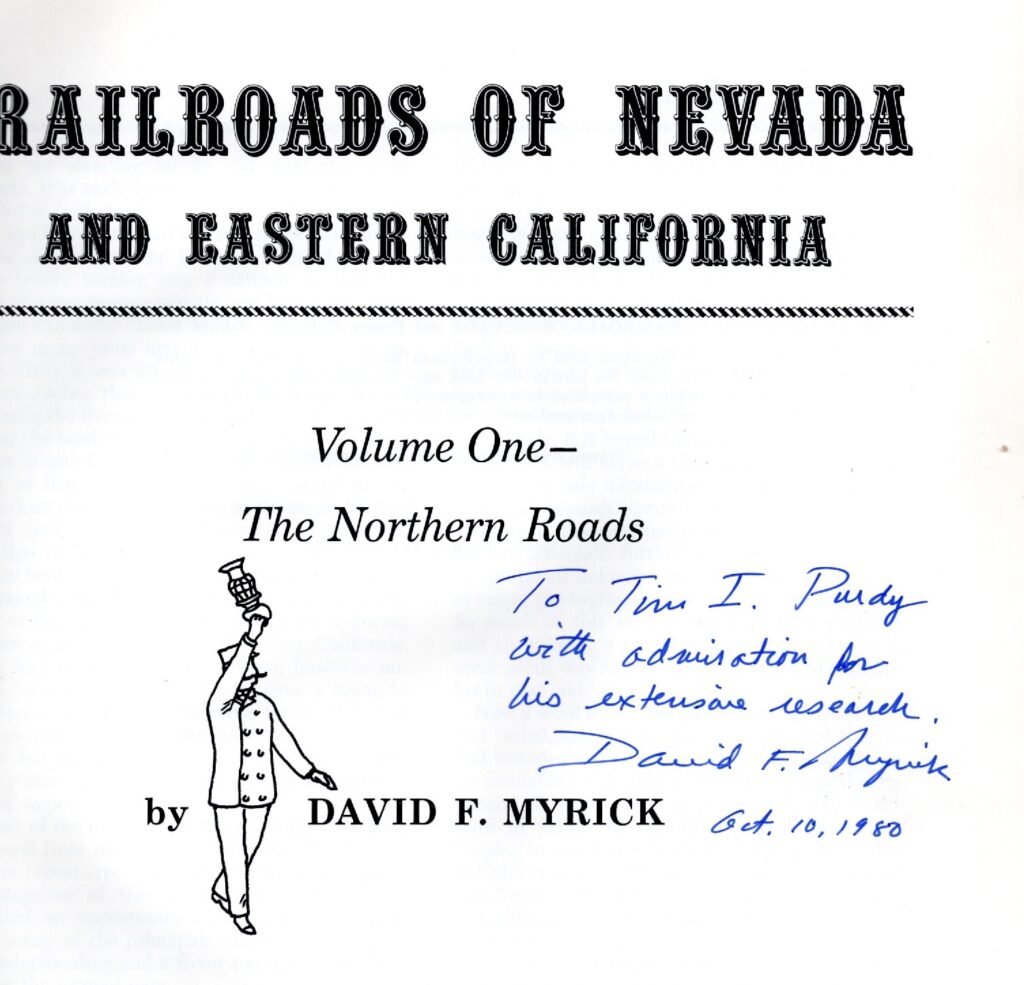
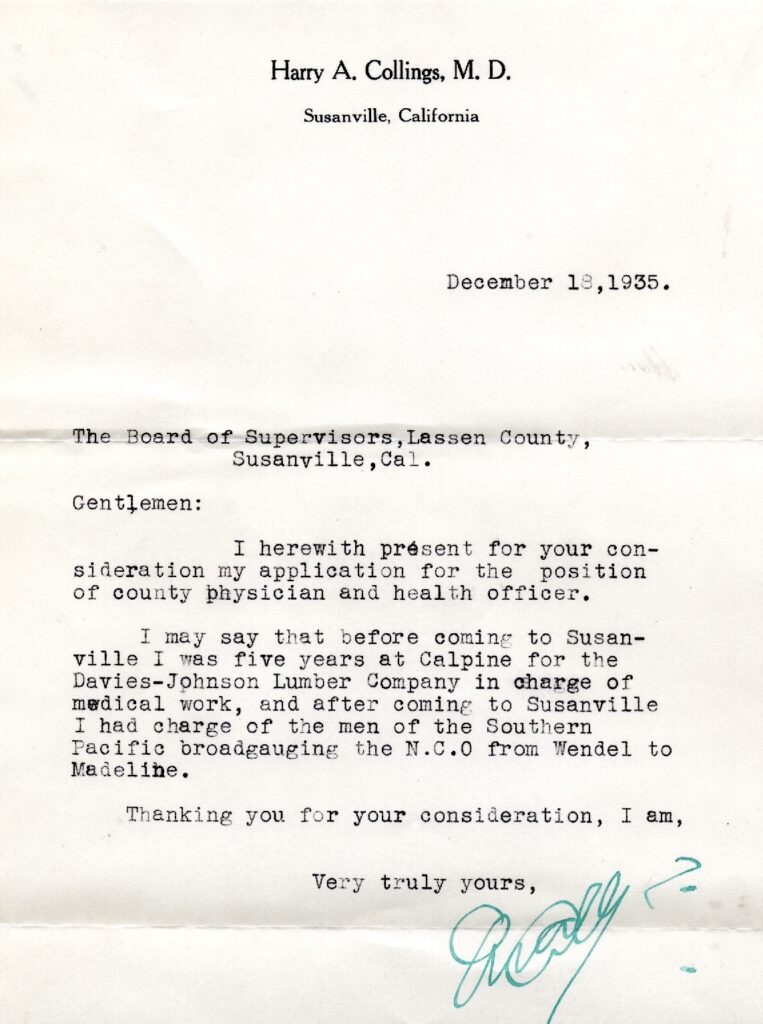
Over ninety percent of my research I use primary sources, i.e. original documents and so forth. I consult published works, too. In 2024, I consulted David Myrick’s work on Railroads of Nevada and Eastern California. He was a noted railroad historian and since I worked him on later projects, he was a thorough. But. when Myrick wrote about Southern Pacific broad gauging the NCO Railway’s tracks, he  mentioned that the work had begun at Wendel on July 1, 1927 with 800 men. So I assumed that information was correct. Other railroad historians, did too, including John Signor and Jack Bowden.  When I researched trying to find out when the last NCO train left Wendel before the railroad conversion, I found out that  Myrick’s was incorrect on that topic..The railroad work, as Myrick stated, did start on July 1 at Wendel. The workforce, in the beginning was 125, not 800. In a matter time, it increased to 450. When the standard gauge rails were ready to be installed, the Southern Pacific brought in additional100 men to do the work. These workers it should be noted were scattered in camps along the line and not in Wendel.

Just goes to show, consider the source.

Tim
A recent archival find that is related to the topic.

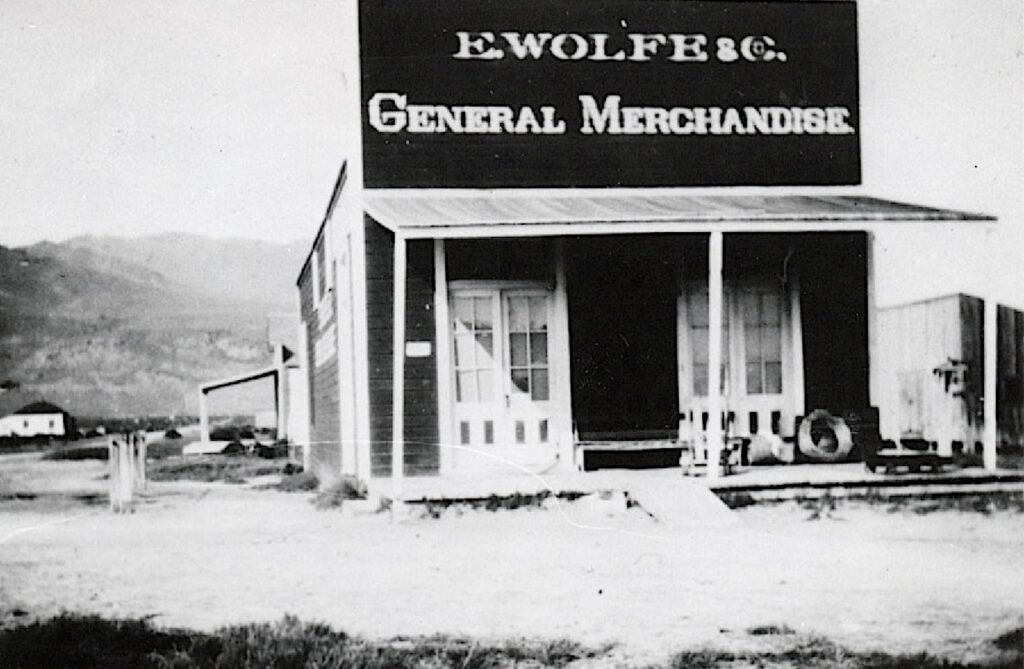
Amedee’s General Store

The Amedee General Store, – Courtesy of Aldah Riesenman

When I scanned this image back in September, in my mind I had drafted out the article. Disruptions occurred and I lost that train of thought.

For small towns, the general store was the lifeblood of the community. Many doubled as a post office, so it was one more factor that the store was the social hub. Amedee owed its existence to the NCO Railroad. In 1922, the last train rolled through there. In 1924, J.H. Peffley shuttered the town’s general store, along with the post office. Peffley chose not to remain at Amedee and moved to Fresno where he died in 1931.

Tim


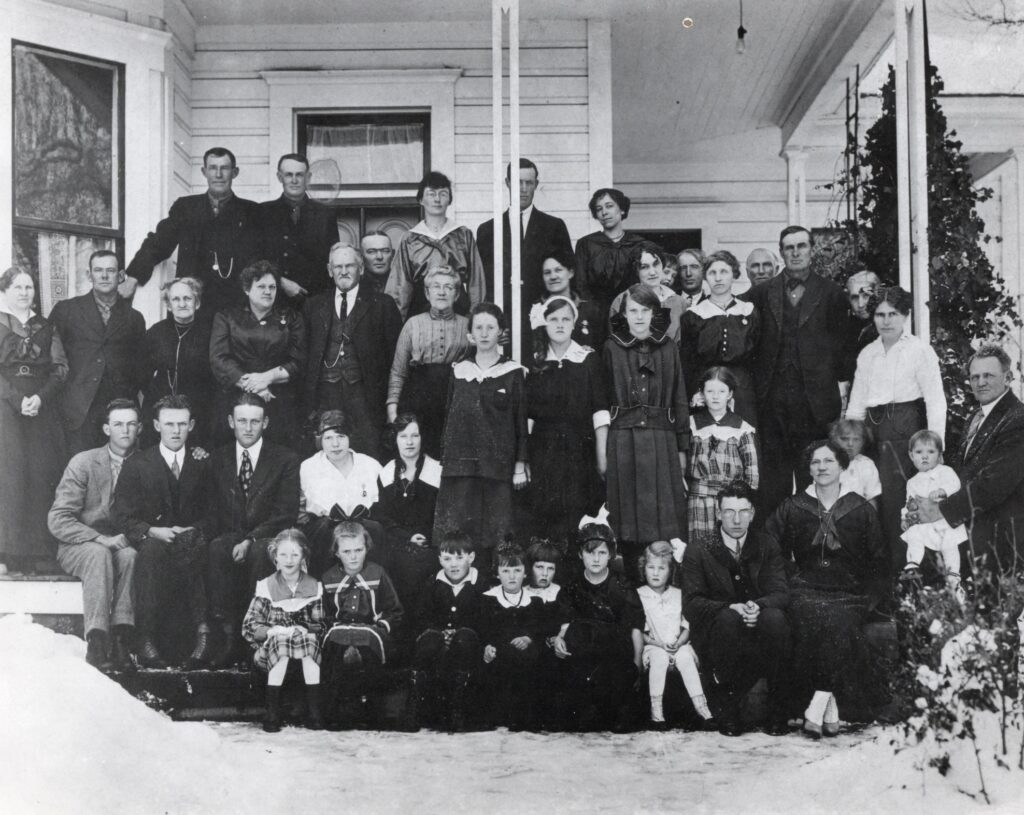
A Hartson Family Christmas, 1916

Hartson Family Christmas, 1916-John Theodore

This was the Christmas gathering of the home Charles and Sarah Hartson, South Pine Street, Susanville, 1916. Fortunately, nearly everyone is identified. The identification is from left to right;

Front Row: Ethel Hartson, Vesta Holmes, Kenneth Cain, Dorothy Hartson, Donald Hartson, Lois Hartson, Willa Hartson, Jud Theodore and Kittie Holmes.

Second Row: Bernard Holmes, Elmer Hartson, Roland Holmes, Leota Dakin, Merle Hartson, Mona Hartson, Rhea Hartson, Beryl Holmes, Naomi Hartson, Catherine Hartson, Carrie Hartson, Edith Hartson and George Hartson,

Third Row: Laura Hartson, Frank Hartson, Myra Brownell, Eva Cain, Charles Hartson, Sarah Hartson, Elsie Dakin, Hattie Theodore, Rose Hartson, George Cain and Annie Theodore.

Fred McClellan, Burta McClellan, Mardis Barry, Mabel Brownell Barry, unknown and Walter Dakin.

Wishing everyone a Merry Christmas.

Tim

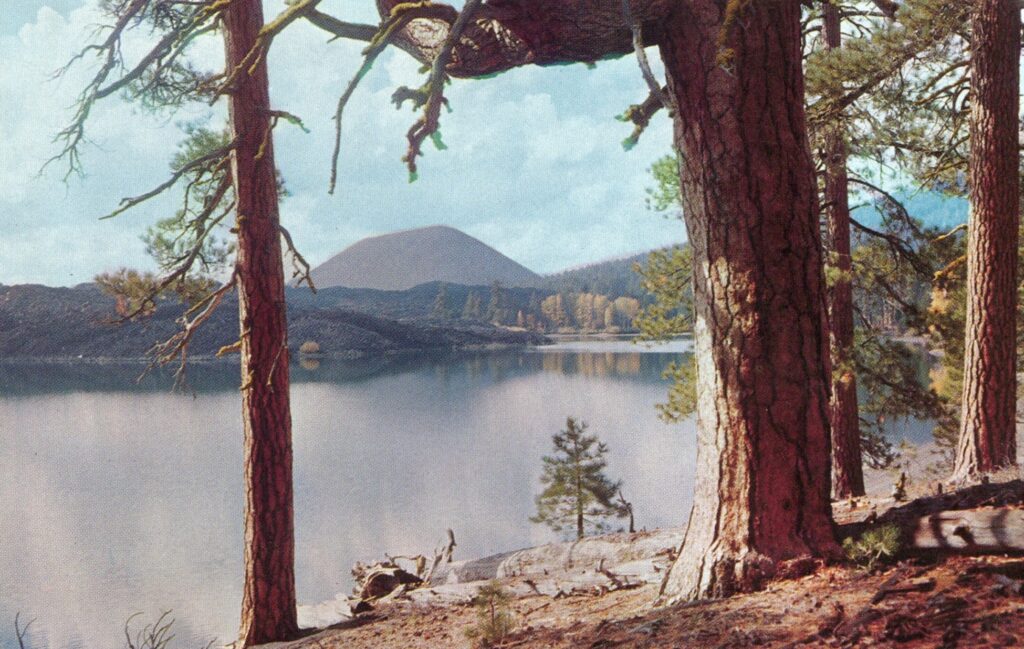
Butte Lake/Cinder Cone, Lassen Park

Butte Lake with Cinder Cone in the background

It is Christmas Eve, and what better way to take a moment to relax with this picturesque postcard of Butte Lake. The lake situated in the northeast corner of Lassen Volcanic National Park and is accessible from Highway 44 with a turn off to a dirt road, of about six miles. Because it is off the beaten path, there are no crowds and it does not feel like you are in a national park. If you never been there, or has it been a long time since you last visited, you might want to include in next summer’s list of places to go and see.

Tim


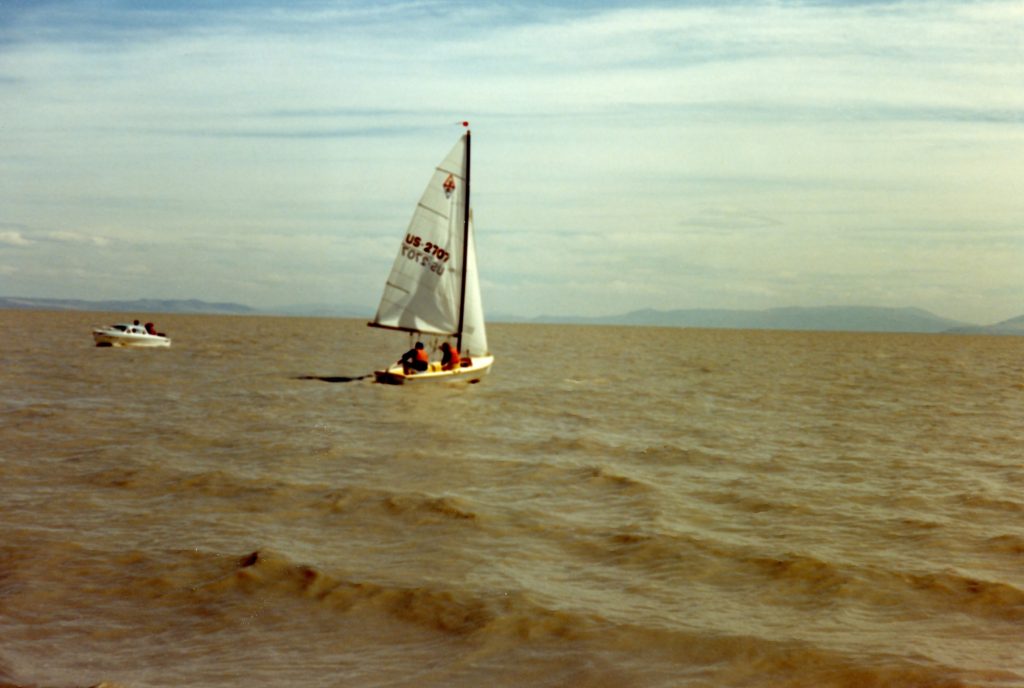
Tuesday Tidbit – Honey Lake Sailing

In 1987 an informal regatta was held on Honey Lake.

Lassen Advocate – 9 March 1899 – Milford Murmurs. Gus Grunt and Capt. John Hansen are a building a sail boat for hauling wood across the lake to Amedee, and while we appreciate their enterprise, we can predict but failure, since the winds upon the lake are not reliable upon, and we advise that they take a small tug along in case of adverse winds or a calm.

Tim


A 1927 Rabbit Drive Editorial

A picnic at Wendel Hot Springs, circa 1917.—Betty Barry Deal

Lassen Advocate, 31 January 1927 – Jack Rabbit Drives. We had never given the jack rabbit drives that have been held in Lassen County lately much thought until last Sunday, other to realize that killing the number of rabbits that they were of value to the county and the farmer.

“Last Sunday the drive at Milford brought out between 400 to 500 people, men, women and children and each and every one not only helped the agricultural interest of the county by their presence and assistance, but had a good day’s sport to boot. Many of those at the Milford drive Sunday stated then and their intention of taking in the drive at Wendel the coming Sunday.

“Try and make arrangements to attend the Wendel drive, we our assuring that you will have a good day’s sport, you will be of service to your county and the farmers, and they will be glad to see you. No guns are allowed. All you need to bring is a good stout club, pick handle etc. No need to bring a lunch as “hot dogs” cooked in the hot springs will be served to all.”

Note: The organizers of the Wendel drive were overwhelmed when 1200 people showed up, out numbering the rabbits.

Tim


The Winter Solstice

Arnold Planing Mill, Richmond Road, Susanville, 1913.

Today brings a smile to my  face, for it marks at least one turning point of the winter season, even though it takes a few weeks to actually see it progress.  One of the things I dread about winter are the short daylight hours and now knowing that the pendulum will start working its way to bring more daylight. Actually, for those serious folks, on December 15, the sunset locally starts to get later, by a minute on that date. However, the sunrise keeps getting later, and does not reverse the trend until January 9.

Around these parts, historically the coldest and snowiest months are just ahead in January and February. Nearly all the record breaking snowfalls occur in mid-January. For those interested in forthcoming storms and especially the snow conditions I recommend The Tahoe Daily Snow.

Tim

Susanville’s Union Street

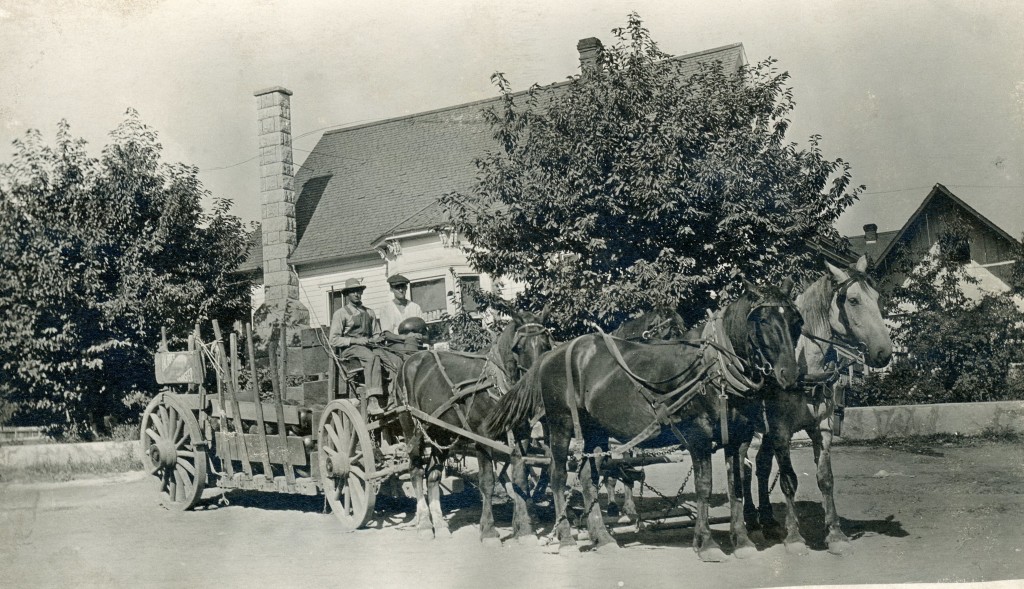
Deforest Freight team, Union Street circa 1912

During the Civil War of the 1860s, communities in support of the North, applied Union to street names, squares, etc. Susanville was a perfect textbook example.

Typical of the era, map makers were one dimensional. Susanville’s original plat, shows Union Street extending beyond Cottage and connecting Weatherlow Street at the Richmond Road bridge.  There were two problems. First the proposed street would dissect the block that was home to the Susanville School District. The other was the physical restraint of the hillside for Union to connect with Weatherlow. During the messy title problems of the 1870s, caused by  the town’s founder, to rectify this particular situation, that segment of Union to Weatherlow was abandoned.

Support

Susanville’s Union Street

Deforest Freight team, Union Street circa 1912

During the Civil War of the 1860s, communities in support of the North, applied Union to street names, squares, etc. Susanville was a perfect textbook example.

Typical of the era, map makers were one dimensional. Susanville’s original plat, shows Union Street extending beyond Cottage and connecting Weatherlow Street at the Richmond Road bridge.  There were two problems. First the proposed street would dissect the block that was home to the Susanville School District. The other was the physical restraint of the hillside for Union to connect with Weatherlow. During the messy title problems of the 1870s, caused by  the town’s founder, to rectify this particular situation, that segment of Union to Weatherlow was abandoned.

Support

How Certain Hospitals Evolved

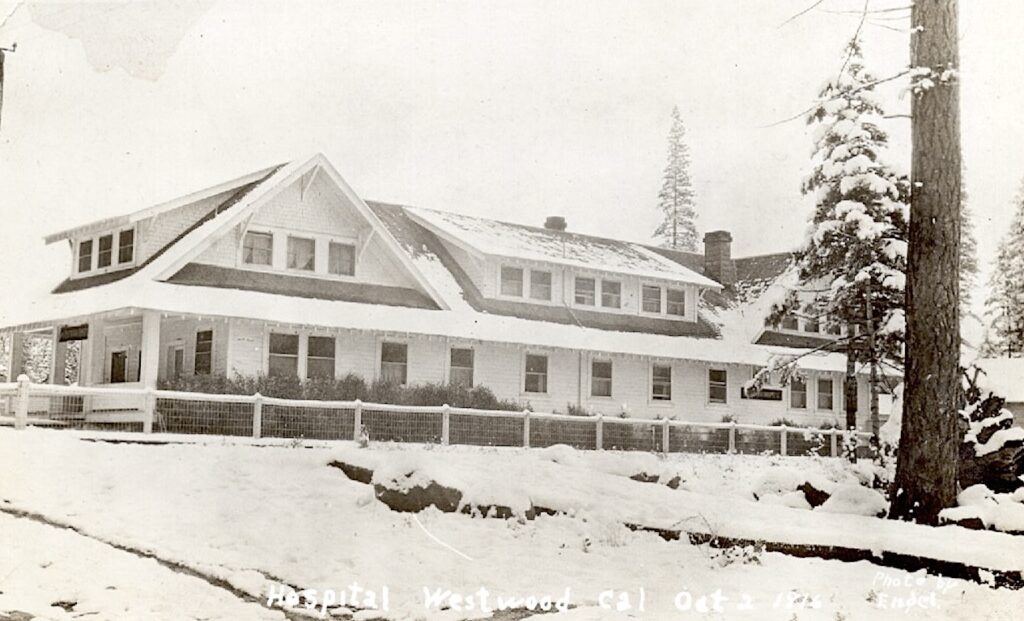
Westwood Hospital-Courtesy of D.B. Martin

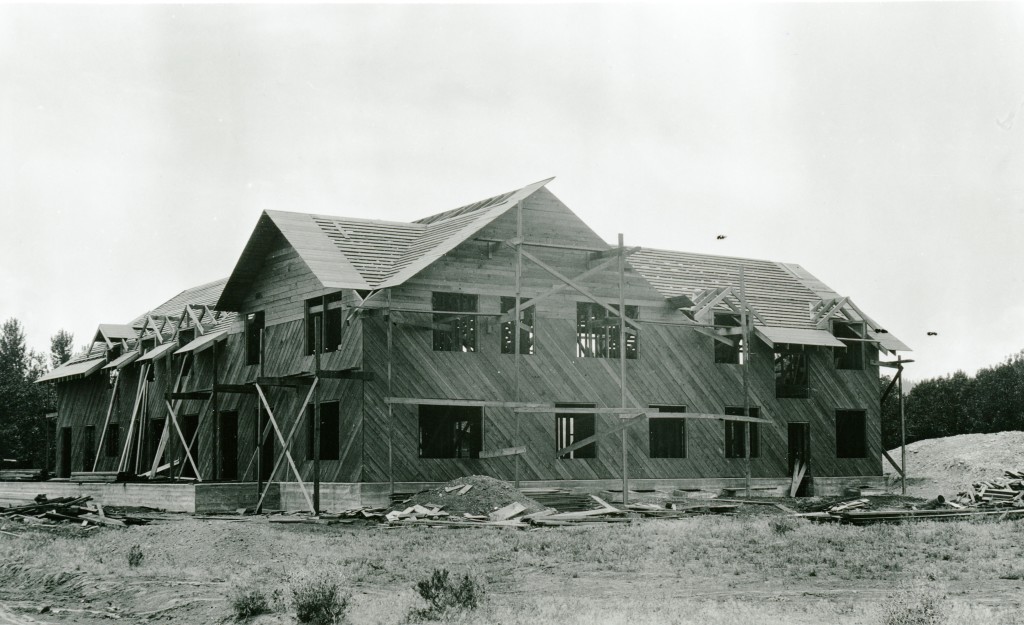
This is a tale of how many hospitals were established in the 1910s. In 1914 California adopted the Workmen’s Compensation Act. This affected large industrial employers such as lumber mills in our region. Companies had two options for medical insurance to their employees. They could self insured or buy a policy through the State. Fruit Growers and Red River adopted the self-insured approach the employees were charged one dollar a month for health and medical care. This insurance covered every member of an employee’s family. This was how the Riverside Hospital was built in Susanville and the Westwood Hospital.  The Act was amended in 1944 and both Red River and Fruit Growers opted out of the self insured plan, and paid into the State Workmen’s Compensation Fund.

Construction of Riverside Hospital, 1920. Courtesy of Ed Standard

A little bit of trivia is this how Kaiser Permanente was formed. Kaiser initially were ship builders and they too originally opted for the self-insured policy.. They also dropped the self-insured policy, and in 1945 Kaiser Permanente was established.

Tim

Exploring Lassen County's Past