First Impressions, 1874

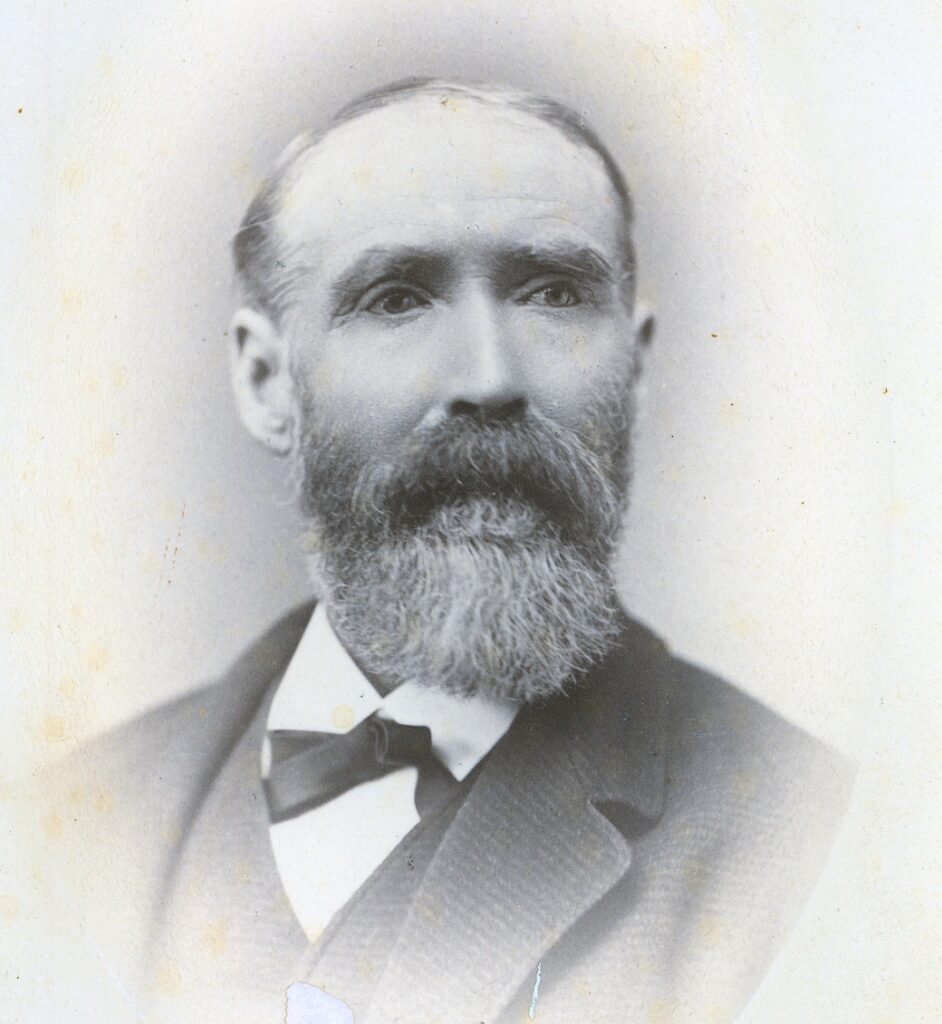
Sylvester Daniels. Courtesy of Jean Gorzell

In the spring of 1874, Iowa resident Sylvester Daniels came to Janesville to spend some time with sister Polly Parks. The primary reason for the journey was to inspect the country as possible relocation of is family. He kept daily journals, whether such entries was done doing. chores, but equally important was the observations of people and places.
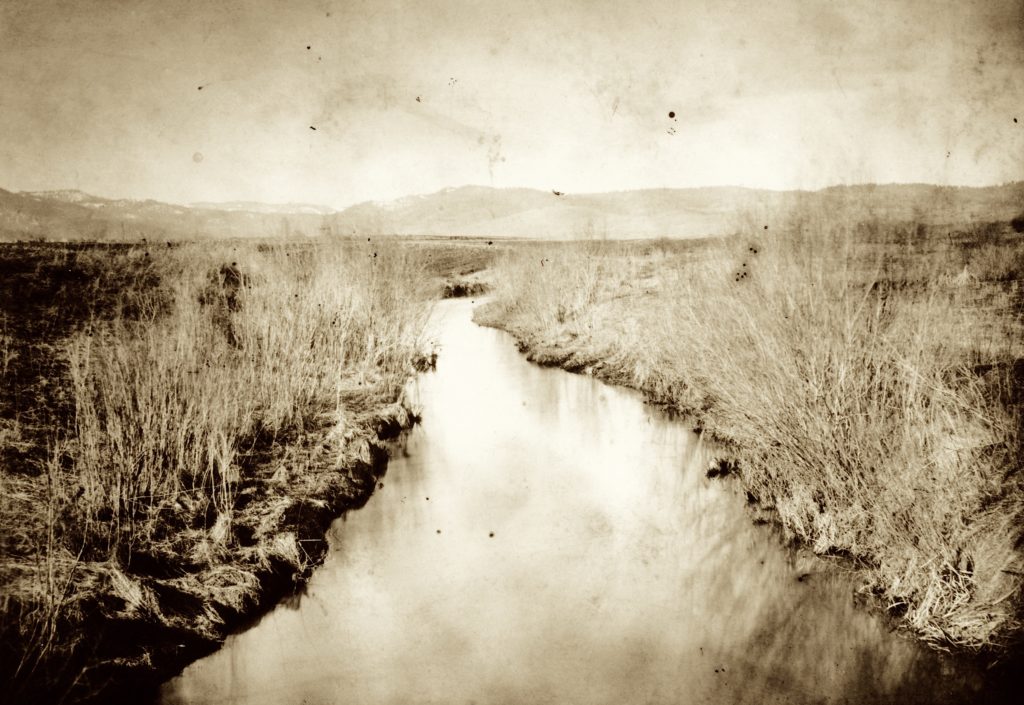
Honey Lake Valley, 1898. Courtesy of Betty Barry Deal

On his first visit to Susanville he wrote on June 9, 1874: “There are some pretty good looking ranches along the Susan River. Susanville is the County Seat of Lassen County. They can boast all they are mind to of this country, but it not here. So far as I have seen there is very small portion of this country that has a soil. All that the greatest part is good for is what mineral can be got out of it  and the climate. There is million acres good for nothing so far as man can see, only to hold the world together. It looks to me that here is about as many folks in this valley, it will support..”

In December 1875, Daniels liked what he saw up north in Surprise Valley He relocated there, died in at Lake City in 1908. His descendants still reside there.

Tim
 

Hurlbut & Knudson—A Troubled Partnership?

P.D. Hurlbuit—Philip S. Hall

Some partnerships are successful, while others or not. Family partnerships are in a league of their own. Today we examine the ranch partnership of Perrin D. Hurlbut and Lewis Knudson. The two men were brother-in-laws, as they married sisters. Perrin was married to Mary Bancroft and Lewis to Emma Bancroft .

In the fall of 1863, Hurlbut & Knudson settled in Willow Creek Valley, just north of Susanville. The two sisters, along their respective children, remained in Wisconsin for several years until men had suitable accommodations. In 1878, the Hurlbut-Knudson partnership dissolved. Knudson retain the ranch, while Hurlbut purchased Adam Jakobs’ sawmill on Willow Creek, approximately ten miles west. The Hurlbut family remained in the sawmill business until. 1920 when they sold the Red River Lumber Company. Lewis Knudson retired in 1903, and turned ranch over his daughter Mary Edna and her husband James Streshley. In January 1955, the Streshley family sold Fred and Vivian Hansen.

Tim


Interesting Finds Along the Way

Sergi Cake
The Sergi-Sacco wedding cake. Courtesy of C. Derek Anderson

One never knows where interesting historic relics might surface. In 2005, the late Charles “Chuck” Dickens andI  embarked on a project of locate every Lassen Union High School yearbook since 1904, to digitize and present it to the members of the Class of 2007–the 100th commencement from that school. The 1911 yearbook was elusive, only fifty printed. During a house remodel project in Atlanta, Georgia, in the wall was a Lassen High 1911 yearbook, that I was able to obtain.

Closer to home, was discovery of a cache of photographs behind the former Susanville’s Marion’s Bar, on Weatherlow Street. The bar, had a quiet history, it was from the Hotel Amedee, stolen in 1933, found in Chester, then made its way to Marion’s. Fast forward, the bar was being removed to all places to Chester, During the move a dozen of photographs were found behind the bar. Many were of Red River Lumber Company, but this unique wedding cake photograph was among them.

This cake fascinated me, and of course, did some sleuthing. While I have attended a few elaborate weddings, I never seen anything as colossal as this cake. This cake was five feet tall and weighed 250 pounds! It was made for wedding of Rose Serge and James Sacco on  November 15, 1936 at Sacred Heart Church. A brunch reception was afterwards at the Veteran’s Memorial Hall with some 500 people in attendance. With that many, a large cake was needed.

Subscribe


A Budding Entreprenuer

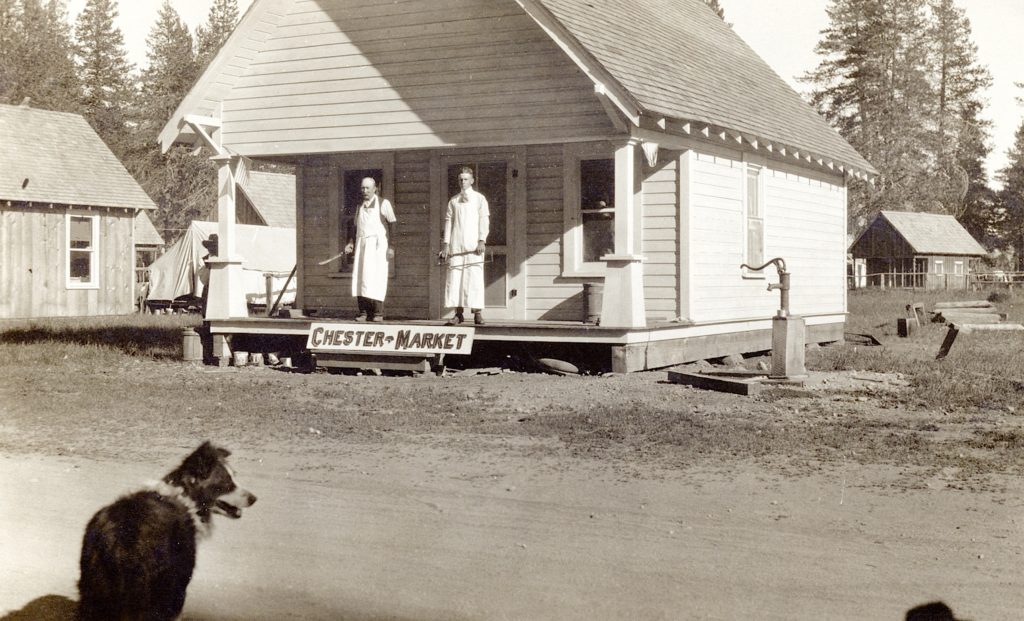
Chester Market, circa 1915. Courtesy of Hazel York Moller

George McDow, Jr. was born in Susanville in 1910, which that community was the verge on boom times, that never was replicated. George wrote his memoirs about those experience those twenty years. He spent considerable time at Chester  during summer of 1924. George wrote:

“The only store in Chester was operated by Jack Wardlow, who also had a dance hall next-door to the store. On Saturday nights and some holidays he would stage public dances. These attracted a lot of people from Westwood, even some Greenville and Susanville. The law in the area consisted of a Plumas County Deputy Sheriff. He had his hands full on Saturday nights jut keeping the peace, with no time to hassle the bootleggers, who sat in their cars, a few yards away in the dark and dispensed flasks of moonshine to the thirsty dancers, or anyone else who cared to imbibe. I soon learned that by arising early Sunday mornings, I would take a gunnysack, walk along the old split rail fences, which were then along Chester’s Main Street, and I could pick up nearly a sack-full empty flasks. It was not hard to find the town’s chief moonshine merchant. He would pay what I considered a fair price for my collection of empties. This provided me with spending money for fish hooks and occasional ice cream cone.”

Tim

A Glimpse of Lassen County Archives From the Past

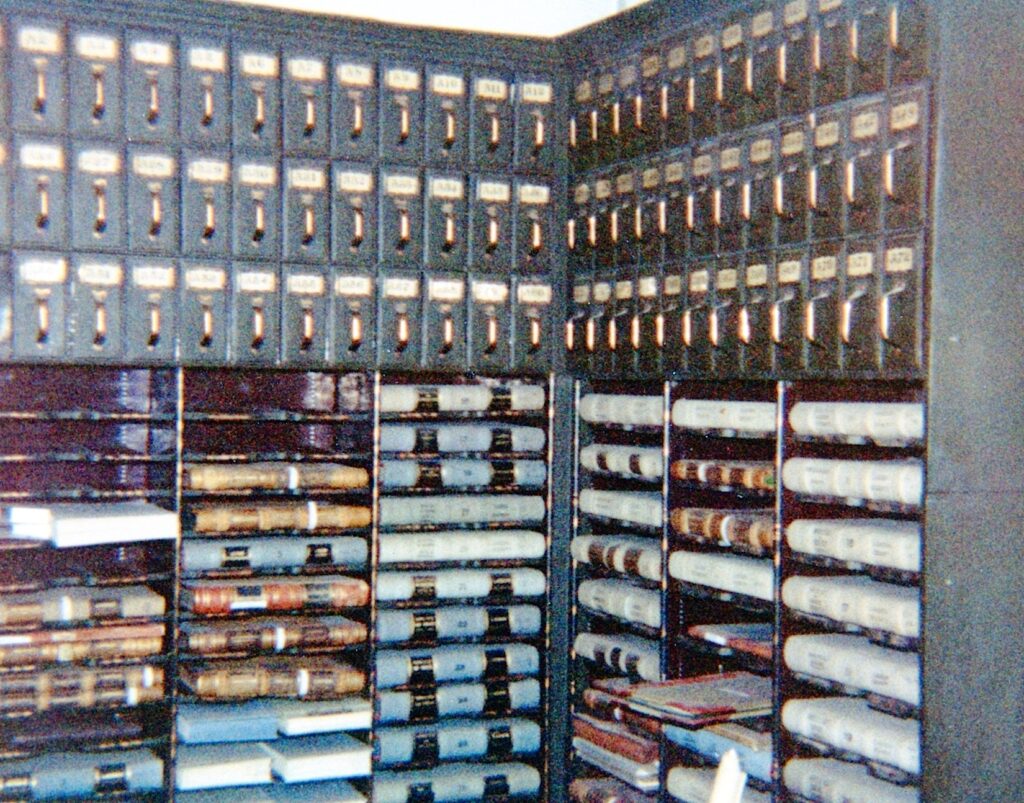
Lassen County Archives, 5 December 1980

When I first undertook my research, the late Dr. Robert Amesbury informed me that the old county records had been destroyed  in a fire when the courthouse burnt down. Au contraire, that event did not happen.

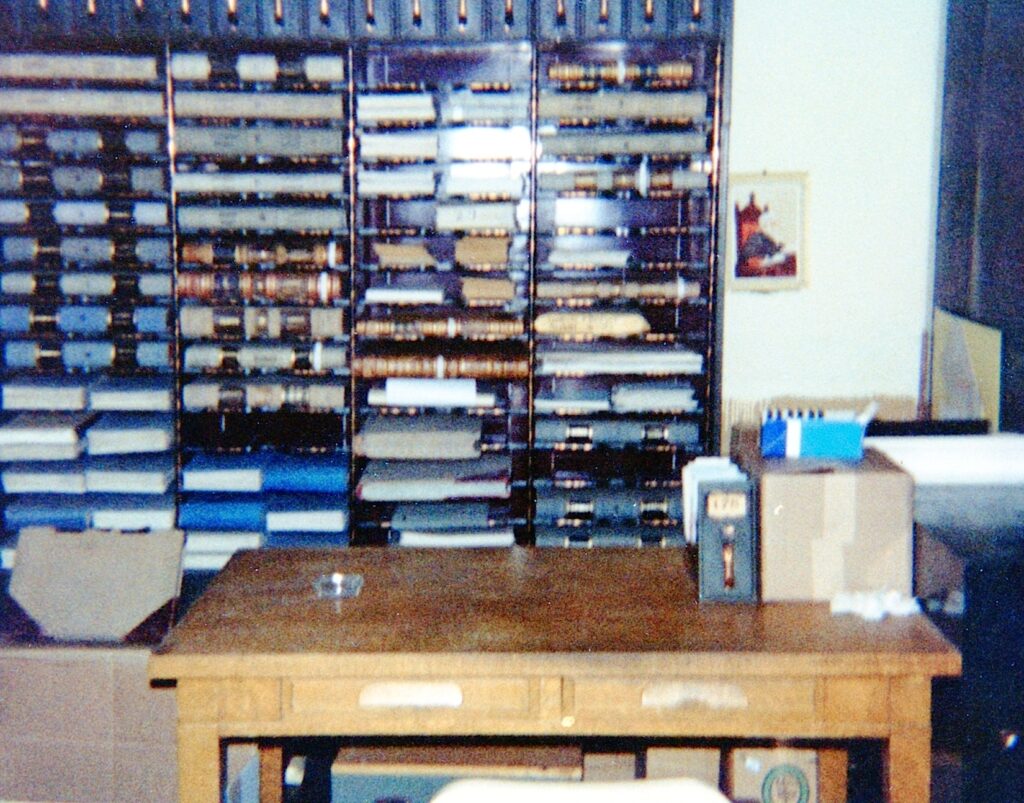
My informal office in the archive room of the Lassen County Clerk’s Office.

The records were intact dating back into the late 1850s. The bulk of records were located in two offices-Auditor/Recorded and County Clerk. My education was now starting as there  were terms that were foreign to me. The staff of the two offices and were patience with me explaining all intricacies.

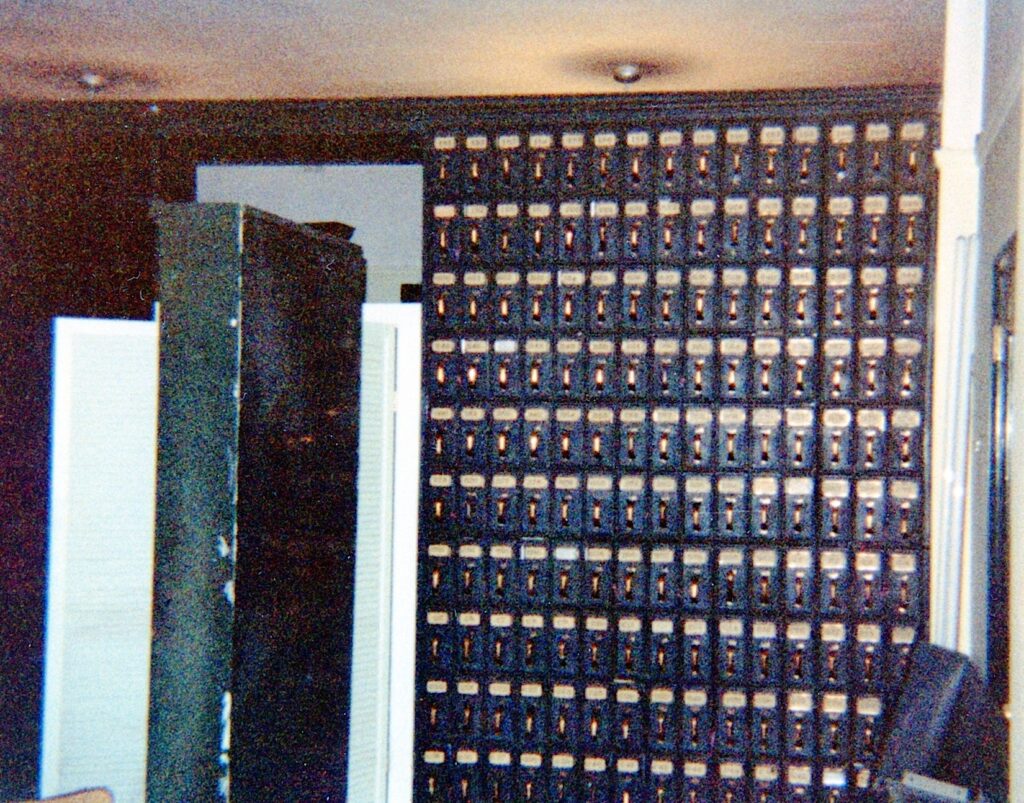
The Superior Court records being moved to the third floor of the courthouse, December 5, 1980.

Over years changes were happening. The bulk of the original documents are now in storage.

Tim

.

The St. Francis Hotel & Its Origins

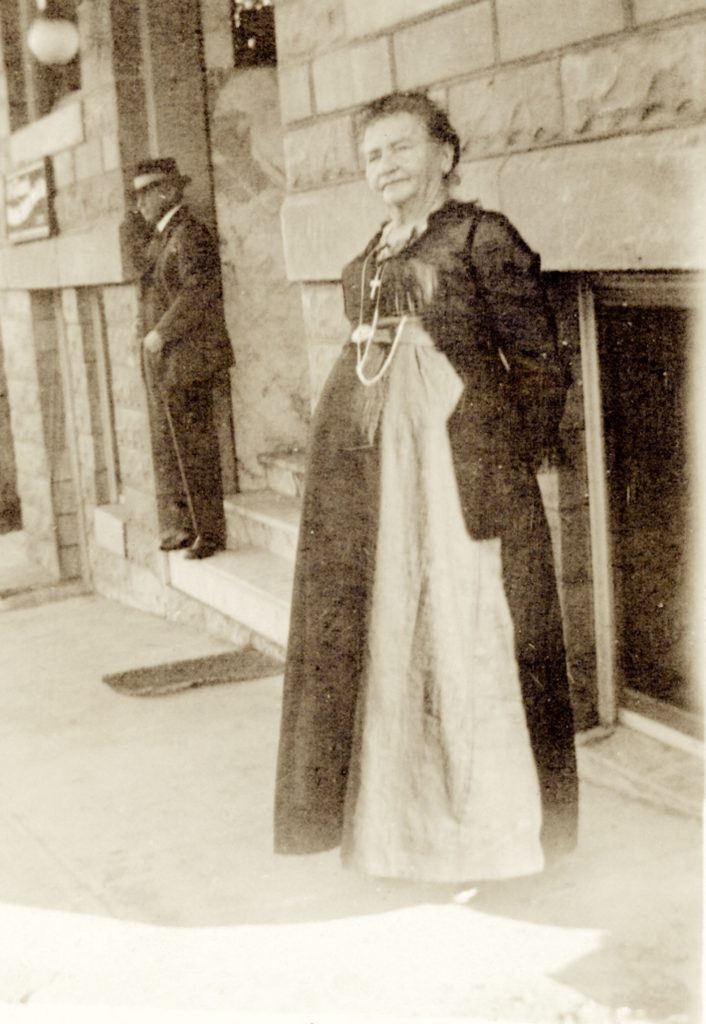
Franceska Murrer Neuhaus, 1916—Leona Jackson Byars

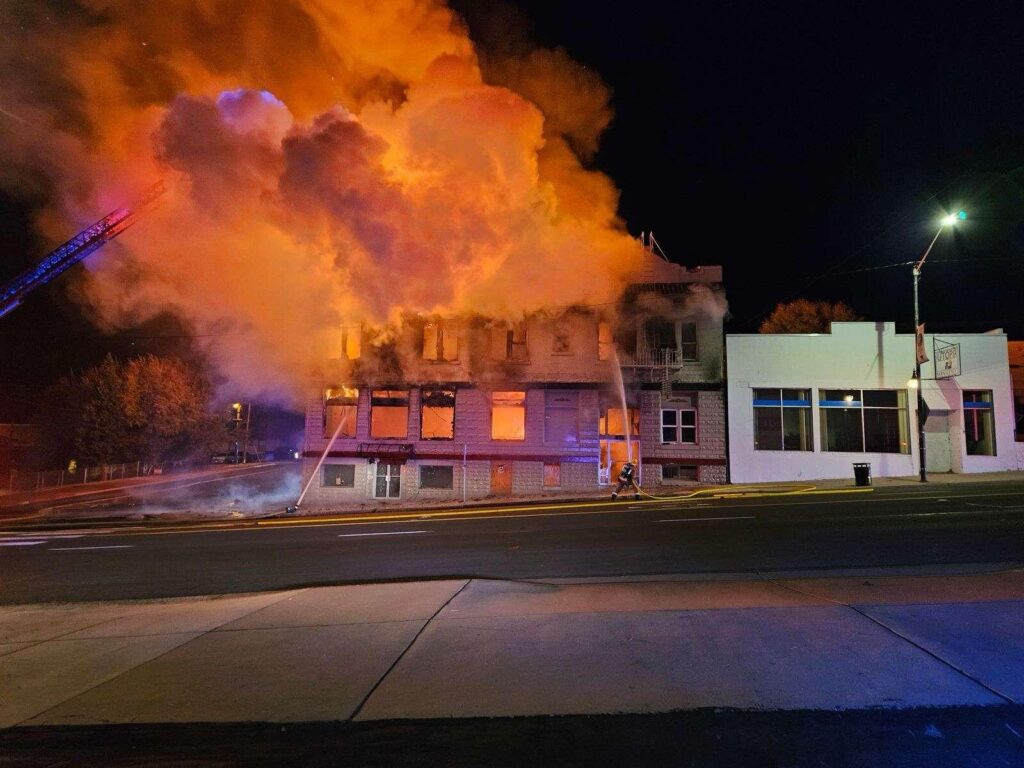
There are readers from far and near. While the later, is well aware of the Susanville’s St. Francis Hotel came to an end on November 1, 2024 when it was engulfed in flames caused by a suspected arsonist.

St. Francis Hotel fire, November 1, 2024-Susanville Fire Department

My great-great grandmother Franceska Murrer Neuhaus had the original portion of the hotel  built in 1914. It should be noted that she was 74 years old with this business venture. She was a devout Catholic, hence the hotel’s name. It was  also conveniently located near the Sacred Heart Church, which she was instrumental, along with Antone Bantley and Thomas Mulroney that established the parish. When she passed away in 1918, her son Bill Neuhaus inherited the hotel.

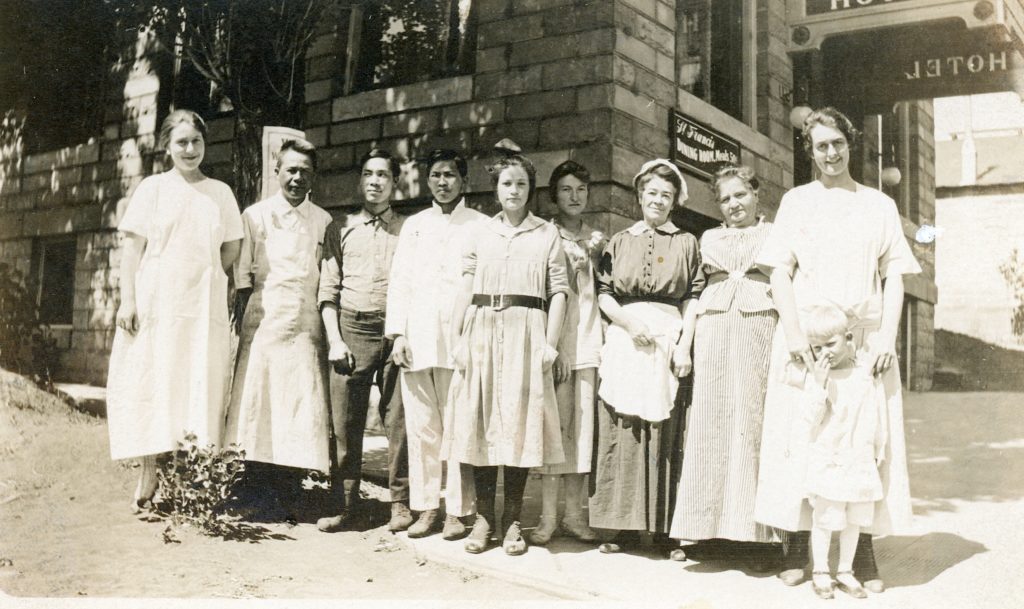
The staff of the St. Francis Hotel, 1915. When it first opened its door for business in 1914 and for many years, they hired Chinese to manage the restaurant, though they advertised the menu as American cuisine. Courtesy of Leona F. Byars

In 1925/26 Bill and his wife Flora, had expanded the hotel with a west wing addition.   In 1944, the childless couple sold the hotel due to Bill’s health. It should be noted, in 1901, at Willow Creek Valley, during hay season, Bill’s right leg  was mangled a steam threshing machine and subsequently amputated.

Tim


Thomas Tucker – An Honored Veteran

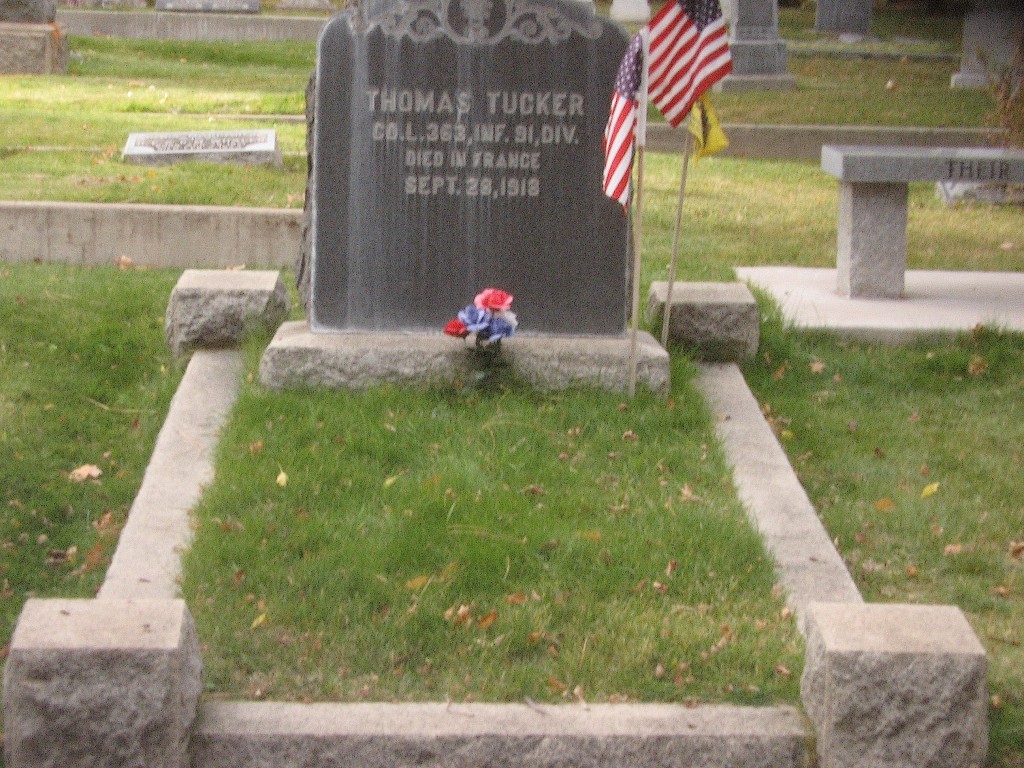
Thomas Tucker’s headstone prior to cleaning.

Thomas Tucker, a Maidu born at Big Meadows (now Lake Almanor), Plumas County in 1895 and moved to Susanville at an early age, where he was raised by his aunt and uncle Cap and Emma DeHaven. He first attended the Greenville Indian School, where he excelled in his studies. He was noted for his gifted vocals in singing, as well as his athletic abilities. When the U.S. entered World War I, he enlisted. On the fateful day September 28, 1918 he was killed in action in France, becoming the first casualty from Susanville in the War. His comrades held him in high esteem and when the local American Legion Chapter was formed in 1920, it was named in his honor, Thomas Tucker Post No. 204. In 1940, a tree was planted in his memory at the Lassen County Courthouse, and a small marker placed with his name. Continue reading Thomas Tucker – An Honored Veteran

Veteran’s Memorial Halls Questioned

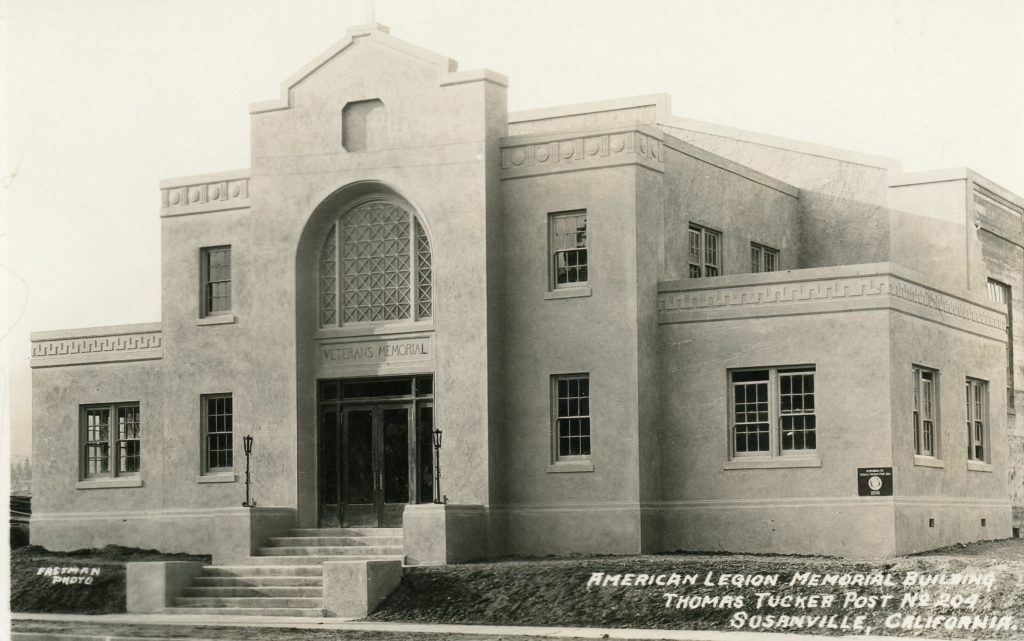
Veteran’s Memorial Building, Susanville, 1926

After the conclusion of World War I, the nation’s patriotism did not subside, if nothing else it continued to gain momentum.  In 1921, the California Legislature amended provisions in the Political Code to allow cities and counties to provide homes and meetings places and associations for veterans.

Los Angeles County jumped on the bandwagon and appropriated $500,000 to build a “Victory Hall.” Not so fast stated the county auditor, who refused to pay any warrants associated with the building since it was not for public purposes. Therefore, in the auditor’s opinion, it would be a gift of public funds. The matter went to the California Supreme Court. The court’s decision rendered on November 30, 1923 ruled in favor of Los Angeles County and the American Legion organization.

Tim


Fruit Growers Burney. Railroad

Burney, circa 1940

In early 1940s, the Red River Lumber Company proposed to build branch railroad logging line off the Western Pacific near Poison Lake with a final destination to Burney. That planned was on hold due the conditions of War World II and subsequent sale of Red River in 1944 to the Fruit Growers Supply Company. It should be noted that the Burney Tract contained estimated two billion board feet of merchantable timber.

Fruit Growers surveyed the railroad line descending off the Hat Creek Rim near Cassel then onward to Burney. In 1949, the Harvey Railroad logging line shut down. The rails were stored Halls Flat near Poison Lake, and that increased the speculation of the pending railroad. Then things got complicated and a new player enter the field the McCloud River Lumber Company. McCloud’s mill was sixty-one miles northwest of Burney. The Company was expanding to the south and had eye on the Burney Tract.

In 1951, Fruit Growers and McCloud drafted a mutually beneficial agreement. Fruit Growers would build the line they had surveyed from Poison Lake to Burney and lease it to McCloud, who would be responsible for operating and maintenance.  McCloud would eventually scrap the Poison branch. Instead, McCloud extended its line to Burney and on July 3, 1955 the formal dedication of that line was held.

Subscribe

Weather Whiplash of the 1860s

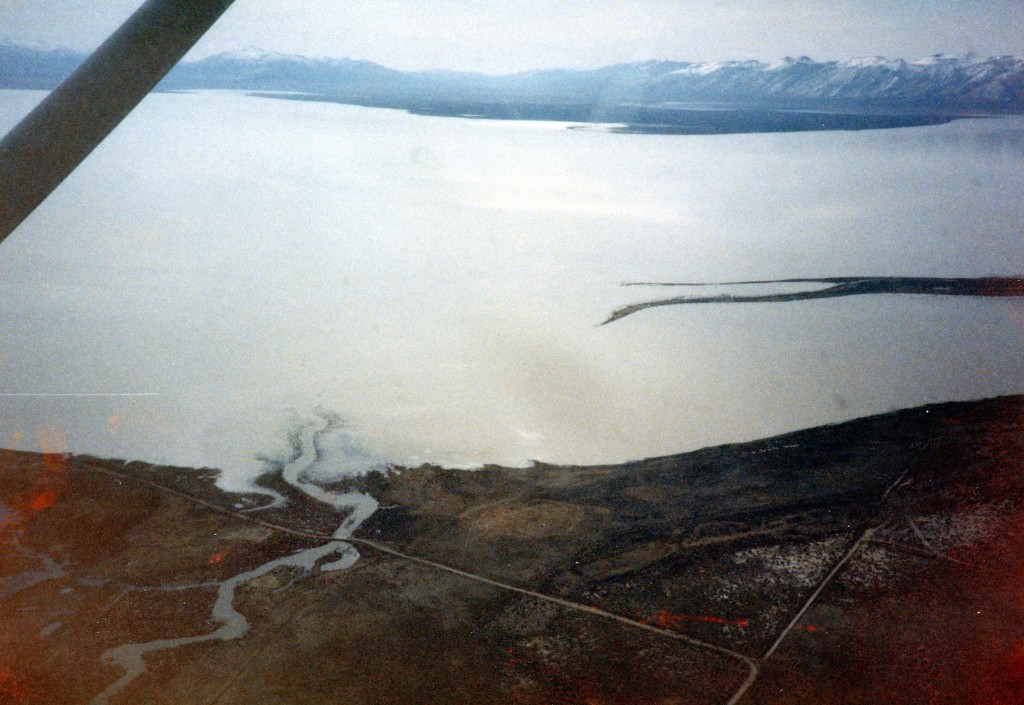
Honey Lake, 1984
Honey Lake, February 1984. To the right is the Hartson Sand Ridge. Photograph courtesy of Bob Sorvaag

The winter of 1861-62, is one for the record books for the entire West Coast.. The epic rains throughout California lasted over forty days. Thankfully, the A.L. Tunison diaries provide a glimpse of what happened locally and elsewhere.

The previous two winters had been dry. By the end of November 1861 there was a foot of snow in the Honey Lake Valley. Then on December 8 and 9, heavy rains began. On December 18, Tunison received news of flood damage elsewhere and writes, “Good flood in Sacramento Valley. Water 15 feet deep in Sacramento City. Boats run on Main Street in Marysville. Great many cattle lost. Slide on Sierra Nevada Mountain at Washoe covered up a quartz mill, injured two men, killed another. Two bridges gone on the Truckee River.” Continue reading Weather Whiplash of the 1860s

Exploring Lassen County's Past