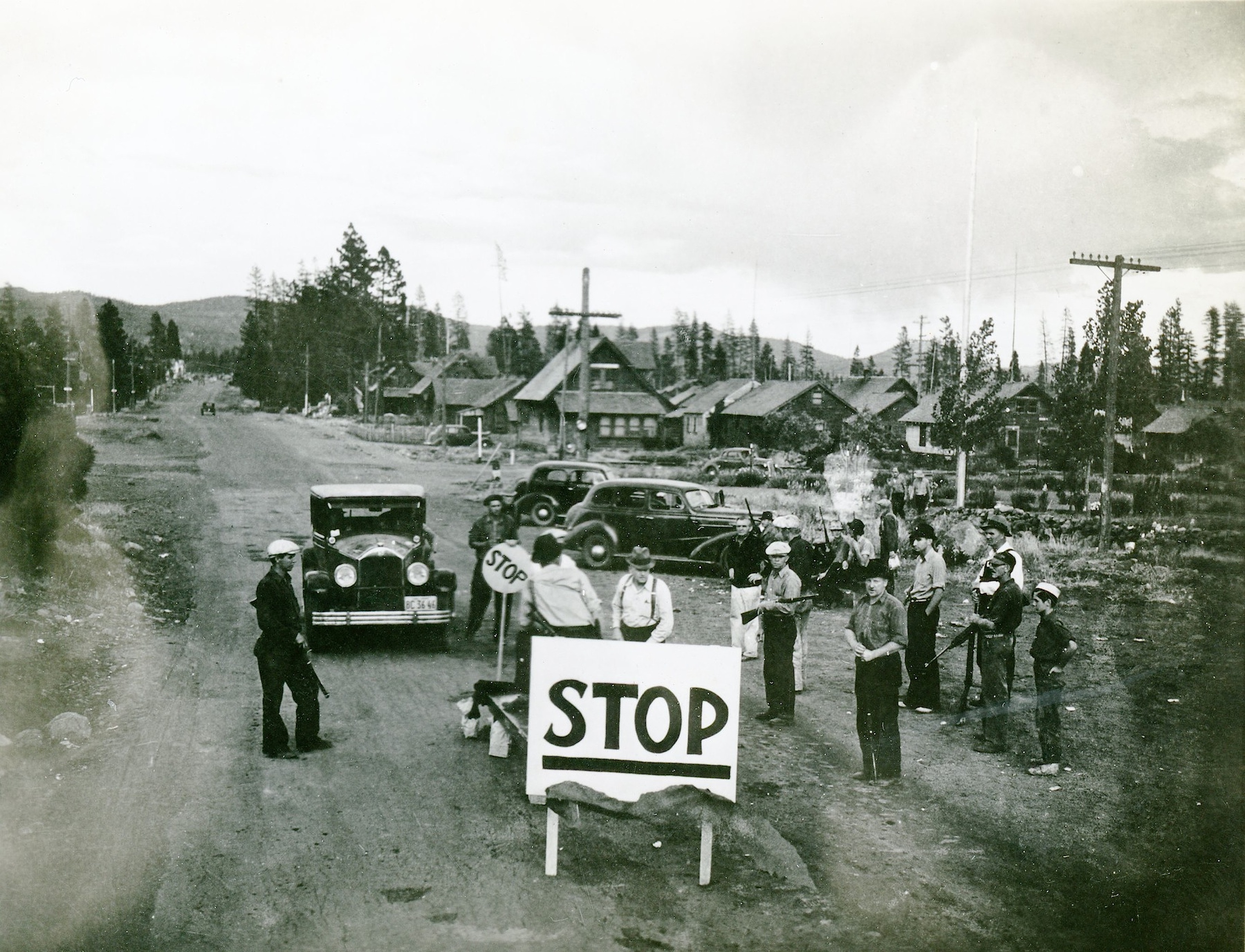
This was a scary time during the strike of 1938 at Westwood.
Yesterday, I attempted a semi-dry run for the upcoming Halloween Tour. However, I encountered two problems. One site, I am unable to navigate due to the grave copings and uneven ground. It is not a risk I am willing to take while still recovering from my broken hip. The other issue, which is disturbing is the marker for Vlaad Eifilnar is missing.
Due to those circumstances, unfortunately I will have to cancel, but there is always next year.
It is never too late, subscribe today and enjoy tomorrow with daily notifications. You can also surprise someone with a gift subscription.
Queen Lena the first, September 24, 1902. Courtesy of Betty Barry Deal
As promised, here is the story behind the coronation.
On September 24, 1902, Miss Lena Long won a lively contest to be crowned Queen, which was part of the festivities of the first Lassen County Fair to be held in ten years.
The coronation was a highlight of the fair, which began at 10:00 a.m. Queen Lena I and her attendants rode in decorated carriages from South Gay Street to Main and then to the head of Main Street where the new bandstand had been erected. When she arrived at her throne the Lord Mayor, E.V. Spencer performed the Crowning Ceremony. It was reported that, “Queen Lena as she sat on her throne looked the ideal Queen. Her robe, one of the most handsome money could procure, could not have been worn by a more lovely woman. Tall, stately, of the brunette type of beauty, Queen Lena is one of the most handsome of California’s fair daughters and as every one knows, California contains more lovely women than any spot on earth. “
The conclusion of the coronation was followed by a street parade. In the evening a reception and dance was held at the Emerson in honor of Queen Lena.
Lena later married Fred D. Hall and spent most of her life on their ranch near Standish. She passed away in Susanville in 1946.
It is never too late, subscribe today and enjoy tomorrow with daily notifications. You can also surprise someone with a gift subscription
Only two structures were built on this lot. The first was the residence built in the mid-1870s, and that structure stands today at 250 South Roop Street.
In the 1920s saw the invasion of chain stores to Susanville. They were met with mixed reaction. No matter what your opinion they were here to stay.
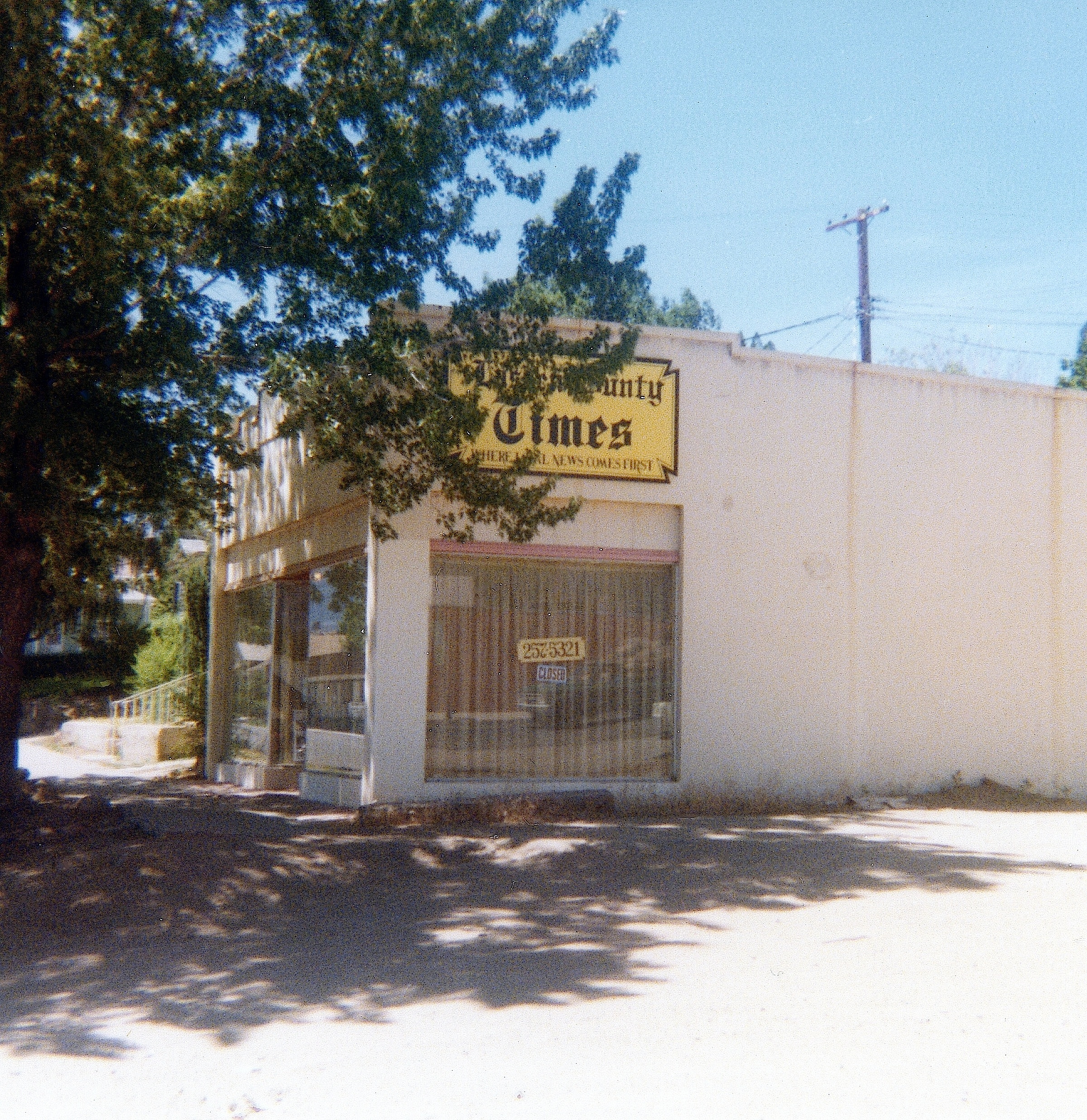
In 1939 the residence was moved to its current location to 250 South Roop Street. It was replaced with the current structure which when completed housed Susanville’s first Western Auto. Business was so good it had to move to larger quarters on Main Street. Since then it has a few different occupants. For many years, it was the office of Dr. C.I. Burnett. It was also the dentist office of Dr. Frank Packwood. In 1979 for a brief period it was the home of the Lassen County Times. Since then it has been the office of Carol Curry, CPA.
It is never too late, subscribe today and enjoy tomorrow with daily notifications. You can also surprise someone with a gift subscription
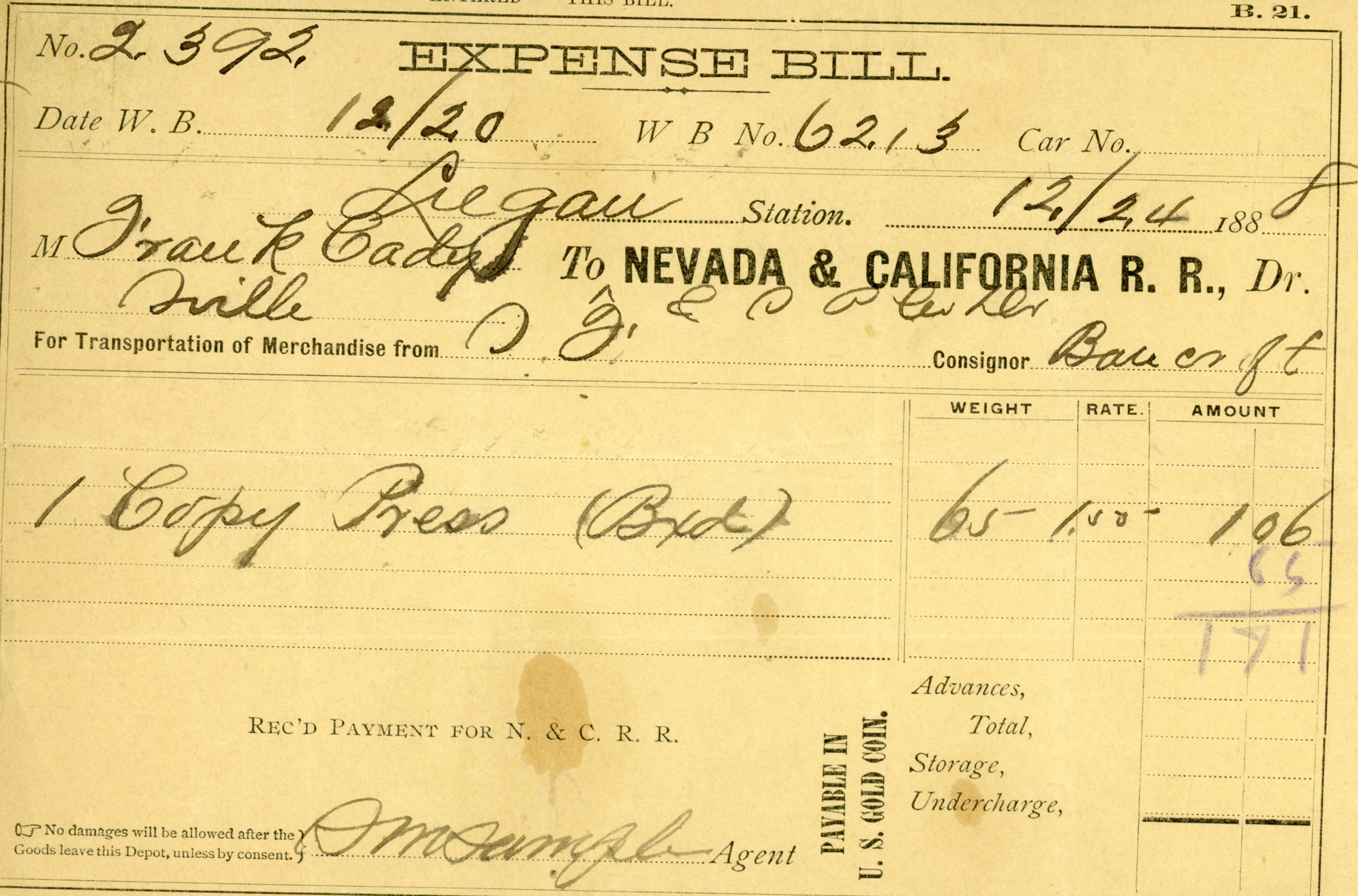
Liegan was one of those typical Nevada-California-Oregon (NCO) stations. It was known for something, but then again for nothing. On September 10, 1888 it became the new terminus for the railroad a bit north and east of Herlong today. It was a desolate outpost to say the least, surrounded by miles and miles of sagebrush, but not a single living soul in the immediate region. Of course, the decision to bypass the west side of Honey Lake for the east drew lots of criticism, a topic for another time. Its location was too remote for the railroad to generate any quantity of freight traffic at that point. One of its biggest claim to fame occurred on January 1, 1890 when numerous sight seers from Reno ventured there to view the eclipse of the sun. By that summer, the railroad extended its line farther north to Amedee, which quickly overshadowed Liegan. In the fall of 1890, Elmer Koken who traveled to Amedee on the NCO remarked that the Liegan station consisted of a box car. On April 9, 1891, the Liegan Post Office closed after an existence of eight months.
There was a glimmer of hope and Liegan was revived briefly during 1909-10 by the railroad. The Standish Water Company had just built a pumping plant on Honey Lake, with the intention to reclaim the sagebrush plain into a major sugar beet production region. That failed, and Liegan’s hopes went with it.
It is never too late, subscribe today and enjoy tomorrow with daily notifications. You can also surprise someone with a gift subscription.
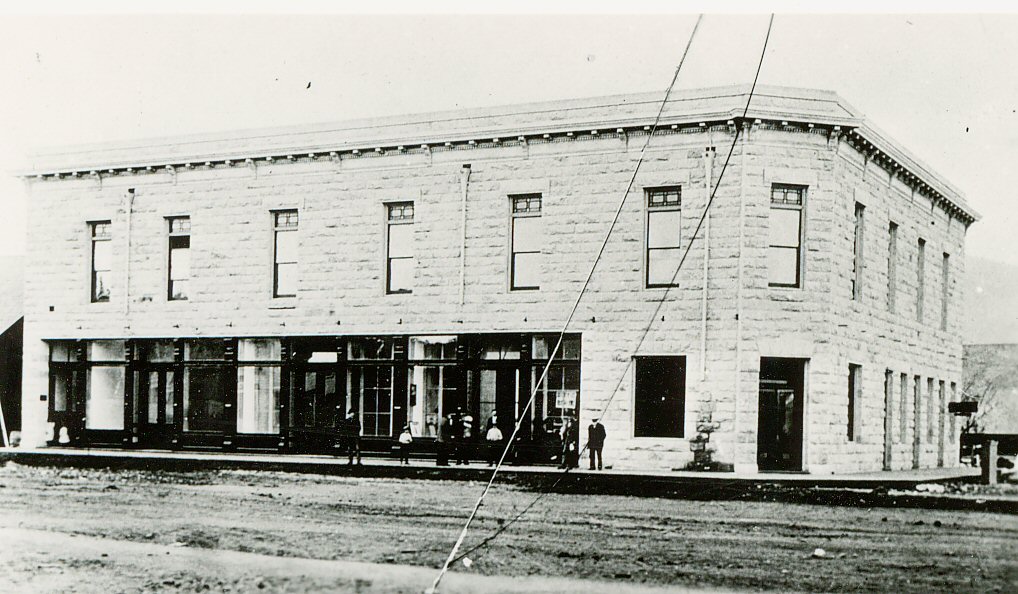
Susanville’s Knoch building has endured a lot since it was first constructed back in 1893-94. The building’s location on the northwest of corner of Main and Lassen Street was originally occupied the local Masonic Lodge. The town’s horrific fire of 1893, where a majority of its business district was destroyed, including the Masonic Lodge, changed its landscape.
The Masons determined like the proverbial phoenix embarked on an ambitious plan to rebuild. The two-story native stone was dedicated on July 4, 1894. The $20,000 structure was more than the Masons could afford and seven months later looked at options to dispose of it. One of the biggest creditors was David Knoch who lent the Masons $7,650. Knoch, a Mason himself, offered to forgive the debt in return the Masons would deed the property to him. A lot of contentious wrangling took place, but in 1898 Knoch became owner of the property, and it remained in the family until the 1950s when his granddaughter Jeanette Worley sold it.
It is never too late, subscribe today and enjoy tomorrow with daily notifications. You can also surprise someone with a gift subscription
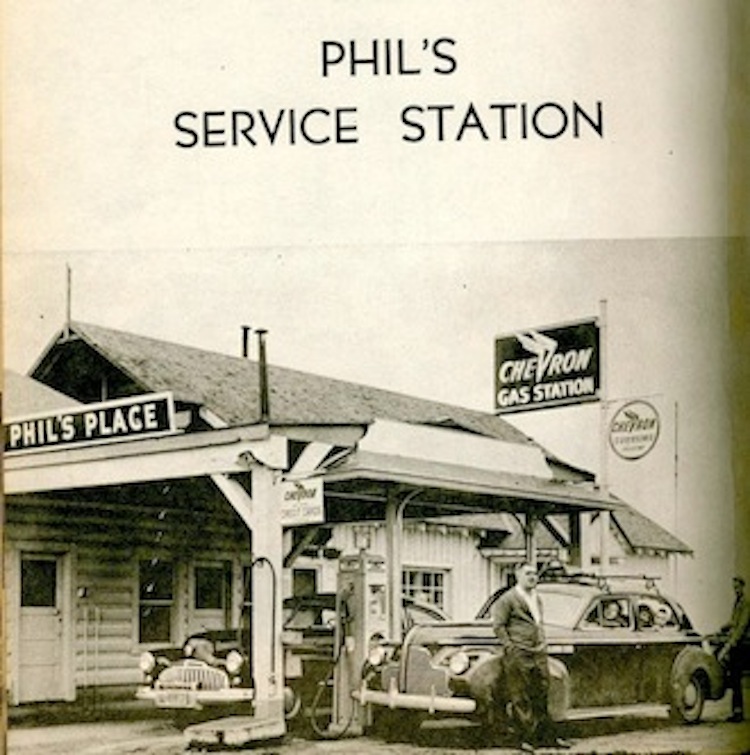
In the mid-1930s, Bill and Jeanette Tunison established very popular bar, restaurant and gas station five miles east of Westwood near Goodrich Creek. Tunison, it should be noted had been a Westwood resident since 1916. The establishment became very popular in a short order, known for its good food and hospitality. As Marian Hull Herrick recalled, “People would call ahead to see if they serving were Jeanette’s Rum pie that night. People raved about the fried chicken and biscuits. Jeanette confided in me that they were made with Bisquick.”Continue reading Tunison’s aka Phil’s Place→
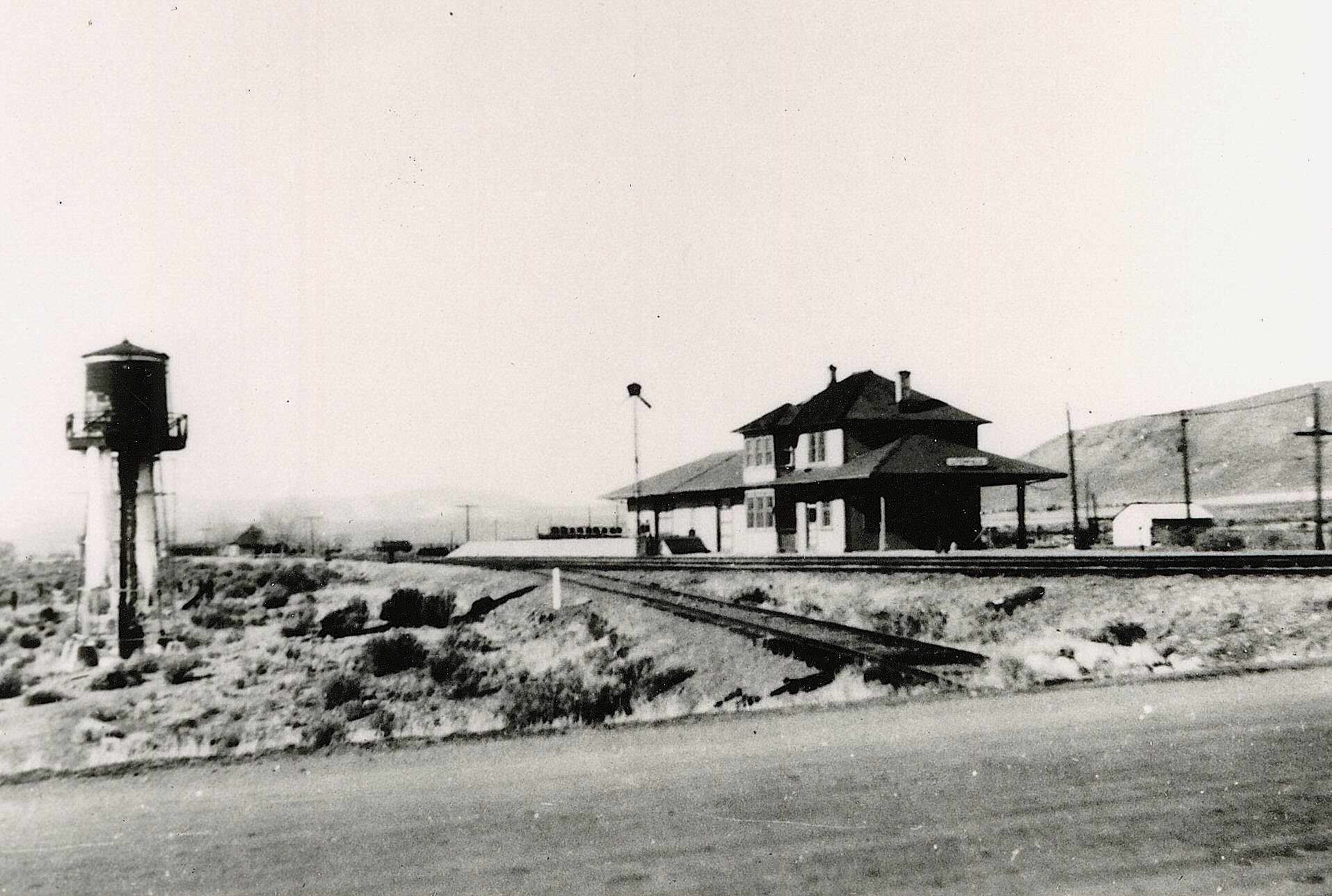
Litchfield Depot of the Fernley & Lassen Railroad, 1947. Courtesy of Camilla Moody
The Russian Thistle, (Salsola tragus), is best known too many as the iconic “tumbling tumbleweed.” Ironically, it became a symbol of the American West, yet it is a non-native plant. As its common name indicates it origins are from eastern Russia. Some sources indicate it was accidentally introduced in 1873 by Russian emigrates to South Dakota. The seeds from the plant are initially disbursed by wind. It is believed that many a railroad stockcar were imbedded with seeds, that allowed for them to be scattered throughout the west.
The plant did not make its appearance in Lassen County until 1914. While the Fernley & Lassen Railroad bought prosperity to the region, it also introduced this noxious invasive weed. The first plants were spotted along the railroad right-of-way. For the next two years, major efforts were undertaken to eradicate it, but it was a lost cause.
It is never too late, subscribe today and enjoy tomorrow with daily notifications. You can also surprise someone with a gift subscription.
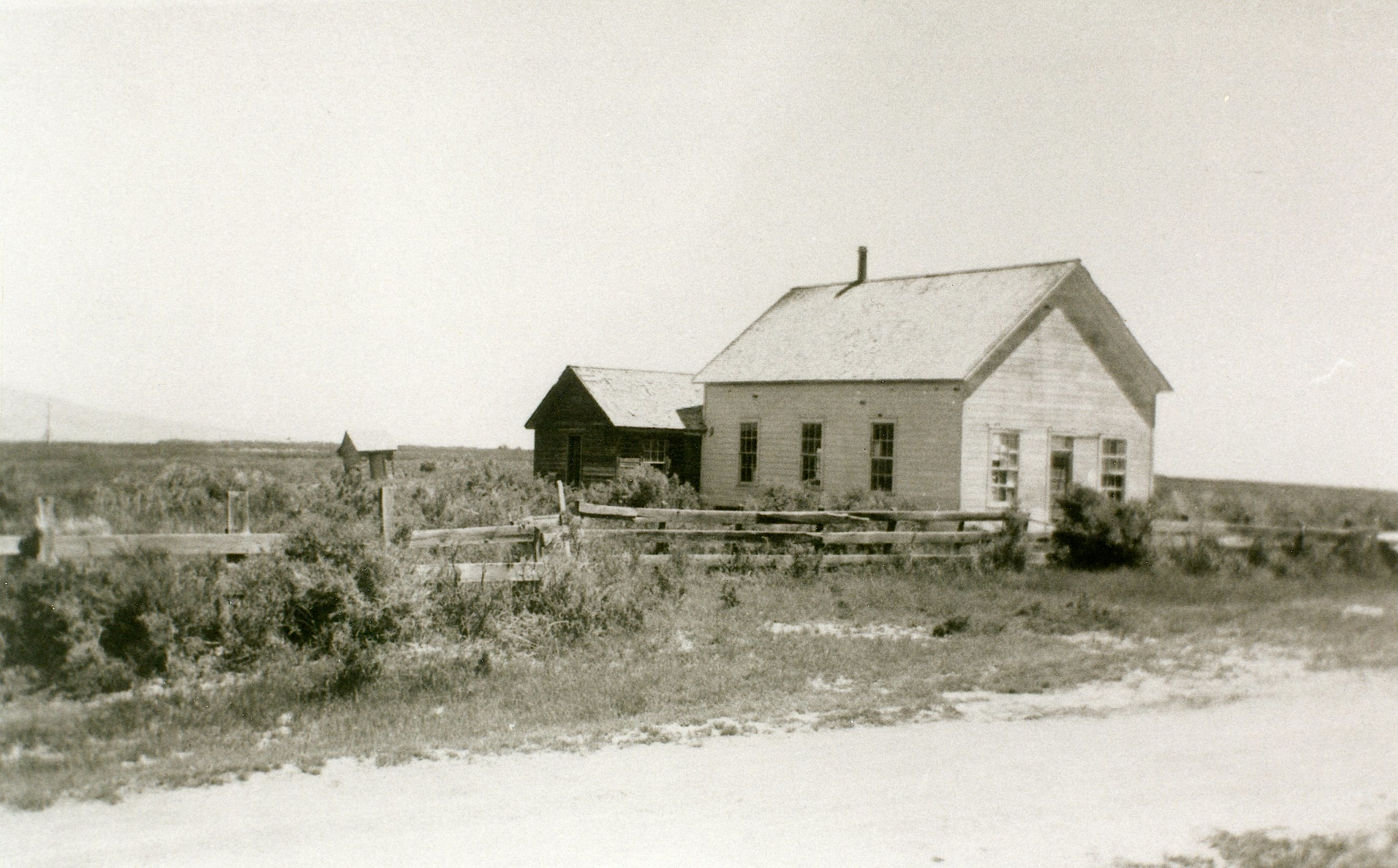
Soldier Bridge School, DeWitt, California. Courtesy of Franklin Dill.
The Soldier Bridge School was located a short distance from the present day Fleming Unit, of the California Department of Fish & Game. The district was established in March 1865 from a division of Susan River (Johnstonville). The first classes were held in the fall of 1865, with Miss Lurana Walker as instructor. In 1883, George W. Fry donated the land where the school had been built. At that time, Honey Lake Lodge #358 of the Independent Order of Good Templars was established and a hall was constructed next to the schoolhouse.
It is never too late, subscribe today and enjoy tomorrow with daily notifications. You can also surprise someone with a gift subscription.
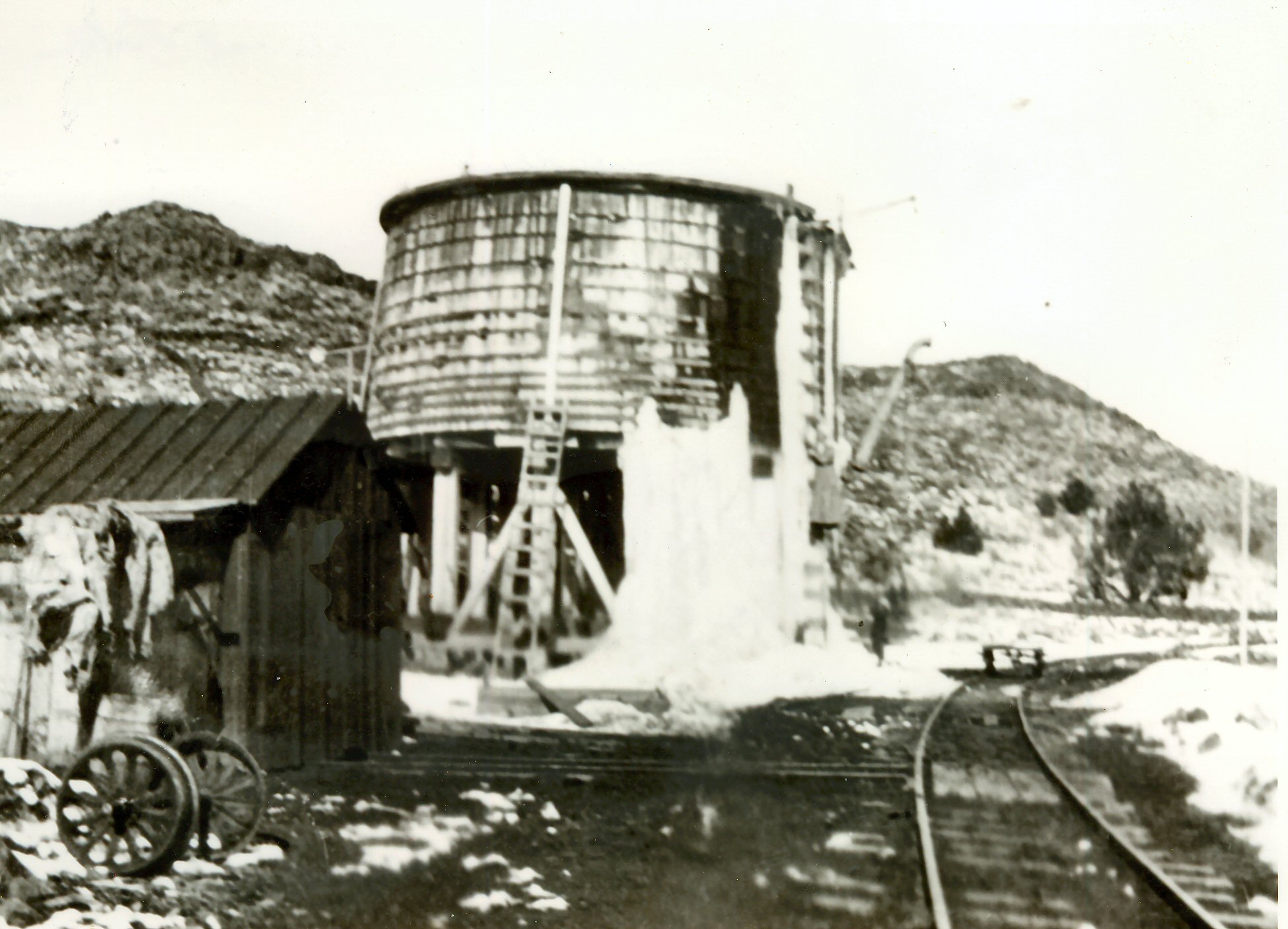
Horse Lake Station, 1915. Courtesy of Nevada Historical Society
It was originally a Nevada-California-Oregon Railroad station and later a Southern Pacific Railroad siding that operated from 1930-1961. In a way it is a bit of misnomer, since it is located five miles east of Horse Lake and near Snowstorm Ranch.
In 1913, the Shumway Post Office at Horse Lake was discontinued. In 1916, Horse Lake residents attempted to re-establish the post office and have a mail drop off at the NCO Railroad’s Horse Lake siding. The postal authorities denied the request. They stated they did not need a mail drop as that there were only four permanent families residing in the area. In addition, it was cited, the NCO was an unreliable operation, with irregular train service, and since there was no attendant at the Horse Lake Station, there was no way that the mail could be protected.
It is never too late, subscribe today and enjoy tomorrow with daily notifications. You can also surprise someone with a gift subscription.
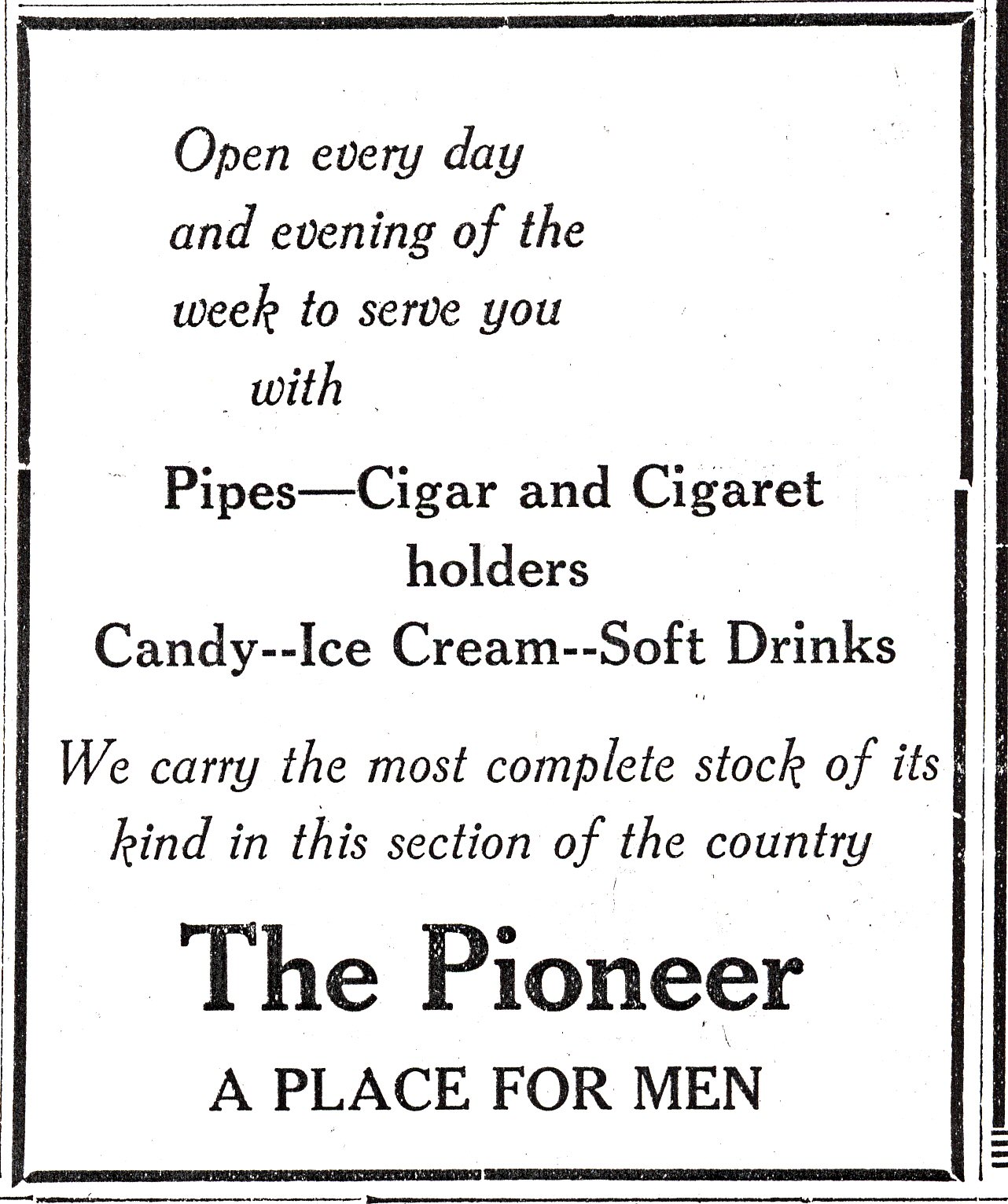
A 1920s advertisement for the Pioneer. It had to change its ways during prohibition.
How I select topics is done entirely at random, many are accidental in nature. I might come across a photograph that I find of interest and write something about it. Then again, while researching one topic, I will stumble across something of interest to share.
With that in mind, I thought I would ask you the reader, is there something you would like to learn more or maybe its something you heard but question its validity. So here is an opportunity to participate. I will do my best to answer any questions. It should be noted, it may take awhile for the answer to appear as a post. The primary reason, many of the daily posts are done nearly a month in advance. For instance, this item was composed on July 13. So by the time you read this, I am already working on posts in the middle of November. Whatever the case may be, I look forward to hearing from you. Of course, it should be noted that paid subscribers requests receive priority.
In addition, I do have two requests pending: R.J. Scott and Susanville’s “seedier” side. I had hope to had them posted by now, but circumstances beyond my control prevented that from happening.
Tim Purdy
Subscribe and support this site for little as $5.00 a month.