February Preview

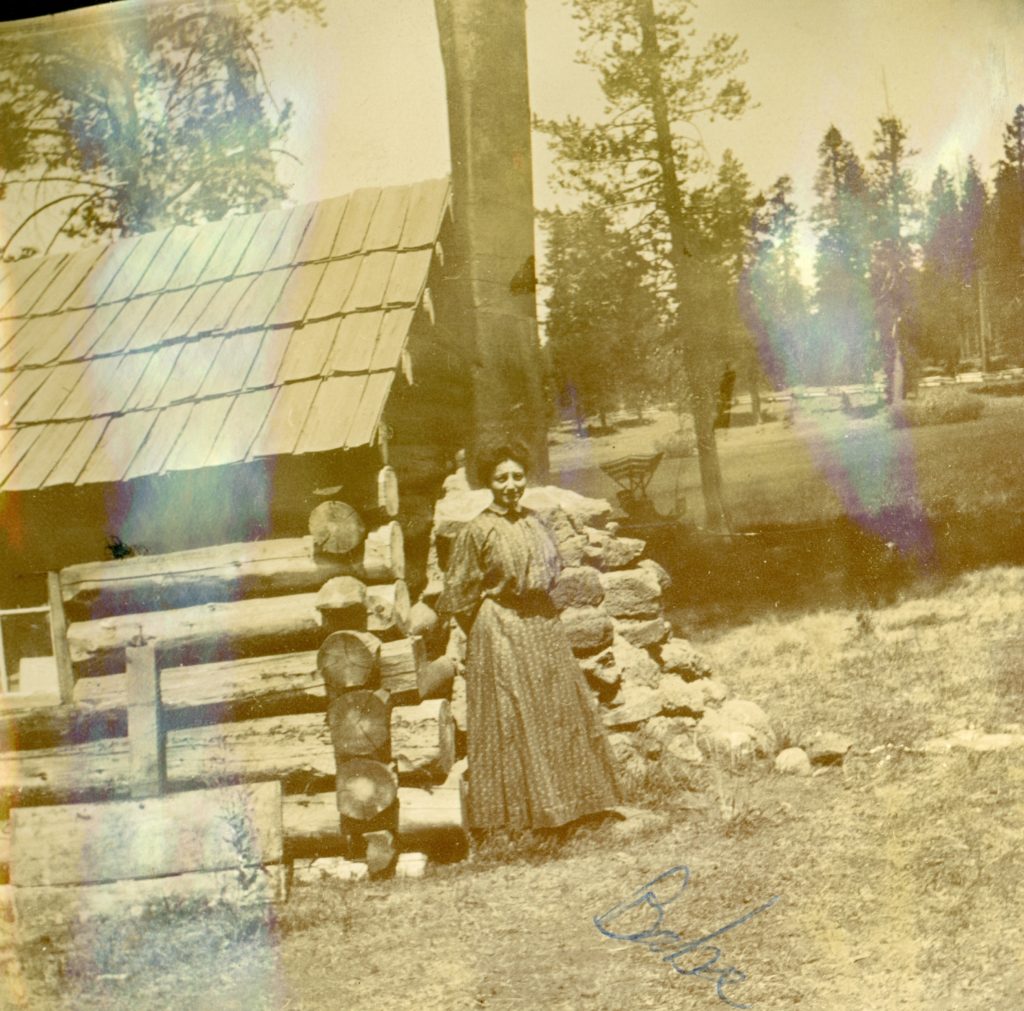
Wingfield’s Meadowbrook Ranch circa 1911. Courtesy of Fred and Alyce Bangham
A little bit of everything is on tap from the Ravendale Post Office’s forthcoming celebration to Fletcher Walker’s 1927 “snowball brigade.” Among other topics is that of the Fairview School and the Susanville Congregational Church. Two items that I just keep procrastinating is the legend of the Holden Dick Mine. The other is about the famed explorer Leonard Clark who grew up in the Honey Lake Valley and graduated from Lassen High School in 1919. Clark had numerous relatives in the region including the Brubeck and Litch families. In addition, he was married to George Wingfield’s daughter. Stay tuned.

Highway 36 opens for the winter
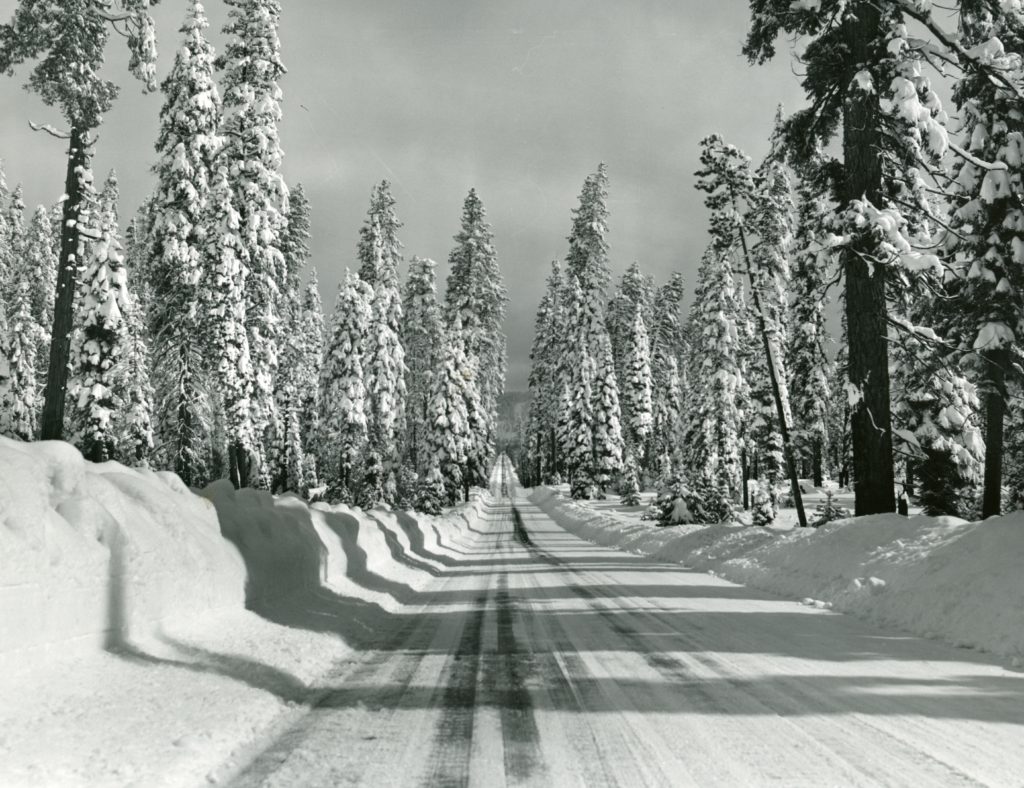
Highway 36 near Chester.

In the 1920s, the Westwood Auto Club was a force to be reckoned with. After all, it served as Red River Lumber Company’s de-facto chamber of commerce. The club had a lot of influence during the construction of Highway 36. They did have one item of contention with the state when the highway was completed. They did not the like the idea of being snowbound in the winter months and yearned for the day when the state would keep the highway open year round. In November 1928, the club wrote State Highway Engineer Comley to plead their case: “We believe that in asking for this we are justified as in previous years we have been snow-bound for at least four months each year, and as you realize that our work is more or less seasonal nature and that vacations are taken when work is slow or the woods closed down, it does not give us a chance to drive our cars to the section we most desire to spend our vacations and leisure time, and where our cars give us the pleasure that we desire. In addition to that phase of life we would use our cars to a very large extent to also pursue business, which would make this road available for that purpose.

“It is our earnest desire Mr. Comley that you study this problem further, and give it your earnest consideration and although there can be many points raised against the feasibility of is points in its favor should and we hope will predominate. The control of this road during storm periods would eliminate any hazard to lives and we agree that that has been our highest argument against opening the road.”

Comley concurred and understood the plight of not only the residents of Westwood, but all those located along the route who were shut out from winter storms. On the other hand, Comley informed the club there was little in his power he could do to rectify the situation. It was a matter for the State Highway Commission to determine and equally important how to finance the snow removal. The Auto Club’s persistence paid off, a year later the Commission informed the group that beginning in the winter of 1929-30 they would keep the highway open year round. After all, the Commission cited that nearly a million dollars had been spent to construct the highway, therefore it made no sense to have it closed during the winter months.

Subscribe!

Indians of Coo-yu-ee Pah
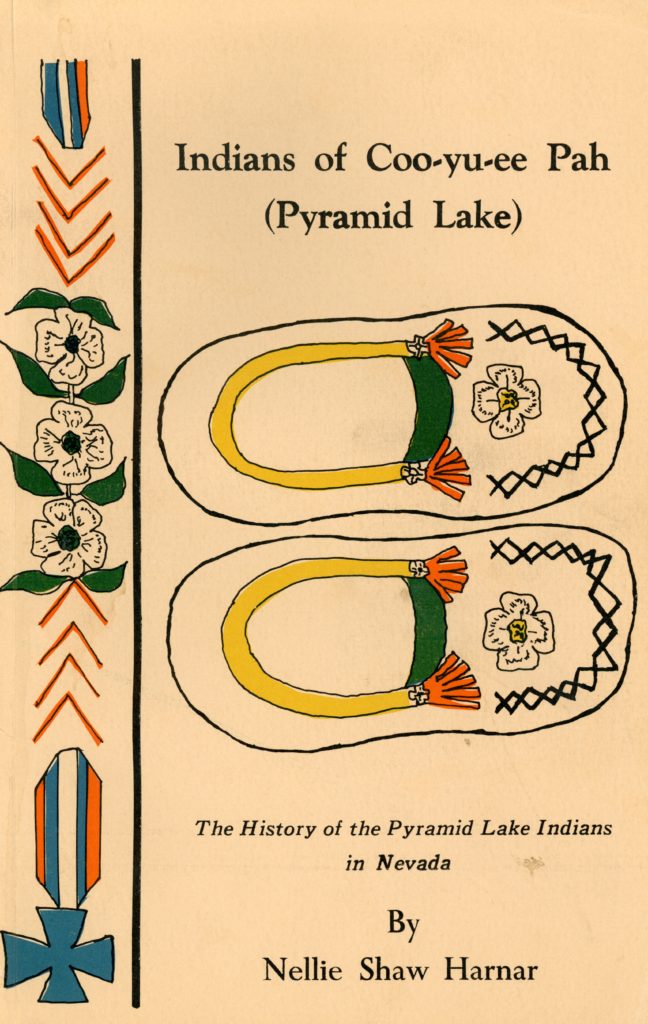
A good read.
This is the title of Nellie Shaw Harnar’s 1974 book concerning the history of the Pyramid Lake Indians spanning the years 1843-1959. Nellie was born in 1905, a Ne-muh or Northern Nevada Paiute at Wadsworth, Nevada. This is a very well researched work, for those that might be interested in the topic. While it is no longer in print, it is available through such sites as Bookfinder.com or available at many libraries.

Donate!

Snow Berms

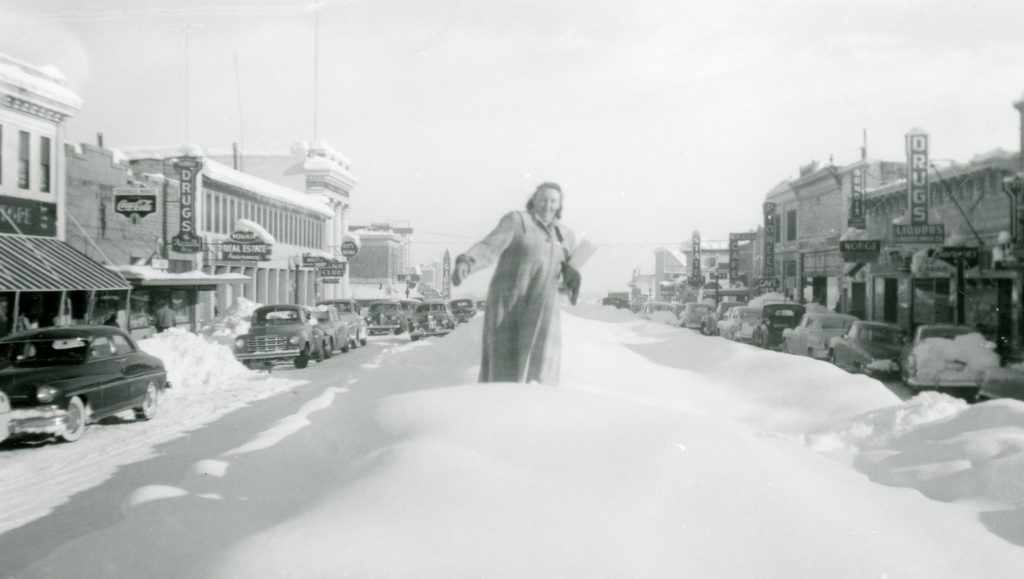
Main Street, Susanville, 1952.
The way this winter has been shaping up so far, it is starting to look doubtful that we are going to see the standard snow berm down Main Street. If you are waxing for nostalgia, I provide you with today’s featured photograph taken after the “Big Snow of 1952.” When the City of Susanville was incorporated in 1900 snow removal of the streets was not even given a second thought. It was not until the 1920s, that it became an issue, due to the fact the automobile was replacing the horse as the preferred mode of transportation. In 1933, the City transferred Main Street to the California Highway Department, as a means to alleviate the burden of maintenance because of the financial woes from the depression. In 1935, the city’s finances were so strained that they informed the residents there would be no snow removal that winter as they did not have the funds.

Subscribe!

Diamond Mountain

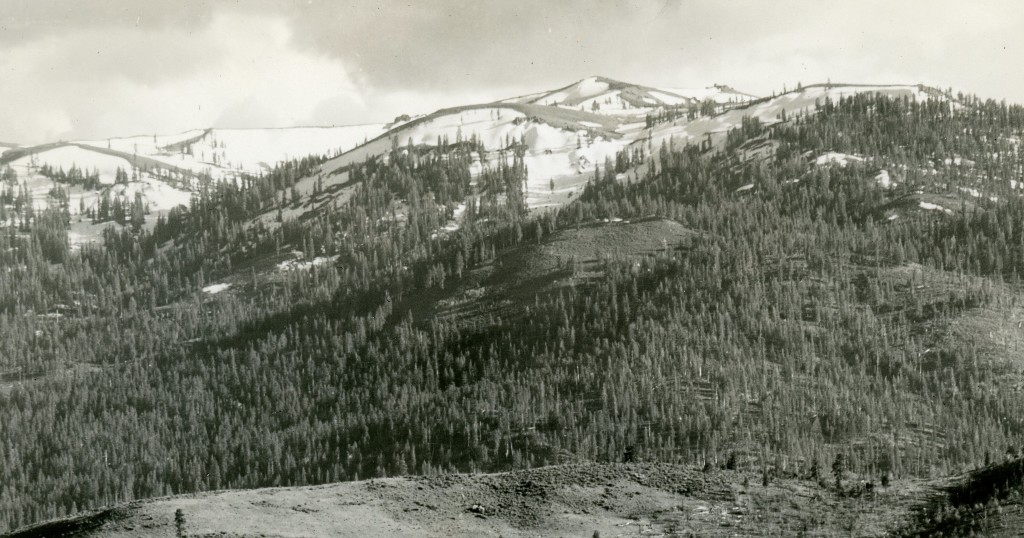
Diamond Mountain, circa 1940. Courtesy of Margaret A. Purdy
An inquisitive mind wanted to how Diamond Mountain obtained its name. It was so named in the 1850s, when prospectors found numerous crystal quartz along the range. The crystal clear quartz had a “diamond” like character. Some of these can be quite large. In the 1950s, a large crystal quartz weighing over 100 pounds as discovered on Thompson Peak and eventually found a home at the Smithsonian Institute. In 1910, Lassen County historian Asa Fairfield wanted to change Diamond Mountain to Mount Roop, but that did no go over well with anyone. Finally, the Honey Lake Pauite referred to the mountain range as wago yamos or ‘timber bend.”

Subscribe!

A Smoke Creek Tour?

Smoke Creek Desert
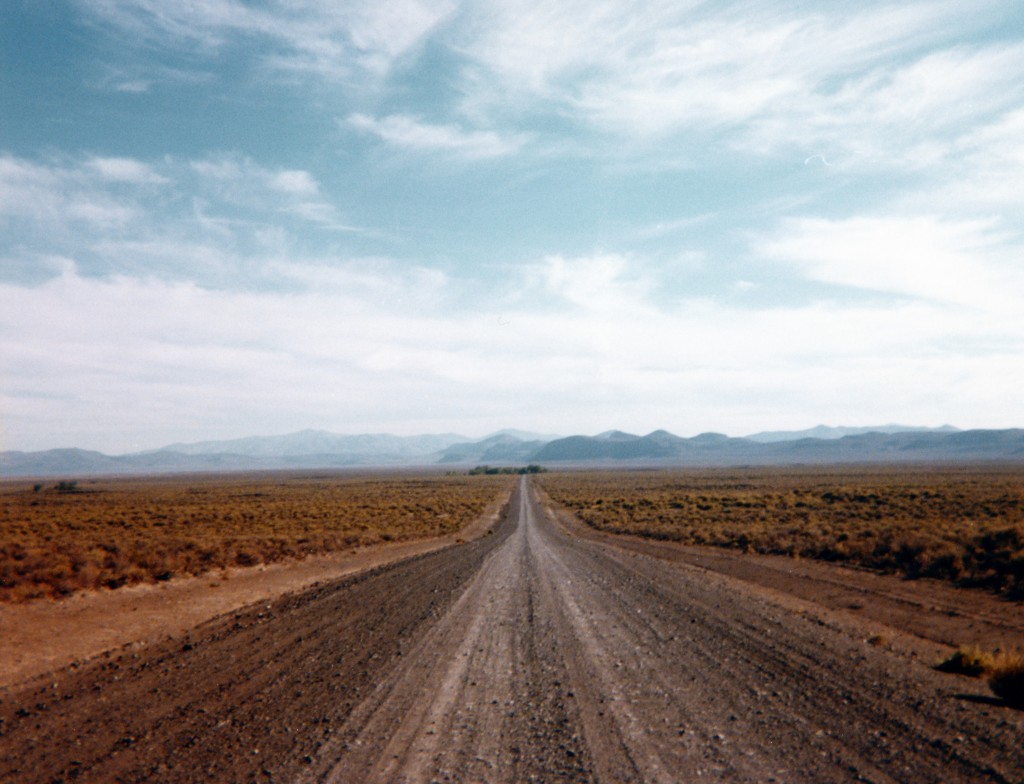
Smoke Creek Desert looking towards Sheepshead, fall, 1977
The post about Mott’s Mine in the Smoke Creek Desert generated a lot of interest. One subscriber wanted to about if the BLM tours that were done, it what seems like in a previous life could be resurrected. For those not familiar, the BLM archaeologist, Don Manuel and myself as a historian, conducted tours to Smoke Creek, Skedaddle Dam and so forth. Stan Bales, also of BLM, and I even did an east side Eagle Lake tour. One item of note, is Don has since retired. Another factor at play, is whether the BLM has any interest to do tours and I am out of the loop so to speak, with the current BLM personnel. So, I guess the questions are one is there that much interest and two how to proceed?

Adopt A Pika

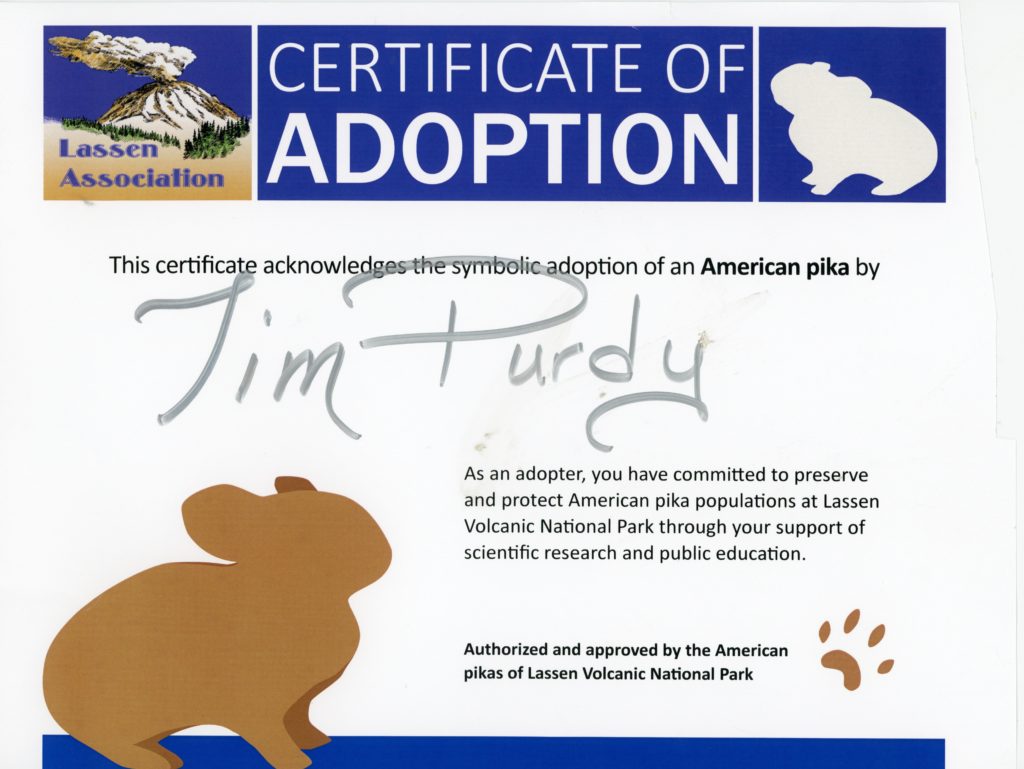
My personalized adoption certificate.
The Lassen Loomis Association established in 1939 provides a variety of educational aids among other items to support Lassen Volcanic National Park. Last year they instituted a Adopt A Pika program. Your $25 donation will assist in monitoring the American pika population at Lassen Volcanic, and also to help educate the public about this important program. In addition, you receive a life-sized pika stuffed animal; a personalized adoption certificate and an American pika fact sheet.

Subscribe!

Worley Ranch – Lassen County
Jeanette Worley at the summer headquarters. Courtesy of the Worley/Crum family.
In the late 1800s and into the early 1900s the sheep industry played a major role in Lassen County’s economy. In 1906, Lassen County officials estimated 200,000 head of sheep were brought into the county for summer grazing. Many of these outfits came from nearby Tehama County. On February 25, 1902, Adam Crim Worley of Tehama County, purchased 481 acres from John Sites, and established his summer stock range about ten miles west of Susanville on the western base of the mountain, that would become known as Worley Mountain. (This is the mountain one crosses to travel to the south shore of Eagle Lake.) Worley’s son, Jesse C. Worley continued with the family sheep business for some time. In 1909, Jesse married Jeanette Alexander and in 1911, he became associated with his father-in-law’s, Jules Alexander, general store in Susanville. 1942 was a monumental year for Jesse Worley as closed the store in Susanville. On August 17, 1942, he sold the ranch to Bill and Zella Ahern for $3,000.

Subscribe!

Thomas Bracken Sanders

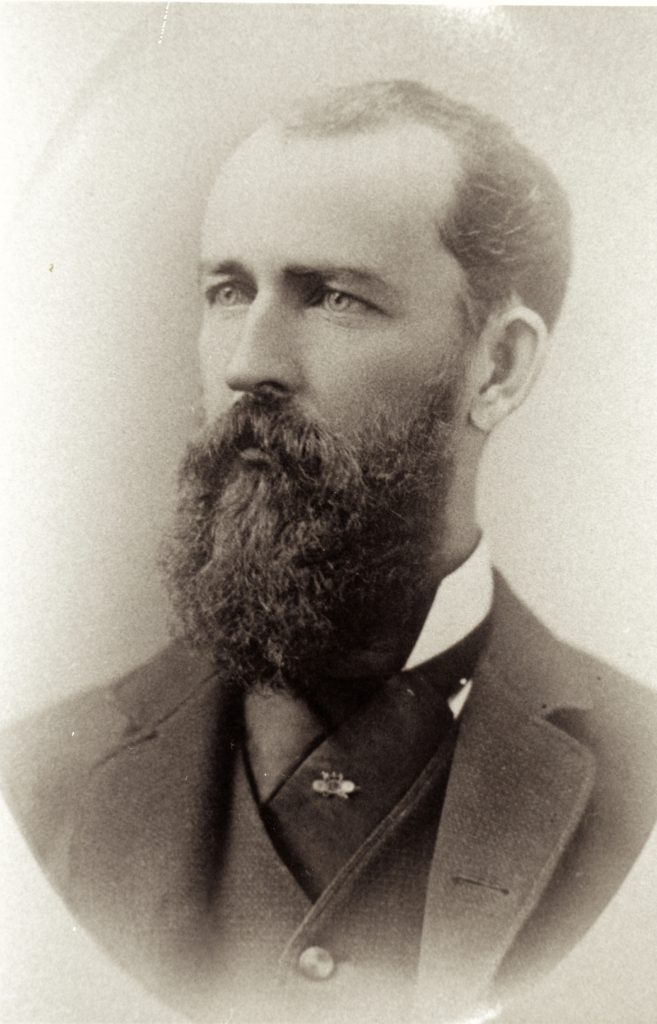
Thomas B. Sanders. Courtesy of Gilbert Morrill
Thomas Bracken Sanders

He was born on November 29, 1848 in Illinois, one of thirteen children, yet ten of his brothers and sisters died in infancy, some of whom are buried in the Susanville Cemetery. It should be noted that the family came west in 1860 and settled in Plumas County and in 1867, they moved to Susanville.

One of his more interesting jobs began in the late 1870s, when he went to work for the Fish & Game Department as a deputy. They kept him busy planting fish in the various lakes and streams to learn what would best adapt in the area. In January 1879, Sanders along with Dr. H.S. Borette and William Dow introduced the first non-native species of fish at Eagle Lake. It was two wagonloads consisting of 225,000 Great Basin whitefish. That fall they planted brown bullhead catfish at Eagle Lake. Sanders also planted catfish in the Susan River and Piute Creek, where they did quite well. Take for instance, in 1883, Masillon Martsteller caught a twelve pound catfish from the Susan River. Sanders, himself, caught a catfish from Piute Creek that weighed fourteen pounds.

While Fish & Game paid Sanders a stipend for what he did, the work was sporadic and the payment not sufficient to make a living. For a livelihood he learned the carpentry trade. He specialized in making cabinets, furniture and trunks. As most furniture makers of this era, he was called upon to make coffins. He added undertaker to his profession and continued until 1896 when he sold out to Tom Oakes. In 1897, he moved to Sacramento where his brother, Plumas Sanders resided. It was not a good move. Two years later, unable to find steady work, he committed suicide.

Subscribe!

Exploring Lassen County's Past