The Power of Water

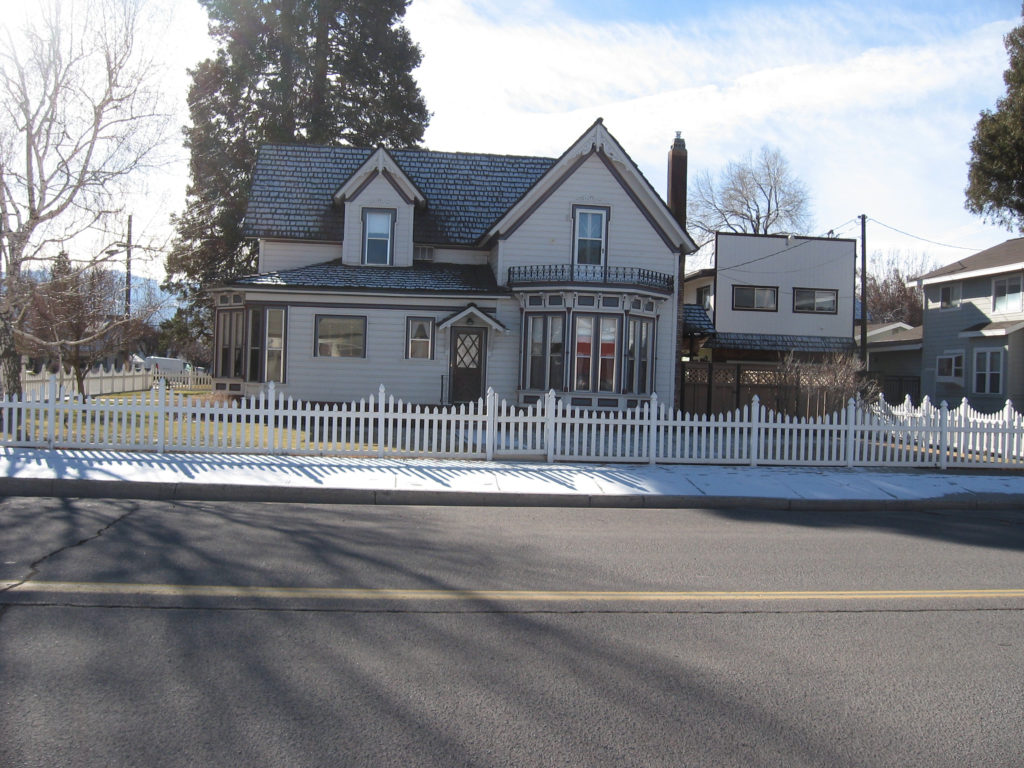
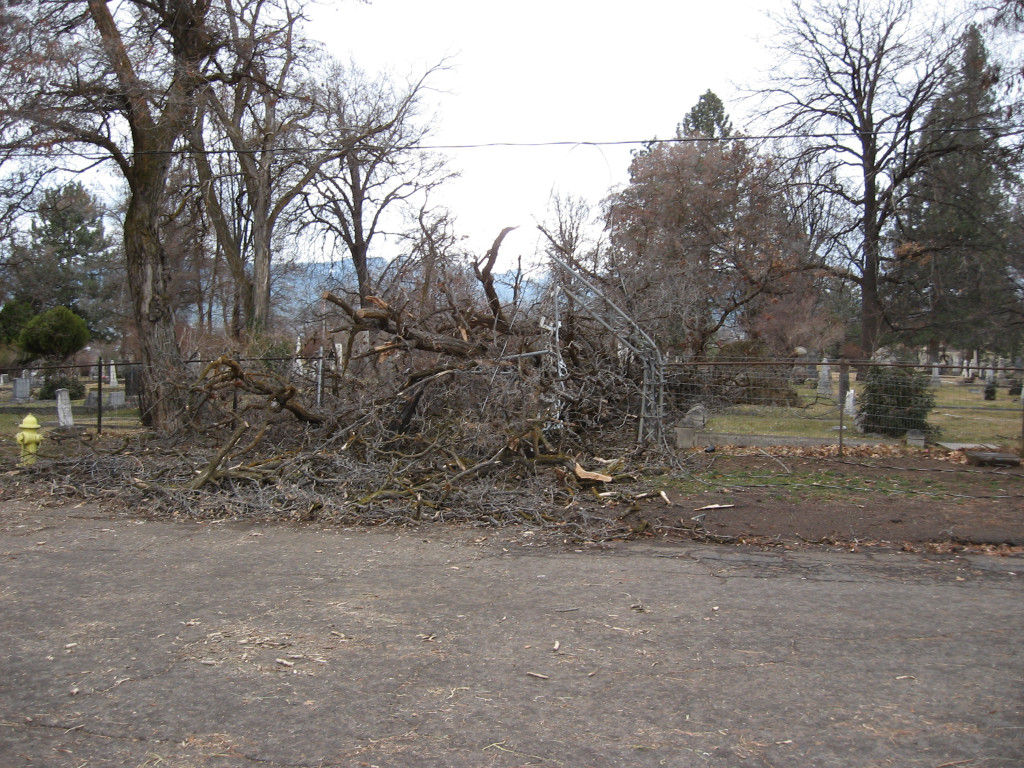
Long Valley Creek, January 2017

Any one who has ever been involved in a major water right battle that resulted in state intervention witnessed the production of an adjudication report. In the front of the report is a section called the “Duty of Water.”  In certain ways the foregoing is not entirely relevant to the topic at hand. However, state never makes reference to the “Power of Water,” and when it strikes, what to do about it.

Long Valley Creek, January 2017

This post after all has a focus on Long Valley Creek, per a request of a flood during the early 1940s, though the particular date and/or other information is still being sought. For the most part it is hard to fathom that Long Valley Creek can be transformed into a raging torrent of water, when to the casual observer during the summer months, at time its flow can be a mere trickle. Yet, as one can see from the photographs shown, what kind of havoc this small stream is capable of. Tomorrow, we explore a proposed dam develop that was to harness the stream to provide water for irrigation.

Subscribe

Red River Rails

Westwood Junction

In the early 1930s, Red River Lumber Company was going through a refinancial organization process requiring an inventory of all assets and liabilities. Not an easy undertaking, with so much territory to cover. An item of interest to me was the inventory of rails used in its logging operations. It was duly noted that Red River owned 93.7 miles of rail.

However, when it came to the Piute Line, that went from Hog Flat to Susanville, those rails were leased from the Western Pacific Railroad. This, no doubt, added more fuel to the speculation that this particular railroad was destined to be a feeder line for Western Pacific’s nearby Highline. The report noted that the initial 1917 survey of the Piute was to begin north of Westwood Junction near McCoy Flat. However, those plans had to be scrapped when Fruit Growers logging railroad traversed there.

Subscribe

Bunnell Railroad Siding

Bunnell siding, circa 1921. Courtesy of Lenala Martin

This siding on the Fernley & Lassen Railroad was located a mile west of Devils Corral. In the fall of 1919, James McNeen relocated his sawmill from Colorado to this site.  The steam-powered mill had an average daily output of 30,000 board feet of lumber.  The mill served as a major supplier for Susanville’s Lassen Lumber & Box Company.  Yet, after a year in operation, McNeen was plagued with financial problems and turned the mill over to Herman Enhorning. In 1922, Enhorning sold the mill to Perry M. Newgard.   In 1925, Joseph McAllister purchased the sawmill from Newgard. McAllister had financial problems and the mill did open for the 1927 or 1928 season. The sawmill was destroyed by fire on October 12, 1928, some thought it was rather suspicious.

Subscribe

Indian Allottment Lands

A portion of the lands sold were east and south of Eagle Lake, such as surrounding Deans Meadow, Photograph taken September 15, 2017

Early on the federal government made arrangements to provide lands to Native Americans . Originally, these were through treaties, but evolved over time that particularly locally individual allottments, usually 160 acres were granted. Exactly, how these lands were selected, I do not know. It should be noted that locally, a high percentage of these allottments were timberland. It was the Bureau of Indian Affairs who managed the lands for the Indians. Routinely, these lands would be sold at public auctions, the proceeds purportedly to be placed into trust accounts. In December 1912, A.A. Bear became the resident agent to oversee the lands owned by the Indians. On February 18, 1913, an auction of 17 parcels was held, the names was like a who’s who of the local Indian populace—Jackson, DeHaven, Joaquin and Peconum to name a few. These properties were are all timberland, and was it just a coincidence that they were all purchased by the Red River Lumber Company?

Subscribe

Hotel Mt. Lassen Re-opens

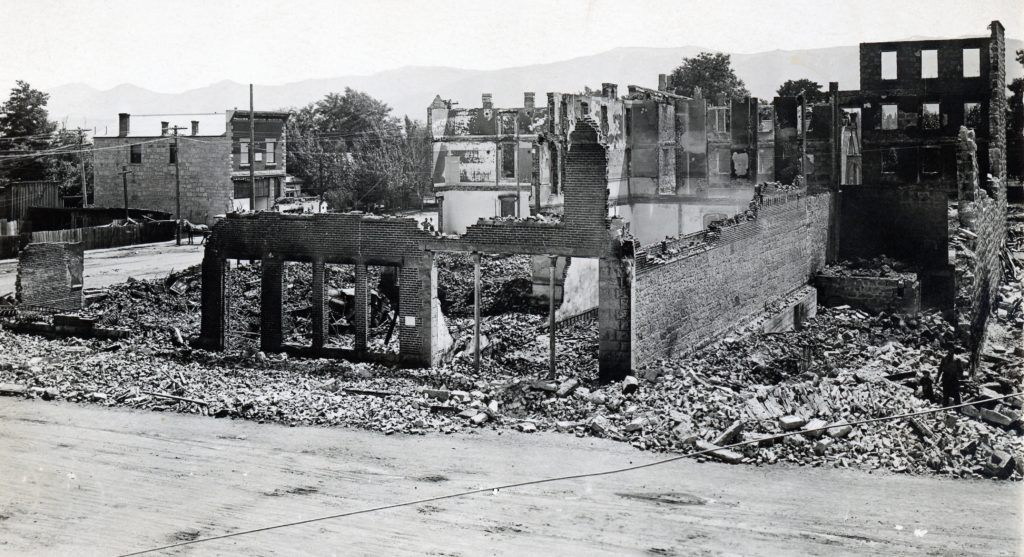
The aftermath of the fire. Courtesy of Margaret A. Purdy

On July 24, 1947, the Hotel Mt. Lassen was destroyed by fire.  The fire was so intense that it completely gutted the structure. Fred Abbay, the owner of the hotel, estimated the loss of the hotel, its contents and the businesses housed there at $700,000. Initially, it was uncertain what would become of the property.  A structual engineer was brought in to ascertain whether the exterior walls were sound. It was determined that they were. In the fall, Abbay announced his intention to rebuild the hotel, utilizing the existing walls. The rebuilt Hotel Mt. Lassen opened its doors to the public on May 21, 1949.

In 2019, the big question, since the place has been closed for nearly a decade, will it ever re-open?

Subscribe

Lumberjack Advertising

Camp 33
Camp 33, Red River Lumber Company

Someone in the Red River Lumber Company was a good spin doctor.  When it came time for the seasonal layoffs of the logging crews it was reported as: “Men Leaving Camps Are Good Advertisers. Owing to the closing of several of the camps about 600 men have left Westwood. It is interesting to watch the different directions taken by these men on their departure. Some have gone to the extreme east, many to South America, some to Mexico, some to the north country, Washington state and some to Alaska. Most of the men intend to return and bring more fellow workers. As a rule men in the lumber camps have tried making a living in many parts of the world and these men boost it as good advertising for the company.”

Subscribe

Welcome 2019!

Main Street, Chester, January 1, 1932. Courtesy of Margaret Purdy

Some how last year’s plans, even with good intent, got derailed. I have been diligently plotting a new strategy to correct that situation, along with a few surprises. The holiday season, especially towards the end, is a slow time, so I have been diligently working on Susanville Mural Tour when the warm weather and longer daylight hours arrive. As several folks have indicated a desire for a Smoke Creek tour, I am working on that strategy, too. Later this month, there will be a post about “Susanville Strolls” and I am contemplating to do an online updated self guided tour. In addition, I am working on a short Susan River tour from South Lassen Street to Hobo Camp since there is a lot history in that short corrider. So, stay tuned!

Subscribe

New Year’s Eve

Time to tidy up the work space.

Well, I hoped everyone enjoyed the wide variety of posts for 2018. There is lots of interesting historical revelations in the works for 2019. This is one of my few down days. I tend to keep a low profile on this particular holiday, and stay home organizing my taxes, etc. While I do wonders on the tax preparation, in January I succumb to the Purdy Procrastination Syndrome and tax work languishes until almost the deadline.

So if you are out and about this evening, be careful on the roads.

Subscribe

Where are we – Eagle’s Nest

August 9, 2018

Eagle’s Nest is located in a small cove on the east side of the lake, about three miles north of Gallatin House. In 1956, the Lassen National Forest opened a small subdivision for summer home development. There are forty-two lots with long term leases with the forest service. In September 1956 the forest service held a random draw as the selection process to allocate the lots, as they had received 226 applications.

Donate

Lassen County Courthouse Lawn

North side of the Lassen County Courthouse.

This happens to fall under the year’s end clean up category. While the quality of the photograph has a lot to be desired, there are two items of interest. First it was taken in the late 1920s, either December or January when the area experienced a pogonip, notice the frost on the trees. In the 1930s, tennis courts were built on the site of the Courthouse Annex. It should be noted the current occupants of that structure prefer the high falutin name of Administrative Building.

Donate

Exploring Lassen County's Past