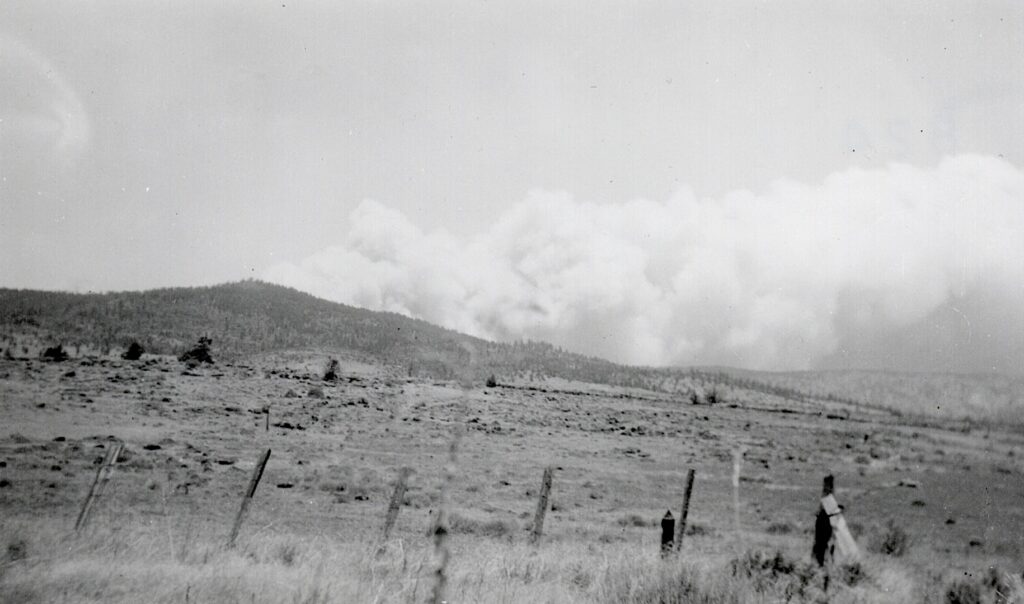
The 22,000 acre fire was caused by an unattended campfire on August 26, 1926.
Tim

Well, can you believe it, it has been ten years to the date that the old barn at the east entrance to Susanville was destroyed by fire. It was built in 1920/21 for the Fruit Growers Supply Company, who were in the midst of constructing their new sawmill/box factory nearby. Continue reading The Old Fruit Growers Barn
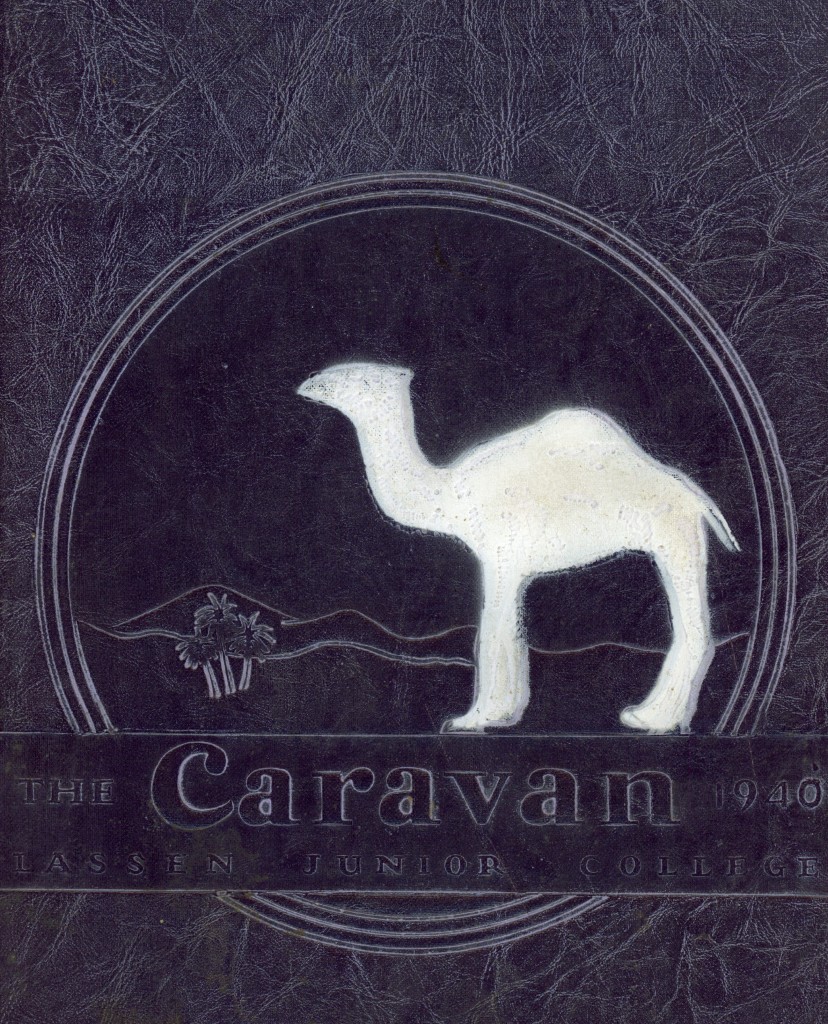
This concludes the weekly post about Lassen College’s Centennial history. However, the College’s Willard Hill Ski area will appear near the end of November.
The following account is by Neil Wemple, who graduated from Lassen Junior College in 1938: “The story of the camel as mascot for Lassen Junior College is a bit unlikely and interesting and its goes like this. I had thought the selection of the camel had been the work of some of the “old grads” back in the late twenties. Someone had told me this, but it was not so. So I was determined that it was so and when I came upon the truth I could scarcely believe the results of my own research efforts. I wrote many letters, made many phone calls, studied many LUHS and LJC publications and was very embarrassed to discover that the evolution and adoption of the camel came about in my first year at Lassen Junior College in 1937! The advice and efforts of Bud and Don Cady, Adelene and Abe Jensen and my sister Deese Theodore lead me to Frank Rice and Phil Hall, former Lassen Junior College Forestry students who knew the answer. I was finally able to find some old publications which made the first mention of the camel in March of 1938. Frank Rice states that the camel began in 1937, and I know when I entered Lassen Junior College in the 1936-37 year we were called the camels. Continue reading Lassen College’s 1st Mascot
 In recognition of the upcoming Centennial of the Rotary Club of Susanville, our incoming president Todd Eid has launched an ambitious program to raise $5,000 to $7,000 to fund the acquisition of an additional 100 flags to add to the club’s Main Street Flag Trailer. Presently, we have 103 flags, that accommodate 51 holes on one side of Main Street and 52 holes on the opposite side. This would bring the inventory of flags on the trailer to more than 200.
With all the concrete work that has been done in recent months, we only have around 75 holes currently in use and the club is in the process of reestablishing the holes in the new concrete areas. With the pending completion of the East Side Gateway, there will be room for an additional 20 to 25 holes to be drilled and new flags to fly. Expanding the program will allow for more impact and doubling the presence of flags to fly during the 10 to 12 holidays the club deploys..
Since this coming Rotary Year will be our 100th Anniversary, it was also thought that it would be great, with the sunny weather we have most of the year, to fly the flags for at least 100 days during the year. This would include the usual holidays, but celebrating our 100 years, let’s fly the flags more often and show our pride in our community during the coming 250th Anniversary of the Declaration of Independence.
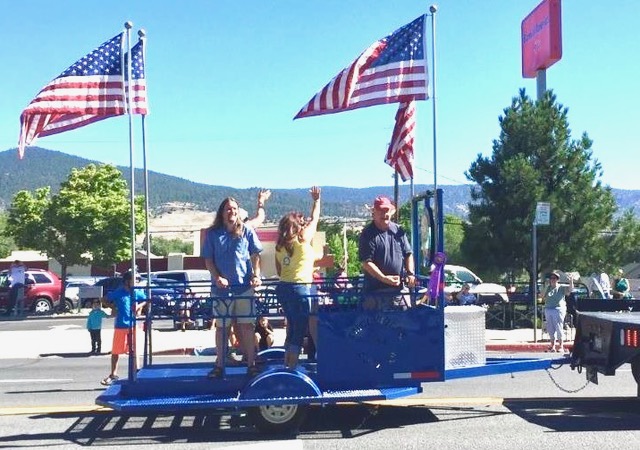
To accomplish this goal, the club is seeking the support of the community and we have had many generous donors in the past that has sustained the expense for the flag trailer the last 35 years since the club inherited the task from the former Lion’s Club. Thanks to Jessica Miller, the new owner of Susanville Supermarket, who suggested that we make available the Flag Card at the check stands at IGA to give people the chance to add to their purchase and donate to the Flag Trailer. So, you will find the attached card where you can make a $5.00 donation when you purchase your groceries. For those who want to make a larger donation, cards are available for $25 and $100, as well. For those living out of the area and would like to contribute you can send a donation to Rotary Club of Susanville, P.O. Box 1291, Susanville, CA 96130
Thanks to Todd, Jessica and so many other members of the club, it really is happening.
~ Jim Chapman

In early June 1924, the Thomas Tucker Post No. 204, of the American Legion decided to place American flags along Main Street in observance of the 4th of July. It should be noted that American Legion posts nationwide were doing the same. They ordered 100 flags to be placed on either side of Main Street from the Elk’s Lodge to Weatherlow Street. The flags 4×6 would be attached to 12 foot metal poles and spaced at 30 foot intervals. When installed on July 3 the general consensus deemed it a wonderful improvement from the past, that consisted of haphazard placements of bunting and flags here and there.
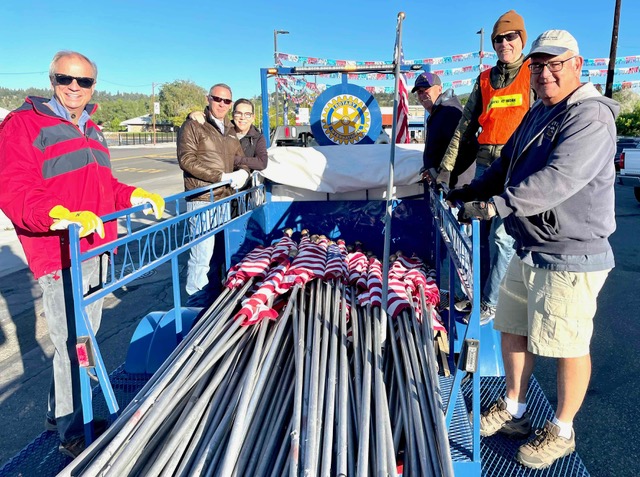
The tradition continues. For over thirty years Susanville’s Rotary Club has taken over the role of placement of the flags. The flags are flown on major holidays and special events. Thank you Rotary Club!
Tim
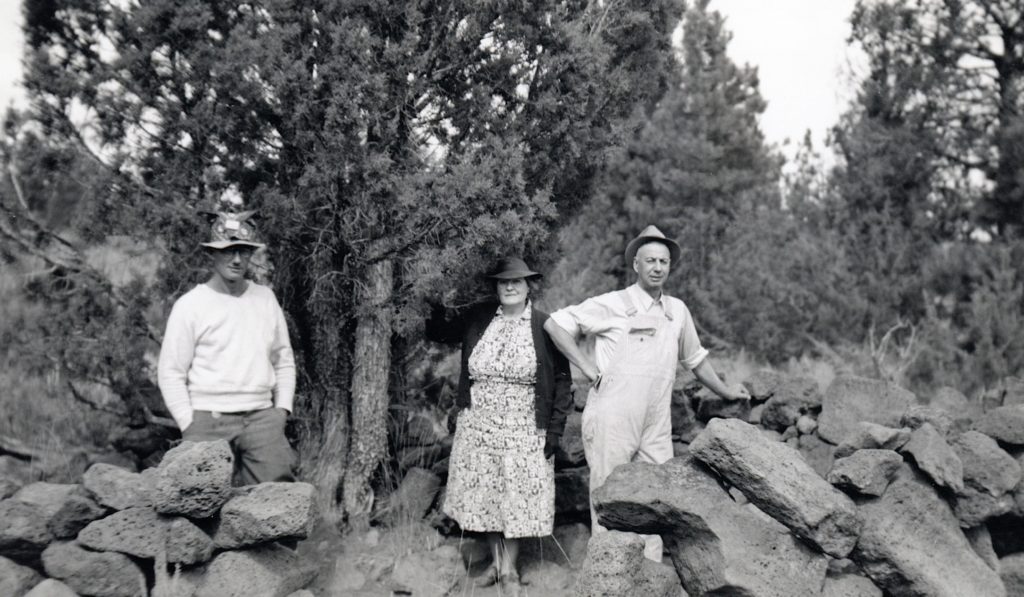
This is a complicated tale., just like the geological history of Eagle Lake. Noted anthropologist Dr. Alfred Kroeber assigned Eagle Lake to the Atsugewi tribe. While Maidu elders such Roxie Peconum (1851-1958) indicated that Eagle Lake was part of its summer territory. On other hand, William Evans in his extensive research of the Honey Lake Maidu noted that there was a lack specific references to the lake. To complicate things, the Paiutes were the victims of the Papoose Meadows Massacre of 1866.
Of course, there are the rock circles can be found near Pine Creek, and those near the original Eagle Lake tunnel. However, of the three tribes mentioned,, none has claimed them. Can these ruins be associated with lake’s petroglyphs?
Tim
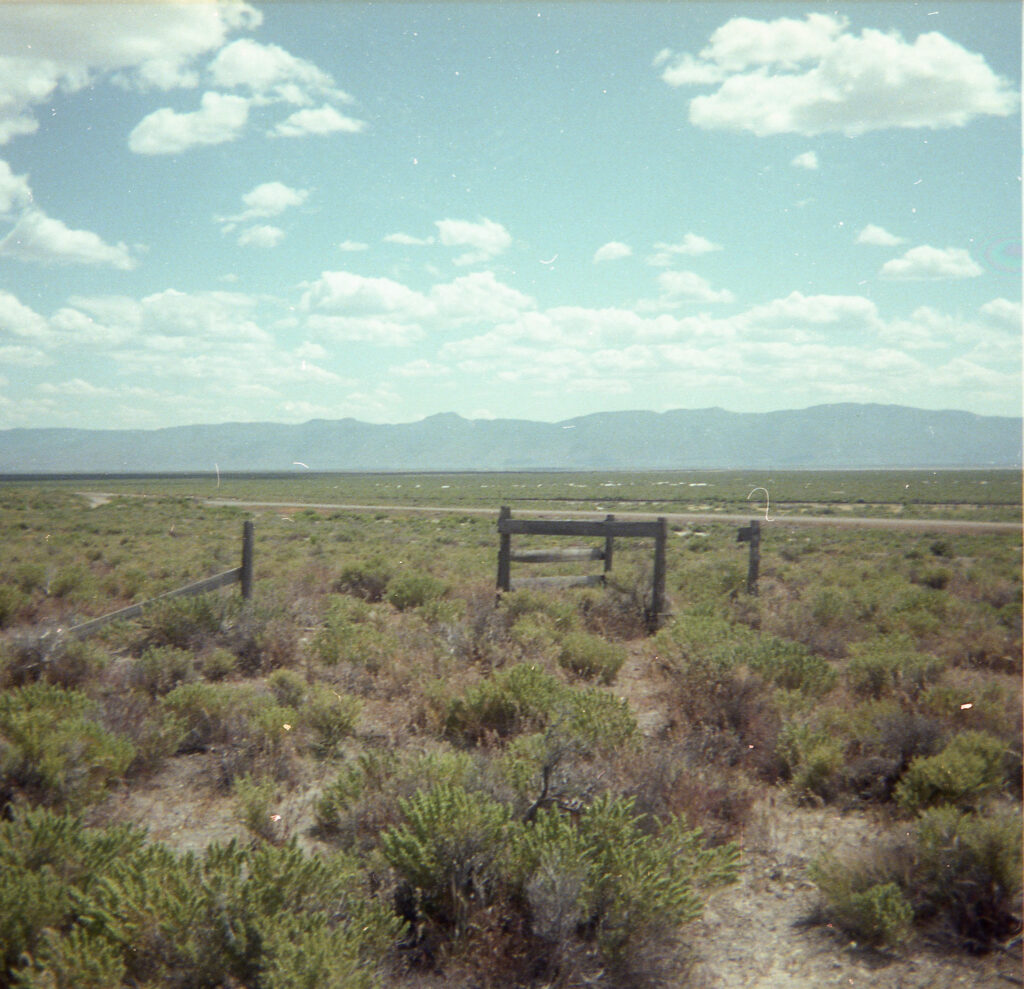
My friend, a noted archaeologist, Francis Riddell, would some time ask me to do research for him. One occasion it was Chauncey Spring, in the Belfast region of the Honey Lake Valley. When I sent him my findings, he remarked that we probably made more fuss for about him when he was deceased, than others did when he was alive. Years later, that would be farther from case in regards to Chauncey Smith. I actually published his tale, and his buried treasure in Untold Stories.
Along that line of Riddell’s thought, this tale is about a German immigrant day laborer by the name of Robert Isigheit, who resided at Amedee in the early 1900s. We really do not know much about him. There was an incident that occurred at the Amedee Hotel. On May 10, 1911, while working on the acetylene gas plant that was recently installed to improve the hotel’s lighting, an explosion occurred His clothes, and two other workers clothes were burned and received minor burns arms to their arms and faces, but aid quickly responded, the injuries deemed not serious.
On February 22, 1913, Robert Isigheit, at age of 66, died of a heart attack at Amedee. He was the last person buried in the Amedee Cemetery.
Tim
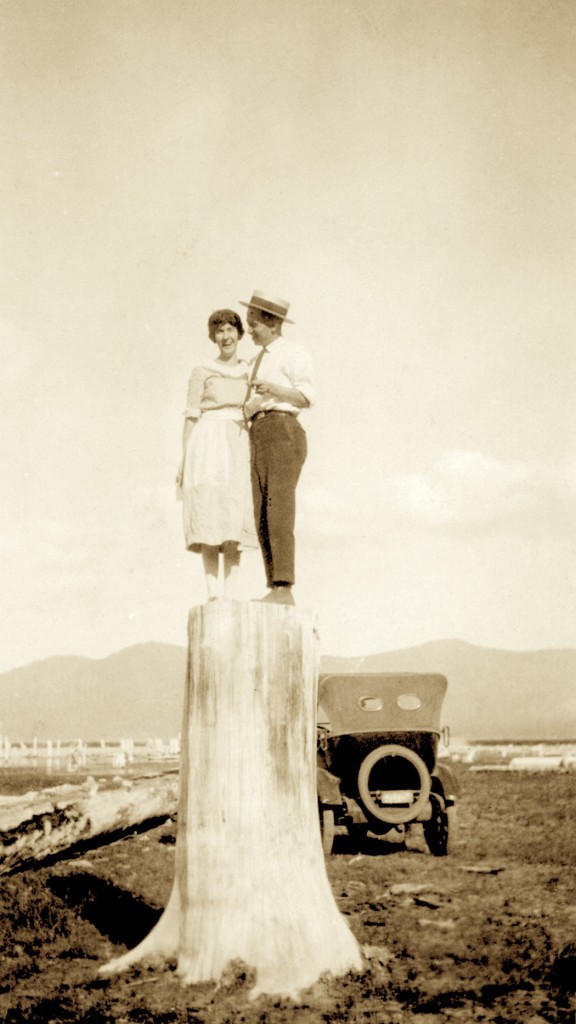
By the end of World War I cigarette smoking gained in popularity. In 1920s, advertisers promoted as stylish among other traits. On the flip side carless cigarette smokers routinely threw their lighted cigarette butts out of the car window. By the early 1920s the California made it a law to prohibit tossing lighted objects from an an automobile, but citizens ignored it. By the mid-1920s it got out of hand and was a major cause of forest fires.
On June 11, 1925 the first forest of season, locally occurred at Eagle Lake’s Gallatin Beach. Luckily, it was quickly contained as group of forty men, composed a campers and day visitors, quickly extinguished the fire. The fire’s origin was a caused by a discarded cigarette.
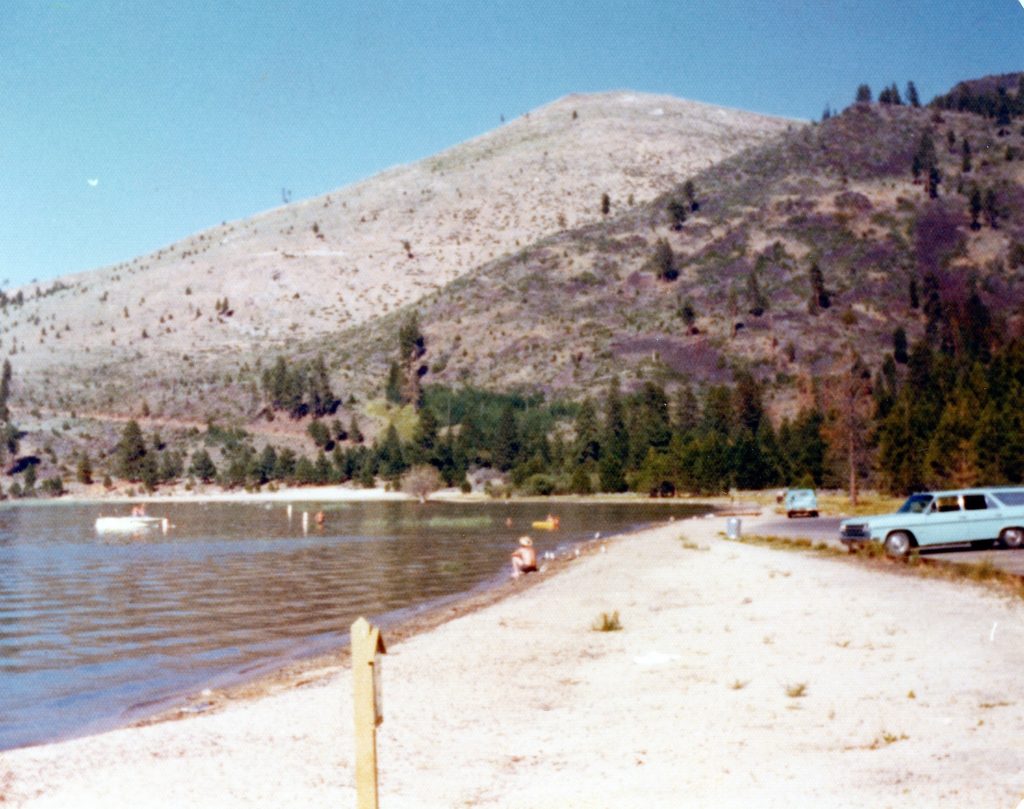
Menacing problem of cigarettes igniting forest fires continued for decades. Locally, for instance, on July 17, 1951 a 760-acre fire consumed the majority of timber on Gallatin Peak. The cause a careless cigarette smoker.
Tim
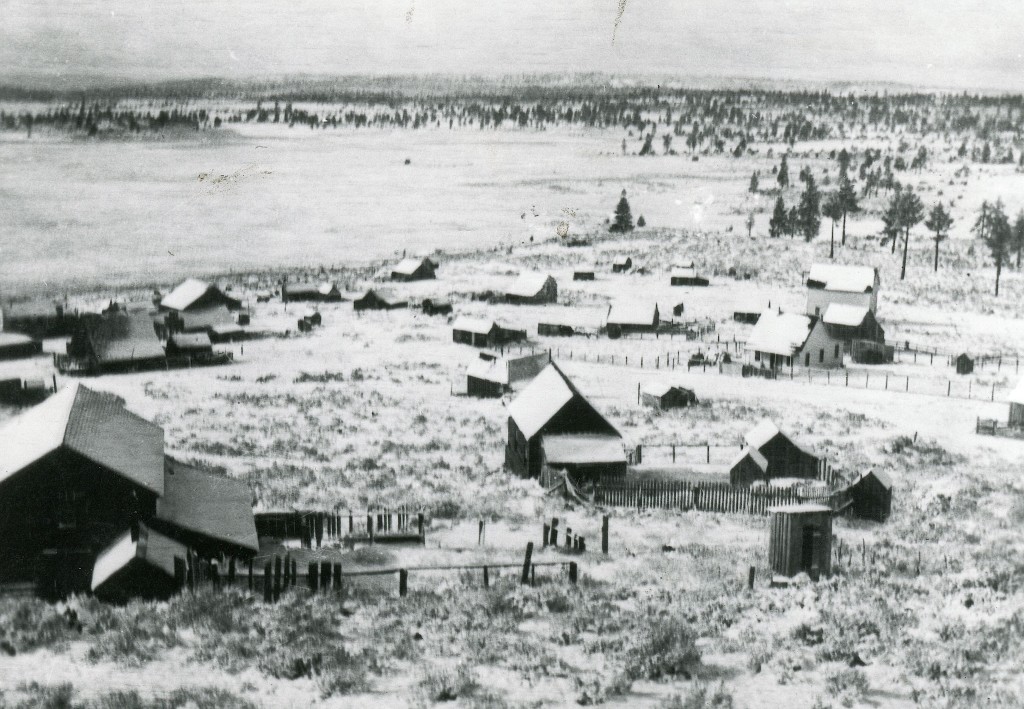
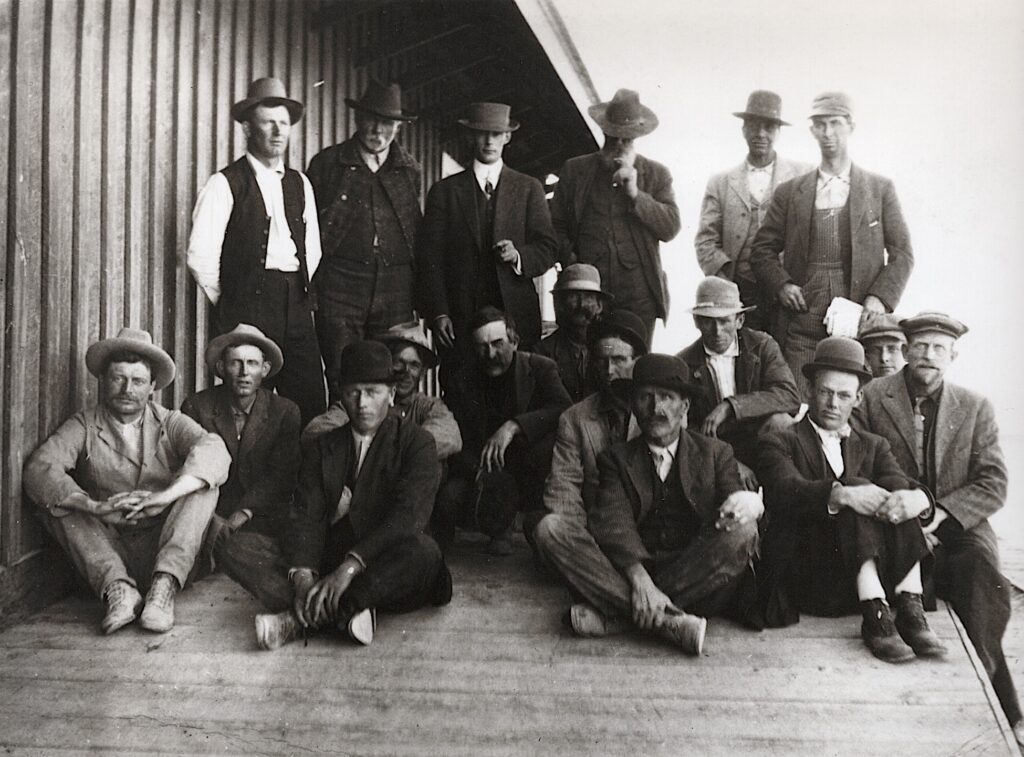
Hayden Hill was Lassen County’s only mining community. Like so many others it went through boom and bust cycles. In 1908, a new vein of gold was discovered and another resurgence was on its way. The Golden Eagle the Hill’s largest mine, hired 100 men for the initial operation and more were added to the payroll. In addition, the Lassen Mining Company’s Juniper Mine enjoyed good fortune and they had over 100 men on the payroll. Continue reading Hayden Hill, 1910