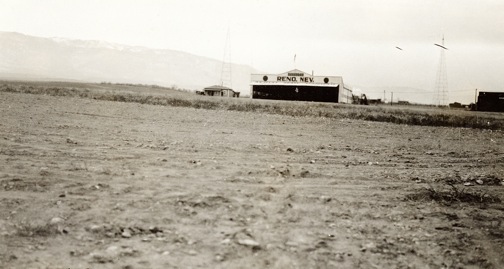
This is a Tuesday special! I thought some might like to see what the Reno airport looked like when it was located at the end of Seventh Street. The airport we know today was established in 1938, but it was not until the 1950s when it became municipal airport under the ownership of the City of Reno.
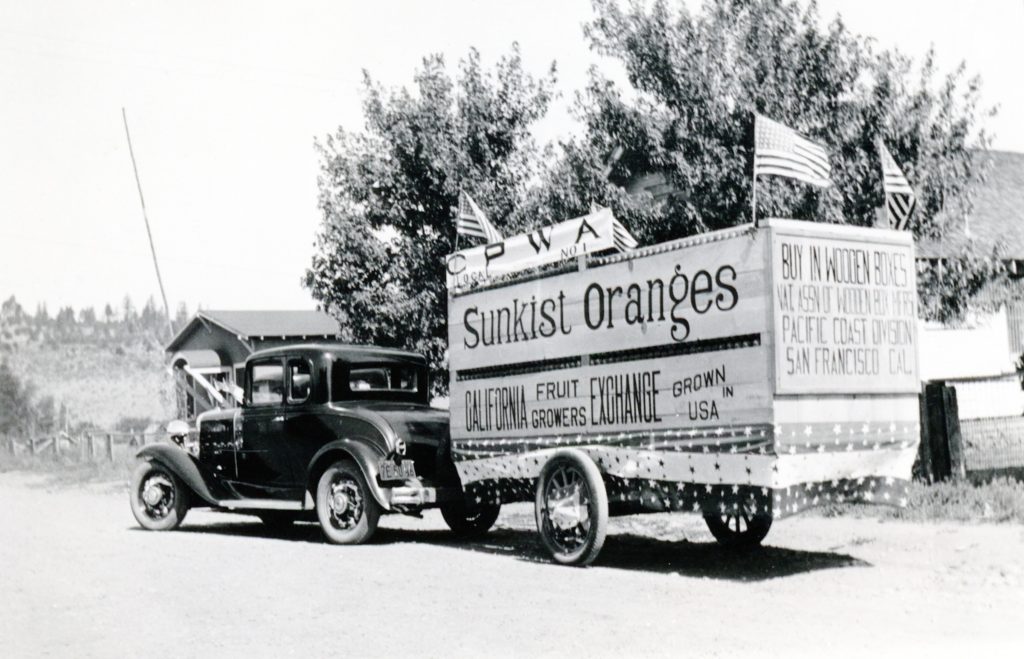
A1937 Lassen County Fair Parade Entry, featuring an oversized wooden box.
At the onset of the Great Depression of the 1930s, the Pacific Northwest lumber industry launched various campaigns to educate the public about the many benefits of timber. Recently, readers many recall the Forestry Essay Contests in the schools.
In the late 1930s, witnessed the organized wooden box campaigns. In 1938, according to the Wooden Box Institute over 50,000 employees of the lumber industry representing an annual payroll of $50 million were participating in the movement. It should be duly noted, that in this era, one of the major components of a sawmill was the box factory division. The manufacture of box shook to make wooden boxes accounted for nearly half the lumber produced in the 1930s. This was an important factor to the local mills of Fruit Growers and Lassen Lumber & Box which their employees joined the movement. On February 1, 1938 the Susanville Wooden Box Promotion Association was formed.
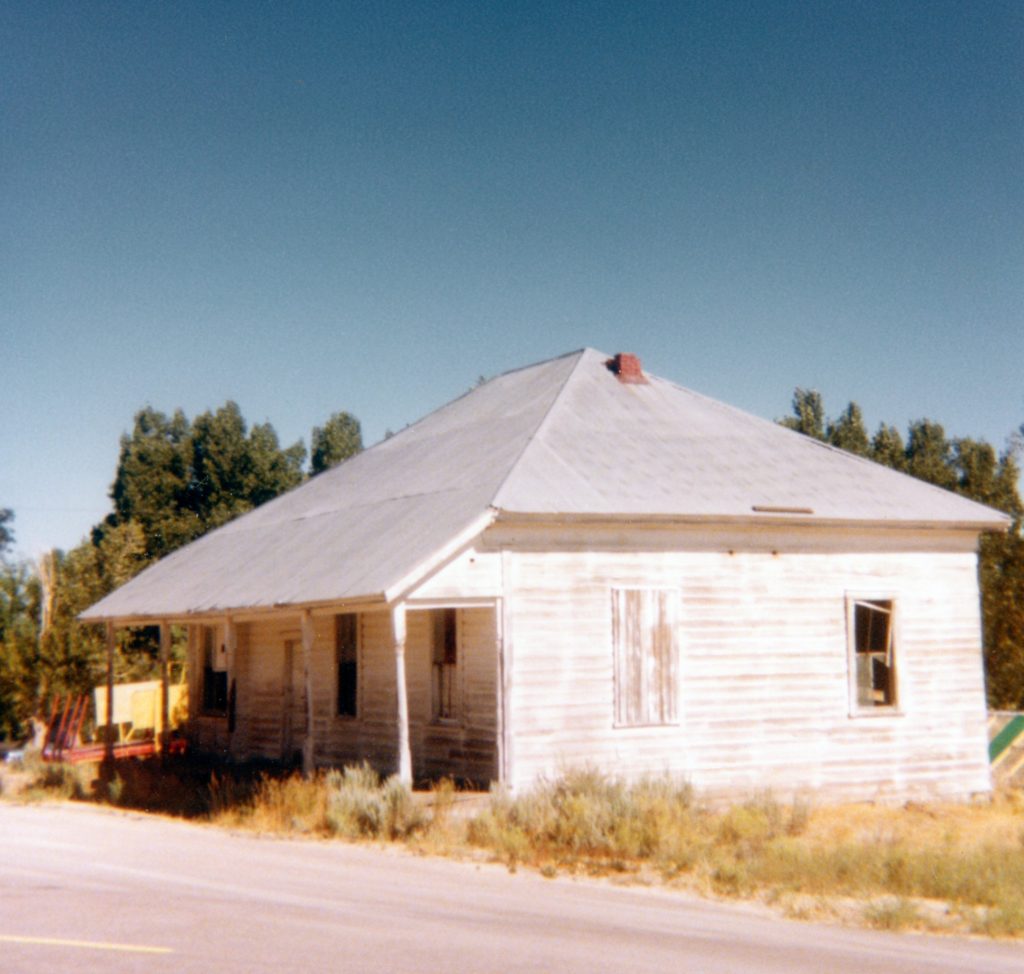
One of the historic buildings included in the sale is the old Constantia Store as seen in this 1975 photogtraph.
Constantia, located about five miles south of Doyle is on the market according to Lands of America which has the listing. The property contains 3,700 acres—what they do not say is a part of that acreage is on The Island. The asking price is a mere $4.7 million.
While the listing described the ranch as “historic” many of the original buildings are gone. There are several buildings in Constantia proper that served as a Western Pacific Railroad stop, but more importantly served as housing/headquarters when the ranch was part of a much larger operation with ranches as far away as Smoke Creek, Nevada.
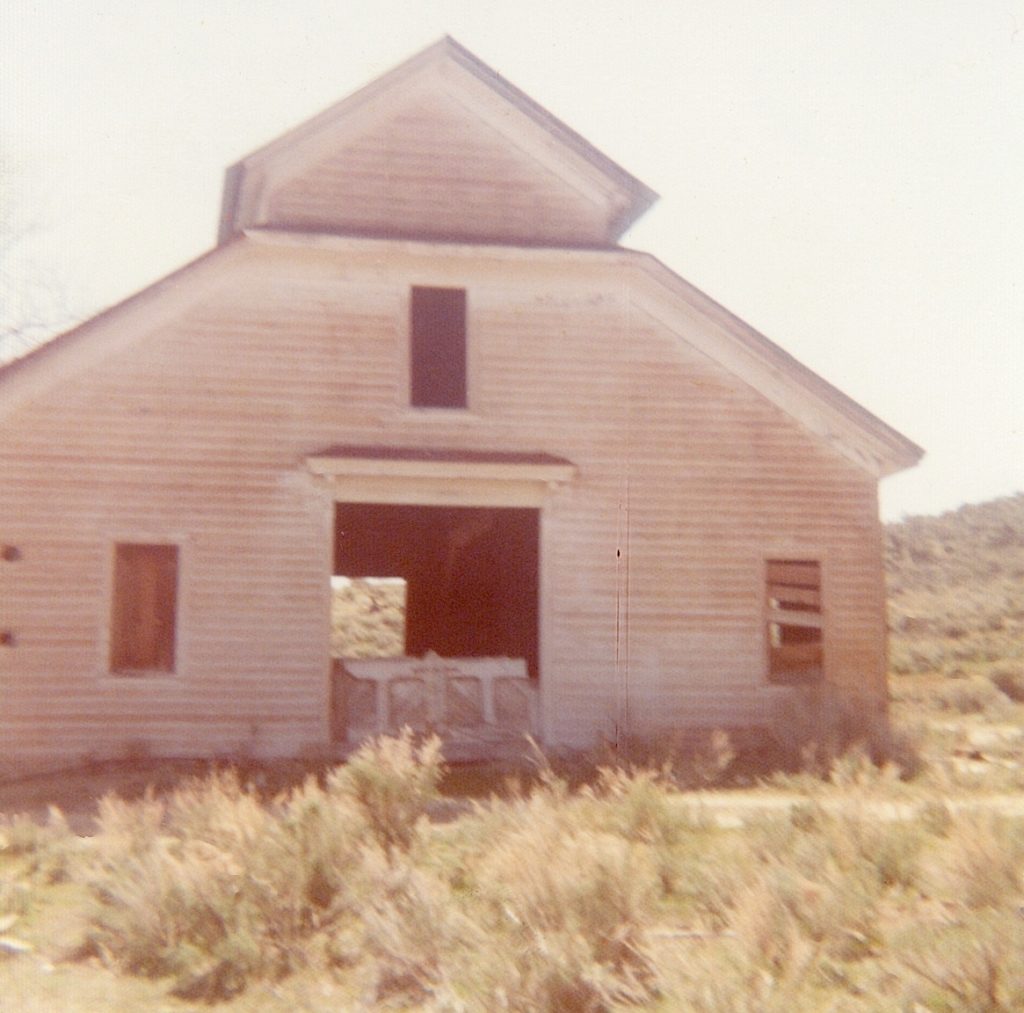
The Carriage House, 1975
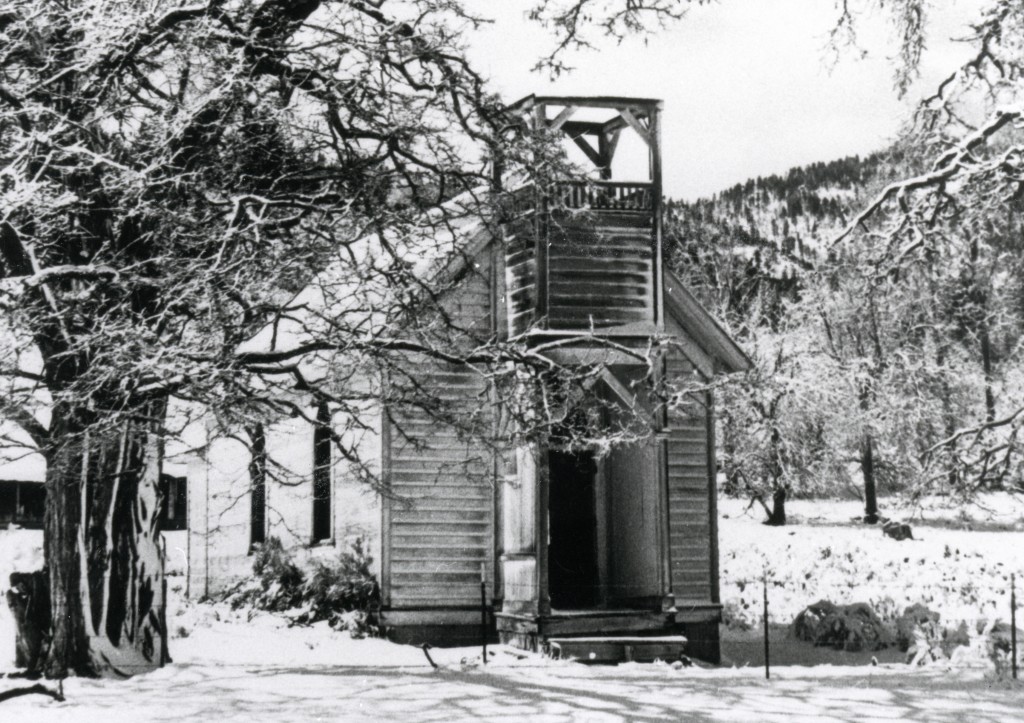
The carriage house built between 1898-1900, by then owner, Henry Butters who was the one christened the place as Constantia, is the only building at the original homesite. There was a small church on the premises, but it was moved to Doyle in 1994.
St. Mary’s Chapel as it appeared in 1971. Courtesy of Robert Williams
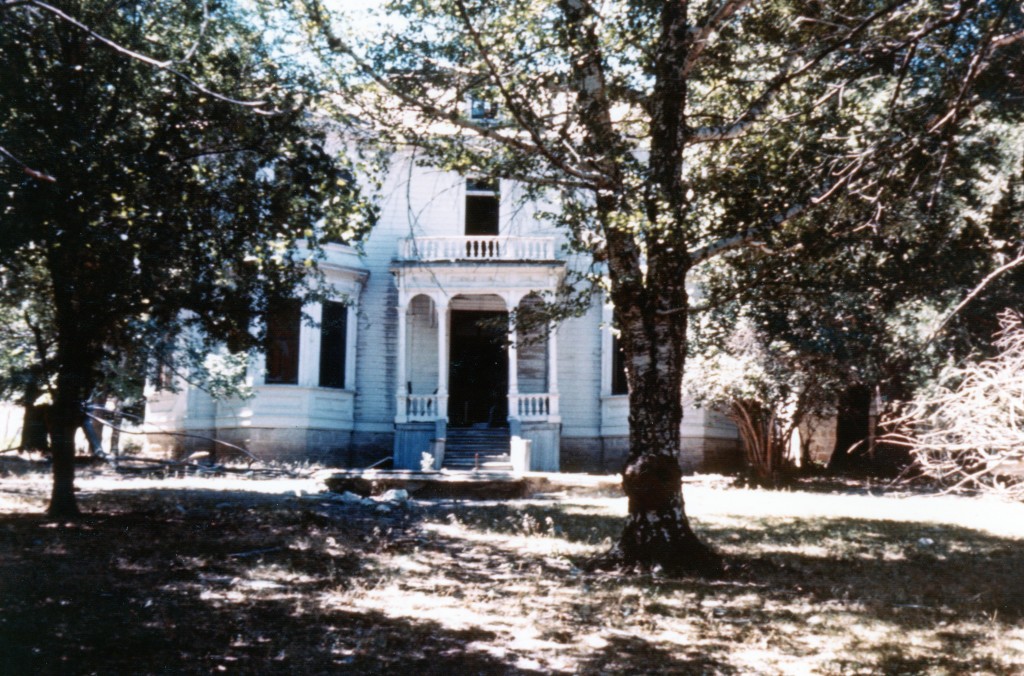
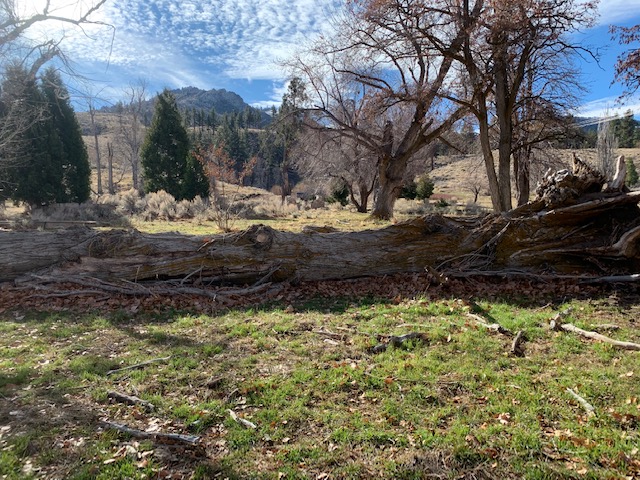
It has been some time, since I have done one of these type of post. This particular one of the White House site at Constantia, has been on my list for some time. Located approximately halfway between Susanville and Reno, its not on the highway. My problem, is I just do not go over to Reno that often.
The 17-room house was built in 1884. The Galeppi family who purchased the ranch back in the 1920s, never resided in it. It still had some furniture in it back in the 1940s. At that time, military personnel from the nearby and newly established Sierra Ordnance Depot at Herlong, held impromptu dances at the house. The house was destroyed by fire in 1963, cause un known.
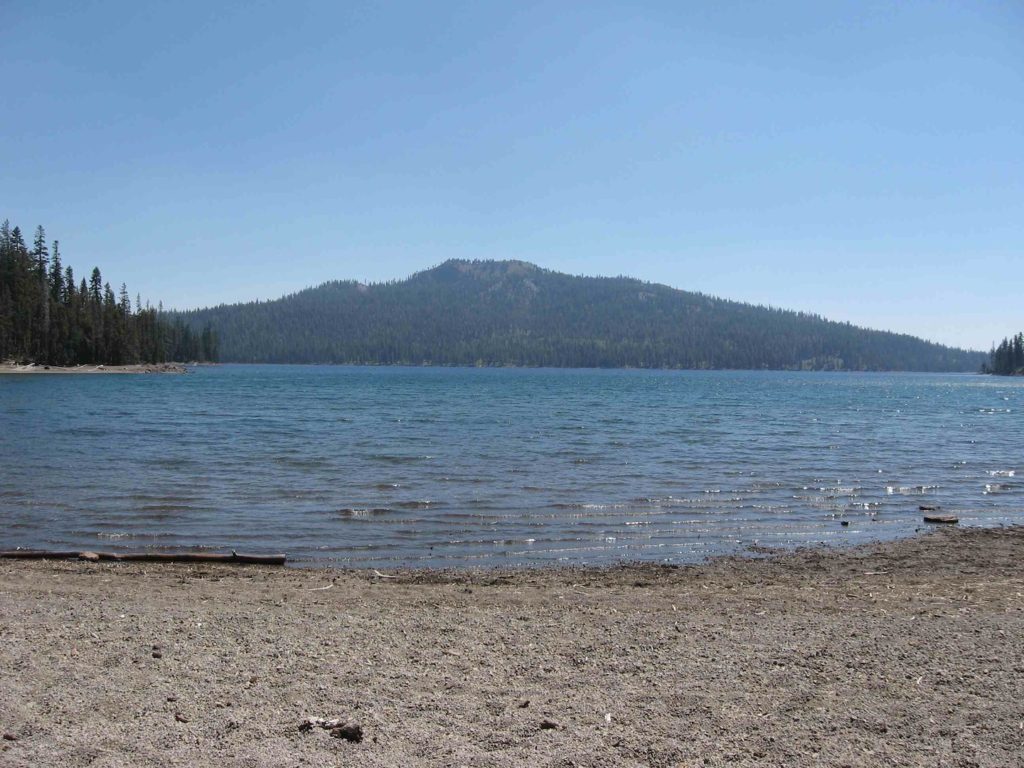
Juniper Lake in the southeastern portion of Lassen Volcanic National Park has an interesting history, due in part to Charles Parson Snell, a quirky, colorful and sometimes cantankerous property owner. On April 1, 1914, Snell, a San Francisco attorney, purchased 475 acres at Juniper Lake from Herman Werhle. Initially, like the previous owners the property sat idle. It should be duly Lassen Volcanic National Park was not created until 1916.
In August 1916 witnessed Snell’s first promotion creation of the Lassen National Park Club, only a week after the park was formed. This sportsmen group had an initial membership of thirty-six men from northern Sacramento Valley. Snell was elected president, Richard White, vice-president and H.F. Proctor, secretary-treasurer. The club’s intention was to build a lodge at Juniper Lake, with members building individual cabins.
While the proposal looked good on paper there was one major problem the lake was not easily accessible. Without a road, this was a short-lived enterprise. More about Snell’s future endeavors will be explored.
The Janesville Hotel when it was owned by Justus R. Bailey, circa 1880.
This actually a tale of two Janes. In May 1857, Malcolm Bankhead bought the claim of Thomas Mitchell. He built a two-story log-house and offered public lodging. It remained until 1872, when Dennis Tanner tore it down and constructed the two-story wooden frame building known for many years as the Janesville Hotel.
Malcolm was soon joined by his wife, Jane and four children. I 1858, Smith Hill built a house nearby. In 1861, Henry Lomas established a blacksmith shop there at the same time, Smith Hill opened a combination saloon and shoe-shop. The village was initially known as Bankhead’s. Some accounts have it that at that time it became known as Janesville, in honor of Jane Bankhead. It should be duly noted that Malcolm and Jane’s daughter, Susan, married Smith Hill on June 13, 1859. On May 17, 1862, the Hill’s daughter, Jane Agnes was born, a first in the village. Some state the town was named for her, being the first child born there. On June 15, 1864, the name Janesville was official with the establishment of the post office. Whatever the case may be, the naming of Janesville was a family affair.
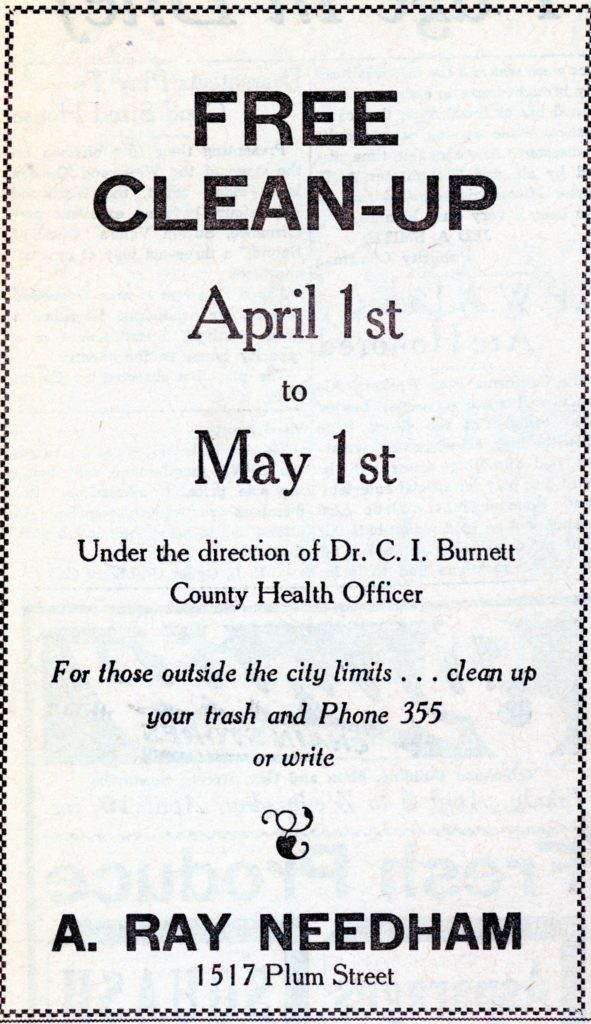
Long before the Earth Day movement, spring cleaning inside and outside of one’s home was the de riegeur of the day. Personally, I got a head start during the winter sorting through and tossing stuff, since it was one of the few things I could do during my recovery.
Anyhow, long before there was even a municipality of Susanville, by the early 1870s there was always a movement on hand for the residents to clean up the outside of their homes. Most of the residents complied. However, there was no public dumping ground. It would not be until that the City of Susanville acquired a forty-acre parcel for public dumping ground. This dump remained in use until the mid-1960s. Fast forward many years later, the site was cleaned up and is now part of Skyline Park.
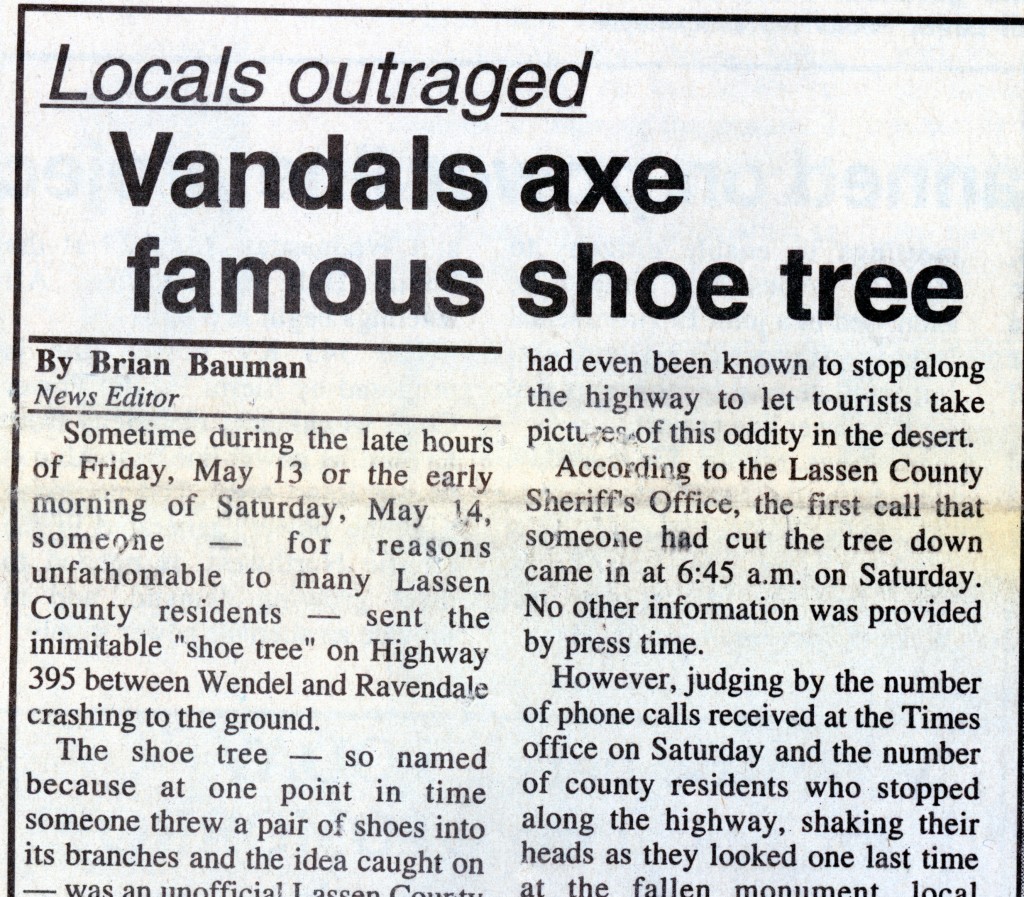
Note: While beginning in March, I had announced scaling back to six days a week, Tuesday being a blackout day. I had an inquiry about shoe trees, so here is the original post from 2016.
A most unusual phenomenon that can be found throughout the region and no longer just in Lassen County. The original shoe tree was located at Mud Flat, along Highway 395. In the 1930s, Jud Foster, of the California Highway Department, planted numerous cottonwood trees across Mud Flat. It was hoped that these trees would absorb and stabilize the roadbed so that it would not become so muddy. Only one tree survived and it grew to maturity. In 1979, when the highway was widened, officials considered removing the tree, but later reconsidered. Instead, the highway department made an impromptu turn out next to the tree. This turn out along a desolate stretch of road, where there are no trees, became a popular stop for travelers. Shortly thereafter, someone tossed a pair of shoes onto a tree limb. Slowly, through time, more and more shoes were found dangling from the tree. In the early hours of May 14, 1994, an unknown person(s) cut down the tree.
Never miss a story, click here, and support the site, too!
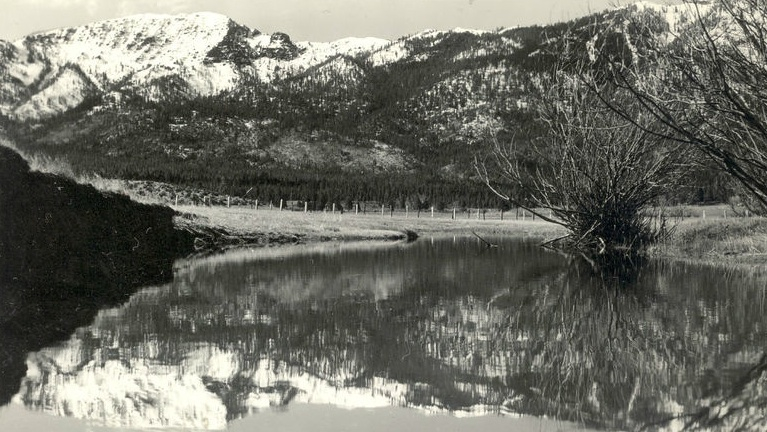
Baxter Creek, circa 1950s, with Thompson Peak in the background.
In 1935, Emma Lou Dakin, a Lassen Junior College student won that year’s contest. The Dakin name may be familiar to some, as her old home is now the Dakin Unit of the Honey Lake Wildlife Refuge.I am only publishing a small excerpt, but this will help to explain why so much of the Diamond Mountain range is privately owned. Once upon a time farmers were allowed to file for a 160 acre federal timberland patent. This provided the farmer wood for cooking/heating, fence posts etc. With that in mind, Emma Lou uses that as an example.
“Each one of us farmers own a little piece of timber land where we get our wood, fence posts and logs. There’s an old saying that ‘You can’t teach an old dog new tricks.’ My father is one of those old fashioned ranchers, but somehow for some unknown reason he did sell some logs to the Lassen Lumber & Box Company in 1929. From 300,000 feet of lumber we cleared $1,050, while in the same year from ninety head of cattle we got $3,000, but half of the $3,000 was put back into the cattle for feed, while nothing but our annual tax of $4.16 came out of our timber money. Besides making $1,050 we had enough slash left to furnish us wood for two years. From this experience I began to notice the economic value of the forests were to us people in Lassen County.”
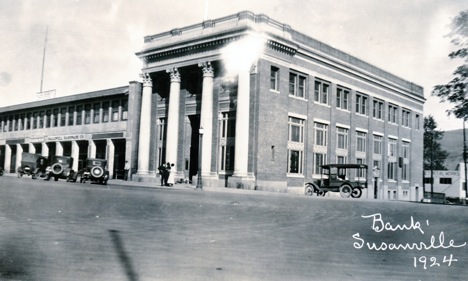
Main and Gay Streets, Susanville, 1924–Courtesy of Uncle Boyd Benham
Some may recall last month about the story of building the current Masonic Temple in Susanville. That article contained a rare photograph of the building under construction. At that time, I gave the photo credit to Uncle Boyd, but I knew nothing about him, or even a last name.
It was in that same month, Dr. Greg Boomer was cleaning his office in preparation of his successor. Boomer came across five professional photographs taken in 1924. They were attributed to Greg’s wife, Connie’s family. When the Boomer’s opened practice in Susanville, Connie’s Aunt Hazel Benham sent them in case they might want to use them. Hazel was married to Boyd Benham. To make a long story short, in September 1924 Boyd’s father, Ed Benham moved his family to Susanville when he assumed the role of manager of the Liberty Theater. A member of the Benham clan was a professional photographer from Marysville who took the photographs while on a visit.
The reason for this account, is that from time to time, I am asked how I locate various historical photographs. This is one of many examples.
Also, a big thank you to Connie & Greg Boomer for sharing the photographs.
Spread the word, and encourage a friend to subscribe.