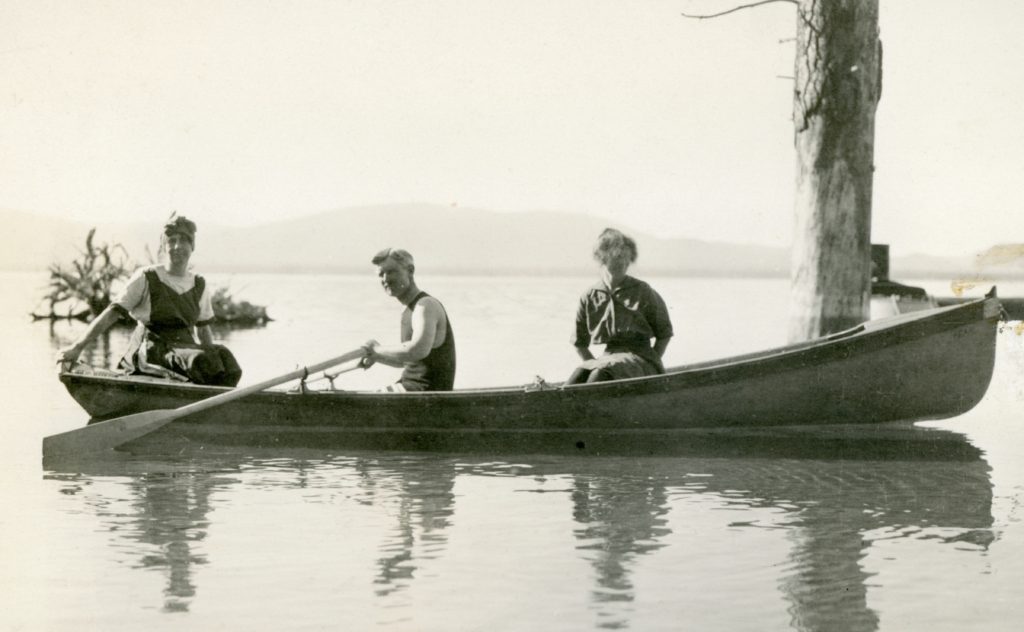
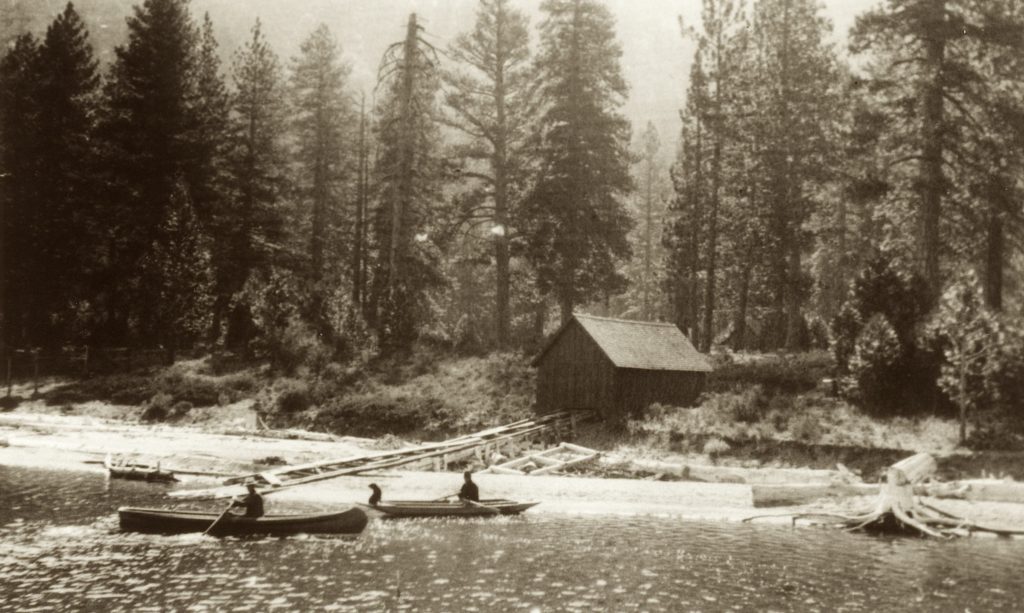
Slowly, but surely I am getting around to the Gallatin photographs. The family sure did like their boats. It was interesting that boat dock and the boat house were not side by side. More about that later.
Tim
Slowly, but surely I am getting around to the Gallatin photographs. The family sure did like their boats. It was interesting that boat dock and the boat house were not side by side. More about that later.
Tim

Last year we learned story behind the Lucky Land of Lassen slogan. For a refresher, here is the link. While sorting old documents of the 1910s I recently came across a letter dated 15 December 1915 from Wm. Lucas of the California Land & Power Co to the Lassen County Chamber of Commerce. Lucas interested to have more cards that the Chamber distributed at the Panama Pacific Exposition, which he stated as “Lucky Land of Lassen Where Milk and Honey Flows and the perfect Apples Grows.” Lucas continued this was very good advertising for Lassen County. It was his desire to secure an additional 1,000 cards and was willing pay to pay the printing costs. Unfortunately, I do not what the outcome was.
Tim
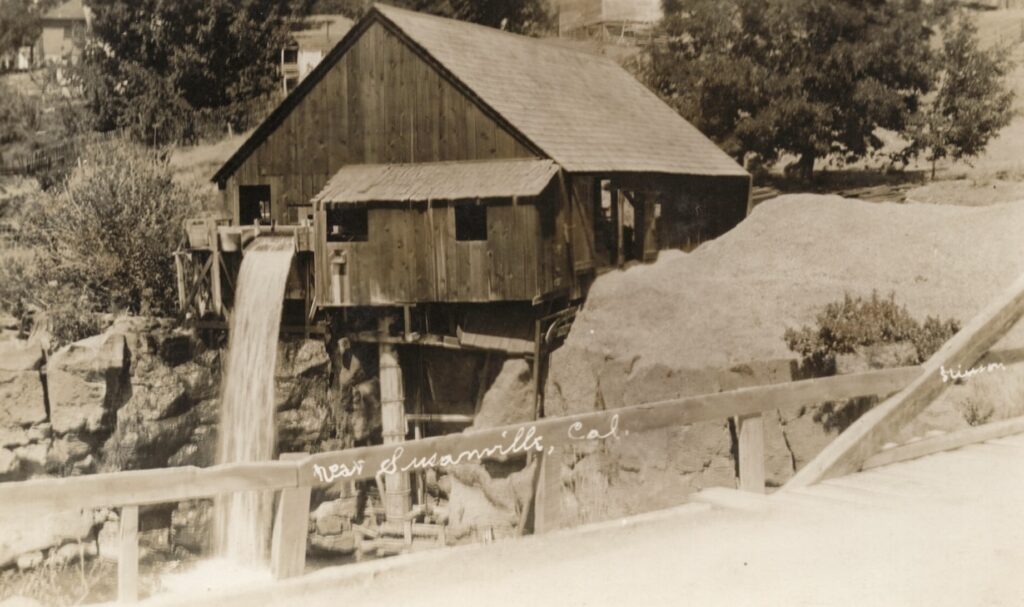
The Arnold Planing Mill was situated at the intersection Mill and South Weatherlow Streets, Susanville. You can read about its the history here.
When it was destroyed by fire in 1915, due to its picturesque setting at the time it was believed the most photographed landmark of the Susanville vicinity. Recently, I located the above photograph. It caught my attention because of the angle it was taken. One can see the sawdust piles on the right side of the mill.
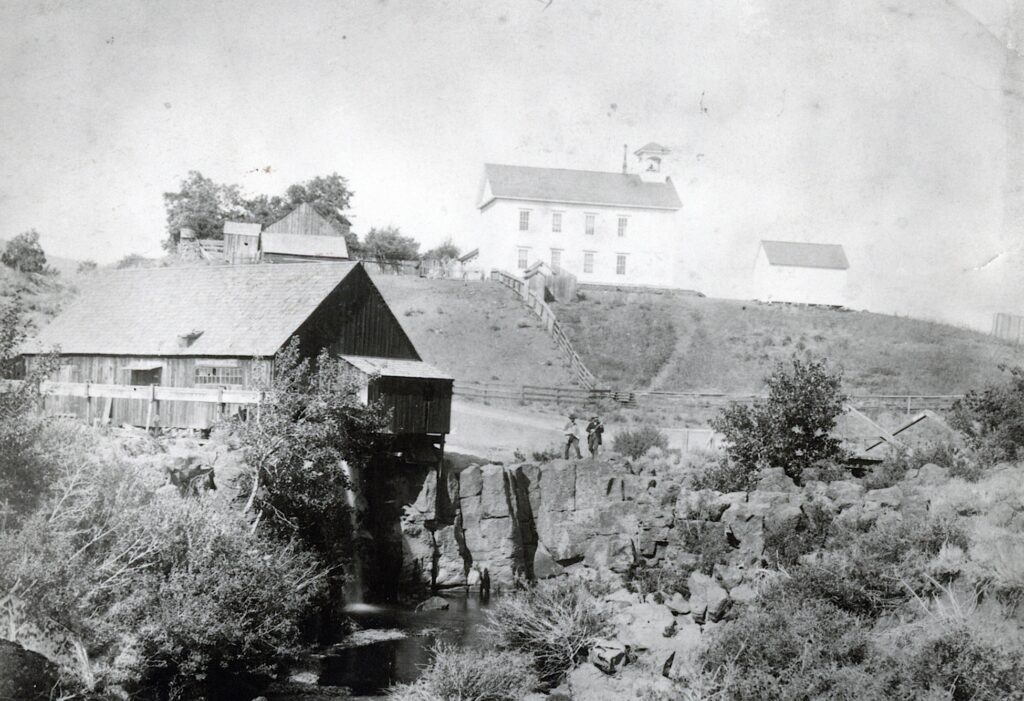
This photograph was taken by Herman Brince. This is unique since the Susanville Grammar School appears, many people may know the location as the Washington School and later Credence.
Tim

In 1897, California finally passed significant legislation for the creation of public irrigation districts. There were key provisions, before the formation of said district. First, the California State Engineer’s Office had to review if it was feasible. There was a provision where property owners in a proposed district could be excluded from it. The property owner had to justify for the exclusion that they had an ample water supply for irrigation, so they did not desire to included a proposed irrigation district to avoid tax assessments.
During 1916-17 there were prolific proposed irrigation districts in the Honey Lake Valley. In 1916, one such proposed district was the Honey Lake Valley Irrigation District to irrigate the sagebrush lands of eastern Honey Lake Valley. Its engineer William Wales performed an exhaustive investigation of the area’s water resources is a amazing tale.
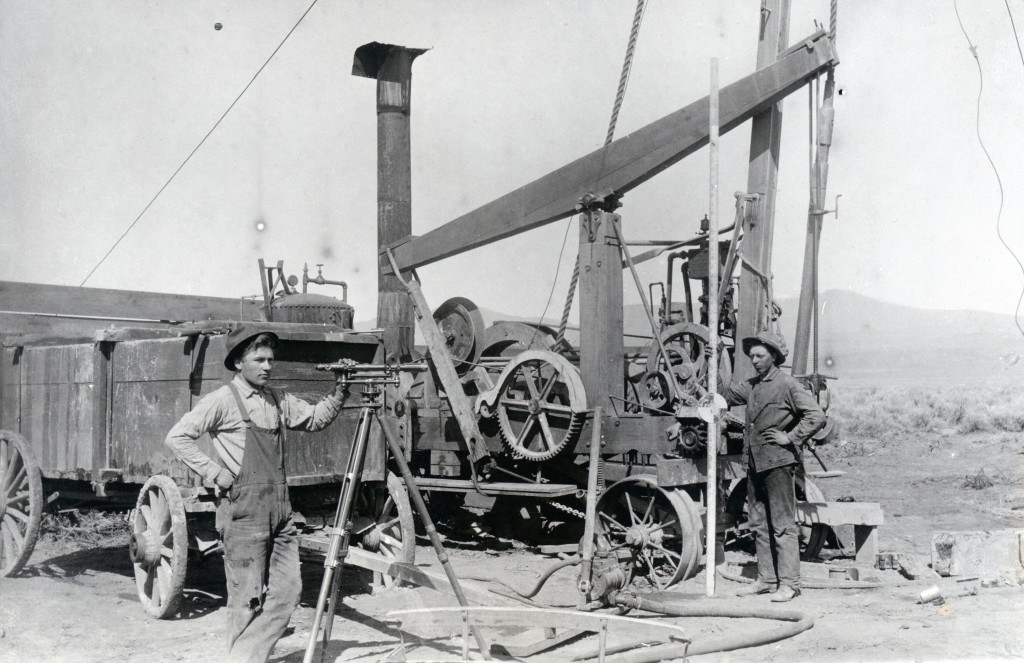
It was the Caudle family, residents of Stacy, that would be included in the proposed district and resisted. In their letter of protest dated July 6. 1916 that stated bluntly: “Reasons of wishing such lands excluded are, we have spent four thousand dollars for well drilling machines which we will still own and expect to use drilling more wells when he ave all the land under cultivation that our present wells will irrigate. We have one well pm the highest point of this land that will irrigate 200 acres by using reservoirs constructed. Have three other wells that will play water for a large part.We also use water from Skededdale Creek for irrigation and can successfully irrigate all this land from this creek when the creek runs. Having spent so much money for well machinery and time and money developing these wells it will be impossible focus to meet payments required by the district.”
Due to some unusual legal technicalities wthe district was never formed.
I
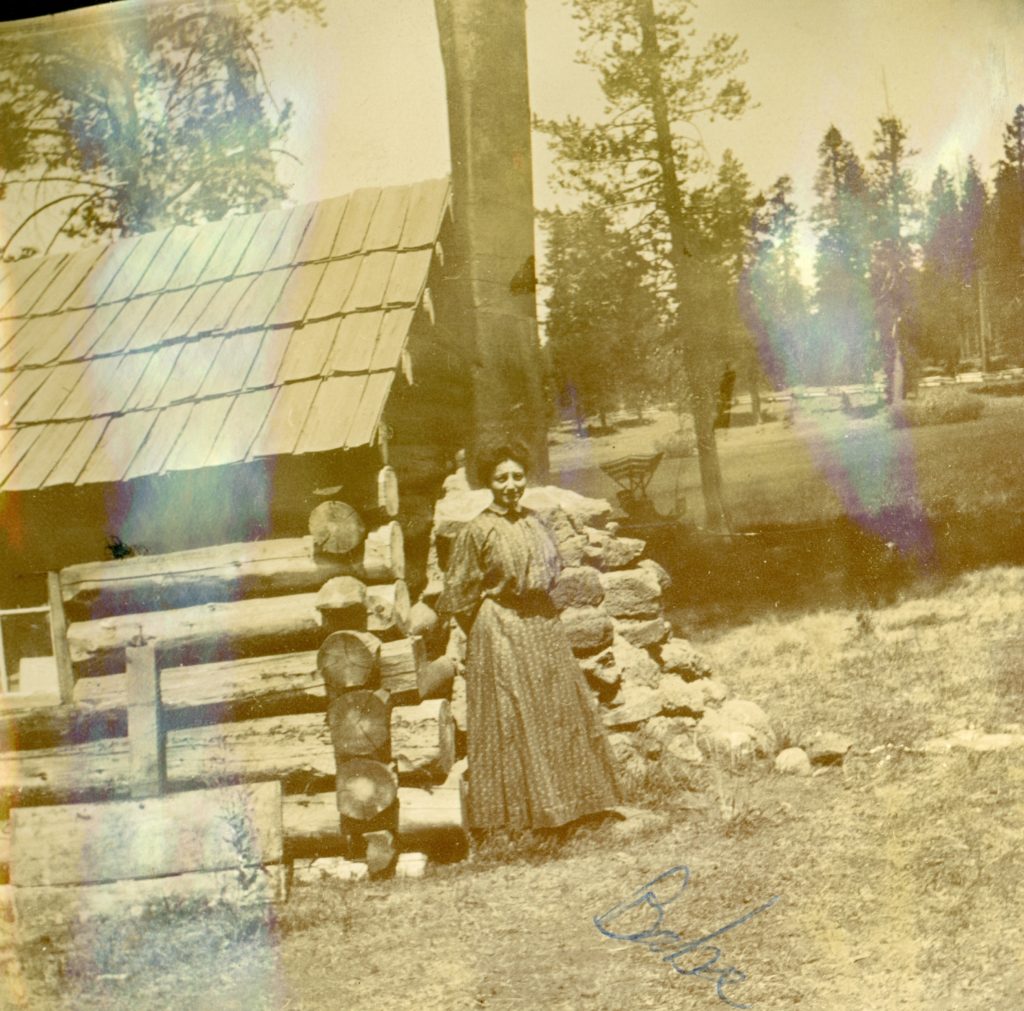
Note: Seasoned residents may recognize Worley Ranch as a main designated place for many years on forest service maps, just east of Hogs Flat Reservoir.
In the late 1800s and into the early 1900s the sheep industry played a major role in Lassen County’s economy. In 1906, Lassen County officials estimated 200,000 head of sheep were brought into the county for summer grazing. Many of these outfits came from nearby Tehama County. On February 25, 1902, Adam Crim Worley of Tehama County, purchased 481 acres from John Sites, and established his summer stock range about ten miles west of Susanville on the western base of the mountain, that would become known as Worley Mountain. (This is the mountain one crosses to travel to the south shore of Eagle Lake.) Worley’s son, Jesse C. Worley continued with the family sheep business for some time. In 1909, Jesse married Jeanette Alexander and in 1911, he became associated with his father-in-law’s, Jules Alexander, general store in Susanville. 1942 was a monumental year for Jesse Worley as he closed the store in Susanville. Then on August 17, 1942, he sold the ranch to Bill and Zella Ahern for $3,000.
Tim
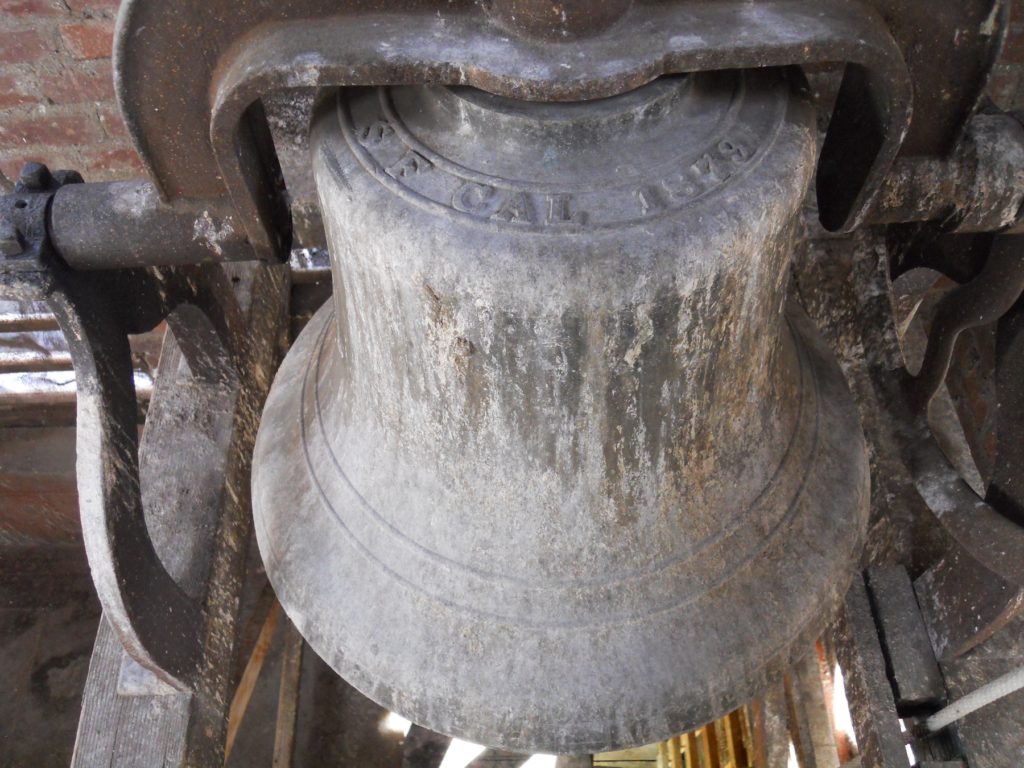
Yesterday, we explored that in February 1917 the county accepted the newly constructed courthouse as complete. There were still matters to contend with the existing courthouse. The county hired Younie & Buckwalter, auctioneers to dispose of the old courthouse and its furnishings. The auction was held on April 21, 1917. Of course, the majority items sold one would expect such as desks, chairs, etc. There was a particular item that caught my attention a bird cage that sold for seventy-five cents. There is one relic that survives to this day and is functioning-the bell. Susanville Methodist minister Rev. Westervelt purchased the courthouse bell for $12.50. On Sunday mornings at 10:30 the bell is to put into action calling the faithful church. Back to the auction, the total proceeds from the auction was $266.05. The cost of advertising and the auctioneers commission was forty dollars.
Tim
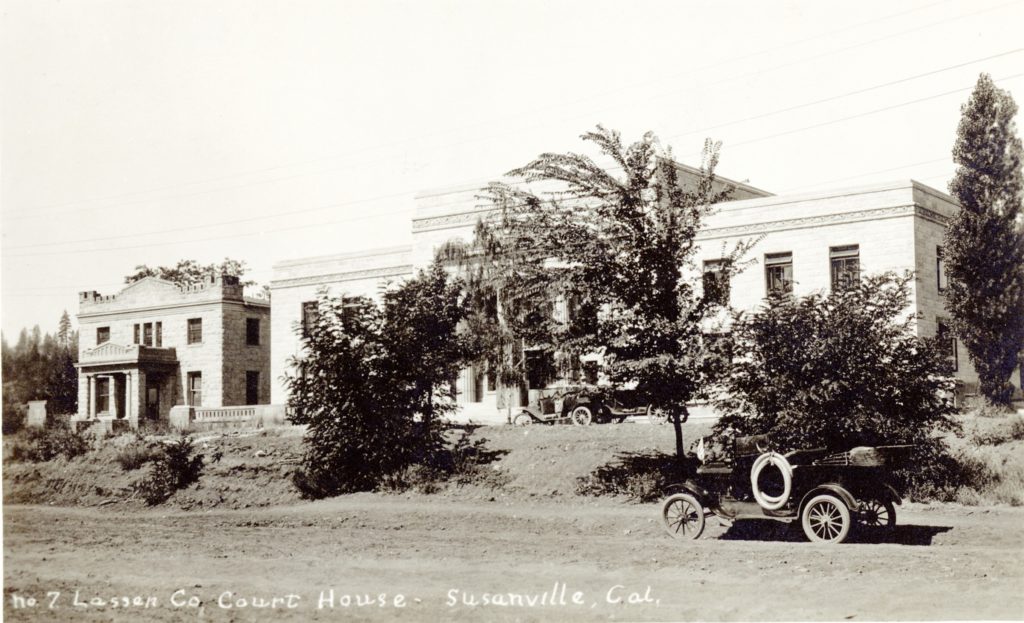
On February 21, 1917, the Lassen County Board of Supervisors accepted the newly constructed as complete.That was the simple process. To furnish the building became a nasty and controversial affair. It resulted in a new position – County Purchasing Agent. This, too, was a subject of wrath with taxpayers. More about that later.
Tim
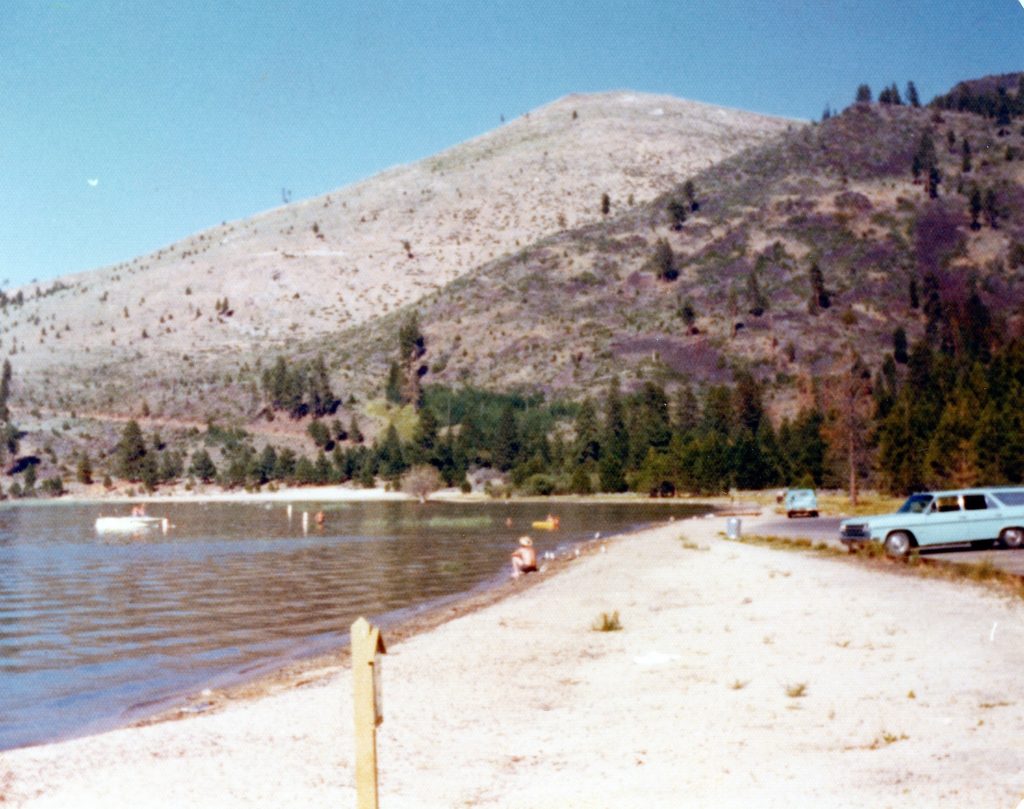
The geology of Eagle Lake is unique. It is a mixture of Sierra Nevada spillover (Gallatin Peak) and the Cascades that flanked Gallatin on both sides. One can see transition from the tailing pile remnants of Bly Tunnel. The inlet consisted of decomposed granite (Sierra) while the outlet tailings is red volcanic cinder (Cascade).
In 2017 U.S.G.S. released Age of the Youngest Volcanism at Eagle Lake, Northeastern California. It is only a 34 page document which I can hopefully one can access it this way. If not please email and I will send you the pdf file.
Clynne etal USGS OFR 2017-1027 Eagle Lake
Tim
Over the holidays, I did not feel that well, and I just put that down because I am not holiday season person. Needless, to say last week on a trip to Urgent Care, my blood pressure was sky high, the numbers too frightening to share.I am on medication, but it will be awhile before the blood pressure drops to normal range and I can fully function.
While I always have at least two dozens drafts for future posts that am working on, completing them might be a challenge. In the meantime so there are not interruptions I can glean some early posts from 2015-2018 era supplement any holes.
Thank your understanding.
Tim
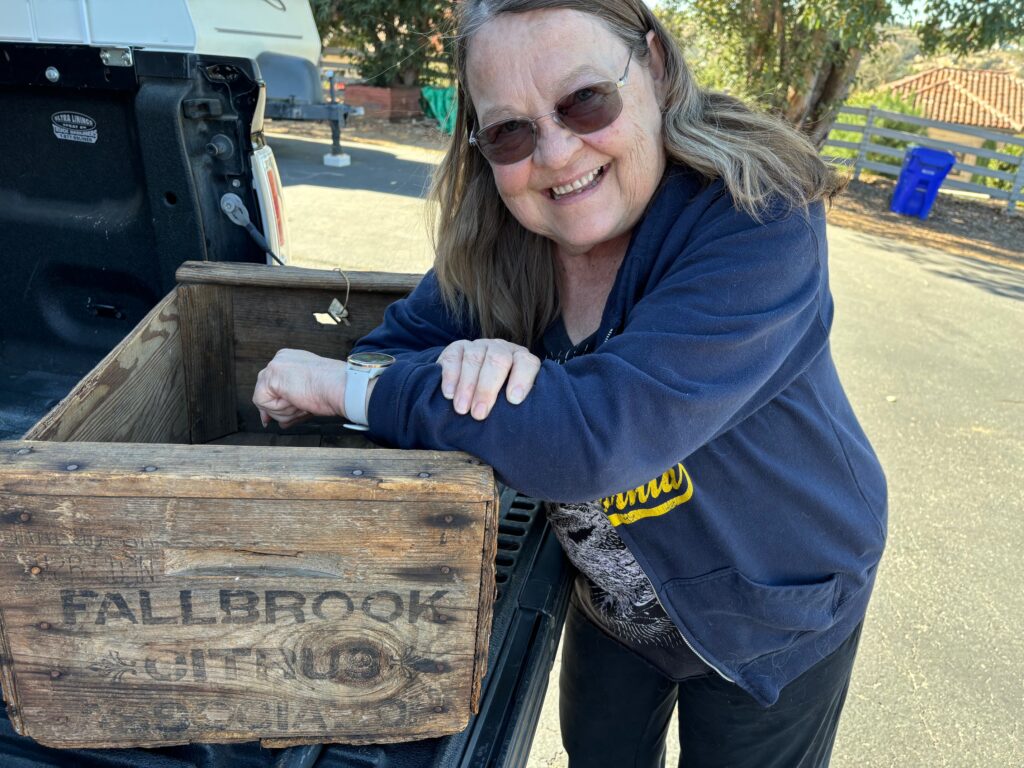
In the first half of the 20th century the nations fruit and vegetables were shipped in wooden boxes. There has been much written about the topic, including here. Its counterpart, the picking box has been relegated to the shadows. In the late 1940s and 1950s the wooden crates would be phased out with the conversion to cardboard. However, the growers still preferred their picking boxes that were used in the orchards. In the 1960s, the Fruit Growers Supply Company were still manufacturing the wooden packing boxes.
Tim