Tag Archives: Susanville

1938 Flooding & Arnold Field

The flooded culvert, 1938. Courtesy of Margaret Purdy

On this rainy day, it seems to be an appropriate topic. What is known today as Arnold Field at Lassen High School was originally a agricultural field, prone to flooding from the adjacent Susan River. After the spring floods of 1938, it was decided to construct a levee along the river to prevent future flooding. Once this was accomplished, the high school made more improvements including a new athletic field. In 1939, it was dedicated Arnold Field, a tribute to Med Arnold. Med was not just a member of the first graduating class of 1907, but was a coach for the school’s sports teams for many years.

Donate or Subscribe

Riverside Park, Susanville

Story Club, 1924. Courtesy of Lola L. Tanner

The background behind Riverside Park is unique. Prior to the park’s creation, it was home to the Fruit Growers Supply Company’s Story Club, a recreational center for its employees. It was destroyed by fire in 1944. Instead of replacing the structure, Fruit Growers converted the parcel into a park for its employees, and the public, too.

In 1963, Fruit Growers sold its mill properties, which included the park, to Eagle Lake Lumber Company. The City of Susanville, it should be noted took care of the park’s maintenance.  In 1976, A.A. “Red” Emerson, president of Sierra Pacific Industries, of which the Eagle Lumber Company was a division, offered the park to the City for $23,000. It had recently been appraised at $45,000. The City accepted the offer and by end of the year the deal consummated.

Subscribe!

Susanville Water Works

An expensive water bill for the time.

Initially, Susanville’s water supply came from Piute Creek and wells. In 1864, Luther Spencer claimed Big Springs (Cady) three miles west of town in the Susan River Canyon for a water supply for the community. Spencer’s good intentions never came to fruition.

In 1869, a group of Susanville residents formed the Susanville Water Works with the same proposal as Spencer. Their first priority was to survey a ditch, which they did. Then they went to the community to raise funds for the construction of the ditch and found none. Finally, with due diligence in 1872 construction began on the ditch. It was a modest effort fraught with problems, but it functioned without much change for the remainder of that century.

Subscribe!

815 Cottage Street, Susanville

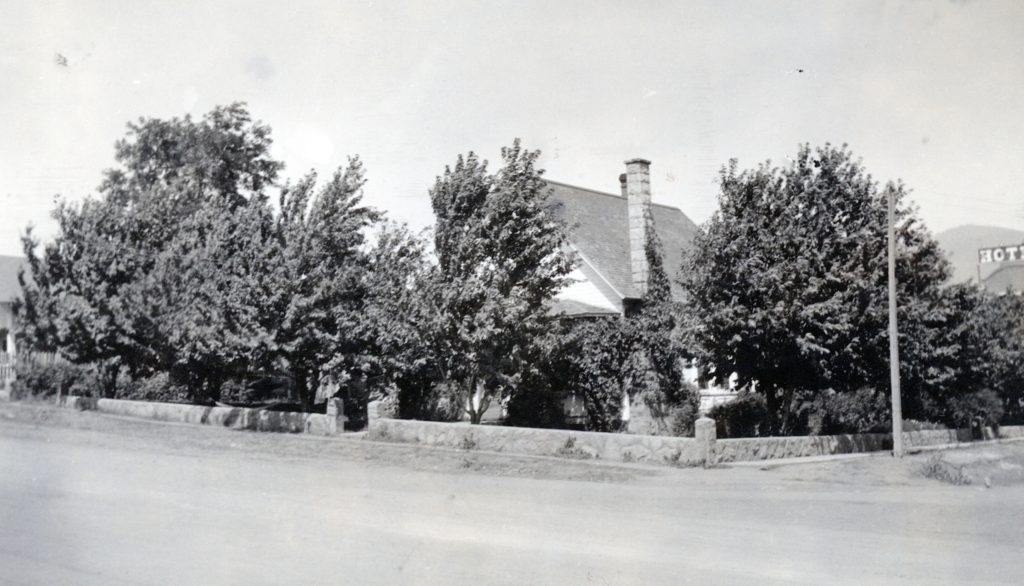
815 Cottage Street, Susanville, circa 1925.

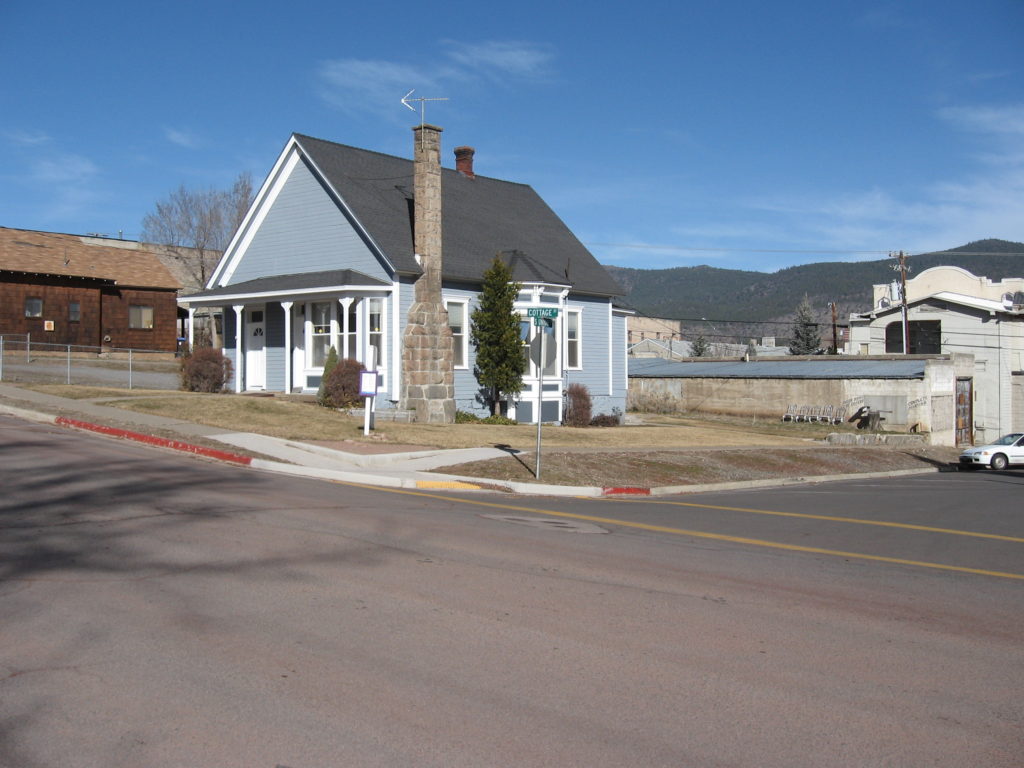
This house was built in 1893, as a wedding present. Susanville merchant Alfred Jackson had it constructed for his bride-to-be Rose Murrer. In the stone mantle he had the letter “R” carved into it. Unfortunately, their happy marriage was cut short, when he died in a deer hunting accident in 1895. In 1914, when Rose’s mother, Franceska Neuhaus constructed the St. Francis Hotel behind her home, she planted an elaborate flower garden for guests of the hotel to enjoy. Rose remained at her home until the early 1940s, when she moved to Reno, to reside with her only child Leona Byars.

Subscribe!

815 Cottage Street, Susanville, February 3, 2018

Amedee Lime Kilns

Amedee Lime Kiln
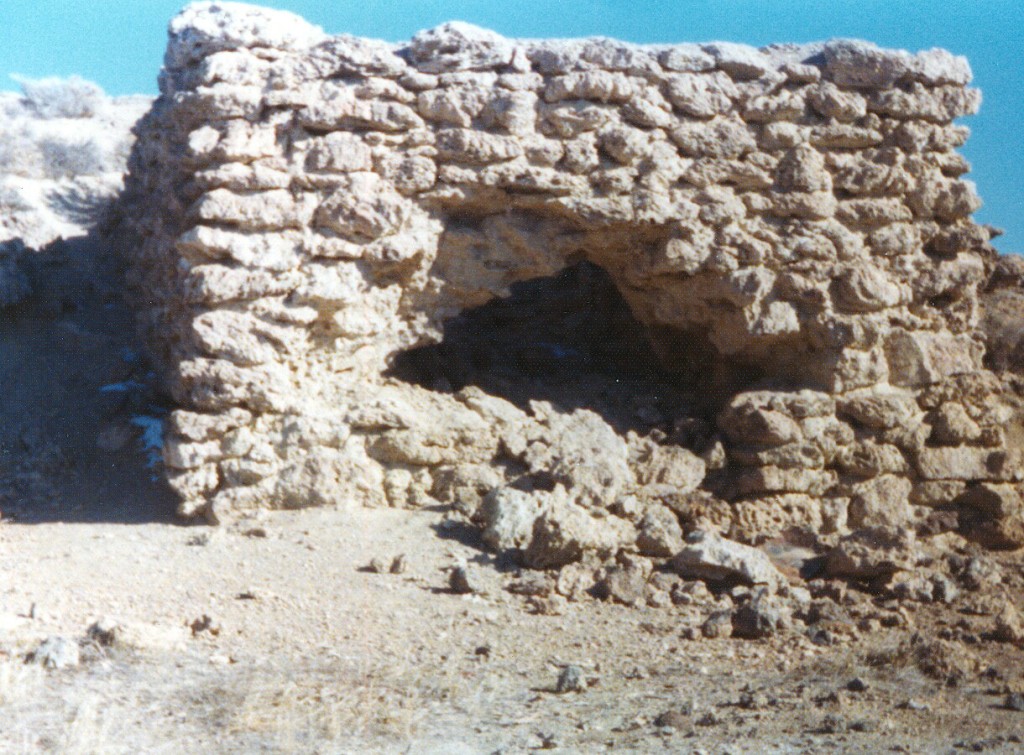
Amedee Lime Kiln, 1975
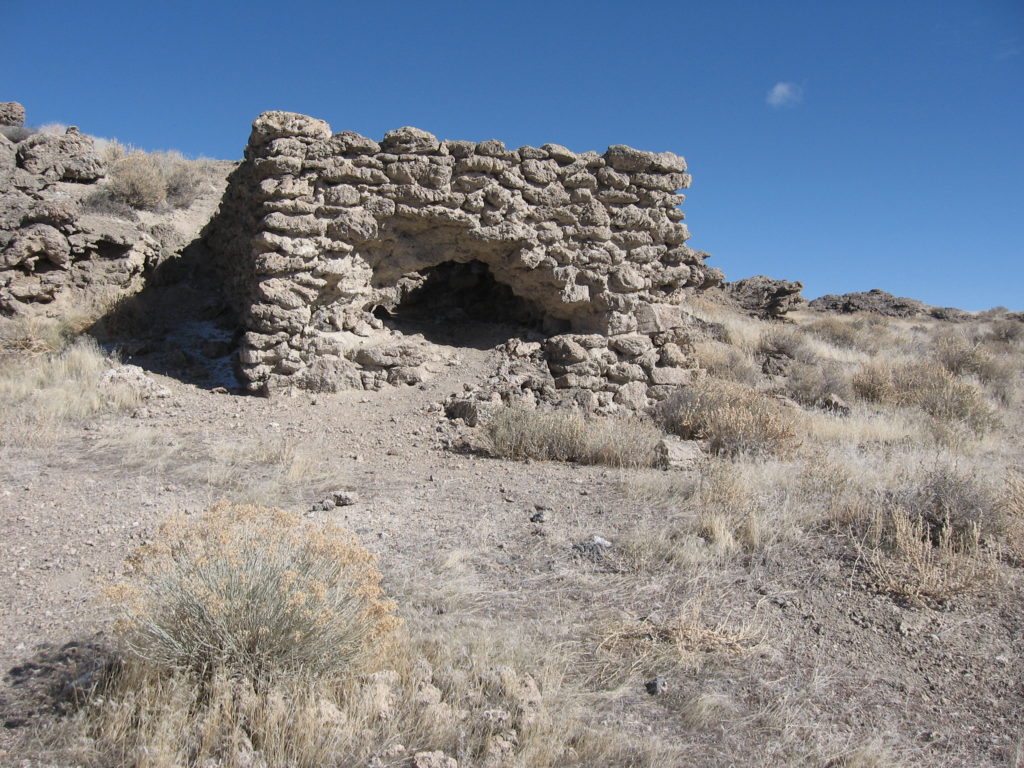
Amedee Lime Kiln, February 15, 2018

In the early 1890s, when the railroad town of Amedee came into prominence, led to many interesting developments. One of these was the discovery of lime deposits, then a key ingredient used in cement. In 1893, a lime kiln was constructed on the hillside above Amedee. However, due to the nation’s economic depression and the NCO Railroad’s refusal to lower freight rates the enterprise abandoned.

In 1913, with another railroad at Amedee and a surging economy, Susanville businessmen fired up the abandoned lime kilns. After over a year in operation, this they discovered was not the most prudent business investment, and once again the kilns were abandoned.

If you don’t succeed the first time, try again and again. In the 1920s, Janesville resident William B. Hail operated the lime kilns. In 1927, he used the lime for construction of the Bigelow Apartments in Susanville. After that it they were finally abandoned once and for all. Hail stated it was due to the poor quality of the lime.

Support this site and Subscribe today!


The demise of the old hospital

The original Lassen County Hospital also served as the poor house and old folks home, 1911. Courtesy of Alphozene Terril

A week ago, I wrote about the conditions found in the Lassen County Hospital in 1914. I thought I do a brief follow up as to what happened to it. Lassen County and Thomas “Ab”Ramsey did a property exchange wherein the county received thirty acres adjacent to Richmond Road, portion of which would become the home of Roosevelt School, as well. Actually, for a little bit trivia, the school site was designated to become a cemetery but that is another story.

Ramsey rented the hold hospital as a residence and it remained a rental until 1923, when A.H. and Grace Andrews purchased it. In 1927, the W.D. Haws family acquired and made extensive and necessary improvements to the structure. The building was destroyed by a flu fire on January 12, 1933. Little could be done to save the structure as the water pipes were frozen.

Subscribe.

The Ice Man

Ice Harvesting
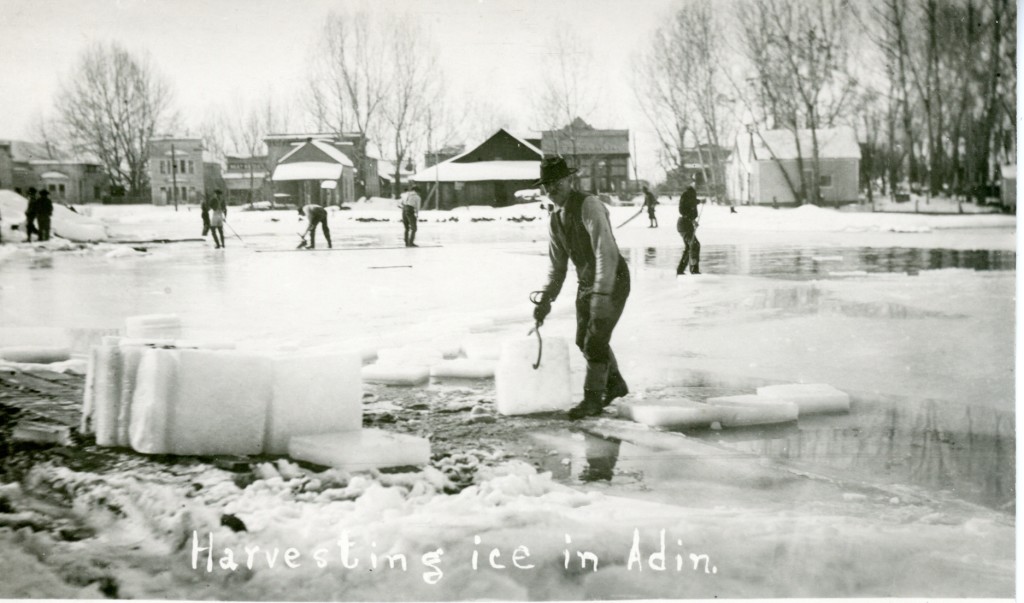
Ice harvesting at Adin, 1911

Way before the days of refrigeration, one of the annual rituals in the region was the harvesting of ice. As anyone who has lived around these parts for any length time, winter can be finicky. Such was the case in January 1904 when the Susan River was frozen over, the ice being over eight inches think. It was imperative to harvest as much ice as possible before there would be a change in the weather.

Now enter Susanville’s sporting fraternity on a betting proposition in which considerable money was waged. The bet was whether Andy Buchler could cut twenty tons of ice in ten hours. Buchler surprised everyone by sawing twenty-two tons in eight hours!

Subscribe!

A Bit of Trivia

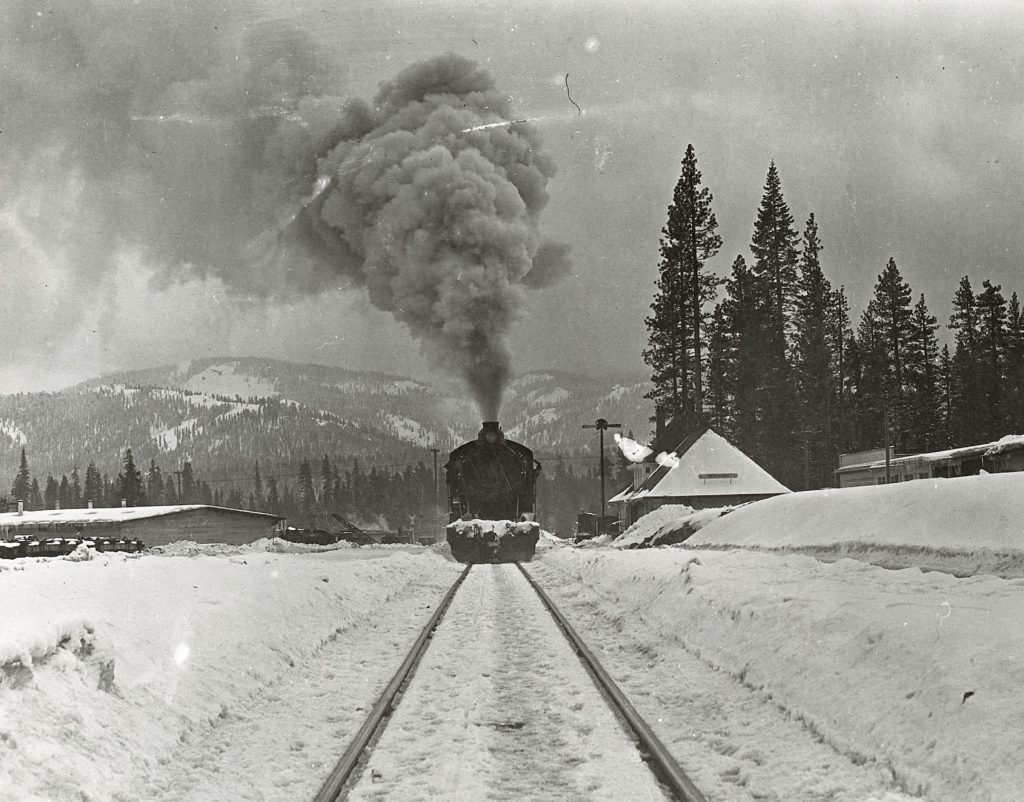
Westwood Depot

The December 1955 floods caused considerable damage to the railroad line between Susanville and Westwood. With the imminent closure of the lumber mill at Westwood, the Southern Pacific Railroad decided to close that segment, rather than spending significant amount of money when freight would decrease. Since they did not abandon the line at that time, if a person wanted to ship something by rail from Susanville to Westwood, or vice versa, Southern Pacific could only charge the freight costs between the two points. It was their problem to figure out how to deliver the freight and bear the additional cost. In 1976, Southern Pacific began the formal process to abandon that segment of the line, which we will explore in the near future.

Subscribe.

Susanville Post Office

The grave of Isaac N. Roop, Susanville Cemetery, circa 1966.
On March 17, 1859 the Susanville Post Office opened for business. At its helm was Isaac Roop who served as its first postmaster. When it opened, postal authorities assumed that it was in Utah Territory’s jurisdiction and the earliest postal cancels are marked, “Susanville, U.T.” In 1937, after nearly eighty years of being in existence, it finally got a home of its own. At that time, postal authorities purchased a lot on North Lassen Street from Stanley Wade for $6,750. Shortly thereafter construction began on the post office and opened its doors to the public on June 1, 1938.

Subscribe!

St. Patrick’s Dinner, 1976

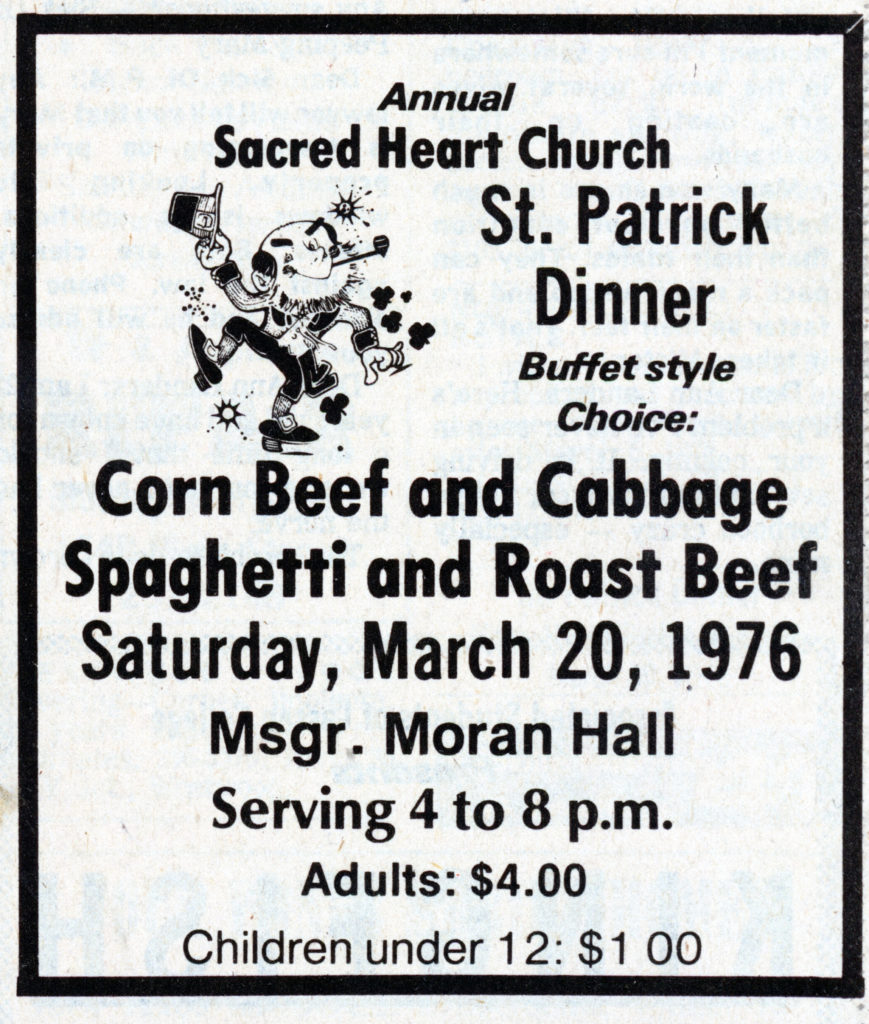
The church’s 1976 advertisement.

If you happen to be in Susanville tomorrow evening, stop by Monsignor Moran Hall on North Weatherlow Street for Sacred Heart Church’s St. Patrick’s Dinner, which they have held every year since 1917. The menu, of course, has evolved over the years. For decades the traditional corned beef and cabbage was never served. In 1974, Father William Storan was appointed the parish priest. In 1975, he requested that corned beef and cabbage be placed on the menu and that the church would slowly phase out spaghetti and roast beef.

Donate!