Tag Archives: Standish

Standish Well Drilling, 1929

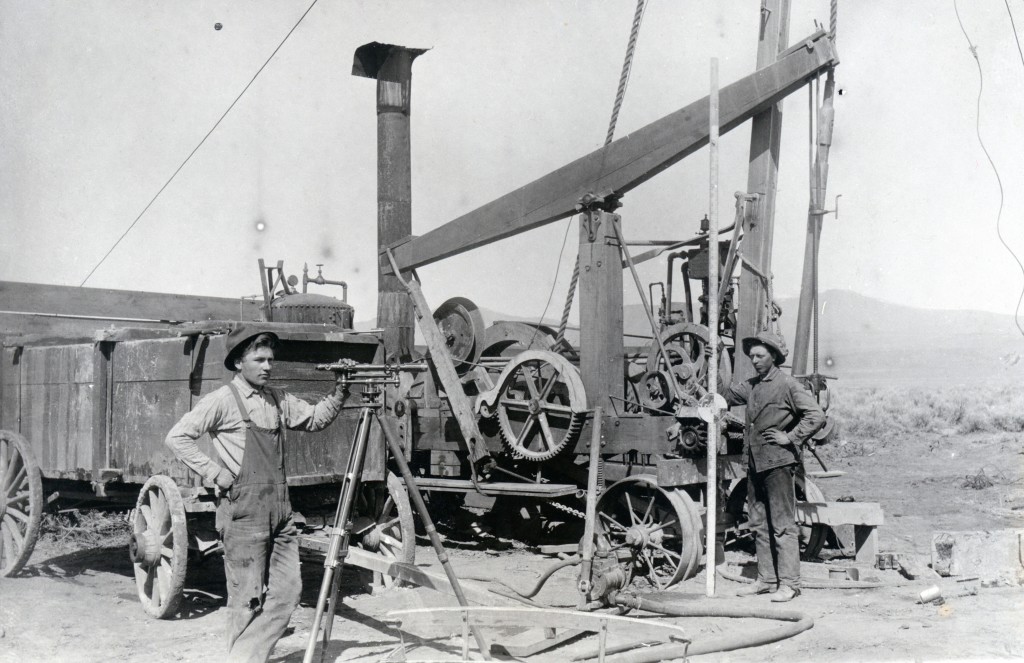
Caudle Brothers well drilling outfit, eastern Honey Lake Valley, 1910. On the left is Fred “Fritz” Zarbock and on the right his brother, Ferdinand Zarbock who had a homestead next to Caudle’s at Stacy.

During the late 1920s, the farmers in the Standish district were frustrated with water woes. Those who hoped to be beneficiary of Bly’s Eagle Lake project were dismayed with an inadequate flow from that body of water. Even those who had water shares with Lassen Irrigation District suffered the same fate due extremely dry conditions. The winter of 1928-29 the area only received 8.38 inches precipitation. In May 1929 the weather was exceedingly warm with temperatures in the 80s and 90s. Irrigation wells were common on the desert east side of the Honey Lake Valley, but not so like Standish that in the past received its water from the Susan River. In June 1929, Standish resident, J.D. Andrews had a well drilled with success. At a depth 210 feet it could provide 300 gallons a minute being pumped for seven hours with a four inch centrifugal pump. Soon others followed suit. On a final note the cost of the Andrews well was $757.
Subscribe

The Buntingville Breeze

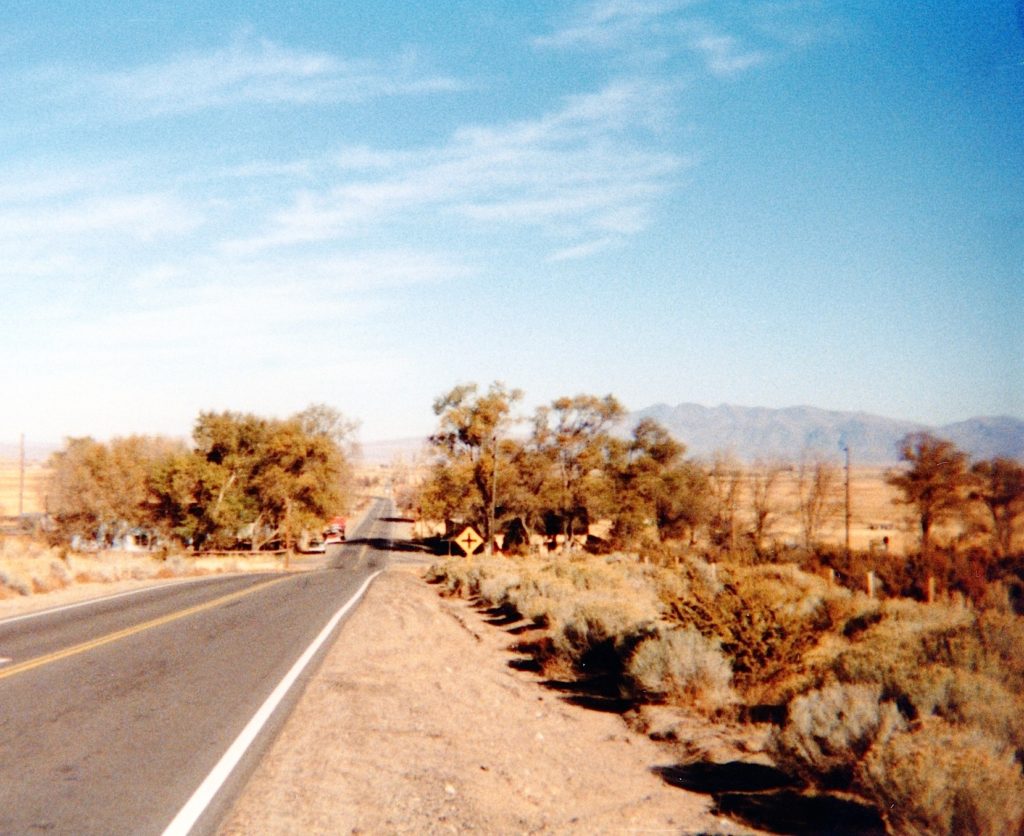
A view of Buntingville, November, 1980.

The Buntingville Breeze was one of those short-lived parody publications. When it made its debut in May 1899 the editor went by the non-deplume Spot Cash Sockettuem. The following issue revealed the editor’s identity as Mike Phillips, the town’s only merchant. It never survived long enough for a third issue as Phillips closed his Buntingville store and opened a new one in Standish.

Subscribe

Standish vs. Litchfield

Standish, 1908. Courtesy of Betty Gorbet

All things considered, since Standish started as a planned utopian community that eventually failed, there was that bit of original quirkeness that prevailed for years, after the demise of the failed experiment. Case in point, when the Fernley & Lassen Railroad surveyed and later constructed the railroad north of the town in 1913, it was not a big issue. It was odd. Other communities would have lobbied hard to have a railroad come into their town. Not Standish. When Ben Gibson plotted out the nearby town of Litchfield that the railroad would become an integral part of that community, Standish yawned. Standish had only been established in 1898, yet it was the first major town in that district and enjoyed a loyal following of the agriculural district, that Litchfield which tried could never overcome.

Never miss a story, click here to subscribe.

Standish Post Office

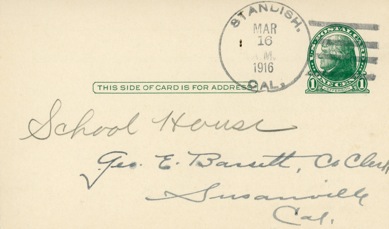
A postmark cancel.

The Standish Post Office was established on April 21, 1899 with Harriet F. Torrey as the first postmaster. It is one of a handful of Lassen County post offices established prior to 1900 that are still in existence.

The town was named after Myles Standish, of the Plymouth Colony fame. In the 1890s, the Associated Colonies of New York wanted to create utopian communities in the West, and Standish would be their second development. The Standish Colony was designed using the philosophical beliefs of Myles Standish and the economic structure promoted by LDS leader, Brigham Young. For it to succeed it needed a water supply to irrigate the surrounding land. In 1898, the Honey Lake Valley Colonial Irrigation Company was incorporated and purchased Edward Purser’s Susan River Irrigation System. However, it was plagued with litigation over water rights, that led to the demise of the Standish Colony and Associated Colonies in 1901.

On a final note, the first book I intended to write was the history of the Tule and Standish districts. Well, most know that did not happen. A few years back I did survey of over 1,000 people to see if there was still an interest. Only 40 people expressed one, so that is why I never finished the history of Standish.

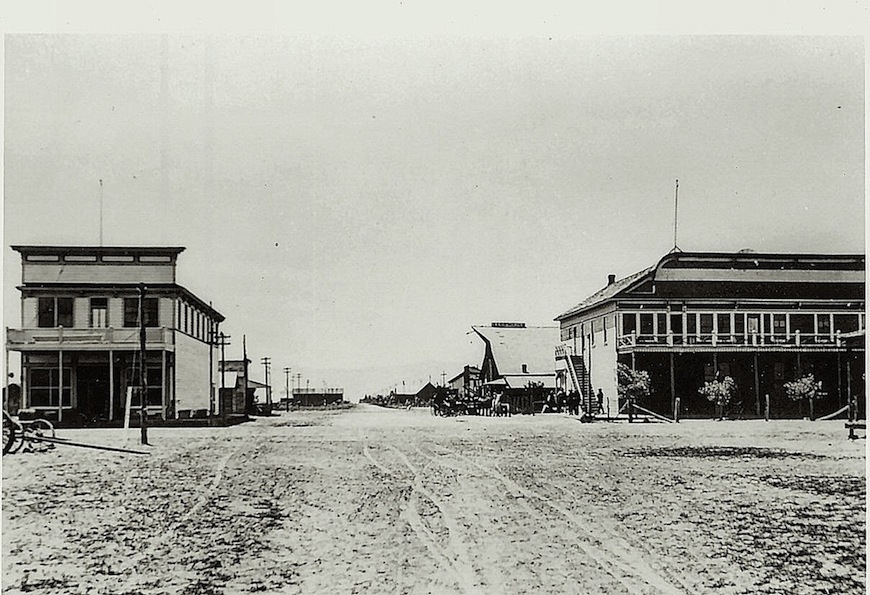
Milford Street, Standish, 1908. Courtesy of Prentice Holmes

Support

Vic Perry’s Store on Wheels

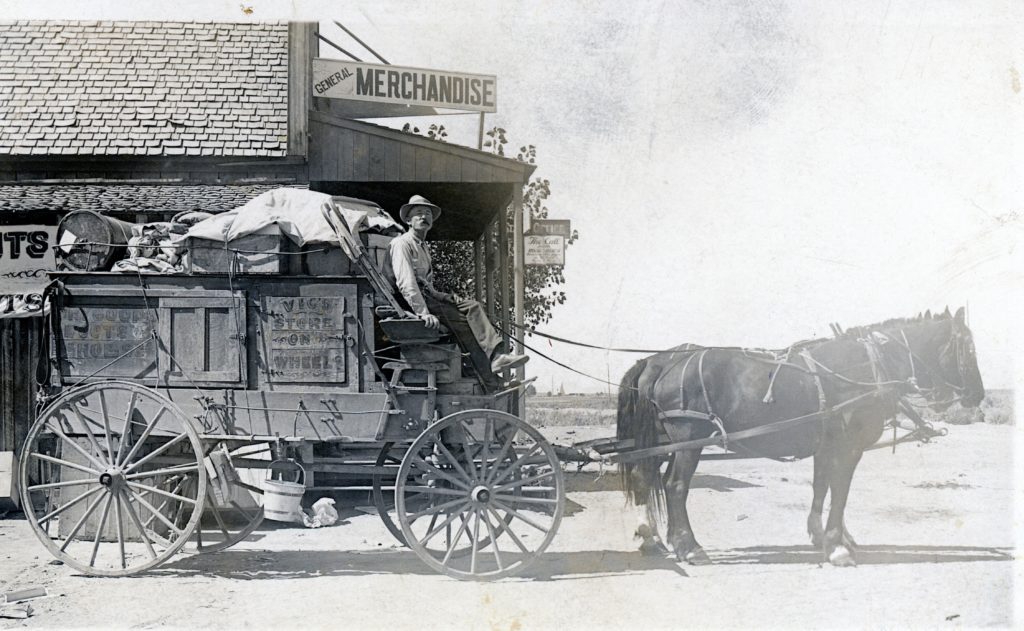
Vic Perry’s Store on Wheels, Standish, 1911. Courtesy of Alphozene Terril

In the early 1890s, Johnstonville resident, Vic Perry saw a need and put into motion his traveling store. In the summer, when hay season was in full swing, which should be noted then was very labor intensive, one did not have the luxury to travel to town for supplies. It was not unusual, for a farm to have a hay crew of twenty people. Perry would travel from ranch to ranch, making a circuit selling his wares. When Standish was founded in 1897, Perry opened a general mercantile store there, but each summer he was busy with his “store on wheels.”

Subscribe

Honey Lake Oranges

Wemple’s Pumpkin Patch

In the early 1890s, real estate promoters at Amedee proclaimed the region ideally suited for citrus trees. Of course, there were a lot of skeptics.

In 1911, Standish resident Frank McKay came up with a new marketing campaign to make one of this crops stand out from the others. McKay offered for sale Honey Lake oranges. As it turned out the large orange orbs he had for sale, were in fact the standard pumpkin.

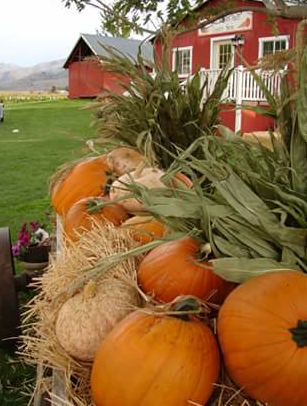
This being the month of October, means Wemple’s Pumpkin Patch at Milford is open. So if you are out and about that way, it is worth the stop.

Subscribe

Standish Creamery

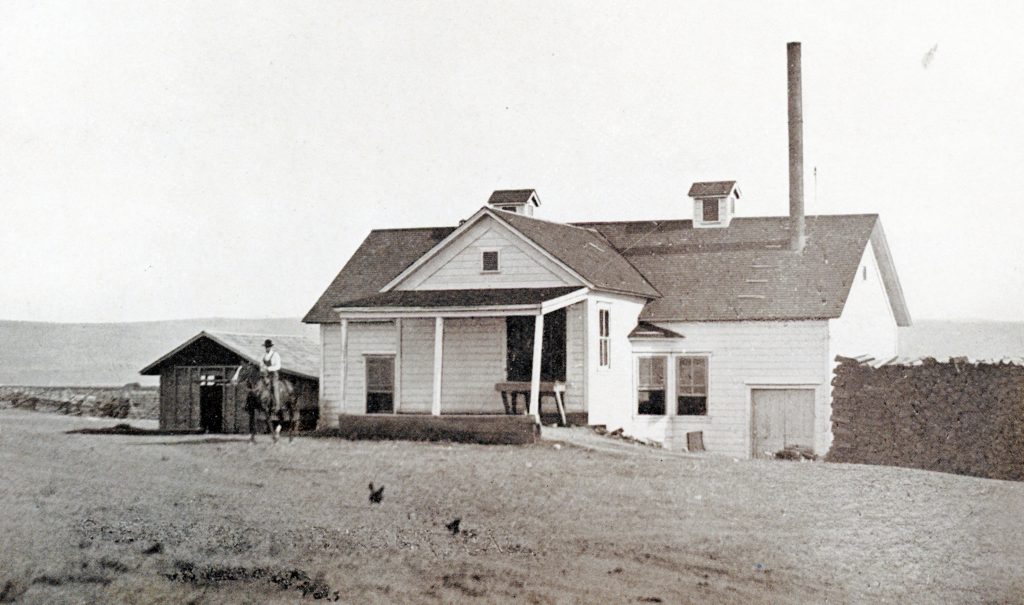
Standish Creamery, 1907

In 1907, the Standish Creamery had a daily output of 650 pounds butter. It was only running at half capacity, labor or the lack thereof being the culprit. As one observer wrote: “One does not wisley undertake the ownership of a herd of a hundred dairy cows, no matter how profitable he knows it to be, with the likelihood staring him in the face of waking up any morning and finding his milkers all gone, converted overnight into cowboys, astride their horses and galloping away.”

Subscribe

Finn Barry’s Colony Ranch

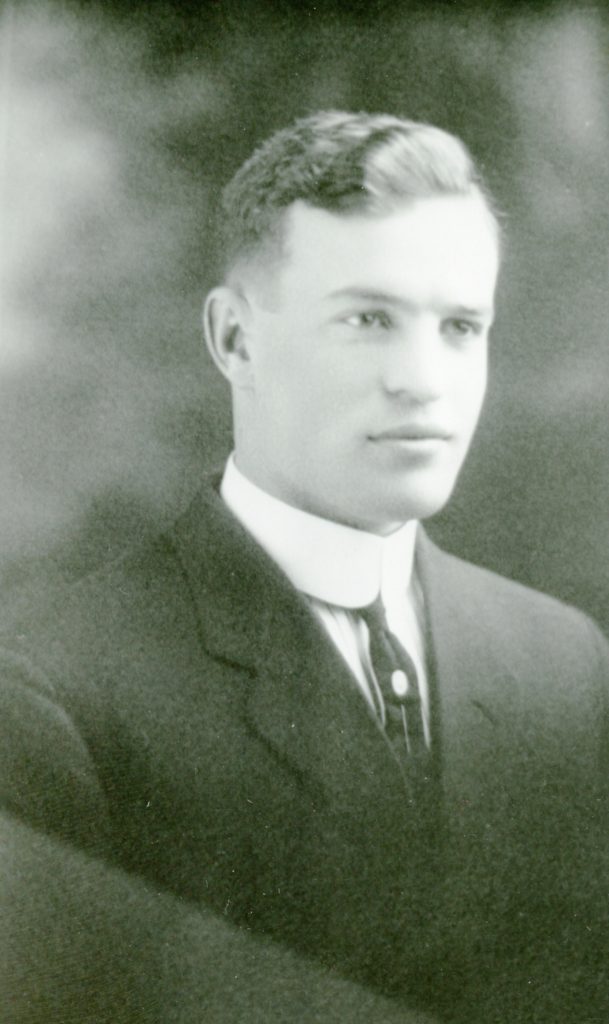
Hardin “Finn” Barry

Hardin “Finn” Barry was born March 26, 1891 in Susanville. In 1912, after he graduated from Santa Clara College, and he went to play Major League Baseball with the Philadelphia Athletics for one season. In the spring of 1913, he and his college friend Robert Murphy purchased a ranch in the Tule District of the Honey Lake Valley It was a disaster. In 1920 Finn abandoned the ranch and moved to Reno to study law. In 1921, he was admitted to the Nevada Bar and in December opened a law office in the Knoch Building in Susanville which he maintained the rest of his life. Continue reading Finn Barry’s Colony Ranch

Lilacs

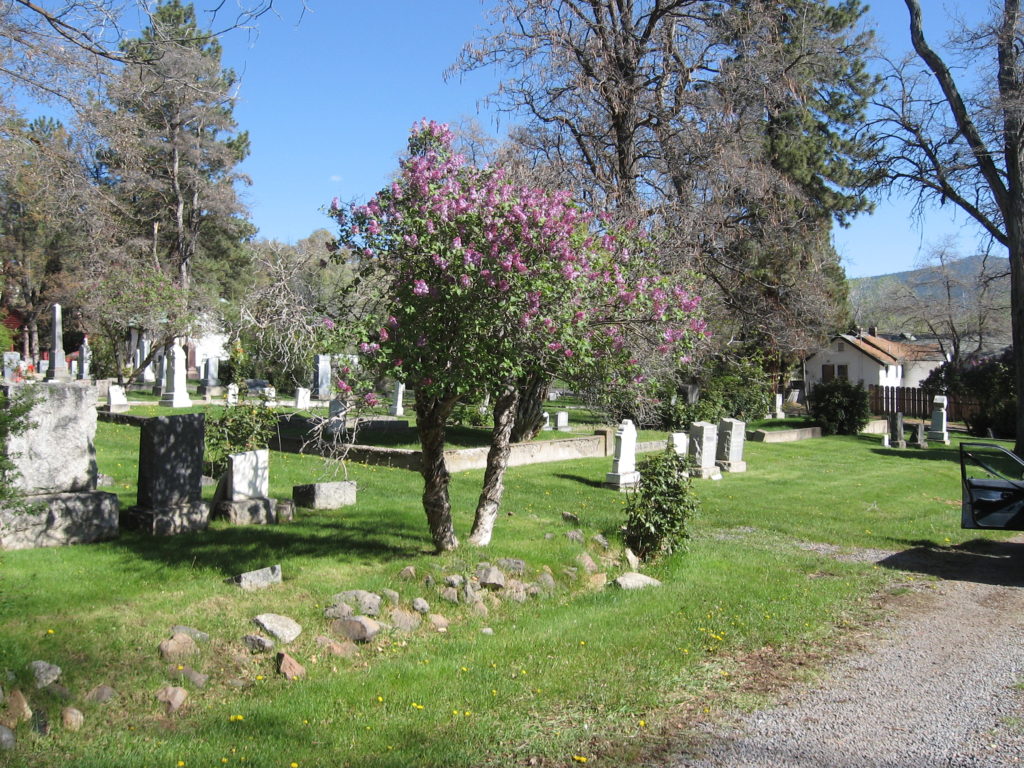
Susanville Cemetery

It is that time of year when the lilacs are in full bloom. With that in mind, here is a bit of trivia. Lilacs were introduced into the region from colonist from New Englanddc who located at the utopian community of Standish in the late 1890s. During the 1950s, Susanville’s gardening community tossed around the idea to hold a lilac festival, the plant being abundant there.

Subscribe!