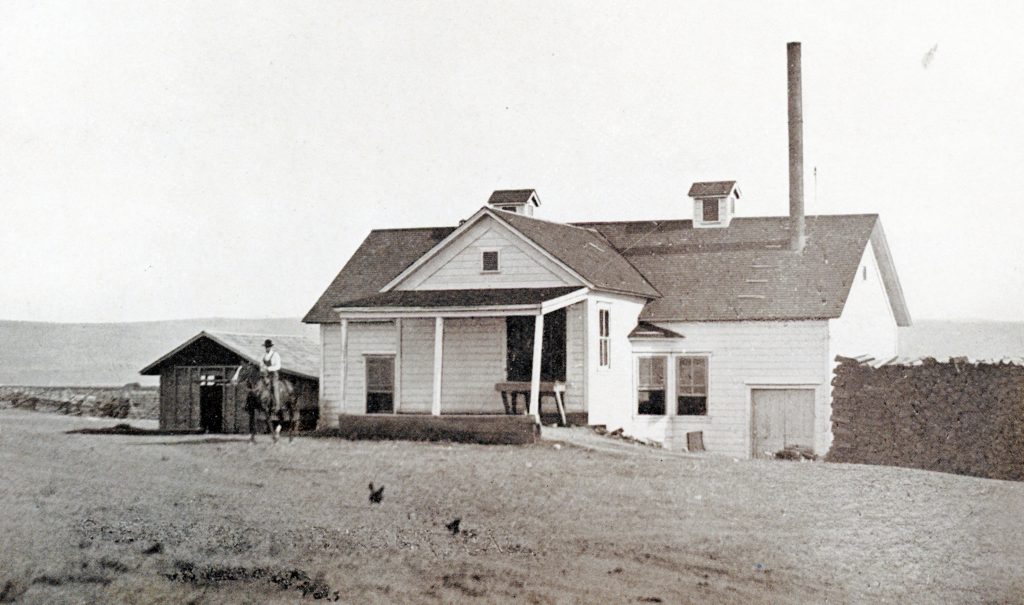
In 1907, the Standish Creamery had a daily output of 650 pounds butter. It was only running at half capacity, labor or the lack thereof being the culprit. As one observer wrote: “One does not wisley undertake the ownership of a herd of a hundred dairy cows, no matter how profitable he knows it to be, with the likelihood staring him in the face of waking up any morning and finding his milkers all gone, converted overnight into cowboys, astride their horses and galloping away.”
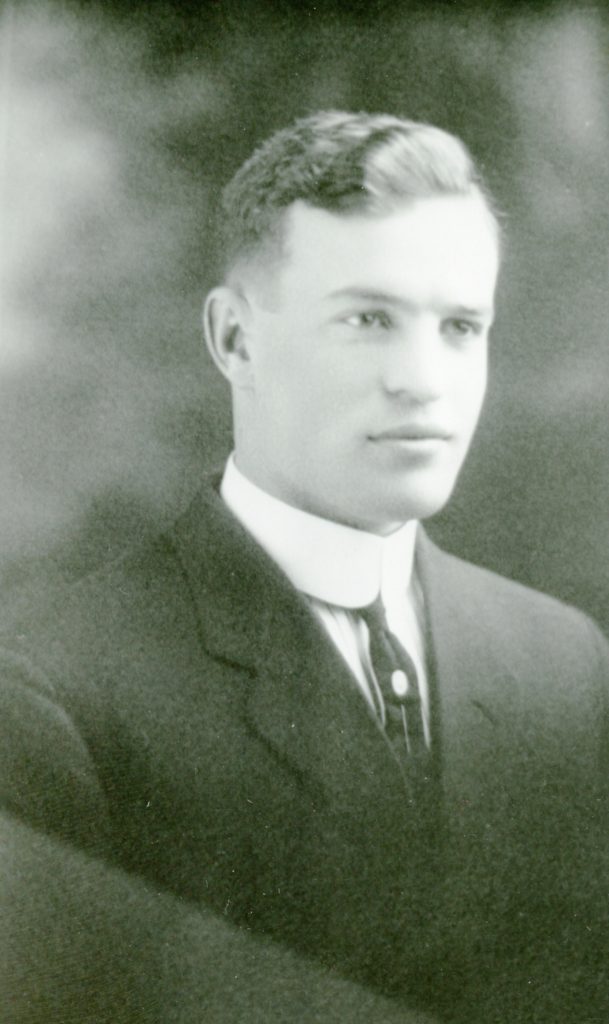
Hardin “Finn” Barry was born March 26, 1891 in Susanville. In 1912, after he graduated from Santa Clara College, and he went to play Major League Baseball with the Philadelphia Athletics for one season. In the spring of 1913, he and his college friend Robert Murphy purchased a ranch in the Tule District of the Honey Lake Valley It was a disaster. In 1920 Finn abandoned the ranch and moved to Reno to study law. In 1921, he was admitted to the Nevada Bar and in December opened a law office in the Knoch Building in Susanville which he maintained the rest of his life. Continue reading Finn Barry’s Colony Ranch→
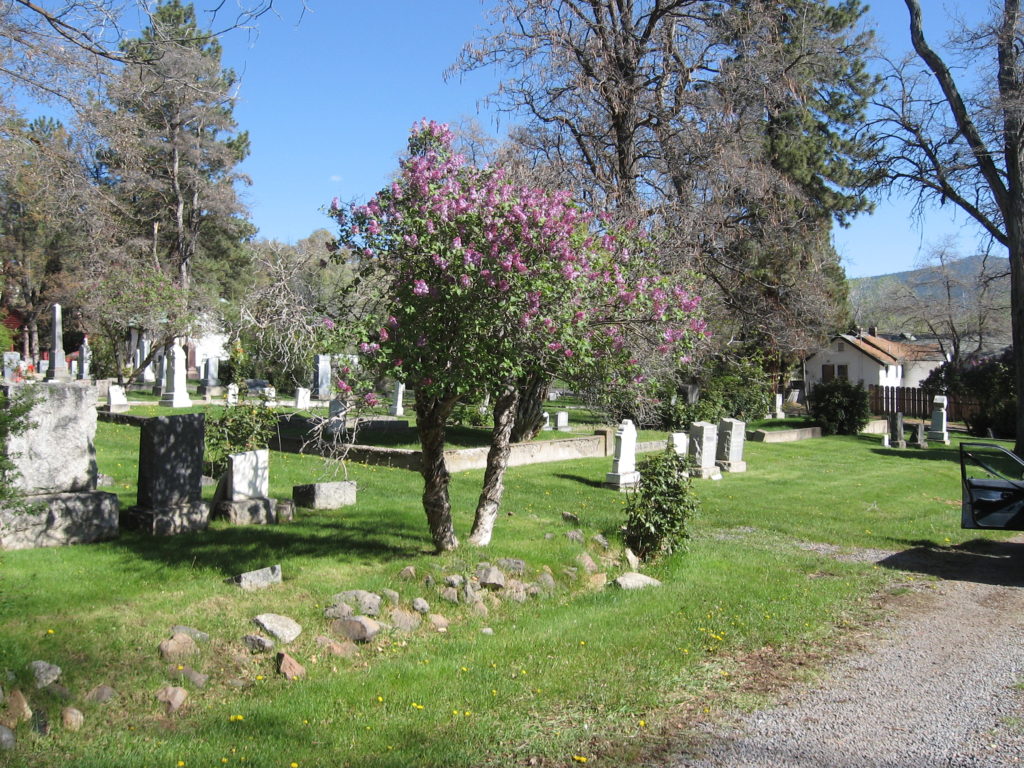
It is that time of year when the lilacs are in full bloom. With that in mind, here is a bit of trivia. Lilacs were introduced into the region from colonist from New Englanddc who located at the utopian community of Standish in the late 1890s. During the 1950s, Susanville’s gardening community tossed around the idea to hold a lilac festival, the plant being abundant there.
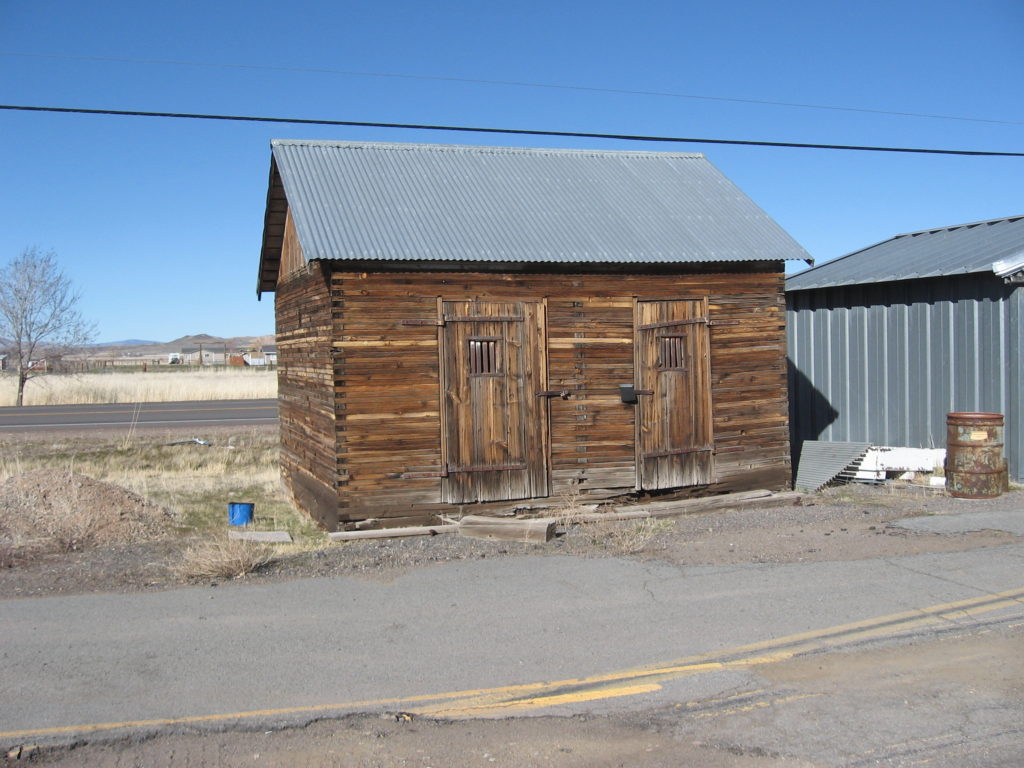
The Standish Jail. There was a similar one at Hayden Hill. There was one at Bieber but it was replaced with a small cement structure in 1931. Unfortunately, I am unable to furnish information about them. I have never been able to locate any records in the Lassen County archives.
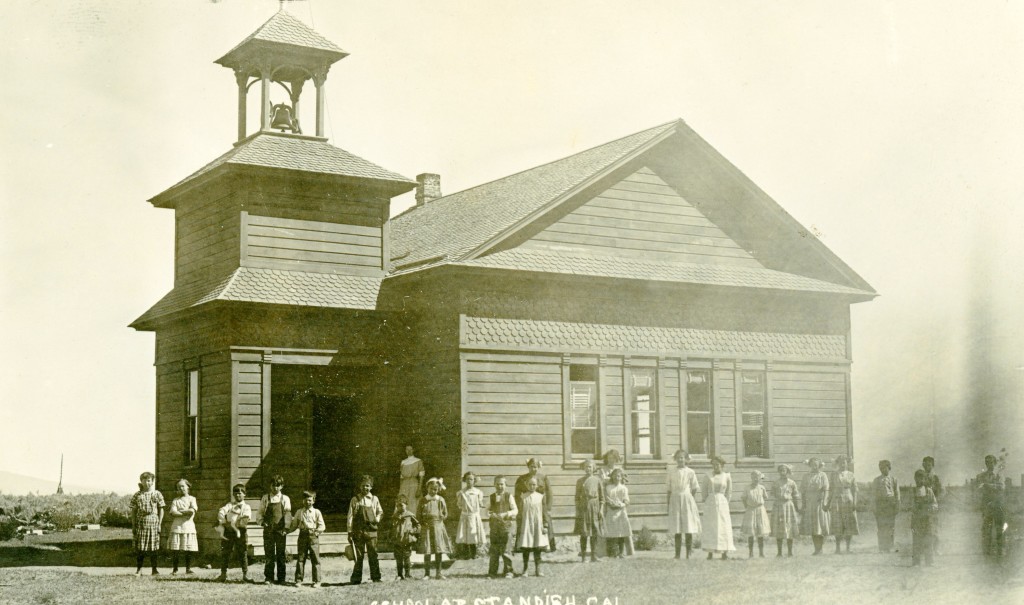
Standish School, 1911. Courtesy of Esther McClelland
In 1920, in the Standish region there were five school districts—Bridgeport, Honey Lake, Poplar, Soldier Bridge and Standish. In the late 1940s, there was a movement to consolidate rural school districts. In 1951, the voters of Bridgeport, Soldier Bridge and Standish Districts agreed to consolidate and form Shaffer Union School District. It should be noted that Poplar School closed in 1935 due to a lack of students. In 1950, Honey Lake School was annexed to Standish.
Flanigan, 1976, courtesy of Christopher MoodyEstablished in 1887, it was originally located at the Bonham Ranch in the Smoke Creek Desert. The school closed in 1919 for lack of students. In 1929, it was resurrected at Flanigan in the Honey Lake Valley. It closed on June 20, 1969 and at that time it was the only remaining one-room school in Washoe County. Standish resident Ed Bass purchased the school and moved to his property.
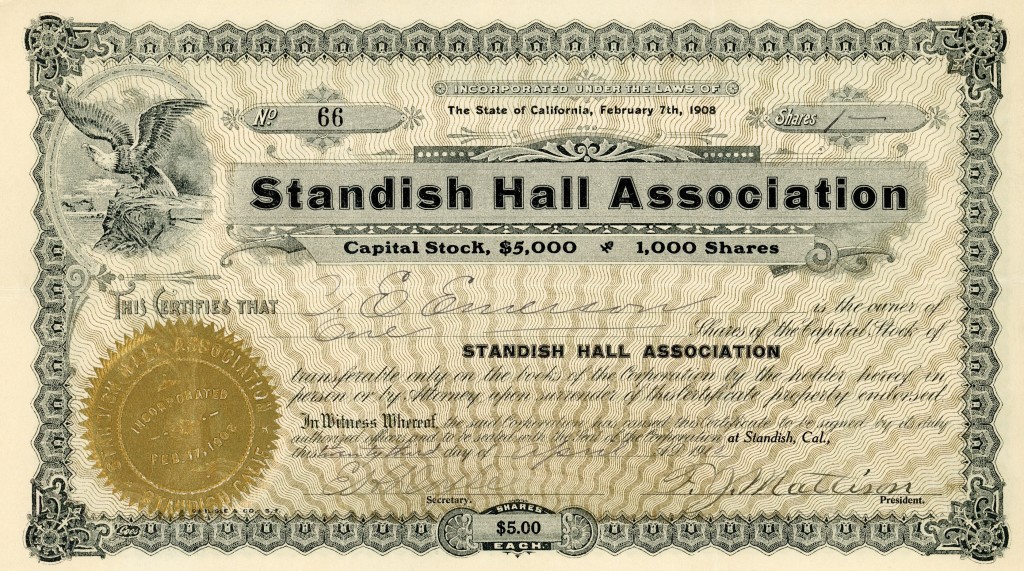
Stock certificate courtesy of Dick and Helen HarrisonIn the early 1900s, locally, businesses as well as fraternal organizations incorporated as a means to raise funds. A perfect example was that of the Standish Hall Association. Incorporated in 1908, it financed a two-story building in Standish. Typical of the era, the second floor was used as a hall for fraternal organizations. The first floor, of course, was rented to commercial enterprises, with those proceeds used to maintain the building, etc.
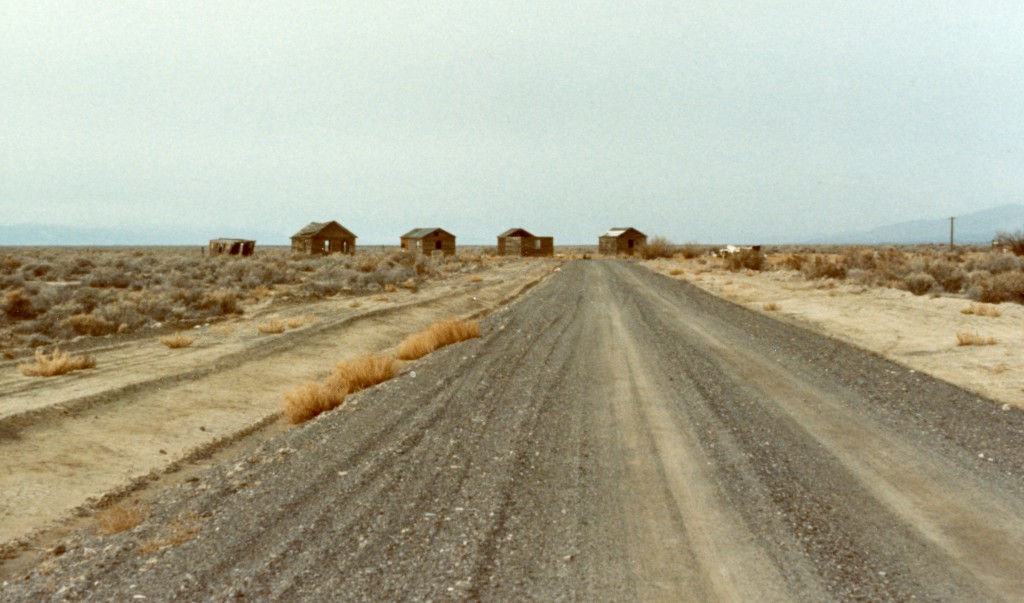
The Standish Hall still exists in a state of arrested decay and better known to many as the former home of Neil’s Mercantile.
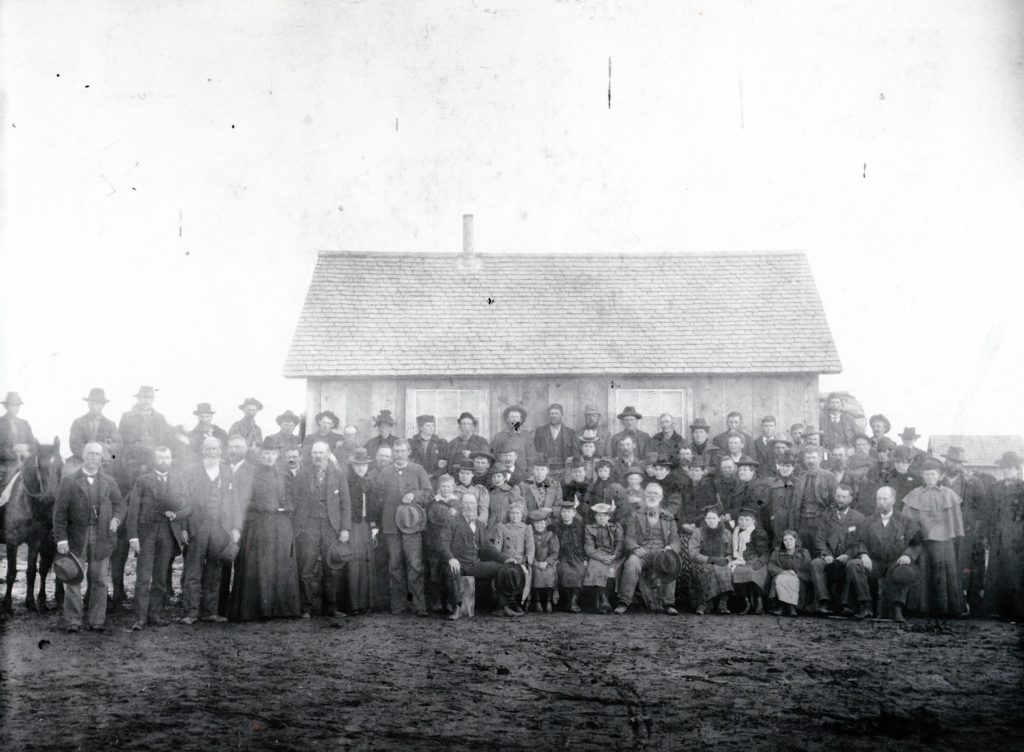
Members of the Honey Lake Valley Colonial Club assembled in front of the Honey Lake School, at Datura, 1897. Courtesy of Betty Barry Deal.Just a mile east of Standish was a wide spot in the road known as Four Corners and some times referred to as Cain’s Corners. It was a stage stop in the 1890s, known as Datura. In 1886, William Henry Harrison Fuller went to work as a blacksmith for Otto P. Ranker, whose property adjoined the intersection. Fuller injured his right hand while employed by Ranker and forced Fuller to retire. Fuller purchased fifteen acres at the intersection from Ranker for $150. Fuller then went into the apiary business and did quite well, producing two tons of honey each year. Fuller also opened a general store. Also at Datura, George Cain opened a livery stable for stagecoaches to change horses. On May 11, 1895, the Datura Post Office was established with Fuller as the first and only postmaster.
During 1897/1898 the Honey Lake Valley Colonial Club held their meetings in the original Honey Lake School located at Datura to formulate the plans for their utopian community of Standish. On April 21, 1899, the Datura Post Office closed and its operations moved to Standish. As Standish developed, Datura slipped into oblivion.
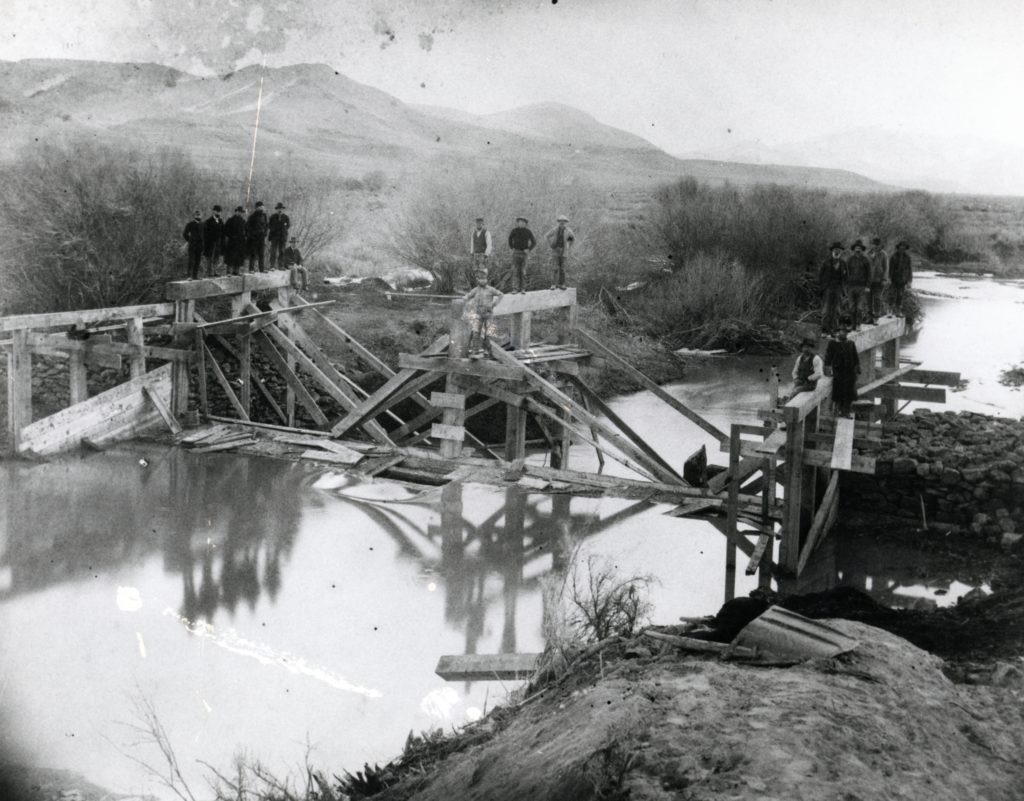
The Colony Dam, Susan River, November 1897. Courtesy of Betty Barry DealIn November 1897, the Colonial Irrigation Company of the Honey Lake Valley, part of the Standish Colony operation began work on the controversial Colony Dam on the Susan River, near that community. The construction of the dam outraged their neighbors downstream in the Tule District, who claimed it obstructed their water flow and riparian rights. The Tule folks took the matter to court and not only asked for an injunction, but demanded the $12,000 dam be removed as a nuisance. Lewis Brubeck, who owned the Smith place in the Tules (now the Fleming Unit of Fish & Game), also filed a separate lawsuit against the Company in 1898, as the waters of the river had been diverted, never reaching his property. The Brubeck verdict was important to the Tule people, for while Brubeck only received a damage award of $750, the court placed a restraining order against the Company, preventing the Company from irrigating any other lands until Brubeck’s lands were thoroughly irrigated.
Donate
Standish Livery Stable and Meat Market, 1909. Left to Right: Todd Hemler, Bill Kennedy and Fred Hansen. Courtesy of Vivian Hansen.
This post is rather brief today, since I do not have that much information about this early business at Standish. To me this is one of those pictures that one could use your wildest imaginations. After all, who would ever thought of combining the Standish Livery Stable and the Standish Meat Market in the same building. Seems rather suspicious to me.