Tag Archives: Natural History

Lake Almanor Carp

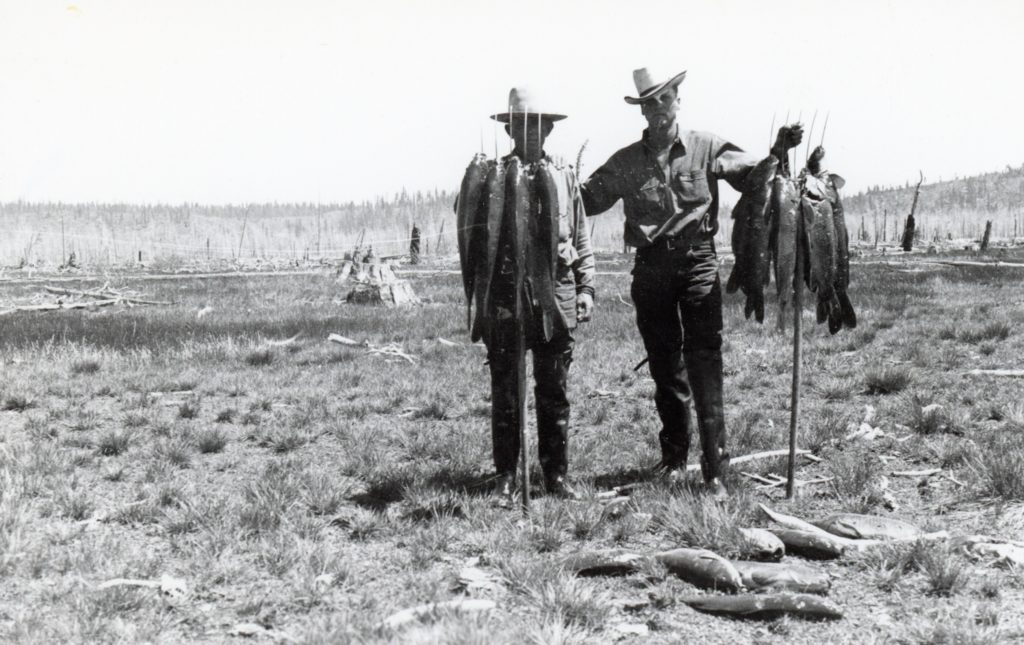
John Tanner and Bud Driver with their Lake Almanor Carp catch of May 8, 1940.

Sometime in the late 1920s or early 1930s an unknown individual(s) planted a non-native species of fish in Lake Almanor—carp. In the 1930s and 1940s efforts were underway to eradicate the fish. During the mid-1930s and early 1940s spearing carp became a popular pastime. In 1935 Vern Hart owner of the Lake Almanor Inn, said it was pretty simple when it came to spearing carp. He said the only thing necessary was a three-pronged spear or a pitchfork.

In 1939, the California  Department of Fish & Game came up with a new plan to remove the carp—commercial operators. Carp did have one beneficial use, they could be converted into fish meal and. a ready market for poultry feed. In July 1940 alone over 30,000 carp were harvested weighing in at over 35,000 pounds. The carp were shipped to Los Angeles for processing. In 1943 it was even proposed to build a carp processing plant at Lake Almanor, but it failed to receive approval from the federal War Priorities Board. After that efforts were suspended on the eradication of the carp.
Support

Echo Lake-Then & Now

July, 15, 2021

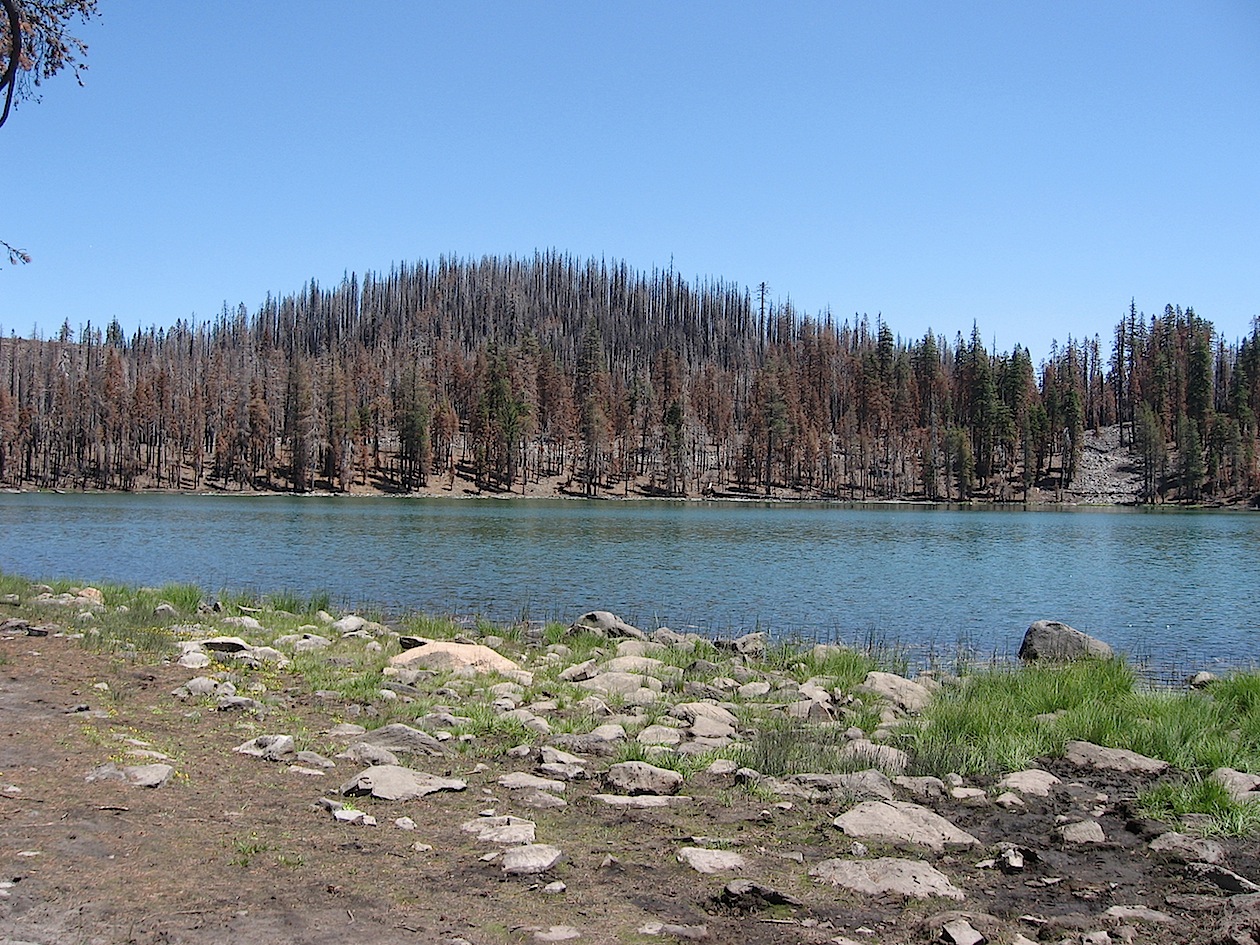
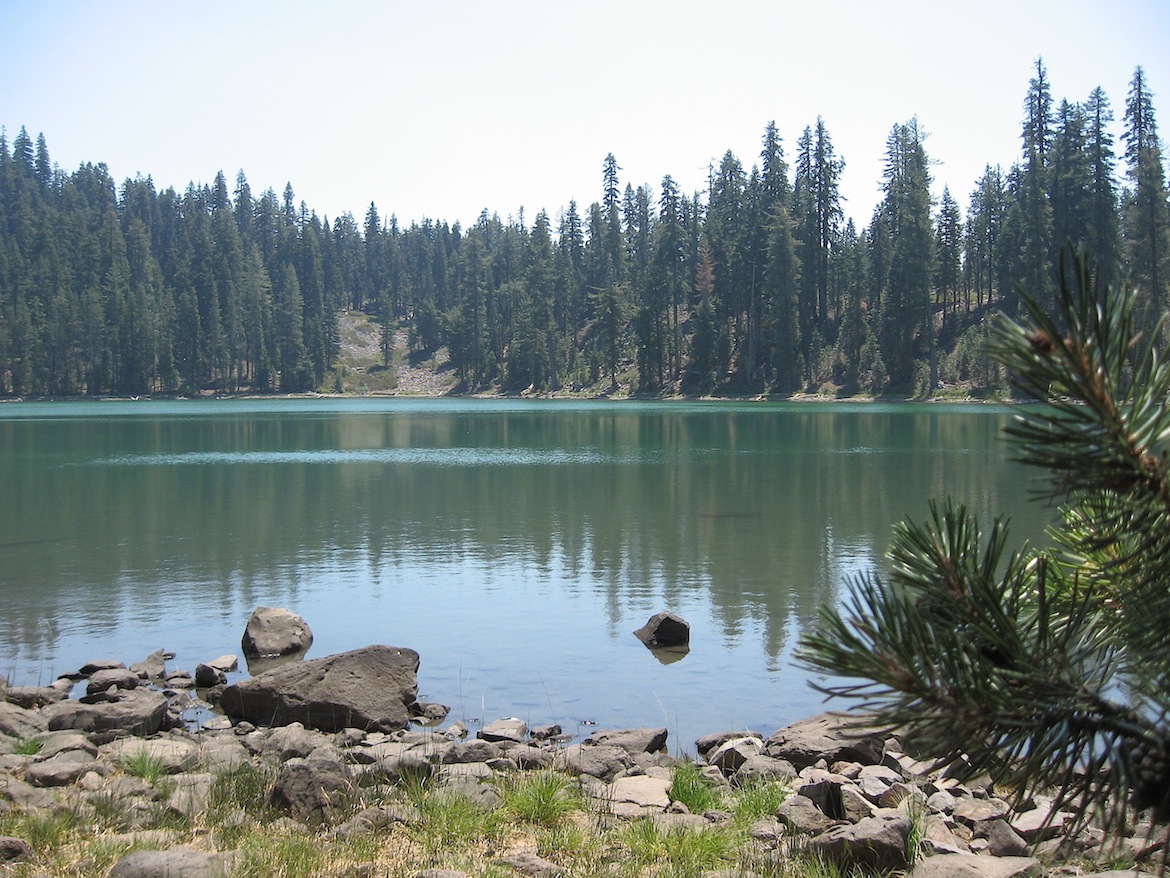
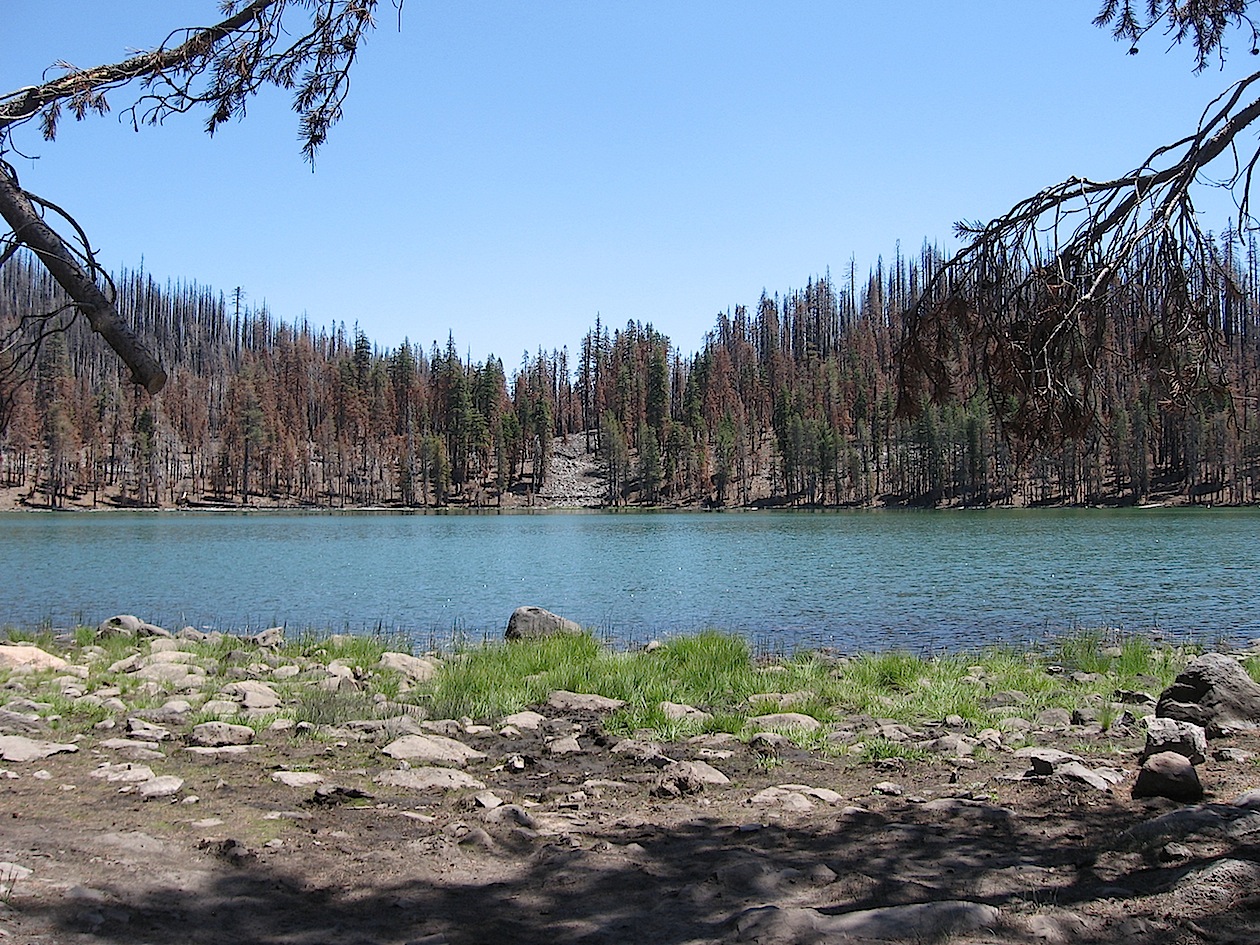
Last week we made an expedition to the Echo Lake region in northern Plumas and western Lassen Counties. We did the same a year prior on July 15, two days after the Dixie Fire started. Who knew that fire would devastate so much territory. I had heard reports that the area surrounding Echo Lake had burnt. Thus, we wanted to see first hand. I know some folks will be interested to see what a difference a year makes.

Echo Lake, Plumas County, July 11, 2022

Another View

Echo Lake, July 11, 2022

Tim

Homer Lake, Lassen County

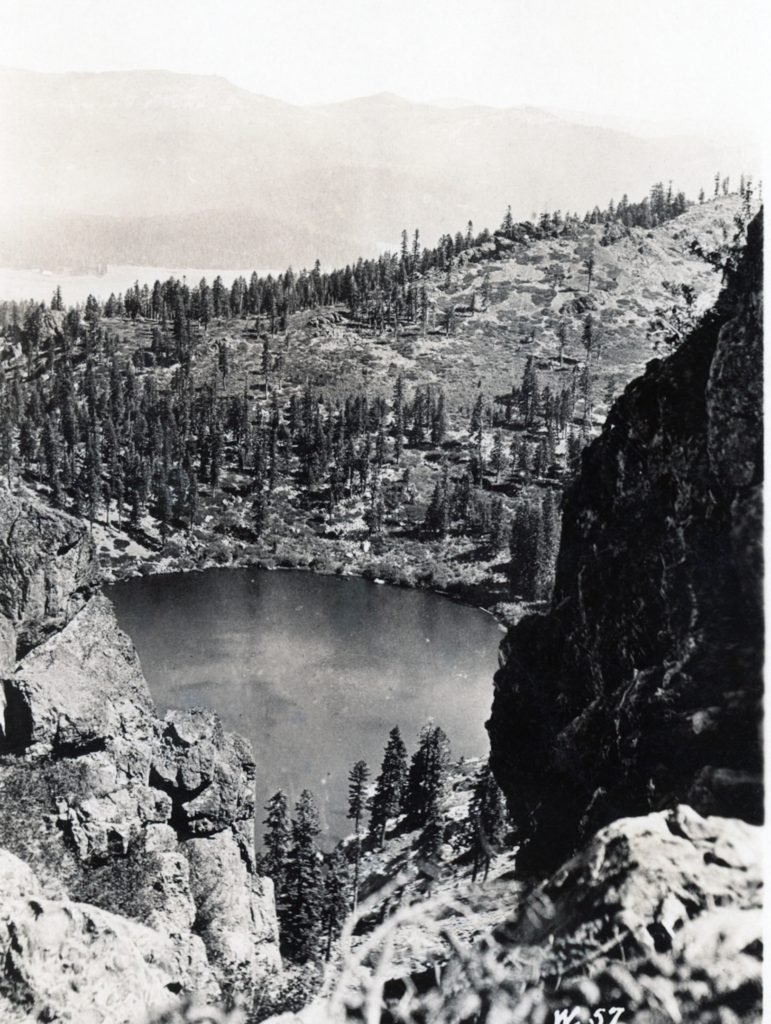
Homer Lake, Lassen County, 1919

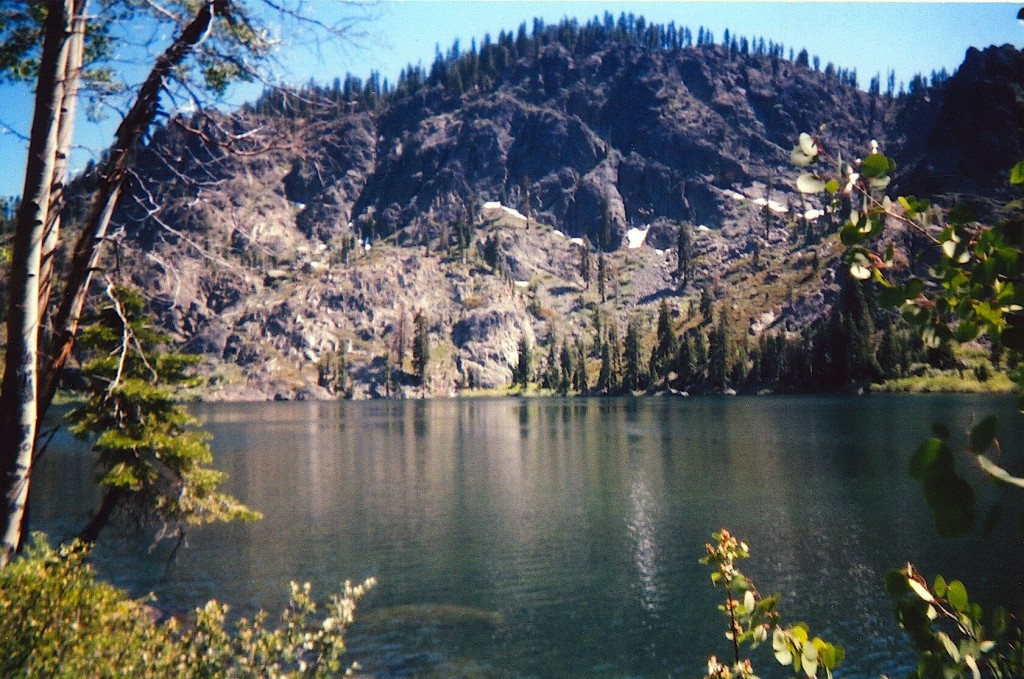
It is one of three lakes on Keddie Ridge, the other two being Hidden and Deerheart.  The origin of the name is not known.  On December 24, 1878, G.A. Chipman and J.D. Anthony referred to it as Moon Lake when they claimed its waters for use on their Rising Star Mine. By 1881, it was being referred to as Homer Lake. By 1911, the lake had been planted with trout. In 1916, Frank Cady, who was deputy fish and game warden, first learned of the lake, and went to inspect the same as there rumors that unknown parties had dynamited the lake for fish. He found no evidence of same, and caught several trout weighing on the average of two pounds.

Homer Lake, July 2007

It is never too late, subscribe

Remember When Lake Almanor Rattled?

Lake Almanor

The region, like most of California is earthquake prone. Actually, on any given week there are small quakes in the region, registering under 3 on the Richter Scale. The tremors are so faint, no one feels them.

However, that was not the case on May 23, 2006, when an earthquake struck the east shore of Lake Almanor at 8:47 p.m. It got everyones attention as it measured 5.7. It was widely felt throughout the region.

In the spring of 1914, a swarm of earthquakes hit the region, a prelude to Lassen Peak’s eruption that May.  At the same time, Big Meadows was being flooded to be transformed into Lake Almanor. Many locals believed that was cause of the Lassen Peak eruption.

Donate

Lake Helen, Lassen Park

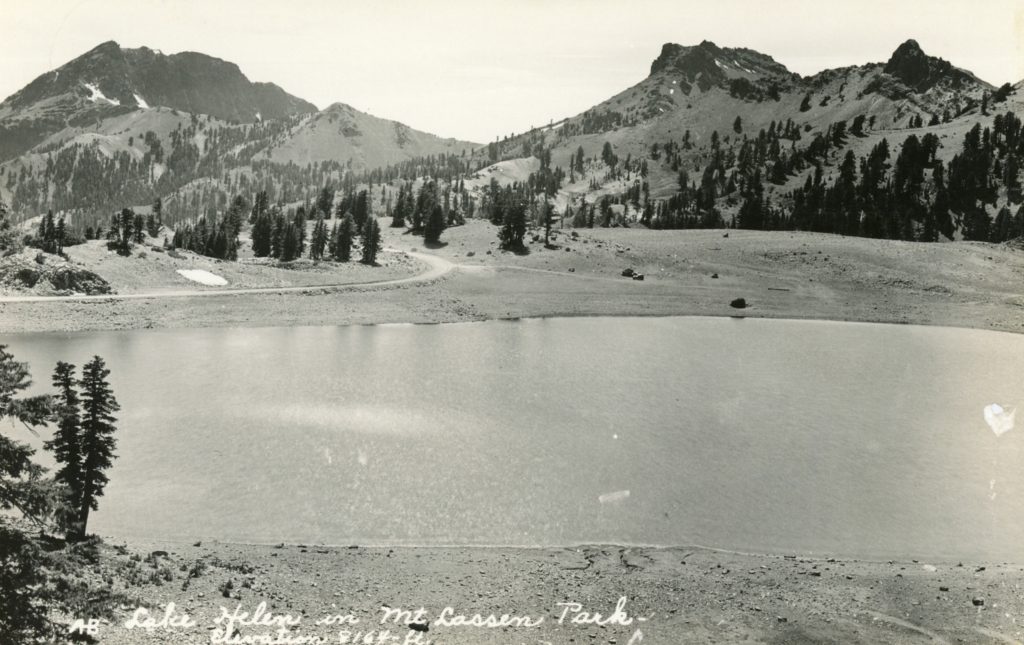
Lake Helen

Lake Helen at an elevation of 8,164’ is a popular stopping spot on the loop highway through the park. It was so named for Helen Brodt, the first woman to climb Lassen Peak.

Long before there was any thought given of making Lassen a national park, the area lured summer tourists from the Sacramento Valley to escape that region’s heat. In late August 1864, a camping party consisting of Pierson B. Reading, Kendall Bumpass, S.S. Thomas, and Aurelius and Helen Brodt arrived at Morgan Meadows, to the south of Lassen Peak. On August 28, they made the ascent to the top of the peak. Two weeks later, the Brodts journeyed to Susanville, where Aurelius Brodt wrote to his mother about his journey in the mountains. “Last week Helen and myself climbed and stood upon the very top of Lassen Peak, 11,000 feet above the level of the ocean. It was a thrilling adventure—we walked over ice and snow that had probably been there for centuries—we found a crater in active operation, sending up vast clouds of sulphurous steam making a deafening roar similar to an immense steam engine [Bumpass Hell]. We found a beautiful little lake near the top of the mountain which was named Lake Helen after my wife, she being the first woman that had ever seen it, also her name and date Aug. 28, 1864 is inscribed on the side of a large rock on the very peak, she being the first woman that ever ascended the peak.”

Support

A Failed Eagle Lake Harvest

Pine Creek Fish Trap, March 2017

During the late 1800s’, in the spring time there were always some entrepreneurs from Susanville who would take a wagon or two to Eagle Lake to catch the trout. Their haul of fish would weigh anywhere from 600 to 800 pounds. This they sold very quickly on the streets of Susanville at twenty-five cents a pound. In late April 1892, a fishing party left Susanville to do the annual harvest. They only came back with seven trout. They blamed their failed attempt that the water was too high. This practice came to an end in 1917 when California made it illegal to wholesale harvest of trout from lakes and streams.

Tim

More Camp McGarry

Summit Camp is an old livestock camp, located near the headwaters of Mahogany Creek, that is the stream that feeds Summit Lake—May 10, 2008

In May 2008, my dear friends, Derek and Pat Anderson invited me to partake in an expedition through Smoke Creek/Black Rock Deserts with a goal of High Rock Canyon. One day we spent exploring the Summit Lake area. It should be noted we made a base camp at Soldier Meadows Guest Ranch. Our departure was to be through High Rock Canyon, but due to certain difficulties, that was  abandoned. To make a long story, even longer, I did research on Camp McGarry to give the owners at Soldier Meadows additional information to share with future guests.

Camp McGarry was so remote that it relied on the Susanville business community for all of its supplies. The following are excerpts from the Sage Brush newspaper, forerunner to the Lassen Advocate about the coming and goings out in that district. Its lengthy, so if you have no interest, feel free to skip. Continue reading More Camp McGarry

Those Pesky Coyotes & Rabbits

A coyote scalp receipt

In 1891, California passed a bounty on coyotes at five dollars each. During that decade, in the Lassen region, that bounty was nearly successful in eradicating the coyote population. In turn, that created another problem—jack rabbits. These critters flourished, since the coyote was its primary predator. For the farmers the jack rabbits created more problems than the coyotes.

In 1920, the residents of the Madeline Plains requested aid from their Congressman John E. Raker, to help them with the jack rabbit problem. A study sent to Raker reported: “As son as the crops are up and making good progress the rabbits begin work on them. The heaviest damage is done in August. One rancher reported losing 100 acres of wheat last summer. They take this crop in preference to oats and rye. It was reported that 70 tons of rabbit meat [to make tamales] had been shipped to the San Francisco market. It appears that the animals cannot be killed fast enough in this region to furnish relief to the ranches.”

One method deployed to eradicate the rabbits—were rabbit drives. As the name infers volunteers were either clubs or guns would work a large swath of area killing thousands of rabbits. Rabbit drives in the region were common during the 1920s and 1930s. Even after the coyote bounty law repealed it took years before a balance in nature was corrected.

Support


Bogard Buttes, Lassen County

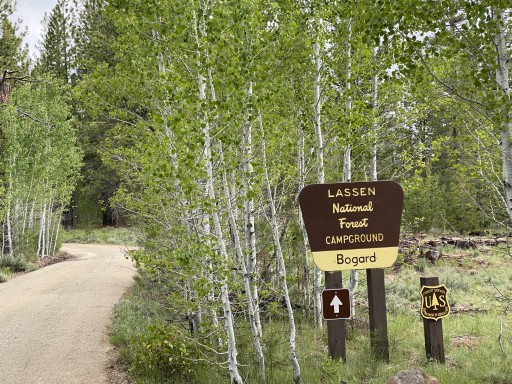
Bogard Campground

Traveling west on Highway 44, once you reached Pine Creek Valley, one cannot miss the Bogard Buttes. Located near the base is the Bogard Ranger Station and Rest Area. Nearby, is the hidden gem of the Bogard Campground.

So who was Bogard? Like so many natural features in western Lassen County, are named for Tehama County livestock operators, who used the region for summer grazing. John Jasper Bogard (1851-1895) was one of them. In the 1870s, Bogard had a camp at the base of the Buttes. On January 21, 1884 he sold this property to George Hoag for $600. On a final note, Bogard, while serving as Sheriff of Tehama County, died in a train robbery incident at Marysville, California in 1895.

Tim

An Active Lake Almanor Volcano

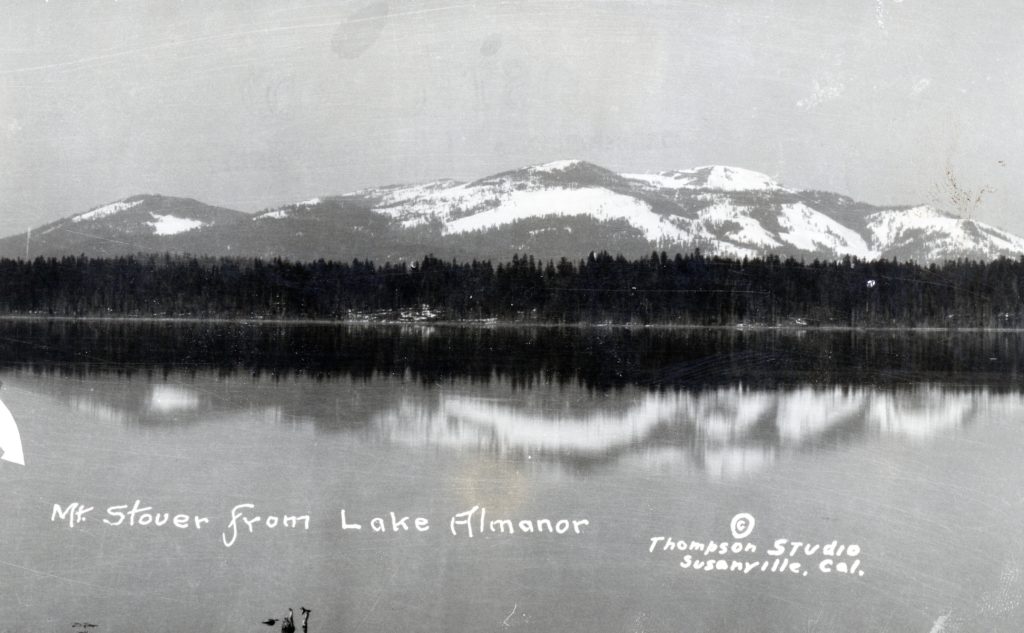
Lake Almanor, 1926.

This is not a April Fools prank. On March 15, 1915, the Surprise Valley Record, Cedarville, Modoc County had a small article about “Another Volcano.” Lassen Peak, during the previous year, had become an active volcano. This account of Stover Mountain as an active volcano, I found rather “surprising.”

“Another Volcano-Westwood, Cal. Mar. 7-Another volcano in active eruption in this vicinity, a mate to Mount Lassen was reported today to the officials of the Red River Lumber Company.

It is Mt. Stover, 22 miles west and located 15 miles southeast of Mount Lassen.

On the strength of the reports men were sent to investigate as the country is in the heart of the timber holdings of the company.

”Mt. Stover, it was reported, has been smoking slightly for the past two days but early this morning an active eruption was seen with a column of dense smoke rising far above the lofty peak. No flames were seen or damaged reported. Mt. Stover is said to be in second in height of Mt. Lassen and the outbreak at the distance from the original volcano is regarded as a sign of subterranean disturbances.”

Tim